The airbag helmet is transforming personal safety for cyclists, motorcyclists, and e-scooter riders. Unlike traditional hard-shell helmets, this smart wearable remains hidden until impact. It inflates instantly during a crash, forming a protective cushion around the head and neck. This technology offers a new level of protection without sacrificing comfort or style.
Moreover, the airbag helmet addresses common complaints about conventional gear. Many riders avoid wearing bulky helmets due to heat, weight, or appearance. With an airbag helmet, users wear a lightweight collar or hat-like device. In the event of a fall or collision, sensors detect sudden movement. Then, within milliseconds, an airbag deploys fully. As a result, more people are choosing to ride safely without compromise.
 What Are Airbag Helmets?
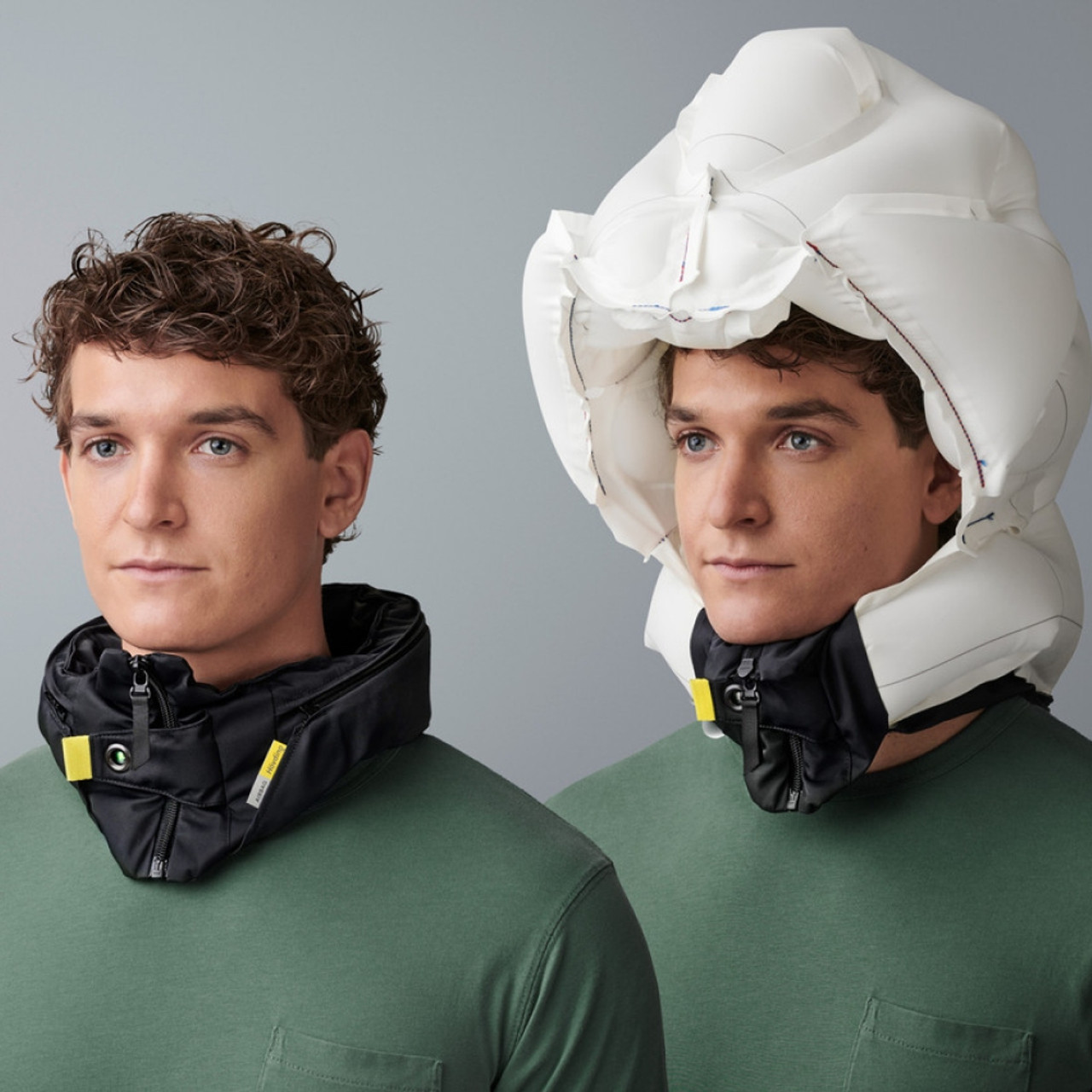
Airbag helmets represent a breakthrough in cycling safety gear. Unlike traditional helmets, they aim to provide advanced protection using innovative technology. Designed to safeguard cyclists, airbag helmets use engineering solutions that go beyond the limitations of regular helmets.
The Concept Behind Airbag Helmets
Airbag helmets function as wearable airbags for your head. They stay deflated and hidden until needed. The core idea is to combine convenience with exceptional safety. In case of a crash, the helmet inflates almost instantly, forming a protective air cushion. This cushion absorbs impact forces more effectively than hard-shell helmets.
The concept emerged from studies into injury reduction. Developers focused on creating a product that minimizes head and neck injuries. By addressing specific weak points in traditional helmets, airbag helmets offer a unique safety approach. Testing shows they provide excellent shock absorption and dispersion.
How They Differ from Traditional Helmets
Airbag helmets differ from standard helmets in design and function. Regular helmets have a hard outer shell with foam padding. In contrast, airbag helmets consist of soft fabric collars containing folded airbags and sensors.
Another distinction lies in deployment. Traditional helmets passively protect the cyclist during a crash. Airbag helmets, with built-in sensors, actively detect potential impact scenarios. Upon detection, the airbag inflates in milliseconds, encasing and shielding the head.
Comfort also sets them apart. Airbag helmets are lightweight and often more comfortable to wear. Cyclists do not have to deal with bulky materials on their heads while riding.
In summary, airbag helmets blend cutting-edge technology with enhanced safety features. Their unique design and functionality mark a significant leap forward in protective cycling gear.
 How Airbag Helmets Work
Airbag helmets use advanced technology to offer robust protection for cyclists. Their smart sensing and rapid inflation make them unique and reliable in accident scenarios.
The Technology Inside Airbag Helmets
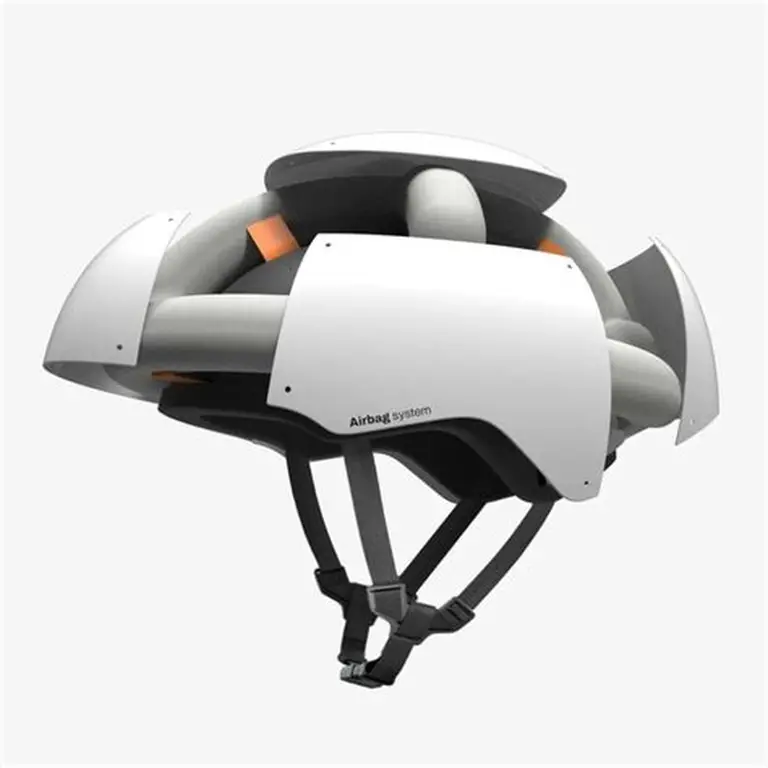
Airbag helmets feature folded airbags secured within a collar-like structure. These airbags stay deflated during normal use. Tiny gas cylinders are integrated within the design to inflate the airbags when needed. The helmet inflates in milliseconds, giving instant coverage.
The material used in the airbags is strong yet flexible. It absorbs and disperses impact energy effectively. This mechanism minimizes the force impacting the head and neck during crashes. Developers rely on rigorous engineering to ensure the helmet performs reliably.
Sensors and Deployment Mechanism
Sensors are the key to airbag helmet functionality. They monitor cyclist movements in real time. These sensors analyze the rider’s acceleration, angles, and rapid changes in motion. If unusual patterns signaling a crash emerge, the helmet activates.
Upon activation, a small charge triggers inflation. The airbag expands quickly, creating a soft yet firm envelope around the cyclist’s head. This prevents direct impact and reduces injury risks. The sensors are calibrated to avoid false activations, ensuring reliability.
The combination of advanced materials, smart sensing, and quick deployment makes airbag helmets a game changer in cycling safety.
Benefits for Cyclists
Airbag helmets offer significant benefits for cyclists, combining advanced protection with comfort and usability. These helmets redefine safety by addressing critical shortcomings of traditional helmet designs.
Enhanced Protection for Head and Neck
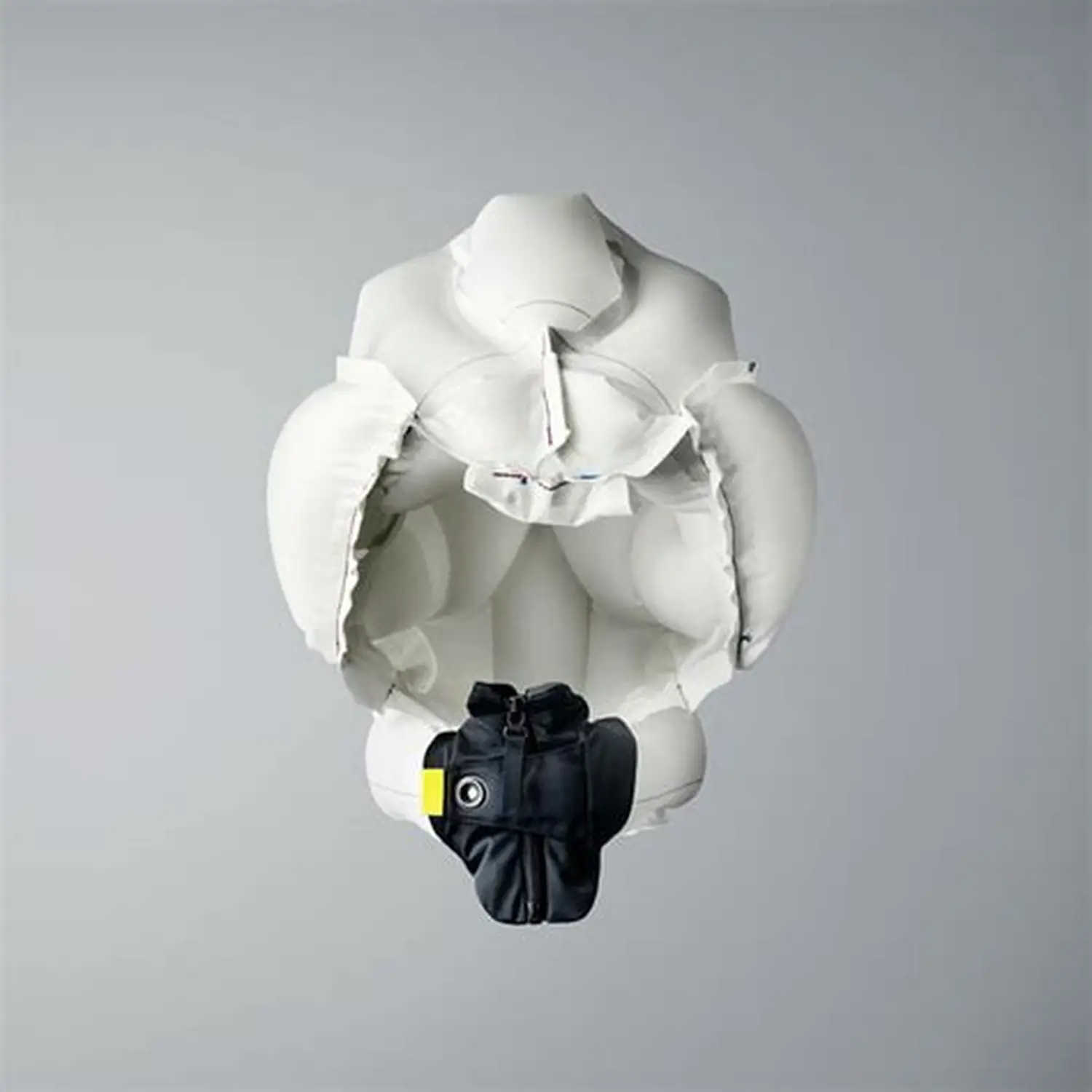
Airbag helmets deliver superior protection during accidents. Their design focuses on safeguarding the head and neck region. Unlike hard-shell helmets, the inflated airbag creates a larger protective area, absorbing shock effectively. This cushioning reduces the risk of serious head injuries.
Moreover, the airbag provides neck support. Traditional helmets often fail to prevent certain neck injuries. By cradling the neck during impact, airbag helmets help minimize the strain on critical spinal areas. This feature is particularly valuable in high-speed crashes. Rigorous testing has shown that airbag helmets outperform standard helmets in shock absorption and injury mitigation.
Lightweight and Comfortable Design
Airbag helmets are typically worn as a collar around the neck, making them lightweight and unobtrusive. Cyclists do not feel the weight or discomfort of a bulky helmet on their head. This design improves the overall riding experience, especially during long-distance cycling.
The absence of a hard outer shell also promotes breathability. Riders stay cooler, even during intense physical activity. Unlike traditional helmets, which can feel tight or restrictive, airbag helmets offer a more flexible and comfortable fit. Their discreet design makes them appealing to those seeking both function and style in their cycling gear.
In summary, airbag helmets combine unmatched safety with practical comfort, making them a top choice for modern cyclists.
 Comparing Airbag to Standard Helmets
Airbag helmets and traditional helmets serve the same purpose but differ greatly in design and performance. Understanding these differences can help cyclists choose the right protective gear.
Safety Standards and Crash Test Results
When it comes to safety, airbag helmets often outperform traditional helmets. They undergo rigorous crash tests to ensure reliability. Studies show that airbag helmets absorb impact better than standard models. Their inflatable design distributes force across a larger area, reducing injury risk significantly.
Traditional helmets must meet certain safety standards, such as CPSC and EN 1078 certifications. These benchmarks test their ability to protect the head during impacts. Airbag helmets, however, aim to exceed these standards by incorporating advanced technology.
Crash test results reveal that airbag helmets offer better protection for the head and neck. Unlike hard-shell helmets, they cushion the entire impact zone. For cyclists aiming for superior safety, airbag helmets set a higher benchmark.
Price and Accessibility
Airbag helmets are innovative, but they come at a cost. They are generally more expensive than traditional helmets. This higher price reflects the advanced technology, sensors, and materials used.
While traditional helmets are widely available in various price ranges, airbag helmets remain less accessible. Fewer manufacturers produce them, and they are sold mainly online or at specialty retailers.
The cost can be a barrier for casual cyclists. However, for frequent riders or those cycling in high-risk environments, the investment might be worth it. As the technology becomes mass-produced, airbag helmets could become more affordable in the future.
In summary, airbag helmets excel in safety but have higher prices and limited availability. Cyclists should weigh their priorities to make an informed decision.
Popular Brands and Models
Airbag helmets have gained popularity among cyclists seeking advanced safety gear. Several brands stand out for their innovative designs and reliable products.
Review of Leading Manufacturers
- H?vding: H?vding is widely considered the pioneer of airbag helmets. Their helmets boast cutting-edge technology, including advanced sensors and rapid inflation mechanisms. H?vding designs prioritize safety and comfort, earning top ratings in crash tests.
- Helmetair: Helmetair specializes in lightweight designs and stylish options. Their models appeal to casual cyclists and commuters. The company emphasizes user-friendly features like easy setup and secure operation.
- AirHead Helmets: AirHead Helmets focuses on affordability without compromising safety. Their products balance advanced features and accessibility. Cyclists appreciate their durable materials and consistent performance.
- InflateSafe: InflateSafe offers airbag helmets with enhanced neck protection. Their designs include extra padding and smart sensors for complex crash scenarios. InflateSafe helmets are often recommended for racing cyclists or high-speed riders.
Features to Look for When Choosing an Airbag Helmet
- Sensor Accuracy: Reliable sensors are vital for proper function. Ensure the helmet detects crashes swiftly and accurately.
- Inflation Speed: Rapid inflation is crucial in preventing injuries. Look for helmets with millisecond activation.
- Material Durability: High-quality materials improve impact absorption and longevity. Flexible and sturdy airbag fabrics are preferred.
- Comfortable Design: Lightweight and ergonomic collars enhance wearing comfort. Choose helmets that fit securely without restricting movement.
- Battery Life: Long battery life ensures consistent performance. Select helmets that work efficiently during long rides.
- Certification: Check for certifications like EN 1078 or equivalent. Certified helmets meet rigorous safety standards.
In summary, H?vding, Helmetair, AirHead Helmets, and InflateSafe offer top airbag helmet options. Prioritize sensor reliability, fast inflation, strong materials, and comfort in your selection process.
 Challenges and Criticisms
Airbag helmets bring advanced safety features, but they’re not without challenges and criticisms. Cyclists need to evaluate these aspects before adopting them as their primary safety gear.
Concerns About Reliability
Reliability is a key concern for airbag helmets. Some cyclists worry about potential malfunctions in critical moments. The sensors may fail to detect crashes correctly, either inflating unnecessarily or not activating at all. False activations can cause inconvenience, while failure to deploy might lead to severe injuries.
Another reliability issue is the device’s lifespan. Over time, the sensors, batteries, and airbag materials may degrade. Regular checks and maintenance are needed to ensure the helmet works as intended. Cyclists often question how well these helmets perform after extended use or exposure to harsh weather conditions. Clear guidelines from manufacturers about longevity and performance would address these concerns.
Environmental and Maintenance Issues
Airbag helmets also face criticism for their environmental impact. Many models use non-recyclable materials and complex electronics, which contribute to waste. Discarded helmets or broken components can lead to environmental pollution. Manufacturers must invest in eco-friendly materials and recycling programs to address these issues.
Maintenance is another challenge for users. Airbag helmets require regular checks to ensure proper function. Cyclists must inspect sensors, recharge batteries, and replace gas cartridges when needed. This routine can be more demanding compared to traditional helmets, which need little upkeep apart from occasional cleaning.
Additionally, the cost of maintenance adds to the already high price of airbag helmets. Users may find replacing components or sending the helmet for servicing burdensome. Clear maintenance instructions and better customer support could ease these issues.
In summary, while airbag helmets offer innovative safety solutions, reliability and environmental concerns remain significant hurdles. Addressing these challenges can further enhance their appeal and practicality.
Tips for Using Effectively
Airbag helmets offer strong protection, but optimal use requires proper handling and care. Following correct practices ensures safety and increases the helmet’s lifespan.
Proper Fit and Calibration
A good fit is vital for helmet effectiveness. Ensure the collar sits snugly around your neck. Avoid loose or overly tight placements, as they can affect sensor accuracy.
Calibration is equally important. Airbag helmets contain sensors that detect crash scenarios. These sensors need precise calibration to work correctly. Follow the manufacturer’s instructions to set up the sensors before usage.
Test the helmet periodically. Check whether it responds to simulated crash movements. Replace or update the sensors if they fail or show inaccurate results. Proper calibration ensures the helmet deploys during real accidents.
Best Practices for Maintenance
Regular maintenance ensures the airbag helmet works without issues. Inspect the sensors for dirt or damage. Clean them gently with recommended materials to avoid affecting functionality.
Recharge the batteries often. Long rides can drain the helmet’s power, impacting activation reliability. Always charge the batteries before extended use and keep backups for emergencies.
Replace gas cartridges as needed. After deployment, the airbag system will require fresh cartridges. Check the storage guidelines, as improper handling could lead to malfunctions.
Store the helmet in a dry, cool place. Exposure to extreme weather can degrade materials and reduce effectiveness over time.
In summary, proper fit, calibration, and maintenance optimize airbag helmet performance. These practices ensure reliability and prolong the helmet’s life.
The Future of Technology
Airbag helmet technology has the potential to reshape cycling safety. Emerging advancements and industry growth promise exciting developments for both enthusiasts and casual riders.
Innovations on the Horizon
Next-generation airbag helmets will focus on smarter features and improved performance. Developers are working on advanced sensors that offer higher accuracy in crash detection. This ensures quicker deployments and reduces false alarms.
Material innovation is also underway. Durable, eco-friendly fabrics aim to enhance safety while minimizing environmental impact. These new materials can absorb impacts better and withstand extreme conditions.
Integration with other smart devices is a key area of focus. Future helmets may connect to smartphones or cycling computers. This allows riders to track helmet status and performance in real-time.
Artificial intelligence could play a role, enabling helmets to learn individual cycling patterns. AI-powered helmets may predict risks based on behavior, providing even better protection.
Additionally, battery advancements will improve efficiency. Longer-lasting batteries reduce the need for frequent charging and ensure reliability during long rides.
Potential Market Expansion
The airbag helmet market is poised for significant growth. As awareness increases, more cyclists are seeking advanced safety gear. This shift opens opportunities for manufacturers to expand their offerings.
Lower production costs may help make airbag helmets more affordable. Wider accessibility will attract casual riders who find current prices prohibitive. Partnerships with major retailers could broaden distribution networks, making these helmets easier to purchase.
Growth in cycling activities globally boosts demand. Initiatives promoting cycling as eco-friendly transport create new markets for airbag helmets. They could become essential gear for urban commuters and recreational riders alike.
Collaborations with sports organizations may also drive adoption. Professional endorsements can validate their effectiveness, encouraging usage in competitive cycling.
In summary, innovations in smart features and sustainable materials, along with market expansion, point toward a promising future for airbag helmets. As safety and accessibility improve, these helmets could become a standard part of cycling gear worldwide.
Frequently Asked Questions
Common Concerns Answered by Experts
Does it work every time? Yes, when properly worn and maintained. False negatives are rare. Follow all setup steps carefully.
Can I wash it? Yes, but only the outer fabric. Never submerge electronics. Use gentle wipes instead.
Is it legal to use? In most countries, yes. Laws vary. Check local regulations before riding.
What if it inflates accidentally? Unlikely. Sensors filter normal movement. If it happens, reset per instructions.
How long does inflation last? Around 20 seconds. Enough to protect during initial and secondary impacts.
Can children use it? Some models fit ages 5+. Check size and weight limits. Supervise young users.
Where can I buy one? Online stores, specialty shops, and brand websites. Buy directly for warranty support.
 Final Thoughts
Making Safer Rides Accessible for Everyone
The airbag helmet is not just a gadget—it’s a revolution in personal safety. It combines smart tech with human-centered design. Riders gain protection without giving up comfort or style.
More people now choose to wear them daily. Commuters, students, and delivery workers stay safer. Even skeptics admit the benefits after trying one.
As technology advances, expect smaller sizes and faster response times. Solar charging, AI learning, and integration with smart cities may come next.
In conclusion, the airbag helmet saves lives quietly and effectively. It meets modern needs in a changing world. Try one today and ride with confidence. Because when innovation meets safety, the future looks brighter—and the airbag helmet leads the way.