Why the Smallest Pickup Truck Is Gaining Popularity
Rising Demand in Urban Environments
Cities are growing faster than ever. Space is limited. Parking spots shrink daily. Traffic increases constantly. In this setting, large trucks struggle.
The smallest pickup truck offers a smart solution. It fits into tight garages. It maneuvers through narrow streets. Drivers feel more confident.
Fuel economy matters in city driving. Stop-and-go traffic wastes gas. Bigger engines burn more. The smallest pickup truck uses efficient powertrains.
Many models come with hybrid or small-displacement engines. These reduce emissions. They also lower fuel costs over time.
Urban workers need utility without bulk. Landscapers, handymen, and delivery drivers use these trucks. They carry tools, supplies, and equipment.
Despite their size, they handle real jobs. Small loads are common. Full-sized beds are often unnecessary.
Also, insurance rates are lower. Smaller vehicles cost less to cover. Theft risk drops too. Compact trucks attract less attention.
Resale value remains strong. Demand continues to grow. Buyers recognize the benefits.
For city dwellers, the smallest pickup truck bridges a gap. It combines car-like handling with cargo ability. Practicality wins over size.
Appeal to Rural and Off-Road Users
Not all users live in cities. Many need a vehicle for farms, trails, or remote areas. Surprisingly, the smallest pickup truck suits these roles too.
Small size helps on narrow dirt roads. Trees line both sides. Large mirrors get damaged easily. A compact design avoids contact.
Farmers use them for quick runs. They move seed, feed, or tools between sheds. Heavy hauling happens elsewhere.
Lightweight builds improve agility. Turning radius shrinks. Backing up becomes easier. Trail navigation improves.
Some models offer 4WD. This adds traction in mud or snow. Ground clearance supports rough terrain.
Owners report better control. Less body roll occurs during cornering. Confidence grows on uneven ground.
Also, storage is simpler. Barns and sheds have limited space. Fitting a full-size truck is hard. The smallest pickup truck solves that.
Fuel savings matter here too. Long drives add up. Efficient engines stretch each tank further.
Even hunters and campers choose them. Gear fits in the bed. Rooftop tents attach easily. Access to remote zones improves.
Overall, rural users find value. The smallest pickup truck delivers where big rigs cannot go. Function meets form.
 Leading Models of the Smallest Pickup Truck
Honda Ridgeline vs. Hyundai Santa Cruz
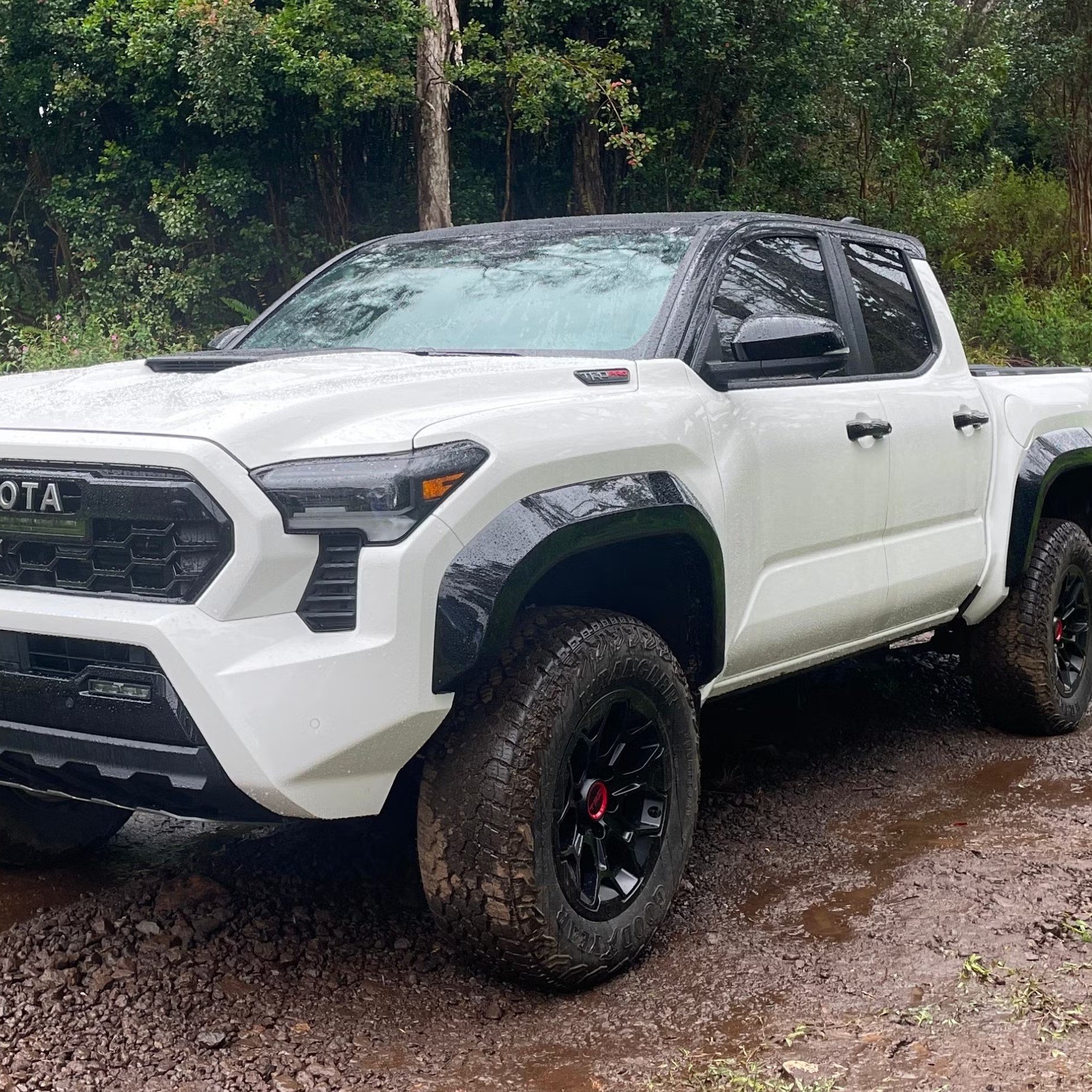
Two names stand out today. The Hyundai Santa Cruz is often called the smallest pickup truck built for modern life. It blends SUV comfort with truck utility.
Built on a unibody platform, it rides smoothly. Car-like suspension absorbs bumps. Passengers feel less fatigue on long trips.
Its bed is shorter than traditional trucks. Yet it includes clever features. Hidden storage under the floor secures valuables.
Tailgate opens sideways or down. Loading options increase. Users adapt to different cargo types.
Power comes from turbocharged four-cylinder engines. Performance is modest. But enough for light towing and daily tasks.
Inside, tech abounds. Digital dashboards, wireless charging, and safety aids impress. Comfort matches family SUVs.
Then there’s the Honda Ridgeline. Though slightly larger, it competes in spirit. Unique unibody build sets it apart.
It has one of the most usable beds. Lockable trunk sits inside. Keeps items dry and safe.
Towing capacity exceeds expectations. Small size does not mean weakness. Engine strength surprises many.
Both offer all-wheel drive. Traction control works well in rain or light snow. Daily driving feels secure.
Neither replaces heavy-duty trucks. But for urban needs, they excel. The smallest pickup truck concept evolves through these models.
Mitsubishi Triton Mini and Suzuki Carry
Outside North America, smaller options exist. The Mitsubishi Triton Mini serves Asian and Pacific markets. It reflects local needs.
Tiny footprint makes it ideal for crowded cities. Narrow lanes pose no problem. Parking requires only one standard spot.
Engine size is modest. Usually under two liters. Fuel efficiency is excellent. Operating costs stay low.
Bed size limits heavy loads. But it handles crates, boxes, and tools. Perfect for small businesses.
Durability is proven. Simple mechanics mean fewer breakdowns. Repairs are affordable and fast.
Then there’s the Suzuki Carry, a kei truck from Japan. This might be the truest example of the smallest pickup truck.
Kei class follows strict size rules. Length, width, and engine displacement are capped. Government incentives support use.
These trucks dominate rural Japan. Farmers, shop owners, and postal workers rely on them.
Despite tiny dimensions, they carry surprising loads. Some models include extended cabs. Others offer flatbed versions.
They run on regular gasoline. Maintenance is simple. Parts are cheap and available.
Some enter international markets as used imports. Enthusiasts restore them for fun or function.
Though not sold everywhere, they prove demand exists. The smallest pickup truck fills a niche. Simplicity brings reliability.
Design Features That Define Compact Trucks
Smart Bed Utilization and Storage
Even with limited space, smart design maximizes function. The smallest pickup truck must work harder per inch.
Most models include lockable storage. Under-bed compartments hide tools or personal items. Security improves.
Some feature in-bed power outlets. Charge devices while on site. Convenience increases for tradespeople.
Dividers and tie-down points organize cargo. Prevent shifting during transport. Safety rises with stability.
Fold-flat tailgates expand loading surfaces. Placing large objects becomes easier. No lifting over high walls.
Retractable bed covers protect from weather. They also deter theft. Appearance stays clean.
Internal cabin storage is clever too. Door pockets, center console bins, and seat-back organizers help. Every inch counts.
Cup holders fit water bottles and coffee cups. Phones rest in ventilated slots. Wireless charging appears in higher trims.
Modular accessories add flexibility. Rail systems allow reconfiguration. Mount racks, lights, or baskets as needed.
Despite compact size, thought goes into layout. Engineers prioritize usability. The smallest pickup truck proves small can be smart.
Maneuverability and Driving Dynamics
One major advantage of the smallest pickup truck is ease of driving. Tight turns are no problem.
Short wheelbase reduces turning circle. Parallel parking takes less effort. Drivers feel in control.
Cameras and sensors assist. Rearview, side, and overhead views guide movement. Blind spots shrink.
Steering is light. Feedback is direct. Input leads to immediate response. Confidence builds quickly.
Suspension tuning favors comfort. Rough roads don’t shake the cabin. Ride quality feels car-like.
Brakes respond early. Stopping distances shorten. Safety improves in emergencies.
Visibility is excellent. High seating position helps. Windows are large. Pillars are thin.
Drivers see curbs, pedestrians, and obstacles clearly. Reaction time speeds up.
On highways, stability holds well. Wind gusts don’t push the truck around. Cruise control maintains speed.
In traffic, acceleration feels adequate. Merging and lane changes happen smoothly. No lag from engine.
All these traits make daily driving pleasant. The smallest pickup truck removes stress. Efficiency meets enjoyment.
 Fuel Efficiency and Environmental Impact
Lower Emissions and Running Costs
Environmental concerns shape vehicle choices. The smallest pickup truck naturally produces fewer emissions.
Smaller engines burn less fuel. Less CO2 enters the atmosphere. Carbon footprint shrinks.
Many models meet strict emission standards. They qualify for green incentives in some regions.
Hybrid versions appear in development. Electric prototypes emerge. Future models may run fully on battery.
Even current gas engines are efficient. Direct injection and turbocharging boost economy. Idle-stop systems cut waste.
Owners save money at the pump. Weekly fuel spending drops. Budgets stretch further.
Insurance is cheaper. Repair costs are lower. Depreciation slows due to rising demand.
Tires last longer. Lighter weight means less tread wear. Replacement intervals extend.
Oil changes happen less often. Synthetic fluids last thousands of miles. Maintenance schedules relax.
Over five years, total cost of ownership falls. The smallest pickup truck becomes an economic choice.
Fleets adopt them for service work. Delivery companies test them for urban routes. Reliability impresses.
As cities ban high-emission vehicles, these trucks remain compliant. They adapt to new rules.
Sustainability and utility now coexist. The smallest pickup truck leads the shift.
Suitability for Eco-Conscious Buyers
Buyers who care about the planet seek responsible options. The smallest pickup truck aligns with eco-values.
It avoids excess. No wasted materials. No oversized power. Purpose defines design.
Manufacturers use recycled content. Interior plastics come from post-consumer sources. Floor mats use reclaimed fibers.
Production lines aim for efficiency. Energy use drops in factories. Waste is minimized.
Longevity supports sustainability. Well-built trucks last decades. Fewer replacements mean fewer resources used.
Resale market stays active. Used models find second homes. Lifecycle extends.
Owners modify for solar charging. Roof mounts hold panels. Battery systems store energy.
Others convert to electric drivetrains. DIY kits enable change. Green innovation thrives.
Even tire choices reflect values. Low-rolling-resistance rubber saves fuel. Durable brands reduce waste.
Every decision compounds. The smallest pickup truck enables mindful living.
It shows that practicality and responsibility can mix. You don’t sacrifice function for ethics.
For eco-conscious users, this vehicle fits perfectly. Values and needs align.
 Uses and Applications
Ideal for Small Businesses and Contractors
Small business owners need reliable transport. The smallest pickup truck serves many trades.
Landscapers haul mowers, trimmers, and soil bags. Short trips between yards suit its range.
Electricians carry ladders, wire spools, and toolboxes. Secure storage prevents loss.
Handymen move parts, paint, and hardware. Quick access saves time. Job sites stay organized.
Plumbers fit pipe lengths in the bed. Water-resistant liners protect the surface. Clean-up is easy.
Delivery services use them for same-day shipping. Curbside drop-offs happen fast. No need for large vans.
Food truck operators tow small trailers. Mobile kitchens start small. Investment stays low.
Startups benefit from low entry cost. First vehicle purchase is affordable. Growth begins with practical tools.
Digital platforms connect gig workers. TaskRabbit, Uber, and local apps increase demand. Flexibility wins.
With proper branding, it becomes a mobile ad. Logo wraps turn the smallest pickup truck into marketing.
Fleet managers appreciate tracking options. GPS units monitor location. Fuel usage is logged.
Maintenance alerts prevent downtime. Scheduling stays on track.
Overall, small businesses gain a powerful ally. The smallest pickup truck supports growth. Success starts with smart choices.
Recreational and Lifestyle Use
Beyond work, people use the smallest pickup truck for fun. Hobbies thrive with mobile support.
Campers load gear into the bed. Tents, coolers, and chairs fit easily. Weekend trips begin faster.
Surfboard racks mount on rails. Wetsuits hang to dry. Beach days become routine.
Hikers reach trailheads in comfort. All-terrain tires grip loose gravel. Approach roads pose no challenge.
Bike owners install hitch racks. Multiple frames travel together. Group rides start strong.
Fishing enthusiasts store rods securely. Coolers keep bait fresh. Early morning launches are smooth.
Photographers use it as a mobile base. Tripods, drones, and batteries stay protected. Remote shoots succeed.
Van life fans prefer compact builds. Tiny homes on wheels avoid zoning issues. Freedom increases.
Artists convert beds into studios. Paint, canvas, and lighting roll outdoors. Creativity moves with the sun.
Pet owners add dog beds. Rooftop carriers hold cages. Animals ride safely.
Even retirees enjoy it. Short drives to parks or lakes bring joy. Independence lasts longer.
The smallest pickup truck adapts to passions. Work-life balance improves. Adventure fits in the driveway.
 Frequently Asked Questions
Can the Smallest Pickup Truck Tow Anything?
Yes. Most models tow between 1,500 and 3,500 pounds. This covers small trailers, jet skis, or campers.
Check manufacturer specs first. Weight limits vary by trim and engine.
Use proper hitches. Weight-distributing bars help on steep grades. Braking systems may be required.
Never exceed ratings. Overloading damages brakes and suspension. Safety declines.
Practice in open areas. Learn how it handles when pulling. Confidence grows with experience.
For light towing, the smallest pickup truck performs well. Plan ahead and stay within limits.
Is There Enough Space for Passengers?
Most models seat four adults. Rear seats are snug but usable.
Taller passengers may feel cramped. Legroom is limited compared to full-size trucks.
Crew cab versions offer more space. Extended doors help entry and exit.
Children fit comfortably. Booster seats install easily. LATCH anchors are standard.
Front seats adjust widely. Drivers of all sizes find comfort.
Storage behind seats is minimal. Fold-down arms add cup holders. Pockets hold phones and wallets.
For daily commuting or errands, passenger space is sufficient. Families use it for short trips.
If you regularly carry five, consider alternatives. The smallest pickup truck prioritizes cargo over crowd.
What Are the Main Downsides?
Payload capacity is limited. Most beds carry under 1,000 pounds. Heavy materials require multiple trips.
Aftermarket modifications are rare. Fewer accessories exist. Customization options shrink.
Resale value depends on region. Some areas lack demand. Finding buyers may take time.
Parts availability varies. International models face import delays. Service networks are sparse.
Off-road performance is mild. Not built for extreme trails. Deep mud or rock crawling overwhelms them.
Larger competitors offer more power. V6 or diesel engines beat small four-cylinders. Towing suffers.
Still, for intended uses, downsides are manageable. Know your needs before buying.
Can I Modify the Bed for More Utility?
Yes. Aftermarket kits enhance function. Slide-out trays add workspace.
Lockable drawers store tools. Weatherproof seals keep contents dry. Organization improves.
Bed extenders increase length. Folding panels open for long items. Lumber or pipes fit better.
LED lighting illuminates at night. Motion sensors activate automatically. Safety rises.
Tool mounts secure drills or saws. Magnetic strips hold metal items. No more lost wrenches.
Canopies or tonneau covers protect from rain. Theft risk drops. Appearance sharpens.
Custom paint or wraps personalize style. Reflect individual taste. Pride increases.
With creativity, the smallest pickup truck transforms. Limitations become opportunities.
 Final Thoughts
The smallest pickup truck is not just a trend. It answers real needs in a changing world.
Cities demand efficiency. Rural areas value agility. Workers want affordability. Families seek versatility.
From the Hyundai Santa Cruz to the Suzuki Carry, choices exist. Each model serves different lifestyles.
Technology improves every year. Safety, comfort, and connectivity grow. Driving becomes smarter.
Ownership costs stay low. Fuel, insurance, and repairs save money. Long-term value rises.
Whether for work or play, it delivers. Small size does not mean weak performance.
Consider your daily tasks. Measure your cargo needs. Test drive multiple options.
The smallest pickup truck might be the smartest choice you make. Practical, efficient, and future-ready.