The idea of a Volkswagen pickup truck may surprise some. After all, the brand is best known for compact cars and iconic vans. Yet, Volkswagen has explored the pickup segment in various forms. These vehicles combine practicality with precision engineering. They reflect the company’s commitment to innovation.
First, the most notable example is the Volkswagen Saveiro. It remains one of the longest-running models in Latin America. This small pickup offers affordability and reliability. Many use it for city deliveries and light hauling. Its compact size makes it easy to drive and park. Despite its modest appearance, it serves real-world needs effectively.
Second, another key model is the Amarok. Unlike the Saveiro, the Amarok is a full-size pickup. It was designed for tough terrain and heavy loads. Built with durability in mind, it competes with global rivals. Diesel engines provide strong torque. Four-wheel drive enhances off-road performance. The Volkswagen pickup truck lineup thus spans multiple categories.
Moreover, these trucks carry the brand’s signature quality. Fit and finish meet high standards. Interior materials feel solid and well assembled. Safety features are modern and comprehensive. Driver assistance systems improve control and awareness. Even in rugged roles, comfort remains a priority.
In markets where pickups dominate, such as South Africa and Australia, the Amarok holds its own. It appeals to farmers, contractors, and outdoor enthusiasts. Towing capacity supports trailers and boats. Payload ratings suit construction and farming tasks. The Volkswagen pickup truck proves it can handle serious work.
 History and Evolution of the Volkswagen Pickup Line
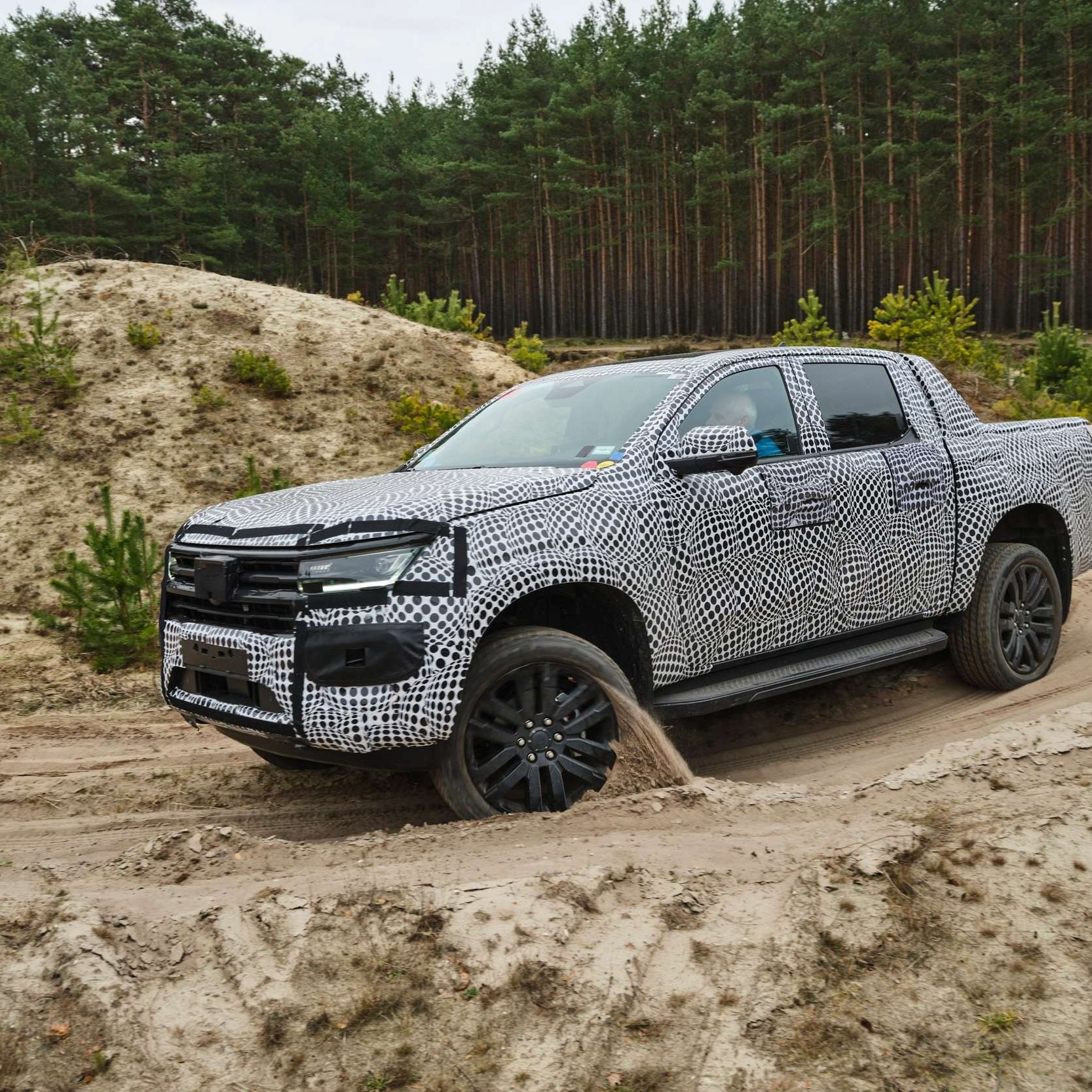
Volkswagen entered the pickup market gradually. Early efforts were based on existing platforms. For instance, the original Saveiro emerged from the Gol hatchback. Engineers extended the chassis and added a cargo bed. This approach kept costs low while expanding utility.
Production began in Brazil during the 1980s. Local demand drove development. Urban delivery services needed small, efficient trucks. Rural areas required something durable. The Saveiro filled both roles. Over time, updates improved powertrains and safety. Each generation brought better fuel economy and comfort.
Meanwhile, the Amarok arrived much later. Unveiled in 2010, it marked a bold step forward. Volkswagen aimed to build a true global pickup. Development focused on versatility and strength. The frame used high-strength steel. Suspension handled rough roads confidently.
Initially available with powerful V6 diesel engines, it gained praise for smoothness. Later versions included four-cylinder turbos. Transmission choices ranged from manual to eight-speed automatic. All models emphasized responsive handling. This set the Volkswagen pickup truck apart from boxy competitors.
Over the years, special editions appeared. Models like the Amarok V6 and Canyon variants offered style upgrades. Off-road packages added skid plates and all-terrain tires. Technology improved too. Touchscreen infotainment became standard. Smartphone integration followed industry trends.
Today, the Amarok continues evolving. A recent collaboration with Ford led to shared platforms. The next generation uses Ford Ranger underpinnings. However, Volkswagen retains unique tuning and design. The goal remains clear: offer a refined alternative in a rugged class. The history of the Volkswagen pickup truck shows steady progress.
 Design Features That Set It Apart
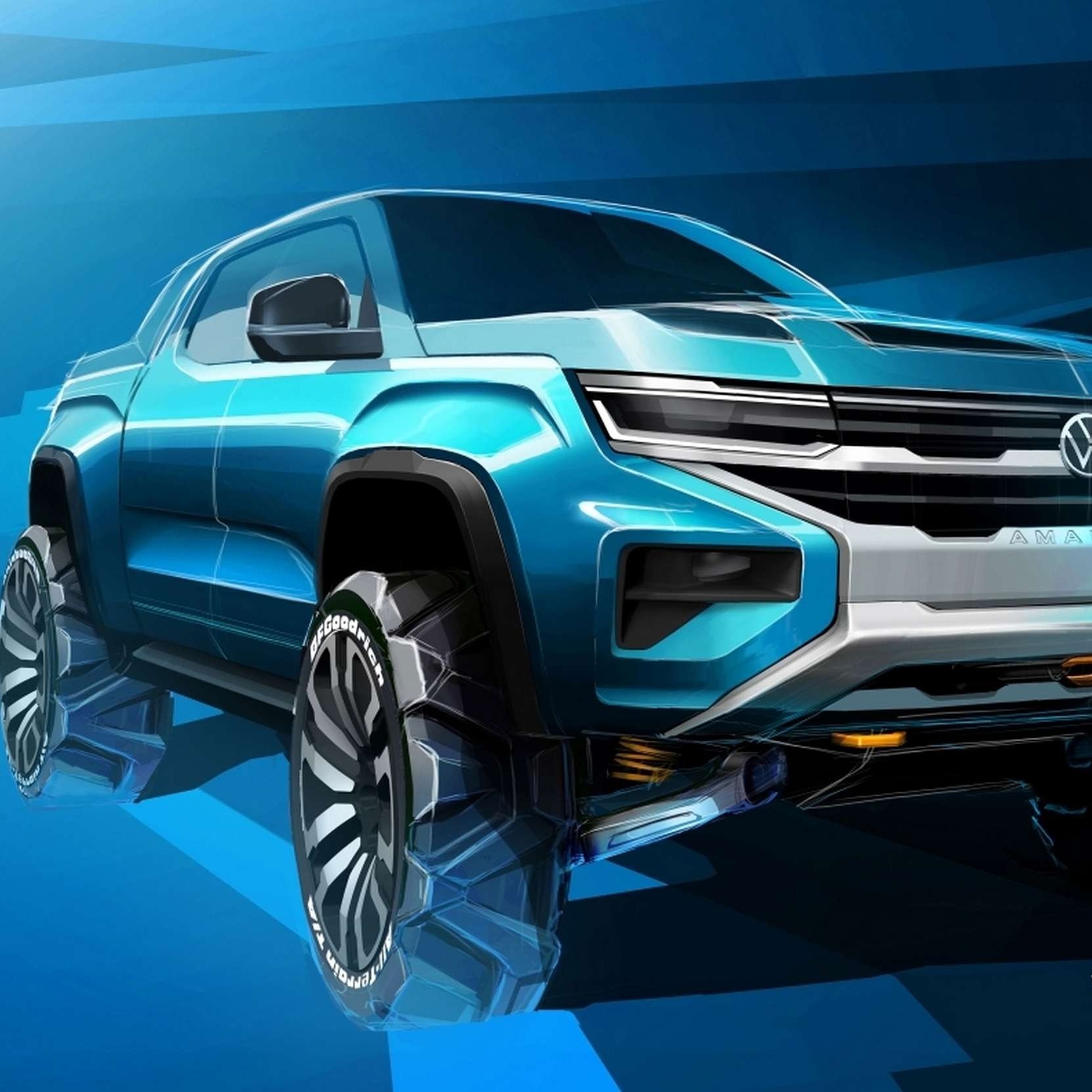
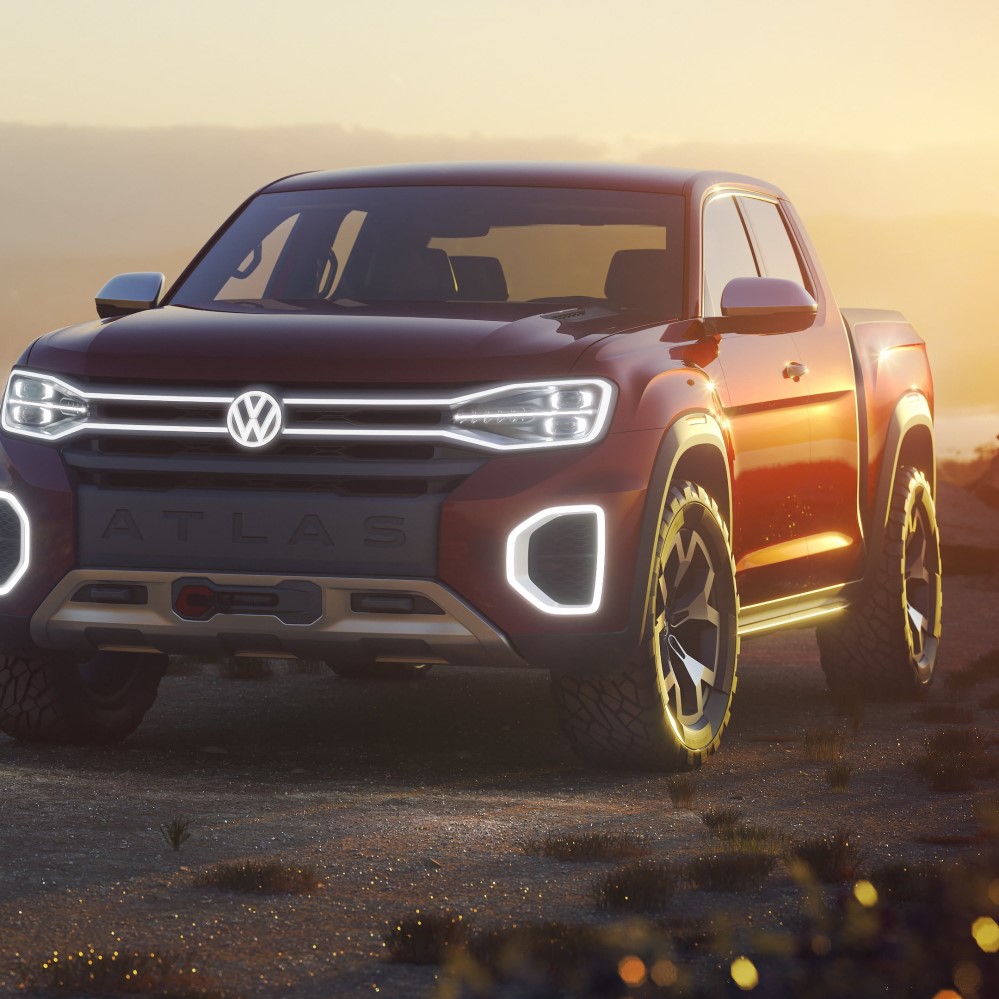
One major strength of the Volkswagen pickup truck is its balanced design. Exterior styling avoids excessive bulk. Lines remain clean and purposeful. LED lighting adds a modern touch. Wheel arches accommodate large tires without looking aggressive. Form follows function throughout.
The cab prioritizes occupant comfort. Front seats support long drives. Materials resist wear from daily use. Higher trims include leather and heated surfaces. Rear seating fits adults reasonably well. Access is easier than in many rival models. Practicality never takes a backseat to style.
Cargo beds vary by model. The Saveiro has a shorter bed suited for urban runs. Tie-down points secure small loads. A tailgate lock improves security. The Amarok’s bed is larger and more versatile. Optional liners protect against scratches. Some versions include rail systems for dividers.
Interior layout feels familiar to VW car drivers. Controls are logically placed. Gauges are easy to read. Steering wheels adjust for height and reach. Drivers of different sizes find good visibility. Wind noise stays low even at highway speeds. Refinement mirrors passenger car standards.
Technology enhances daily use. Digital instrument clusters appear in top models. Navigation helps route planning. Voice commands reduce distractions. Wireless charging keeps phones powered. Advanced audio systems deliver clear sound. Even base trims include essential functions.
Safety tech grows steadily. Forward collision warning alerts drivers. Autonomous braking can prevent impacts. Lane keeping assists reduce fatigue. Blind spot monitors cover rear zones. Rearview cameras aid parking. These features make the Volkswagen pickup truck stand out.
Performance and Engine Options Available
Powertrain choices define the driving experience. The Saveiro traditionally uses small gasoline engines. Most are four-cylinder units with modest output. Fuel efficiency is excellent. Maintenance costs stay low. These traits suit budget-conscious buyers.
Some markets offer flex-fuel versions. They run on ethanol or gasoline blends. This increases energy independence in countries like Brazil. Emissions remain relatively low. Engine management adapts automatically. Flexibility benefits both users and the environment.
The Amarok delivers stronger performance. Early models featured a 3.0L V6 TDI diesel. It produced high torque at low RPMs. Towing felt effortless. Highway cruising remained relaxed. Later, downsized four-cylinder diesels arrived. They retained capability while improving economy.
Transmission options include six-speed manuals and automatics. Shifts are smooth and precise. Drivers enjoy control in manual mode. Automatics adapt to load and terrain. Hill descent control aids off-pavement driving. Gear selection supports various conditions.
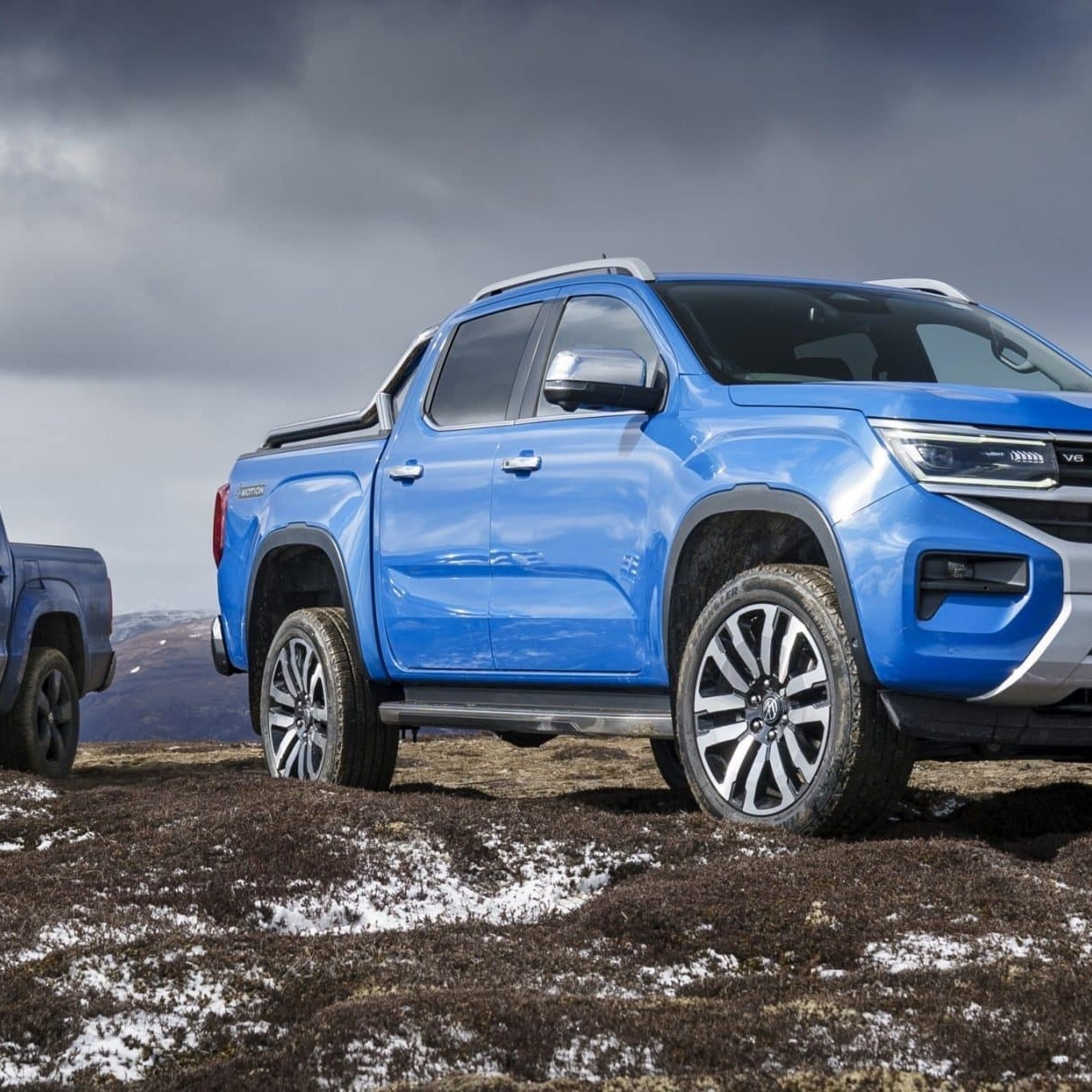
Four-wheel drive systems enhance traction. Electronic controls manage power distribution. Differentials lock when needed. Approach and departure angles allow steep inclines. Ground clearance clears obstacles easily. The Volkswagen pickup truck handles dirt tracks confidently.
Towing capacity reaches several tons. Exact numbers depend on configuration. Braking systems include trailer sway correction. Hitch setups are straightforward. Owners tow boats, campers, and equipment regularly. Real-world usability matches advertised specs.
Engine tuning favors refinement over raw noise. Exhaust notes are subdued. Vibrations are minimized. Cabin insulation reduces road and wind sounds. Even under load, the ride feels composed. Performance meets expectations without drama.
 Target Markets and Global Availability
The Volkswagen pickup truck is not sold everywhere. Market strategy shapes availability. The Saveiro remains popular in South America. Countries like Brazil, Argentina, and Chile see high sales. Urban logistics companies rely on its efficiency.
Small businesses appreciate low running costs. Taxi fleets sometimes convert them into dual-purpose vehicles. Agricultural workers use them on farms. Their role in local economies is significant. Long production life proves lasting appeal.
The Amarok targets broader regions. It sells in South Africa, Australia, the Middle East, and parts of Europe. These areas value capable midsize trucks. Climate and terrain favor robust builds. Demand for open-bed utility stays strong.
North America presents a challenge. Historically, the Amarok did not meet U.S. or Canadian regulations. Sales never launched there. However, rumors persist about future entries. Shared development with Ford could change this. A Ranger-based Amarok might enter North America soon.
Australia embraces the Amarok fully. It competes with Toyota Hilux and Ford Ranger. Buyers value German build quality. Resale values remain strong. Fleet operators include it in procurement plans. Support networks cover remote areas.
Europe accepts the Amarok for work and recreation. Farmers, foresters, and emergency services use it. Recreational models serve adventurers. Camper conversions are common. The Volkswagen pickup truck supports diverse lifestyles.
Emerging markets show interest too. Southeast Asia and Eastern Europe could expand sales. Economic growth increases demand for utility vehicles. Volkswagen may explore new opportunities. Strategic partnerships help overcome entry barriers.
Each region influences design updates. Feedback shapes feature lists. Local emissions rules affect engine choices. Right-hand-drive versions exist where needed. Global thinking guides development. The Volkswagen pickup truck adapts to local needs.
 Frequently Asked Questions
Is the Volkswagen pickup truck available in the USA?
No, the Volkswagen pickup truck is not currently sold in the United States. The Amarok never met U.S. safety or emissions standards. Also, past models lacked the size Americans expect. However, the next-generation model may change this.
Ford and Volkswagen now share platforms. The new Amarok uses the Ranger body. This opens possibilities for U.S. launch. If VW decides to enter, it will likely compete directly with midsize trucks. Watch for official announcements in coming years.
What makes the Amarok different from other pickups?
The Amarok emphasizes ride comfort and interior quality. Many pickups feel rough on pavement. The Volkswagen pickup truck drives more like a crossover. Noise levels are lower. Seat support is better. Daily driving feels less tiring.
It also includes advanced safety systems earlier than rivals. Driver aids come standard in higher trims. Infotainment feels modern and intuitive. German engineering focuses on precision and reliability. These traits appeal to discerning buyers.
Can the Saveiro handle off-road trails?
Only lightly. The Saveiro is not built for serious off-roading. It lacks four-wheel drive in most versions. Ground clearance is limited. Suspension is tuned for paved roads. Occasional dirt paths are manageable. But deep mud or rocky climbs exceed its limits.
Its role is urban and suburban. Delivery drivers use it on streets. Small farms may use it on flat fields. For rugged terrain, buyers choose the Amarok instead. Each Volkswagen pickup truck serves a distinct purpose.
Does Volkswagen plan an electric pickup?
Yes, discussions point toward electrification. The ID. series expands into commercial vehicles. An electric Amarok is possible in the future. Battery tech must support heavy loads and towing. Charging infrastructure also matters.
Other brands already offer electric pickups. Volkswagen may follow suit. Market demand pushes automakers toward EVs. When launched, an electric Volkswagen pickup truck would target eco-conscious fleets and individuals. Innovation continues.
How reliable is the Volkswagen pickup truck?
Generally very reliable. Mechanical components last long with proper care. Diesel engines endure high mileage. Electrical systems function well over time. Build quality exceeds many competitors.
Owners report low repair frequency. Service intervals are reasonable. Dealer networks support maintenance in key markets. Parts availability varies by region. Overall, the Volkswagen pickup truck earns trust through consistency.
 Final Thoughts
The Volkswagen pickup truck fills a unique space in the auto world. It blends German precision with everyday utility. From the compact Saveiro to the rugged Amarok, each model serves a purpose. Functionality never sacrifices comfort.
These trucks prove that practicality and refinement coexist. Drivers gain confidence on any road. Technology supports safety and ease of use. Long-term ownership brings satisfaction. Whether for work or adventure, they deliver.
As the automotive industry evolves, so does Volkswagen’s approach. Electrification and platform sharing shape the future. The next Volkswagen pickup truck may be more advanced than ever. Global reach could expand further.
For now, existing models continue serving millions. They move goods, support jobs, and enable exploration. Their legacy grows with every mile. The Volkswagen pickup truck stands as a testament to smart engineering and real-world thinking.