What Are Wearable Airbags?
Wearable airbags are innovative devices designed to protect the body during impact scenarios. They use advanced technology to provide enhanced personal safety in activities where falls or collisions are common. These devices are gaining popularity due to their ability to reduce injuries effectively.
Overview of Wearable Airbag Technology
Wearable airbag technology blends sensors, accelerometers, and microprocessors to detect sudden movements or impacts. When a risk of injury is detected, the system inflates an airbag to cushion the body. This rapid deployment usually takes milliseconds, minimizing harm during accidents. Common designs include vests or belts, focusing on core body areas and the head. The technology is especially beneficial in sports, older people care, and transportation industries.
Types of Wearable Airbags Available
Wearable airbags come in various types for different applications:
- Cycling and Motorcycling Airbags: These focus on protecting the chest, neck, and spine.
- Older people Care Airbags: These target hips and lower back to prevent fall-related injuries.
- Extreme Sports Airbags: Designed for activities like skiing or horse riding, they offer full-body protection.
- General Active Lifestyle Airbags: Meant for everyday use, they prioritize comfort and ease of use.
These types showcase the adaptability of wearable airbag systems in diverse settings, catering to specific safety needs.
 How Do Wearable Airbags Work?
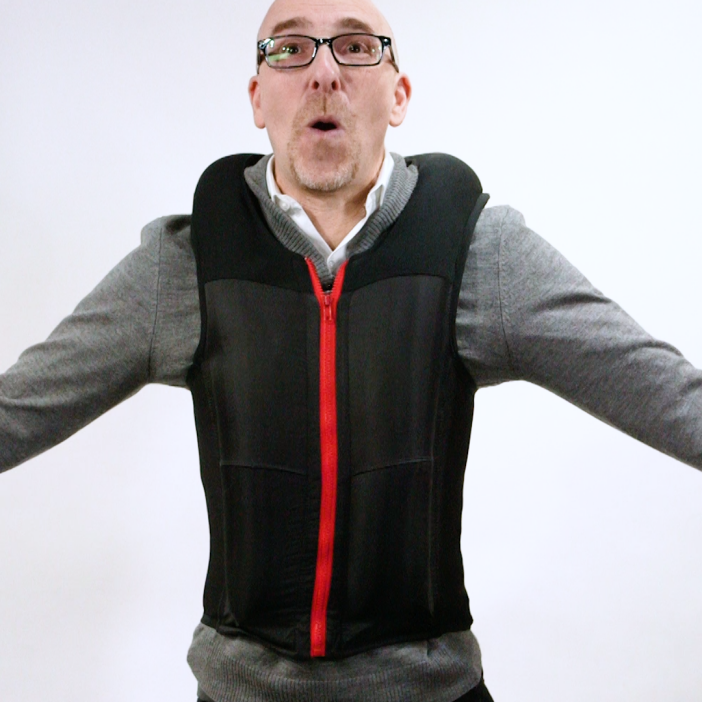
Wearable airbags operate by using advanced technology to protect the body from impacts. They rely on smart sensors and rapid-response systems to detect falls or collisions quickly. The mechanism behind their operation is both precise and innovative.
Key Components of Wearable Airbag Systems
Wearable airbag systems are made up of several essential components:
- Sensors: These include accelerometers and gyroscopes that detect sudden changes in motion.
- Microprocessors: The brain of the system, they interpret sensor data to determine potential risks.
- Inflation Mechanism: This component deploys the airbag within milliseconds to cushion the impact.
- Power Supply: Typically a compact, rechargeable battery that ensures the system stays operational.
- Outer Material: Durable fabric or shell that encases the airbag to protect it from wear and tear.
These parts work together seamlessly to ensure reliable performance during accidents or falls.
The Science Behind Impact Detection and Deployment
The technology behind wearable airbags focuses on precision and speed:
- Impact Detection: Sensors monitor body movement in real-time, analyzing speed, angle, and force.
- Risk Assessment: The microprocessor evaluates sensor data to decide if inflation is necessary.
- Rapid Deployment: Upon detecting a likely impact, the airbag inflates instantly. This process takes as little as 200 milliseconds.
- Tailored Protection: The airbag’s design targets vulnerable areas like hips, spine, or head, depending on its use.
By combining accurate detection with quick action, wearable airbag systems minimize injuries effectively.
Benefits of Airbags
Wearable airbags offer significant benefits in various situations requiring enhanced personal safety. Their versatility and efficiency make them essential for high-risk activities, older people, and active lifestyles.
Enhanced Safety for High-Risk Activities
Wearable airbags improve safety in activities where accidents are prone to serious injuries. Cyclists, motorcyclists, and extreme sports enthusiasts benefit greatly. The airbags cushion the body, reducing the impact’s force and preventing severe injuries. They are tailored to protect vital areas like the spine, neck, and chest. This technology offers cyclists and riders peace of mind during high-speed travel and unpredictable conditions.
Improving Protection for older people and Injured Individuals
Falls are common among older people and those recovering from injuries. Wearable airbags address this concern effectively. Older people care models focus on protecting the hips and lower back, areas prone to fractures. These devices provide reliable support during accidental falls. For injured individuals, wearable airbags enhance confidence and prevent setbacks in recovery. Their lightweight designs ensure comfort without compromising safety.
Reducing Injuries in Sports and Active Lifestyles
Active lifestyles come with risks of sudden falls or collisions. Wearable airbags minimize these by providing rapid protection. In sports like skiing, horse riding, or skateboarding, they reduce injuries to the full body. Everyday users also benefit from airbags designed for general activities. These models prioritize ease of use, ensuring people stay protected during routine tasks. By lowering injury risks, wearable airbags encourage safer, more active living.
Wearable airbags combine technology and design to address diverse safety challenges, making them indispensable for modern life.
 Popular Applications
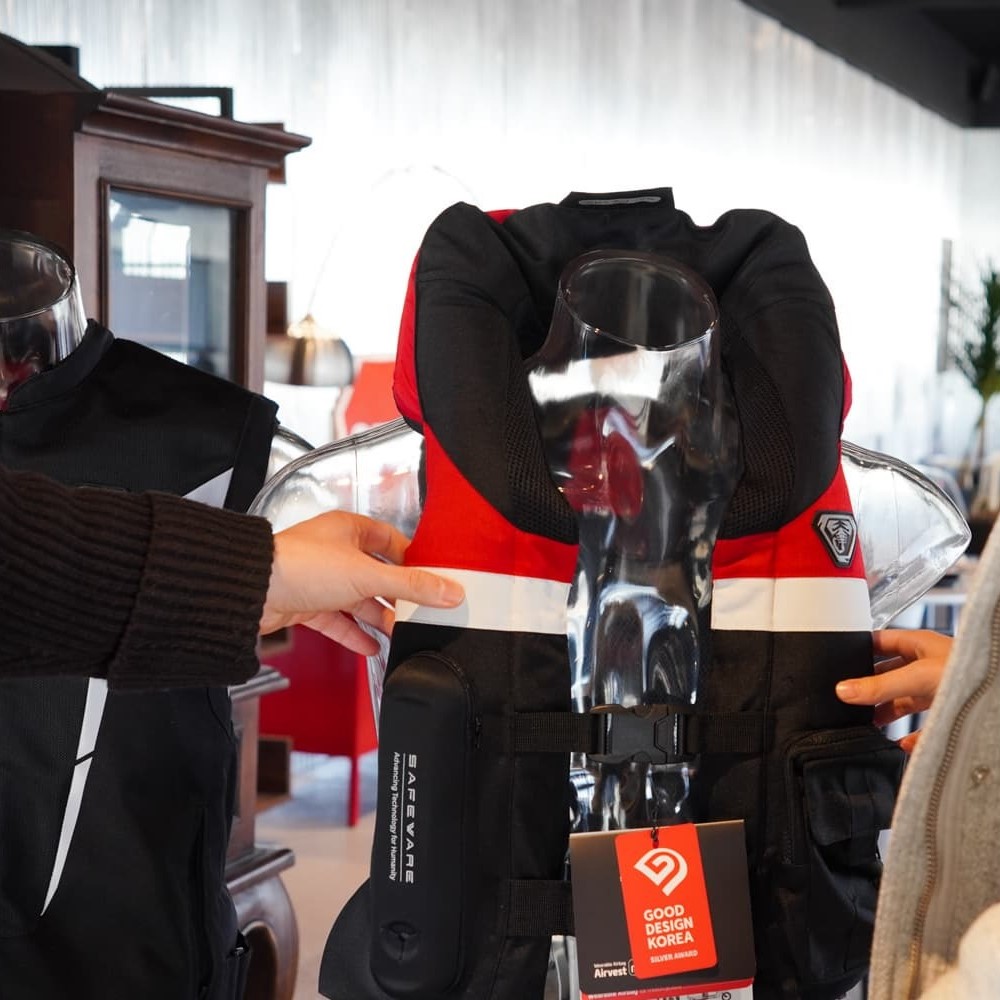
Wearable airbags have diverse applications across various activities and lifestyles. They enhance safety and reduce injuries.
Personal Protection for Cyclists and Motorcyclists
Cyclists and motorcyclists face high risks of accidents and injuries. Wearable airbags are designed to protect vital areas like the chest, neck, and spine during collisions or falls. These airbags are lightweight and expandable, offering enhanced safety without compromising comfort. Riders benefit from peace of mind knowing their airbags can deploy rapidly in emergencies.
Wearable Tech for older people Care
Older people care wearable airbags focus on reducing fall-related injuries. Falls often lead to hip fractures or lower back injuries, which are significant concerns for older people. Airbags designed for older adults provide reliable protection while remaining easy to wear daily. These devices improve confidence and mobility for older people, helping them live independently and securely.
Adoption in Extreme Sports and Outdoor Activities
Extreme sports and outdoor activities come with high injury risks. Wearable airbags provide full-body protection for sports like skiing, horse riding, and skateboarding. These airbags safeguard areas prone to injuries, such as the head, spine, and hips. Their compact design ensures comfort and freedom of movement, making them essential tools for adventurers and athletes alike. By lowering injury risks, wearable airbags support active, safer lifestyles.
Leading Airbag Products on the Market
Wearable airbags have evolved significantly, leading to diverse product options across industries. Various brands offer innovative designs tailored to different safety needs. Understanding the market landscape helps users choose the best product for their requirements.
Overview of Top Brands and Innovations
Several brands stand out in the wearable airbag market due to their technology and safety features:
- Helite: Popular for cycling and motorcycling airbags, Helite products focus on spine and chest protection. Their airbags feature advanced sensors and rapid deployment systems.
- Hip’Guard: Specializes in airbags for older people care, offering compact designs that protect hips during falls. Hip’Guard’s airbag systems are lightweight and easy to wear.
- In&motion: Known for airbags used in extreme sports like skiing and horse riding. Their products ensure full-body protection tailored for high-impact activities.
- Alpinestars: Provides motorcycle airbags that integrate seamlessly with jackets or vests. They prioritize both safety and comfort.
- Dainese: Offers airbags for motorcyclists and athletes, focusing on head and neck safety using sophisticated technologies.
These brands continue to innovate, ensuring their wearable airbags provide maximum protection and usability in real-world scenarios.
Cost Comparison and Affordability
Wearable airbag costs vary depending on design, features, and brand reputation:
- Motorcycling and Cycling Airbags: These typically range from $300 to $800, depending on safety features and designs.
- Older people Care Airbags: These are generally more affordable, priced around $250 to $500. They focus on essential protection.
- Extreme Sports Airbags: High-tech options for sports can cost $500 to $1,200, reflecting their advanced systems.
- General Airbag Models: Everyday-use airbags range from $200 to $600, offering both affordability and practicality.
While costs may seem high, wearable airbag systems provide long-term safety benefits and reduce injury-related healthcare expenses. Assessing features, warranty, and user reviews helps make a cost-effective decision.
 Challenges and Limitations
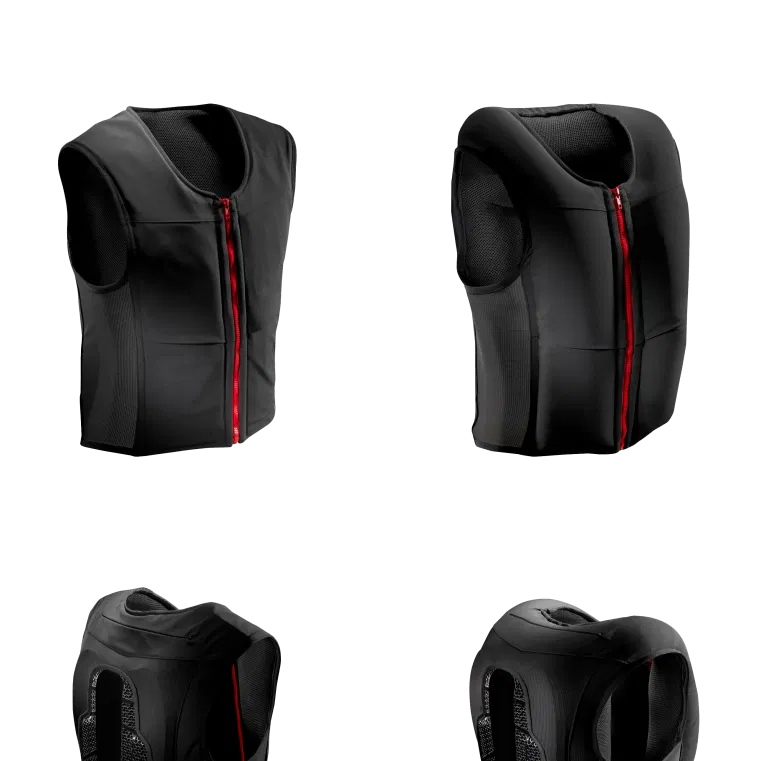
Wearable airbags bring innovative safety benefits, but challenges and limitations do exist. Users and manufacturers must address these to maximize their potential. Key issues include deployment reliability, comfort, and affordability.
Deployment Issues and Misfires
Deployment reliability remains a critical concern for wearable airbags. False positives can trigger unnecessary inflations. This wastes resources and might inconvenience users during activities. Worse, false negatives can lead to non-activation during crucial moments, compromising safety. Manufacturers work tirelessly to improve sensor algorithms and calibration to tackle these issues. However, no system is yet entirely flawless.
Unnecessary deployments may also damage the device, increasing overall ownership costs. Regular maintenance and updates are necessary, but this may not fully eliminate the issue. Users must follow usage guidelines carefully to minimize risks of errors.
Comfort and Design Challenges
Comfort plays a significant role in the adoption of wearable airbags. Bulky designs can restrict movement and reduce usability. Heavily padded or improperly fitting devices can discourage users. For example, athletes and motorcyclists demand both safety and mobility, creating a balancing act.
Design improvements are evolving to combine lightweight materials with durability and protection. However, achieving this balance proves tough without driving up manufacturing costs. Sweat resistance and breathability are also vital for long-term wear, yet not all products meet these requirements.
Cost and Accessibility Concerns
Many wearable airbags are expensive, limiting accessibility for a broader audience. Advanced features and cutting-edge technology raise production costs, often reflected in retail prices. High costs can discourage adoption, especially among older people or individuals in low-income brackets.
Affordability is further hindered by recurring expenses like battery replacements or servicing. Price accessibility is critical for expanding usage, particularly in older people care. Governments or insurers may need to play a role in subsidizing costs to make these safety devices more widely available.
Addressing these challenges involves refining technology, improving designs, and reducing production costs. As wearable airbags evolve, these limitations will likely diminish, broadening their appeal and benefits.
The Future of Airbags
Wearable airbag technology continues to evolve, presenting exciting possibilities for enhanced personal safety. As advancements progress, these devices are becoming more efficient, integrated, and widely applicable.
Advancements in Technology and Functionality
Future wearable airbags will benefit from cutting-edge innovations to improve performance and reliability:
- Smarter Sensors: Upgraded sensors will provide more accurate detection, reducing false triggers or missed activations.
- Smaller and Faster Inflation Systems: Compact inflation mechanisms will ensure quick deployment without adding bulk to devices.
- Improved Battery Life: Enhanced batteries will offer prolonged use, increasing practicality for long-term activities.
- Customizable Designs: Airbags will feature adjustable fits for better protection tailored to individual needs.
- Eco-Friendly Materials: Biodegradable and sustainable materials will lower environmental impact and improve user comfort.
These advancements will make wearable airbags more appealing and effective for a wide range of users.
Integration with Other Wearable Devices
The future of wearable airbags lies in seamless integration with other wearable technologies. Key possibilities include:
- Health Monitoring: Combining airbags with wearable health monitors to track heart rate, oxygen levels, or falls.
- Connectivity: Using Bluetooth or Wi-Fi for syncing with smartphones to analyze usage or send alerts.
- Smart Clothing: Embedding airbags into daily wear for unobtrusive protection and convenience.
- Augmented Reality Features: Leveraging AR for safety-related notifications or real-time guidance during activities.
These integrations will redefine how wearable airbags interact with other technologies, improving both safety and usability.
Potential for Broader Applications in Safety
Wearable airbags are expanding into new areas, offering innovative safety solutions:
- Healthcare Settings: Protecting patients recovering from surgeries or medical conditions prone to falls.
- Workplace Safety: Assisting workers in high-risk industries like construction and manufacturing.
- Transportation Innovations: Enhancing safety for e-scooters or personal mobility devices.
- Public Safety Support: Assisting emergency responders or law enforcement during field operations.
- Child and Infant Care: Designing airbags to protect children in strollers or during outdoor activities.
The expansion into these areas highlights the growing importance of wearable airbag systems in saving lives and reducing injuries.
 Tips for Choosing the Right Airbag
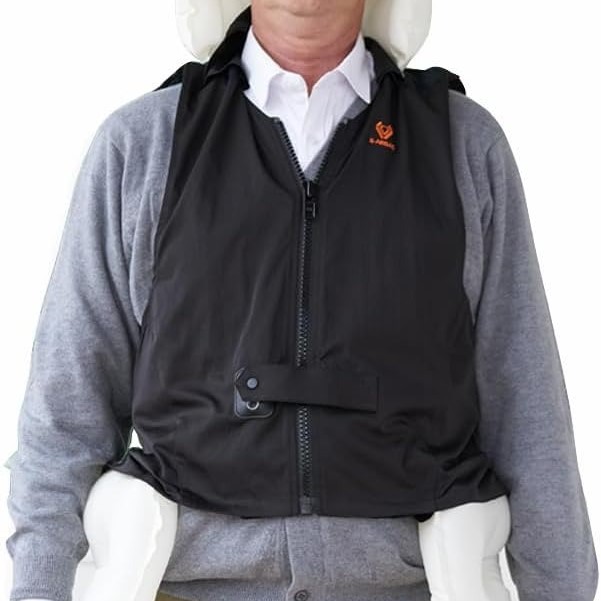
Selecting the right wearable airbag involves careful consideration of features and safety standards. A thoughtful choice ensures optimal protection and comfort. Here’s how to make an informed decision.
Key Features to Look For
Focus on essential features when choosing a wearable airbag. Here are key aspects to evaluate:
- Impact Detection System: Look for advanced sensors like accelerometers and gyroscopes to ensure accurate injury prevention.
- Rapid Inflation Mechanism: Choose airbags with quick inflation systems that deploy within milliseconds during falls or collisions.
- Targeted Protection: Opt for designs tailored to protect vulnerable areas like the hips, spine, or neck.
- Durability: Select airbags made from sturdy materials resistant to wear and tear.
- Lightweight and Comfortable Design: Ensure the device is compact and suitable for prolonged use without restricting movement.
- Battery Life: Longer-lasting rechargeable batteries reduce frequent maintenance and ensure reliable functionality.
- Ease of Use: Pick airbags with user-friendly designs and simple activation methods.
By focusing on these features, you’ll find a wearable airbag that aligns with your needs.
Understanding Certification and Safety Standards
Certifications and standards guarantee product reliability and effectiveness. Prioritize models complying with industry safety norms:
- CE Certification: Ensure the airbag adheres to European safety regulations for high reliability.
- ISO Standards: Choose products meeting international standards for quality and performance.
- Compatibility with Legal Requirements: Verify the airbag complies with regional law and industry-specific rules.
- Crash-Tested Products: Select airbags tested rigorously to confirm their ability to prevent injuries.
- Manufacturer Warranty: Opt for brands offering comprehensive support and reliable warranties.
Checking these certifications confirms the airbag provides dependable protection and meets global benchmarks.
Selecting the right wearable airbag involves examining safety features and certifications. With the right choice, you can enjoy advanced safety and peace of mind during activities.
Frequently Asked Questions
Can I reuse a wearable airbag after it deploys?
Yes, most models allow reuse. Replace the gas cartridge and inspect the fabric. Follow the manufacturer’s instructions exactly.
Is the wearable airbag noticeable under clothes?
Many are low-profile. Slim collars and thin vests hide well. Bulky models may show slightly under tight clothing.
Does it work for children?
Some brands offer youth sizes. Fit and weight limits apply. Always check age recommendations before purchasing.
How long does inflation last?
Typically 15 to 30 seconds. Enough time for the body to stabilize. Deflation happens slowly to maintain cushioning.
 Final Thoughts
The wearable airbag represents a major leap in personal safety innovation. It blends cutting-edge tech with practical design.
Its ability to respond in fractions of a second sets it apart. No other gear adapts so quickly to real-world dangers. Lives are saved, injuries reduced, and confidence restored.
Ultimately, choosing a wearable airbag means valuing both freedom and safety. You don’t have to choose between movement and protection. With this device, you get both. And that makes the wearable airbag not just useful—but essential.