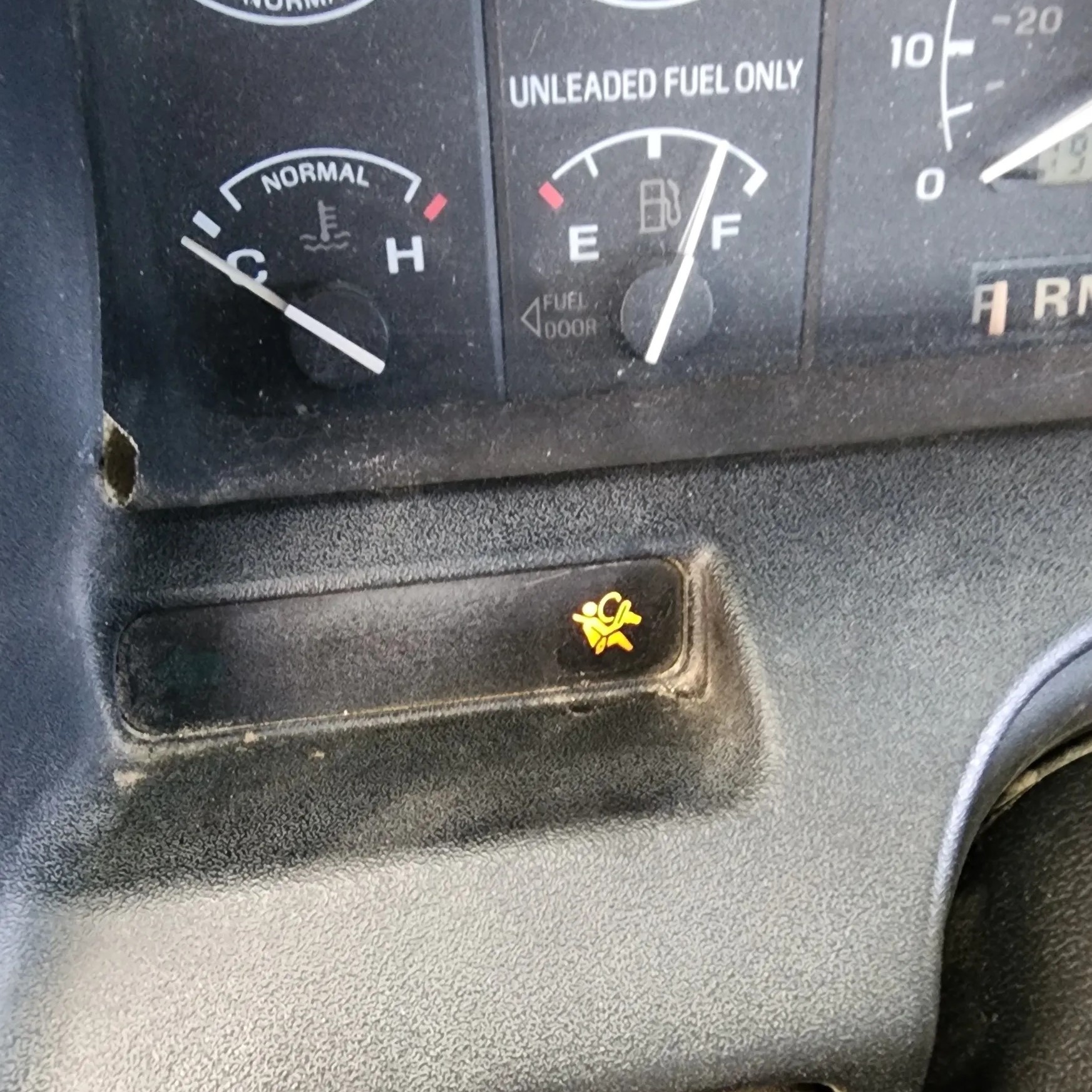
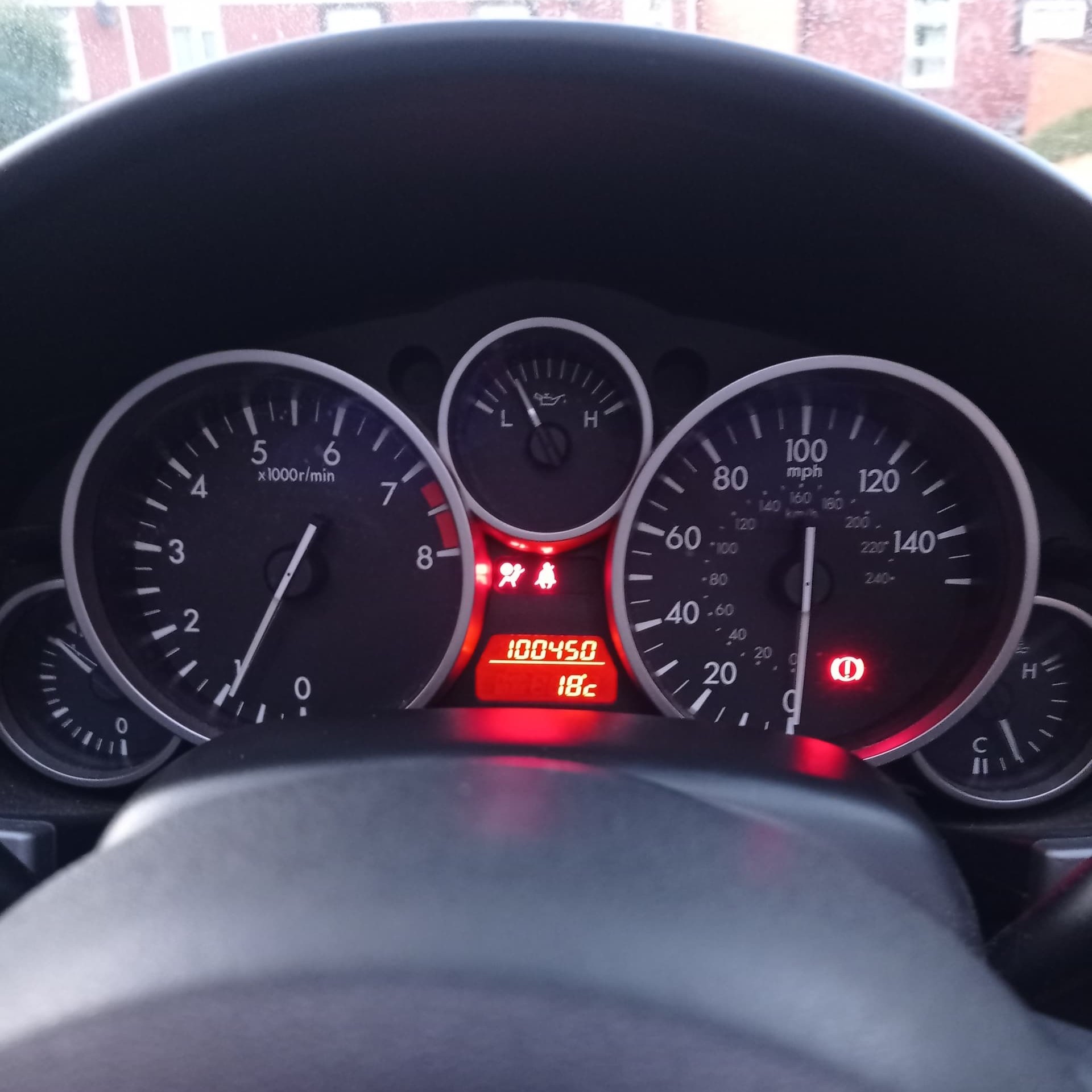
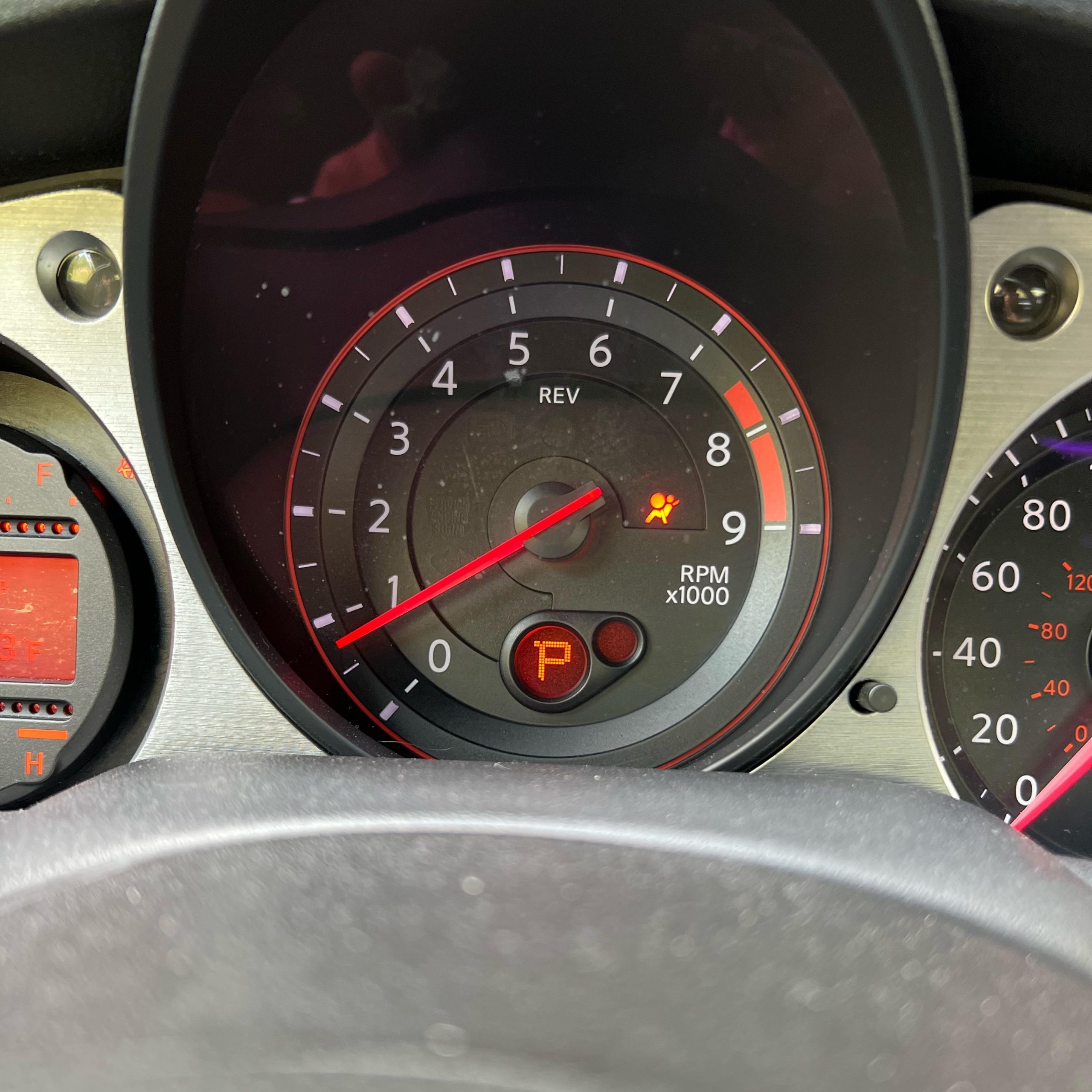
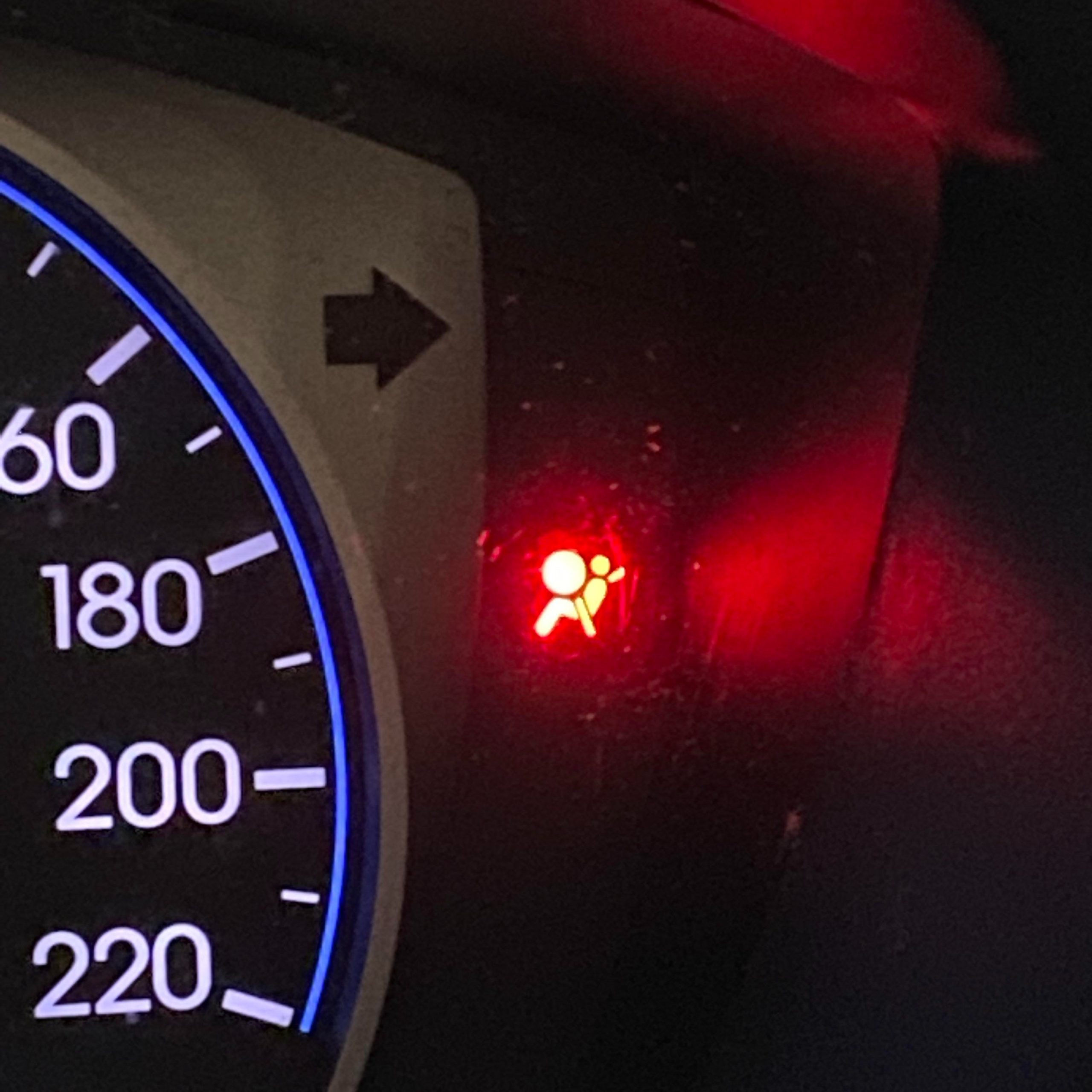
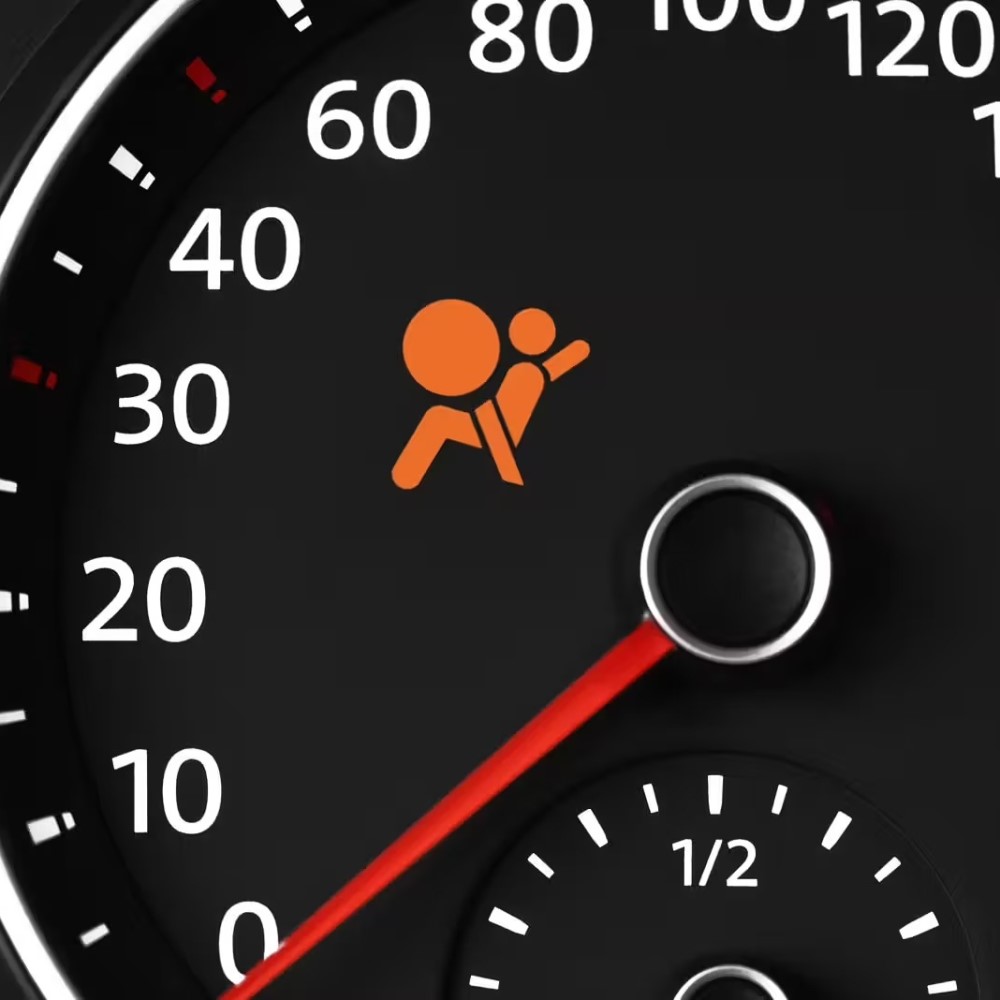
If you’ve noticed the airbag light flashing in your vehicle, it’s a sign that demands immediate attention. This warning indicator, often labeled as “SRS” or featuring a seated figure with an expanding circle, signals a problem within the supplemental restraint system. When the airbag light flashing occurs, it means your vehicle’s computer has detected a fault that could prevent airbags from deploying during a collision.
Moreover, ignoring this alert puts you and your passengers at serious risk. Airbags are critical safety components designed to reduce injury in accidents. If they fail to activate when needed, the consequences can be severe. The good news is that most issues causing the airbag light flashing can be diagnosed and repaired by professionals. Understanding what triggers this warning helps you respond quickly and safely.
 What the Airbag Light Indicates
How the SRS System Monitors Safety Components
The airbag light flashing is not random. It follows a specific diagnostic sequence performed by your car’s onboard computer. When you start the engine, the system runs a self-check on all parts of the airbag network. This includes sensors, wiring, control modules, and the airbags themselves.
During this test, the light usually turns on for a few seconds. Then it should turn off if no faults are found. However, if the airbag light flashing continues after startup, a problem exists. The pattern of flashes may even indicate a specific error code. Some vehicles blink the light in sequences like two blinks, pause, then four blinks—meaning code 24.
This built-in diagnostics feature ensures early detection of malfunctions. It prevents silent failures that might go unnoticed until an accident occurs. Mechanics use specialized scanners to read these codes accurately. They then trace the issue to its source, whether it’s a sensor, clock spring, or wiring harness.
Therefore, the airbag light serves as both a warning and a diagnostic tool. It alerts drivers while providing technicians with valuable information. Never assume the system works just because the light stops flashing later.
Common Reasons for a Flashing Airbag Light
If your airbag light is flashing, addressing the issue promptly is essential. A flashing airbag light can indicate various problems in the airbag system. Below are the most common reasons for this warning:
Faulty Airbag Sensors
Airbag sensors detect collisions and trigger airbag deployment. A faulty sensor may cause the airbag light to flash. These sensors can fail due to wear and tear, exposure to moisture, or electrical issues. Regular diagnostics can help identify and replace failing sensors before they cause trouble.
Low Battery Voltage
A car’s battery powers many safety systems, including the airbags. Low voltage from an old or weak battery can disrupt the system and cause the airbag light to flash. Ensuring your battery is fully charged and functional can prevent this problem.
Loose or Damaged Wiring
The airbag system relies on a network of electrical wiring. Loose, frayed, or damaged wires can interrupt signals and trigger the warning light. These issues often occur due to vibrations, accidents, or poor maintenance. Inspecting and securing wires regularly can help prevent this problem.
Issues with the Airbag Control Module
The airbag control module processes collision data and activates airbags in emergencies. If this module malfunctions, it might cause incorrect signals, leading to a flashing airbag light. Damage from water, electrical issues, or wear can impact the module’s performance, requiring repairs or replacement.
Seat Belt Latch or Sensor Problems
Modern car systems integrate seat belt sensors with the airbag system. Problems with the seat belt latch or its sensor can interfere with airbag functionality. A damaged sensor or a worn-out latch can be the culprit behind a flashing light.
Understanding these common reasons for a flashing airbag light can help address issues early. Timely action ensures optimal safety for both you and your passengers.
 How to Diagnose the Issue
Diagnosing why your airbag light is flashing is critical for passenger safety. Several straightforward methods can help identify the issue and determine the necessary repairs.
Using an OBD-II Scanner
An OBD-II scanner can read error codes from the vehicle’s computer system. Plug the scanner into your car’s diagnostic port (usually under the dashboard). Follow the instructions to retrieve the airbag system’s fault codes. These codes can indicate sensor issues, wiring problems, or control module failures. Once identified, you can decide on the next steps toward fixing the issue.
Checking Battery Health
Low battery voltage can disrupt your airbag system. Use a multimeter to test your car battery’s voltage and ensure it’s within the recommended range (usually around 12.6 volts when fully charged). If the battery is weak, replacing or recharging it may resolve the flashing airbag light. Maintaining a healthy battery can prevent such problems in the future.
Inspecting Electrical Components
Damaged wiring can interfere with the airbag system. Inspect visible connectors, sensors, and wires for looseness or damage. Look for frayed wires, water damage, or corroded connections. If you find any issues, repair or replace the affected components immediately. Careful inspection can save time and prevent more significant problems.
The Risks of Ignoring an Airbag Light
Impact on Airbag Deployment
Ignoring a flashing airbag light can compromise your car’s safety system. The light often signals a fault in the airbag system. This malfunction may prevent airbags from deploying during an accident. Without functioning airbags, passengers face a higher risk of serious injuries. Addressing the issue immediately ensures the airbag system remains operational.
Safety Concerns During an Accident
A faulty airbag system increases danger during collisions. Properly deployed airbags can save lives by reducing impact forces. If the airbag doesn’t deploy, the driver and passengers lose this crucial protection. Additionally, other safety components, like seat belt sensors, may also be affected by the fault. Timely repairs guarantee all safety features work as intended.
 Steps to Fix a Flashing Airbag Light
If your airbag light is flashing, take action promptly to restore your vehicle’s safety system. Addressing the problem prevents major risks during accidents. Below are steps to resolve a flashing airbag light effectively.
Resetting the Airbag Warning Light
Start by resetting the airbag warning light. Sometimes, the light flashes due to minor glitches.
- Turn off the ignition and disconnect the battery.
- Wait a few minutes before reconnecting the battery.
- Start the car and check if the light has stopped flashing.
If the light persists, use an OBD-II scanner to clear error codes after fixing faults. Resetting ensures the issue isn’t a system error.
Repairing Faulty Sensors or Wiring
Faulty sensors or damaged wiring often cause a flashing airbag light. Perform these steps:
- Inspect airbag sensors for physical wear or moisture damage.
- Check wiring for frayed edges, loose connections, or corrosion.
- Repair or replace compromised sensors and wiring promptly.
Ensure all connections are secure and test the system afterward. Regular inspections reduce future issues.
Replacing the Airbag Control Module
If the airbag control module is malfunctioning, replacement may be necessary. Follow these guidelines:
- Diagnose the issue using an OBD-II scanner to confirm module problems.
- Remove the old module carefully, avoiding damage to attached wiring.
- Install a new module compatible with your vehicle model.
After installation, test the system to verify functionality. This step restores your airbag system’s reliability.
Taking these steps ensures your airbag system functions properly and keeps passengers safe.
When to Consult a Professional Mechanic
Understanding when to seek professional help for a flashing airbag light is essential. Some issues may seem manageable but require expert attention to ensure passenger safety.
Signs That Require Immediate Attention
Certain signs call for quick professional assessment of your airbag system:
- Persistent Flashing Light: If the light remains after resetting, seek professional diagnostics immediately.
- Error Codes After Scanning: Unresolved error codes from an OBD-II scanner need expert evaluation.
- Malfunction in Other Safety Features: Faulty seat belt sensors or warning systems indicate broader airbag system issues.
- Visible Wiring Damage: Frayed wires or corrosion may compromise the airbag setup and require technical repairs.
- Unusual Sounds or Malfunctions: Clicking noises or inconsistent system behavior need immediate mechanic intervention.
Ignoring these signs increases the risk of failure in crucial safety systems. A professional mechanic can uncover and fix hidden problems effectively.
Cost of Fixing an Airbag System
Repairing a flashing airbag light varies in price depending on the issue:
- Sensor Replacement: Fixing faulty airbag sensors can range from $100 to $300.
- Wiring Repairs: Addressing damaged wiring costs between $50 and $200, depending on the complexity.
- Control Module Replacement: Replacing the airbag control module is the most expensive, often costing $500 to $1,000.
- Diagnostic Fee: Mechanics usually charge $50 to $150 for system diagnostics.
While the costs may seem high, timely repairs protect passengers during accidents. Investing in expert services ensures all components function reliably.
 Preventive Measures to Avoid Airbag Light Issues
Preventing your airbag light from flashing requires consistent care and attention. Following certain measures can help you avoid airbag system issues. Below are the key steps to maintain a healthy and functional airbag system.
Regular Vehicle Maintenance
Routine maintenance is crucial for preventing airbag light problems. Follow these guidelines:
- Schedule Regular Inspections: Get your car checked by a professional mechanic every few months.
- Address Faults Early: Fix any electrical or mechanical problems before they worsen.
- Check Sensors Frequently: Ensure airbag sensors are clean and functional at all times.
- Update Software: Update your car’s onboard systems to prevent software-related errors.
Staying proactive with maintenance keeps your airbag system reliable and durable.
Proper Battery Care
A strong, functional battery is essential for a healthy airbag system. Follow these steps:
- Test Battery Voltage: Use a multimeter to ensure your battery operates at the ideal range of 12.6 volts.
- Replace Old Batteries: Change your car battery every 3 to 5 years to avoid voltage drops.
- Avoid Draining: Turn off headlights and electrical devices when the engine is off.
- Clean Battery Terminals: Remove corrosion on terminals to maintain a stable electrical connection.
Proper battery maintenance prevents disruptions in the airbag system and other safety features.
Handling Seat Belts and Wiring Carefully
Seat belts and wiring are integral to the airbag system’s functionality. Take these precautions:
- Avoid Rough Handling: Buckle and unbuckle seat belts gently to prevent damage to the latches or sensors.
- Inspect Wiring Regularly: Check wires for signs of fraying, looseness, or corrosion.
- Repair Quickly: Fix damaged wiring or malfunctioning seat belt components immediately.
- Prevent Water Damage: Keep wiring and connectors dry to avoid electrical short circuits.
Careful handling of these components ensures your airbag system stays in excellent working condition.
By following these preventive measures, you can minimize the likelihood of seeing your airbag light flashing. Regular attention to your vehicle keeps passengers safe and extends the longevity of the airbag system.
Frequently Asked Questions
Clear Answers for Common Driver Concerns
Can I reset the airbag light myself? Sometimes. Disconnecting the battery may clear temporary glitches. Permanent faults require code scanning and repair.
Will disconnecting the battery erase the light permanently? No. It may turn off temporarily. The system redetects the issue at next startup.
Does the airbag light flashing mean airbags are disabled? Often yes. The system disables deployment to prevent unsafe activation.
Can aftermarket accessories trigger the light? Yes. Poorly installed radios or dash cams can interfere with wiring.
Is it illegal to drive with the light on? Not technically, but it violates safety standards in many regions.
Can a used airbag module work safely? Only if properly tested and programmed. Used parts carry risks.
Should I replace airbags after deployment? Yes. They are single-use devices. Never reuse deployed units.
These answers help drivers make informed decisions. Knowledge improves response and safety.
 Final Thoughts
Why Immediate Action Protects Lives
The airbag light flashing is not a warning to ignore. It signals a breakdown in one of your car’s most vital safety systems. Whether caused by a loose wire or failed sensor, the result is the same—reduced protection in a crash.
Addressing the issue quickly restores confidence and security. Repairs often take less time than expected. Costs vary, but they pale in comparison to medical bills from unprotected impact.
Modern vehicles rely on complex electronics. Understanding basic alerts empowers owners. Yet knowing when to call professionals ensures correct fixes.
Ultimately, every driver shares responsibility for passenger safety. The airbag light flashing reminds us that prevention beats reaction. Stay alert, stay informed, and keep your vehicle ready for any situation.