Airbag bruises are a common injury following car accidents. While airbags save lives by reducing impact force, they can also cause physical trauma. These injuries occur when the airbag deploys with explosive speed. As it inflates, it strikes the chest, arms, face, or neck at high velocity. This sudden contact often leaves behind painful bruising.
Moreover, airbag bruises affect drivers and passengers regardless of seatbelt use. They range from mild discoloration to deep tissue damage. Some people mistake them for minor scrapes. However, these marks may signal deeper harm beneath the skin. Recognizing their origin and severity helps ensure proper care. Therefore, understanding what causes airbag bruises is essential for anyone involved in a collision.
 What Are Airbag Bruises?
Airbag bruises are injuries caused by the rapid deployment of airbags during crashes. These bruises occur when the force of the airbag impacts the body, especially exposed areas. While airbags save lives, they can leave marks, including bruises, due to their sudden inflation.
Common Scenarios Leading to Airbag Bruises
Airbag bruises often happen in frontal or side collisions. Drivers and passengers sitting close to airbags are at higher risk. Common scenarios include car crashes at high speeds or improper seating positions. If someone isn’t wearing a seatbelt correctly, this can worsen bruising.
Typical Symptoms of Airbag Bruises
Airbag bruises usually appear as dark spots or discolored skin. Swelling around the bruised area is normal. Pain and tenderness in the affected region are common symptoms. Some people may experience skin abrasions alongside bruises. These symptoms typically develop within hours after the impact.
Causes of Bruises
Airbag bruises result from the force of airbag deployment during accidents. The speed and force of deployment are designed to save lives but can also cause injuries. Let’s explore how airbags work and what factors contribute to airbag-related injuries.
How Airbags Work During Collisions
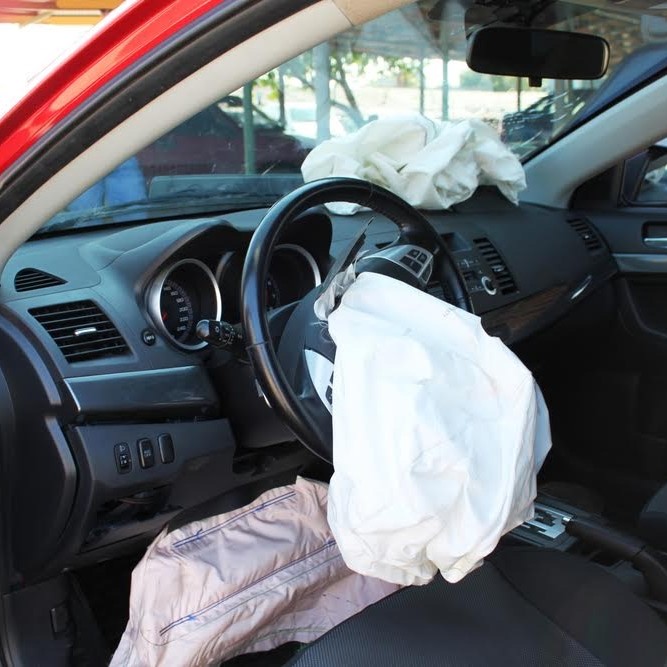
Airbags are safety devices designed to reduce crash impact. They deploy in milliseconds during collisions. Sensors detect rapid deceleration, triggering inflators to fill the airbags with gas. This rapid inflation creates a cushioning effect, protecting occupants from severe injuries. The force of this deployment, however, can impact exposed skin and soft tissues, causing bruises or abrasions.
The type and position of airbags also play a role. For instance, frontal airbags protect the chest and head but may press forcefully against the torso or face. Side airbags reduce harm during side impacts but can create marks on arms or ribs. The closer someone is to the airbag, the stronger the force they may experience.
Factors Contributing to Airbag-Related Injuries
Several factors can increase the risk of airbag-related bruises:
- Proximity to the Airbag: Sitting too close to the airbag increases impact force. A distance of at least 10 inches from the steering wheel is recommended.
- Improper Seating Position: Slouching, reclining, or poorly adjusted seats can lead to worse bruising from airbags.
- No Seatbelt or Improper Use: Seatbelts reduce crash force. Without them, the body may move into the deploying airbag with more intensity.
- Type of Collision: High-speed crashes or side impacts usually generate more force, increasing injury risks.
- Pre-existing Conditions: People with fragile skin or blood disorders may bruise more easily upon airbag deployment.
Understanding these factors can help explain why airbags, while life-saving, may also leave temporary physical marks.
 Common Areas Where Bruises Appear
Identifying Injury Zones on the Body
Most airbag bruises show up on the upper body. The chest is the most frequent site. A large, patchy red or purple mark appears right after deployment. Over time, it darkens and spreads slightly. This area may feel tender or swollen.
The face also suffers impact, especially without proper head positioning. Nose, chin, and forehead bruises happen when the head moves forward too quickly. Airbags can scrape or burn facial skin due to heat and friction. These injuries resemble road rash but come from synthetic materials.
Arms and hands get injured when resting on the steering wheel. Drivers who grip tightly experience more forearm bruising. The force pushes limbs backward violently. This motion damages muscle tissue underneath.
Neck strain often accompanies bruising. Whiplash and soft tissue trauma occur simultaneously. Victims may not notice neck pain until hours later. Swelling around the throat requires immediate medical attention.
Hands can develop smaller bruises near the knuckles. This happens when fingers press against hard surfaces during inflation. Glove wearers sometimes avoid these marks.
Recognizing these zones helps assess injury severity. Multiple bruised areas suggest higher impact forces.
Recovery Process for Bruises
Recovering from airbag bruises involves prompt care and the right treatment. Taking proper steps can minimize discomfort and speed up recovery. Let’s explore what to do immediately and effective treatments to try.
Immediate Steps After an Airbag Injury
- Assess the Injury: Look for visible bruises, swelling, and skin abrasions to determine the injury’s severity.
- Clean the Area: Wash any scrapes or open wounds with mild soap and water to prevent infection.
- Apply Cold Compresses: Use an ice pack or a cloth-wrapped ice bag for 10-15 minutes to reduce swelling.
- Elevate the Bruised Area: If possible, keep the affected area elevated to reduce swelling and ease discomfort.
- Take Over-the-Counter Pain Relievers: Medications like acetaminophen or ibuprofen can help reduce pain and swelling. Follow dosage instructions.
- Monitor for Serious Symptoms: Watch for severe pain, large swelling, or changes in skin color, and seek medical attention if needed.
Treatments for Airbag Bruises: Medical and Home Remedies
Home Remedies:
- Rest: Limit movements that aggravate the injured area to support healing.
- Heat Therapy: Apply warm compresses a few days after the injury to improve blood flow.
- Topical Creams: Arnica gel or aloe vera aids in reducing pain and swelling.
- Healthy Diet: Eat foods rich in vitamin C and K to promote tissue healing.
Medical Treatments:
- Prescribed Medication: For severe pain or inflammation, doctors may prescribe stronger pain relievers or anti-inflammatory drugs.
- Physical Therapy: Severe bruises causing stiffness may benefit from therapy exercises to restore movement.
- Treatment for Complications: If infections or nerve damage occur, immediate professional care is necessary.
Being proactive with these steps accelerates recovery and minimizes discomfort from airbag bruises. Proper care ensures a smoother healing process without complications.
 Severity of Bruises: When to Seek Medical Help
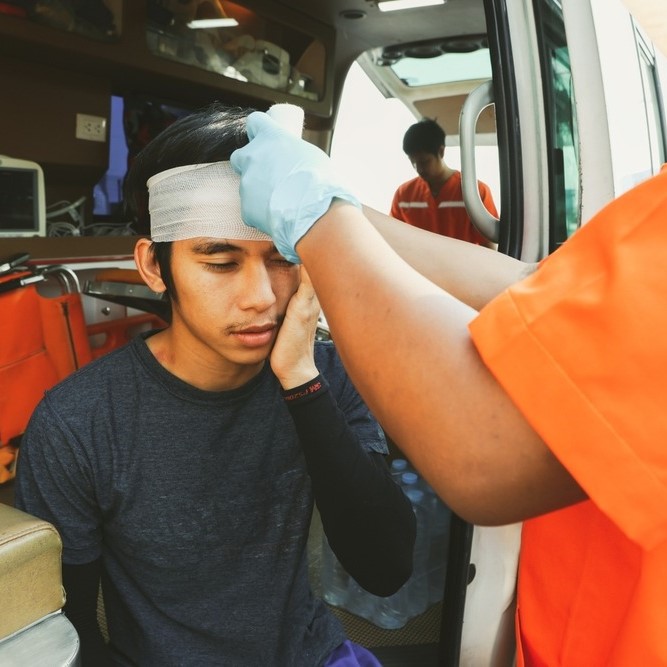
Not all airbag bruises are minor. Some symptoms require immediate medical attention. Identifying severe injuries early can prevent complications.
Recognizing Serious Bruise Symptoms
- Extensive Swelling: Unusually large or rapidly spreading swelling may indicate deeper tissue damage.
- Severe, Persistent Pain: Pain that persists or worsens could signal underlying injuries like fractures.
- Discoloration Beyond Normal Bruising: Darkening beyond normal black-and-blue hues or streaks may point to vascular damage.
- Numbness or Tingling: These symptoms might indicate nerve damage near the bruise.
- Signs of Infection: Warmth, redness, or pus around bruises suggests infection and needs medical attention.
- Difficulty Moving or Breathing: For bruises near the ribs or abdomen, difficulty in mobility or breathing is a warning.
Possible Complications from Airbag Injuries
- Hematomas: Severe bruises can lead to blood pooling under the skin, requiring drainage.
- Fractures: Airbag deployment can sometimes cause small bone cracks near bruised areas.
- Internal Bleeding: Deep bruises over organs, like the abdomen, might suggest internal bleeding.
- Infections: Untreated skin abrasions or open wounds can develop infections needing antibiotics.
- Nerve Damage: High-pressure impacts may compress or injure nearby nerves.
These warning signs highlight why seeking medical evaluation is crucial for serious bruises. Prompt attention ensures proper healing and prevents future issues.
How Long Do Bruises Take to Heal?
Typical Recovery Timeline and Healing Stages
Healing times for airbag bruises vary based on intensity and location. Mild cases fade within one to two weeks. Moderate bruising lasts two to four weeks. Deep tissue injuries take longer—up to six weeks or more.
Initially, the skin turns pink or red. Blood vessels break under pressure. Within 48 hours, colors shift toward blue or purple. This indicates pooled blood beneath the surface. Cold compresses help reduce swelling during this phase.
After several days, the bruise changes again. It becomes greenish-yellow as the body reabsorbs damaged cells. This signals active healing. Moisturizers and gentle massage improve circulation. Arnica gel may speed recovery for some users.
Pain usually decreases after the first week. Over-the-counter pain relievers ease discomfort. Acetaminophen works well; avoid aspirin as it thins blood. Rest supports faster healing.
However, lingering tenderness means deeper damage exists. If numbness, difficulty breathing, or chest tightness occurs, seek medical help. Internal injuries might hide behind skin-level symptoms.
Patience matters during recovery. Most airbag bruises resolve without complications. Proper care prevents long-term issues.
Preventing Bruises
Proper Positioning When Driving
Proper driving posture can significantly reduce the risk of airbag bruises. Keep a distance of at least 10 inches between your chest and the steering wheel. Sit upright with your back against the seat to maintain correct posture. Adjust your seat height so your thighs are not resting too heavily on the seat while keeping your feet comfortably on the pedals. Avoid slouching or leaning forward, as this increases proximity to the airbag. Also, ensure your hands are on the steering wheel at the “10 and 2” or “9 and 3” positions to minimize arm injuries during deployment.
Importance of Wearing Seatbelts Correctly
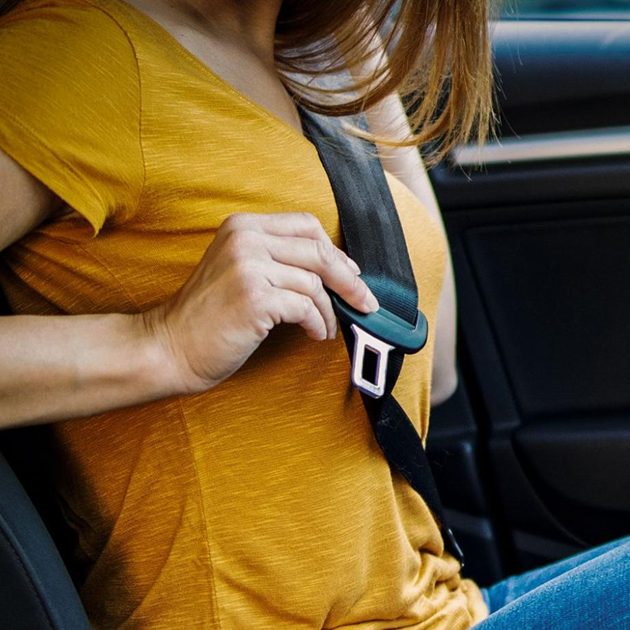
A properly fastened seatbelt is essential for reducing airbag-related bruises. Make sure the shoulder strap lies firmly across your chest and not against your neck. The lap belt should rest snugly on your hips, not your abdomen. Incorrect use of seatbelts can lead to dangerous body movement during crashes, increasing contact with the deploying airbag. Always double-check that your seatbelt is securely fastened before starting your journey. Wearing seatbelts correctly not only minimizes injury risks but also complements the protective function of airbags.
 Myths and Facts About Airbag Injuries
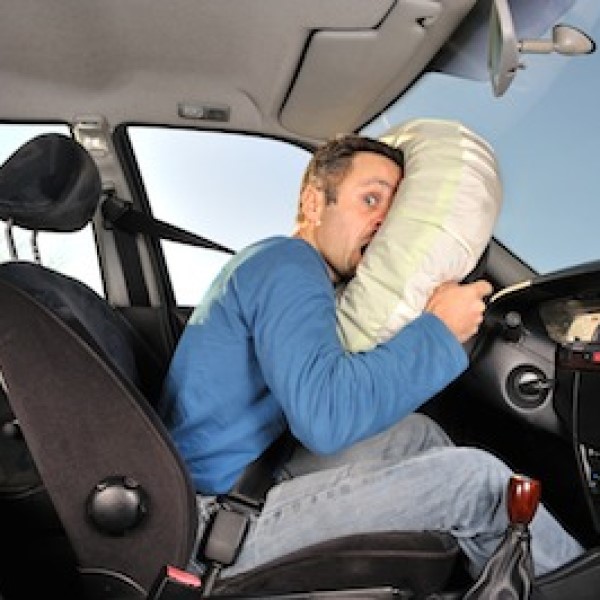
Airbag-related injuries spark many misconceptions. Separating myths from facts can improve safety understanding.
Debunking Airbag Safety Misconceptions
- Myth: Airbags cause more harm than good.
- Fact: Airbags save lives by reducing impact force during crashes. Injuries are usually minor.
- Myth: Airbags always deploy in accidents.
- Fact: Airbags deploy only in moderate to severe collisions to protect occupants effectively.
- Myth: Airbags replace seatbelts.
- Fact: Airbags work with seatbelts. Without a seatbelt, injuries can be more severe.
- Myth: Sitting close to the airbag is safer.
- Fact: Sitting too close increases injury risks. Maintain at least 10 inches of distance.
- Myth: Manual airbags are safer than automated ones.
- Fact: Automated airbags are faster and more reliable during sudden crashes.
Innovative Advancements in Airbag Technology
- Smart Airbags: These adjust deployment force based on collision severity and occupant position.
- Side Curtain Airbags: Designed to prevent head injuries in side-impact crashes.
- External Airbags: Placed outside the car to reduce impact during pedestrian accidents.
- Adaptive Airbags: Tailored for specific vehicle types, offering better protection.
- Eco-Friendly Designs: Use non-toxic gases for inflation, minimizing environmental impact.
New technologies constantly enhance airbag safety, aiming for fewer injuries and better crash outcomes.
Frequently Asked Questions
Can Airbag Bruises Cause Permanent Damage?
Most do not cause lasting harm. However, deep tissue injuries may leave slight discoloration or sensitivity. Scarring is rare unless the skin breaks. Internal injuries pose greater risks than surface marks.
Do Airbags Burn as Well as Bruise?
Yes, minor burns often accompany airbag bruises. The deployment releases fine powder and heat. This can irritate or lightly scorch exposed skin. Washing the area gently removes residue.
Should I See a Doctor Even If I Feel Fine?
Yes, some injuries appear hours later. Internal bleeding or rib fractures may not hurt immediately. Getting checked ensures no hidden problems exist.
Can Children Get Worse Airbag Bruises Than Adults?
Yes, their smaller frames absorb more force. Front-seat children face higher risks of serious injury. Always follow age and weight guidelines for seating.
Questions About Long-Term Effects of Airbag Injuries
Long-term effects of airbag injuries are rare but possible in extreme cases. Severe impacts may lead to lasting nerve damage, chronic pain, or stiffness in the injured area. Internal injuries from airbag deployment could cause complications like scarring or restricted organ function if not treated promptly. However, most people recover fully once they follow the recommended treatment plan. Proper care and timely medical attention reduce the chances of lasting effects.
 Final Thoughts: Respecting the Power Behind Safety Features
Airbag bruises remind us that safety systems work through controlled force. While uncomfortable, these marks often mean the airbag did its job. Surviving a crash is the priority. Yet, understanding airbag bruises helps manage recovery effectively. Ultimately, awareness, prevention, and prompt care turn a traumatic event into a manageable experience.