An airbag burn is a common injury that occurs when an airbag deploys during a car accident. Though airbags save lives, the force and heat involved in their inflation can cause skin damage. These burns are not typical thermal injuries. Instead, they result from a mix of friction, chemicals, and high-speed impact. Many people experience redness, irritation, or even blistering after contact with a deploying airbag.
Moreover, understanding what causes an airbag burn helps drivers take proper action post-accident. These injuries may seem minor at first. However, without care, they can lead to infection or scarring. Therefore, knowing how to identify, treat, and prevent them is essential for every vehicle occupant.
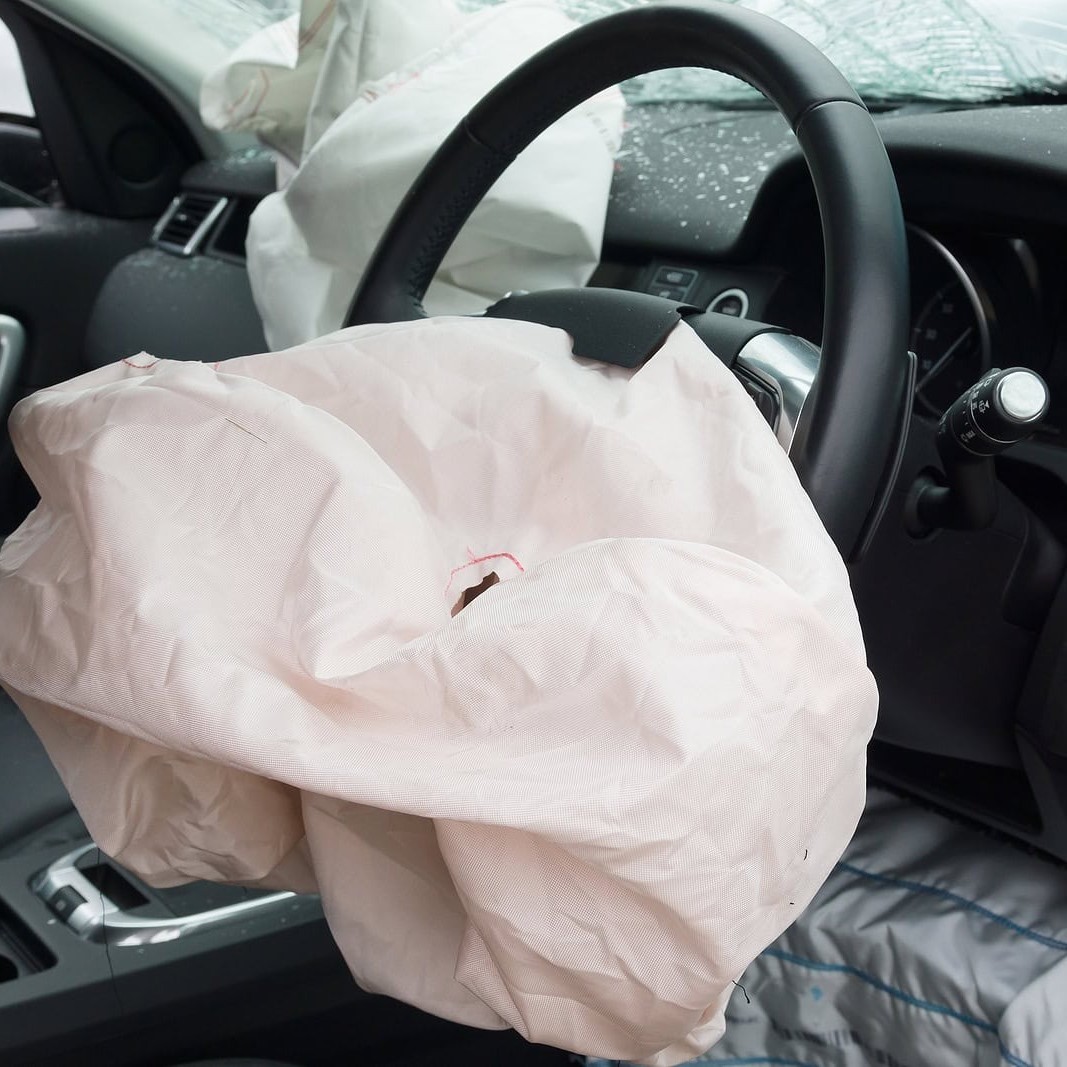 What Are Airbag Burns?
Airbag burns are injuries caused by the rapid deployment of airbags. They occur when the heat, friction, or chemicals involved in airbag inflation contact the skin. Airbags are essential safety devices, but their activation can generate significant force and heat.
The burns result from the combination of high-temperature gases and abrasive material. In many cases, they appear as redness, blisters, or abrasions on the skin. The face, arms, hands, and chest are the most common areas affected.
These burns can be minor or severe, depending on the deployment speed and proximity to the airbag. Understanding airbag burns is crucial for identifying and treating them promptly. While airbags save lives, it’s vital to address injuries caused by their use.
Common Causes of Burns
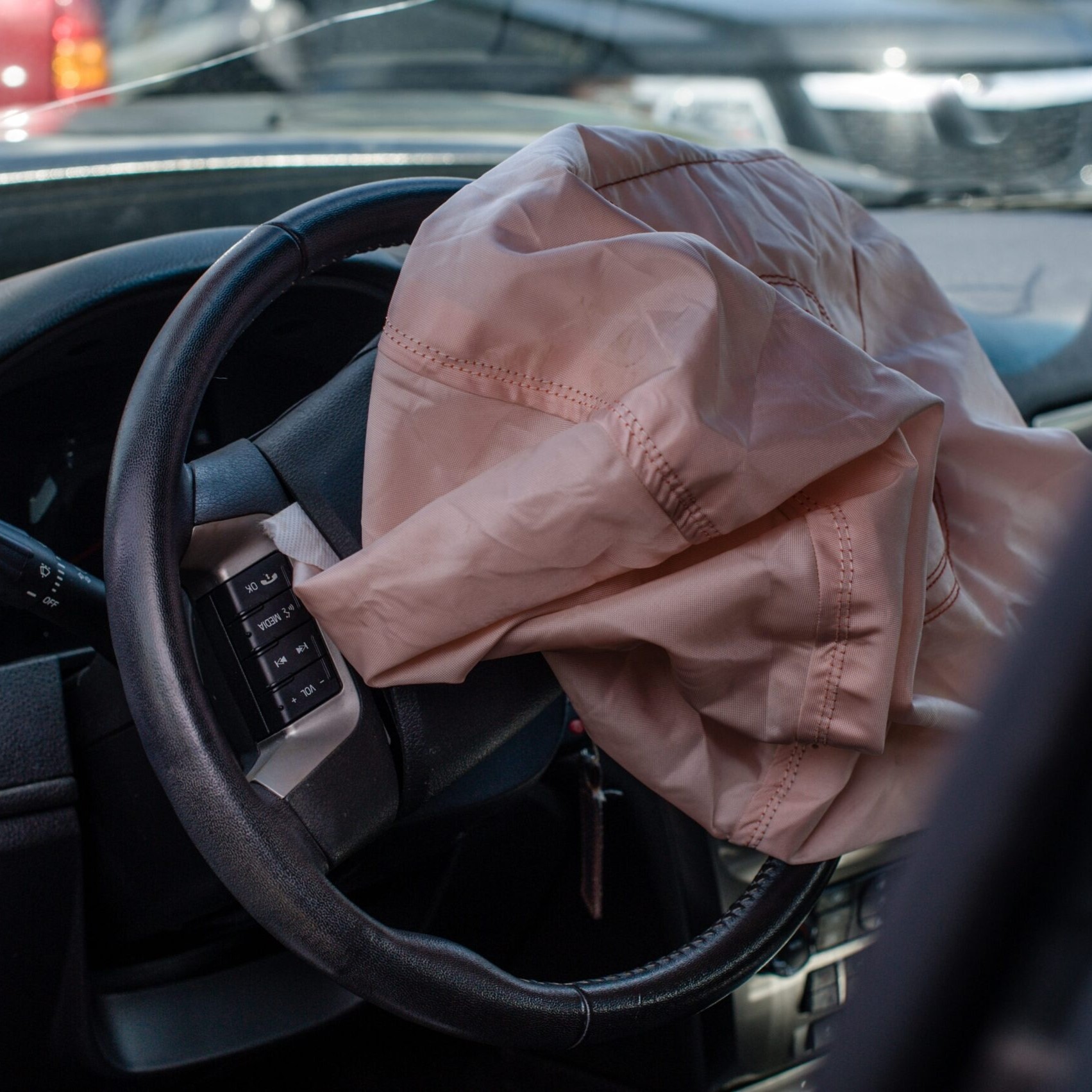
Airbag burns are primarily caused by the rapid deployment of an airbag during a crash. When an airbag inflates, it does so at a speed of up to 200 mph. This rapid release generates heat and force that can harm the skin.
High-Temperature Gases
Hot gases are expelled during the inflation process. These gases can cause thermal burns on contact with the skin.
Friction and Abrasion
The airbag material rubs against the skin at high speeds, causing friction burns or abrasions.
Chemical Residue
Airbags contain chemicals that trigger inflation. These substances, like sodium azide, may irritate or burn the skin upon exposure.
Proximity to the Airbag
Individuals sitting too close to the steering wheel or dashboard face a higher risk of burns. The closer someone is, the more severe the injuries tend to be.
Failure to Use Seatbelts
Without seatbelts, people may come into direct forceful contact with the airbag, causing additional injuries and burns.
Understanding these causes helps in taking precautions and minimizing the risk of airbag burns during accidents.
 Types of Burns and Their Severity Levels
Classifying Injuries Based on Symptoms
Not all airbag burns are the same. They vary based on contact intensity and skin sensitivity. Medical professionals classify them into categories. Each level requires different care.
First-degree burns affect only the top layer of skin. Redness, mild swelling, and dryness appear. The area may feel warm. Pain is usually minimal. Most heal within a few days. Sunburn is a familiar comparison.
Second-degree burns go deeper. They involve the second layer of skin. Blisters form. The skin looks moist and may peel. Discomfort increases. Healing takes one to three weeks. Risk of infection rises.
In severe cases, third-degree signs may appear. Skin turns white or charred. Nerve damage might reduce pain sensation. This is rare but serious. Immediate medical attention is needed.
Some people develop contact dermatitis. This is not a true burn. It results from chemical irritation. Itchy rashes and hives may emerge hours after exposure. Antihistamines often help.
Knowing the type guides treatment. Mild cases respond to home care. Others require professional help. Always monitor changes closely.
Common Locations Where Burns Appear
Why Certain Body Parts Are More at Risk
Airbag burns typically show up on areas closest to the airbag module. The driver faces the steering wheel. So the hands, forearms, chest, neck, and face are vulnerable.
Passengers confront the dashboard. Their legs, arms, and upper torso are exposed. Children in forward-facing seats may also get burns. That’s why proper seating is critical.
Hands often suffer because they rest on the wheel. When the airbag deploys, palms press directly into hot fabric. Friction creates linear abrasions. These resemble rug burns.
The face receives impact if someone leans forward. Glasses may worsen injury. Metal frames press into cheeks or nose during deployment.
Chest burns happen when seatbelts aren’t tight. The body moves forward. Then the airbag hits bare skin. Low-cut clothing increases risk.
Neck and chin areas burn easily. Thin skin there reacts strongly. Even brief contact can cause redness or peeling.
Protective clothing reduces exposure. Long sleeves and collared shirts help. Avoid resting arms or head near airbag zones while driving.
How to Treat Burns at Home
Treating airbag burns at home is crucial for minor injuries. It can prevent complications and support healing.
Clean the Burn Area
Wash the affected area gently with cool water. Avoid scrubbing to prevent further irritation.
Apply a Cold Compress
Use a cold, damp cloth on the burn for 10-15 minutes. This helps reduce swelling and soothe pain.
Use Aloe Vera or Burn Ointments
Apply aloe vera gel or over-the-counter burn creams. These promote healing and reduce inflammation.
Cover the Burn
Protect the burn with sterile gauze or a breathable dressing. Change the dressing daily to keep it clean.
Manage Pain
Take over-the-counter pain relievers like ibuprofen. Avoid popping blisters, as this can lead to infection.
Avoid Sun Exposure
Keep the burn covered when outside. Sun can worsen the irritation and slow down healing.
Treating burns promptly helps improve recovery. For severe burns, consult a doctor for further treatment.
 When to Seek Medical Attention for Burns
Airbag burns may vary in severity. While many are minor, some require urgent medical care. Knowing when to seek professional help is essential for preventing complications.
Severe Pain or Persistent Symptoms
If the burn causes intense pain or discomfort that does not improve, consult a doctor. Persistent symptoms, such as swelling or redness that worsens, can indicate a serious injury.
Signs of Infection
Infected burns may show symptoms like pus, increased redness, or warmth around the area. Fever or chills can also signal an infection. Seek medical help immediately if these signs appear.
Large or Deep Burns
Burns that cover a large area or penetrate deep into the skin need professional treatment. These injuries are more prone to infection and scarring if untreated.
Chemical-Related Burns
Airbag burns caused by chemical exposure require specialized care. Irritation from substances like sodium azide can worsen without proper medical attention.
Burns Near Sensitive Areas
Burns affecting the face, eyes, or neck should always be checked by a healthcare provider. These areas are more delicate and may require specific treatments.
Breathing or Circulation Issues
If the burn is accompanied by difficulty breathing or poor circulation, address it immediately. These symptoms might be caused by the chemical residue or injury-related internal damage.
Lack of Improvement
When burns do not show signs of healing despite home treatment, a professional evaluation is needed. Prolonged recovery increases the risk of complications.
Recognizing these signs ensures timely medical intervention. Proper care helps minimize long-term effects and speeds up recovery.
Long-term Effects of Burns
Airbag burn may leave lasting effects on the skin and overall health. Recognizing these effects helps in planning long-term care.
Scarring and Skin Changes
Burns can result in permanent scars. Skin discoloration or uneven texture is also common.
Reduced Mobility
Severe burns on joints may cause stiffness. This can affect movement and flexibility in the affected areas.
Chronic Pain or Discomfort
Some airbag burns lead to prolonged pain. Nerve damage may contribute to sensitivity around the burn site.
Emotional Impact
Visible scars may lead to emotional distress or loss of confidence. Addressing mental health is crucial.
Increased Infection Risk
Damaged skin may remain vulnerable to infections. Proper hygiene and care are important to prevent complications.
Delayed Healing
Poor initial treatment may slow recovery. This increases the likelihood of permanent skin damage.
Recognizing these effects ensures better management and healing over time. Timely medical care reduces long-term complications from airbag burn.
 Preventive Measures to Reduce Airbag-Related Injuries
Preventing airbag burn and injuries starts with proper precautions. These measures can minimize risks during an accident.
Maintain Proper Seat Position
Sit at least 10-12 inches away from the airbag. A safe distance reduces injury risks.
Use Seatbelts Correctly
Always wear seatbelts. Seatbelts ensure controlled movement, reducing direct airbag impact.
Adjust Steering Wheel and Airbag Angle
Position your steering wheel to direct the airbag toward your chest, not your face.
Avoid Sitting Too Close to the Dashboard
Passengers should avoid leaning against the dashboard to lower airbag impact risk.
Ensure Proper Child Seat Placement
Children under 13 should sit in the back seat. Rear seats protect them from airbags.
Regular Vehicle Maintenance
Schedule airbag inspections during maintenance. Faulty airbags can increase injury risks.
Use Safety Features Appropriately
Follow vehicle safety guidelines for airbag systems. Misuse can result in unexpected injuries.
Avoid Carrying Hard Objects Near the Airbag
Avoid items that can worsen injuries when impacted by an airbag.
Taking these precautions ensures safety and reduces airbag-related risks effectively.
Legal Considerations for Airbag Burn Cases
Airbag burns, though often accidental, can lead to legal actions under certain circumstances. Knowing your legal rights is essential if you’ve been affected. Here are key considerations for airbag burn-related legal claims:
Manufacturer Liability
If the airbag malfunctioned, the manufacturer may be held responsible. Defects, such as deployment at the wrong time or excessive force, can strengthen a claim. You might need to prove negligence in the design, testing, or production of the airbag.
Vehicle Manufacturer Responsibility
Sometimes, a defective airbag is installed, making the vehicle manufacturer liable. Proof of improper installation or failure to recall a dangerous part can support your case.
Chemical Exposure Claims
If burns result from harmful airbag chemicals, a legal case can focus on chemical composition. Exposure to substances like sodium azide could lead to a claim against the airbag or chemical manufacturer.
Accident and Insurance Factors
Some burns are worsened due to improper airbag deployment in an accident. Insurance companies may dispute liability. Legal professionals can help resolve issues with accident reports or injury claims.
Personal Injuries and Compensation
Airbag burn can result in medical expenses, lost wages, or emotional trauma. Filing a personal injury claim could recover these costs. Compensation may also include ongoing treatment for severe burns or scars.
Hiring an Attorney
Legal cases involving airbag burns often require technical and medical evidence. An experienced attorney can navigate these complex claims. They can consult accident experts, review medical records, and communicate directly with manufacturers or insurers.
Understanding these legal aspects ensures you know your rights. Seek legal advice promptly if you suspect negligence contributed to your injury.
Frequently Asked Questions (FAQ)
Common Concerns About Airbag Burns
Can airbag burns get infected? Yes. Open blisters or broken skin invite bacteria. Clean regularly. Watch for pus, heat, or spreading redness. See a doctor if present.
Do airbag burns leave permanent scars? Sometimes. First-degree burns rarely scar. Second-degree ones may leave marks. Proper care reduces risk.
How long do airbag burns last? Mild cases heal in 3–7 days. Deeper burns take 2–3 weeks. Severe ones may need longer.
Can I drive after getting an airbag burn? Only if medically cleared. Pain or medication may impair focus. Prioritize safety.
Are children more at risk? Yes. Their skin is thinner. They may sit too close. Always secure them properly in the back.
Does wearing gloves help? Yes. Driving gloves reduce hand burns. Choose breathable materials.
These answers provide clarity. Knowledge improves response and recovery.
 Final Thoughts on Airbag Burn
Balancing Safety and Injury Awareness
Airbags save thousands of lives each year. Yet, they can cause airbag burn due to force and heat. Understanding this risk prepares you for real-world outcomes.
These injuries are usually treatable. With prompt care, most heal without major issues. Still, prevention and awareness matter. Safe driving habits reduce exposure.
Always wear seatbelts. Maintain proper distance. Cover skin when possible. Know how to respond after deployment.
Let this knowledge empower you. Stay safe on the road—and know how to care for yourself if an accident occurs.