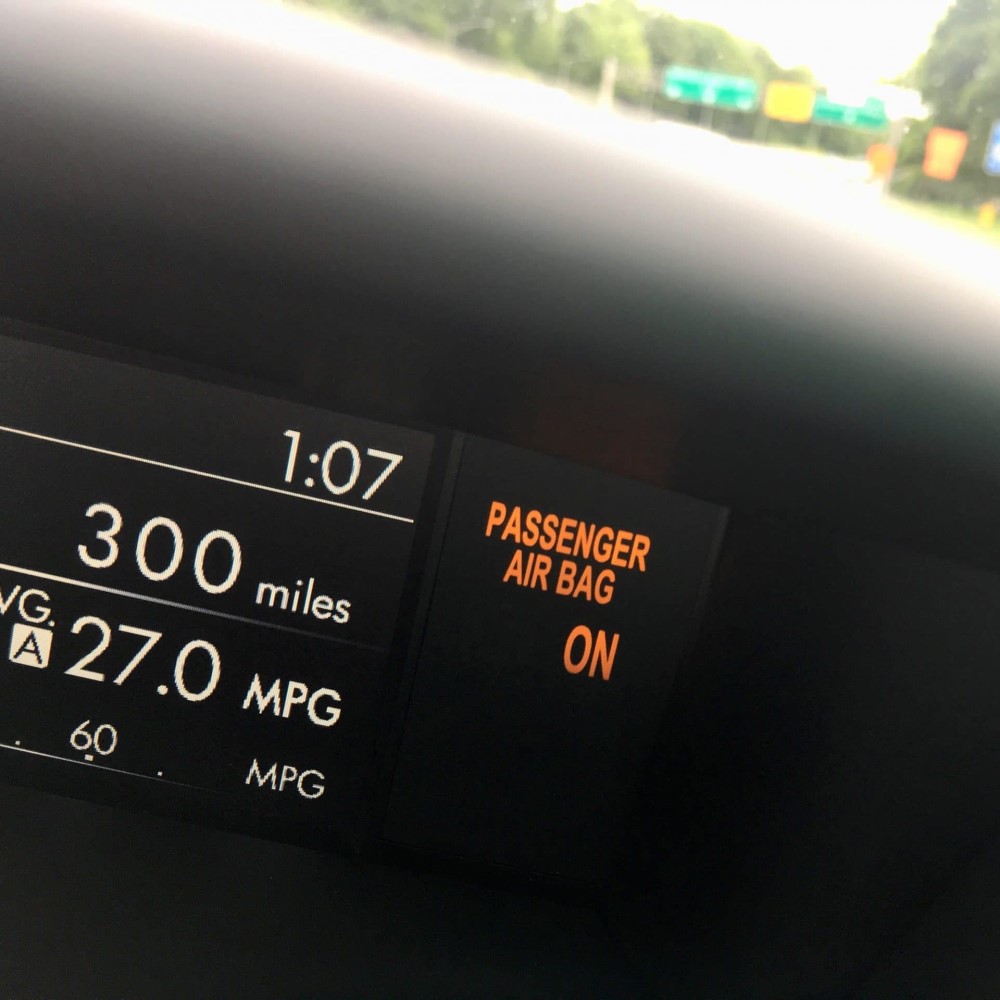
The passenger airbag light is a crucial safety feature found on most modern vehicles. It alerts drivers about the status of the front passenger airbag system. When this light turns on, blinks, or stays off, it communicates specific information about whether the airbag is active or deactivated. Therefore, understanding its signals helps ensure maximum protection for all occupants.
Moreover, the passenger airbag light plays a key role in preventing unnecessary injuries. For example, if a child is seated in the front, the airbag may disable automatically. This reduces the risk of harm during deployment. At the same time, adults should have full protection when needed. Hence, knowing how the system works promotes safer driving habits. Drivers must pay attention to changes in the light’s behavior.
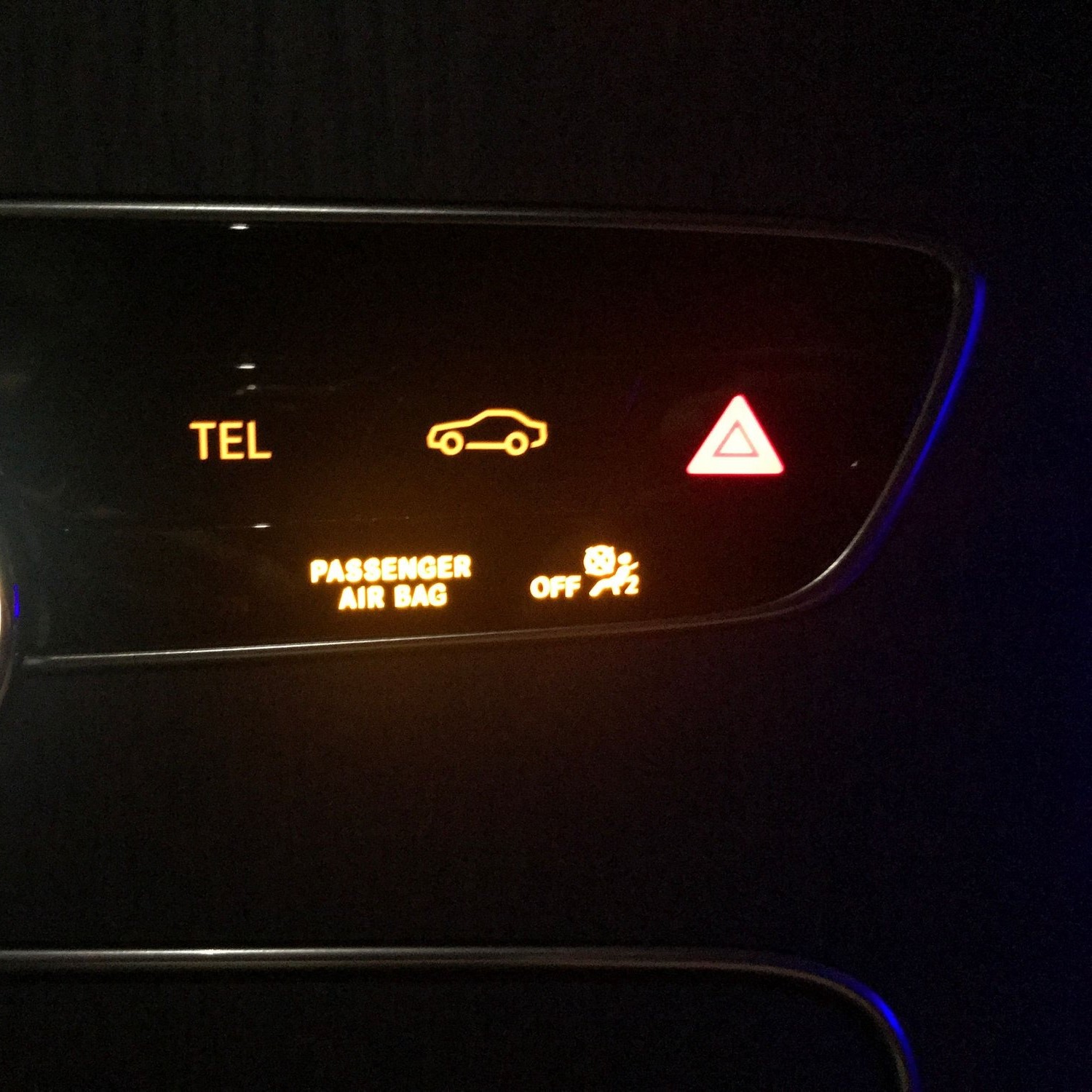 What Is the Passenger Airbag Light?
Explanation of Its Purpose and Function
The passenger airbag light is a key feature in modern vehicles. It indicates the status of the passenger airbag system. This light helps drivers understand whether the airbag is active or disabled. It is part of the vehicle’s safety system designed to protect passengers during collisions.
This light may illuminate to signal different modes. For instance, it could show if the airbag is turned off because no one is detected in the seat. It ensures airbags only deploy when needed, improving safety efficiency and reducing unnecessary costs. Drivers should pay attention to this indicator as it directly reflects the readiness of their airbag system.
Common Locations of the Indicator in a Vehicle
The passenger airbag light is typically placed where it’s easy to see. It can be near the dashboard or on the center console. In many vehicles, this indicator is positioned close to the passenger seat. This helps drivers quickly assess the airbag’s status without diverting attention.
In some models, the light may appear on the overhead panel near the rearview mirror. Others may integrate it directly into the infotainment screen. Vehicle design varies, so always check your user manual to locate the indicator correctly. Knowing where it is ensures you can check the safety system functionality effectively.
Why Does the Passenger Airbag Light Turn On?
The passenger airbag light illuminates to convey critical information about the airbag system’s status. When it turns on, it means the system is detecting a potential issue or communicating operational details. Understanding the reasons behind its activation ensures your safety and the proper functioning of your car’s safety features.
Key Reasons Behind Airbag Light Activation
Several factors can trigger the passenger airbag light. Below are some of the most common reasons:
- Seat Occupancy Detection: If the system detects a specific weight range in the passenger seat, it may activate the airbag light. For example, a child seat or light objects can sometimes trigger the indicator.
- Faulty Sensors: Malfunctioning seat sensors can cause the light to turn on unexpectedly. These sensors determine if the airbag should deploy during a crash.
- System Malfunctions: Internal errors within the airbag control unit can prompt the warning light. Issues could include software glitches or hardware failures.
- Airbag Deactivation: Some vehicles allow you to manually disable the passenger airbag. If switched off, the light will remain on to signal this status.
- Wiring Issues: Damaged or disconnected wiring related to the airbag system can also trigger the light. These problems might arise from wear and tear or improper repairs.
- Battery Problems: A weak or failing battery may interfere with the airbag system’s function. Voltage inconsistencies can result in the light staying on.
Factors Related to Passenger Detection Systems
Modern cars come equipped with advanced passenger detection systems. These systems rely on sensors to assess the seat’s occupancy and weight, ensuring airbag deployment only when needed. Here are key factors to consider:
- Weight Limits: Passenger sensors typically use weight to determine whether to activate the airbag. Objects under a certain weight may turn the system off.
- Calibration Errors: Incorrect calibration of these sensors can lead to false readings. This may cause the airbag light to illuminate unnecessarily.
- Seat Damage or Misalignment: Issues such as worn-out cushions or improper seat positioning can impact sensor performance.
- Electronic Interference: Electrical devices placed near the seat may interfere with sensor operation in rare cases.
By understanding these factors, drivers can identify why the airbag light is on and take necessary action to address the issue. Always consult your vehicle’s manual or a professional mechanic when in doubt.
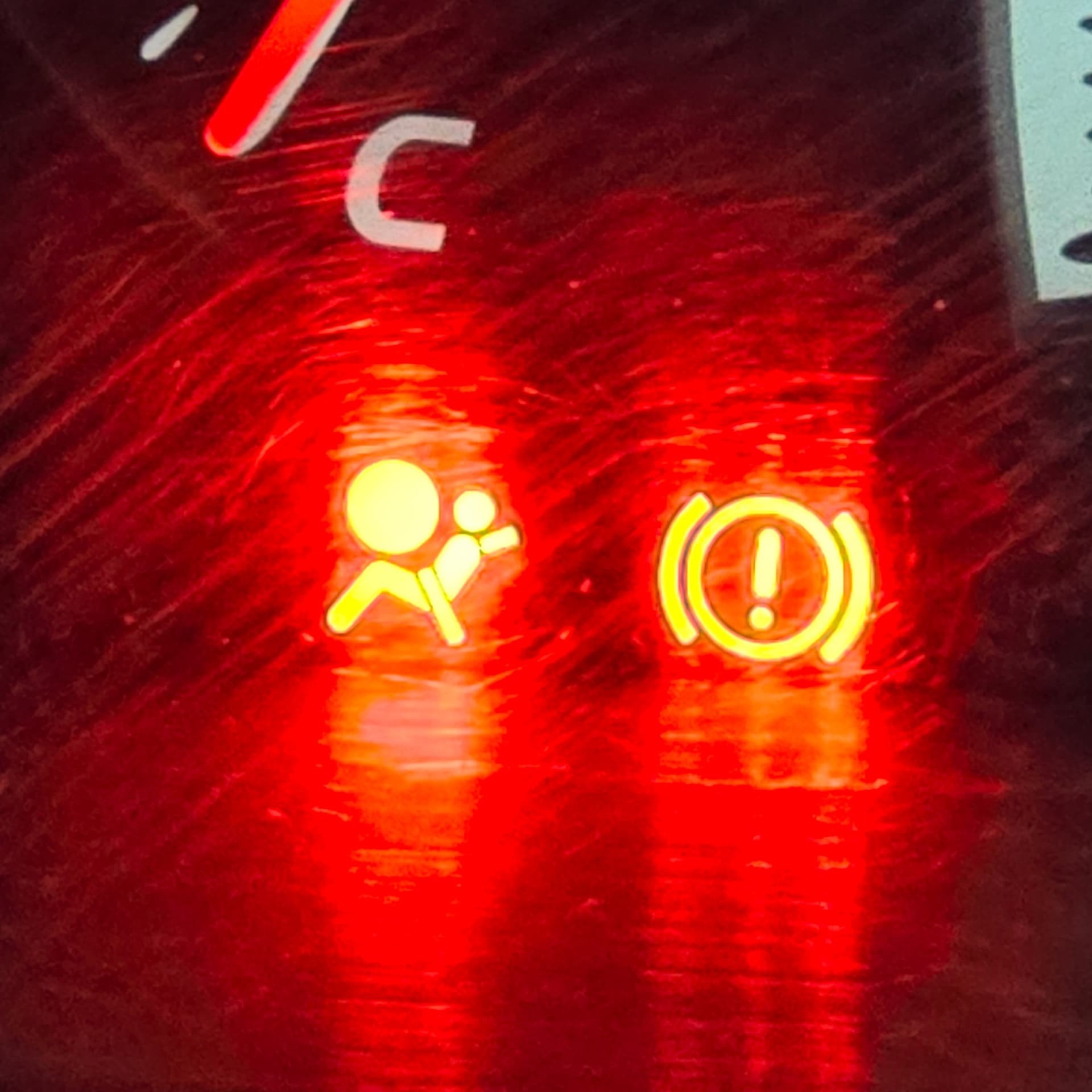 Types of Airbag Light Signals
Passenger airbag light signals help drivers understand the airbag system’s current status. These lights can behave differently depending on what they are indicating. Being aware of these signals ensures proper safety measures are taken.
On, Off, and Blinking Indicators
The passenger airbag light can display an on, off, or blinking status. Each behavior represents different conditions:
- On: When the light stays on, it signals a potential issue or manual deactivation of the airbag. In this case, the airbag will not deploy, potentially increasing risks during an accident.
- Off: If the light remains off, it means the airbag system is ready to operate normally. This status occurs when the passenger seat is empty or occupied under safe conditions.
- Blinking: A blinking light often indicates a malfunction or error in the system. It can be caused by faulty sensors, wiring problems, or software issues.
By recognizing these behaviors, drivers can better assess their vehicle’s airbag system and respond appropriately.
Distinctions Between Warning and Normal Status
Understanding the difference between warning and normal statuses of the passenger airbag light is crucial. Below are distinct features of each status:
- Warning Status:
- The light is consistently on or blinking.
- Signals possible problems, such as system malfunctions.
- Requires immediate inspection or repair.
- Normal Status:
- The light may briefly appear when starting the car.
- It turns off automatically after a system check.
- Indicates the airbag is ready to function during a collision.
By monitoring these statuses, drivers can ensure their airbag system is working correctly and avoid unnecessary risks. Always refer to your car’s manual or seek help from a mechanic if unsure.
Troubleshooting a Airbag Light Issue
Addressing a passenger airbag light issue promptly is crucial for safety. Whether caused by minor faults or system errors, understanding troubleshooting methods can ensure effective problem resolution.
Common Problems to Check First
If the passenger airbag light is on, start with a basic inspection. Here are the most common problems:
- Seat Occupancy Sensors: Check if the seat sensors detect proper occupancy. Light objects or misaligned seats may cause issues.
- Wiring Connections: Examine wiring near the airbag system for any damage, wear, or disconnections.
- Battery Health: Ensure your car’s battery has a stable voltage and is functioning properly.
- Manual Airbag Deactivation: Verify if the airbag has been manually turned off using the vehicle settings.
- Child Seats or Lightweight Items: Remove child seats or light items from the passenger seat to ensure proper sensor function.
- System Calibration: Incorrect calibration of sensors can cause the light to turn on unnecessarily; recalibration may be needed.
Checking these basic areas helps diagnose and resolve simple passenger airbag light issues efficiently.
How to Reset or Fix the Issue
Once you identify the underlying problem, follow these steps to reset or fix the airbag light:
- Restart the Vehicle: Some error lights reset automatically after restarting the car. Turn off and restart to check.
- Inspect the Seat Sensors: Adjust or realign the seat properly to ensure sensors detect occupancy correctly.
- Secure Wiring Connections: Fix or replace damaged wiring that may be interrupting system function.
- Replace Failing Batteries: Swap out weak batteries to eliminate voltage-related inconsistencies.
- Consult the Manual: Refer to the vehicle’s user manual for specific airbag light reset instructions.
- Use Diagnostic Tools: Advanced code readers can clear warning lights and assess deeper system issues.
Remember, some problems may persist even after attempting fixes. In such cases, seek professional assistance for safety reasons. Regular maintenance and inspections minimize airbag light activation, ensuring your system performs optimally.
When to Seek Professional Help
If your passenger airbag light remains on despite troubleshooting, professional help is necessary. Experts can diagnose complex problems and ensure your safety system works properly. Delaying professional assistance may put passengers at risk.
Diagnosing Complex Airbag System Issues
Some airbag light issues are too intricate for a quick fix. Below are situations where expertise is needed:
- Advanced Diagnostic Tools: Professionals use specialized scanners to read error codes. These tools can pinpoint the exact problem.
- Internal System Malfunctions: Problems such as faulty control modules require intricate repairs.
- Sensor Failures: Complex sensor issues often need testing and precise adjustments.
- Repeated Light Activation: If the light keeps turning on after fixes, consulting an expert ensures a long-term resolution.
- Undiagnosed Wiring Problems: Professionals can locate and repair hidden wiring issues that might not be visible during basic checks.
Ignoring these situations risks leaving potential hazards unresolved and can affect vehicle safety.
Importance of Certified Airbag Repairs
Certified airbag repairs ensure high-quality and reliable service. Here’s why they are crucial:
- Safety Standards Compliance: Certified mechanics follow strict safety protocols and use approved parts.
- Warranty Preservation: Unauthorized repairs might void your vehicle’s warranty. Expert services maintain compliance.
- Proper Calibration: Experts ensure all sensors, modules, and systems are calibrated correctly after repairs.
- Preventing Future Issues: Trained technicians troubleshoot thoroughly, reducing the risk of recurring problems.
- Specialized Knowledge: Certified professionals have updated training on the latest airbag systems and technologies.
By seeking certified repairs, you protect passengers, maintain vehicle performance, and uphold safety standards. Ensure your airbag system works seamlessly by addressing issues promptly with professional assistance.
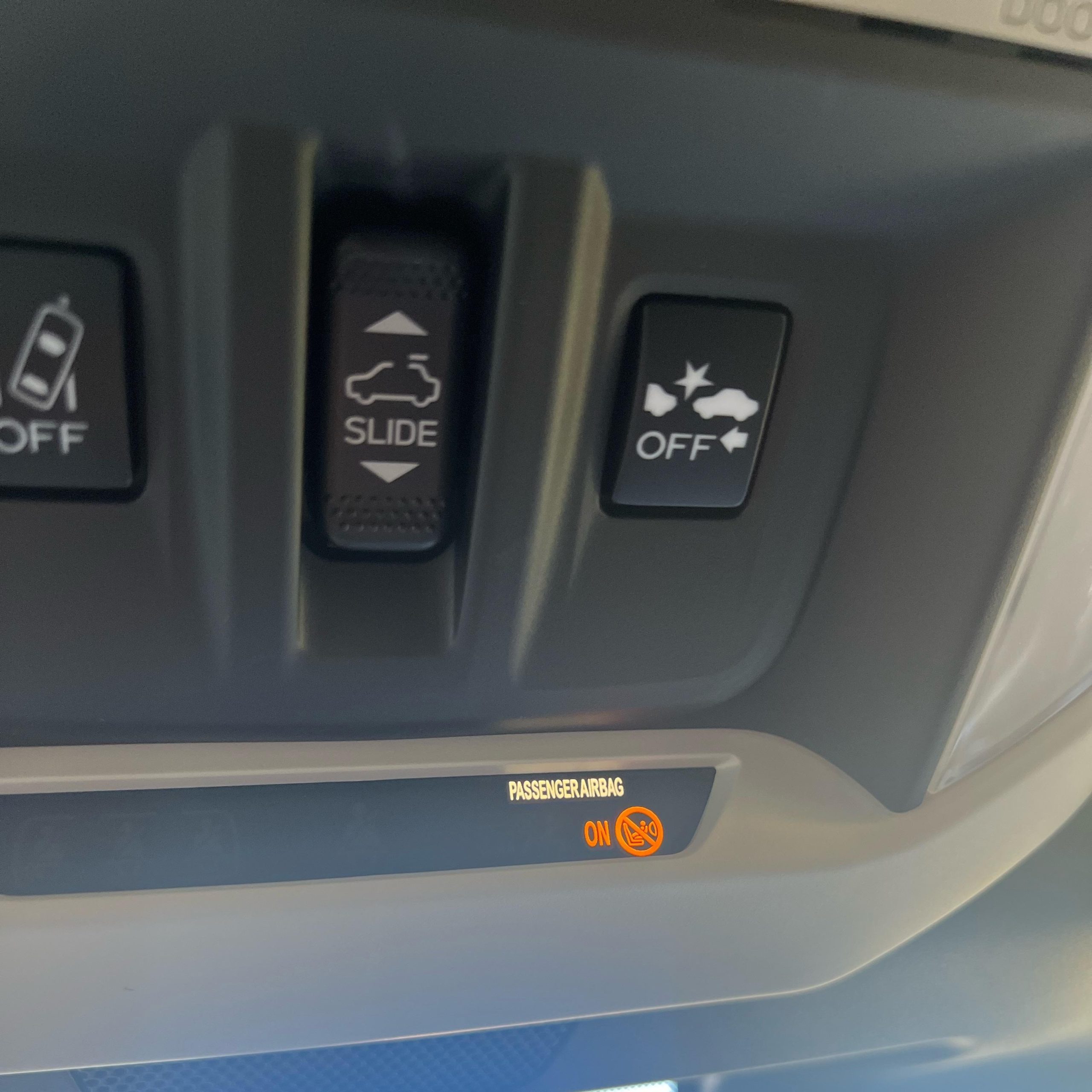 Safety Concerns
Potential Risks of Ignoring the Light
Ignoring the passenger airbag light can lead to serious safety risks. When the light is on, it might indicate a malfunction in the airbag system. A faulty airbag system can fail to activate during an accident, leaving passengers unprotected.
Another issue is false system deployment. If the airbag deploys unnecessarily, it can cause injuries and financial strain. Ignoring the light may also worsen underlying issues, making repairs more costly. Finally, it could compromise the effectiveness of other safety features connected to the airbag system.
Drivers should never ignore this warning light. Prompt action ensures passenger safety and prevents future complications. Always consult a professional if the issue persists.
Importance for Passenger Protection During Accidents
The passenger airbag light plays a crucial role in accident safety. It ensures that the airbag system is ready to deploy when needed. Airbags significantly reduce the risk of severe injuries during collisions, especially for front-seat passengers.
A functioning airbag works alongside seatbelts to cushion the forces of impact. It prevents head and chest injuries by absorbing collision energy. If the light is on due to a system malfunction, this critical safety feature may not operate properly.
Maintaining a working airbag system is essential for all passengers’ safety. Addressing any issues with this system promptly can save lives and reduce injury severity in accidents.
Preventative Maintenance for Your Airbag System
Preventative maintenance is key to keeping your airbag system functioning properly. Regular checks ensure that the system can protect passengers effectively. Maintaining your airbag system also minimizes the risk of unexpected warning lights appearing.
Regular Inspections and Service Recommendations
- Schedule Routine Inspections: Check your airbag system during regular vehicle servicing. Professionals can identify hidden issues early.
- Test Seat Sensors: Ensure seat occupancy sensors are calibrated correctly. Misaligned sensors can disrupt system functionality.
- Check Wiring Connections: Inspect wiring for damage, wear, or loose connections. Faulty wiring may cause system malfunctions.
- Verify Battery Health: A failing battery can interfere with your airbag system. Keep the battery in top condition.
- Follow Manufacturer Guidelines: Adhere to your vehicle’s recommended maintenance schedule to ensure reliable airbag performance.
Ensuring Proper Airbag System Functionality
- Respond to Warning Lights Immediately: Address any passenger airbag light issues as soon as they appear. Delay increases safety risks.
- Calibrate Sensors Periodically: Regular sensor calibration ensures the system detects passengers correctly and avoids false signals.
- Avoid Heavy Electrical Devices: Keep electronics away from the passenger seat to prevent interference with sensors.
- Replace Worn-Out Components: Damaged parts, like seat cushions, can impact system efficiency. Replace them promptly.
- Get Professional Diagnostics: Use specialized tools to inspect deeper system issues that general checks may overlook.
By committing to regular maintenance, you enhance safety and prolong the life of your airbag system. Proper care ensures passenger protection during emergencies.
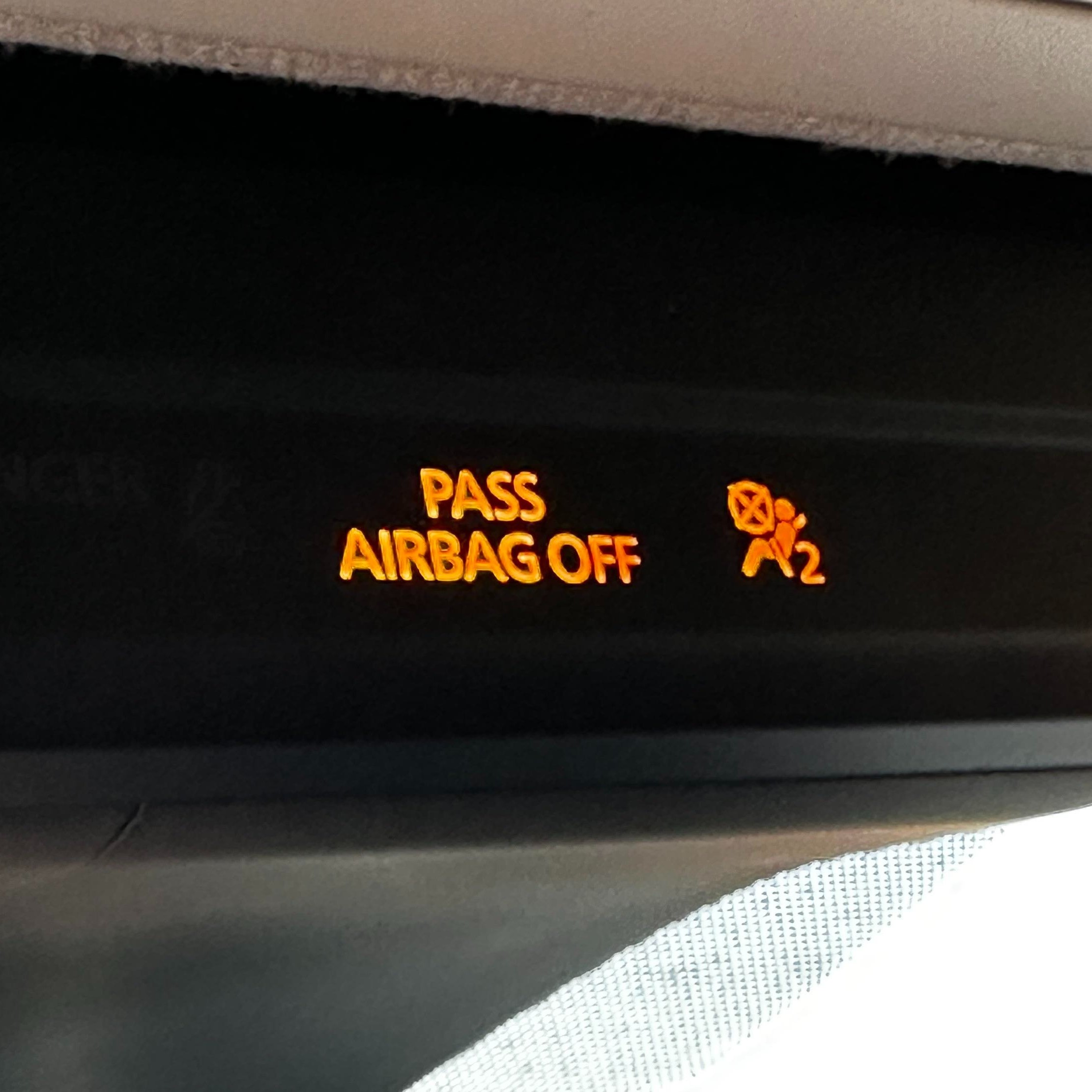 Frequently Asked Questions
Should You Drive If the Light Is On?
Driving with the passenger airbag light on is not recommended. The light often signals an issue with the airbag system, which may affect its ability to deploy during an accident. This situation can leave passengers unprotected and increase the risk of serious injury. In some cases, the airbag may even deploy accidentally, causing harm or unnecessary repair costs.
Before driving, identify the cause of the light turning on. Perform basic checks, such as inspecting seat occupancy sensors, battery health, or wiring connections. If the problem persists, consult a professional mechanic immediately. Ensuring the airbag system functions correctly is crucial for passenger safety.
How Much Do Repairs Typically Cost?
Repair costs for passenger airbag system issues vary depending on the problem’s complexity. For minor fixes, such as resetting sensors or calibrating the system, costs typically range from $50 to $150. More serious issues, like replacing faulty wiring or control modules, can cost between $300 and $800. In cases where the airbag itself needs repair or replacement, expenses may exceed $1,000.
Labor charges also influence the total cost. Certified mechanics may charge higher rates but ensure reliable repairs and safety compliance. To avoid unexpected repair expenses, conduct regular maintenance and address airbag light issues promptly. Always request an estimate before proceeding with repairs to budget accordingly.
 Final Thoughts
A Small Indicator with Major Safety Impact
The passenger airbag light serves as a vital communication tool between driver and vehicle. It reflects complex decisions made by safety systems in real time. Understanding its function empowers better choices behind the wheel. No warning light should be ignored lightly.
Additionally, maintaining awareness prevents accidents and injuries. Families rely on these protections daily. Educating passengers about proper seating enhances effectiveness. Simple habits make a big difference.
As technology evolves, so do warning systems. Future vehicles may include cameras and AI detection. Yet, the core purpose remains unchanged—protect human life. Therefore, respecting the passenger airbag light is part of responsible ownership. Stay alert, stay informed, and stay safe.