Modern vehicles are equipped with advanced safety features designed to protect drivers and passengers during collisions. Among these, the Supplemental Restraint System (SRS) plays a critical role by deploying airbags at precise moments to reduce injury. However, when an srs airbag system malfunction occurs, this life-saving technology may fail when it’s needed most. Drivers might notice warning lights on the dashboard, unresponsive sensors, or even unexpected airbag deployment. These signs should never be ignored.
Moreover, an undetected srs airbag system malfunction can compromise vehicle safety dramatically. Since airbags work in conjunction with seatbelts and other systems, any disruption affects overall crash protection. Therefore, understanding what triggers such malfunctions is essential for maintaining road safety. This article explores common causes, symptoms, diagnostic methods, and preventive steps related to SRS failures. In addition, we will examine real-world implications and offer expert advice for addressing these concerns effectively.
 What Does the SRS Airbag System Do?
The Supplemental Restraint System (SRS) airbag plays a key role in vehicle safety. It works alongside seatbelts to protect passengers during collisions. By minimizing impact forces, it reduces the risk of serious injuries. The system activates in milliseconds when sensors detect a crash.
Definition and Purpose of SRS
SRS stands for Supplemental Restraint System. It supplements the seatbelt to improve occupant safety. During accidents, it deploys airbags to cushion and protect passengers. The system ensures controlled airbag inflation to avoid additional injuries. Its purpose is to increase survival rates in car crashes.
Key Components of the SRS Airbag System
- Airbags: Soft cushions deployed to absorb crash energy and protect passengers.
- Sensors: Detect collision forces and decide when to deploy airbags.
- Control Unit: Processes data from sensors and triggers airbag activation.
- Wiring and Connectors: Establish reliable communication between components.
- Battery Backup: Powers the system if the main battery fails during a crash.
Each of these components works together to ensure the system operates effectively. Regular checks are essential to maintain their functionality.
Common Causes of SRS Airbag Malfunctions
The SRS airbag system requires all its components to work properly for effective performance. Malfunctions can occur due to several reasons, often related to hardware or electrical issues. Understanding these causes is critical to maintaining vehicle safety.
Electrical Failures in the System
Electrical problems are a frequent cause of SRS malfunctions. Damaged wires or faulty circuits can disrupt system operations. Issues like short circuits or corroded connectors may prevent airbag deployment. Regular checks of electrical systems are crucial for early detection.
Faulty Sensors or Connectors
Sensors and connectors are key parts of the SRS system. Faulty sensors may fail to detect a collision or can give incorrect signals. Loose or damaged connectors may disrupt communication between sensors and the control unit. Inspection and replacement are often necessary for these issues.
Issues with the Airbag Module
The airbag module controls the activation of airbags. A malfunctioning module may cause airbags to deploy incorrectly or not at all. Problems could arise due to software glitches, heat exposure, or internal faults. Replacing or reprogramming the module can fix such issues.
Battery-Related Problems
The SRS system often has a battery backup. If the backup battery or main battery is low, the system may fail. Battery corrosion or poor connections can also affect performance. Regular battery checks help avoid such malfunctions.
 Symptoms of SRS Airbag System Malfunctions
Recognizing the symptoms of an SRS airbag system malfunction is crucial for safety. These signs indicate that the system is failing or might not operate properly during a crash. Timely detection can prevent severe risks for occupants.
Warning Light Indicators
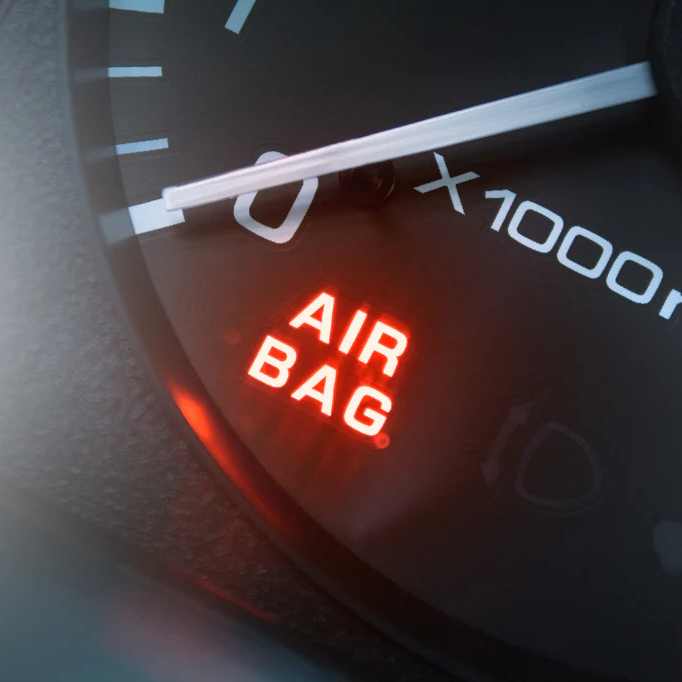
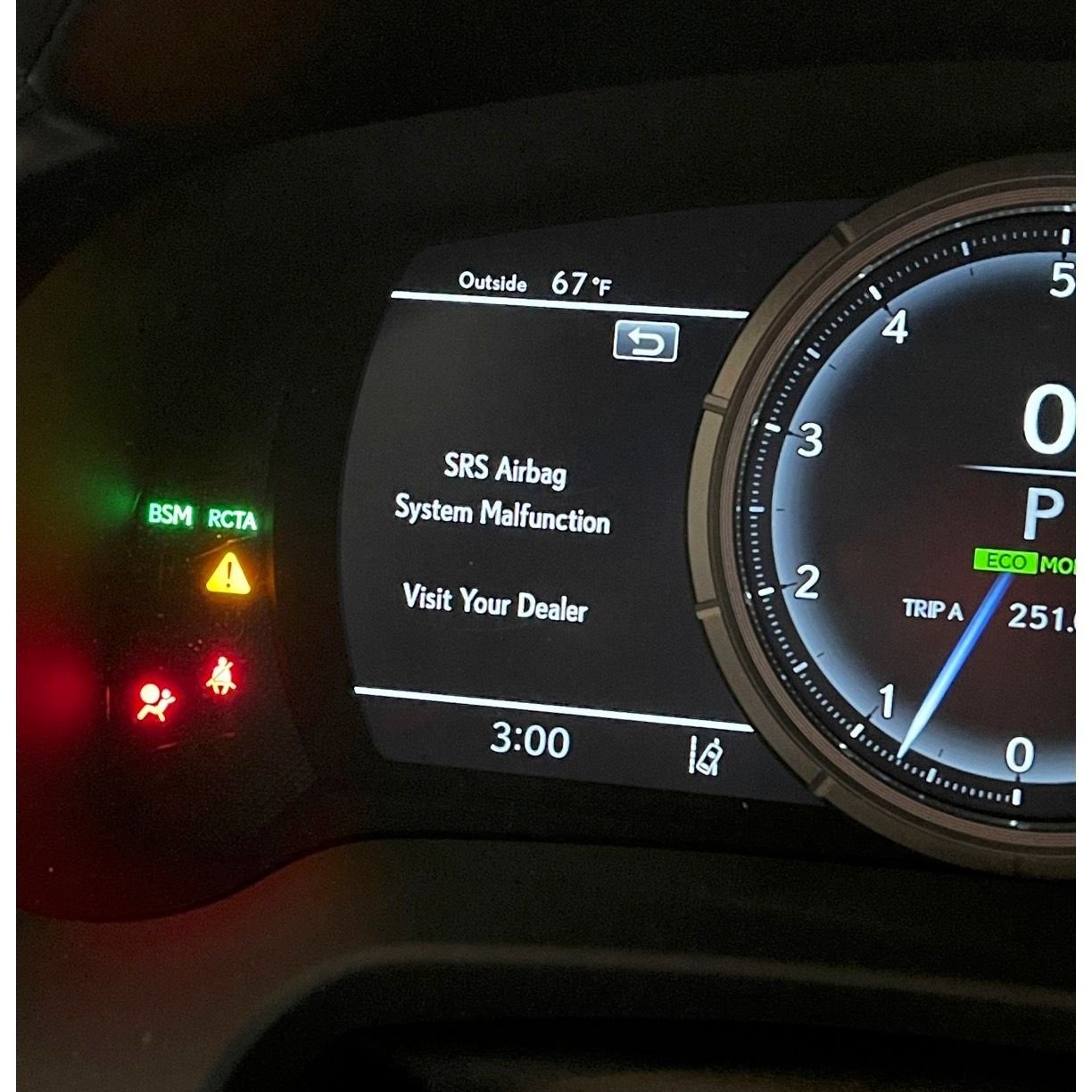
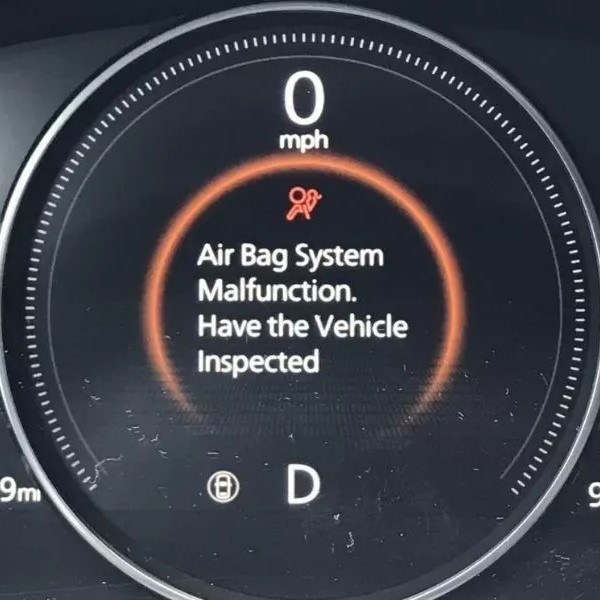
The warning light is a primary sign of a malfunction. It typically shows up on the dashboard as an illuminated SRS or airbag icon. A lit warning light indicates an issue in the system. Always address this issue promptly by consulting a professional or diagnosing the error.
Audible Alerts or Error Codes
Some vehicles may emit audible alerts, such as beeping, to indicate SRS problems. Error codes might also be generated by the system, which can be detected using a diagnostic tool. These alerts are designed to grab your attention and ensure you’re aware of the fault.
Physical Signs in the Airbag Deployment Mechanism
Physical signs can include noticeable damage to airbag covers or parts. For example, damaged airbag covers or tears might prevent proper deployment. In extreme cases, airbags may deploy incorrectly or fail to deploy entirely. Physical inspections along with warning signals help in identifying these issues.
Understanding these symptoms is vital for addressing SRS airbag system malfunctions. Ignoring them can compromise vehicle safety.
How to Diagnose SRS Airbag Problems
Diagnosing SRS airbag system malfunctions is crucial for maintaining vehicle safety. It helps identify the exact issues that could prevent airbags from functioning properly. Detecting faults early ensures timely repairs and prevents severe risks to passengers. Below are effective ways to diagnose problems in the SRS airbag system.
Using Diagnostic Tools for SRS Systems
Diagnostic tools are essential in identifying SRS malfunctions. These tools connect to the vehicle’s onboard computer to read fault codes. They help pinpoint specific issues related to sensors, wiring, or the control unit. Mechanics often use OBD-II scanners for this purpose. Modern diagnostic scanners also display real-time system data. This makes troubleshooting easier and more precise.
Identifying Error Codes
Error codes provide critical information about SRS system issues. Each code corresponds to a specific fault, such as faulty sensors or broken wires. For example, an error code might point to a failed airbag module. You can use an OBD-II scanner to retrieve these codes. Interpreting the codes accurately is vital for effective repairs. Always consult the vehicle’s manual or a reliable code database for reference.
When to Consult a Professional
Not all SRS problems can be fixed at home. If diagnostic tools fail to resolve the issue, consult a professional. Professionals can perform deeper system checks, including wiring inspections and sensor tests. They also have advanced equipment to recalibrate or reprogram the control unit. Seek expert help if the warning light persists after basic troubleshooting. Prompt professional intervention ensures safety and compliance with legal standards.
 Steps to Fix SRS Airbag Malfunctions
Addressing SRS airbag malfunctions promptly ensures passenger safety and system reliability. Here’s how you can fix these issues effectively.
Resetting the System’s Warning Light
Start by checking the airbag warning light on the dashboard. If it remains lit, use an OBD-II scanner to identify the cause. Most scanners can clear minor faults and reset the warning light. Always follow the vehicle manual when using diagnostic tools. If the light comes back, the issue may require professional attention.
Replacing Faulty Components
Identify and replace damaged components to restore full functionality. Faulty sensors, connectors, or an airbag module are common culprits. Inspect each part carefully before replacing it. Always use components that meet the manufacturer’s specifications. Proper installations prevent further malfunctions and ensure safe deployment.
Ensuring Proper Wiring and Connections
Inspect the wiring that connects different parts of the SRS system. Look for damaged wires, loose connections, or corrosion. Repair or replace faulty wiring to restore communication between components. Ensure connectors are tightly secured to avoid electrical failures. Regular checks help identify such issues before they become critical.
Risks of Driving with an Active Warning
Why You Should Never Ignore the Dashboard Light
Driving with an active SRS warning is risky. The most serious danger is non-deployment during a crash. If airbags don’t inflate, injuries increase significantly. Head, chest, and neck trauma become more likely.
Another risk is unexpected deployment. Though rare, a glitch could trigger inflation while driving. This distracts the driver. Flying parts can cause burns or cuts. Sudden noise and smoke create panic.
Insurance companies may deny claims if the system was faulty beforehand. They argue that owners neglected maintenance. Proof of ignored warnings harms legal cases.
Resale value drops too. Buyers avoid cars with unresolved safety lights. Certified pre-owned programs reject such vehicles. Fixing the issue later costs more than early repair.
Even minor crashes expose weaknesses. Low-speed impacts might still require airbag use. Without full function, the car isn’t protecting you.
Therefore, prompt action matters. Don’t delay diagnostics. Visit a qualified shop immediately. Your life depends on reliable safety systems.
 Preventative Measures for SRS Airbag System Maintenance
Proper maintenance of the SRS airbag system is critical for ensuring vehicle safety. By following preventative measures, you can minimize the risk of system failure. Below are some effective steps to maintain the system.
Regular Inspections and Servicing
Schedule periodic inspections to monitor the SRS airbag system’s performance. Have a professional check components like sensors, wiring, and the control unit. Identify and fix minor issues before they escalate into major problems. Replace worn-out parts promptly to maintain functionality. Follow the vehicle manufacturer’s servicing schedule for the airbag system.
Keeping Electrical Systems in Good Condition
Ensure electrical systems in your vehicle are functioning correctly. Check for damaged wires, corroded connectors, or short circuits. Clean connectors regularly to avoid communication issues between components. Inspect the backup battery to ensure it has adequate charge and isn’t corroded. Address electrical issues quickly to prevent system malfunctions.
Avoiding Modifications That Could Disrupt Functionality
Avoid making unauthorized changes to your vehicle’s wiring or safety systems. Aftermarket modifications can interfere with the SRS airbag system. Always consult with a professional before installing accessories that might affect airbag components. Use only manufacturer-approved parts and ensure compatibility with the system.
Proper upkeep of the SRS airbag system reduces risks and ensures reliable performance. Adopting these preventative measures is essential for vehicle safety and passenger protection.
Importance of Addressing SRS Airbag Issues Promptly
Ignoring SRS airbag system malfunctions can lead to serious consequences. Prompt action is critical to ensure passenger safety and comply with legal standards. Below are key reasons to address these issues without delay.
Impact on Vehicle Safety
The SRS airbag system is vital for protecting passengers during crashes. If it malfunctions, airbags may not deploy correctly or at all. This greatly increases the risk of severe injuries during accidents. Drivers and passengers rely on the system for enhanced safety, and a faulty system compromises this trust. Addressing malfunctions quickly ensures that the airbags function properly when needed.
Legal and Insurance Implications
A malfunctioning SRS airbag system can lead to legal and insurance complications. Many jurisdictions require vehicles to pass safety checks, which include functional airbag systems. Failure to comply can lead to fines or penalties. Additionally, insurance claims may be denied if the system was knowingly ignored. Ensuring the SRS system is in working order helps you avoid legal trouble and protects your rights during insurance claims.
Frequently Asked Questions
Answers to Top Concerns About SRS Failures
What does the SRS light mean? It warns of a problem in the airbag system. Have it checked right away.
Can I reset the light myself? Not safely. Use a scanner tool made for SRS systems. Generic OBD2 tools won’t work.
Will disconnecting the battery clear the code? Sometimes. But it rarely fixes the root cause. The light usually returns.
Is it safe to sell a car with an SRS light on? Not without disclosure. Buyers have the right to know.
Can aftermarket accessories cause malfunctions? Yes. Poorly installed alarms or stereos tap into wrong wires.
How much does repair cost? Simple fixes like buckle cleaning are cheap. Clock springs or modules cost more.
Do airbags expire? No. But they need servicing after deployment. Used ones must be replaced.
Can water damage the SRS system? Absolutely. Flooded cars often have deep electronic issues.
 Final Thoughts on Vehicle Safety and Maintenance
Staying Proactive About the SRS Airbag System Malfunction
The SRS airbag system malfunction is not something to overlook. It directly impacts your safety and that of your passengers. Modern vehicles depend on complex electronics to protect lives. When one part fails, the whole system becomes unreliable.
Early detection and expert repair keep you protected. Regular checks ensure long-term reliability. Never ignore warning signs just because the car drives fine. Functionality matters most in emergencies.
By understanding causes and solutions, drivers take control. Knowledge leads to better decisions. You’ll know when to act and who to trust.
Ultimately, vehicle safety is ongoing. It requires awareness and care. Addressing an SRS airbag system malfunction promptly builds confidence. You drive knowing every system works as designed. Stay alert, stay informed, and stay safe.