The motorcycle airbag suit has revolutionized rider safety in recent years. As more motorcyclists seek advanced protection beyond helmets and armor, this wearable technology offers a powerful defense against serious injury. Unlike traditional gear, the motorcycle airbag suit inflates instantly during impact, shielding vital areas like the neck, spine, and ribs.
Moreover, it represents a major leap in personal protective equipment. Whether you ride on highways, twisty backroads, or city streets, crashes can happen in seconds. With increasing awareness of road risks, many riders now consider the motorcycle airbag suit an essential part of their riding kit.
 What Are Motorcycle Airbag Suits?
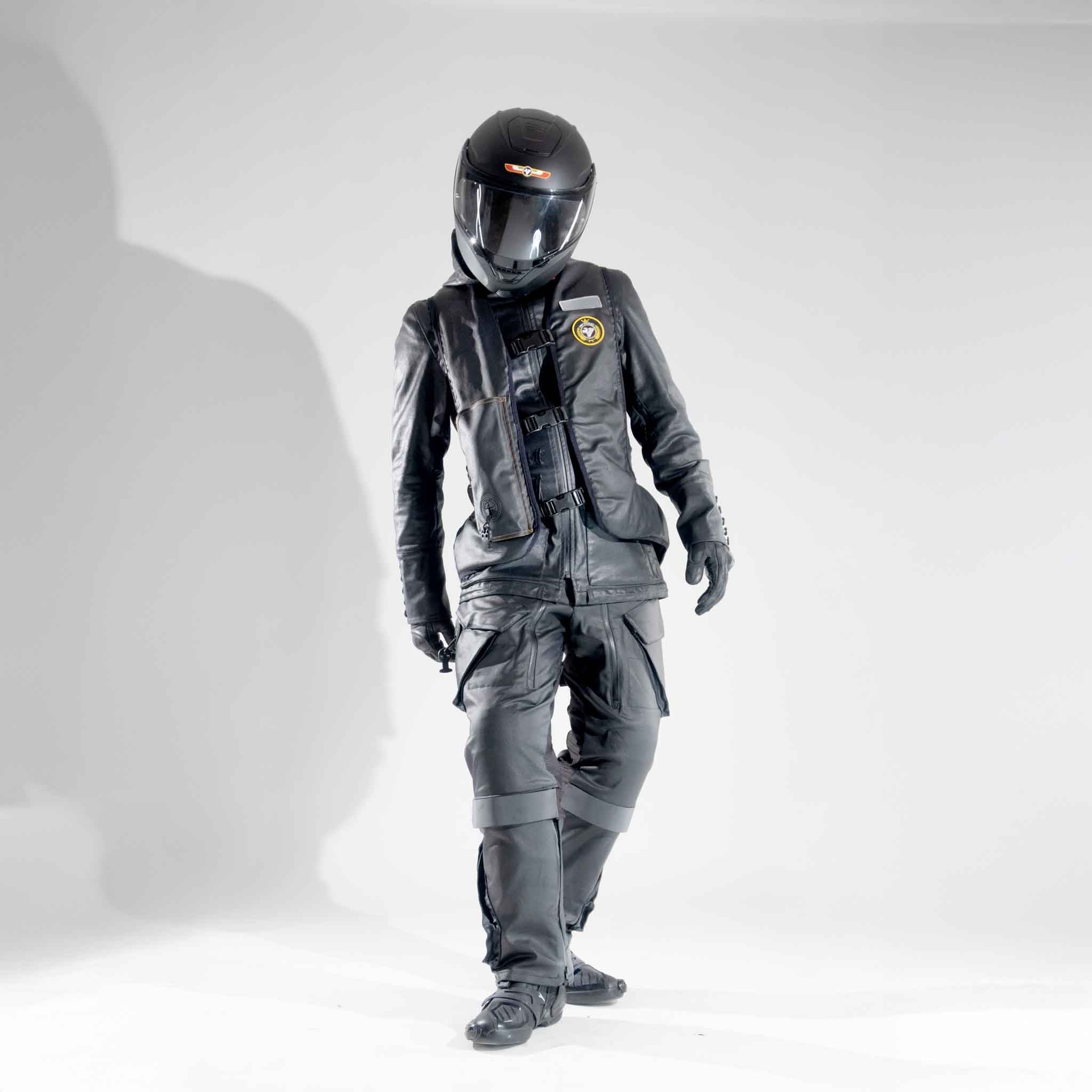
Motorcycle airbag suits are advanced safety gear designed to protect riders during accidents. They feature built-in airbags that deploy upon impact or sudden motion changes. These suits reduce injury risks by cushioning critical body parts such as the chest, spine, and neck.
Features and Technology Behind Airbag Suits
Motorcycle airbag suits utilize cutting-edge technology for optimal protection. Sensors within the suits detect rapid changes in motion or collision forces. Upon triggering, the airbags inflate within milliseconds to provide cushioning for the rider. Some suits integrate wireless systems, connecting with the bike for accurate deployment timing. The material used is durable yet lightweight, ensuring comfort and mobility. Rechargeable batteries power the sensors, enabling hours of usage without interruptions.
How Airbag Suits Differ from Traditional Gear
Airbag suits differ significantly from traditional motorcycle jackets or body armor. Traditional gear uses rigid materials like Kevlar or foam for protection. In contrast, airbag suits rely on active technology that adapts during an accident. While traditional gear can reduce superficial injuries, airbag suits focus on minimizing serious trauma, such as damage to internal organs or fractures. Additionally, airbag suits provide enhanced safety without adding excessive weight, making them more rider-friendly in critical situations.
 The Evolution of Motorcycle Safety Gear
Early Protective Gear and Its Limitations
Motorcycle safety gear has come a long way over the years. Early protective gear included leather jackets, pants, and gloves. These materials provided basic protection against road rash and minor injuries. Helmets, made of simple materials, offered limited head protection.
However, this gear had significant limitations. Leather was durable but could not absorb heavy impacts. Early helmets lacked proper padding or impact distribution, increasing the risk of head trauma. Most early gear did not protect critical areas like the spine, chest, or neck during severe accidents. This left riders vulnerable to life-threatening injuries.
As motorcycle accidents became more frequent, the need for advanced gear became evident. Riders sought solutions that could enhance safety while maintaining comfort and mobility.
Introduction of Airbag Technology in Motorcycling
The introduction of airbag technology marked a turning point in motorcycle safety. Inspired by automotive airbags, engineers adapted this concept to protect motorcyclists. The first motorcycle airbag systems appeared in the early 2000s, integrated into wearable suits and vests.
These suits featured sensors designed to detect sudden impacts or motion changes. When triggered, airbags inflated instantly to cushion the rider’s body. Early systems were tether-based, requiring a connection to the bike. While effective, these systems had limitations in flexibility and activation timing.
Advancements soon introduced wireless airbag systems. These did not rely on physical connections, enhancing convenience and accuracy. Modern motorcycle airbag suits now use cutting-edge technology, offering rapid deployment and reliable protection.
Airbag technology has addressed many gaps left by traditional safety gear. It provides better protection for critical areas, reducing the risk of severe injuries. Today, it stands as one of the most innovative advancements in rider safety.
Benefits of Airbag Suits
Motorcycle airbag suits offer unprecedented safety advantages for riders. These suits are designed to minimize injuries and enhance protection during accidents. Their advanced technology and features make them a significant upgrade over traditional safety gear.
Enhanced Rider Protection in Accidents
Motorcycle airbag suits dramatically enhance rider safety during crashes. Upon detecting a sudden impact or loss of balance, the sensors in the suit activate. This triggers the airbags to inflate within milliseconds, offering critical protection.
The inflated airbags shield the chest, neck, spine, and other vital areas. This cushioning effect reduces the severity of injuries, such as fractures or internal trauma. While traditional gear can only offer rigid protection, airbag suits adapt to the situation, ensuring optimal safety. Riders also benefit from safety without compromising comfort or mobility.
Studies show that airbag suits significantly lower the risk of life-threatening injuries. The technology is especially effective in high-speed crashes, where traditional gear struggles to provide adequate protection. By offering superior shielding, airbag suits save lives and reduce recovery times.
Reduction in Impact Injuries
One of the key benefits of a motorcycle airbag suit is the reduction in impact injuries. Accidents often involve high-impact forces, which can severely injure unprotected riders. Airbag suits absorb and distribute this force, preventing direct trauma to critical parts of the body.
For example, in a fall, the inflated airbags protect the ribcage and prevent spinal injuries. They also minimize whiplash by stabilizing the neck and head during the impact. This reduces the chance of injuries like broken bones, bruised organs, or head trauma.
By reducing the impact force, airbag suits also protect riders from long-term complications. Traditional gear may help prevent external injuries like cuts and abrasions, but airbag suits go further. They focus on preventing the internal damage that often requires extensive treatment.
Overall, motorcycle airbag suits provide a safety revolution. They bring advanced protection tailored to the needs of modern riders, ensuring enhanced safety in every journey.
 Types of Airbag Suits
Motorcycle airbag suits come in two main types. Each type is designed to suit different riders’ needs while ensuring safety and comfort.
Integrated Airbag Suits
Integrated airbag suits have airbags built directly into the clothing. These suits combine traditional protective gear with advanced airbag technology. Sensors are embedded in the suit to detect impact or sudden motion changes.
When triggered, the airbags deploy in milliseconds to protect critical areas like the chest and spine. These suits often provide full-body coverage, making them ideal for professional riders or long-distance tours.
Integrated suits are a great choice for riders looking for all-in-one protection. They are designed for ease of use without needing separate equipment. However, their all-inclusive nature can make them heavier and more expensive than other options.
Wearable Airbag Vests and Jackets
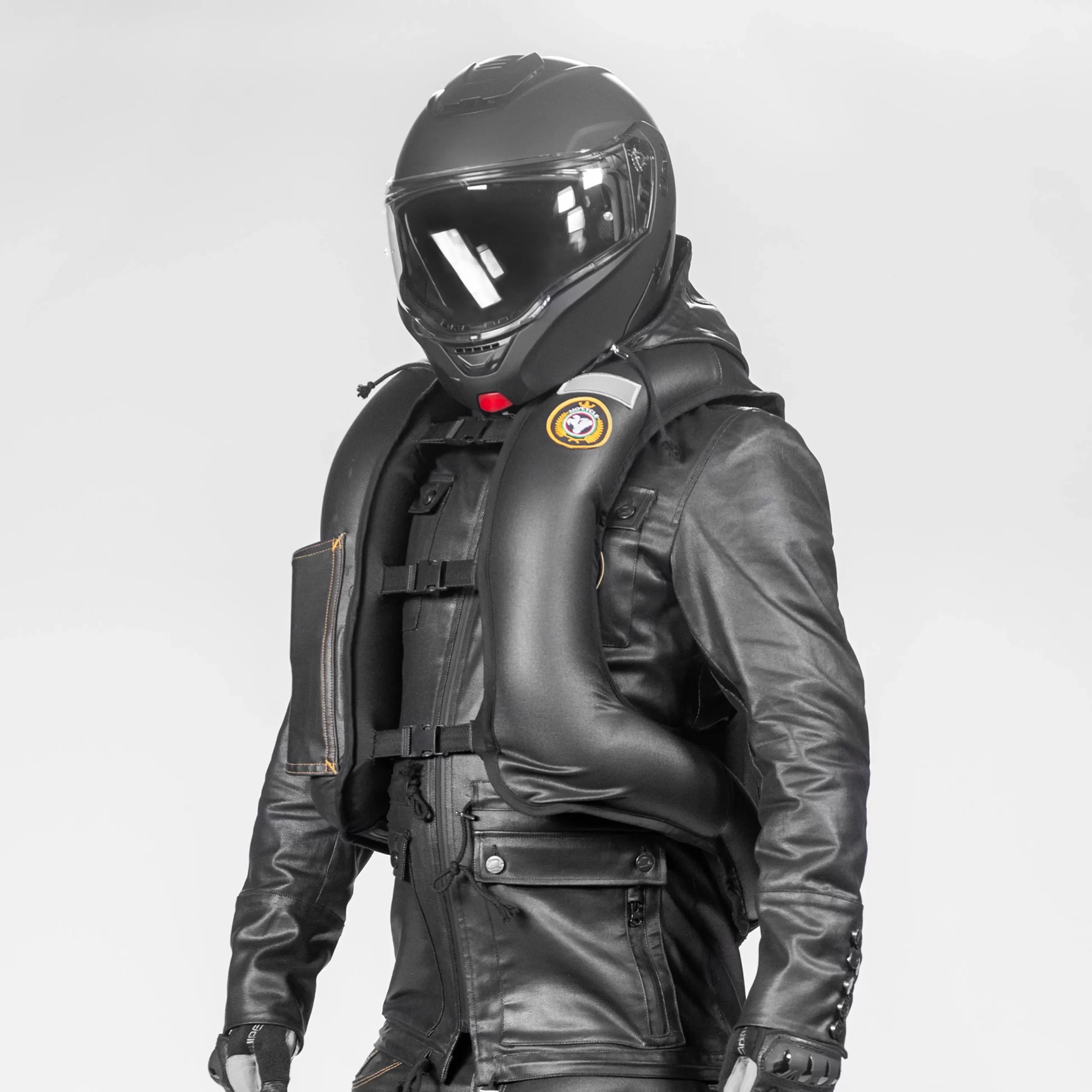
Wearable airbag vests and jackets are more versatile and user-friendly. They can be worn over or under regular motorcycle clothing. These suits use similar sensor technology to detect crashes and deploy airbags instantly.
Vests are often lightweight, offering mobility and comfort for casual riders. Jackets, on the other hand, provide additional protection combined with airbag safety. Both options are more affordable and flexible compared to integrated suits.
Many vests and jackets come with tether-based or wireless activation systems. This makes them a popular choice for riders who want added safety without buying a full suit. They are easy to replace or upgrade, adding convenience to their safety benefits.
Each type of motorcycle airbag suit offers unique advantages. Choose one that fits your riding style and safety needs.
Key Manufacturers and Brands
Motorcycle airbag suits are gaining popularity, and many brands are shaping this technology. These manufacturers focus on safety and innovation to meet riders’ growing needs.
Top Companies Producing Airbag Suits
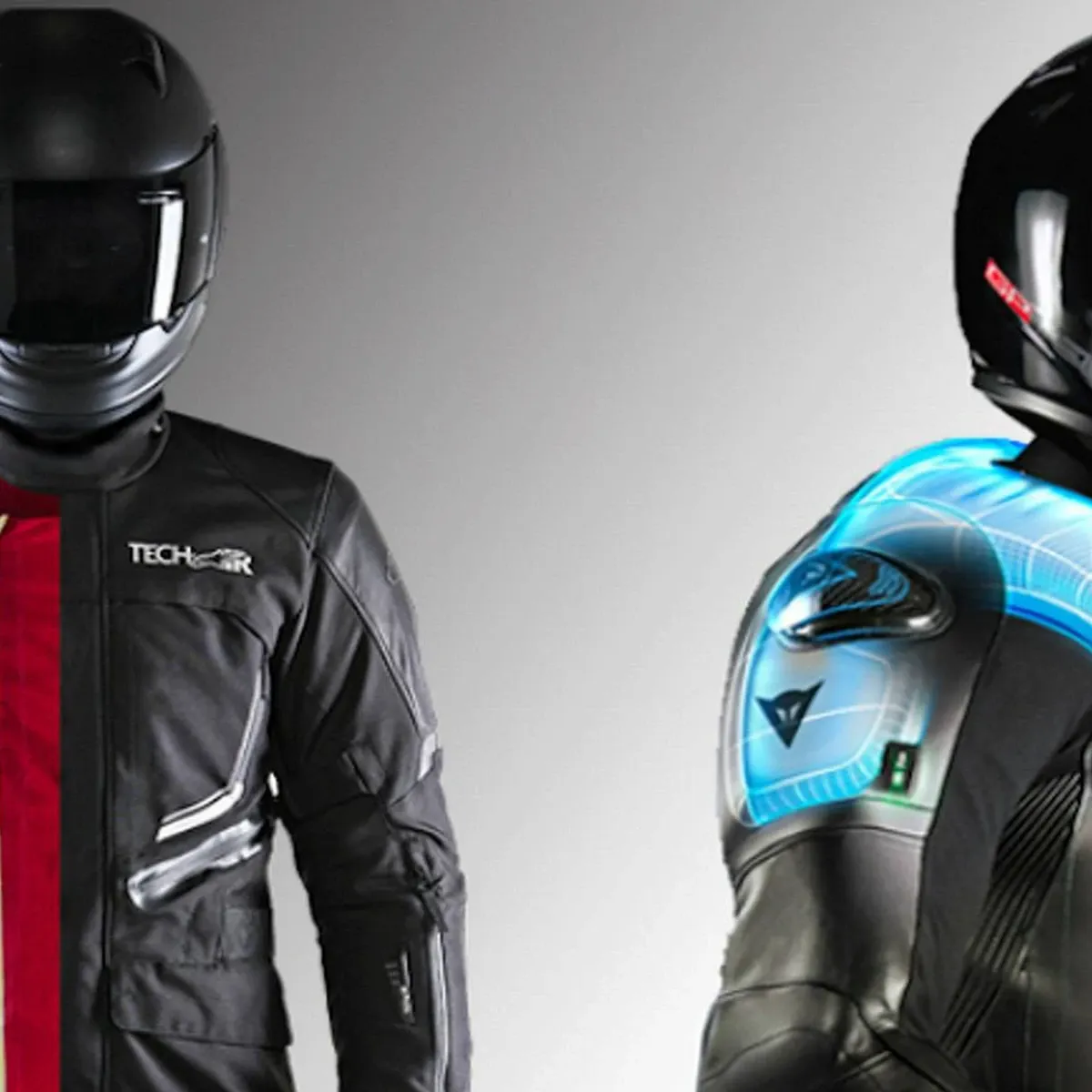
Several companies lead in producing high-quality motorcycle airbag suits. Alpinestars is a recognized name with advanced suits built for professional racers and casual riders alike. Their Tech-Air systems are known for reliability and cutting-edge features.
Another prominent brand is Dainese. They offer innovative designs with integrated airbags for maximum protection. Dainese suits are praised for their comfort and efficiency in high-speed crashes.
Helite specializes in wearable airbag vests and jackets. Their products cater to riders seeking affordable yet effective safety solutions. Helite vests are highly versatile and user-friendly.
In&Motion supplies airbag systems to other gear manufacturers while focusing on wireless activation technology. Their products work with diverse suit designs, enhancing usability.
Each of these companies has earned trust through durability, technological advancements, and rider safety.
Innovations by Leading Brands in Safety Technology
Leading brands constantly innovate to improve airbag technology in motorcycle suits. Alpinestars introduced wireless systems that communicate with the bike’s sensors, enhancing emergency responses.
Dainese’s D-Air technology refines impact detection and airbags deployment time. It reduces injuries by delivering faster and accurate cushioning.
Helite, known for simplicity, focuses on adaptable systems. Their mechanical trigger vests are reliable in emergencies and easy to maintain.
In&Motion continues to push boundaries with upgradeable software. This lets riders benefit from improved safety features over time.
Brands invest in lighter, more durable materials for comfort. Smaller battery systems ensure extended usability without adding weight. These innovations cater to riders’ evolving expectations while maintaining effective crash protection.
 How Effective Are Airbag Suits?
Motorcycle airbag suits have revolutionized safety gear and are highly effective at reducing injuries. Their advanced design and technology provide superior protection compared to traditional gear. Let’s explore studies, statistics, and real-world experiences to understand their impact.
Studies and Statistics on Crash Protection
Research highlights the impressive performance of motorcycle airbag suits in reducing crash injuries. Studies show that riders wearing airbag suits experience significantly fewer life-threatening injuries. Protection for critical areas, like the chest and spine, is notably enhanced.
According to crash data, airbag suits can reduce chest injuries by up to 80%. Many tests confirm a drastic decrease in spinal injuries during high-impact collisions. The rapid deployment of airbags within milliseconds also prevents severe damage during crashes.
European studies report a survival rate increase among riders using airbag systems. Insurance companies in some regions even offer discounts to policyholders wearing airbag suits. This highlights the technology’s effectiveness in improving rider safety.
Real-Life Examples and Testimonials
Real-life stories further prove the effectiveness of motorcycle airbag suits. Many riders credit these suits for saving their lives in severe accidents. A common example involves riders walking away from crashes with minimal injuries.
One rider reported escaping serious spine injuries after being hit at high speed. The airbag suit deployed instantly, cushioning his fall and protecting his neck and back. Another rider shared how the suit prevented broken ribs during a severe collision.
Testimonials from professional racers often praise airbag suits for their reliability during high-speed incidents. Racers mention feeling reassured knowing the airbag suit provides an extra layer of protection.
These real-world accounts, combined with scientific data, clearly show the effectiveness of motorcycle airbag suits. They are indispensable for riders looking to prioritize safety on the road.
Choosing the Right Airbag Suit for You
Finding the perfect motorcycle airbag suit requires careful consideration. A well-suited airbag suit enhances safety, comfort, and functionality. Let’s explore key factors and pricing insights to guide your decision.
Factors to Consider Before Buying
- Compatibility with Riding Style: Choose a suit tailored to your riding preferences, such as touring or racing.
- Activation Technology: Decide between tether-based or wireless systems, based on convenience and response times.
- Coverage and Protection: Ensure the suit protects critical areas like the spine, neck, and chest.
- Material and Comfort: Look for lightweight, durable suits that allow mobility and comfort during rides.
- Ease of Maintenance: Opt for suits with rechargeable batteries and simple reassembly after airbag deployment.
- Certification: Verify that the suit meets safety standards, like CE or other certifications.
- Fit and Size: A snug fit ensures airbags deploy effectively. Test the suit before purchase.
Pricing and Budget Insights
Motorcycle airbag suits come at different price points. Understanding these helps you make an informed decision:
- Entry-Level Options: Wearable vests or jackets start at $300 to $600. They offer basic safety and flexibility.
- Advanced Models: Integrated suits with full-body protection cost $800 to $1,500. They suit professional riders.
- Premium Brands: High-tech suits with cutting-edge features range up to $2,000 or more.
- Ongoing Costs: Factor in maintenance costs like battery replacements or post-deployment repairs.
Choose based on your safety needs, riding habits, and budget. Investing in a motorcycle airbag suit ensures safety and peace of mind on every ride.
The Future of Motorcycle Airbag Technology
Motorcycle airbag technology is constantly evolving, promising enhanced safety and practicality for riders. Let’s explore upcoming trends and the challenges that lie ahead.
Upcoming Trends and Innovations
- Integration with Smart Devices:
- Motorcycle airbag suits may soon connect with smartphones or wearable tech.
- An app can display real-time diagnostics, battery health, and deployment status.
- Artificial Intelligence (AI) Enhancements:
- AI could improve crash prediction by analyzing riding patterns and road conditions.
- This allows even faster and more accurate airbag deployment.
- Compact and Lightweight Designs:
- Future airbag suits will use smaller airbag modules without losing effectiveness.
- New materials will combine strength with flexibility, ensuring enhanced rider comfort.
- Extended Battery Efficiency:
- Advanced battery technology will allow longer use without frequent recharging.
- Renewable energy options, like solar charging, may also be incorporated.
- Customization Options:
- Riders may choose suits tailored for specific needs, from urban commutes to high-speed racing.
- Custom-fit airbags may also improve both protection and comfort.
- Global Safety Standardization:
- Efforts to create universal certification standards will improve airbag safety consistency worldwide.
Challenges and Opportunities in Widespread Adoption
- Cost Barriers:
- High costs limit access for many riders. Reducing prices can drive wider adoption.
- Industry partnerships and subsidized programs can make suits more affordable.
- Awareness and Education:
- Many riders still lack knowledge about airbag suit benefits.
- Awareness campaigns must highlight the life-saving potential of airbag systems.
- Technological Complexity:
- Some riders find the technology intimidating or overly complicated.
- Simplifying activation mechanisms while maintaining efficiency is key.
- Durability and Maintenance:
- Frequent repairs or replacements may dissuade users. Improving durability will build consumer trust.
- Easy maintenance processes can encourage long-term use.
- Market Availability:
- Airbag suits may not be readily available in all regions.
- Expanding distribution networks will boost accessibility for global riders.
- Regulatory Challenges:
- Regulatory approval processes may slow technology adoption.
- Governments and manufacturers must collaborate to streamline certifications.
Motorcycle airbag technology holds vast potential for the future. Innovations can make riding safer, more enjoyable, and accessible for everyone.
Frequently Asked Questions
What Every Rider Should Know Before Buying
Do airbag suits work for all motorcycle types? Yes. They suit cruisers, sport bikes, scooters, and adventure models. Trigger systems adapt to each.
Can I wash the suit? Yes, but carefully. Remove the electronic components first. Follow manufacturer instructions.
How long does deployment take? Less than 0.25 seconds. Faster than human reaction time.
Does it protect my legs? No. Leg protection requires separate gear. The suit covers upper body only.
What happens if it deploys accidentally? Rare, but possible. Resetting is simple. Replace the cartridge and check sensors.
Is it legal everywhere? Yes. No country bans airbag suits. Some racing organizations require them.
Can passengers wear them? Yes. Passenger versions exist. Tether systems can connect to both rider and passenger.
These answers help riders make informed choices. Knowledge improves safety.
 Final Thoughts on a Smart Safety Upgrade
Why the Motorcycle Airbag Suit Deserves Your Attention
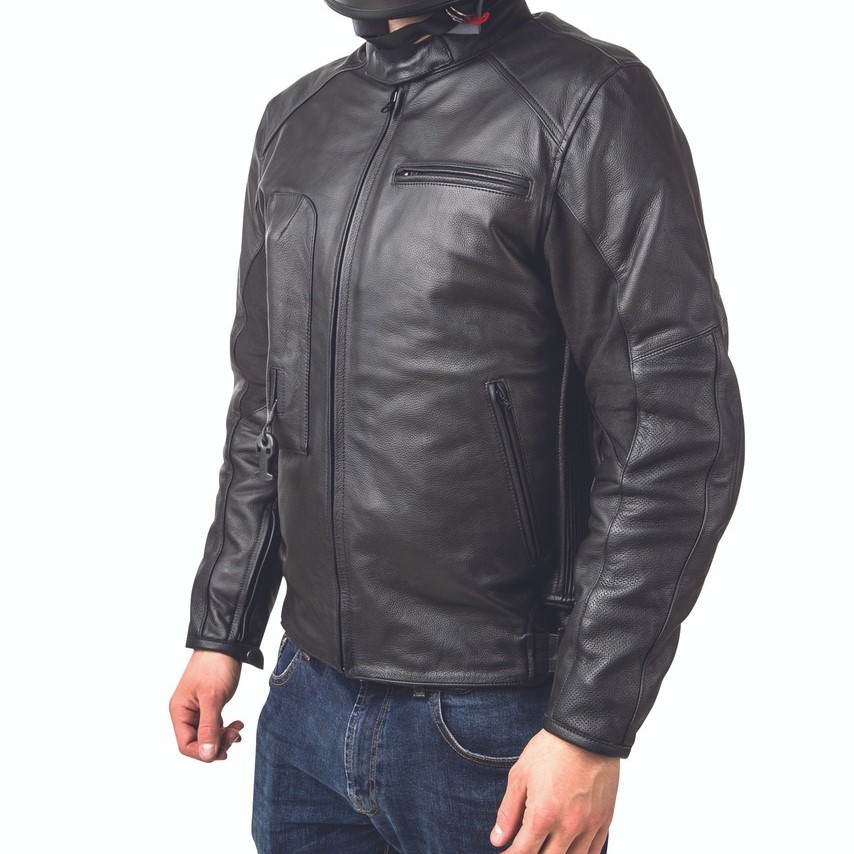
The motorcycle airbag suit is no longer just for racers or wealthy enthusiasts. It has become a realistic, effective tool for everyday riders.
With rising traffic congestion and distracted drivers, road risks grow every year. Adding active protection increases survivability.
Technology continues to improve. Future models may include AI-based prediction and auto-reset features.
For anyone who values their health and freedom on two wheels, investing in a motorcycle airbag suit makes sense. It’s not about fear—it’s about preparedness.