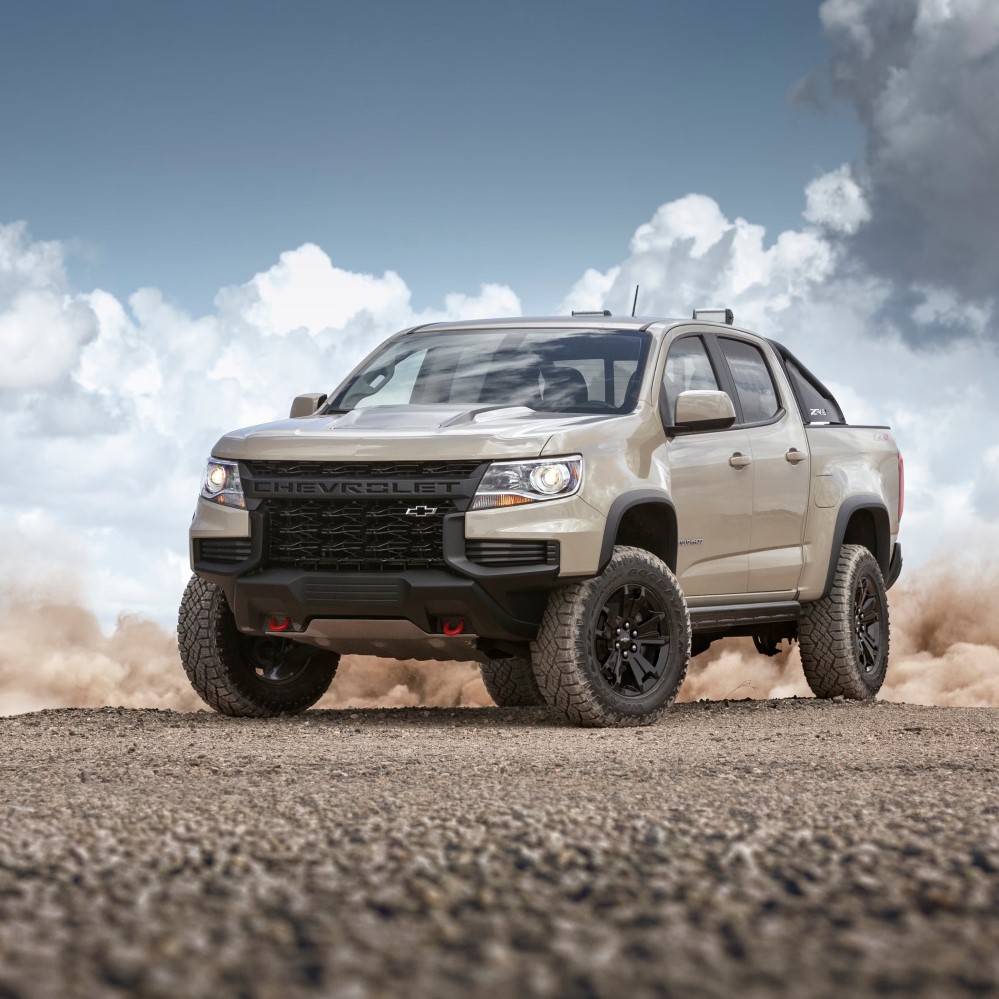
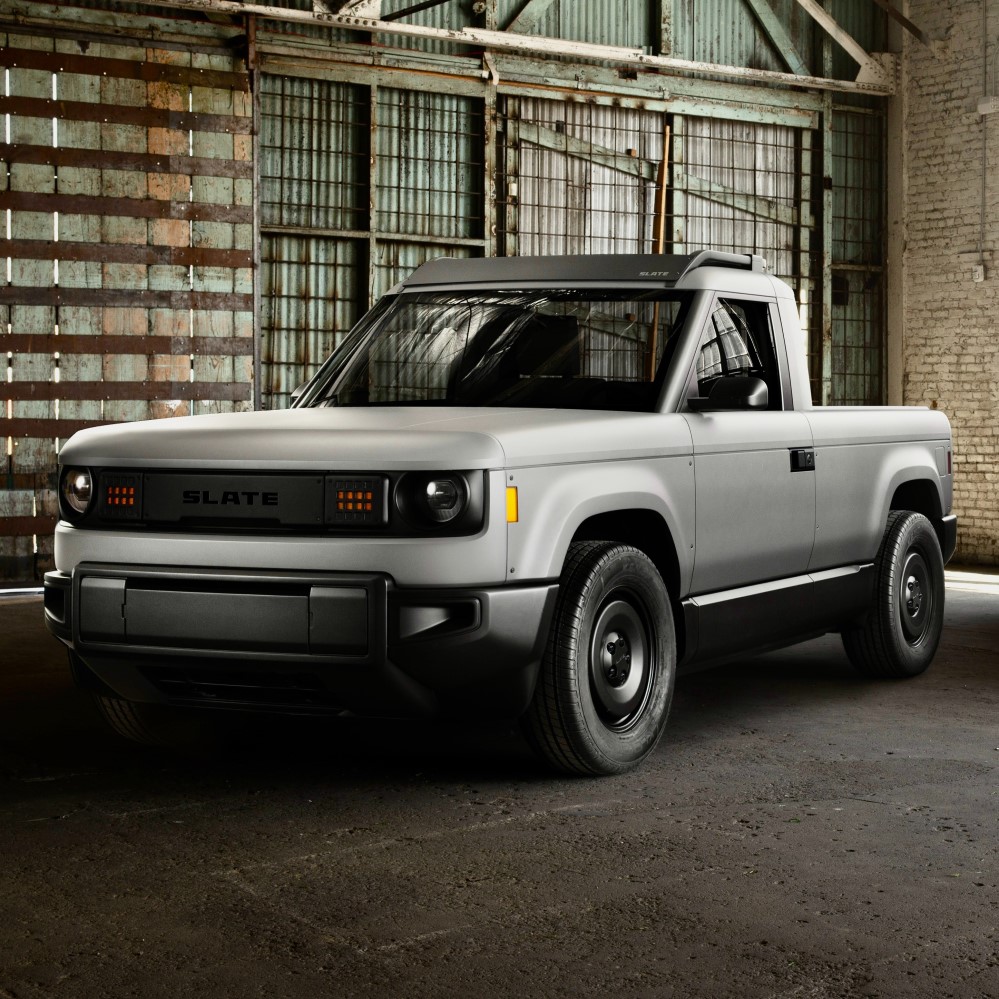
The airbag jack has become a game-changer for off-road adventurers, emergency responders, and vehicle recovery teams. Unlike traditional hydraulic or scissor jacks, this innovative tool uses compressed air to lift heavy loads quickly and safely. It fits easily into compact storage spaces, making it ideal for SUVs, trucks, and overlanding rigs. Its lightweight design doesn’t sacrifice strength, capable of lifting several tons with minimal setup time.
Moreover, the airbag jack offers unmatched stability on soft or uneven terrain. Standard jacks often sink into mud, sand, or snow. This one spreads force over a larger surface area. As a result, it stays secure during operation. Whether you’re changing a tire in a remote desert or freeing a stuck 4×4, this device delivers reliable performance. For these reasons, more drivers are adding an airbag jack to their emergency kits.
 Introduction
Airbag jacks are innovative tools used for lifting heavy loads easily and safely. Unlike traditional jacks, they use compressed air to perform the lifting process. Their versatility and efficiency make them popular in various industries, such as automotive, construction, and emergency services. Understanding their basic functionality is crucial to maximizing their benefits.
What is an Airbag Jack?
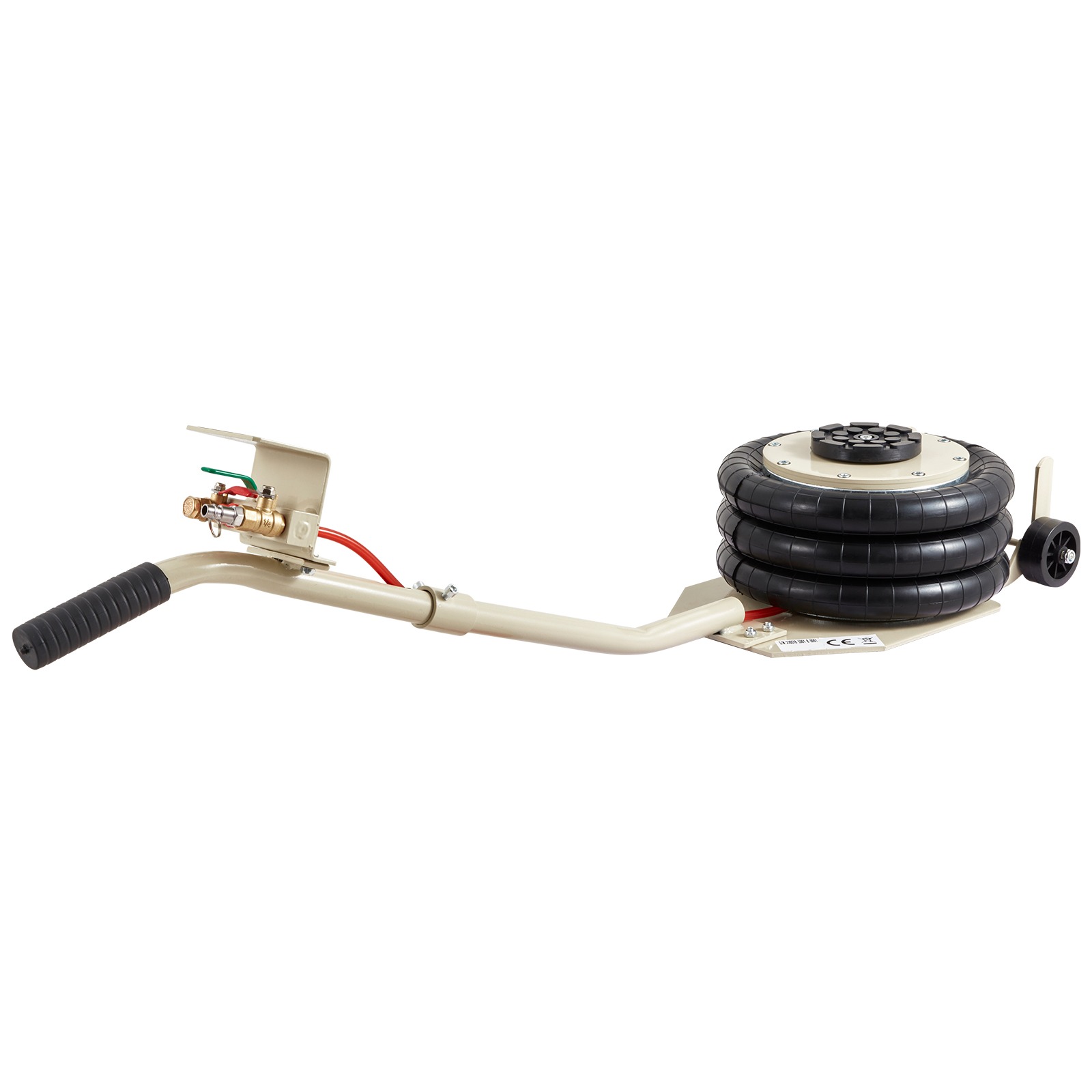
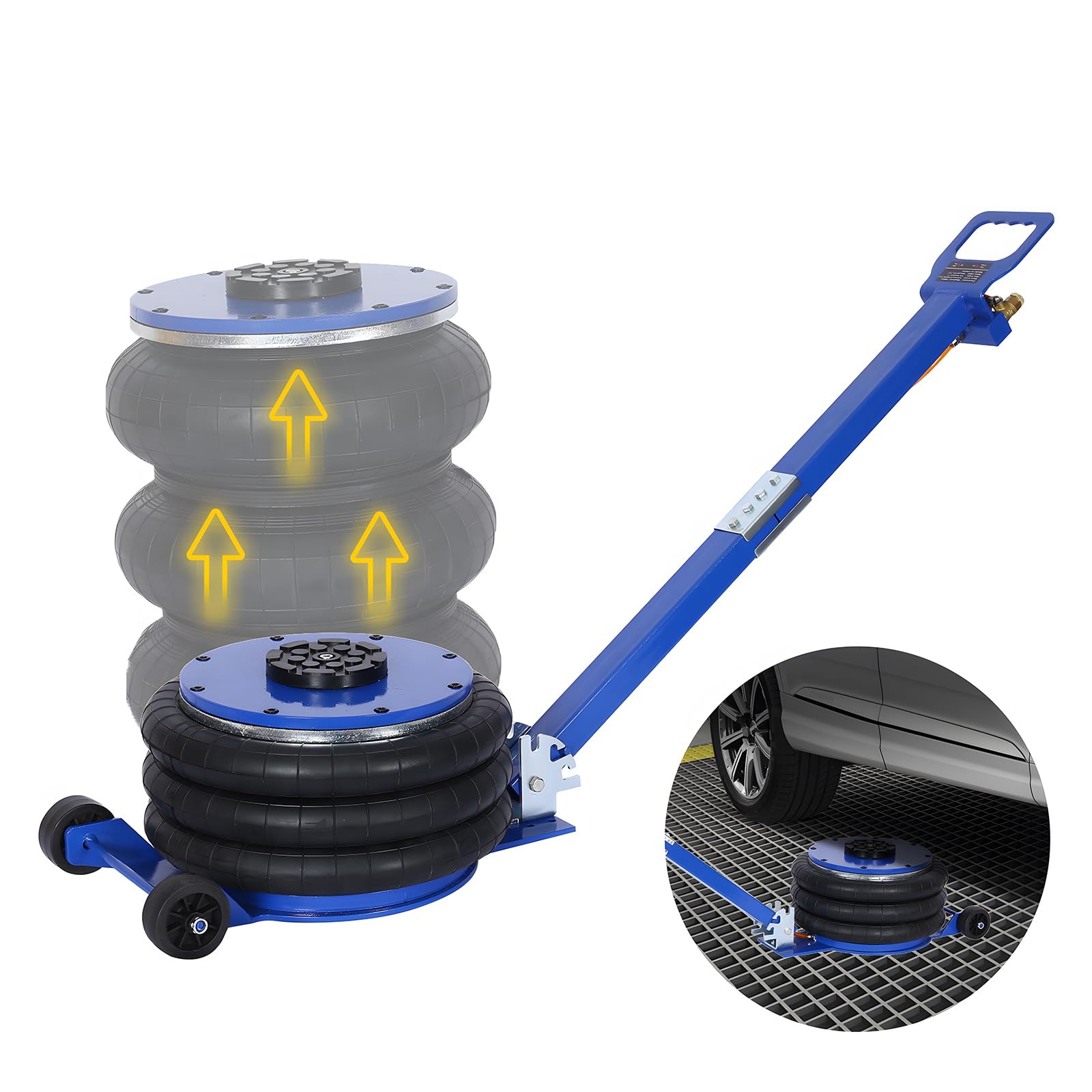
An airbag jack is a lifting tool powered by compressed air. It features a durable, inflatable bag that expands when air is pumped into it. These jacks are designed to lift vehicles, heavy machinery, or other equipment securely. Their compact design makes them easy to store and transport. They are an excellent choice for quick, safe lifting in challenging environments.
How Airbag Jacks Work
Airbag jacks operate by using compressed air to inflate a rubberized bag. First, air is introduced into the bag using an air compressor or another air source. As the bag inflates, it lifts the load above it. The bag’s material is strong enough to handle significant weight while maintaining stability. The entire process is fast, simple, and efficient. This makes airbag jacks a reliable solution for different lifting tasks.
Advantages
Airbag jacks are gaining popularity due to their numerous advantages over traditional lifting tools. Their design and functionality make them efficient, space-saving, and safe for various applications. Below, we explore the key benefits of using airbag jacks.
Enhanced Lifting Power and Precision
Airbag jacks deliver impressive lifting power, enabling them to handle heavy loads effortlessly. The compressed air system ensures controlled and precise lifting, making them suitable for delicate operations. This feature reduces the risk of damage to the load or surrounding areas. Users can easily adjust the air pressure to achieve the desired lift height with precision.
Space-Saving Design Benefits
Airbag jacks feature a compact and lightweight design, making them easy to transport and store. Unlike bulky traditional jacks, they occupy minimal storage space, a significant advantage for mobile applications. Their portability also allows professionals to use them in tight or challenging spaces, such as underneath vehicles or machinery.
Safety Features and Efficiency
Safety is a top priority when using any lifting tool, and airbag jacks excel in this area. They provide stability during lifting, minimizing risks of slippage or collapse. The material used is durable and resistant to extreme conditions, ensuring reliable performance. Additionally, their fast inflation process makes tasks quicker and more efficient, saving both time and effort. This combination of safety and efficiency makes airbag jacks suitable for critical operations, including rescue and repair work.
 Applications
Airbag jacks are incredibly versatile and serve multiple industries. Their adaptability makes them indispensable for lifting and positioning tasks. Below are the primary application areas where airbag jacks excel.
Automotive Industry Use Cases
Airbag jacks are widely used in the automotive repair and maintenance field. They quickly lift vehicles, making tasks like tire changes and undercarriage inspections easier. Their compact size allows use in tight spaces under low-clearance cars or trucks. Mechanics also rely on these tools for safer and faster repairs. They reduce the physical effort and time needed when compared to traditional jacks.
Construction and Heavy Equipment
In construction, airbag jacks assist with lifting heavy machinery and materials. They help reposition large equipment safely, especially in confined areas where cranes cannot operate. Their ability to evenly distribute weight prevents damage to fragile surfaces during lifting. Construction workers prefer them for their reliability, simple operation, and efficiency under heavy loads.
Emergency and Rescue Operations
Emergency services often use airbag jacks during critical rescue operations. They can lift vehicles to free trapped individuals after accidents. These tools are also effective in stabilizing debris during building collapses. Their quick inflation process saves valuable time in emergencies. Rescue workers trust airbag jacks because of their safety features and dependable performance in high-pressure situations.
Types of Airbag Jacks
Airbag jacks come in a variety of designs to suit different lifting needs. Choosing the right type depends on the specific application and operational requirements.
Single-Bag vs Multi-Bag Options
Single-bag airbag jacks feature one inflatable bag. They are compact and easy to operate. These models are ideal for basic lifting tasks in workshops or garages. They handle moderate weights efficiently and are less expensive than multi-bag options.
Multi-bag airbag jacks include multiple inflatable bags stacked or layered. They offer increased lifting power and height capabilities. These models are versatile for heavy-duty tasks, including industrial and construction applications. Multi-bag jacks distribute weight evenly, reducing stress on the lifting surface.
Comparing Portable and Stationary Models
Portable airbag jacks are lightweight and mobile. They are perfect for on-the-go applications, such as roadside assistance. Mechanics use portable models for quick vehicle repairs and emergency scenarios.
Stationary airbag jacks, on the other hand, are robust and designed for permanent setups. They are common in manufacturing plants and large-scale workshops. Stationary models endure heavy loads and provide reliable operation over long durations.
Selecting the right type of airbag jack—single-bag or multi-bag, portable or stationary—requires understanding specific use-case needs.
Factors to Consider
When selecting an airbag jack, various factors should guide your decision. These considerations ensure optimal performance, safety, and suitability for intended applications. Understanding these factors helps you invest in the right tool for your needs.
Weight Capacity Requirements
Check the maximum weight capacity of the airbag jack before purchasing. Ensure it can lift your intended loads safely. Overloading an airbag jack risks damage to the tool and the load. Different models offer varied weight capacities, ranging from light vehicles to heavy machinery. Always prioritize models suited to your lifting needs to avoid accidents and inefficiency.
Material Durability and Quality
Assess the quality of materials used in the airbag jack. Durable materials like reinforced rubber ensure long-term reliability. Resistant materials withstand extreme pressure and environmental conditions effectively. Avoid inferior options, as they may fail under stress or degrade quickly. High-quality construction guarantees stable lifting and safety during operation.
Compatibility with Different Vehicles or Equipment
Select an airbag jack compatible with your specific vehicles or machinery. Some jacks are tailored to fit certain shapes or sizes. Verify the jack’s adaptability to your work environment, such as under low-clearance cars or tight spaces. Versatile models accommodate diverse applications, making your investment more worthwhile. Ensuring proper compatibility prevents operational disruptions and maximizes efficiency.
Considering these factors ensures a safe, efficient, and effective lifting experience with your airbag jack.
 Maintenance and Care
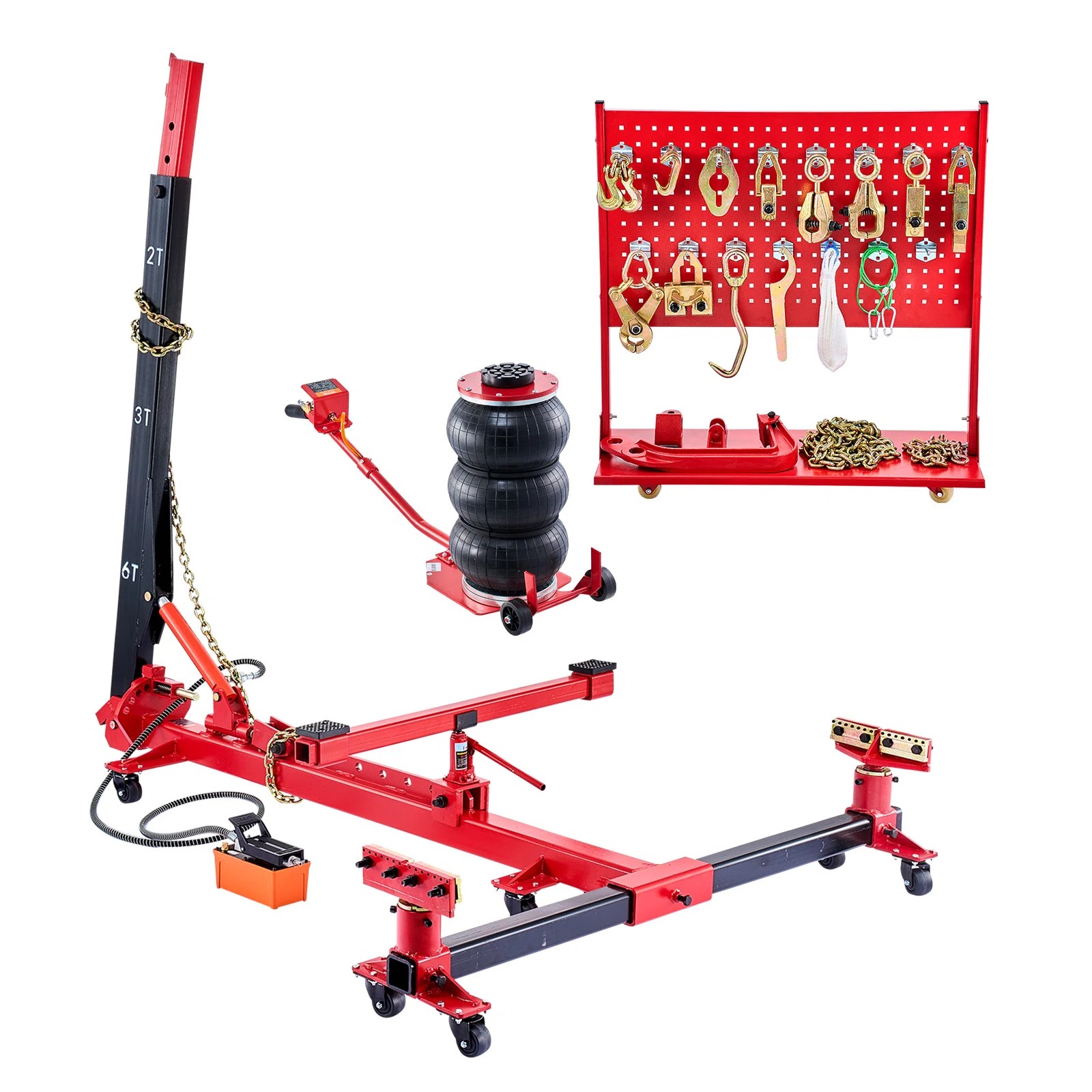
Proper maintenance is crucial to ensure the longevity and performance of your airbag jack. Regular care minimizes risks, enhances efficiency, and reduces repair costs. Below are essential tips for maintaining your airbag jack effectively.
Cleaning and Inspection Tips
- Remove dirt and debris regularly: Clean the airbag surface using a damp cloth after each use.
- Avoid harsh chemicals: Use mild soap and water to prevent damage to the rubber material.
- Inspect for wear and tear: Check the airbag and hoses for punctures, cracks, or abrasions.
- Examine connections: Ensure all air fittings are secure and free from leaks.
- Store properly: Keep the airbag jack in a clean, dry location when not in use.
- Check air pressure levels: Make sure the air source provides consistent and appropriate pressure for operation.
Regular cleaning and inspections prevent damage. These small actions ensure safety and reliability during use.
Repairing and Replacing Components
- Address minor punctures immediately: Use repair patches designed for airbag material.
- Replace worn-out parts: Swap damaged hoses or seals to maintain efficiency.
- Seek professional assistance for complex issues: Avoid self-repairs for structural damage or severe wear.
- Check the air compressor connection: Ensure the air source operates effectively to avoid overloading.
- Follow the manufacturer’s guide: Use approved spare parts for replacements.
Quick repairs and timely replacements extend the tool’s life and maintain safety during operation.
Extending the Lifespan of Your Airbag Jack
- Follow weight limits: Never exceed the specified weight capacity.
- Use on stable surfaces: Place the jack on firm, even ground during operation.
- Avoid long-term inflation: Deflate the airbag when not actively lifting.
- Perform regular maintenance: Create a routine to clean, inspect, and repair the jack.
- Train users properly: Ensure all operators understand correct lifting and handling techniques.
Adhering to these practices ensures your airbag jack serves you reliably for years.
Common Mistakes to Avoid
Avoiding mistakes when using an airbag jack ensures safety and efficiency. Missteps can lead to accidents or damage.
Overloading Beyond Weight Limits
- Exceeding weight capacity damages the jack and risks load instability. Always check the weight limit.
- Use a suitable jack for the load to avoid overburdening the equipment.
- Distribute weight evenly to reduce stress on the airbag surface and connections.
- Overloading causes failures, posing risks to operators and damaging surrounding areas. Prioritize safety measurements.
Improper Placement Techniques
- Place the jack on stable ground to prevent slipping or tilting during lifting operations.
- Check alignment with the load to ensure proper positioning and avoid uneven lifts.
- Avoid sharp objects beneath the airbag that can puncture or damage its surface.
- Adjust placement as needed for secure contact with both the ground and load.
Neglecting Regular Maintenance
- Skip maintenance, and risks increase for tool failure and potential accidents during operation.
- Inspect for cracks or leaks in the airbag and fittings before every use.
- Clean the jack after each operation to remove dirt and debris that could cause wear.
- Replace worn components promptly to maintain efficiency and safety.
- Follow the manufacturer’s guide for cleaning, storage, and recommended checks.
Avoiding these common mistakes ensures the airbag jack performs well in the long term. Proper usage and care also enhance operational safety.
 Where to Buy Airbag Jacks
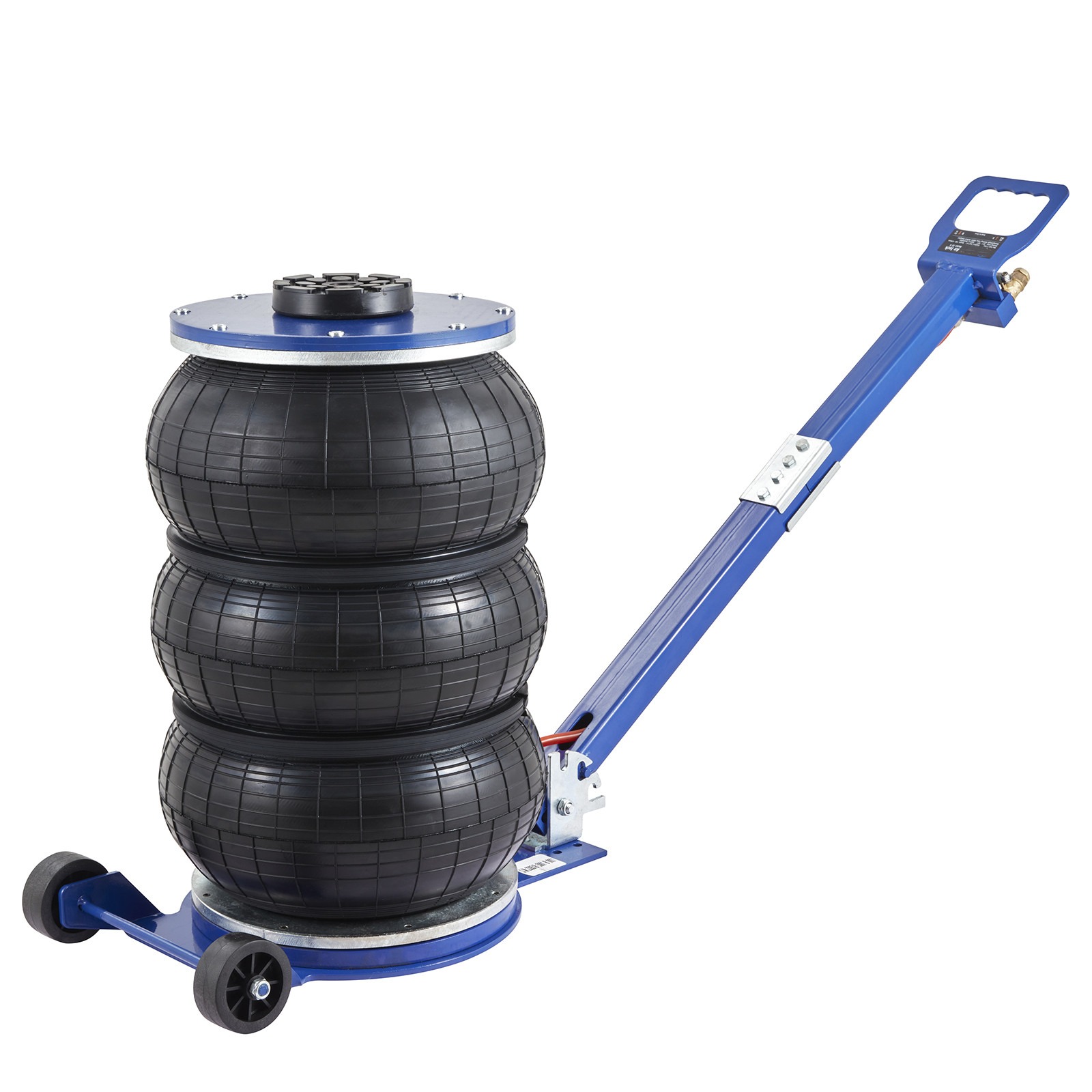
Finding the right place to buy an airbag jack is essential for quality and reliability. Choosing trusted sources ensures you get a durable product that meets your needs. Below, explore the best options for purchasing an airbag jack.
Trusted Brands and Manufacturers
- ARB: Known for high-quality airbag jacks designed for off-road and automotive applications.
- ESCO: Offers a range of jacks with a focus on durability and performance.
- Phoenix: Provides industrial-grade airbag jacks suitable for heavy-duty lifting tasks.
- Merrit: Specializes in versatile and cost-effective airbag lifting solutions.
- Werner Weitner: Renowned for precision-engineered airbag jacks used in various industries.
When buying, check manufacturer warranties and certifications. These ensure the airbag jack meets safety standards.
Key Retailers and Online Options
- Local Specialty Stores: Visit automotive or construction equipment shops for hands-on inspection.
- Home Improvement Chains: Stores like Home Depot or Lowe’s may carry portable airbag jacks.
- Online Marketplaces: Websites like Amazon and eBay offer a wide range of options.
- Manufacturer Websites: Purchase directly from brand websites for authentic products.
- Industrial Suppliers: Companies like Grainger and Northern Tool cater to heavy-duty needs.
Compare prices, shipping options, and customer reviews before finalizing a purchase. Buying from authorized sellers ensures product authenticity and support.
By selecting reputable brands and reliable retailers, you secure a high-quality airbag jack for efficient lifting.
Frequently Asked Questions
Answers for First-Time Buyers and Seasoned Users
Can I use it on asphalt? Yes, but place a mat underneath. Smooth surfaces increase slip risk. Rubber-backed mats improve grip.
Is it waterproof? Most models resist water. Submersion isn’t recommended. Dry it after wet use to prevent mold.
Does it work with a hand pump? Technically yes, but slowly. Electric compressors are far more efficient. Foot pumps take too long for practical use.
Can multiple people inflate it faster? No, airflow depends on the pump. More bags need bigger compressors. Don’t overload small units.
Will it lift a truck sideways? Not safely. Always lift straight up. Side loads cause instability and failure.
How do I repair a puncture? Use the included patch kit. Clean the area, apply adhesive, seal with patch. Test before relying on it again.
Do I need training? Basic use is simple. Complex rescues require instruction. Take courses if planning professional use.
These answers address real concerns. Knowledge leads to safer, smarter use.
 Final Thoughts
A Reliable Solution for Modern Mobility Challenges
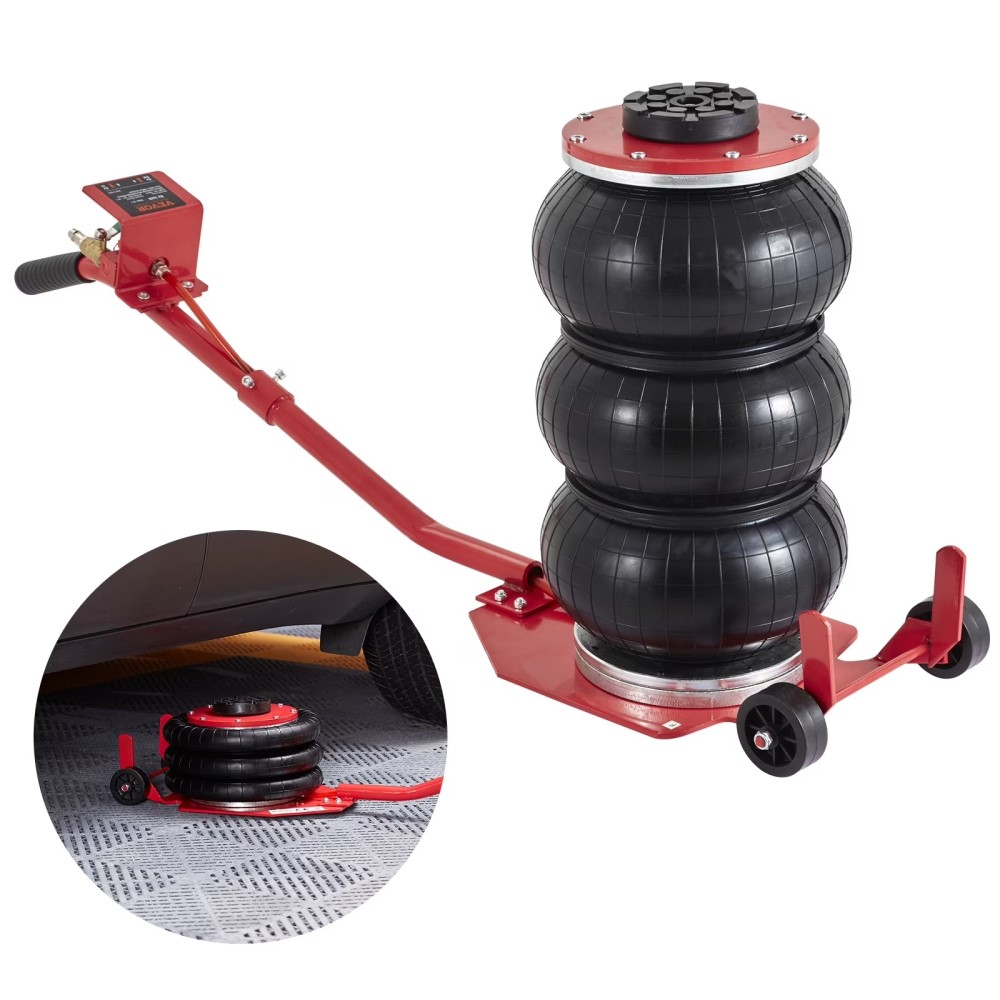
In today’s world of adventure travel and unpredictable road conditions, having the right tools matters. The airbag jack proves itself again and again in tough situations. It combines strength, speed, and safety in one compact package. Drivers who’ve used it rarely go back to old-style jacks.
Furthermore, does modern preparedness skip innovation? Definitely not. The airbag jack represents smart engineering solving real problems. It adapts to terrain, weather, and vehicle types. Whether you’re a weekend explorer or full-time rambler, it adds peace of mind.
Ultimately, owning an airbag jack means being ready. Emergencies don’t wait for perfect conditions. Being able to lift your vehicle anywhere gives freedom. Confidence grows when you know you can handle breakdowns alone.
So when asking whether this tool is worth it, the answer is clear. Yes—the airbag jack is essential gear. It protects lives, saves time, and empowers independence. Add one to your kit today.