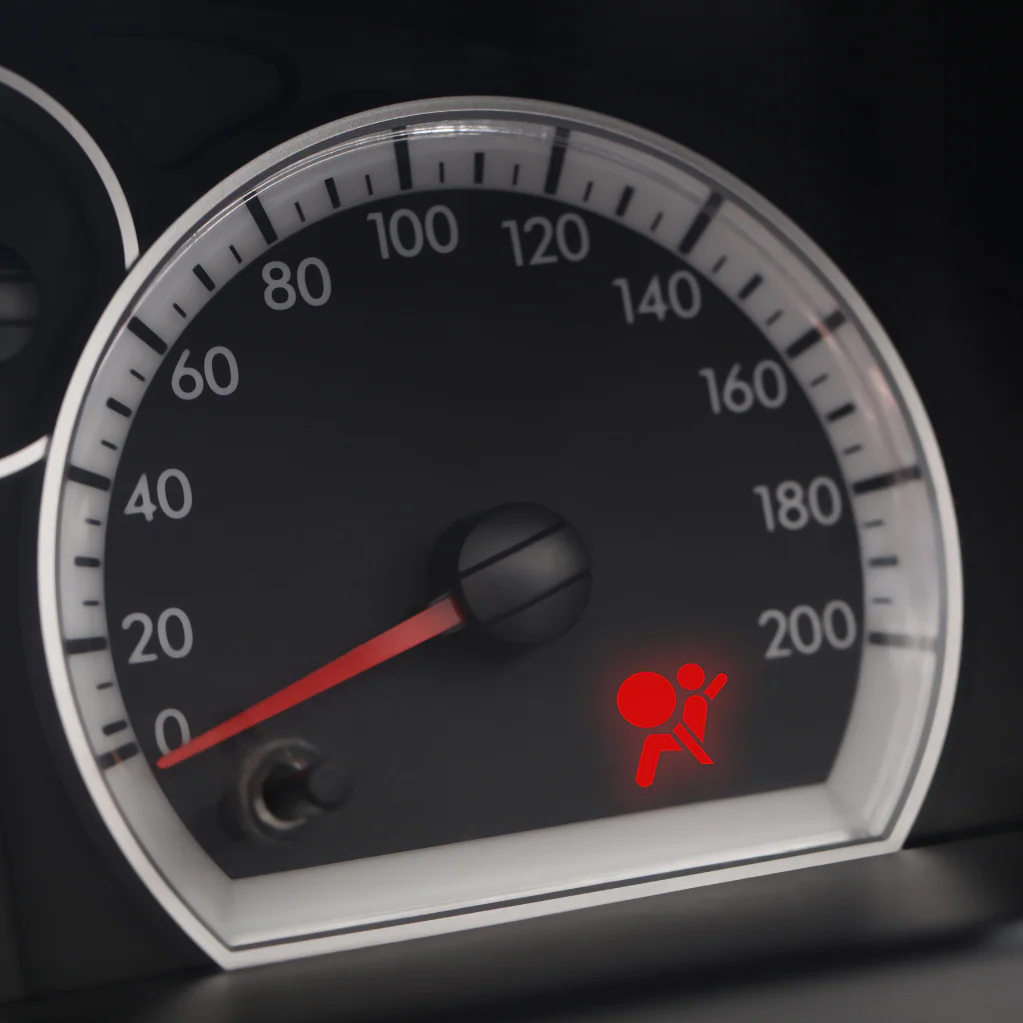
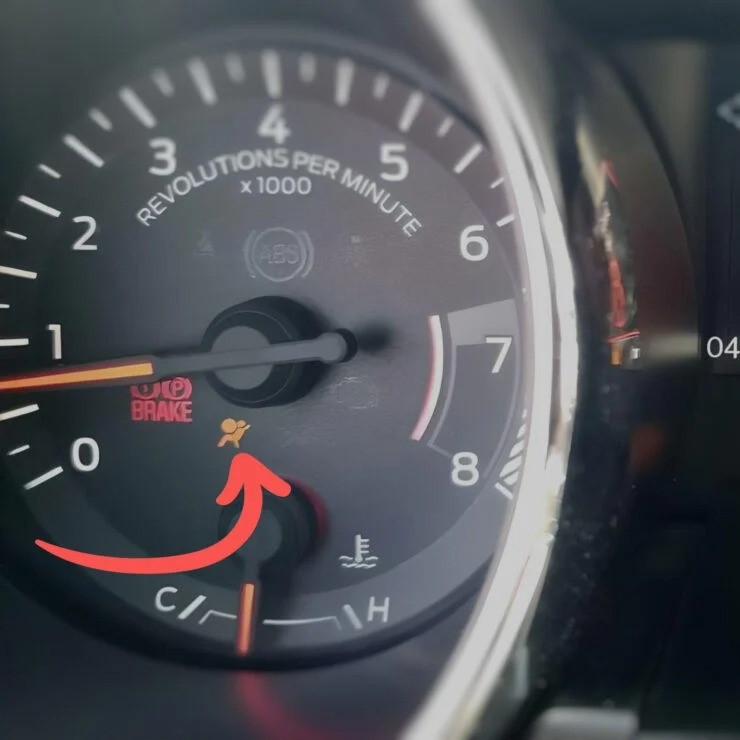
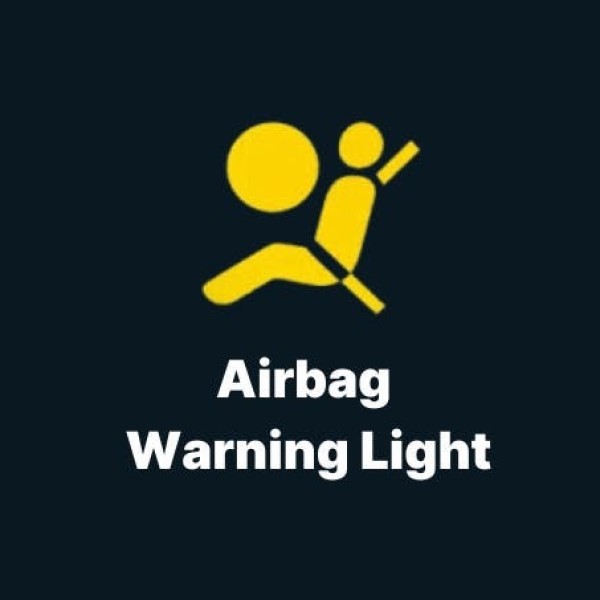
When you start your car, several dashboard lights turn on briefly and then go off. This is normal. However, if one stays lit, it demands attention. Among the most important warning indicators is the airbag light. So, what does the airbag light mean? It signals the status of your Supplemental Restraint System (SRS), which includes airbags and seatbelt tensioners. When this light turns on, it means the system has detected a problem. As a result, your airbags may not deploy in a crash. That puts you and your passengers at serious risk.
Moreover, ignoring this warning can lead to dangerous consequences. Even minor issues like loose wiring or a faulty sensor can disable the entire system. The good news is that modern vehicles make diagnosing these problems easier than ever. With the right knowledge, you can take quick action. Understanding what does the airbag light mean helps you stay safe on the road. It also prevents costly repairs down the line.
 Introduction to the Airbag System
How Airbags Work in a Vehicle
Airbags are essential safety features in modern vehicles. They deploy during collisions to protect occupants. When a crash occurs, sensors trigger the airbag’s inflation. This happens in milliseconds to cushion passengers from the impact. Airbags work alongside seat belts to minimize injuries. They are designed to reduce the force on critical body parts like the head, chest, and neck. Proper airbag function depends on accurate sensors and a responsive control module.
Importance of the Airbag Warning Light
The airbag warning light monitors the airbag system. It alerts you to potential problems. When you start your vehicle, the light should turn on briefly and then go off. If it stays on, it signals an issue with the airbag system. This could mean airbags might not deploy during an accident. Ignoring the light can compromise your safety. Regular maintenance helps ensure your airbag system works when it’s needed most. Always take this warning seriously and address it promptly.
Causes of the Airbag Light Turning On
When the airbag light turns on, it signals a problem with the airbag system. Various factors can trigger this warning. Understanding these causes helps in diagnosing and addressing the issue promptly. Below are common reasons for the airbag light to illuminate.
Low Battery Voltage or Recent Jumpstart
A low battery voltage can disrupt your car’s electrical systems, including the airbag system. If you recently jumpstarted your vehicle, the sudden power fluctuation may have caused the airbag warning light to activate. This happens because the airbag control unit might perceive the fluctuation as a fault. Ensure your car battery is functioning properly to prevent future occurrences.
Issue with the Clock Spring
The clock spring maintains electrical connections between the airbag, horn, and other steering wheel controls. Over time, this component can wear out due to repeated steering wheel turns. A damaged clock spring may cause the airbag light to stay on. If this issue persists, the airbag may not deploy during a collision.
Faulty Sensors or Wiring Problems
Airbag systems rely on sensors to detect crashes and trigger airbag deployment. If these sensors malfunction, they can send incorrect signals to the control unit. Similarly, damaged or loose wiring can disrupt communication within the system. Faulty sensors and wiring issues are common causes of an illuminated airbag warning light.
Passenger Seat Occupancy Sensors Malfunction
Modern vehicles have sensors to detect whether someone is sitting in the passenger seat. These sensors adjust airbag deployment based on seat occupancy. If the passenger occupancy sensor fails, the airbag system might not function correctly, causing the warning light to appear. This can pose a significant safety risk.
Airbag Module Failure
The airbag control module manages the entire airbag system. Over time, this module can experience wear or damage. Water exposure, electrical problems, or a past collision can lead to module failure. A faulty airbag module is a serious issue as it can prevent the airbags from deploying in an emergency.
Identifying the specific cause of the airbag light requires proper diagnosis. Addressing these issues quickly ensures safety and prevents further complications.
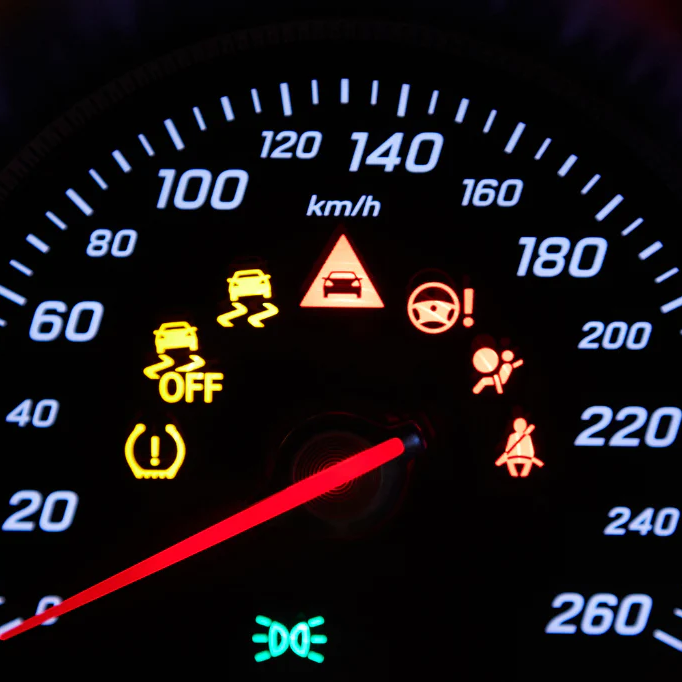 When the Airbag Light Indicates a Safety Issue
What does the airbag light mean? The airbag light serves as a crucial warning about potential issues in the airbag system. Understanding its implications can prevent safety hazards and ensure your vehicle operates properly.
Is It Safe to Drive with the Airbag Light On?
Driving with the airbag light on is not recommended. The light suggests an airbag system malfunction. This means the airbags might not deploy during an accident, reducing passenger safety significantly. While the car itself may still operate normally, the absence of functional airbags poses a high risk. It’s essential to address the issue quickly to restore safety features.
Potential Risks of Ignoring the Warning Light
Ignoring the airbag light can have serious consequences. First, it compromises safety during collisions. Without functioning airbags, occupants face higher chances of severe injuries. Second, unresolved issues in the airbag system might lead to costlier repairs down the road. Persistent problems can also affect other connected systems, worsening the situation. Addressing the warning promptly prevents risks and ensures vehicle reliability.
How to Diagnose the Airbag Light
Diagnosing the airbag light is essential to identify the root cause of the issue. By determining the problem, you can take appropriate measures to ensure the safety of the airbag system.
Using an OBD-II Scanner
An OBD-II scanner is a powerful tool for diagnosing airbag system issues. It reads error codes stored in the vehicle’s computer. To use the scanner, connect it to the OBD-II port, usually located under the dashboard. Turn on the ignition and let the scanner pull diagnostic codes. Common airbag-related codes include faults in sensors, wiring, or the airbag module. Once the codes are retrieved, consult the scanner’s manual or do research to understand their meaning. Addressing the issues indicated by these codes can help resolve the airbag warning light.
Common Trouble Codes Related to Airbags
Airbag systems often generate specific trouble codes when problems occur. These codes point to issues like sensor malfunctions, wiring problems, or module failures. For example, code B1801 indicates an open circuit in the driver’s airbag module. Code B1901 suggests a problem with a passenger seat occupancy sensor. Understanding these codes helps prioritize necessary repairs. If analyzing the codes seems too complicated, seek professional assistance to ensure a thorough diagnosis and solution.
Steps to Fix the Airbag Light
Addressing an illuminated airbag light is crucial for your safety. Follow these steps to resolve the issue effectively.
Resetting the Airbag Light
- Use an OBD-II Scanner: Connect the OBD-II scanner to your car’s port. This port is usually under the dashboard. Turn on the ignition and use the scanner to read and clear the error codes. If the issue was a temporary glitch, the airbag light will reset.
- Disconnect and Reconnect the Battery: Turn off the vehicle and disconnect the negative terminal of the car battery. Wait for about 15 minutes, then reconnect it. This method can sometimes reset the airbag system. Be cautious, as this may erase other computer settings as well.
- Check the Owner’s Manual: Some vehicles have specific instructions for resetting the airbag light. Refer to your car’s manual for guidance.
If these steps don’t work, the underlying issue may require further attention.
Repairing or Replacing Faulty Components
- Inspect the Airbag Sensors: Faulty sensors are a common cause of the airbag light turning on. Replace any malfunctioning sensors as necessary.
- Repair Clock Spring Issues: A damaged clock spring disrupts the connection to the airbag. Replace the clock spring if it’s worn or broken.
- Fix Wiring Problems: Loose or damaged wires in the airbag system can trigger the light. Inspect these wires and repair or replace any that are faulty.
- Check the Passenger Seat Sensor: If this sensor malfunctions, the system might not deploy airbags correctly. Replace it if it’s not working.
- Replace the Airbag Control Module: A faulty module can prevent the system from functioning properly. Consider replacing it to restore the airbag system’s reliability.
- Address Battery Voltage Issues: Ensure your car battery is in good condition. Replace the battery if it’s weak or unable to hold a charge.
Taking quick action to repair or replace faulty components ensures optimal safety. If you’re unsure about handling these steps, consult a professional mechanic.
 Cost of Airbag Light Repairs
Average Repair Costs for Different Issues
Repairing the airbag light can vary in cost depending on the issue. For minor problems, such as resetting the light after a battery issue, the cost is typically low. Resetting the system using an OBD-II scanner might cost $50 to $100 if done professionally.
However, more serious issues involve higher expenses. Replacing a faulty clock spring can cost between $150 and $400, including parts and labor. Fixing damaged wiring or replacing airbag sensors may range from $200 to $600. If the airbag control module fails, replacing it can cost upwards of $600 to $1,000.
Labor charges vary based on the complexity of the job. Different makes and models of cars may have different costs depending on accessibility and part availability. Always request a detailed estimate before proceeding with repairs.
Insurance Coverage for Airbag Light Repairs
Insurance coverage for airbag repairs depends on the cause of the issue. If the problem is related to normal wear and tear, it is unlikely to be covered. Most standard policies exclude coverage for mechanical or electrical failures unless caused by a covered event.
However, if the airbag system is damaged during a collision, insurance will likely cover it. Comprehensive or collision coverage often pays for necessary repairs, including fixing airbag-related issues. Filing a claim may involve deductibles, which you should keep in mind.
It’s essential to check your policy details or consult your insurance provider to confirm coverage. Keeping thorough maintenance records may also help when dealing with insurance claims.
When to Seek Professional Help
Seeking professional help is crucial when fixing airbag light issues. Some problems require advanced tools and expert knowledge.
Identifying Situations Requiring Expert Inspection
- Persistent Airbag Light: If the airbag light doesn’t reset after basic troubleshooting, consult an expert.
- Complex Electrical Issues: Wiring problems or sensor malfunctions often need professional diagnosis.
- Airbag Module Failure: Replacing a control module requires specialized tools and expertise.
- Uncertain Diagnostic Codes: If codes are unclear or unknown, seek professional inspection.
- Safety Concerns: If you feel unsafe driving with the airbag light on, contact a mechanic immediately.
Choosing a Trusted Mechanic or Dealership
- Verify Certifications: Look for ASE-certified mechanics for reliable service.
- Read Reviews: Check online reviews or ask for recommendations to find trusted professionals.
- Request Estimates: Get detailed cost estimates before proceeding with repairs.
- Ensure Airbag Expertise: Choose experts familiar with airbag systems and related components.
- Prioritize Accessibility: Find a mechanic or dealership conveniently located to avoid delays.
Professional assistance ensures the airbag system works correctly and safely. Don’t delay urgent repairs.
Preventing Future Airbag Light Issues
Preventing the airbag light from turning on starts with proactive care. Regular maintenance and careful handling of your car’s systems can keep the airbag system in optimal condition.
Regular Maintenance and Inspections
- Check the Airbag System Periodically: Inspect the airbag system during routine vehicle maintenance. Ensure components function properly.
- Schedule Professional Inspections: Have a professional inspect the airbag system annually. This ensures early detection of issues.
- Monitor Warning Lights: Pay attention to your dashboard. Address any unusual airbag light activity promptly.
- Verify Battery Health: Weak batteries can disrupt vehicle electronics. Replace your battery when needed.
- Review the Owner’s Manual: Follow the manufacturer’s maintenance guidelines. These include specific instructions for your airbag system.
Handling Electrical System Repairs Carefully
- Avoid DIY Electrical Fixes: Untrained handling of electrical systems can cause more harm than good. Trust professionals for repairs.
- Inspect Wiring and Connectivity: Loose or damaged wires can trigger the airbag light. Maintain clean and secure connections.
- Prevent Electrical Surges: Ensure power supply changes, like jumpstarts, are done carefully to avoid damage to the airbag system.
- Replace Damaged Sensors Promptly: Faulty sensors can create safety risks. Replace them promptly to ensure system reliability.
- Protect Against Moisture: Prevent water exposure to airbag components. Moisture can corrode sensors and modules.
Proactively maintaining your vehicle ensures the airbag system stays reliable. Consistent care avoids unexpected issues and keeps safety features working as intended.
 Frequently Asked Questions About What Does the Airbag Light Mean
Drivers often ask similar questions. Below are answers to the most common ones.
Can I reset the airbag light myself
Sometimes. Basic resets work after battery disconnection. However, underlying issues will return. Use proper tools instead.
Will disconnecting the battery clear the light
It may turn it off temporarily. But the fault remains. The system redetects it at next startup.
How much does it cost to fix the airbag system
Typically 100600. Simple sensor fixes cost less. Module replacements run higher.
Do airbags expire
Not exactly. But older systems degrade. Units over 15 years old may have reliability concerns.
Can I pass inspection with the light on
No. Most states require all safety systems to be functional.
Should I stop driving immediately
Yes. Until repaired, you lack critical crash protection.
Can aftermarket parts cause the light to turn on
Yes. Poorly installed accessories interfere with SRS circuits. Always use qualified installers.
Is the airbag light the same as the check engine light
No. They monitor different systems. Both warn of serious issues but require separate diagnostics.
 Final Thoughts: Stay Informed and Stay Safe
Understanding what does the airbag light mean empowers you as a driver. It transforms confusion into action. No longer must you guess what went wrong. Instead, you recognize the urgency and respond wisely.
Vehicle safety systems evolve constantly. Yet, their core purpose remains unchanged—protecting lives. The airbag light exists to warn you when that protection fails. Ignoring it removes a key layer of defense.
Regular maintenance, prompt repairs, and professional help keep your SRS reliable. Teach family members what the light means too. Awareness spreads safety.
In conclusion, the airbag light is not just another dashboard symbol. It is a direct message about your well-being. By taking it seriously, you ensure every journey ends safely.