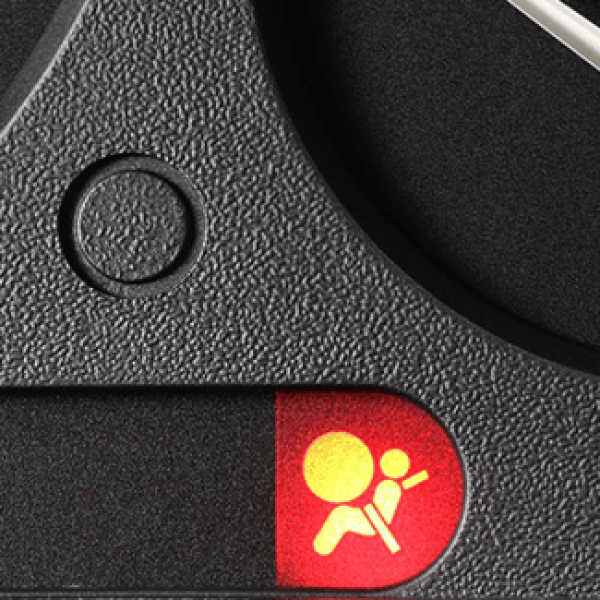
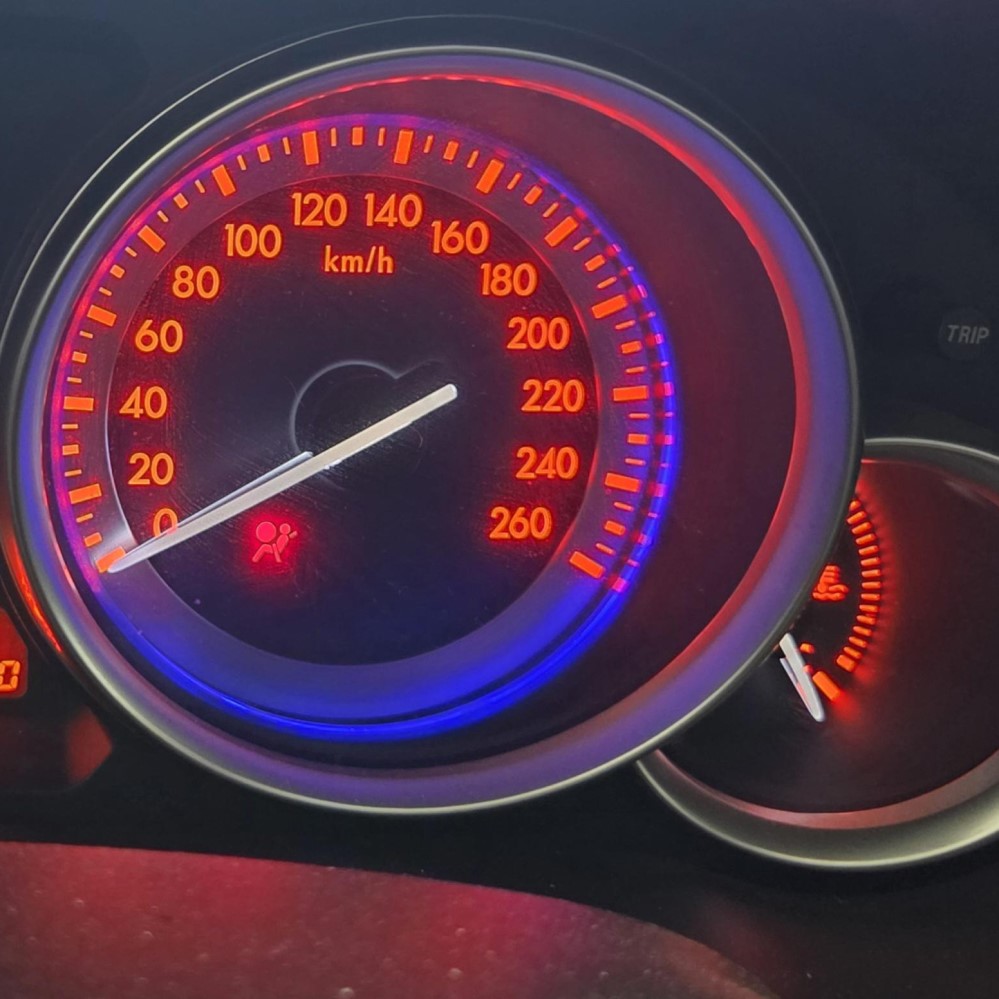
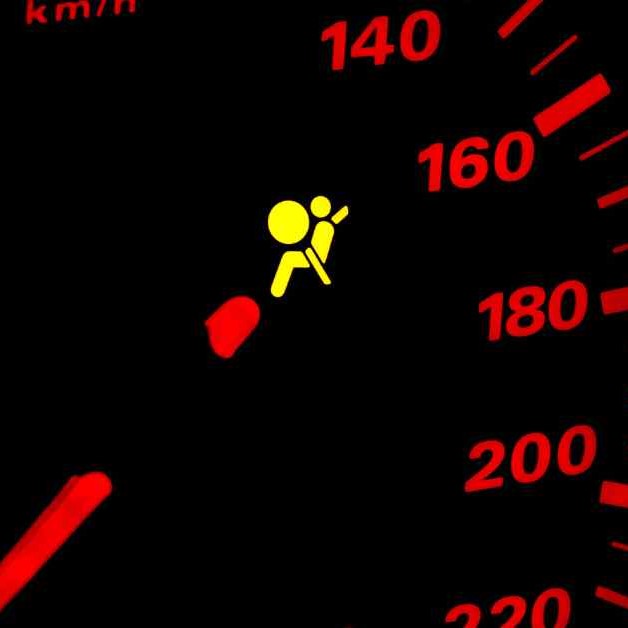
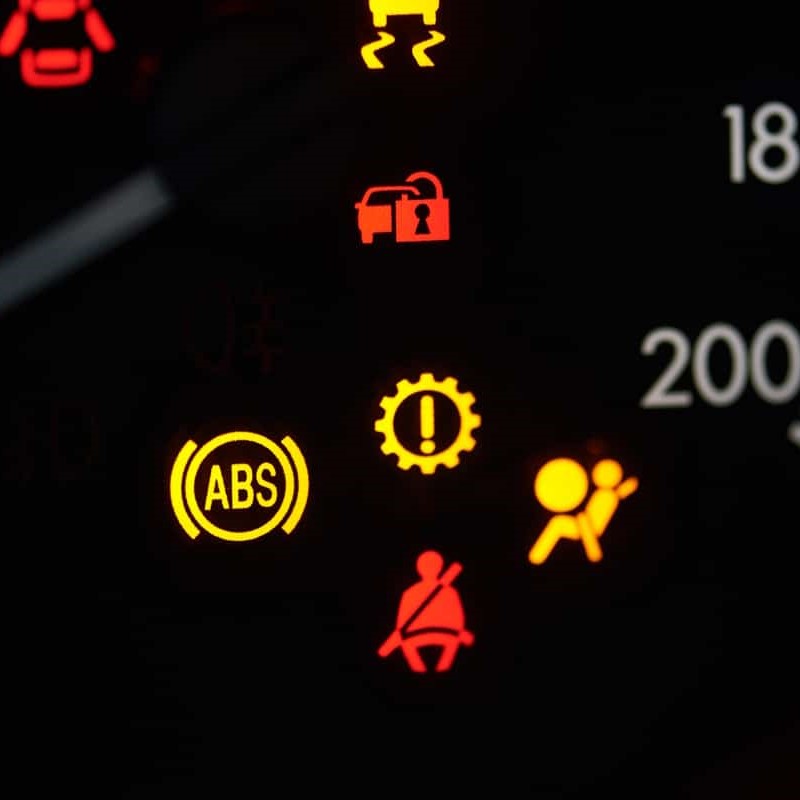
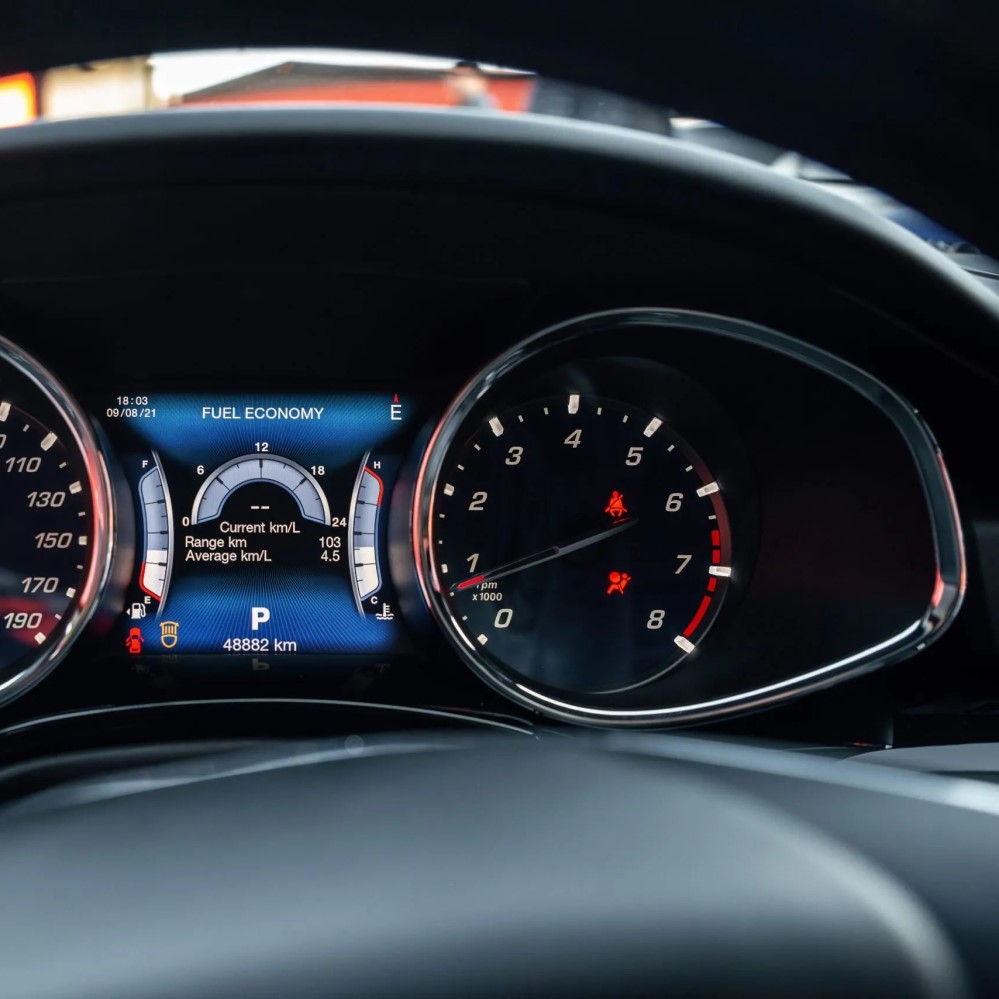
Seeing the airbag light on can be alarming. This warning symbol—often a side view of a person with a large circle in front—indicates a problem with your vehicle’s Supplemental Restraint System (SRS). The airbags are designed to protect you during a collision. If the system detects a fault, it disables deployment as a safety measure. That means even if you’re wearing a seatbelt, your airbags may not inflate in an accident. This puts you at serious risk. Therefore, when the airbag light on, it should never be ignored. It could signal anything from a minor sensor glitch to a major wiring issue.
Moreover, the airbag light on does not always mean immediate danger. In some cases, it turns on briefly during startup and then goes off. That is normal. However, if it stays illuminated or flashes while driving, there is a confirmed fault. Modern vehicles run self-diagnostics every time you start the engine. If any component fails the test, the light remains active. Drivers must take action quickly. Delaying repairs reduces protection. This article explains common causes, diagnostic steps, repair options, and why prompt attention is essential for safety.
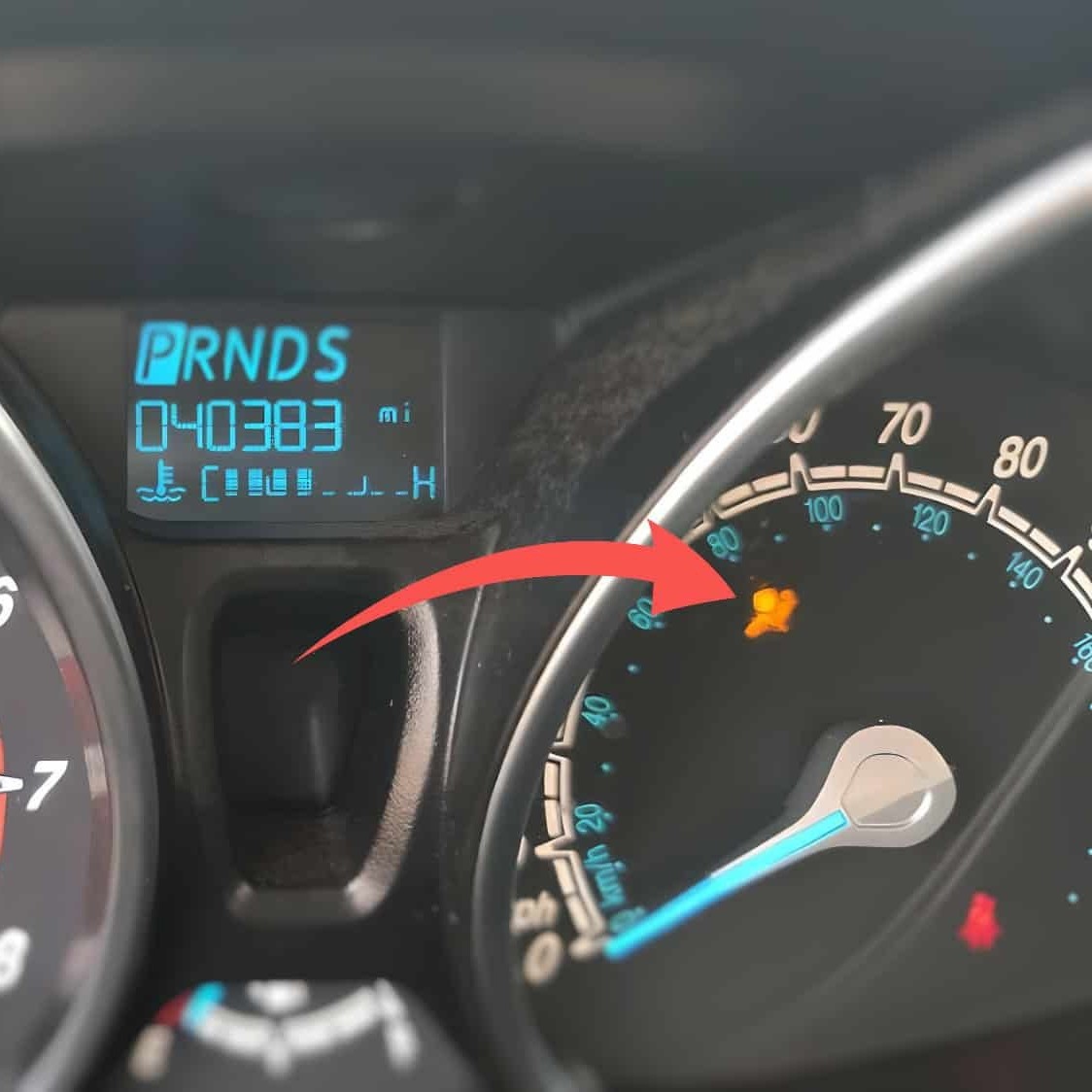 Common Reasons for the Airbag Light to Illuminate
The airbag light can turn on due to various reasons. Each issue signals a potential problem with your vehicle’s safety system. Addressing these causes promptly is crucial to maintain safety.
Faulty Airbag Sensors
Airbag sensors detect sudden impacts and deploy airbags during accidents. A faulty sensor can cause incorrect readings, triggering the airbag light. Regular vehicle inspections help identify and prevent sensor issues.
Issues with the Passenger Seat Occupancy Sensor
The passenger seat occupancy sensor determines if someone is seated. If it’s malfunctioning, the airbag system may fail to adjust activation properly. This can lead to safety risks and a persistent airbag warning light.
Problems with the Airbag Module
The airbag module controls the deployment of airbags. Damage or failure in this module can disrupt the system and activate the airbag light. Professional repair or replacement may be necessary to fix this issue.
Wiring or Electrical Connection Issues
Airbag systems rely on wiring and electrical connections. Damaged wires or loose connections can trigger the light. These issues can also interfere with proper airbag functioning during accidents.
Expired or Discharged Airbag System Battery
Many airbag systems use backup batteries. If these batteries expire or lose charge, the light may appear. Replace or recharge the battery promptly to restore system functionality.
Potential Risks of Driving with the Airbag Light On
Driving with the airbag light on comes with serious risks. It signals potential problems with the vehicle’s safety system. Ignoring it can compromise your safety and lead to other consequences.
Reduced Safety During Accidents
When the airbag light is on, the airbags may not deploy properly during a crash. This can significantly increase the risk of injury or fatality in an accident. Airbags are designed to protect passengers during high-impact collisions. If they fail to deploy, occupants lose a crucial safety feature, making severe injuries more likely.
Furthermore, the airbag light often indicates broader issues within the vehicle’s safety system. Problems, such as faulty sensors or wiring issues, can disrupt the entire airbag mechanism. Ensuring airbags function correctly is essential for overall passenger safety.
Legal and Insurance Implications
Driving with the airbag light on may also lead to legal complications. Some jurisdictions require fully functioning safety systems for a vehicle to be roadworthy. If your airbag system is compromised, you could face penalties or fines during routine vehicular checks.
Insurance claims might also be affected. Some insurance companies may refuse coverage if the airbag system wasn’t properly maintained or repaired. Failing to address the airbag light could result in higher claim denial rates or reduced compensations in accidents.
Taking immediate action when the airbag light turns on is critical. It not only ensures safety but also avoids legal and financial troubles.
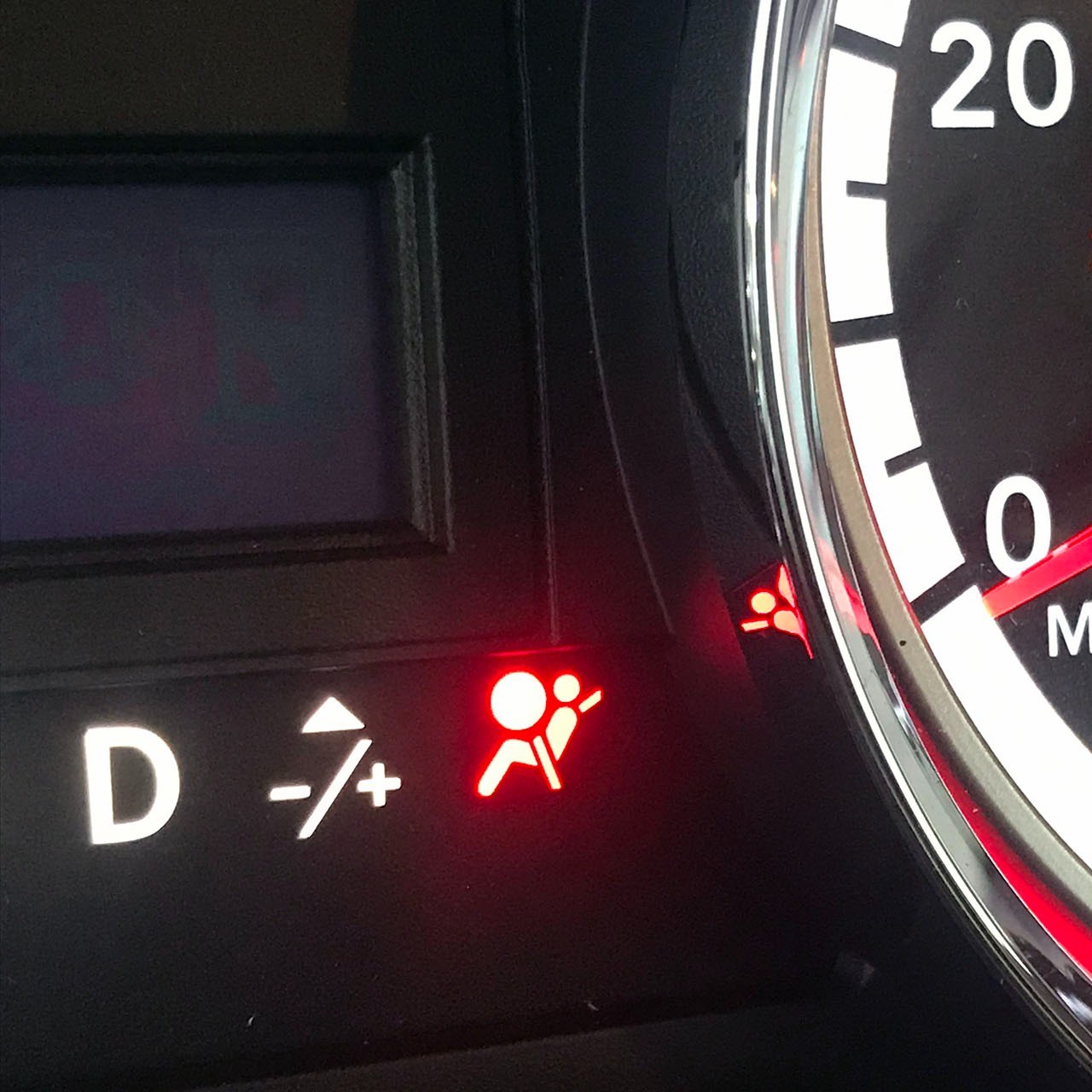 Diagnosing the Airbag Light Issue
Diagnosing the airbag light issue is essential for proper safety system functionality. Early diagnosis prevents bigger problems and ensures your vehicle’s airbags work during accidents.
Using an OBD-II Scanner
An OBD-II scanner helps read error codes from your car’s system. Plug the scanner into your vehicle’s diagnostic port, usually located under the dashboard. Follow the scanner’s instructions to read error codes. These codes often pinpoint problems like faulty sensors, wiring issues, or airbag module failures. Use this step to identify the areas needing repair or replacement.
Inspecting the Airbag System Components
Inspect airbag system components visually for signs of damage. Check for loose wiring, broken connectors, or worn-out sensors. Make sure the passenger seat occupancy sensor is functioning. Look for any cracks or damage near airbag deployment areas. Replace damaged parts immediately to prevent malfunction.
Professional Diagnosis by a Mechanic
When DIY methods do not work, consult a professional mechanic. Mechanics use advanced tools to diagnose airbag system issues. They can perform in-depth inspections to find hidden problems. A mechanic can also reset the airbag light if the issue is resolved. Choosing professional help ensures thorough diagnosis and keeps your airbag system reliable.
Repairing the Airbag Light Issue
If your airbag light is on, repair should be addressed promptly. Fixing the underlying problems ensures your vehicle’s safety system operates properly. Here’s how common issues can be repaired:
Fixing Sensor and Wiring Problems
Faulty sensors or damaged wiring often trigger the airbag warning light. Start by inspecting sensors for cracks, damage, or wear. Ensure that wiring connections are secure and free of corrosion or fraying. If a sensor is malfunctioning, replace it with a compatible part from your vehicle manufacturer. Damaged wires should also be repaired or replaced to restore proper connections. Testing the airbag system after repairs ensures the light turns off.
Replacing or Resetting the Airbag Module
The airbag module controls the entire airbag system. If it’s damaged or malfunctioning, replace it immediately. Consult your vehicle’s manual or dealership for correct module specifications. In some cases, a functioning module may only need a reset. Use an OBD-II scanner to reset the airbag light after fixing related issues. Professional help is recommended for module replacement or reset to avoid errors.
Addressing Battery-Related Issues
Backup batteries are vital for airbag systems. An expired or low battery can cause the light to stay on. Check the airbag system battery for expiration marks or charge level. Replace it with a new battery if it’s no longer functional. Recharging may work in some cases. After replacing or charging the battery, verify if the airbag warning light turns off. Regular battery checks prevent unexpected airbag light problems.
Taking these repair steps ensures the airbag system functions as intended. Address each issue promptly for safe driving.
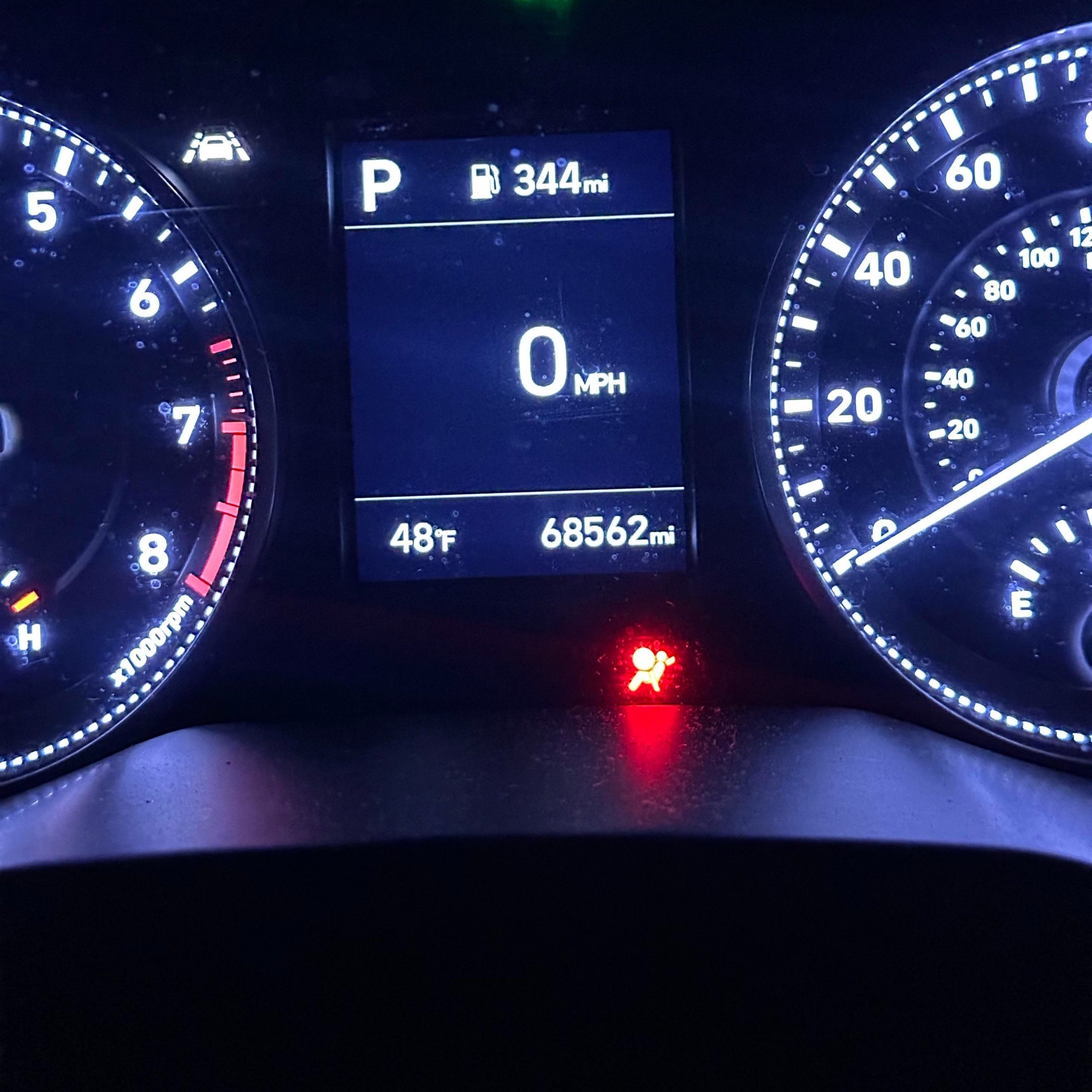 Preventative Measures to Avoid Airbag Light Problems
Preventing airbag light issues is easier than addressing them later. Regular care keeps your system reliable.
Regular Maintenance of the Airbag System
Perform regular airbag system inspections to catch issues early. Check system components during routine vehicle servicing. Ensure sensors, modules, and connections remain in good condition. Replace worn parts to avoid malfunctions. Use an OBD-II scanner to monitor error codes periodically. This allows you to detect minor problems before they worsen.
Keep your vehicle battery in good health. Weak or discharged batteries can affect the airbag system. Verify battery charge levels during maintenance to prevent unexpected airbag light activations. Staying proactive ensures your safety features perform flawlessly.
Avoiding Wear and Tear on Essential Components
Handle your vehicle’s interior with care to minimize wear. Avoid placing heavy objects on the passenger seat. Excess weight can damage the occupancy sensor. Be mindful when cleaning or adjusting components near the airbag system.
Protect wiring and electrical connections from damage. Avoid pulling or stressing wiring harnesses during repairs. Secure loose wires to prevent accidental wear. Regularly check connectors for corrosion or dirt buildup. Clean them gently to maintain secure connections.
Preventing wear and tear reduces the chances of airbag light issues. Small actions can ensure your safety system remains dependable.
When to Seek Professional Help
Understanding when to seek professional help for an airbag light problem is vital. Delaying repairs can compromise safety and lead to costly damages. Let’s look at the signs and how to choose a reliable repair shop.
Signs That Require Immediate Attention
Some airbag light issues demand urgent professional intervention. These include:
- Persistent Airbag Warning Light: If the light stays on after restarting the vehicle, it indicates a severe issue.
- Multiple Error Codes: Scanning the system with an OBD-II scanner shows recurring or multiple codes.
- Damage from an Accident: Even a minor accident can disrupt the airbag system. Always check for hidden issues after a collision.
- Unresponsive Airbag System: If reset attempts or DIY inspections fail to resolve the light, seek expert help quickly.
Ignoring these signs can lead to further failures in your vehicle’s safety system. Ensure timely repairs for your peace of mind.
Choosing a Reliable Repair Shop
Selecting the right repair shop ensures a proper diagnosis and lasting solution to the airbag light problem. Here’s what to consider:
- Certifications and Expertise: Go for certified mechanics experienced in airbag system repairs. Look for ASE-certified technicians.
- Specialized Equipment: Ensure the shop uses tools like advanced scan tools and diagnostic systems. This ensures accurate problem identification.
- Transparent Pricing: Choose a repair shop that provides clear estimates. Beware of hidden fees or overly cheap fixes.
- Reputation and Reviews: Check online reviews or ask for recommendations. A well-reviewed shop is often a safer bet.
- Warranty on Repairs: Reliable shops offer warranties on parts and labor. This indicates confidence in their service quality.
By addressing pressing signs and picking a trustworthy repair shop, you can ensure safety and efficiency. Always prioritize your safety when dealing with airbag light issues.
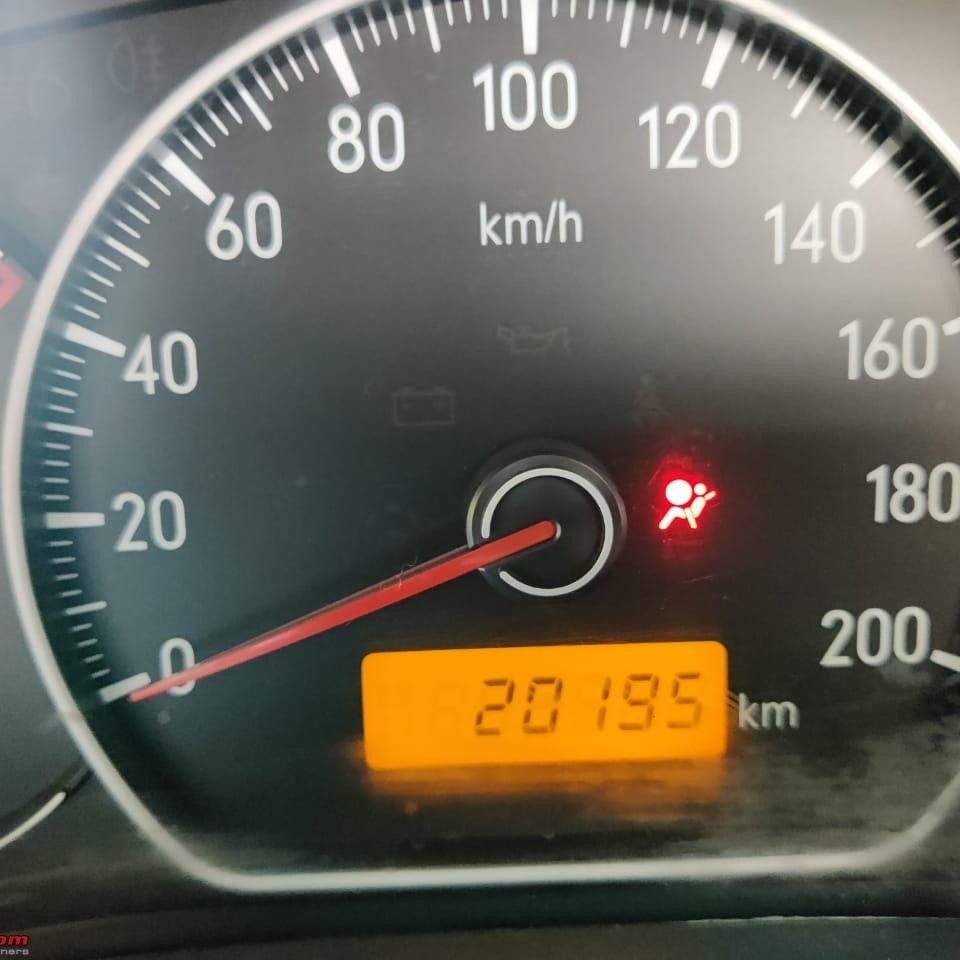 Cost Considerations for Airbag System Repairs
Repairing airbag light issues often involves varying costs. Understanding potential expenses helps plan for repairs.
Typical Costs for Sensor and Wiring Fixes
Sensor and wiring problems are common reasons for the airbag light staying on. Repairing or replacing these parts usually costs between $50 and $300. The exact price depends on the vehicle make, model, and the complexity of the wiring system. Labor charges may add extra cost, ranging from $75 to $150 per hour.
DIY fixes can cut costs for simple wiring repairs or sensor replacements. However, professional assistance ensures a proper fix, especially for complicated electrical systems. Investing in quality repairs prevents recurring issues.
Expenses for Airbag Module Replacement
Replacing the airbag module is often the most expensive repair. Costs typically range between $500 and $1,200. The module price depends on the type of vehicle and the manufacturer. High-end or luxury vehicle modules can be more expensive.
Labor costs for module replacement are higher due to specialized skills and equipment required. On average, labor charges are between $250 and $500. If the module only needs resetting, costs may be lower, around $100 to $250.
When considering module repairs, choose genuine replacement parts and experienced professionals. This ensures reliability and avoids future airbag light issues.
Understanding repair costs ahead of time lets drivers make informed decisions. Addressing airbag light problems promptly ensures safety and avoids unnecessary expenses.
Frequently Asked Questions
Common Concerns About the Airbag Light On
Will my car pass inspection with the airbag light on? In most states, yes. Emissions and brakes matter more. But some regions include safety checks.
Can I drive safely with the light on? Not recommended. Protection is reduced.
Does the airbag light drain the battery? No. It uses minimal power. The issue is system failure.
How much does it cost to fix? Simple fixes cost 50150. Complex repairs range from 400–1,000.
Can a dead battery cause the light? Yes. Low voltage triggers false faults. Recharge first.
Is it safe to buy a used car with the light on? Only if you plan to fix it. Verify repair estimates.
Can aftermarket seat covers affect it? Yes. Thick covers may interfere with weight sensors.
Where should I get it checked? Trusted mechanics, dealerships, or auto electric specialists.
 Final Thoughts
Why Addressing the Airbag Light On Is Non-Negotiable
The airbag light on is not just another dashboard warning. It signals a breakdown in one of your vehicle’s most critical safety systems. Ignoring it puts lives at risk. Whether you’re commuting, traveling with family, or simply running errands, having fully functional airbags matters. Modern diagnostics make identifying the cause easier than ever. With the right tools and knowledge, most issues are repairable. From worn sensors to faulty wiring, solutions exist. By taking action early, you restore protection and peace of mind. Ultimately, the airbag light on is a call to prioritize safety. Listen to it. Act now.