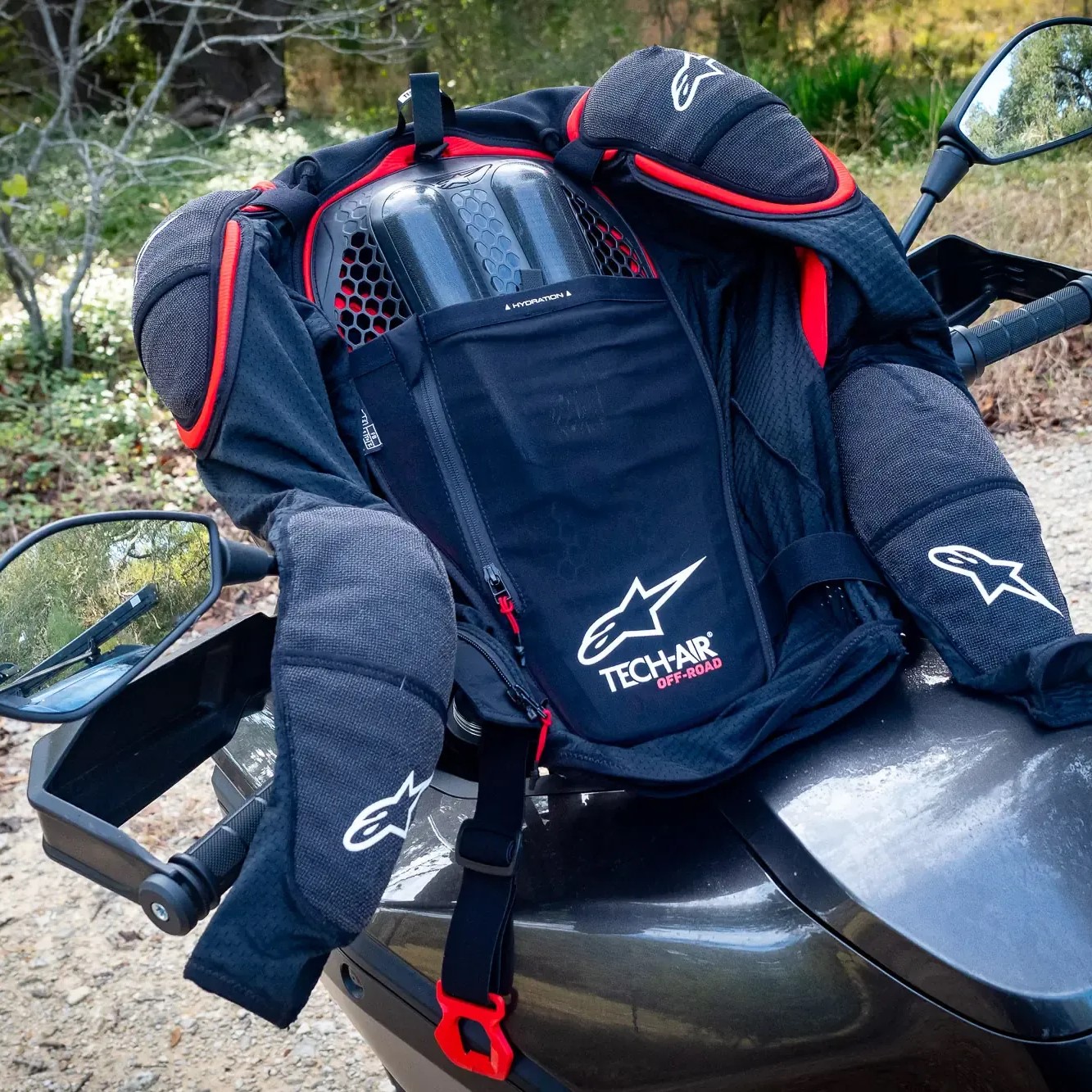
The airbag backpack has emerged as one of the most innovative safety tools for modern adventurers. Originally designed for motorcyclists, this wearable technology now serves cyclists, skiers, e-scooter riders, and even horseback riders. Its core function is simple but life-saving: it inflates instantly during a fall or collision. This rapid deployment cushions the head, neck, and spine. As urban commuting grows riskier with rising traffic density, the need for personal protection increases. Traditional helmets offer limited coverage. In contrast, an airbag backpack expands protection across vulnerable areas. Therefore, it fills a critical gap in personal safety gear.
Moreover, today’s models are lightweight, stylish, and easy to use. They no longer look bulky or awkward. Many resemble regular daypacks with hidden tech inside. Users wear them daily without discomfort. Sensors detect sudden movements or impacts. Within milliseconds, a small gas canister triggers inflation. The airbag wraps around the upper body like a protective collar. After deployment, most systems allow reset and reuse. Some require replacing only the cartridge. Others support full re-inflation. As cities promote cycling and micromobility, the airbag backpack becomes not just useful—but essential. It empowers people to move freely while reducing fear of injury.
 What Are Airbag Backpacks?
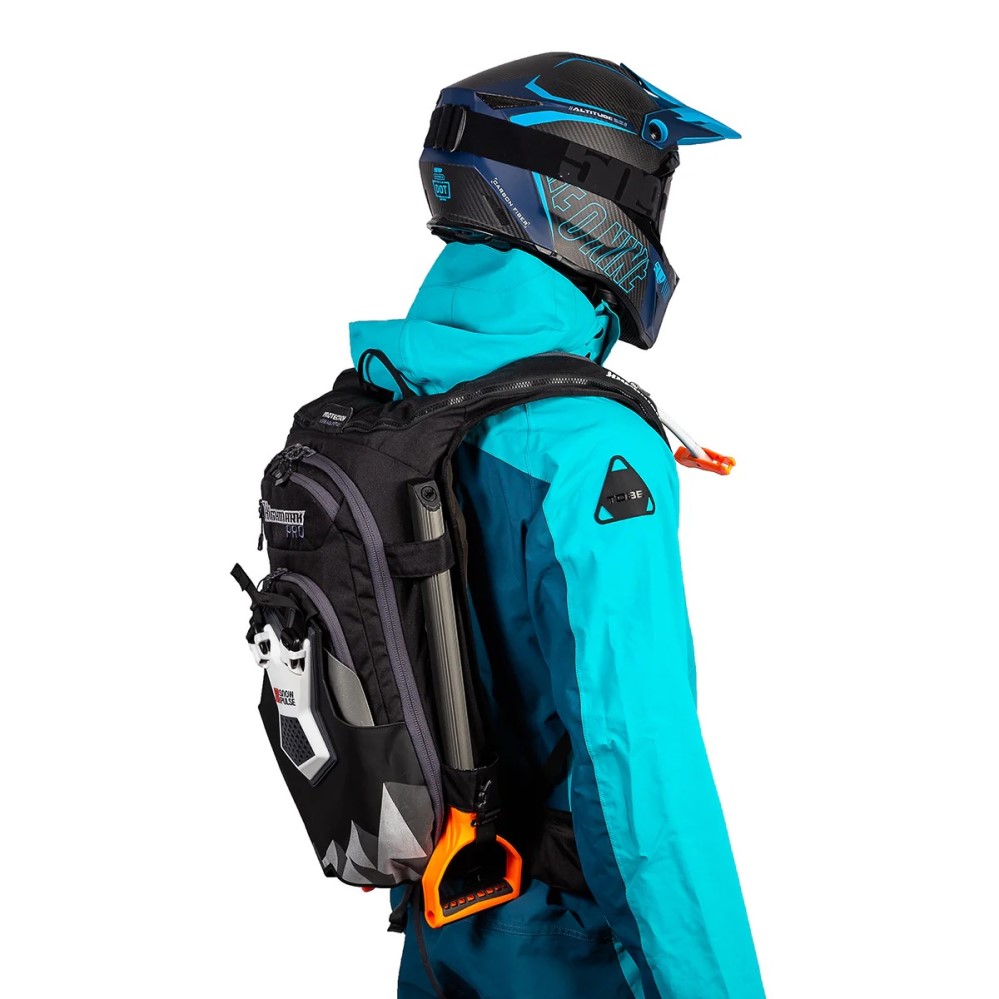
Airbag backpacks are designed to improve safety during outdoor adventures. They are commonly used in activities like skiing, snowboarding, and mountaineering. These backpacks come with built-in airbags that inflate quickly in emergencies. The system reduces your chances of being buried in avalanches. Their primary goal is to keep users on the surface, enhancing rescue visibility and survival odds.
Key Features of Airbag Backpacks
- Inflation Mechanisms: Equipped with gas canisters or electric fans for rapid inflation.
- Lightweight Design: Crafted for comfort, they balance safety with functionality.
- Durable Materials: Made with tear-resistant and weatherproof fabrics for tough conditions.
- Ergonomic Fit: Adjustable straps fit securely for stability during movement.
- Capacity Options: Varying sizes to store essentials without compromising safety.
- Compatibility: Some models support ski or snowboard attachments for extra convenience.
How They Differ From Regular Backpacks
- Safety Systems: Regular backpacks lack life-saving airbag systems.
- Weight: Airbag backpacks are slightly heavier due to inflation mechanisms.
- Specialized Use: Designed for high-risk activities; regular backpacks suit general use.
- Cost: Airbag backpacks are more expensive due to advanced technology.
- Maintenance: Require regular inspection compared to a standard backpack.
These features and differences make airbag backpacks an essential tool for outdoor safety.
The Technology
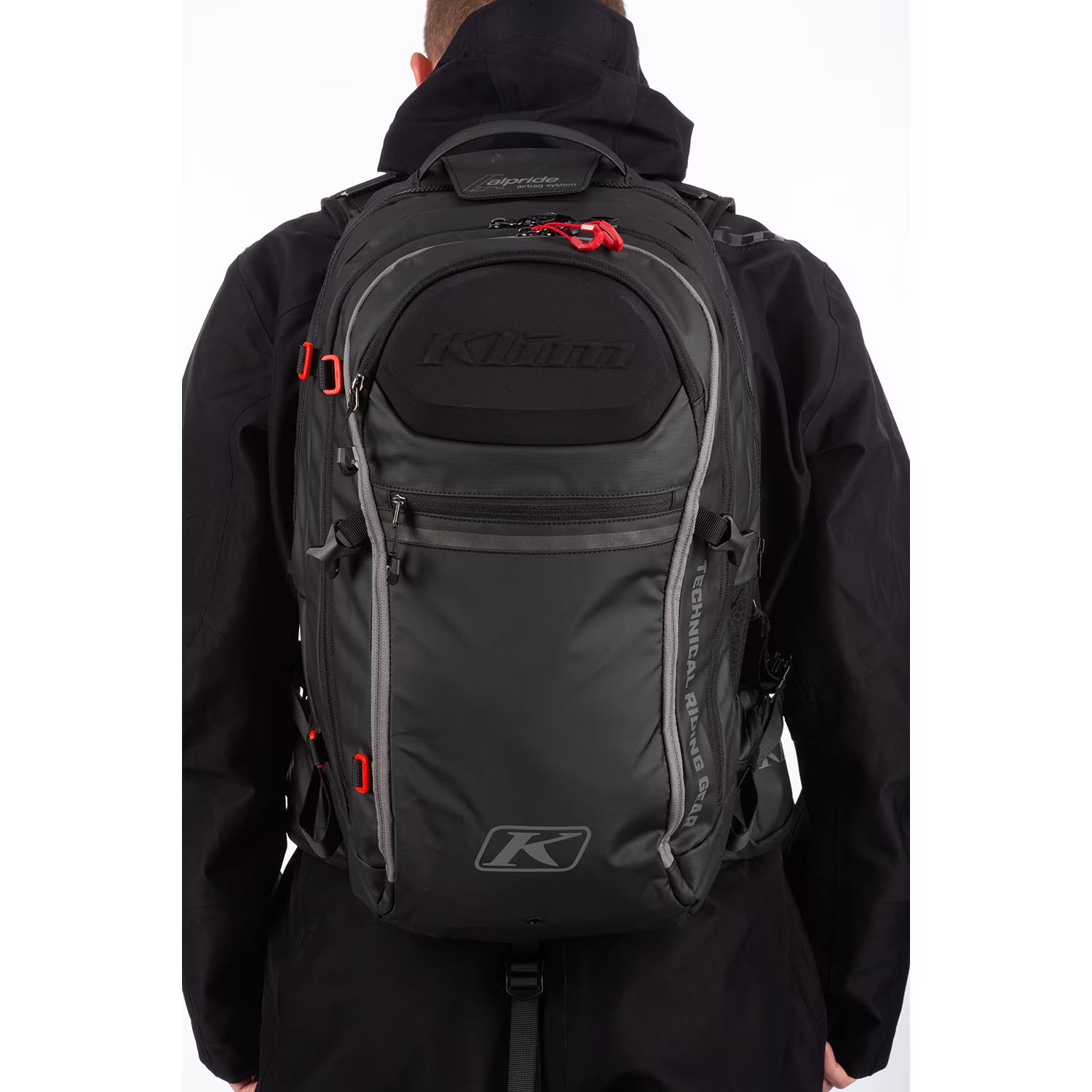
Airbag backpacks rely on advanced technology to improve safety during outdoor adventures. Their systems are designed for fast inflation and reliable activation during emergencies. Understanding the technology can help users trust the equipment and use it effectively.
Overview of Inflation Mechanisms
Airbag backpacks feature two main inflation systems: gas canisters and electric fans.
- Gas Canister Systems: These models use compressed gas to inflate the airbags. The gas is stored in lightweight cylinders. When triggered, a release system ruptures the seal, inflating the airbag in seconds. These are powerful, but the cylinders must be replaced or refilled after use.
- Electric Fan Systems: These rely on rechargeable batteries to power high-speed fans. When activated, the fan inflates the airbag quickly. Electric systems allow multiple inflations during the same trip. They are also less affected by altitude changes compared to gas systems. Maintenance involves keeping batteries charged.
Both systems are designed for reliability, ensuring rapid deployment when it matters most.
Sensors and Trigger Systems
The effectiveness of an airbag backpack depends on its trigger and detection systems. These components ensure timely activation during emergencies.
- Manual Triggers: Most models use a pull-handle system. The user manually activates the airbag by pulling the handle. This design prevents accidental inflation by ensuring deliberate action.
- Avalanche Detection Sensors: Advanced models include sensors that detect avalanches automatically. These systems analyze sudden movements and pressure changes to trigger inflation. While convenient, they complement, not replace, manual activation.
Both systems work together to ensure reliability, offering users peace of mind in high-risk scenarios.
The combination of inflation mechanisms and advanced trigger systems makes airbag backpacks highly dependable for outdoor safety.
 Benefits
Airbag backpacks offer several advantages, especially for those exploring high-risk outdoor environments. Their design prioritizes user safety while maintaining practicality and comfort during activities.
Enhanced Safety in Avalanche Situations
Airbag backpacks significantly improve survival chances in emergencies like avalanches. When triggered, the airbags rapidly inflate, keeping the user on the surface of the snow. This minimizes burial risk and makes rescue efforts more successful. The visibility of the inflated airbag increases the chances that rescuers can locate the user quickly. Additionally, advanced sensor-triggered models activate the airbags automatically, providing extra security when a manual trigger isn’t possible. These safety features make airbag backpacks indispensable for high-risk conditions.
Lightweight and Ergonomic Design
Despite their advanced technology, airbag backpacks are designed to be lightweight and user-friendly. Manufacturers use lightweight materials and compact inflation systems to ensure that these backpacks don’t hinder movement. Ergonomic straps and adjustable features improve comfort during physical activities like skiing and mountaineering. The balanced weight distribution prevents strain, allowing for longer usage without discomfort. Their versatility and ease of use make them suitable for a wide range of outdoor adventures.
Types of Airbag Backpacks Available
Airbag backpacks feature a range of designs tailored to different needs. Choosing the right type ensures optimal performance and safety during outdoor adventures.
Single-Chamber vs Multi-Chamber Designs
- Single-Chamber Airbags: These models have one inflatable chamber connected to the activation system. They are simpler and ideal for casual users. The single chamber inflates quickly, offering reliable protection. However, the design may expose users to higher risks if punctured.
- Multi-Chamber Airbags: These backpacks include multiple chambers for added safety. If one chamber fails due to damage, others remain functional. Multi-chamber designs improve durability and distribute air more evenly. They are suited for advanced users in extreme environments.
The choice between single-chamber and multi-chamber designs depends on risk levels and personal preference.
Popular Brands and Models
- ABS: Known for pioneering airbag backpacks, ABS offers innovative and dependable designs. Their models include advanced safety features and ergonomic fits.
- Black Diamond: This brand combines functionality with comfort. Black Diamond models often focus on lightweight designs for casual adventurers.
- Mammut: Mammut backpacks are sturdy and feature cutting-edge avalanche detection systems. Their airbag backpacks cater to professionals seeking enhanced safety.
- Ortovox: Valued for their multi-chamber designs, Ortovox products ensure durability and high reliability in emergencies.
- Backcountry Access (BCA): BCA specializes in user-friendly designs with intuitive manual triggers. Their backpacks emphasize simplicity without compromising safety.
These brands offer diverse options to meet varying outdoor needs. Choosing the right model depends on planned activities and required features.
 How to Choose the Right Backpack
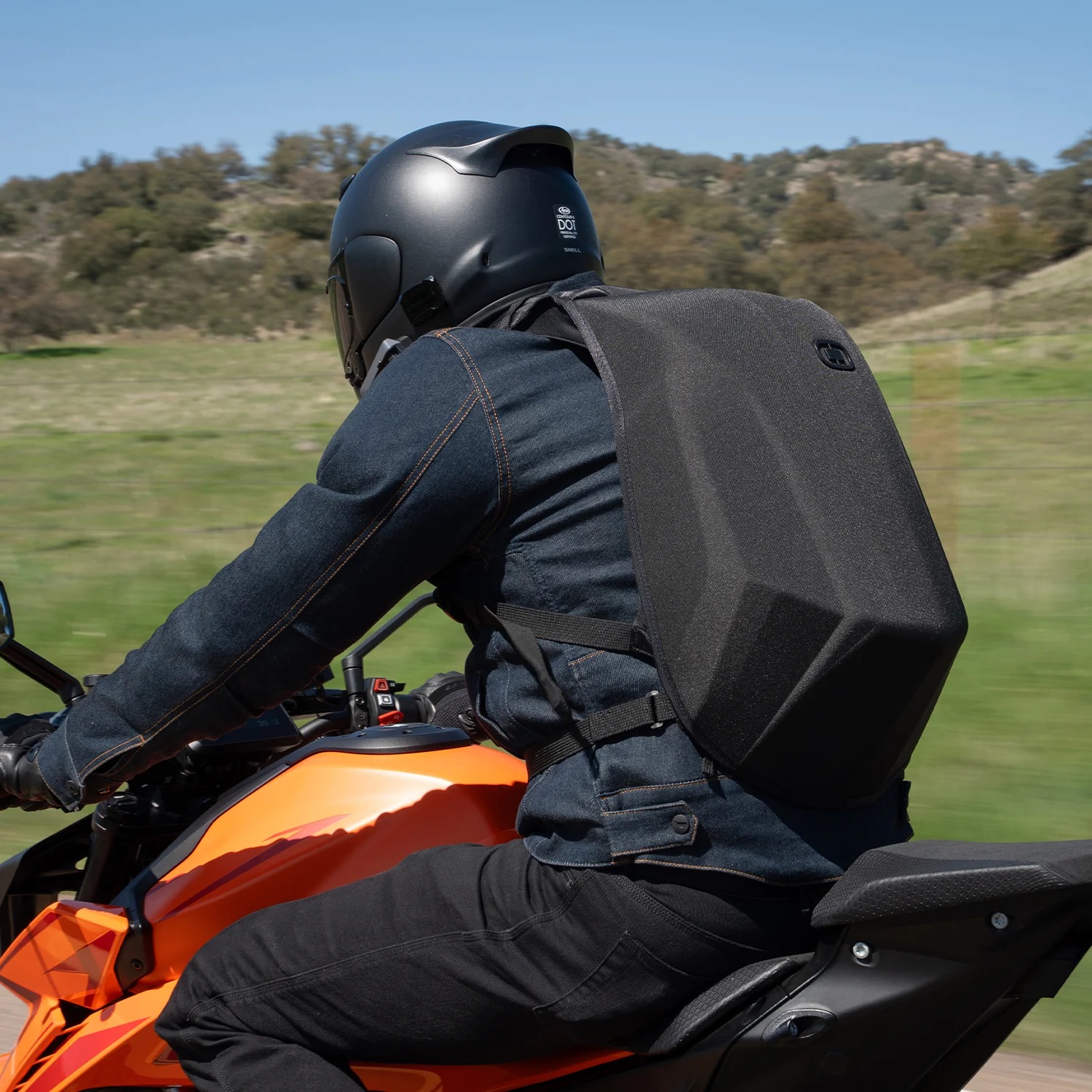
Selecting the right airbag backpack is crucial for safety and performance in outdoor activities. Various factors, such as your planned activity, the environment, and budget, influence the best choice. Here’s a detailed guide to help you make an informed decision.
Factors to Consider: Activity and Environment
- Planned Activities: Match the backpack design to your primary activity. Skiing, snowboarding, or mountaineering all have specific needs. For example, some backpacks offer ski and snowboard attachments for convenience.
- Environmental Conditions: Consider avalanche risks, terrain, and weather conditions. Rugged terrains may need more durable multi-chamber designs.
- Skill Level: Beginners may benefit from simpler single-chamber models. Experts may opt for advanced safety features like avalanche sensors.
- Capacity Requirements: Factor in the storage space you need. Ensure it can hold essentials like water, food, and gear while staying compact.
- Comfort and Fit: Look for ergonomic straps and adjustable features. A secure fit enhances stability during movements.
- Weight: Choose a lightweight design to avoid unnecessary strain. Lightweight backpacks improve mobility and reduce fatigue during long adventures.
Choosing a model that aligns with your activity and environment boosts safety and usability.
Budget vs. Features Trade-Off
- Budget-Friendly Options: These often come with core features like manual triggers and single-chamber airbags. They are suitable for casual users who need reliable safety at an affordable price.
- Mid-Range Models: Mid-tier options provide a balance of comfort, durability, and advanced features. Some might include lightweight components and moderate storage capacity.
- Premium Models: High-end backpacks feature cutting-edge technologies like automatic sensors and multi-chamber systems. They also use superior materials for maximum durability and comfort. These are ideal for professionals or frequent adventurers.
- Feature Prioritization: Identify which features matter most for your use case. Opt for necessary ones over luxury add-ons to stay within your budget.
While cost plays a role, prioritizing safety over price ensures lasting value. Weighing features against budget helps find the perfect airbag backpack for your needs.
Proper Usage and Maintenance Tips
Proper usage and maintenance are crucial to ensure the reliability of your airbag backpack. These guidelines help extend the backpack’s lifespan while enhancing your safety during outdoor activities.
Best Practices for Deployment
- Understand the Trigger Mechanism: Familiarize yourself with how to activate the airbag system. Practice using the manual pull handle in a safe environment.
- Pre-Inspection Before Use: Check the backpack for any visible damages. Inspect the inflation mechanism and ensure it’s secured.
- Test Activation: If the model allows safe testing, perform a trial inflation to confirm functionality.
- Pack Wisely: Avoid overloading the backpack. Keep essential items accessible and ensure proper weight distribution.
- Wear It Correctly: Adjust straps for a snug fit. A secure fit improves stability during movement.
- Act Quickly in Emergencies: Activate the airbag immediately during avalanches to maximize safety and visibility.
Routine Maintenance and Inspection Guides
- Regular Inspections: Check the system for wear and tear. Pay attention to valves, cylinders, and fabrics.
- Cylinder Refills or Replacements: Replace or refill gas canisters after deployment. Ensure compatibility with your backpack model.
- Battery Care for Electric Systems: Recharge batteries regularly. Test the battery before every trip to ensure it’s fully functional.
- Clean After Use: Wipe the backpack and airbag with a damp cloth. Remove dirt or debris to prevent damage.
- Store Properly: Keep it in a cool, dry place away from direct sunlight. Avoid heavy stacks on top to prevent structural deformation.
- Manufacturer Service Checks: Take the backpack for professional servicing as recommended by the manufacturer. Some brands offer inspection programs.
By following these guidelines, you ensure the airbag backpack works reliably when needed while extending its usability for future adventures.
 Regulations and Certification
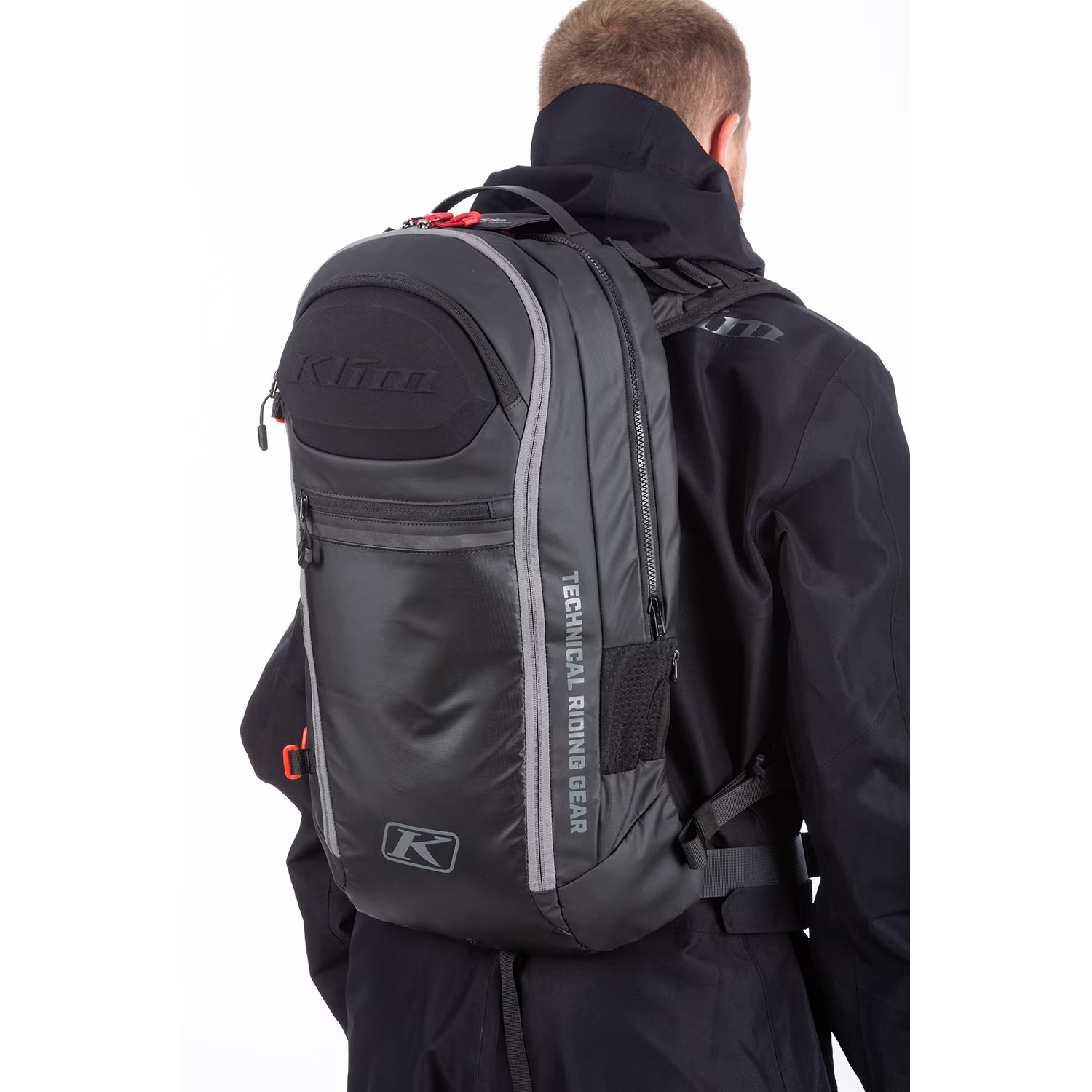
Regulations and certifications play a critical role in ensuring airbag backpacks meet safety standards. These guidelines ensure equipment reliability and effectiveness during emergencies.
Standards for Avalanche Airbag Systems
- International Standards: Avalanche airbag systems must adhere to ISO safety regulations for outdoor gear. These standards evaluate inflation speed, durability, and trigger system reliability. Following ISO guidelines guarantees dependable performance in harsh environments.
- Testing Protocols: Manufacturers test airbags under simulated avalanche conditions. Tests assess inflation mechanisms, airbag material strength, and usability during emergencies.
- Certification Labels: Look for backpacks featuring certifications from trusted bodies like T?V or CE. Certified models undergo rigorous quality checks to ensure safety and consistency.
- Environmental Compliance: Regulations also consider eco-friendly materials and safe disposal. Some brands use sustainable components to minimize environmental impact.
Meeting these standards ensures that airbag backpacks function reliably and meet safety expectations.
Importance of Certified Equipment
- Enhanced Safety: Certified airbag backpacks undergo strict testing for maximum reliability during emergencies. This reduces risks in high-risk situations like avalanches.
- User Trust: Certification assures users that the backpack complies with recognized safety benchmarks. This fosters confidence in their safety equipment.
- Legal Requirements: Certain regions mandate certification for outdoor safety gear. Using uncertified models can lead to penalties or restricted use.
- Durability and Performance: Certified backpacks use high-quality materials and advanced systems. This ensures durability as well as consistent performance across multiple uses.
- Manufacturer Accountability: Certification holds companies accountable for maintaining safety standards. Regular audits further ensure quality over time.
Certified airbag backpacks guarantee protection, offering peace of mind in challenging outdoor conditions.
 Frequently Asked Questions
Are Airbag Backpacks Worth the Investment?
Airbag backpacks can be expensive, but they provide life-saving benefits for outdoor adventurers. Their ability to minimize burial risks during avalanches makes them invaluable in high-risk environments. For activities like skiing, snowboarding, or mountaineering, this added safety can be crucial. Additionally, their durable build and advanced features ensure long-term use, justifying the cost. While they may not be necessary for casual outdoor enthusiasts, they are worth it for those engaging in extreme activities.
How Reliable Are the Systems During Emergencies?
The reliability of airbag backpacks depends on their design, maintenance, and proper use. Certified models undergo rigorous testing to ensure dependable performance in emergencies. Gas canister and electric fan inflation systems are both highly efficient and activate within seconds. However, regular maintenance, such as checking the trigger and inflation mechanisms, is critical for reliability. Users should also practice deploying the airbag to ensure confidence during real emergencies. With proper care, these systems are highly reliable and lifesaving in avalanche situations.