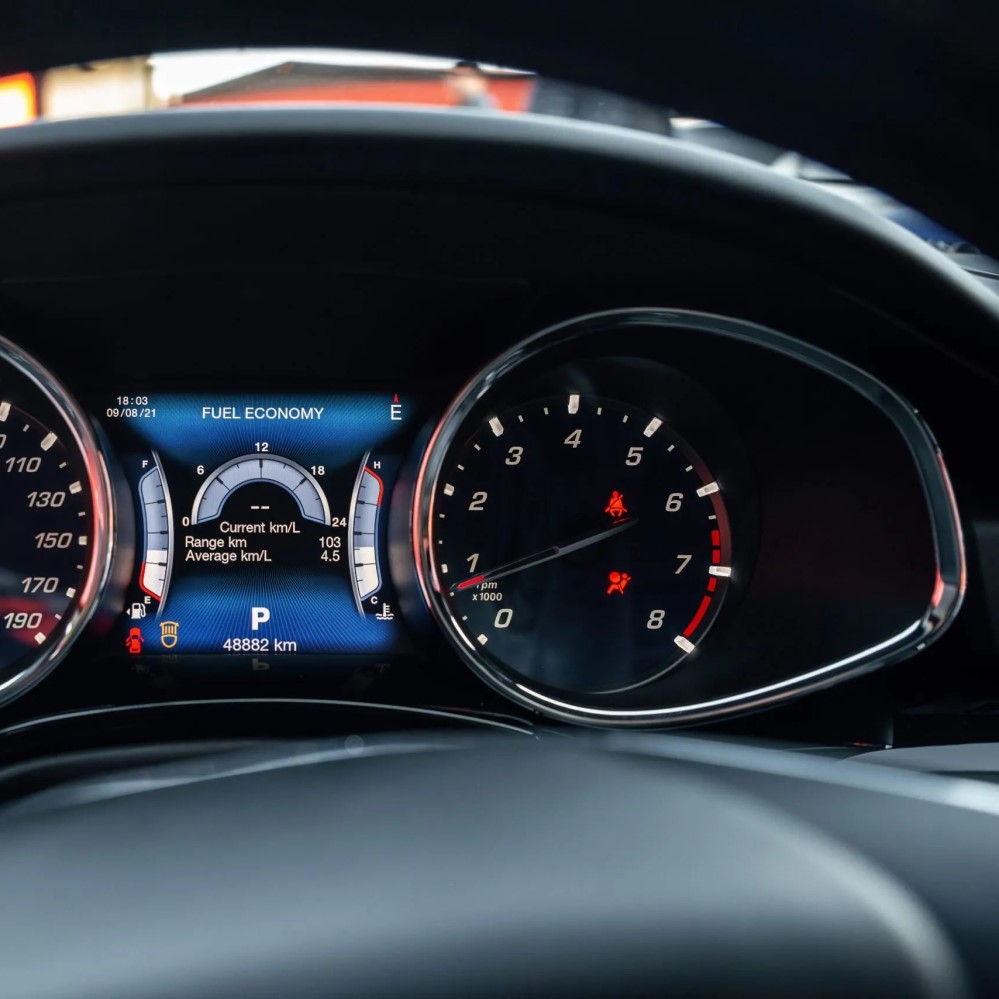
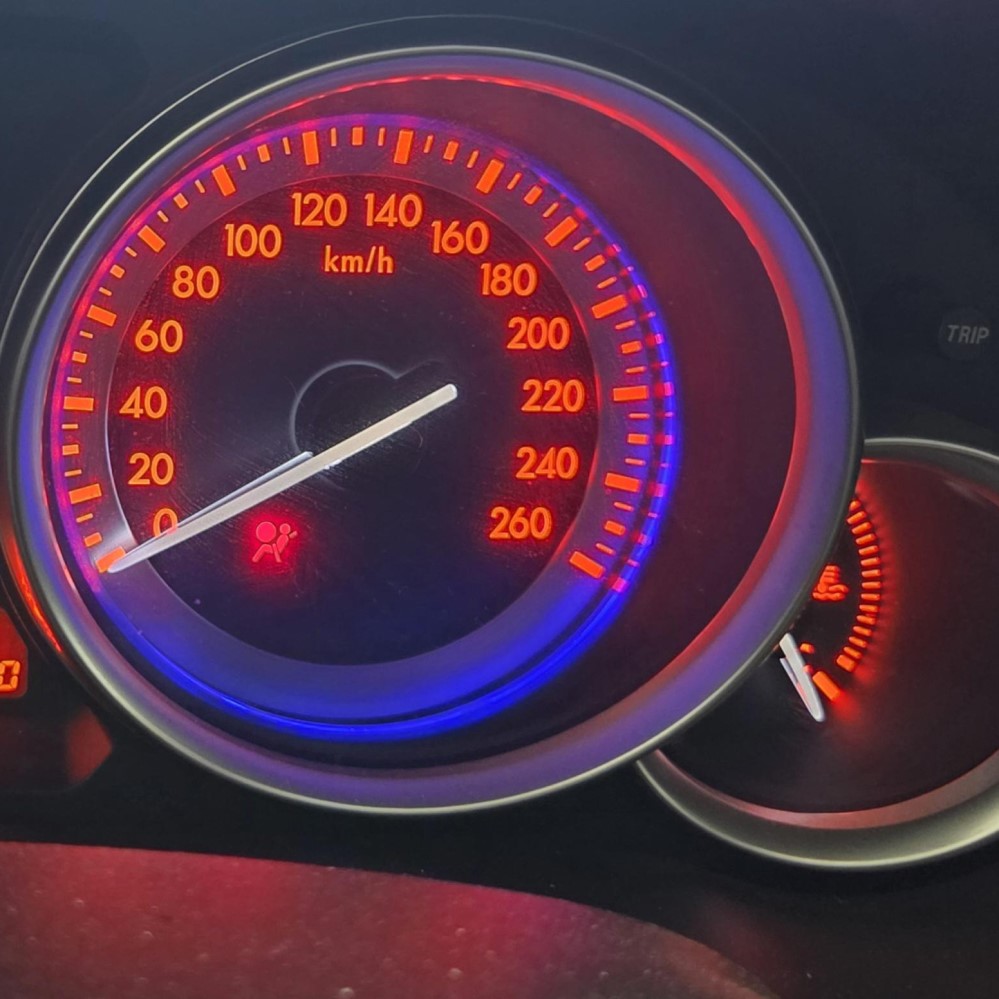
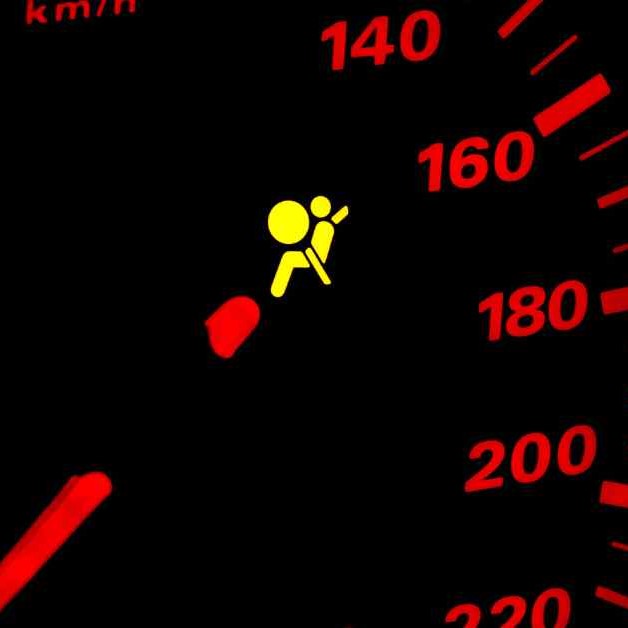
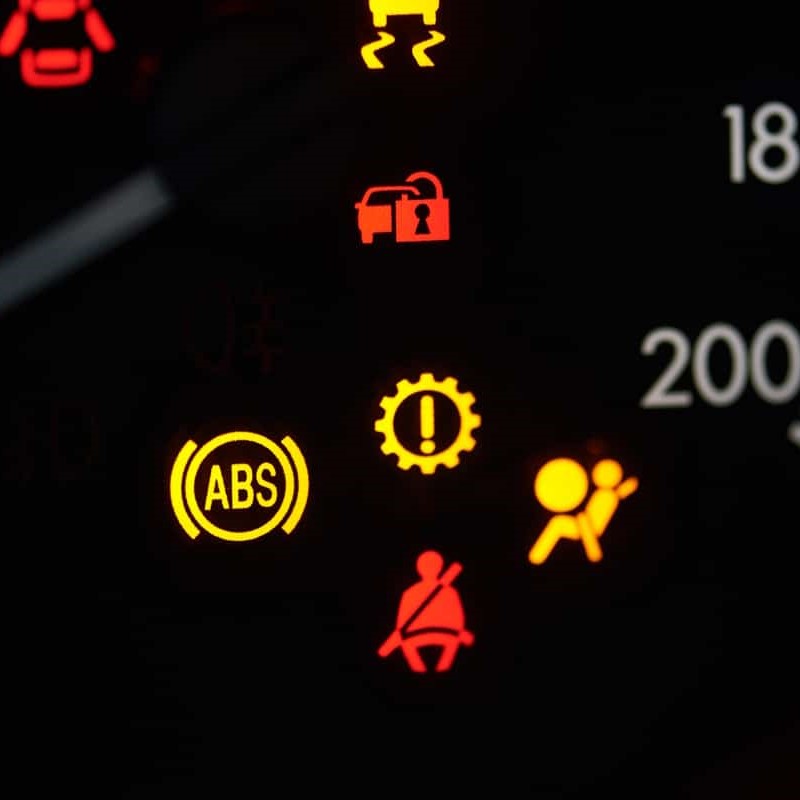
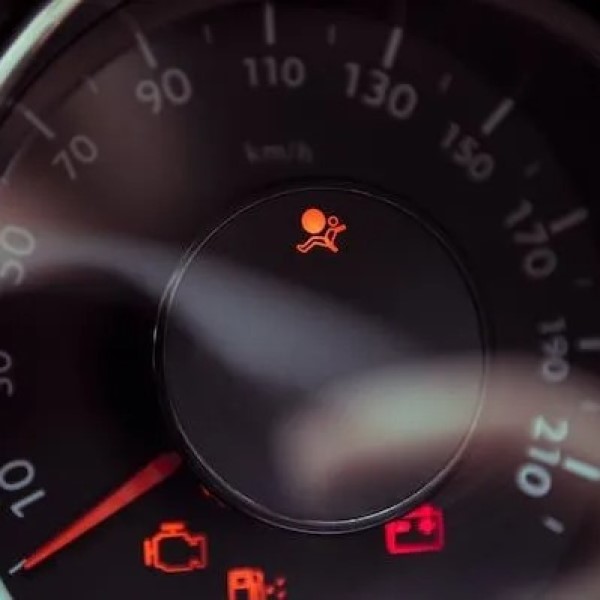
Seeing a warning on your dashboard causes anxiety. It signals a potential safety issue immediately. A service airbag light indicates a system fault. You must address this problem without delay. The airbag system protects you in crashes. Ignoring the light risks your safety greatly. Modern vehicles have complex sensor networks. These sensors monitor seat occupancy and impact. Any disruption triggers the warning signal. Drivers often panic when they see it. However, staying calm helps you act wisely. You should schedule a diagnostic check soon. Professional mechanics have the right tools. They can read error codes accurately. This step identifies the root cause. Do not ignore this critical warning sign. Your family depends on this system. Safety should always be your top priority. A service airbag light demands immediate action. It is not a suggestion to wait.
 Common Reasons for Airbag Light Activation
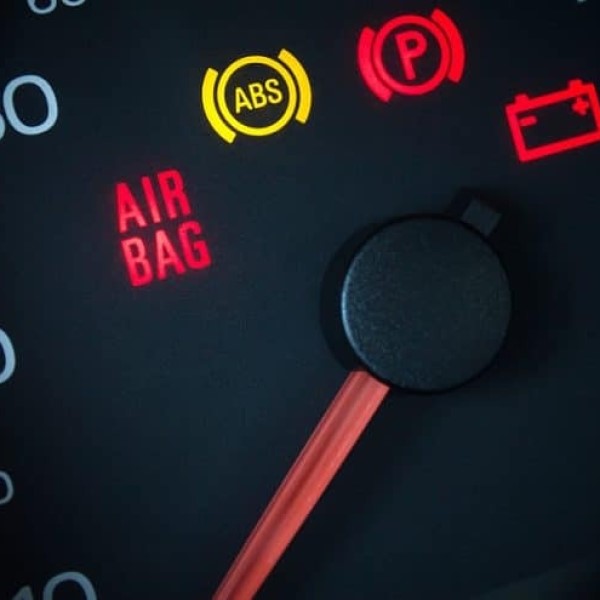
The airbag light in your car signals issues with the airbag system. Addressing this promptly ensures the system remains functional for your safety. Here are some common reasons for airbag light activation:
Faulty Airbag Sensors
Airbag sensors play a crucial role in detecting collisions. If they malfunction, the airbag system cannot correctly deploy. Wear and tear, impacts, or exposure to moisture can cause sensor damage. Regular checks can help spot issues early and prevent further complications.
Issues with the Clock Spring
The clock spring connects electrical components within the steering wheel, including the airbag system. A damaged clock spring can cut off communication between the airbag and the car’s system. This often results in the airbag light turning on. Symptoms may include a non-functioning horn or unexpected airbag warnings.
Battery Problems
Your vehicle’s battery powers the airbag system. If the battery is weak or recently replaced, it might trigger the airbag light. Ensure the battery has a proper connection and provides sufficient voltage. Running diagnostics soon after noticing battery-related problems is crucial.
Understanding and diagnosing these causes can help keep your airbag system reliable. Ensure timely repair to maintain safety while driving.
The Role of Airbags in Vehicle Safety
Airbags are critical safety features in modern vehicles. They work to reduce the severity of injuries during crashes. Understanding their role emphasizes why maintaining them is crucial for your safety.
Importance of Airbag Systems
Airbag systems save lives by cushioning passengers during sudden impacts. They supplement seat belts by reducing force on the body. Without airbags, injuries from collisions could be far more severe. Additionally, they help keep occupants from hitting hard surfaces like the dashboard or steering wheel.
Airbags deploy swiftly during accidents, usually within milliseconds. This rapid action prevents severe trauma. Maintaining a functional airbag system is essential for optimal safety. A non-working airbag compromises the effectiveness of your vehicle’s crash response system. Address issues, such as the “service airbag light,” immediately to ensure the system works as designed.
How Airbags Function During a Collision
Airbags rely on sensors to detect sudden deceleration or impact. When triggered, a chemical reaction inflates the airbag almost instantly. This inflation cushions occupants, reducing injury risks. Most airbags deploy along with seat belts for maximum safety.
The entire process happens in fractions of a second. Once deployed, airbags deflate to avoid trapping the occupants. Properly functioning sensors, connections, and modules ensure reliable deployment. If the “service airbag light” is on, it could indicate faults in these components. Timely repairs are crucial to maintaining this life-saving feature.
Airbags play an essential role in protecting occupants during high-impact situations. Ensuring their proper functionality should always be a priority.
 Diagnosing Airbag Light Issues
Identifying the cause of the “service airbag light” is crucial for your vehicle’s safety. Prompt diagnosis ensures potential faults are addressed quickly. Below are common methods and warning signs to help diagnose issues effectively.
Using Diagnostic Tools to Identify Faults
Diagnostic tools are essential for identifying airbag system problems. These devices connect to your car’s onboard system and retrieve error codes.
Here are key steps to diagnose using tools:
- Obtain an OBD-II Scanner: This tool reads error codes from your vehicle’s system.
- Connect the Scanner: Plug it into the OBD-II port, usually under the dashboard.
- Read the Codes: Follow the scanner’s instructions to access the codes related to the airbag system.
- Interpret the Codes: Each code corresponds to specific issues, such as faulty sensors or wiring problems.
- Seek Guidance: Use the scanner’s manual or online resources for code meanings and troubleshooting steps.
By using an OBD-II scanner, you can quickly pinpoint the issue causing the “service airbag light.”
Signs That Require Immediate Attention
Certain situations indicate urgent airbag system problems. These warning signs require prompt action to keep your vehicle safe:
- Flashing Airbag Light: A blinking airbag light usually signals severe system malfunctions.
- Consistently Illuminated Light: If the light stays on, it indicates ongoing system issues needing attention.
- Non-Functional Seat Belt Sensors: Airbag systems rely on seat belt sensors; their malfunction affects airbag deployment.
- Steering Wheel Warnings: Unresponsive horn or buttons can suggest clock spring issues in the airbag system.
- Post-Collision Errors: After an accident, airbags may need resetting, even if they didn’t deploy.
If any of these signs occur, address them immediately. Ignoring them can compromise the airbag system’s effectiveness.
Diagnosing airbag light issues early can prevent more costly repairs and ensure the system remains reliable.
Steps to Fix an Airbag Light Issue
Addressing the “service airbag light” issue promptly helps maintain your vehicle’s safety. Follow these steps to resolve common problems.
Resetting the Airbag Light
Resetting the airbag light is sometimes needed after repairs or sensor checks. Here’s how:
- Turn Off the Engine: Ensure the car is turned off before starting the reset process.
- Wait and Restart: Turn the key to “on” without starting the engine, then switch it off after 5 seconds. Repeat this three times.
- Check the Light: Start the engine to see if the airbag light resets.
If the light remains on, it may signal deeper issues like system faults.
Repairing or Replacing Damaged Components
Faulty components often trigger the “service airbag light.” Repair or replace them to fix the issue:
- Inspect Airbag Sensors: Damaged sensors need replacement to ensure proper airbag deployment.
- Check Wires: Look for frayed or disconnected wiring linked to the airbag system.
- Replace the Clock Spring: A malfunctioning clock spring disrupts communication with the system.
- Repair Seat Belt Sensors: Ensure seat belt sensors send accurate signals to the airbag system.
Timely repairs prevent further problems and ensure system functionality.
Consulting a Certified Mechanic
Some airbag light issues require professional expertise. A certified mechanic can:
- Perform a Complete Diagnostic: Mechanics identify complex faults using specialized tools.
- Replace Faulty Modules: Replace damaged airbag modules or control units as needed.
- Ensure Proper System Calibration: Professionals recalibrate and test the airbag system for reliability.
- Guarantee Lasting Repairs: Expert repairs provide long-term fixes and avoid recurring issues.
Consulting a certified mechanic ensures safe and thorough solutions for airbag light problems.
 Costs Associated with Airbag Light Repairs
Fixing the “service airbag light” often involves varying costs depending on the specific issue. Understanding these costs helps plan repairs more effectively.
Factors Affecting Repair Costs
Several factors impact the total cost of fixing an airbag light issue:
- Type of Problem: Simple fixes like resetting the system are cheaper than replacing components.
- Vehicle Model: Luxury cars usually have higher repair costs due to specialized parts.
- Component Replacement: Damaged sensors, wiring, or clock springs can significantly raise repair expenses.
- Labor Charges: Rates vary depending on the mechanic’s expertise and repair complexity.
- Diagnostic Fees: Mechanics may charge for identifying the root cause of the issue.
Understand these factors to evaluate your potential expenses accurately.
Typical Price Range for Common Issues
Here’s a breakdown of common airbag repairs and their costs:
- Airbag Sensor Replacement: $250–$350 depending on the vehicle.
- Clock Spring Repair: Typically costs between $200 and $400.
- Wiring Fixes: Simple repairs range from $50 to $150.
- Diagnostic Testing: Expect to pay $50–$100 for initial evaluations.
- Full Airbag System Repair: Severe cases, like module replacements, can cost $1,000 or more.
While minor issues can be relatively affordable, complex problems can come with higher costs. Address the “service airbag light” promptly to avoid escalating expenses.
Risks of Ignoring an Airbag Light
Failing to address the “service airbag light” can lead to significant risks. It compromises your car’s safety features. Here’s why you should never ignore it:
Potential Dangers During a Vehicle Collision
- Airbags May Not Deploy
- The airbag system could fail entirely during a crash.
- Without deployment, injury risks increase dramatically for all passengers.
- Reduced Protection for Passengers
- Airbags work with seat belts to reduce impact forces.
- A faulty system disrupts this crucial protection during accidents.
- Extended Recovery Times After Accidents
- Greater injuries mean longer medical treatments and time off for recovery.
- This could also mean higher medical costs.
Promptly addressing the “service airbag light” ensures the system performs when it is most needed.
Long-Term Costs of Neglecting Repairs
- Escalating Repair Expenses
- Ignoring small issues can lead to costly system failures.
- Component replacements, like sensors, become necessary if problems worsen.
- Decreased Vehicle Resale Value
- A non-functional airbag system lowers the car’s market value.
- Buyers often avoid vehicles with unresolved safety issues.
- Legal Problems
- In some regions, a malfunctioning airbag system may fail vehicle inspections.
- Driving a car in unsafe condition could lead to fines or penalties.
- Increased Liability in Accidents
- Injuries from a non-deploying airbag can complicate insurance claims.
- Liability for unaddressed safety issues might fall on the vehicle owner.
Ignoring the “service airbag light” isn’t just a financial risk—it endangers lives. Regular attention to this warning ensures both safety and peace of mind.
 Preventative Measures to Keep Your Airbag System Functional
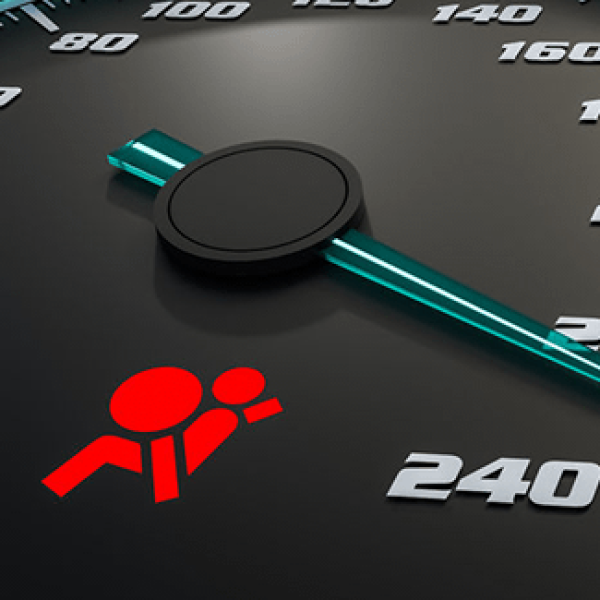
Ensuring your airbag system functions properly requires regular care and attention. Preventative measures can reduce risks and save you money on repairs. Here’s how to maintain your vehicle’s airbag system effectively:
Regular Maintenance Tips
- Inspect the Airbag Light Frequently
- Check the “service airbag light” every time you start your car.
- A consistently illuminated light might indicate unresolved issues needing immediate attention.
- Examine Wiring and Electrical Connections
- Inspect the airbag system’s wiring for damage or disconnections.
- Loose or frayed wiring can interfere with proper airbag deployment.
- Service the Clock Spring
- Ensure the clock spring in your steering wheel remains in good condition.
- Replace it if wear and tear disrupt communication with the airbag system.
- Keep Sensors Clean and Functional
- Dust and moisture can affect sensor accuracy.
- Periodically clean and test sensors to ensure they detect impacts properly.
- Check the Battery Regularly
- Ensure your car battery provides the required voltage.
- A weak or failing battery can disrupt the airbag system’s functionality.
- Follow the Manufacturer’s Maintenance Schedule
- Adhere to your car’s recommended service intervals.
- Regular inspections by a trusted mechanic help identify hidden airbag system issues early.
When to Seek Professional Inspection
- If the Airbag Light Stays On
- A prolonged “service airbag light” requires an expert’s diagnosis.
- Avoid delays, as unresolved issues may render the airbag system non-functional.
- Post-Accident Vehicle Assessments
- After a collision, have the airbag system professionally inspected.
- Even without deployment, impacts can disrupt sensors or module connections.
- When Electrical Issues Occur
- Problems like a non-working horn or dashboard warnings warrant professional evaluation.
- These could indicate faults in the clock spring or related components.
- Routine System Check-Ups
- Include airbag systems in annual vehicle inspections by a certified mechanic.
- Regular check-ups ensure long-term functionality and safety.
- If Resetting the Light Fails
- Persistent airbag warnings after a manual reset might signal deeper problems.
- Let a professional identify and fix complex issues.
Proactive maintenance and timely inspections ensure your airbag system remains reliable. You’ll improve safety and avoid costly failures by addressing issues early.
Common Questions About Airbag Lights
FAQ Section
Why does the light stay on?
The system detected a persistent fault. It will not reset automatically. A diagnostic scan is required. The specific code must be addressed. Clearing the code without fixing fails. The light returns immediately after restart.
Can I drive with the light on?
Technically, yes, but it is unsafe. The airbags may not deploy. You risk severe injury in a crash. Drive cautiously to a repair shop. Do not delay the inspection process. Safety is compromised until fixed.
How much does it cost to fix?
Costs range from fifty to thousands. Simple sensor fixes are cheaper. Module replacements are expensive. Labor rates vary by location. Dealerships charge more than independents. Get a detailed estimate first.
Will disconnecting the battery fix it?
No, this only resets the system. The fault code remains stored. The light will come back on. It does not repair physical damage. Proper diagnosis is still necessary. Temporary resets are not solutions.
 Final Conclusion and Advice
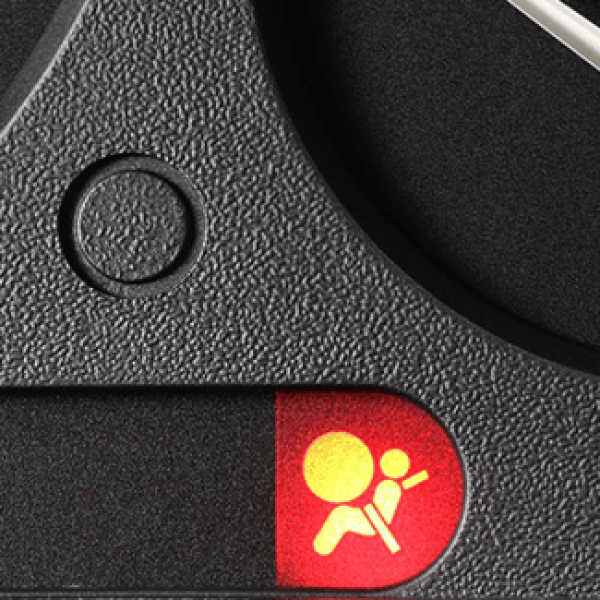
Addressing dashboard warnings is crucial. The airbag system saves lives daily. A service airbag light is a serious alert. Do not ignore this critical indicator. Prompt action ensures your safety. It protects your passengers effectively. Professional diagnosis is the best path. They identify the root cause accurately. Repairs restore full system functionality. You regain peace of mind driving. Regular maintenance prevents future issues. Keep your vehicle in top shape. Safety features require attention and care. Invest in your well-being today. A toyota tacoma pickup truck used or any car needs this care. Make safety your number one priority. Drive confidently with a working system.