Introduction
SRS airbags are essential for vehicle safety. They have saved countless lives during accidents. These advanced systems deploy rapidly to minimize injury risks. Understanding them helps drivers appreciate their value.
What Does SRS Stand For?
SRS stands for Supplemental Restraint System. It complements seat belts for improved safety. Unlike seat belts, SRS airbags provide additional cushioning during collisions. The term “supplemental” highlights its role as an additional protection measure.
Key Components of SRS Airbags
SRS airbags consist of several critical components:
- Airbags themselves: These are made of durable, lightweight fabric. They inflate instantly during impact.
- Inflation system: This generates gas to fill the airbags quickly. It operates in milliseconds.
- Sensors: These detect sudden deceleration or impact, triggering the deployment process.
- Control unit: This system manages timing and deployment decisions.
These components work together seamlessly to provide effective protection.
 The Role of Airbags SRS in Vehicle Safety
SRS airbags play a crucial role in ensuring passenger safety during accidents. They reduce injury risks by providing instant cushioning. This protection minimizes the impact on vital body areas like the head and chest. Let’s explore how they work to enhance safety and their differences from seat belts.
How Airbags Reduce Impact Injuries
Airbags are designed to absorb the force of a collision. When a crash happens, sensors detect sudden deceleration. The airbags deploy in milliseconds, creating a soft barrier between passengers and hard surfaces. They prevent direct contact with the steering wheel, dashboard, and windows.
This cushioning reduces head, neck, and chest injuries. The deployment is carefully calibrated to balance protection with minimizing additional harm. By absorbing crash energy, airbags act as lifesaving shields.
Difference Between Seat Belts and Airbags
Seat belts and airbags are both vital for occupant safety, but they serve distinct roles.
- Primary protection: Seat belts keep passengers secure and reduce movement during accidents. Airbags provide additional cushioning.
- Activation: Seat belts restrain occupants at all times. Airbags activate only during significant collisions.
- Focus areas: Seat belts distribute force across the body. Airbags protect the head, chest, and knees specifically.
Together, seat belts and airbags form a comprehensive safety system. Airbags alone are not enough; seat belts must always be worn for full protection.
Types of Airbags SRS
SRS airbags come in various types, each designed for specific protection areas. They enhance passenger safety by addressing different collision scenarios. Let’s explore the common types of SRS airbags.
Front Airbags
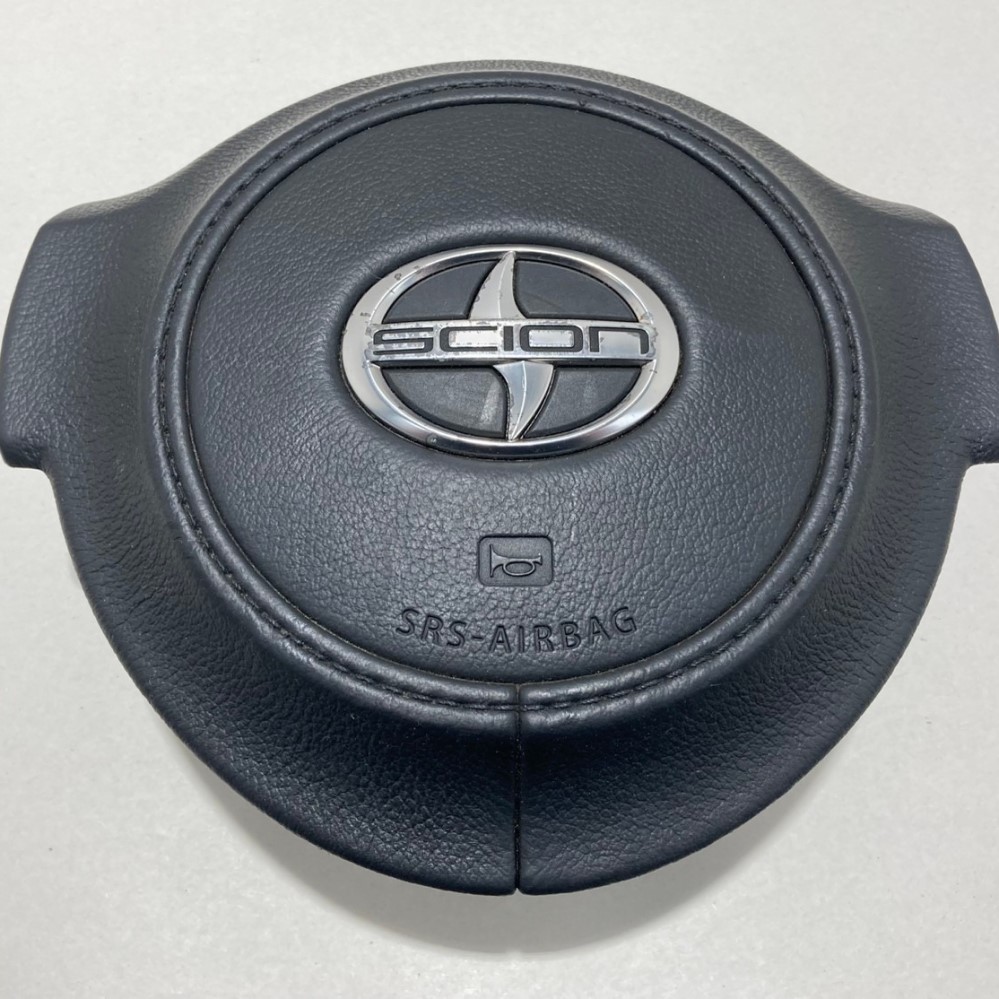
Front airbags are the most common and essential type of SRS airbags. They are installed in the steering wheel and dashboard. During frontal collisions, they deploy to protect the driver and front passenger. These airbags reduce head and chest injuries by creating a cushioning barrier. They work with seat belts to provide maximum protection.
Side and Curtain Airbags
Side airbags shield passengers during side-impact collisions. They are located in the side doors or seats. They protect the chest and pelvis by reducing impact forces.
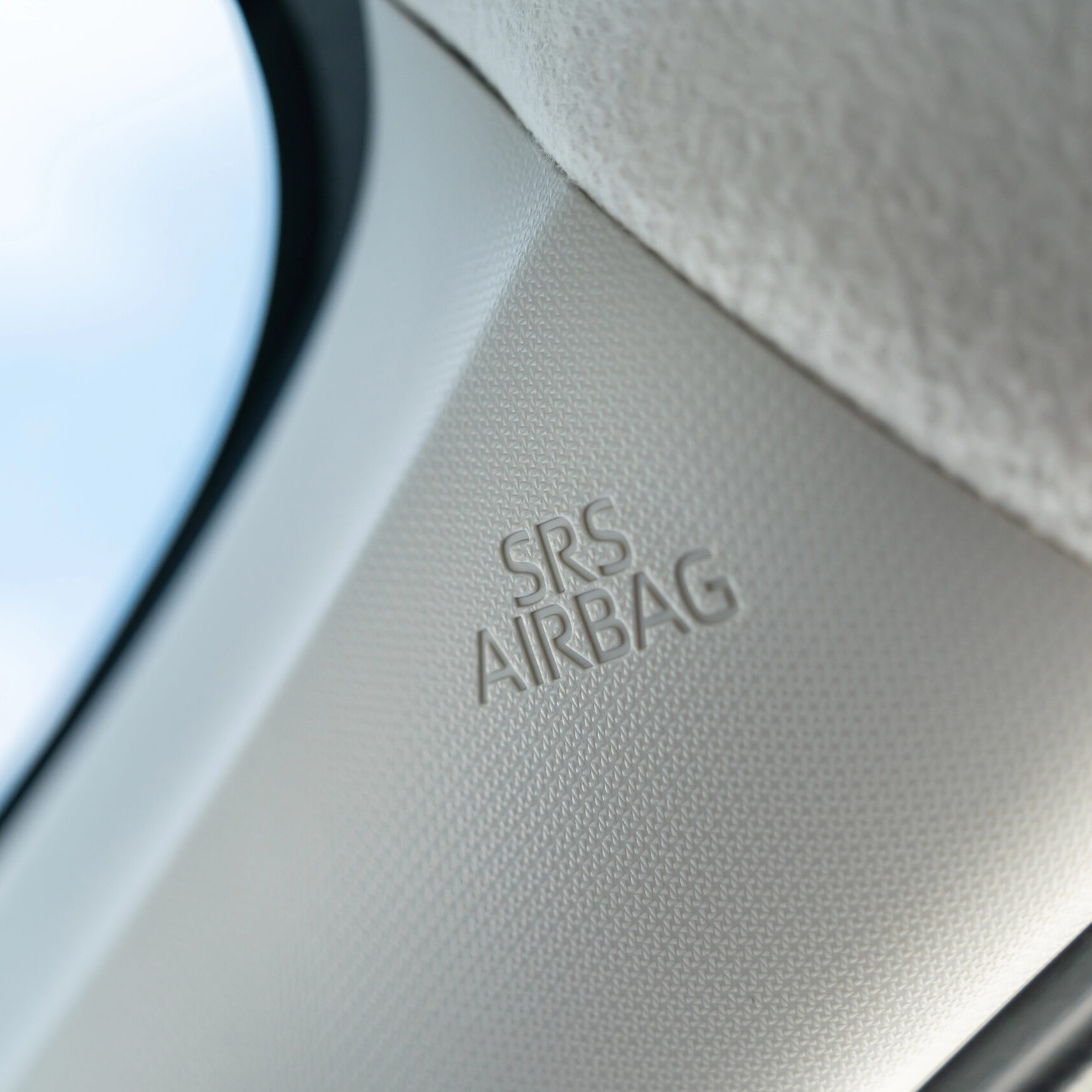
Curtain airbags, on the other hand, cover the windows during side collisions or rollovers. These airbags prevent head injuries by protecting passengers from hitting the side windows. They also help keep occupants inside the vehicle during rollovers.
Knee Airbags
Knee airbags protect the lower body, especially the knees and legs. They deploy under the steering column and dashboard. These airbags reduce leg injuries by absorbing the collision force. Knee airbags also improve driver positioning during accidents, increasing overall safety.
Each type of SRS airbag plays a vital safety role. Together, they create a comprehensive protection system for vehicle occupants.
 How Airbags SRS Work
SRS airbags function through a precise system designed to enhance passenger safety during collisions. This system involves sensors, deployment mechanisms, and force regulation. Understanding these processes reveals why airbags are so effective.
Sensors and Deployment Mechanism
Sensors play a key role in airbag deployment. They detect sudden deceleration or impact during a crash. These sensors send signals to the airbag control unit. The control unit instantly evaluates the situation to decide if deployment is needed.
The deployment mechanism then springs into action. It uses a gas generator to inflate the airbags within milliseconds. This quick deployment ensures passengers are protected before they collide with hard surfaces. The mechanism’s speed is critical in preventing injuries.
Timing and Force Regulation in Deployment
Airbag deployment timing is carefully calibrated. Early deployment may not offer sufficient protection, while late deployment can cause harm. Sensors and control units align to ensure deployment occurs at the perfect moment.
Force regulation is also essential for safety. Airbags must inflate with enough force to cushion passengers but not injure them. This balance reduces risks like airbag-induced injuries during accidents. The system adjusts based on the crash’s severity and passenger position.
Together, timing and force regulation ensure airbags operate effectively. These processes contribute to minimizing injuries and saving lives.
Advancements in Airbag Technology
SRS airbag technology continues to improve, ensuring enhanced safety for passengers. Modern innovations address various accident scenarios and cater to individual needs.
Adaptive Airbags for Personalized Protection
Adaptive airbags are an advanced feature in modern vehicles. They adjust deployment based on crash severity, passenger size, and seating position. This customization minimizes the risk of airbag-induced injuries.
For example, a lighter passenger receives a gentler deployment compared to a heavier one. The system uses sophisticated sensors to gather real-time data. These sensors help the airbag decide the speed and force of deployment.
These airbags improve safety for all passengers. They ensure that protection is effective and tailored to individual requirements.
Integration with Advanced Driver Assistance Systems (ADAS)
SRS airbags now integrate with Advanced Driver Assistance Systems (ADAS) for better safety. ADAS features, such as lane-keeping assist and collision warnings, work with airbag sensors. Together, they enhance responsiveness during accidents.
For instance, if ADAS detects an imminent collision, it can prepare the airbag system. This coordination allows airbags to deploy at the optimal time. Some systems even adjust for side, frontal, or rear impacts using predictive data.
By combining SRS airbags with ADAS, vehicles provide proactive and comprehensive safety solutions. This integration represents the future of accident prevention and passenger protection.
 Airbags SRS Maintenance and Safety Tips
Routine maintenance ensures that SRS airbags function correctly during emergencies. Let’s explore vital tips and common problems.
Importance of Regular Maintenance
Regular maintenance helps your SRS airbag system stay reliable and effective. Key practices include:
- Check warning lights: Airbag system lights signal potential issues. Address any warning signs immediately.
- Inspect sensors and wiring: Damaged sensors or wires hinder airbag deployment. Professionals should examine these components regularly.
- Update software: Modern airbags rely on software updates for accurate functionality. Keep your vehicle software current.
- Avoid tampering: Modifying or tampering with airbags can compromise their performance. Always seek professional servicing.
These steps enhance the safety and reliability of your SRS airbag system, reducing risks during accidents.
Common Problems and How to Address Them
SRS airbags may face issues. Identifying and resolving them ensures optimal protection. Common problems include:
- Faulty inflation systems: Malfunctions in inflation systems can delay airbag deployment. Replace defective parts promptly.
- Sensor failure: Defective sensors may fail to detect accidents. Regular inspections ensure proper sensor function.
- Electrical system issues: Wiring or battery problems can prevent airbag activation. Check and repair vehicle electronics as needed.
- Expired airbag units: Older airbags may lose effectiveness over time. Replace them per manufacturer guidelines.
Seek professional help for repairs or replacements. Proper care extends the life of your airbag system, ensuring passenger safety.
Regulations and Standards for Airbags SRS
SRS airbags are essential for modern safety, and strict standards ensure their effectiveness. Global regulations govern their design, testing, and deployment to protect passengers. Additionally, manufacturers follow specific standards to meet these safety requirements. Let’s delve into global certifications and differences among manufacturers.
Global Standards and Certifications
Global standards ensure airbags meet safety benchmarks worldwide. Key certifications and regulations include:
- UN Regulation No. 94: Focuses on frontal collision protection. It tests airbag systems during crashes.
- Federal Motor Vehicle Safety Standard (FMVSS) 208: Used in the U.S., mandates protection levels for airbags.
- ISO Standards: ISO 12097 specifies performance testing for airbag modules.
- European New Car Assessment Program (Euro NCAP): Rates vehicle safety, including airbag effectiveness.
These standards evaluate airbag functionality through impact tests. Manufacturers must comply to sell their vehicles globally. Certifications verify airbags work as intended, improving public trust.
Comparing SRS Airbags Across Manufacturers
Manufacturers design airbags differently based on technology, research, and regulatory compliance. Comparison factors include:
- Deployment Speed: Some brands offer faster airbag inflation systems for better crash protection.
- Material Quality: Airbags vary in fabric durability, impacting longevity and tear resistance.
- Integration with ADAS: Advanced airbag systems pair with ADAS for predictive deployments.
- Passenger-Specific Features: Some manufacturers include adaptive airbags tailored to individual passengers.
For example, premium vehicles often feature more advanced airbag systems. Economical models may focus on essential airbags rather than additional ones. Always review specifications to understand airbag performance across brands.
By adhering to stringent regulations and innovating their designs, manufacturers ensure passengers benefit from reliable SRS airbags.
 Airbag Deactivation and When It’s Necessary
There are times when disabling the srs airbag makes sense. Not every situation calls for automatic deployment. Some conditions require manual control.
One common case is using a rear-facing infant seat in the front. No vehicle allows this safely with the passenger airbag active. Turning it off is mandatory.
Another scenario involves medical conditions. Some people wear pacemakers or have fragile chests. Doctors may recommend deactivation for safety.
Short drivers who must sit close to the steering wheel are also at risk. If the chest is too near the hub, the srs airbag can cause harm.
Deactivation should only happen through official channels. Many cars have switches in the glove box. Others require dealer programming.
Never disconnect the system permanently unless advised. Driving without srs airbag protection increases danger in most cases.
After deactivation, inform all drivers. Post a warning label if possible. This prevents confusion during emergencies.
Reactivation is equally important. Once the condition changes, restore the system. Full protection should return when safe.
Thus, while disabling the srs airbag is rare, knowing how and when matters. It balances individual needs with overall safety.
Frequently Asked Questions About the Airbags SRS
What does SRS airbag mean?
SRS stands for Supplemental Restraint System. It refers to airbags designed to work with seat belts during crashes.
Can I drive my car after the SRS airbag deploys?
You can drive it short distances to a repair shop. However, the vehicle lacks full safety coverage. Get it serviced immediately.
Is the powder from an airbag dangerous?
No. The white dust is usually cornstarch or talcum. It helps the bag unfold smoothly. Clean it to avoid irritation.
Do airbags expire?
They don’t have a set expiration date. But they must be replaced after deployment. Old systems may need inspection after 10+ years.
Can I repair an SRS airbag myself?
Absolutely not. Only trained professionals should handle repairs. The system contains hazardous components.
Why did my airbag light come on after a battery change?
Battery issues can disrupt the srs airbag module. A simple reset may fix it. Otherwise, a scan tool is needed to clear errors.
Are all srs airbag systems the same?
No. Designs vary by manufacturer. Some use more sensors. Others offer advanced features like load sensing or multi-stage inflation.
Does cold weather affect the SRS airbag?
Modern systems work in extreme temperatures. Cold does not delay deployment. However, moisture can damage sensors over time.
These answers help users understand their srs airbag better. Knowledge leads to safer driving habits.
 Final Thoughts on the Importance of the Airbags SRS
The srs airbag has saved countless lives since its introduction. It plays a vital role in reducing fatal injuries during crashes.
From frontal impacts to side collisions, its presence improves survival odds. When combined with seat belts, protection reaches its peak.
Technology continues to advance. Future systems may include smarter sensors and faster response times. Integration with autonomous driving is likely.
For now, drivers must respect and maintain their srs airbag systems. Regular checks, proper seating, and awareness prevent failures.
Whether you drive a sedan, SUV, or truck, the srs airbag is a standard guardian. It works silently until the moment it’s needed.
In conclusion, the srs airbag is more than a feature. It is a cornerstone of automotive safety. Every driver benefits from understanding and honoring its function.