When you look under the hood of any motorcycle, the heart of its performance lies in the engine. A deep understanding of the parts of a motorcycle engine helps riders appreciate how power is generated and transferred. It also assists in maintenance, troubleshooting, and upgrades. Every rider benefits from knowing what makes their machine run smoothly.
 Overview of Motorcycle Engines
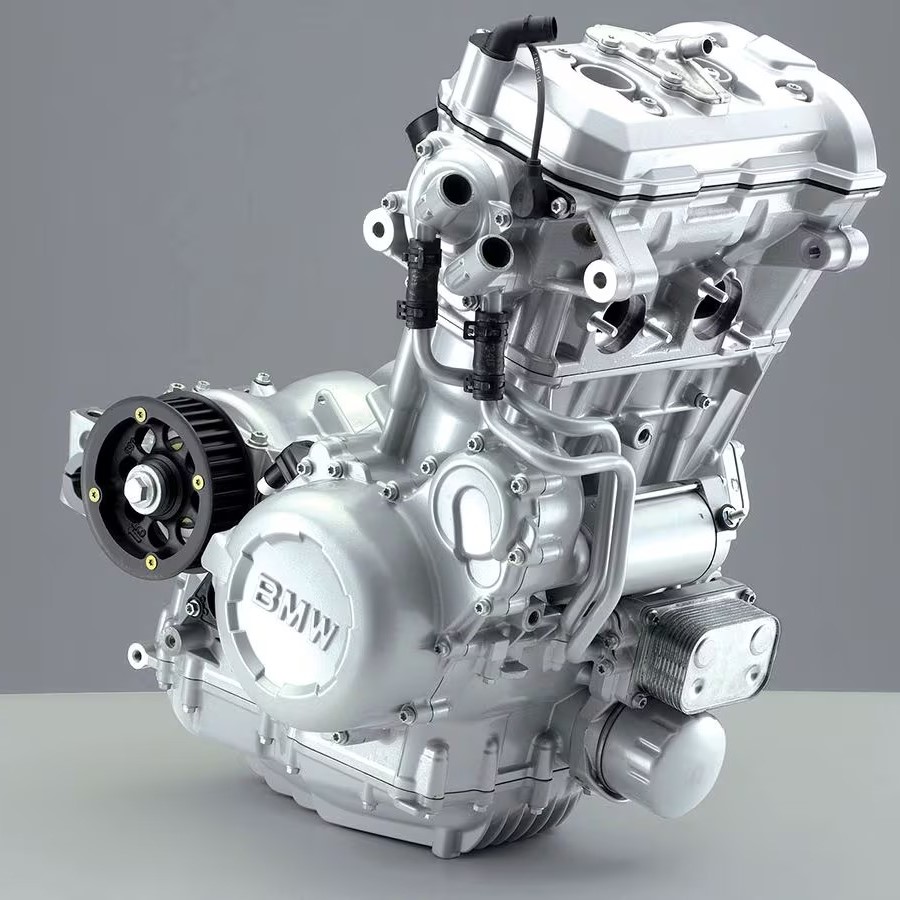
Motorcycle engines power the vehicle and determine its performance. These engines are compact yet highly efficient. They come in a variety of designs and configurations. The engine transforms fuel into energy, driving the motorcycle forward.
Motorcycle engines mainly operate on an internal combustion process. This involves igniting a fuel-air mixture within the engine’s cylinders. The explosion pushes pistons, which in turn rotate the crankshaft. This rotation eventually powers the rear wheel.
Most motorcycles use either two-stroke or four-stroke engines. Two-stroke engines are lighter and simpler but less fuel-efficient. Four-stroke engines are common for better efficiency and smoother operation. Some motorcycles are electric, using a battery-powered motor instead of a combustion engine.
Engine placement varies across motorcycles. It may be inline, V-shaped, or flat. Each design affects the bike’s weight distribution and handling. Engine size, measured in cubic centimeters (cc), influences power output. Smaller engines (up to 500cc) suit beginners, while larger ones (over 1000cc) are for professionals.
Understanding the basics of motorcycle engines helps riders choose the right bike. It also aids in identifying potential issues for proper maintenance.
Major Components of a Motorcycle Engine
The motorcycle engine has many essential parts. Each part plays a key role in producing power. Understanding these components helps in maintenance and repair. Below are the major components explained in detail.
Cylinder and Cylinder Head
The cylinder is the heart of the engine. It is where combustion happens. Inside the cylinder, the fuel-air mixture ignites, creating energy.
The cylinder head sits on top of the cylinder. It covers the combustion chamber. It also houses valves and spark plugs. These parts help control airflow and initiate combustion. The material of the cylinder head is lightweight and durable, often made of aluminum alloy.
Pistons and Piston Rings
The piston moves up and down inside the cylinder. It transfers energy from combustion to the crankshaft. Pistons are typically made from aluminum for lightness and durability.
Piston rings seal the gap between the piston and the cylinder wall. Their job is to prevent gas leakage. They also reduce oil consumption and maintain engine compression.
Crankshaft and Connecting Rod
The crankshaft converts the piston’s up-and-down motion into rotational motion. This rotation powers the motorcycle. The crankshaft is sturdy to handle the engine’s force.
The connecting rod links the piston to the crankshaft. It moves as the piston moves, transferring energy. Maintaining the connecting rod ensures smooth engine operation.
Camshaft and Timing Chain
The camshaft controls the opening and closing of engine valves. It ensures proper air and fuel flow. The camshaft is synchronized with the crankshaft.
The timing chain connects the camshaft and crankshaft. It ensures they move at the right time. A properly functioning timing chain maintains engine efficiency and performance.
 Different Types of Motorcycle Engines
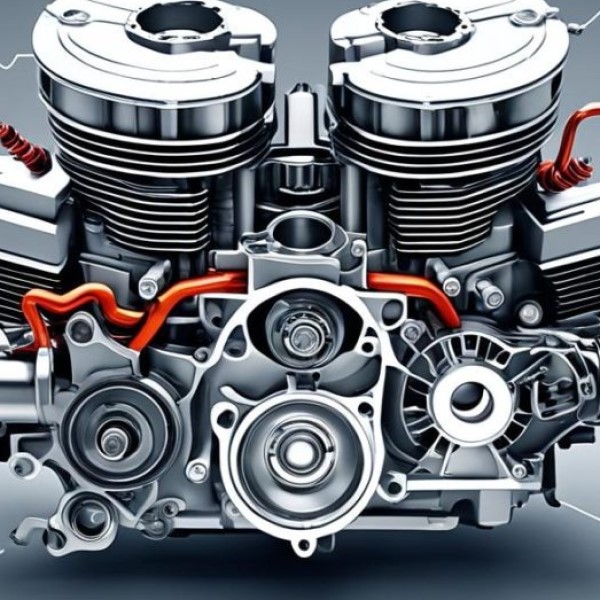
Motorcycle engines come in many types. Each type works differently and suits various riding needs.
Two-Stroke Engines
Two-stroke engines are lightweight and simple. They complete a power cycle in two strokes. This makes them faster and easier to maintain. However, they consume more fuel and produce more emissions.
Four-Stroke Engines
Four-stroke engines are common in motorcycles. They complete a power cycle in four strokes. These engines are fuel-efficient and perform smoothly. They also last longer but are heavier and more complex.
Electric Engines
Electric motorcycles use battery-powered motors. They are quiet and eco-friendly. These engines require less maintenance but depend on battery capacity. Electric motorcycles are ideal for urban commuting.
Engine Configurations
Motorcycle engines have different configurations. Inline engines are compact and balanced. V-shaped engines offer high power and sleek designs. Flat engines provide stability and lower center gravity.
Specialty Engines
Some motorcycles feature rotary engines or turbocharged engines. Rotary engines are compact and unique. Turbocharged engines boost power and efficiency.
Choosing the right engine depends on your riding style and preferences. Understanding these types helps in making informed decisions.
Fuel System and Carburetor Components
The fuel system and carburetor ensure your motorcycle gets the right fuel-air mix. Both are crucial for smooth engine performance and efficiency.
Fuel System
The fuel system stores, transports, and delivers fuel to the engine. Key parts include:
- Fuel Tank: Holds gasoline or diesel. A durable tank ensures safe storage.
- Fuel Pump: Moves fuel from the tank to the engine. Modern motorcycles often use electric pumps.
- Fuel Filter: Screens out dirt and debris. Clean filters prevent engine blockages.
- Fuel Injector (or Carburetor): Delivers fuel to the engine in precise amounts.
Proper maintenance of these parts is essential. Clean fuel filters and check pumps regularly for optimal operation.
Carburetor Components
The carburetor blends fuel with air for combustion. It consists of several components:
- Throttle Valve: Controls air entry based on rider input. It adjusts the fuel-air mixture.
- Float Chamber: Stores fuel before it’s drawn into the engine. It keeps fuel level consistent.
- Jets: Regulate how much fuel enters the combustion chamber. They maintain proper air-fuel ratios.
- Venturi Tube: A narrow tube that creates suction to mix air and fuel effectively.
Maintaining a clean carburetor is key to preventing fuel clogs. Seek professional help to calibrate jets and floats accurately.
Understanding the fuel system and carburetor components helps ensure healthy engine performance. Regular checks avoid fuel-related issues.
 Cooling System: Air-Cooled vs Liquid-Cooled Engines
Motorcycle engines rely on cooling systems to maintain optimal temperature during operation. Proper cooling prevents overheating and ensures consistent performance. Two common systems are air-cooled and liquid-cooled engines, each with unique features and benefits.
Air-Cooled Engines
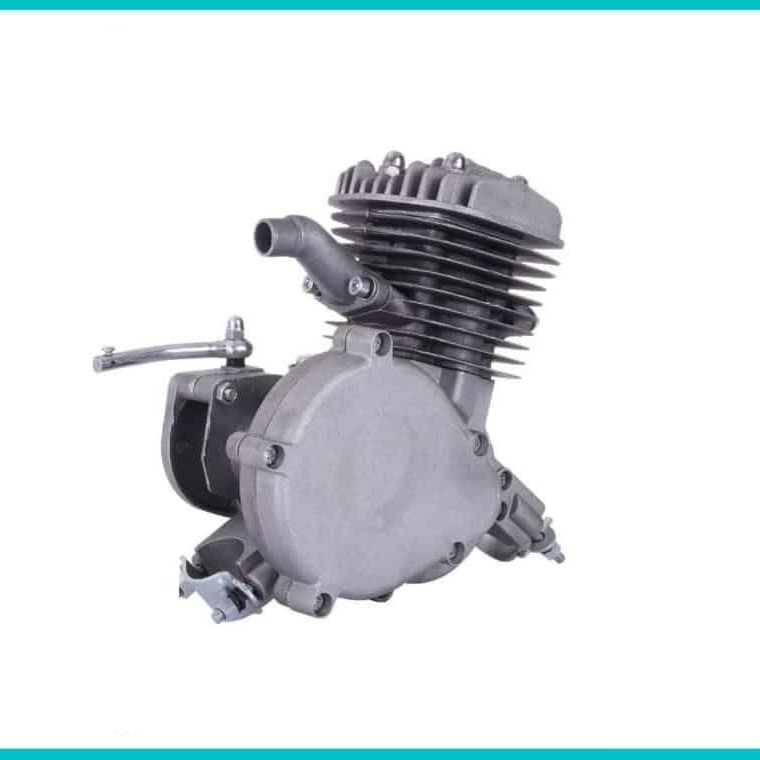
Air-cooled engines use airflow to reduce heat. Cooling fins on the exterior dissipate heat efficiently. These engines are simpler and lighter, making them popular in smaller motorcycles or off-road bikes.
Advantages:
- Cost-effective design with fewer components.
- Lightweight and easy to maintain.
- Ideal for casual and off-road riding.
Limitations:
- Less effective in extremely hot conditions.
- Performance drops in heavy traffic or low-speed situations.
Liquid-Cooled Engines
Liquid-cooled engines use coolant to manage heat. Coolant circulates through channels, absorbing engine heat. A radiator expels the heat outside the motorcycle. These engines are found in high-performance and sport bikes.
Advantages:
- Advanced cooling performance for prolonged use.
- Suitable for high-speed, heavy-load riding.
- Quiet operation due to better temperature control.
Limitations:
- More complex and heavier design.
- Requires regular maintenance for coolant and radiator.
- Higher cost compared to air-cooled systems.
Choosing the Right System
Selection depends on your riding needs and environment. Air-cooled engines suit leisure riders in cooler climates. Liquid-cooled engines are better for long rides, high speeds, or hot areas.
Understanding these systems allows you to make informed decisions. Regular checks and maintenance ensure efficient cooling regardless of the engine type.
Common Maintenance for Motorcycle Engine Parts
Regular maintenance keeps motorcycle engines running smoothly. It prevents breakdowns and extends engine life. Below are key maintenance tasks for essential parts.
Cylinder and Cylinder Head
Clean the cylinder and cylinder head regularly. Remove carbon buildup to ensure optimal combustion.
Check the cylinder head gasket for leaks. Replace worn-out gaskets to maintain compression.
Inspect the valves and spark plugs. Clean or replace them as needed for smooth airflow and ignition.
Pistons and Piston Rings
Inspect the piston for wear and damage. Replace if necessary to prevent engine knock.
Check the piston rings for gaps or deformation. Replace worn rings to maintain sealing.
Apply proper lubrication to the piston and rings. This prevents friction and reduces wear.
Crankshaft and Connecting Rod
Inspect the crankshaft for bends or cracks. Replace damaged crankshafts immediately.
Check the connecting rod for wear at both ends. Replace worn bearings to avoid engine noise.
Ensure proper lubrication for the crankshaft and connecting rod. This reduces stress during engine operation.
Camshaft and Timing Chain
Check the camshaft for wear or distortion. A damaged camshaft affects valve timing.
Inspect the timing chain for slack or damage. Adjust or replace the chain if needed.
Clean and lubricate both the camshaft and timing chain. This ensures smooth rotations.
Fuel System and Carburetor Components
Clean the fuel tank regularly to prevent rust. Empty old fuel from the tank.
Replace the fuel filter periodically. A clogged filter reduces engine performance.
Inspect the fuel pump for issues. Malfunctioning pumps disrupt fuel delivery.
Clean the carburetor jets and float chamber. Ensure a proper fuel-air mixture for combustion.
Cooling System: Air-Cooled and Liquid-Cooled
Check cooling fins and clean them if dirty. Dirty fins reduce airflow in air-cooled engines.
For liquid-cooled engines, inspect coolant levels and radiator. Refill coolant and clean radiator as needed.
Replace damaged hoses or seals in the cooling system to prevent leaks or overheating.
Regular Tune-Ups and Inspection
Perform regular engine tune-ups. Adjust components to ensure steady and reliable performance.
Inspect for unusual noises or vibrations. Early detection prevents costly repairs.
Follow the manufacturer’s maintenance schedule strictly. This ensures all parts function properly.
Common maintenance tasks ensure your motorcycle engine stays efficient and reliable. Regular care minimizes issues and maximizes engine performance.
 Signs and Symptoms of Engine Problems
Recognizing engine problems early can save you from costly repairs. Here are common signs to watch out for:
Unusual Noises
- Knocking or pinging sounds often indicate engine misfiring or worn components.
- Clicking noises may point to low oil levels or a malfunctioning valve.
- Squealing sounds usually come from a loose or worn belt in the engine.
Loss of Power
- A noticeable drop in acceleration signals engine inefficiency or fuel delivery issues.
- Reduced top speed could indicate problems with the spark plugs or air filter.
- Hesitation during throttle may result from a malfunctioning fuel injector.
Excessive Exhaust Smoke
- Blue smoke shows oil is burning, which may mean damaged piston rings or valves.
- Black smoke signals a rich fuel mixture, likely caused by carburetor or injector issues.
- White smoke suggests coolant is leaking into the combustion chamber.
Overheating
- High engine temperature or frequent overheating might indicate coolant system failure.
- Low coolant levels or radiator leaks can also cause overheating.
- A broken thermostat could prevent proper engine cooling.
Poor Fuel Efficiency
- A sudden drop in mileage points to problems in the fuel system or spark plugs.
- Improper carburetor settings can also lead to higher fuel consumption.
Engine Stalling or Difficulty Starting
- Stalling could result from a failing ignition system or clogged carburetor.
- Difficulty starting might mean a weak battery, faulty starter motor, or worn spark plugs.
Warning Lights
- An illuminated engine light on the dashboard signals a detected issue.
- Take the motorcycle to a mechanic for immediate diagnosis and repair.
Being aware of these signs helps in addressing problems early. Routine engine checks can prevent most issues. If symptoms persist, consult a professional.
Frequently Asked Questions About Motorcycle Engines
What Are the Main Parts of a Motorcycle Engine?
The primary components include the cylinder, piston, crankshaft, connecting rods, valves, camshaft, spark plugs, carburetor or fuel injector, and cooling system. Each performs a unique function in converting fuel into motion.
These parts work in sequence to create power. The combustion cycle drives pistons, which turn the crankshaft. Valves manage gas exchange, while ignition starts each explosion.
How Often Should I Service My Engine?
Most manufacturers recommend servicing every 5,000 to 10,000 miles. Oil and filter changes should happen regularly. Valve clearances, chain tension, and spark plugs also require periodic checks.
Following the owner’s manual ensures longevity. Neglecting maintenance leads to premature wear. Early detection of issues prevents costly breakdowns.
Can I Upgrade Individual Engine Parts?
Yes, many parts are upgradeable. Performance camshafts, high-compression pistons, and aftermarket exhausts enhance power. Always ensure compatibility with existing components.
Upgrades may require ECU remapping, especially with fuel injection. Professional installation is advised for complex modifications. Improper tuning can harm the engine.
Why Is My Motorcycle Losing Power?
Power loss may stem from clogged air filters, dirty injectors, or worn spark plugs. Low compression due to leaking valves or piston rings is another cause. A thorough inspection identifies the source.
Fuel quality and incorrect jetting also affect performance. Addressing these factors restores output. Keeping all parts of a motorcycle engine in good condition prevents decline.
 Final Thoughts on Engine Components and Performance
Understanding the intricate network of components strengthens your connection with your motorcycle. Each piece, from the smallest gasket to the largest casing, contributes to seamless operation. Knowledge empowers riders to make informed choices.
Maintenance becomes easier when you recognize symptoms early. Strange noises, smoke, or starting difficulties often trace back to specific parts. Immediate action prevents escalation.
Furthermore, customization gains new meaning with technical insight. Selecting cams, pistons, or intake systems aligns with personal goals. Whether seeking torque or speed, precision matters.
Safety improves when engines run reliably. Mechanical failures pose real dangers on the road. Proactive care ensures peace of mind during every journey.
Lastly, appreciating engineering inspires deeper passion. The evolution from simple two-strokes to advanced multi-valve engines reflects human innovation. Respecting this progress honors the craft.
In conclusion, mastering the parts of a motorcycle engine opens doors to better riding experiences. It blends practicality with enthusiasm. Every twist of the throttle becomes more meaningful.