Why a Bluetooth Motorcycle Helmet is Essential
A Bluetooth motorcycle helmet is not just a gadget; it’s a game-changer for riders. It enhances your safety, convenience, and overall riding experience. Here are key reasons why every rider should consider one:
- Hands-Free Communication: A Bluetooth helmet lets you answer calls without using your hands. This reduces distractions and keeps your focus on the road.
- GPS Navigation: Receive navigation instructions directly through the helmet’s speakers. No need to glance at a screen. This helps improve your situational awareness.
- Music and Entertainment: Bluetooth helmets allow riders to enjoy music or podcasts while cruising. The high-quality sound ensures a great listening experience.
- Rider-to-Rider Communication: Bluetooth intercom features let you talk to fellow riders nearby. This is especially useful for group rides and maintaining coordination.
- Weather and Traffic Updates: Stay informed about road conditions and weather alerts. Bluetooth helmets connect easily to apps and smart devices for on-the-go updates.
- Enhanced Safety: With fewer distractions and clearer audio, you’ll ride more confidently and safely. In emergencies, hands-free calling can be lifesaving.
Investing in the best Bluetooth motorcycle helmet ensures you get these benefits. It’s not just about the ride—it’s about making it smarter and safer.
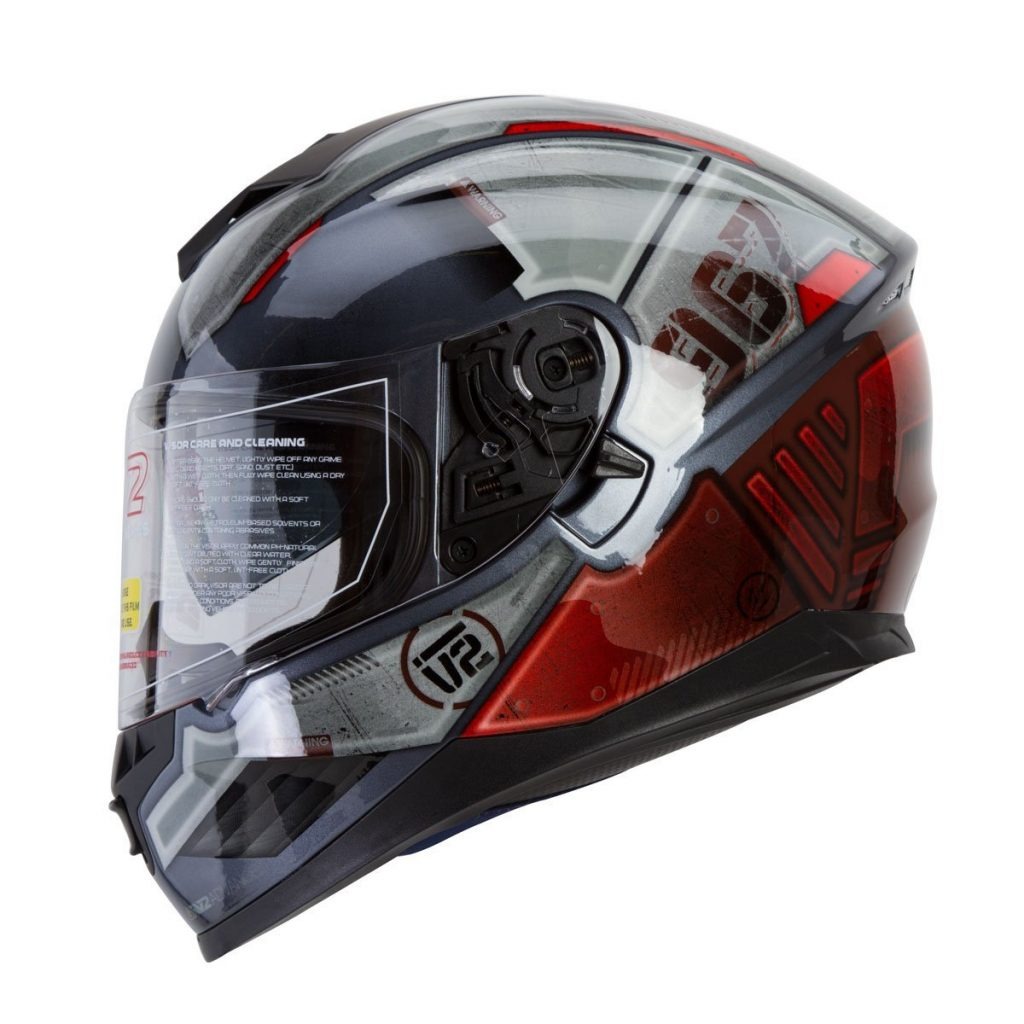 Key Features to Look for in a Bluetooth Motorcycle Helmet
When choosing the best Bluetooth motorcycle helmet, you must focus on essential features. These features ensure safety, convenience, and performance while riding. Here’s what you should look for:
1. Sound Quality
High-quality speakers with noise cancellation are critical. They provide clear audio even at high speeds. Poor audio can be distracting and reduce communication effectiveness.
2. Battery Life
A helmet with long battery life is essential for extended rides. Look for helmets offering at least 8-10 hours of talk time. Quick charging options are also a big plus.
3. Intercom Range
The intercom feature lets riders communicate with each other. Choose a helmet with a range that fits your needs, usually between 500 meters to 2 kilometers.
4. Comfort and Fit
A helmet should fit snugly but not cause discomfort. Padded liners, adjustable straps, and lightweight designs enhance comfort during long rides. Ventilation is also vital to keep you cool.
5. Connectivity
The helmet should connect seamlessly to your smartphone or GPS. Look for Bluetooth 4.0 or higher for faster and more stable connections.
6. Durability and Weather Resistance
Ensure the helmet withstands harsh weather conditions. Water and dust resistance are must-haves for reliable performance.
7. Control Accessibility
Easy-to-reach and user-friendly controls add convenience. Look for buttons or touchpads that are operable even with gloves.
8. Safety Features
Some helmets come with additional safety features. Emergency quick-release systems and advanced impact protection can offer extra peace of mind.
By considering these key features, you can find the best Bluetooth motorcycle helmet for your needs.
Top Bluetooth Motorcycle Helmet Brands
When it comes to Bluetooth motorcycle helmets, several brands stand out for their reliability, features, and innovation. These companies offer exceptional designs backed by advanced technology to enhance your riding experience. Below are some of the top brands to consider.
1. Sena
Sena is a leader in the Bluetooth helmet market. Their models feature advanced communication technology, long intercom range, and crystal-clear audio. Sena helmets also offer impressive durability and battery life, making them ideal for long rides.
2. Schuberth
Schuberth focuses on premium helmet designs with built-in Bluetooth systems. These helmets are lightweight, comfortable, and meet high safety standards. Schuberth is known for integrating quiet technology for reduced wind noise.
3. HJC
HJC produces affordable Bluetooth helmets without compromising on quality. Their systems include easy-to-use controls, reliable connectivity, and decent sound quality. HJC models often come with universal Bluetooth compatibility for added convenience.
4. Bell
Bell combines durability and cutting-edge technology to create high-performing Bluetooth helmets. Their helmets offer great audio clarity, solid battery performance, and stylish designs. Bell also excels in safety features, keeping riders secure on the road.
5. Nolan
Nolan helmets are known for their sleek design and advanced communication systems. They offer helmets with integrated Bluetooth options and long intercom ranges. Nolan emphasizes rider comfort and safety in every model.
Choosing the right brand depends on your budget and riding needs. Each offers unique advantages, ensuring a quality helmet for every rider.
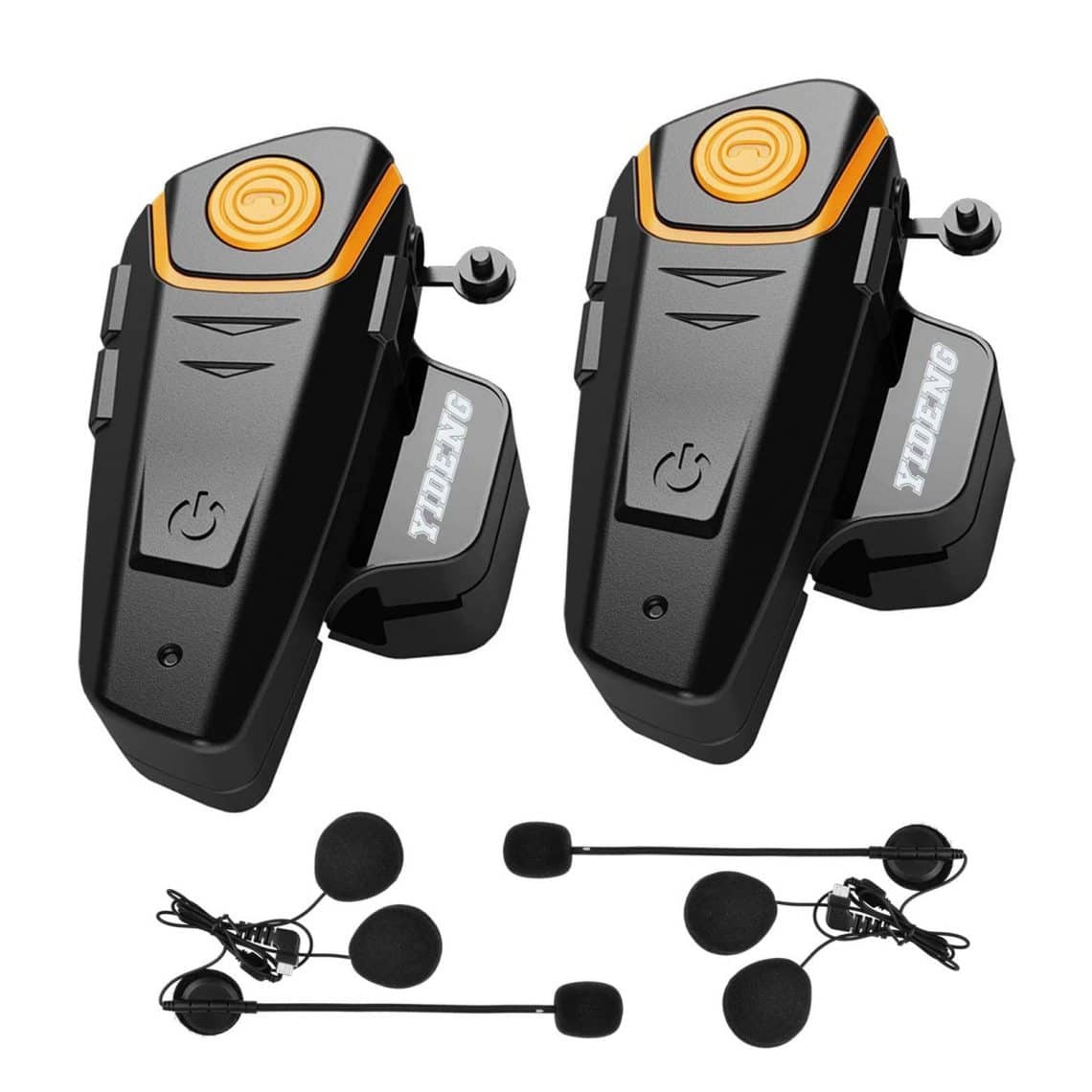 Comparing the Best Models in the Market
When it comes to finding the best Bluetooth motorcycle helmet, comparing models helps you make an informed choice. Each helmet offers unique features tailored for different rider needs. Here’s a close look at some standout options:
Sena Momentum Pro
- Integrated Camera: It features a built-in 4K action camera.
- Intercom Range: Offers communication up to 1.6 kilometers.
- Sound Quality: Advanced noise control for clear audio.
- Battery Life: Provides 20 hours of talk time.
- Safety: DOT-certified with a comfortable fit.
Schuberth C4 Pro
- Comfort: Lightweight design with excellent ventilation.
- Audio Quality: Powerful speakers for crisp sound.
- Bluetooth System: It includes built-in Bluetooth connectivity.
- Durability: It stands up well against harsh weather.
- Safety: Meets DOT and ECE standards.
HJC Smart 20B
- Price: Affordable without sacrificing quality.
- Compatibility: Works with most Bluetooth-enabled devices.
- Features: Good intercom range for group rides.
- Battery Life: Offers up to 10 hours of talk time.
- Design: Ventilated and lightweight for rider comfort.
Bell Qualifier DLX MIPS
- Safety: Includes MIPS technology for enhanced protection.
- Audio System: Built-in Bluetooth compatibility.
- Comfort: Padded liners reduce pressure on long rides.
- Durability: Anti-scratch visor and weather resistance.
Nolan N-Com B902L
- Integration: Includes N-Com Bluetooth system for seamless communication.
- Range and Audio: Intercom clarity and extended range.
- Comfort Features: Adjustable straps and ergonomic padding.
- Battery: Long-lasting performance for hours of communication.
To choose the best Bluetooth motorcycle helmet, weigh features against your riding style and budget. Each model offers strengths catering to varied preferences, ensuring a smarter, safer ride.
Factors to Consider When Selecting Your Helmet
Choosing the best Bluetooth motorcycle helmet requires weighing several important factors. These help ensure that your choice matches your riding style, comfort, and safety needs. Here’s what to consider:
1. Riding Style and Purpose
The type of riding you do often determines the helmet you need. For touring or long-distance riders, prioritize comfort and long battery life. If you ride in urban areas, a compact helmet with quick connectivity may be ideal.
2. Budget
Set a clear budget before purchasing. Bluetooth helmets range widely in price. Higher-priced helmets often feature advanced audio systems, longer battery life, and better materials. Compare features to find the best value within your budget.
3. Fit and Comfort
A proper fit is essential for both safety and comfort. Measure your head size and try the helmet before buying. Well-padded interiors, ventilation, and lightweight designs add comfort during longer rides.
4. Weather Conditions
Consider the weather you’ll ride in most frequently. Look for helmets with water resistance and anti-fog features. Proper ventilation systems are important if you ride in hot climates.
5. Bluetooth Technology and Range
Ensure the helmet uses the latest Bluetooth version (4.0 or higher). A stable connection improves music, calls, and GPS usage. Check the intercom range if you ride with others. Helmets with longer ranges are better for group rides.
6. Battery Life
Long battery life is crucial for avoiding interruptions during rides. Look for helmets with a minimum of 8-10 hours of talk time. Helmets with quick charging capabilities provide added convenience.
7. Safety Ratings and Certifications
Make sure the helmet meets safety standards such as DOT, ECE, or SNELL. Quality certifications ensure protection during accidents. Choose helmets with extra safety features like MIPS or emergency release systems for added peace of mind.
8. Audio Quality and Noise Control
Clear audio at high speeds is vital for calls, music, and navigation. Noise-canceling technology enhances sound clarity and reduces wind noise.
9. Weight of the Helmet
A lightweight helmet is more comfortable, especially during extended rides. However, make sure it still offers sufficient protection.
By considering these factors, you’re more likely to find a Bluetooth motorcycle helmet that meets your riding needs and preferences.
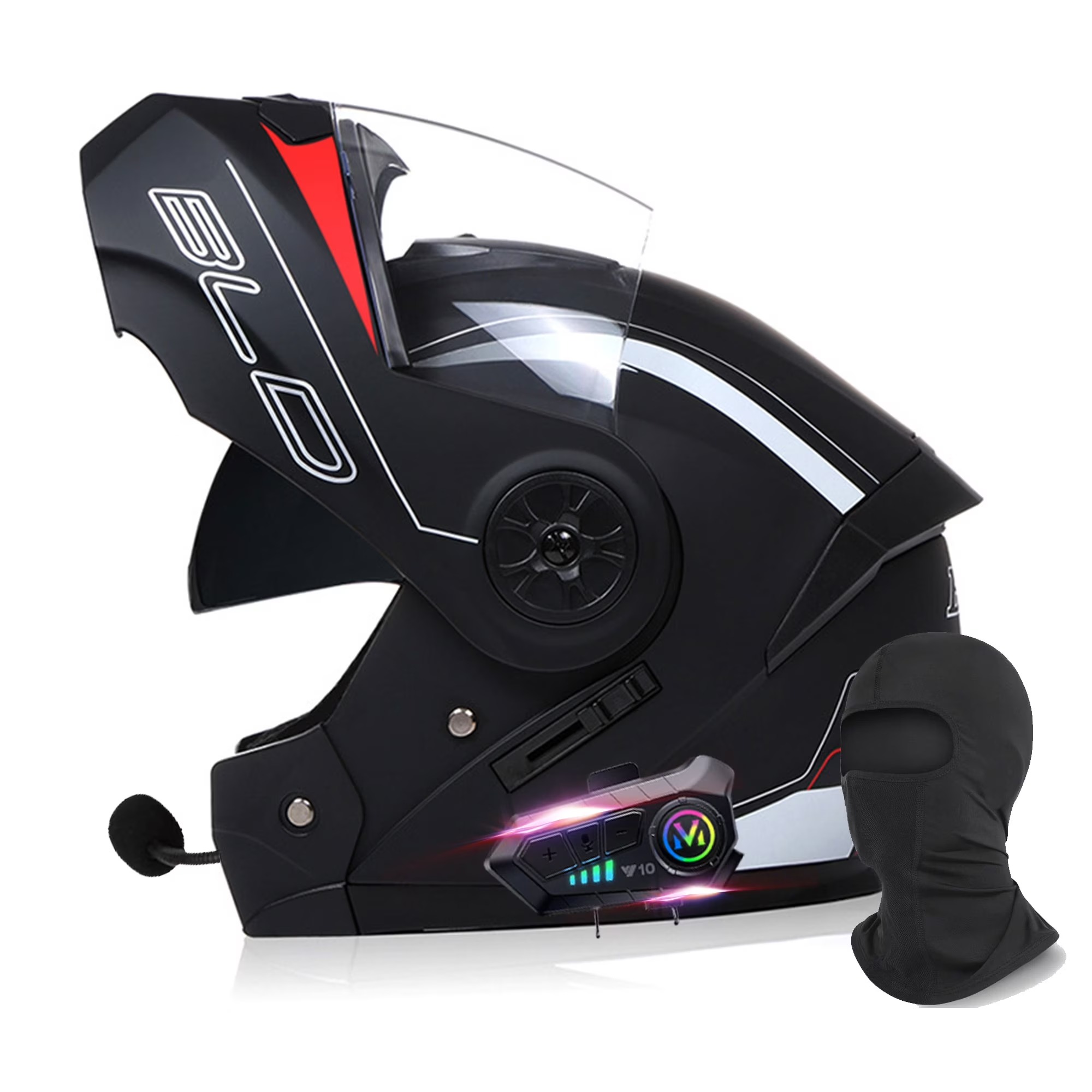 Safety Standards and Certifications for Motorcycle Helmets
When purchasing a Bluetooth motorcycle helmet, safety should always come first. Helmets with proper certifications ensure protection during accidents. Here are the primary safety standards and certifications to look for:
1. DOT (Department of Transportation)
This is a mandatory safety standard in the U.S. DOT-certified helmets meet basic impact absorption and penetration tests. They are designed to protect riders in moderate crashes.
2. ECE (Economic Commission for Europe)
ECE certification is widely recognized in over 50 countries. Helmets with this certification undergo rigorous testing for impact resistance, strap strength, and shell durability. They are often considered safer than DOT-certified helmets.
3. SNELL (Snell Memorial Foundation)
SNELL certification is a high safety benchmark. Helmets are tested for extreme impact forces, fire resistance, and overall durability. These helmets are ideal for racing or high-speed riding.
4. SHARP (Safety Helmet Assessment and Rating Programme)
SHARP is a UK-based rating system. It scores helmets based on performance during impact tests. SHARP provides a star-rating system to help you compare helmet safety.
5. ISI (Indian Standards Institute)
ISI certification applies to helmets sold in India. It ensures quality and protection under local regulations. However, this certification may not match international safety standards.
6. AS/NZS (Australian/New Zealand Standard)
This certification is for helmets in Australia and New Zealand. It focuses on strong impact resistance and secure retention systems.
7. FIM (Fédération Internationale de Motocyclisme)
FIM certification is for professional racing helmets. It ensures top-tier safety for racing conditions and rigorous tests.
Why Certification Matters
- Protection: Certified helmets meet specific impact-resistance standards to reduce injury risk.
- Legal Compliance: Certain certifications are required by law in specific regions.
- Peace of Mind: Certification assures you that the helmet has undergone stringent testing.
Always check for certification labels before purchasing. This ensures your helmet is both legal and reliable, offering maximum safety.
Tips for Maintaining Your Bluetooth Motorcycle Helmet
Taking care of your Bluetooth motorcycle helmet ensures better performance and durability. Follow these tips:
1. Clean the Helmet Regularly
- Use a soft cloth and mild soap to clean the outer shell.
- Avoid abrasive cleaners to protect the surface.
- Remove the interior padding for washing, if it’s removable and washable.
2. Protect the Bluetooth Unit
- Keep the Bluetooth system dry to avoid internal damage.
- Use a soft brush to remove dust from the speakers and microphone.
- Store the helmet in a dry, cool place to prevent moisture damage.
3. Charge the Battery Properly
- Use the recommended charger for your helmet’s Bluetooth system.
- Avoid overcharging to preserve battery life.
- Charge the helmet after long rides or before storage.
4. Check for Proper Fit and Padding
- Inspect the padding for wear and tear.
- Replace worn-out padding to maintain comfort and safety.
- Ensure the chinstrap and adjustments function correctly.
5. Update Bluetooth Firmware
- Check the manufacturer’s website for firmware updates.
- Update the Bluetooth system regularly for optimal performance and compatibility.
6. Avoid Overexposure to Sunlight
- Prolonged exposure can weaken the helmet’s materials.
- Store the helmet in a shaded or covered area when not in use.
7. Inspect for Damage
- Check the shell and visor for cracks or scratches.
- Replace the helmet after any significant impact, even if it seems fine.
8. Use a Helmet Bag
- A helmet bag prevents dust and scratches during storage or transport.
- Keep the bag clean to avoid transferring dirt to the helmet.
Proper maintenance extends your helmet’s lifespan and ensures safety on every ride. Make it a routine to inspect and care for your helmet regularly.
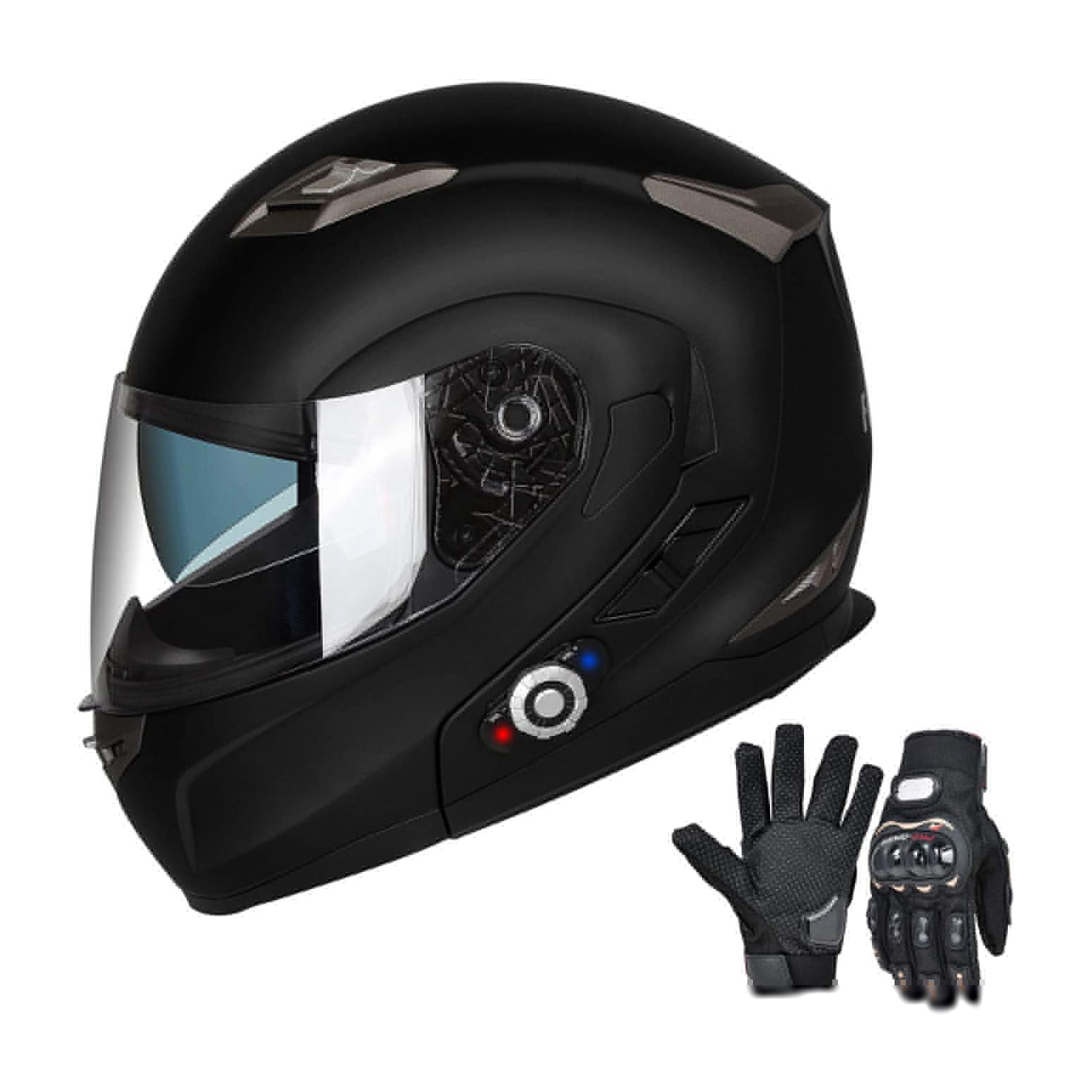 Frequently Asked Questions About Bluetooth Motorcycle Helmets
1. Are Bluetooth motorcycle helmets safe to use?
Yes, they are safe when certified and properly maintained. They improve safety with hands-free features. Choose helmets with DOT, ECE, or SNELL certifications for added reliability.
2. Can I listen to music on a Bluetooth helmet?
Yes, most Bluetooth helmets support music playback. You can listen to music or podcasts while riding.
3. How far can Bluetooth intercoms reach?
Intercom ranges vary by model. Standard ranges are between 500 meters and 2 kilometers.
4. How long does the battery last on these helmets?
Battery life depends on the model. Many offer 8-20 hours of talk or playback time.
5. Are these helmets weather-resistant?
Most high-quality helmets are weather-resistant. Look for water and dust resistance for durability.
6. Is the sound quality good at high speeds?
Top brands provide noise-canceling technology. This ensures clear audio even at high speeds.
7. Can I use the helmet with any smartphone?
Yes, helmets with Bluetooth 4.0 or higher work with most smartphones and GPS devices.
8. Do Bluetooth helmets require special maintenance?
Regular cleaning and proper storage are key. Protect the Bluetooth system from moisture and damage.
9. Can I replace the Bluetooth unit separately?
Some helmets allow Bluetooth module replacement. Check with the manufacturer for compatibility.
10. Do Bluetooth helmets have built-in microphones?
Yes, most models include microphones for calls and intercom features.
11. Are Bluetooth motorcycle helmets heavy?
They are slightly heavier than regular helmets due to added technology. However, lightweight options exist.
12. Can I use these helmets without Bluetooth features?
Yes, they still function as regular helmets if Bluetooth is not activated.
These answers help clear doubts about the best Bluetooth motorcycle helmets. Choose the right one for your needs and enjoy a safer ride.
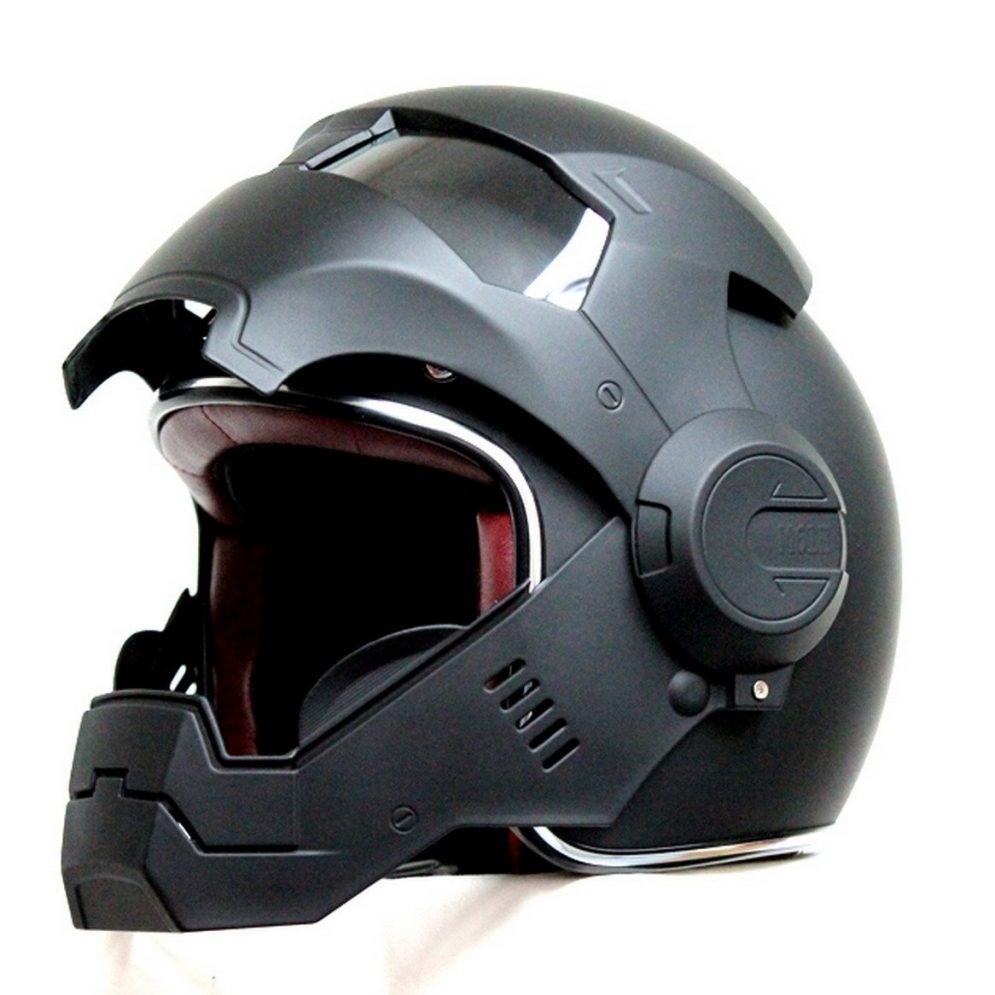 Final Thoughts: Choosing Your Ideal Riding Companion
Finding the best bluetooth motorcycle helmet changes how you ride. It connects you to people, places, and music. It keeps you safe and informed. Technology should serve the rider. Not distract from the journey.
Balance is essential. Never sacrifice safety for features. Always verify certifications. Test fit and comfort. Listen to sound quality in person if possible. Read user reviews. Real-world feedback reveals hidden strengths or flaws.
So when you upgrade your helmet, think beyond looks. Choose intelligence, clarity, and reliability. Because the open road deserves the best. And your next ride starts with the best bluetooth motorcycle helmet.