Why Noise Reduction Matters in a Motorcycle Helmet
Riding a motorcycle exposes you to constant wind and engine noise. Over time, this sound damages hearing. It also causes mental fatigue. Long rides become exhausting fast.
A quiet ride improves focus. You hear your thoughts clearly. Road awareness increases naturally. Communication with passengers stays easy.
Wind turbulence hits the helmet surface. It creates pressure waves. These travel into the ear canal. The brain struggles to process everything.
Headaches often follow loud rides. Ringing ears signal early damage. Temporary discomfort can turn permanent. Prevention starts with gear choice.
That is why riders seek the quietest motorcycle helmet. They want peace at speed. Comfort without compromise.
Lower noise means better concentration. Lane changes feel safer. Reaction times improve. Safety rises when stress drops.
Modern helmets use smart design to reduce sound. Shapes cut through air smoothly. Seals block gaps where wind sneaks in.
Interior padding absorbs vibrations. Materials trap sound before it reaches the skull. Every layer plays a role.
Some models include built-in communication systems. Audio quality suffers if background noise is high. A quiet base makes tech work better.
Bluetooth headsets deliver clear calls. Music plays without distortion. Volume does not need to overpower wind.
Comfort extends beyond silence. Less vibration means less jaw fatigue. Neck muscles stay relaxed longer.
For touring riders, this matters most. Cross-country trips last hours. Small annoyances grow over distance.
Even city riders benefit. Stop-and-go traffic adds sudden noise bursts. Horns, sirens, and engines flood the senses.
A helmet that reduces all this stands out. It transforms every journey. Riding becomes enjoyable again.
The quest for the quietest motorcycle helmet is not about luxury. It is about health, safety, and long-term enjoyment.
 Key Features to Look for in Quiet Motorcycle Helmets
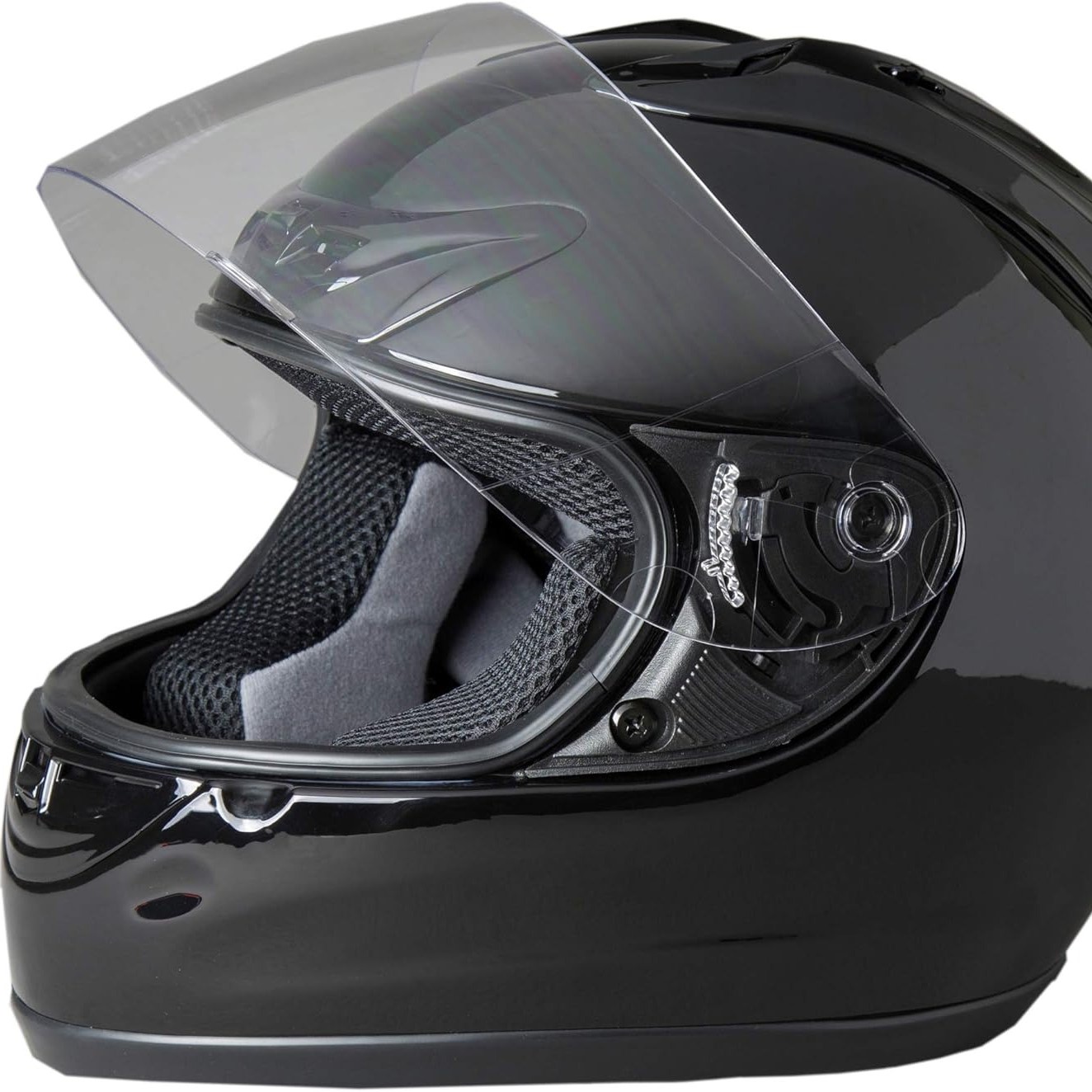
When choosing the quietest motorcycle helmets, specific features greatly enhance noise reduction. Riders should consider these elements to ensure a comfortable and safer experience.
Aerodynamic Design to Minimize Wind Noise
Aerodynamics play a key role in helmet quietness. Helmets with streamlined shapes reduce air resistance and cut wind noise effectively. Vents positioned strategically also help direct airflow without causing turbulence. An aerodynamic design is crucial for riders traveling at high speeds.
Advanced Noise Cancellation Technologies
Some helmets use specialized noise-canceling systems to block external sounds. These technologies include active sound dampening mechanisms or passive barriers. Innovations like internal acoustic liners further reduce engine and wind noise. Advanced noise-reduction systems ensure a quieter riding experience.
Helmet Material and Padding for Sound Insulation
Helmet construction profoundly impacts noise levels. Quality materials, such as thermoplastic or fiberglass, absorb sound waves. Multi-layer padding inside the helmet adds extra sound insulation. Comfortable liners not only block noise but also enhance fit and overall comfort.
Top Quietest Motorcycle Helmets
Finding the quietest motorcycle helmet is essential for comfort and hearing protection. The helmets listed below are highly rated for noise reduction, durability, and overall performance.
Reviews of High-Performing Noise-Reducing Helmets
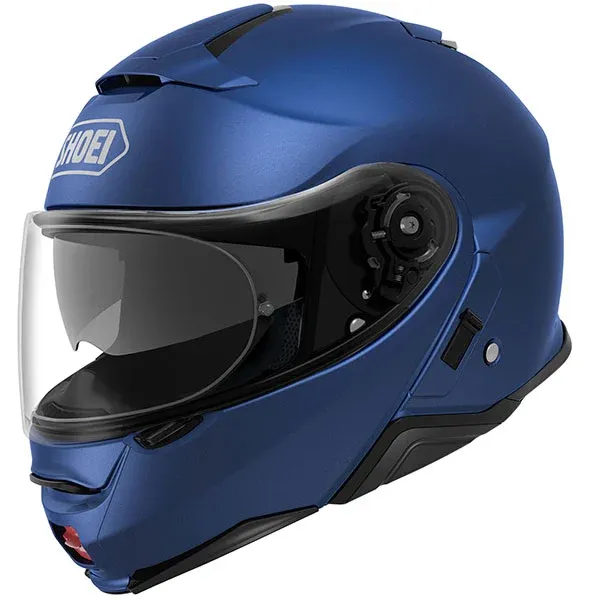
- Shoei Neotec 2:
- Offers excellent noise reduction with a modular design.
- Features advanced padding and an aerodynamic shape.
- Suitable for long rides and high-speed travel.
- Schuberth C4 Pro:
- Known for its exceptional quietness and comfort.
- Equipped with noise-canceling features and premium materials.
- Lightweight yet effective for both short and long rides.
- AGV K6:
- Highly rated for its full-face, lightweight design.
- Provides superior noise insulation and safety.
- Perfect balance between quietness and ventilation.
- HJC RPHA 11 Pro:
- Designed for reduced wind noise and enhanced aerodynamics.
- Features multi-density EPS foam for sound dampening.
- Popular among riders seeking performance and quietness.
Comparison of Features and Prices
When choosing a quiet motorcycle helmet, balancing features and budget is crucial:
- Shoei Neotec 2:
- Price: Higher range ($600–$700).
- Key features: Modular design, aerodynamics, superior padding.
- Schuberth C4 Pro:
- Price: Higher range ($700+).
- Key features: Exceptional quietness, luxurious fit, built-in communication system support.
- AGV K6:
- Price: Mid-range ($500–$600).
- Key features: Full-face design, lightweight, great ventilation.
- HJC RPHA 11 Pro:
- Price: Affordable range ($400–$500).
- Key features: Multi-layer sound insulation, streamlined design.
By comparing features and prices, riders can select the best helmet for their needs. Consider these models for a quieter and safer riding experience.
 Different Types of Helmets and Their Noise Levels
Selecting the right helmet can greatly affect noise levels while riding. Various types of helmets excel in different areas of noise reduction. Here’s how they compare:
Full-Face Helmets: The Quietest Option
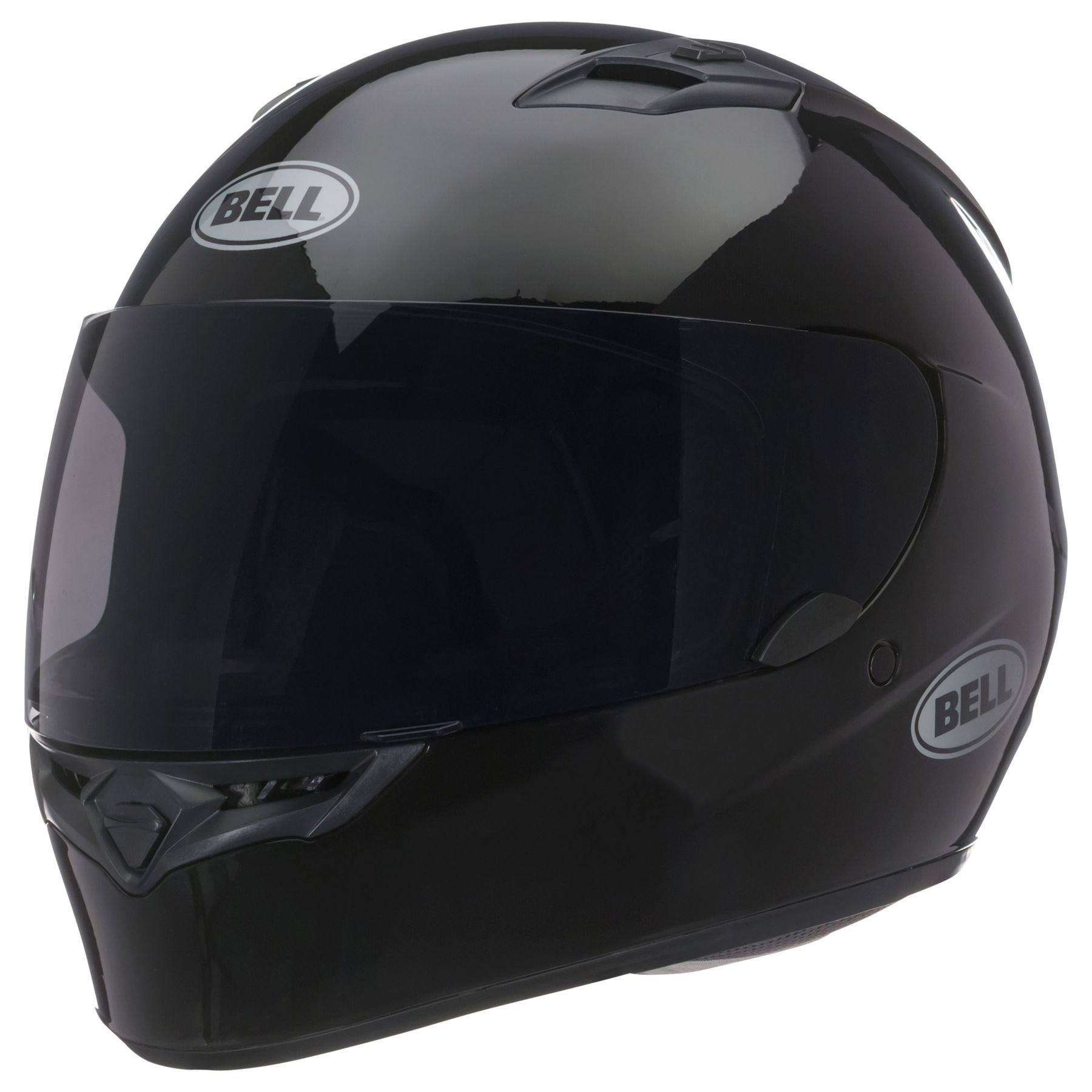
Full-face helmets are the quietest motorcycle helmet type. They completely enclose the head and provide maximum noise reduction. Their aerodynamic design minimizes wind noise. With no gaps or openings, they block external sounds effectively. Riders often choose full-face helmets for long-distance or high-speed rides where quietness is essential.
Modular Helmets: Balancing Flexibility and Noise Reduction
Modular helmets combine the features of full-face and open-face designs. They offer a flip-up front for convenience. While not as quiet as full-face helmets, they still reduce noise effectively. The movable parts may let in slight wind noise, but advanced sealing systems help mitigate this. Modular helmets are ideal for riders needing versatility without compromising much on noise reduction.
Other Helmet Styles and Their Noise Characteristics
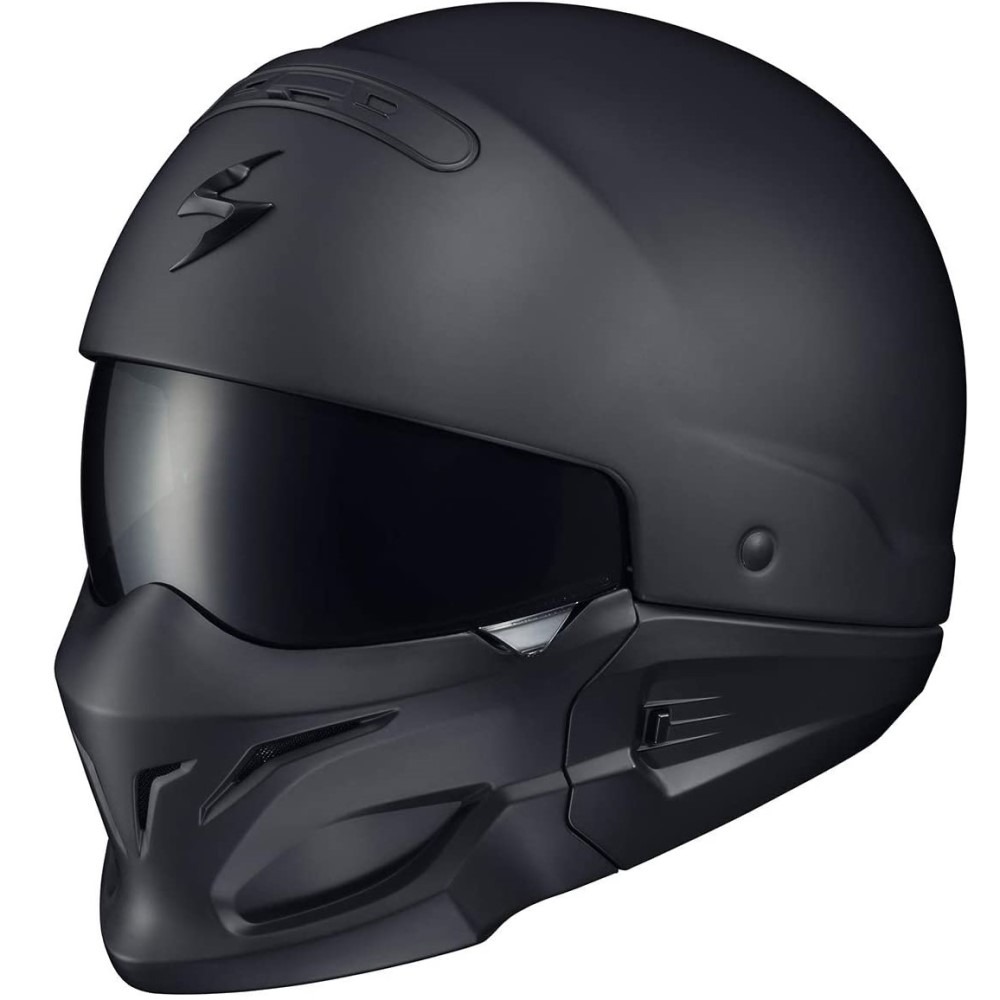
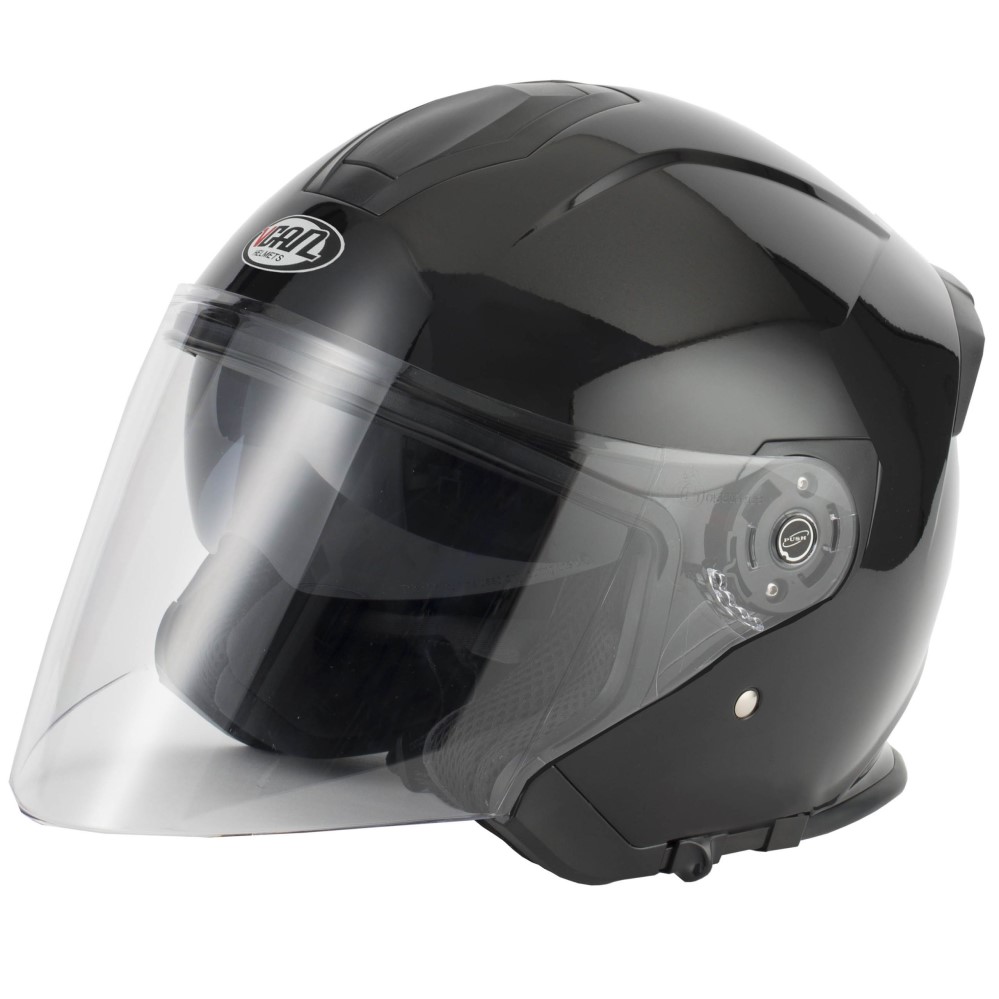
Other helmet styles, like open-face and half helmets, are less effective at reducing noise. Open-face helmets leave the chin exposed, allowing more wind and engine noise to enter. Half helmets, covering only the top of the head, provide minimal noise protection. These helmets may suit casual riders but are not ideal for minimizing noise at high speeds. For quieter rides, full-face or modular helmets are better options.
Top Brands Known for Producing the Quietest Motorcycle Helmet
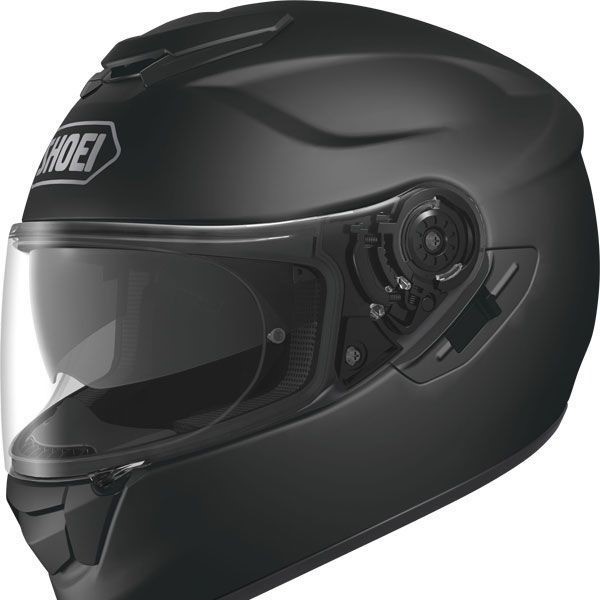
Shoei: Engineering Quiet Excellence
Shoei leads in premium helmet design. Their focus on acoustics sets standards. Many call their RF-SR the quietest motorcycle helmet ever made.
Years of research support each model. Wind tunnels shape every curve. Engineers measure sound in real-time.
Their AIM+ shell uses multi-composite layers. Strength and lightness combine. Vibration dampening improves naturally.
Freeflow ventilation directs air precisely. No turbulent intake occurs. Even open vents stay silent.
The 3D Max-Dry liner wicks moisture fast. It fits snugly without gaps. Cheek pads lock in place firmly.
CQR system allows quick visor changes. Seals remain intact. No air leaks after swaps.
Riders praise highway comfort. At 70 mph, interior feels like a car cabin. Conversations happen without shouting.
Micro-ratchet buckles reduce bulk. They sit lower on the chin. Less wind catches underneath.
Double-lens Pinlock comes standard. Fogging disappears. Vision stays clear in cold weather.
Owners report years of reliable use. Build quality lasts. Resale value remains high.
Shoei does not cut corners. Every detail serves purpose. Silence is never an accident.
They reinvest profits into R&D. Future models promise even greater quietness.
For serious riders, Shoei represents peak performance. It’s not just protection. It’s peace.
Choosing one means choosing excellence. The quietest motorcycle helmet may already exist.
Arai: Precision Craftsmanship for Noise Control
Arai builds helmets by hand. Each unit receives individual attention. Quality control exceeds industry norms.
Their PB-S and Signet-X models rank among the quietest motorcycle helmet options. Fit and finish stand out.
Peripheric Belt System strengthens the shell. Impact dispersion improves. Structural integrity reduces flex.
Flex Lock cheek pads compress slightly. Then expand to fill space. Custom-like fit emerges naturally.
Smooth crown interior prevents hot spots. Hair moves freely. No friction means less noise.
Ventilation channels guide air away from ears. Intake and exhaust balance pressure. No suction occurs.
Chin curtain blocks airflow under the jaw. It flaps less than competitors’. Sound reduction increases.
The faceshield seals tightly. X-Stream II design cuts turbulence. Peripheral vision expands too.
Hand-laid fiberglass gives uniform thickness. No weak zones develop. Durability supports long-term sealing.
Paint finishes are thin but strong. Extra layers add weight. Arai avoids unnecessary buildup.
Each helmet undergoes final inspection. Workers check symmetry and alignment. Only perfect units ship.
Riders notice reduced fatigue. Multi-day tours feel easier. Focus returns mile after mile.
Arai owners tend to stay loyal. Once you experience the difference, compromise feels wrong.
They do not advertise heavily. Reputation spreads through word of mouth. Trust builds slowly.
Yet those who know, know. Arai belongs in any list of the quietest motorcycle helmet makers.
 Tips to Further Reduce Noise While Riding
Even with the quietest motorcycle helmet, you can take extra steps to minimize noise. These tips enhance your riding experience and protect your hearing.
Using Earplugs for Added Protection
Earplugs are an effective way to reduce noise further. They block high-frequency sounds that helmets cannot eliminate. Disposable foam earplugs are affordable and easy to use for occasional rides. Custom-fitted earplugs offer a tailor-made solution for regular riders. Combined with a quiet helmet, they provide maximum noise reduction.
Adjusting Windshields and Riding Position
Windshields deflect air away from your helmet, reducing wind noise significantly. Choose a windshield with adjustable height for better wind control. Adjust your riding position to minimize exposure to turbulence. Keeping your head in a low, streamlined posture also helps. Together, these steps complement your helmet’s noise-reduction features.
Maintaining and Cleaning Your Helmet Regularly
A well-maintained helmet ensures optimal noise reduction. Regularly clean vents and padding to remove dirt and debris. Check for wear and tear, as damaged seals or liners can let in noise. Replace helmet parts, like padding, if they lose effectiveness over time. Proper care keeps your helmet performing at its quietest level.
 Frequently Asked Questions
Does a More Expensive Helmet Mean It’s Quieter?
Not always. Price often reflects materials and brand. But it doesn’t guarantee silence.
Some mid-range helmets beat premium ones. Design matters more than cost. Smart engineering trumps markup.
Cheap helmets use thin shells. They flex under pressure. Vibration increases noise.
Poor foam shifts during rides. Gaps form near ears. Wind rushes in suddenly.
Vent systems may whistle. Badly placed intakes create high-pitch sounds. Annoyance builds fast.
However, expensive does not mean flawless. Some luxury models prioritize style. Aerodynamics suffer.
Fit varies by head shape. One rider finds silence. Another hears roar. Individual match is key.
Always test personally. Don’t trust reviews alone. Your head is unique.
Brands like Shoei and Arai invest heavily. Their high prices reflect R&D. Yet value exists across tiers.
Some Scorpion or Nolan models rival top names. Performance surprises many.
Aftermarket upgrades help too. Wind collars and ear seals reduce noise. Even budget helmets improve.
Ultimately, quietness depends on total package. Not just price tag. Function beats prestige.
Spend wisely. Invest in fit and design. Skip flashy extras. True silence hides in details.
Can I Make My Current Helmet Quieter?
Yes, simple fixes help. Start with a wind collar. Neoprene or fleece wraps around the neck.
It meets the jacket seam. Blocks air from rising. Buffeting drops noticeably.
Install third-party ear seals. Silicone pads stick inside cheek zones. They tighten the fit.
Use acoustic foam inserts. Cut to size and place near ears. Absorb high-frequency noise.
Replace old liners. Worn padding loses density. New ones restore seal quality.
Check visor alignment. Misaligned shields leak air. Adjust hinges until flush.
Apply weather stripping. Thin rubber lines gaps. Prevents whistle points.
Upgrade the breath guard. Foam under the chin stops fogging. Also reduces airflow.
Change your riding posture. Hunching increases turbulence. Upright position cleans airflow.
Wear a balaclava. Silk or merino wool adds a layer. Traps sound without heat.
Avoid cracked visors. Tiny splits cause wind noise. Replace if scratched deeply.
Clean vents regularly. Debris alters airflow. Use compressed air to blow them out.
Tape temporary fixes. Masking tape seals gaps for testing. Confirm issue before permanent change.
Many riders gain 5–10 dB reduction. That’s significant over hours.
You don’t always need the quietest motorcycle helmet. Sometimes, improvement suffices.
Are Modular Helmets as Quiet as Full-Face Ones?
Generally, no. Modular helmets have more moving parts. Hinges and pivot points create gaps.
When closed, they try to seal. But tiny openings remain. Wind sneaks in over time.
The chin bar lifts forward. This breaks structural unity. More surface area vibrates.
At high speeds, noise increases sharply. Touring riders notice fast. Comfort drops.
Some models perform better. Schuberth C5 stands out. Its magnetic seal closes tightly.
Hinges are recessed. Less exposed to wind. Design minimizes disruption.
Still, airflow separates at the hinge line. Vortices form behind the head. Sound follows.
Full-face helmets have fewer joints. One solid shell resists deformation. Seals stay intact.
No mechanical parts mean less failure. Simplicity enhances quietness.
Modular helmets offer convenience. Easy to flip up at stops. Talk or drink without removal.
But for pure silence, full-face wins. Especially on long rides.
If you must use modular, choose top-tier brands. Avoid budget flip-ups.
Test thoroughly before trusting. Assume it will be louder. Prepare accordingly.
For those seeking the quietest motorcycle helmet, full-face remains the best choice.
 Conclusion
From design to materials, every element counts. Aerodynamics shape airflow. Liners absorb sound. Seals block intrusion.
Brands like Shoei and Arai lead the way. Their commitment to silence shows. Years of refinement deliver results.
Testing is essential. In-store checks help. Real-world trials confirm. Personal fit decides all.
Upgrades can improve existing gear. Wind collars, ear seals, and liners make a difference. Not everyone needs new gear.
Yet for those who demand peace, investing pays off. The quietest motorcycle helmet offers more than comfort. It offers clarity.
Let every ride be calm. Let every mile bring joy. And let your search end with the silence you deserve. Because the quietest motorcycle helmet isn’t just a product. It’s a promise of peace on two wheels.