A motorcycle helmet camera is more than a recording device. It serves riders in multiple ways. From safety to storytelling, it adds value on every journey.
First, it records real-time footage. You see exactly what happened during a ride. This helps with incident reviews and insurance claims.
Second, it captures breathtaking scenery. Riders travel through mountains, forests, and coastal roads. A motorcycle helmet camera preserves those moments forever.
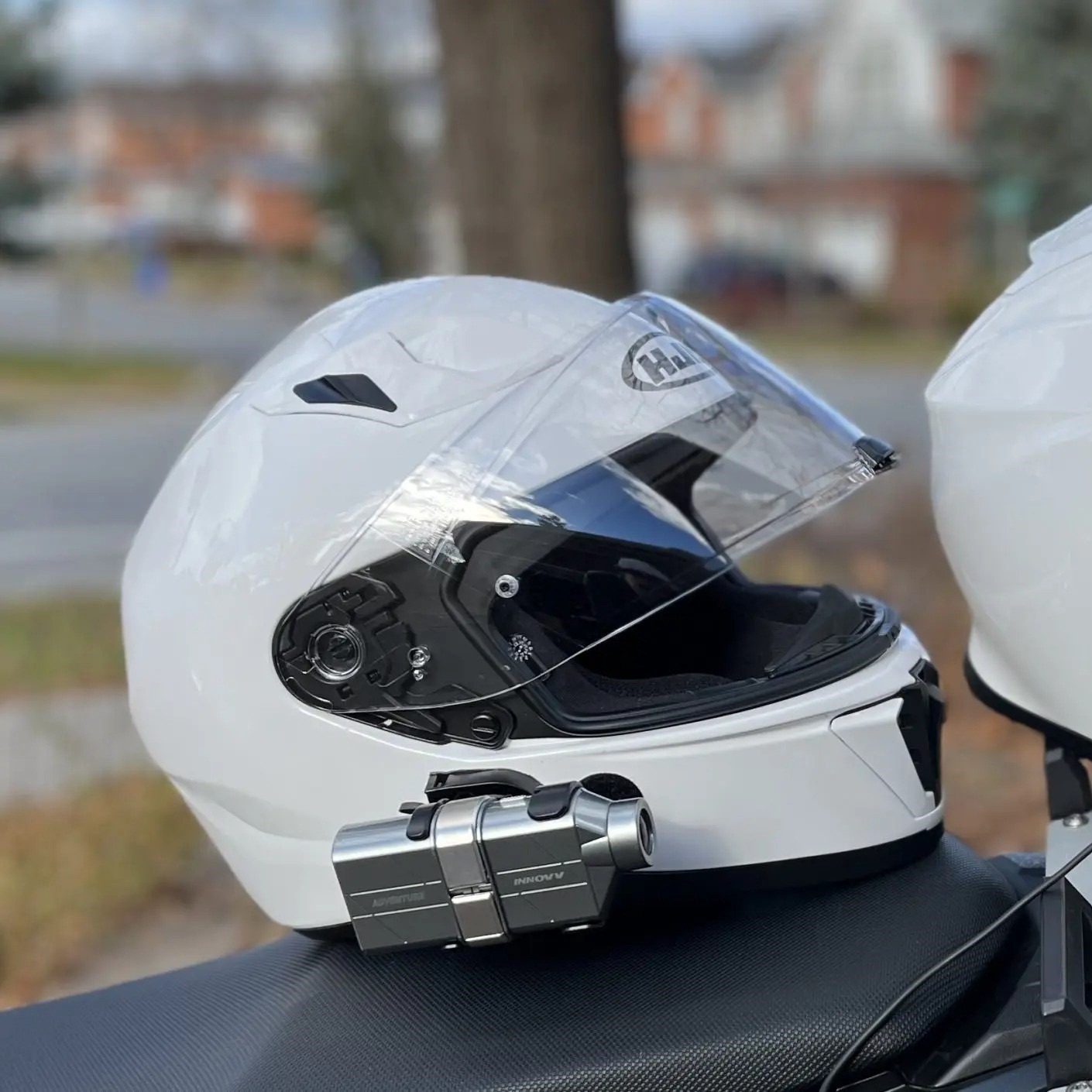 Why You Need a Helmet Camera
Enhancing Safety and Visibility
A motorcycle helmet camera can make riding safer. It helps improve visibility in traffic. By recording the road ahead, you stay more aware of your surroundings. It also lets others see your ride clearly. This can help avoid misunderstandings or accidents caused by low visibility. Safety is important, and a helmet camera boosts it effectively.
Documenting Your Rides and Adventures
Helmet cameras are great for capturing ride moments. They preserve your motorcycle adventures. You can relive scenic routes and share exciting journeys with friends. Whether on mountain roads or long highways, every detail is recorded. This adds a personal touch to your trips. Documenting your rides makes memories last forever.
Providing Evidence in Case of Accidents
A helmet camera can act as a witness during accidents. It helps explain what happened clearly. The footage is useful for legal reasons or insurance claims. It may prove your innocence in tricky situations. This protection is valuable for riders, ensuring justice and peace of mind.
Key Features to Look for in a Helmet Camera
When selecting a motorcycle helmet camera, focusing on key features ensures you make the best choice. These features contribute to a camera’s performance, usability, and overall satisfaction.
Video Quality and Resolution
High video quality is essential for capturing clear and sharp footage. Look for cameras with at least 1080p HD resolution, though 4K options provide even better detail. A good resolution ensures every moment of your ride is recorded clearly. Frame rates between 30fps and 60fps are ideal for smooth playback. Superior video quality improves your overall recording experience, especially on scenic routes or in low light conditions.
Durability and Weather Resistance
A helmet camera needs to withstand various environments. Opt for a model built with durable materials and weather-resistant features. Cameras with an IP rating, like IP67 or IP68, provide protection against dust and water. This ensures reliable use during rain, mud, or off-road adventures. A durable camera means you won’t worry about wear and tear during your rides.
Battery Life and Charging Options
Longer battery life guarantees uninterrupted recording during extended trips. Look for cameras offering battery life of at least 2-3 hours on a single charge. Additional options like portable chargers or swappable batteries are handy for long journeys. Some cameras also support USB charging, making it easier to recharge on the go. Proper battery performance enhances the convenience of your recording experience.
Mounting Options and Compatibility
Flexible mounting options ensure the camera sits securely on your helmet. Look for cameras with universal mounting accessories or those designed specifically for helmets. A stable mount minimizes vibrations, providing steady footage. Check compatibility with various helmet types to avoid fitting issues. Easy and versatile mounting improves the safety and quality of your recordings.
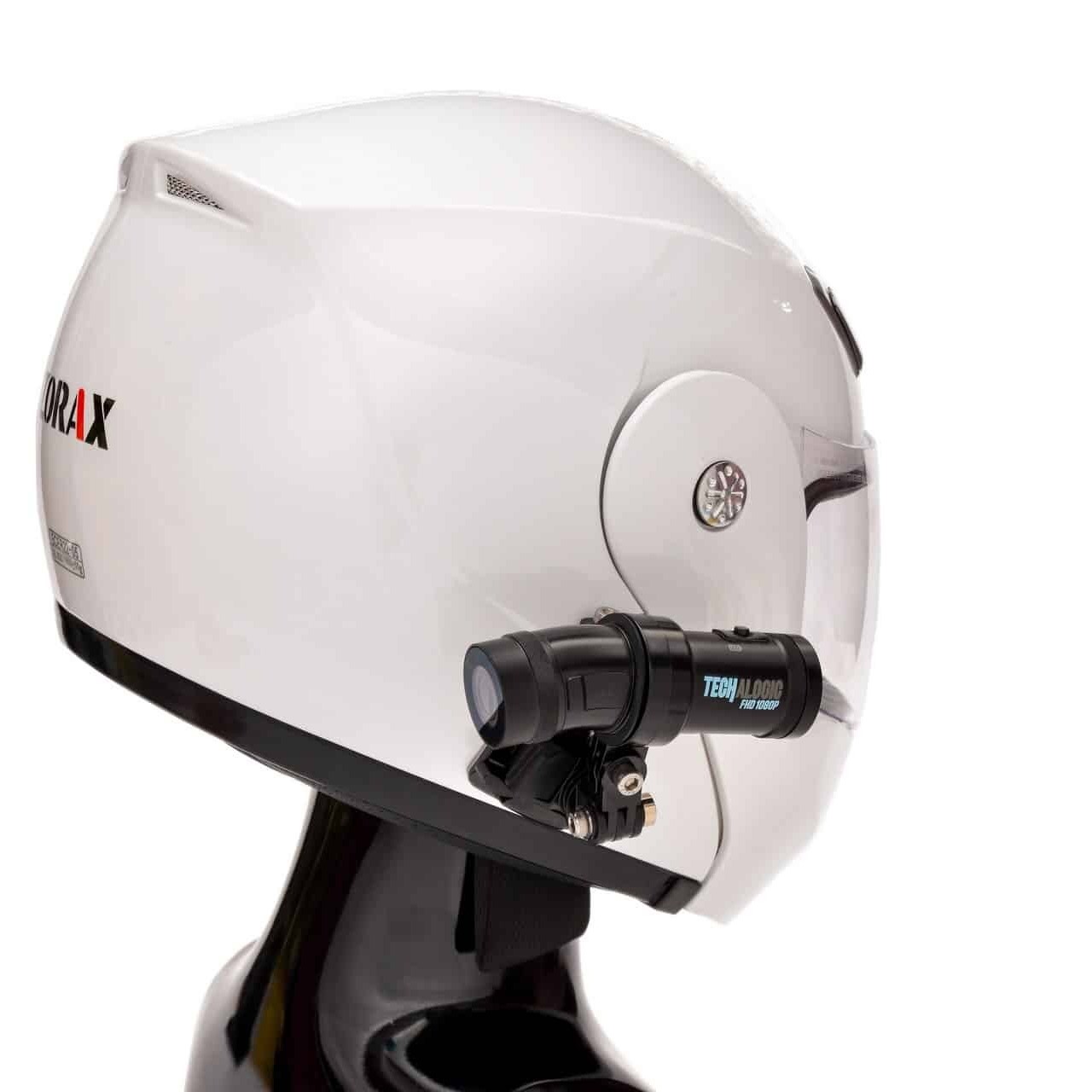 The Top Helmet Cameras of [Year]
When selecting the best motorcycle helmet camera, you’ll find a range of models suited for different needs and budgets. Below are some top options categorized by functionality and affordability.
GoPro Models: A Market Leader
GoPro cameras are famous for their exceptional quality and versatility. The high video resolution, often 4K, ensures you capture every ride detail. Many GoPro models are sturdy, built for rough conditions, and waterproof. Features like image stabilization deliver smooth video recordings, even on bumpy trails. Popular models include the GoPro HERO11 and HERO10, perfect for all riders. While they may cost more, the reliability and performance justify the investment.
Budget-Friendly Options for Beginners
Not everyone needs a high-end camera, and there are excellent budget options available. Brands like Akaso and Apeman offer affordable helmet cameras with solid features. These cameras often support 1080p resolution and longer battery life for casual riders. While they lack advanced features like stabilization or 4K quality, they work well for new riders wanting to capture road experiences without breaking the bank. Some options even come with useful accessories like mounting kits.
High-End Cameras for Professionals
Professional riders or vloggers require cameras with premium features. High-end models like the Sena Prism Tube or Insta360 X3 are great choices. These devices offer cutting-edge technology, such as 360-degree recording, excellent low-light performance, and surround sound audio. They are ideal for creating cinematic content and detailed ride documentation. With superior durability and advanced settings, these cameras cater to users who demand the best.
By considering your needs and preferences, you can find the right motorcycle helmet camera to enhance your riding experience.
How to Mount a Camera on Your Motorcycle Helmet
Mounting a motorcycle helmet camera correctly is crucial for capturing stable and clear footage. Proper mounting ensures safety, comfort, and reliable performance. Below, we explain the different techniques and discuss legal and safety considerations.
Different Mounting Techniques Explained
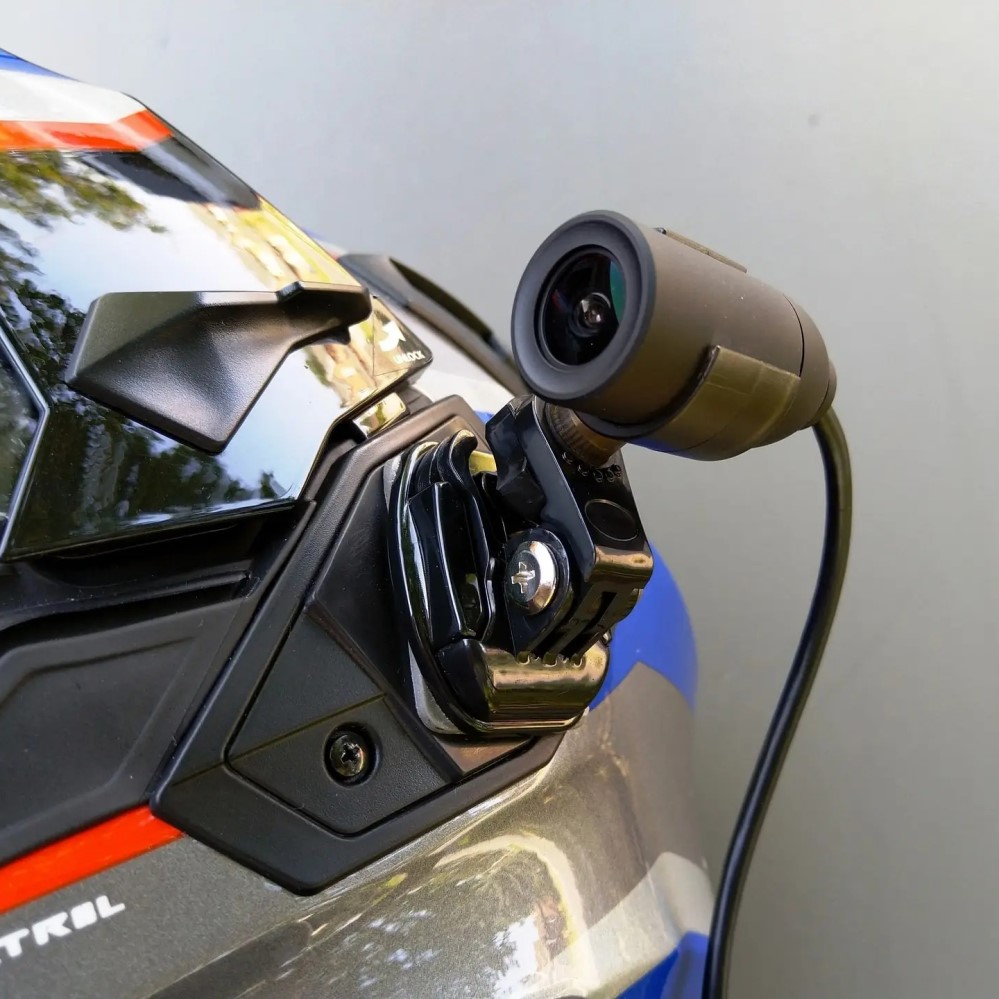
Choosing the right mounting technique depends on your helmet design and personal preference. Here are the most common methods:
- Top Mount: This is the most popular option. Attach the camera to the helmet’s top center. It provides a balanced field of view but might catch wind resistance at high speeds.
- Side Mount: Mount the camera on the side of the helmet. This technique maintains good aerodynamics and comfort but may create a slight tilt in the footage.
- Chin Mount: Attach the camera to the helmet’s chin area. It provides a first-person viewing angle, similar to the rider’s perspective. It’s ideal for immersive footage.
- Visor Mount: Some riders attach the camera to the visor. This can offer a unique angle but may block your view.
When choosing a method, ensure the mount is secure. Use strong adhesive pads or clamps designed for motorcycle helmets. Test different positions to find the most stable and convenient option.
Legal Considerations and Safety Precautions
Before mounting your camera, consider the legal and safety concerns:
- Check Local Laws: In some locations, helmet-mounted cameras may be restricted. Verify the regulations in your area to avoid legal issues.
- Secure the Camera Properly: A loose camera can become a hazard during high-speed rides. Double-check all screws and attachments before riding.
- Avoid Obstructing the Helmet: Ensure the camera doesn’t interfere with your visibility or helmet functions. Comfort and safety should always come first.
- Choose Lightweight Models: A heavy camera can strain your neck during long rides. Lightweight models improve safety and comfort.
- Use Approved Mounts: Some mounts may damage the helmet or reduce its safety rating. Opt for mounts compatible with your helmet’s design.
By following these techniques and precautions, you can enjoy safe and efficient recording with your motorcycle helmet camera. Proper installation not only ensures better footage but significantly enhances your riding experience.
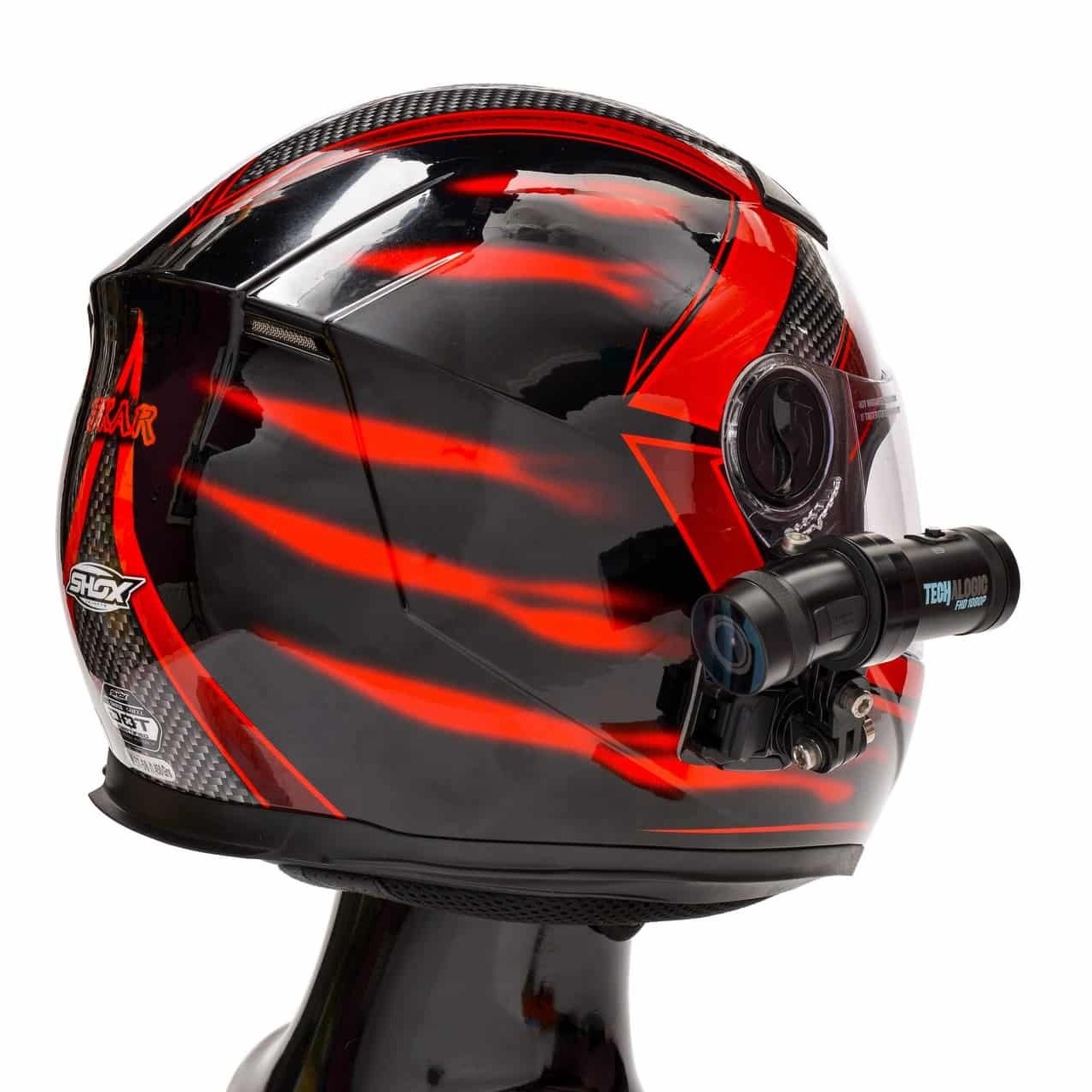 Tips for Recording While Riding
Recording while riding requires proper setup and techniques for getting the best results. Follow these simple tips to enhance your footage.
Adjusting Settings for Optimal Footage
Adjusting your camera settings is key to recording high-quality videos. Here’s what to focus on:
- Resolution and Frame Rate: Choose at least 1080p resolution and 30-60fps for crisp and smooth footage.
- Field of View: Wide-angle settings capture more of your surroundings, ideal for scenic routes.
- Image Stabilization: Enable stabilization to reduce shakiness, especially on bumpy roads.
- Low-Light Settings: Use night mode or increase ISO for improved visibility in dim conditions.
- Battery Management: Lower brightness and disable unnecessary features to extend battery life during long rides.
Properly adjusting these settings ensures clearer and more immersive videos of your motorcycle journeys.
Avoiding Common Mistakes During Recording
Mistakes can ruin your helmet camera experience. Here are common issues to avoid:
- Incorrect Mounting: Improper mounts lead to unstable footage. Always secure the camera firmly.
- Obstructed Lens: Dirt or particles can block the view. Clean the camera before recording.
- Poor Angles: Test angles to ensure the road and surroundings are fully visible.
- Overheating: Cameras can overheat during extended use. Take breaks to avoid damage.
- Ignoring Environment: Weather and lighting can affect footage. Prepare for changes ahead.
Avoiding these errors makes a big difference in the quality of your recordings. Plan ahead and test your setup for the best results.
Maintaining and Caring for Your Helmet Camera
Proper care extends the lifespan of your motorcycle helmet camera. Regular maintenance ensures continued performance and reliable recording during rides.
Cleaning and Storage Guidelines
Taking care of your helmet camera involves cleaning and storing it correctly:
- Clean the Lens Regularly: Use a microfiber cloth to wipe the lens gently. This prevents dust and smudges.
- Remove Dirt from the Body: Use a soft, slightly damp cloth to clean the camera body. Avoid harsh chemicals.
- Keep Components Dry: After wet rides, dry the camera immediately. Moisture can damage internal parts.
- Store in a Safe Place: Use a protective case to store the camera when not in use. Avoid direct sunlight.
- Avoid Extreme Temperatures: Do not expose the camera to high heat or freezing conditions. This preserves battery life and functionality.
Following these guidelines ensures your camera stays in top condition, ready for your next adventure.
Updating Firmware and Troubleshooting Issues
Keeping your camera’s software updated improves performance and fixes common bugs. Here’s how you can do this effectively:
- Check for Updates: Visit the camera manufacturer’s website regularly for firmware updates.
- Install Updates Promptly: Follow instructions to update your camera software. Updates enhance features and stability.
- Resolve Video Issues: If footage is blurry or shaky, check mounting and image stabilization settings.
- Fix Connectivity Problems: Reconnect cables or reset Bluetooth/Wi-Fi if facing syncing errors with devices.
- Contact Support for Major Problems: If troubleshooting doesn’t work, consult technical support for repair or replacement.
By staying updated and tackling problems early, your motorcycle helmet camera will perform at its best on every ride.
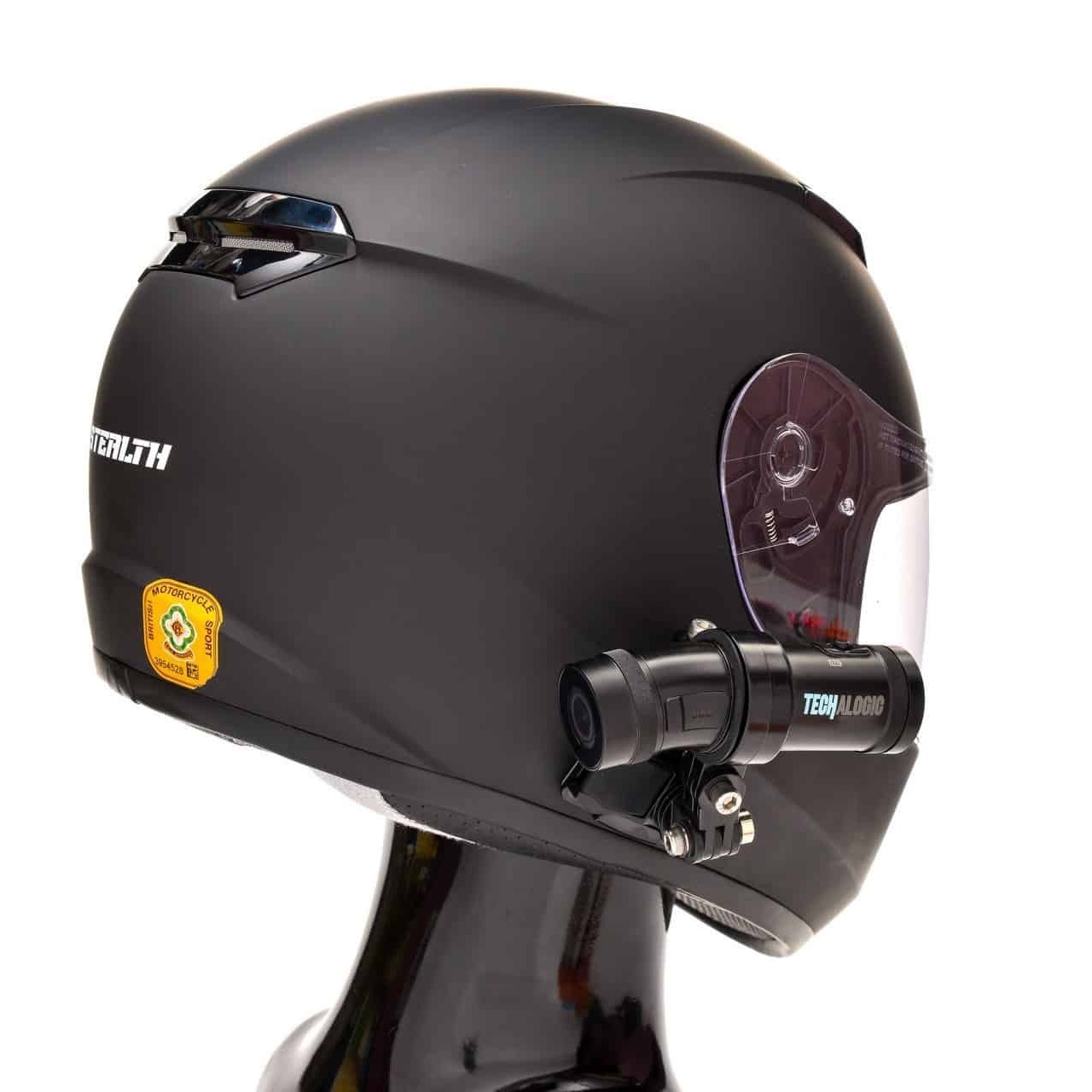 Where to Buy a Quality Helmet Camera
Purchasing begins with trusted sources. Not all sellers offer reliable products.
Visit official brand websites. GoPro, Garmin, and Sena sell direct. Full specs and warranty details appear clearly.
Customer support responds quickly. Firmware updates stay current. Authenticity guaranteed.
Online Retailers and Specialty Stores
Amazon, RevZilla, and Cycle Gear list many options. Read verified buyer reviews. Real photos help assess quality.
Compare prices across sites. Watch for seasonal deals. Black Friday and summer sales bring discounts.
Check return policies. Easy returns reduce risk. Free shipping increases value.
Local motorcycle shops carry select models. Staff offer hands-on advice. They recommend based on local roads.
Some stores install accessories. Professionals ensure correct fit. Saves time and effort.
Trade-in programs exist. Upgrade old gear toward new purchases. Recycling grows popular.
Join forums or Facebook groups. Members share trusted vendors. Word-of-mouth guides smart choices.
Always verify seller reputation. Avoid counterfeit listings. Stick to authorized dealers.
Buying from reliable places ensures performance and peace of mind.
Frequently Asked Questions
Is a motorcycle helmet camera legal?
Yes. Most countries allow it. Always check local laws regarding audio recording.
Can it damage my helmet?
No. If mounted properly. Avoid drilling. Use adhesive or strap mounts.
Does it affect aerodynamics?
Minimal effect. Streamlined models reduce wind resistance. Noise stays low.
How do I charge it?
Via USB cable. Some support solar chargers or bike power. Check model specs.
Can I use it in the rain?
Yes. Waterproof models handle wet conditions. Ensure seals are intact.
Will it fall off at high speed?
Not if installed correctly. Test at low speeds first. Recheck after long rides.
Do I need editing software?
Optional. Basic trimming is easy. Apps like GoPro Quik simplify sharing.
Can two riders sync their cameras?
Yes. Bluetooth models pair together. Record simultaneously from multiple angles.
Should I leave it on all the time?
Recommended. Loop recording saves space. Critical moments may happen unexpectedly.
Can police use the footage?
Only with your permission or subpoena. You control access to your recordings.
 Final Thoughts
A motorcycle helmet camera is a valuable addition to any rider’s gear. It enhances safety, preserves memories, and shares adventures.
From daily commutes to cross-country trips, it captures what matters. Protection and passion combine in one device.
Technology continues improving. Better resolution, longer battery, and smarter features emerge each year.
As riding culture grows, so does the role of video. Stories spread faster. Lessons reach more people.
Whether you’re a beginner or veteran, consider adding a motorcycle helmet camera. It doesn’t just record your ride—it completes it.