Why a Proper Helmet is Crucial for Youth Riders
A youth motorcycle helmet is not just an accessory. It is a vital safety tool. Every young rider needs one. Whether riding a dirt bike, scooter, or small motorcycle, head protection is non-negotiable. Accidents happen fast. A strong helmet can prevent serious injury.
Safety Standards and Regulations
Helmets should meet safety standards like DOT or Snell certifications. These standards ensure reliability and effectiveness. They guarantee that the helmet can absorb impact and protect the skull properly. Before buying a helmet, check for labels proving compliance with these regulations.
Key Risks of Riding Without a Helmet
Riding without a helmet exposes children to severe injuries. Head trauma is the most common risk. It can lead to permanent damage or even death. Helmets reduce the chances of injuries caused by collisions, falls, or flying debris. Without proper protection, minor accidents could have catastrophic results. Youth riders must wear helmets every time they ride to ensure their safety.
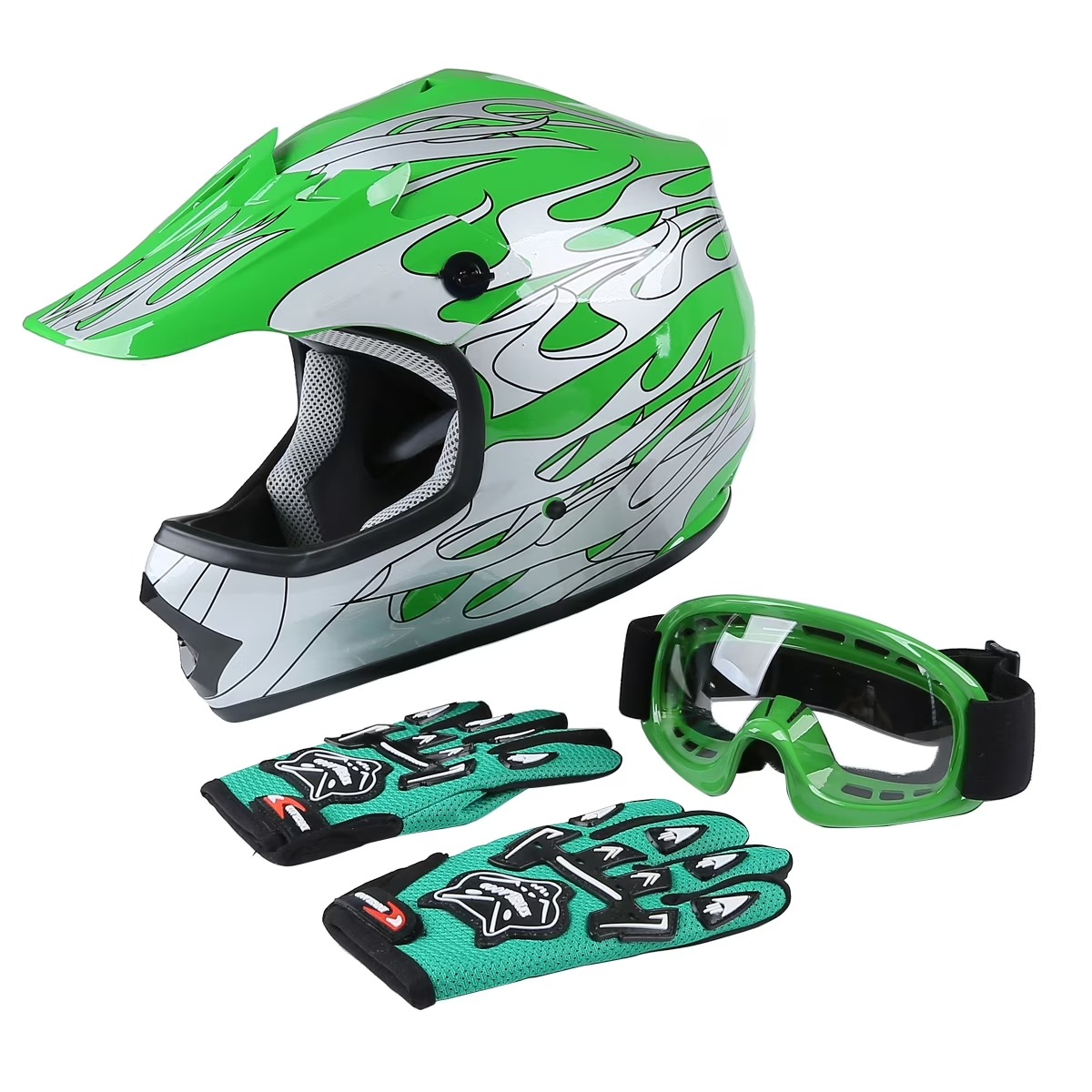 Different Types of Youth Motorcycle Helmets
Youth motorcycle helmets come in various designs. Each type serves a different purpose and offers unique benefits. Choosing the right style depends on the rider’s needs and preferences.
Full-Face Helmets
Full-face helmets provide maximum protection. They cover the entire head and face, including the chin. These helmets are ideal for high-speed riding and offer excellent safety during impact. They also shield riders from wind, rain, and debris.
Open-Face Helmets
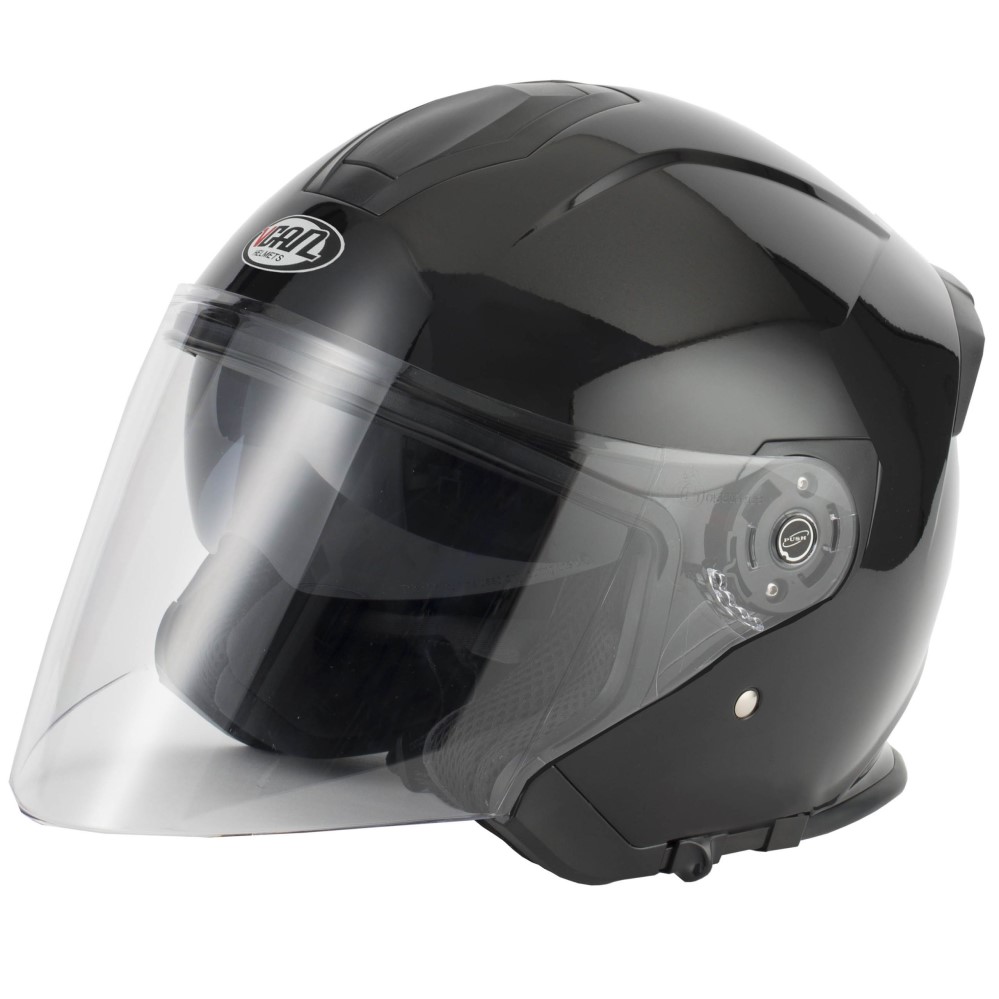
Open-face helmets cover the top and sides of the head, but they leave the face exposed. These helmets are lightweight and provide visibility. While they offer less protection than full-face helmets, they are suitable for slower, casual rides.
Modular Helmets
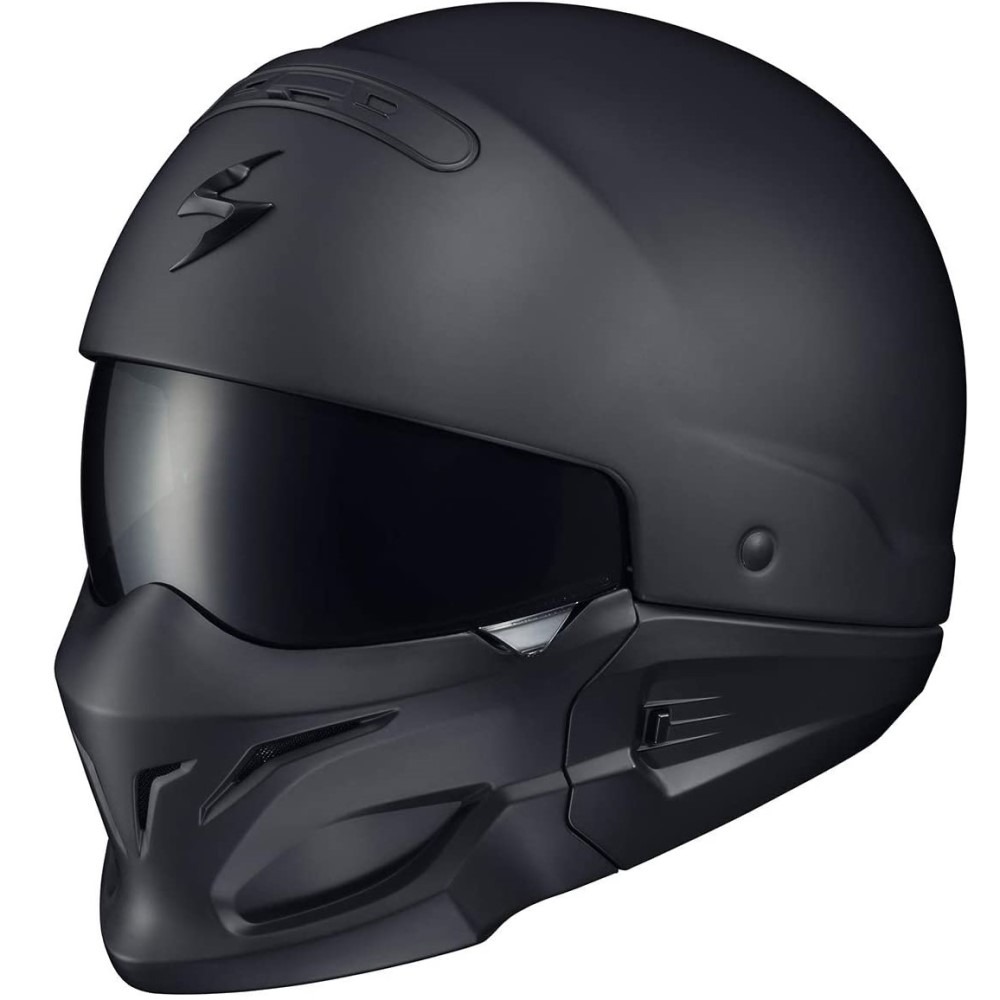
Modular helmets combine features of full-face and open-face helmets. Riders can flip up the front section to expose the face when needed. These helmets are versatile and convenient for long trips. They balance protection and comfort effectively.
Off-Road Helmets
Off-road helmets are designed for dirt biking and trail riding. They have a sturdy build and extended chin bars for better airflow. These helmets often include visors to block sunlight and goggles for clear vision. They are rugged and suited for challenging environments.
Features to Look for in a Youth Helmet
Selecting the perfect youth motorcycle helmet requires attention to several important features. Ensuring safety, comfort, and functionality is essential. Below are key factors to consider.
Material and Durability
The helmet’s material affects its safety and lifespan. Look for lightweight yet sturdy materials like polycarbonate or fiberglass. These materials resist impact and provide long-lasting protection. Make sure the helmet is well-built with no weak points. Durability is vital, especially for active young riders.
Comfort and Fit
A proper fit ensures safety and comfort. The helmet shouldn’t move or press too tightly. Cushioned interiors and adjustable padding help achieve a snug fit. Comfort encourages young riders to wear their helmets without complaint.
Ventilation and Breathability
Good ventilation prevents overheating during rides. Helmets with air vents allow proper airflow. Proper breathability reduces sweat and keeps riders comfortable. This feature is especially important during warm weather.
Weight Considerations
The helmet’s weight should match the rider’s size and strength. Lightweight helmets prevent neck strain and fatigue. Avoid overly heavy helmets, as they can make rides uncomfortable for younger riders. Always prioritize a balance between weight and protection.
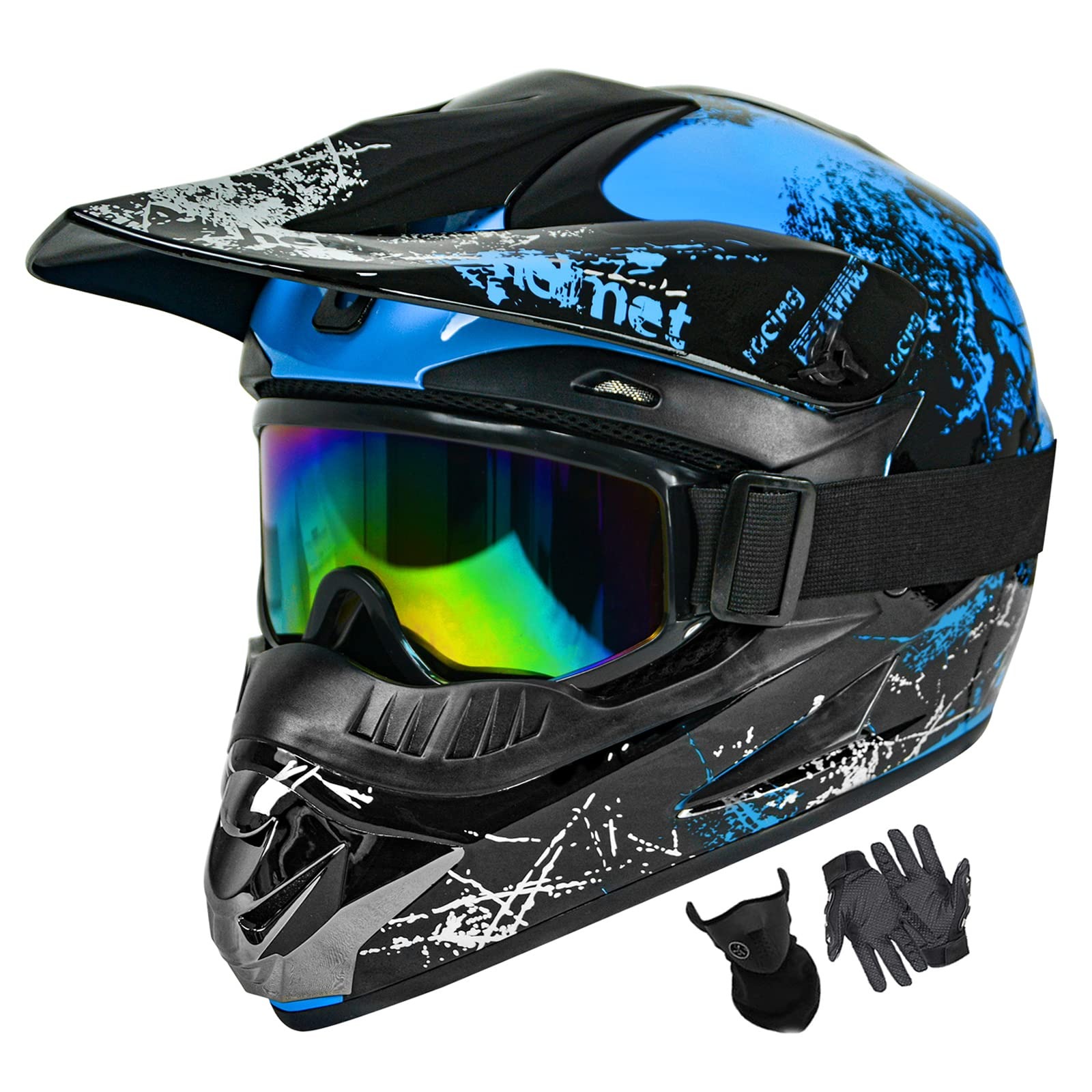 Safety Standards and Certifications Explained
DOT, ECE, and Snell Ratings
Not all youth motorcycle helmet models meet the same standards. DOT (Department of Transportation) is required in the U.S. Helmets pass tests for impact, retention, and penetration. Look for the DOT sticker on the back.
ECE 22.05 is a European standard. Many consider it stricter than DOT. It includes multiple impact zones and roll-off checks. If you travel abroad, ECE certification adds value.
Snell Memorial Foundation sets voluntary benchmarks. Snell-rated helmets exceed basic requirements. They test for higher-speed impacts. While not mandatory, Snell offers extra peace of mind.
Always verify certifications. Some brands claim “meets safety standards” without listing which ones. Demand clear labeling. Check official databases if unsure. Trust only proven results.
How to Spot Fake or Non-Certified Helmets
Unfortunately, fake helmets exist. They look real but lack inner structure. Some have thin foam or hollow shells. In a crash, they collapse instantly. These are extremely dangerous.
Red flags include unusually low prices. A true youth motorcycle helmet costs at least 60100. Anything below $40 is likely unsafe. Also, avoid novelty designs with large openings. Gaps expose the head.
Check weight. Real helmets feel solid. Very light ones may lack proper lining. Shake the helmet gently. Loose parts mean poor construction.
Buy from trusted stores or brand websites. Avoid third-party marketplaces unless verified. Read reviews carefully. Ask other parents for recommendations. Your child deserves nothing less than real protection.
How to Choose the Right Size
Choosing the correct size ensures that the helmet provides proper protection and comfort. A poorly fitting helmet can compromise safety and make riding uncomfortable. Below are steps to help find the perfect size for youth motorcycle helmets.
Measuring for an Accurate Fit
Start by measuring the rider’s head circumference. Use a flexible measuring tape for accuracy. Wrap the tape around the widest part of the head, just above the eyebrows. Match the measurement with the helmet’s size chart provided by the manufacturer. Always recheck the measurement if unsure.
Ensure the helmet fits snugly without causing discomfort. It shouldn’t be too tight or loose. Try multiple sizes if necessary to find the best fit. Remember, helmets that fit correctly offer better safety during accidents.
Adjusting Straps and Linings
Adjust the straps for proper positioning. The straps should hold firmly yet comfortably under the chin. Make sure they are not too tight or too loose. Ensure the helmet stays secure during movement but doesn’t cause pressure.
Check the inner linings for comfort and fit. Many youth helmets come with adjustable padding. Use extra padding if needed to enhance comfort and fit. These adjustments ensure the helmet remains stable during rides. Always inspect and test adjustments before riding.
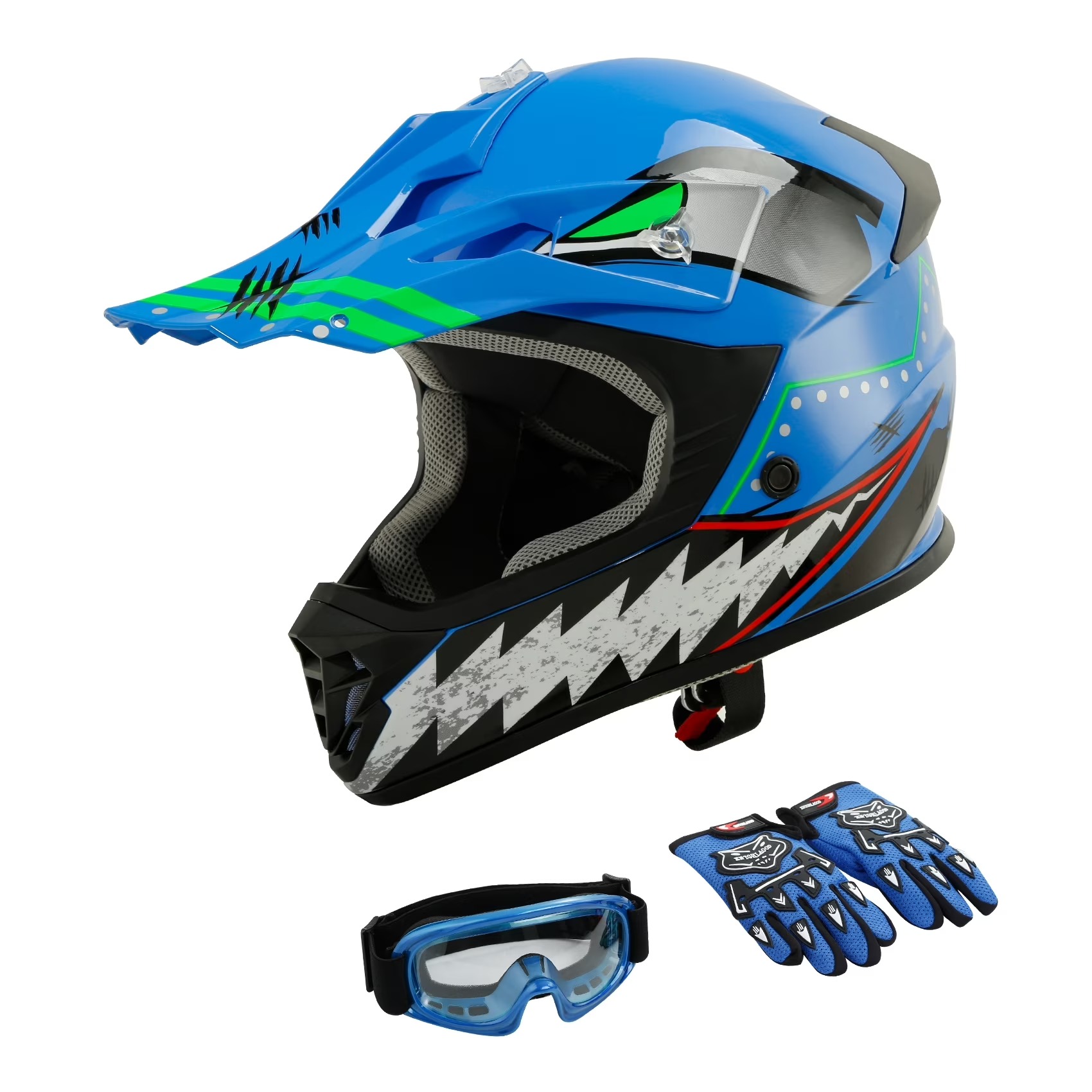 Popular Brands Offering Youth Helmets
Choosing a reliable youth motorcycle helmet is easier when you know the best brands. Trusted manufacturers focus on safety, quality, and comfort for young riders. Below are some popular options to consider.
Best Budget-Friendly Options
- Bell Helmets: Bell offers affordable helmets with great safety features. Their designs cater to younger riders and ensure durability.
- ILM Helmets: ILM helmets balance cost and quality. They include features like adjustable padding and ventilation.
- HJC Helmets: HJC produces lightweight, budget-friendly options with excellent ventilation systems. Their helmets also meet key safety standards.
- Raider Helmets: With their simple designs and sturdy construction, Raider helmets are perfect for casual young riders.
These brands provide dependable helmets without breaking the bank. They prioritize safety while keeping prices reasonable.
Premium Brands for Enhanced Features
- Shoei Helmets: Shoei is famous for producing high-end helmets with superior construction. Their helmets offer advanced comfort and fit.
- Arai Helmets: Arai is well-known for its top-tier safety features. They use impact-resistant materials and ergonomic designs.
- AGV Helmets: AGV combines style with functionality. Their helmets feature sleek designs and premium safety features.
- Fox Racing Helmets: Fox specializes in off-road helmets designed for superior endurance and protection. They are great for outdoor adventures.
Premium brands cater to riders who value high-quality materials and cutting-edge features. These helmets often last longer and provide maximum comfort on long rides.
Consider the rider’s needs and budget when choosing a helmet. Both budget-friendly and premium options offer protection and style, ensuring safe and enjoyable rides.
Maintenance Tips for a Youth Helmet
Proper maintenance of a youth motorcycle helmet is essential for safety and longevity. Regular care ensures it performs reliably during rides. Below are helpful tips to keep the helmet in excellent condition.
Cleaning and Sanitization
- Clean the outer shell: Use mild soap and warm water to clean the helmet’s surface. Avoid abrasive chemicals that can damage the material.
- Wash the interior padding: Remove any detachable liners or pads. Wash them gently with warm water and mild detergent. Let them air-dry completely before putting them back.
- Sanitize the inside: Use helmet sanitizing sprays to eliminate bacteria and odors. This keeps the helmet fresh and hygienic.
- Polish the visor: Clean the visor with a microfiber cloth and a non-abrasive glass cleaner. Ensure a clear and unobstructed view while riding.
Clean your helmet regularly to prevent dirt buildup and maintain safety features.
Storage and Longevity
- Store in a dry place: Keep the helmet in a cool, dry location away from direct sunlight. Heat and moisture can weaken the materials.
- Use a helmet bag: Store the helmet in a soft bag to prevent scratches and dust buildup.
- Avoid hanging by straps: Never hang the helmet by its straps, as it can damage the structure.
- Inspect for damage: Periodically check for cracks or wear. Replace the helmet immediately if you find any damage.
- Avoid harsh impacts: Do not drop or mishandle the helmet. Impacts can compromise its protective abilities.
Proper storage extends the helmet’s lifespan and ensures it remains effective.
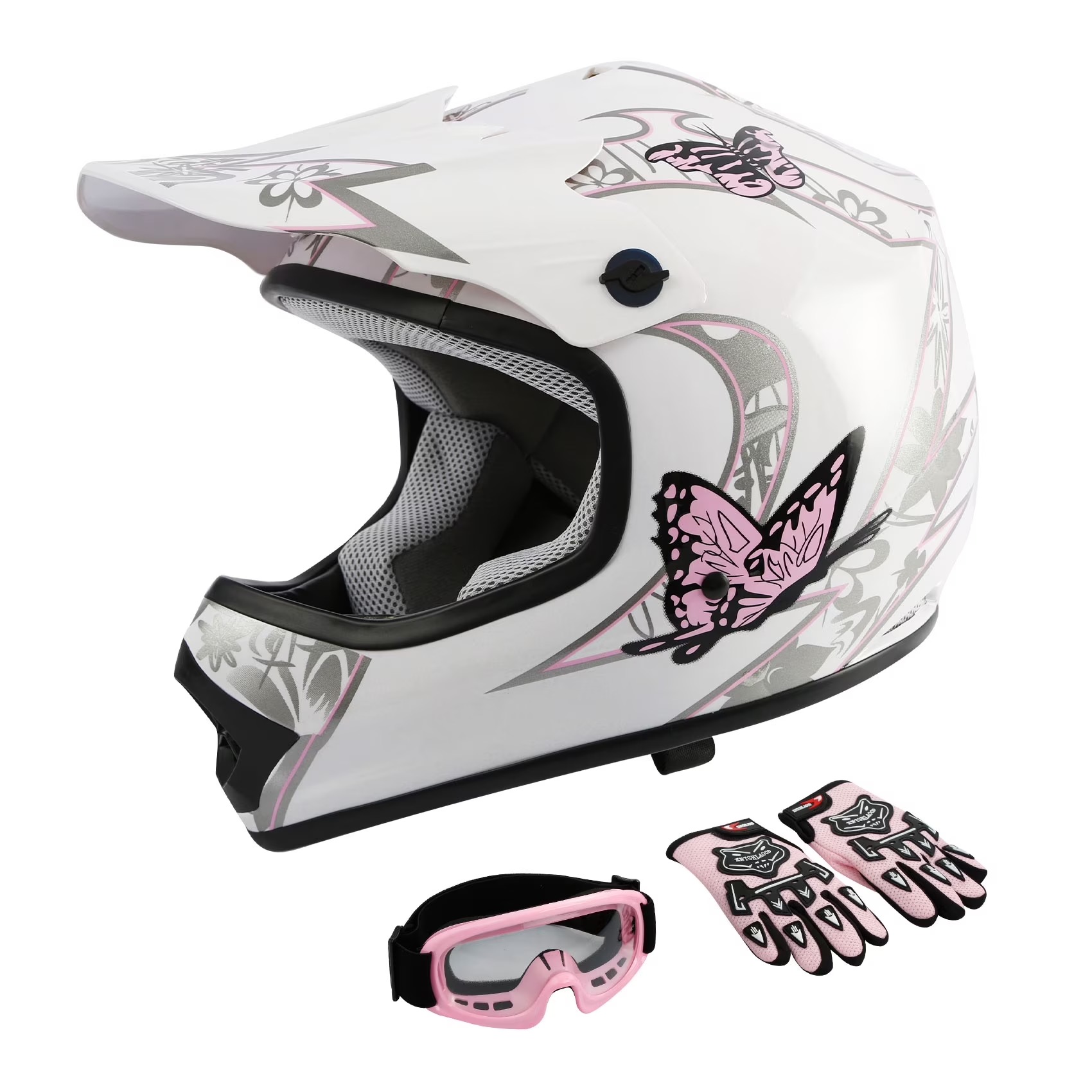 Style, Design, and Encouraging Helmet Use
Cool Graphics and Customization
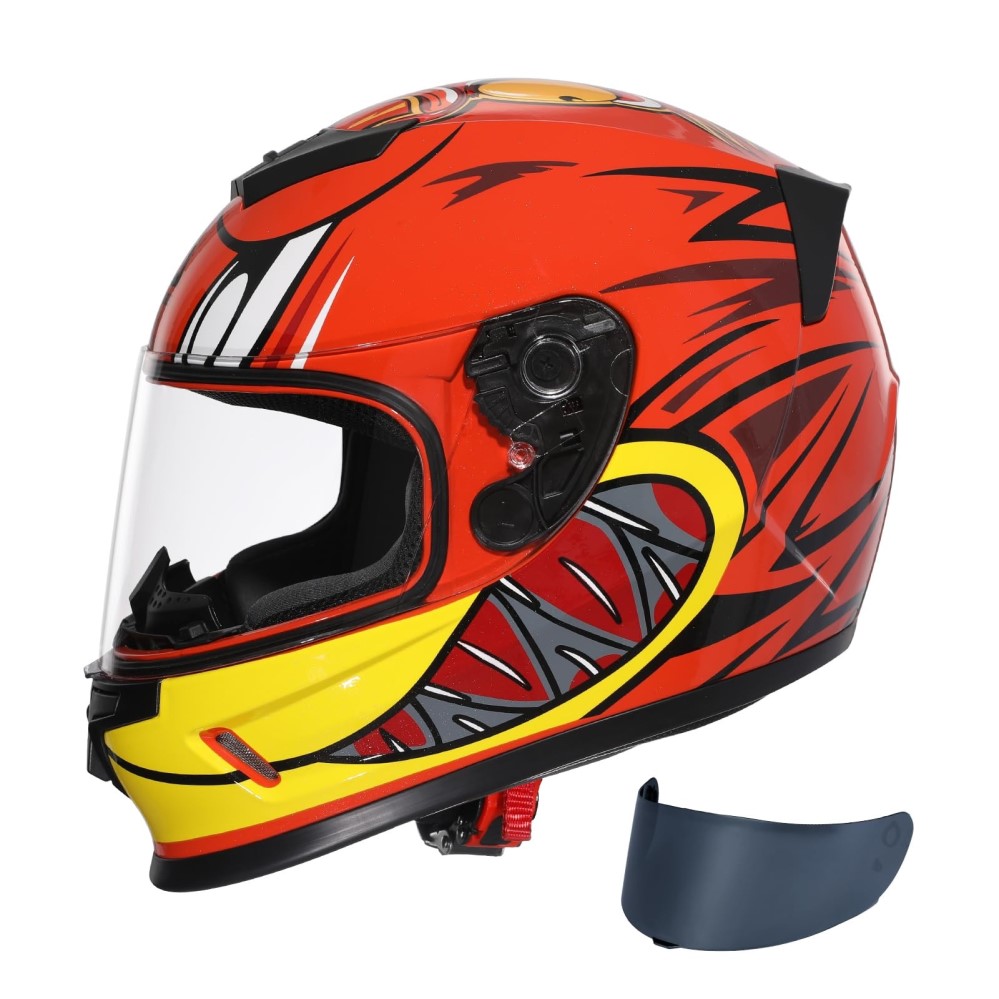
Kids respond to style. A plain black helmet may seem boring. Bright colors, flames, animals, or superhero themes attract attention. Let children pick their favorite design.
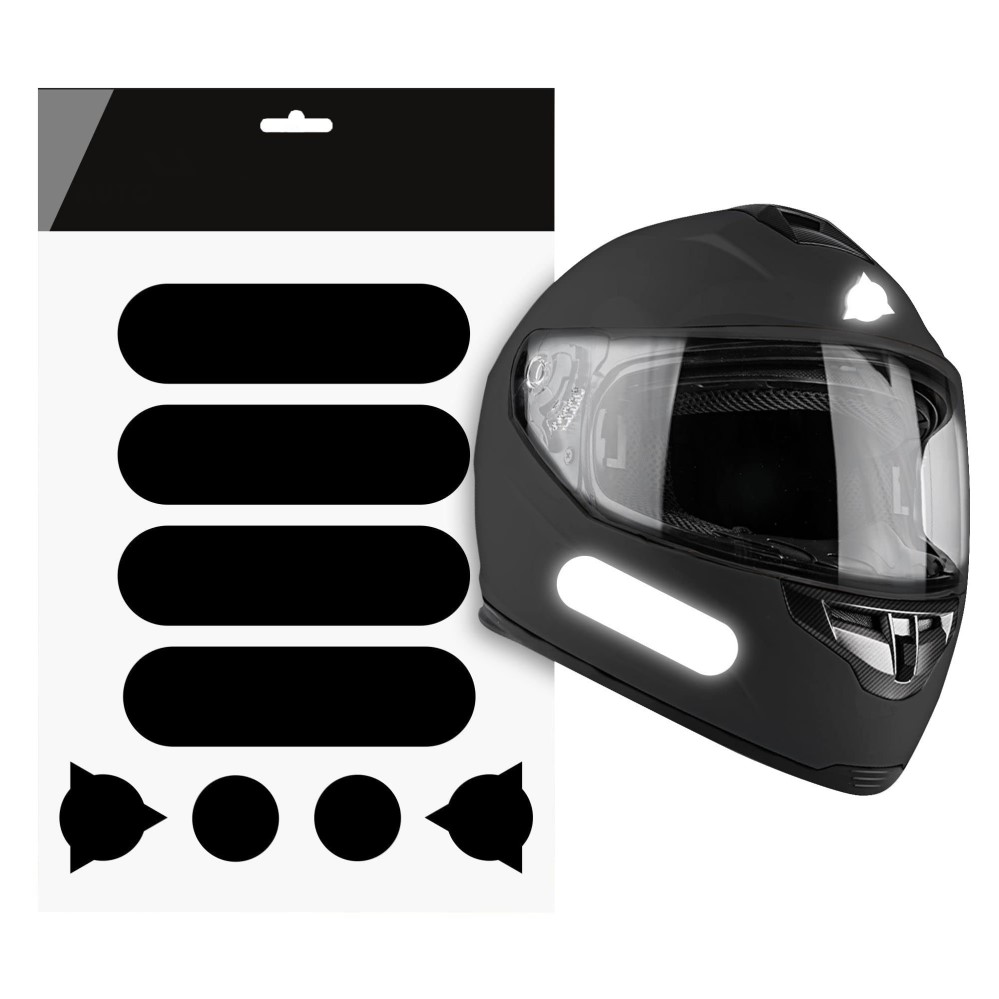
Many brands offer themed series. Camouflage, racing stripes, or glow-in-the-dark finishes add fun. Some allow custom stickers. Personalization increases pride in wearing it.
Even girls’ models now feature sparkles and floral patterns. Gender-neutral choices include dinosaurs, space rockets, or cartoon characters. When kids love how it looks, they wear it willingly.
Parents can use this to teach safety. “You picked this helmet because it’s cool. Now show others how smart it is to wear one.” Turn fashion into a lesson.
Peer Influence and Parental Role Modeling
Children copy adults. If parents wear helmets, kids do too. Ride together and make it routine. Say, “We don’t start until everyone’s strapped in.” Consistency teaches values.
Talk about why helmets matter. Share stories of real crashes. Show videos of impact tests. Not to scare, but to inform. Knowledge builds respect for gear.
School programs and riding clubs help. Group events normalize helmet culture. Seeing peers wear them removes stigma. Fun challenges reward safe behavior.
A youth motorcycle helmet should never feel like punishment. It’s a badge of responsible riding. Celebrate good choices. Praise consistency. Positive reinforcement lasts longer than scolding.
Frequently Asked Questions
At What Age Should Kids Start Wearing a Helmet?
From day one. Any child on a motorized bike needs a youth motorcycle helmet. This includes electric balance bikes and mini dirt bikes. Early habits stick.
Even toddlers on backyard rides benefit. Lightweight toddler-sized helmets exist. They protect growing heads. Start early. Keep it simple.
Never allow exceptions. “Just around the driveway” is still risky. Falls happen on flat ground. Instill safety as a rule, not a suggestion.
How Often Should I Replace a Youth Motorcycle Helmet?
Replace it after any crash. Even minor falls can damage internal foam. Invisible cracks reduce protection. When in doubt, replace it.
Also, replace it every five years. Sunlight, heat, and sweat degrade materials. Foam loses elasticity. Straps weaken. Old glue fails. Time affects performance.
Growth is another reason. Kids outgrow helmets fast. If hair sticks out or straps are maxed out, it’s time for a new one. Regular checks keep them safe.
Can I Use a Bike Helmet for Motorized Riding?
No. Bicycle helmets are not designed for motorized speeds. They protect against single-impact falls and they shatter after one hit. They lack chin bars.
Motorcycle helmets handle multiple impacts. They resist higher forces. Wind resistance matters too. A bike helmet may fly off at 30 mph.
Using the wrong helmet is illegal in many places. It also voids insurance claims. Always use a certified youth motorcycle helmet. No shortcuts.
Are More Expensive Helmets Safer?
Not always. Mid-range helmets (80–150) often match premium ones in safety. They meet the same DOT or ECE standards. Price differences come from extras.
Luxury features include aerodynamics, noise reduction, or advanced ventilation. Some have carbon fiber shells. These lower weight. But protection levels are similar.
Focus on fit and certification. Pick a model within budget. Add-ons are nice. But core safety doesn’t depend on price. A $90 helmet can be just as safe.
 Final Thoughts on Protecting Young Riders with the Right Helmet
Choosing a youth motorcycle helmet is one of the most important decisions for young riders. It combines safety, comfort, and confidence. Parents must treat it as seriously as seat belts.
From material to fit, every detail counts. Certified helmets save lives. Proper sizing prevents distractions. Cool designs encourage daily use. Together, these factors build a culture of safety.
Technology improves each year. Vents get smarter. Materials get lighter. Yet the mission stays the same. Protect the head. Preserve the future.
Whether for trail rides or city streets, never compromise. The best youth motorcycle helmet is the one worn correctly, every single time. Make safety automatic. Make it non-negotiable.
For every parent, guardian, and young rider, remember this: a helmet isn’t just gear. It’s a promise. A promise to ride safely. A promise to come home.