The Legacy of Lincoln and the Idea of a Lincoln Pickup Truck
Lincoln has long stood as a symbol of luxury in the American auto industry. It began in 1917. Since then, it has focused on premium sedans and SUVs. Vehicles like the Navigator and Continental define elegance.
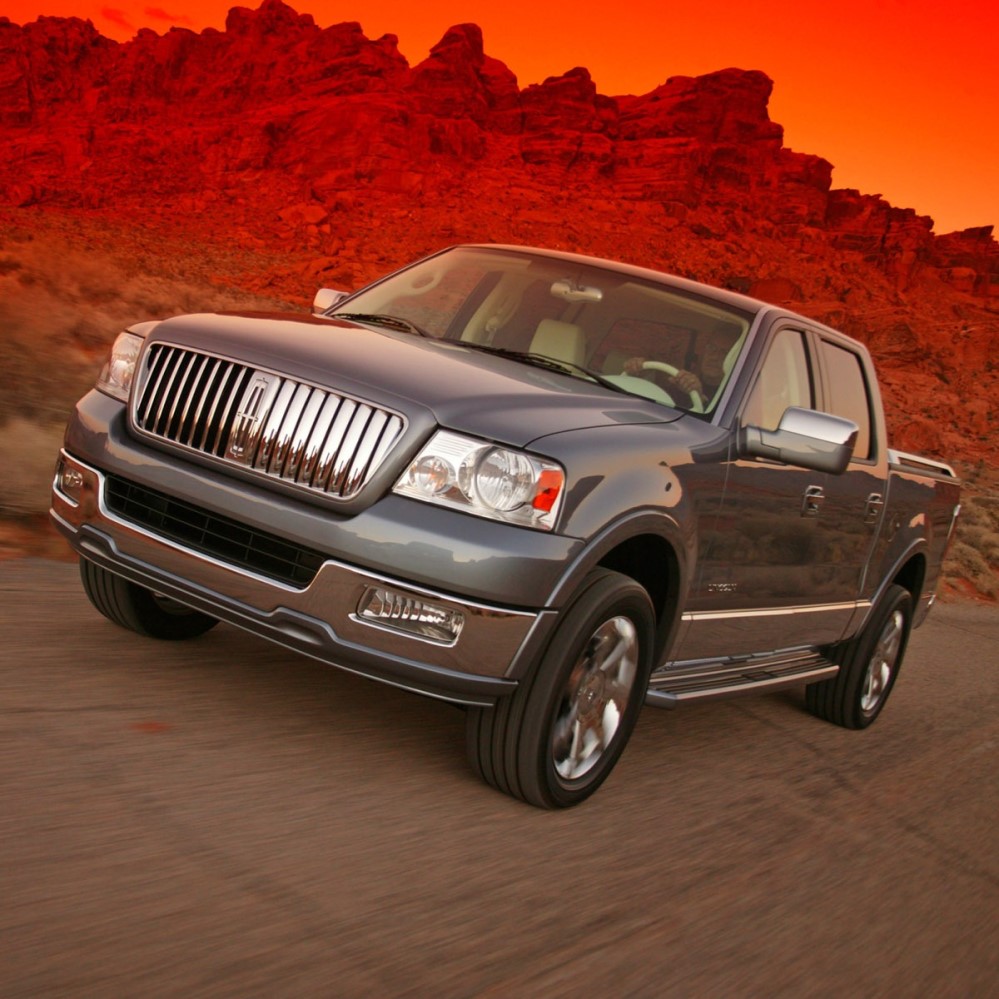
Yet fans have often asked: will there ever be a lincoln pickup truck? This idea sparks strong interest. Many believe Lincoln is ready to enter the full-size luxury truck market.
The demand for high-end trucks is growing. Competitors like the GMC Sierra Denali and Ram Limited offer upscale features. A lincoln pickup truck would fit perfectly in this space.
Luxury buyers want more than power. They expect comfort, technology, and refinement. These values align with Lincoln’s brand identity. A pickup from Lincoln could redefine expectations.
Other brands have succeeded with premium models. The Ford F-150 Limited proves luxury sells. Cadillac once explored the Elmiraj concept. Now, the moment feels right for Lincoln.
A lincoln pickup truck wouldn’t just copy rivals. It would bring unique design. Quietness, smooth ride quality, and advanced materials would set it apart.
Customers desire seamless integration. From home to car, life should feel effortless. Lincoln’s approach to calm technology supports this vision.
Moreover, dealerships provide white-glove service. Pickup owners would benefit too. At-home maintenance, concierge fueling, and digital checkout add value.
Even without an official release yet, rumors persist. Enthusiasts discuss potential names. Some suggest “Lincoln Ranger.” Others propose “Lincoln Trailblazer” or “Lincoln Pioneer.”
Design sketches appear online. Renderings show bold grilles. Sleek LED lighting wraps around the body. Power domes rise over V8 or hybrid engines.
Though not confirmed, the idea continues gaining momentum. Social media buzz grows. Forums light up with speculation.
A lincoln pickup truck may not exist today. But its possibility shapes future thinking. For many, it’s not a question of if, but when.
 Design Philosophy Behind a Potential Lincoln Pickup Truck
Exterior Styling and Aerodynamics
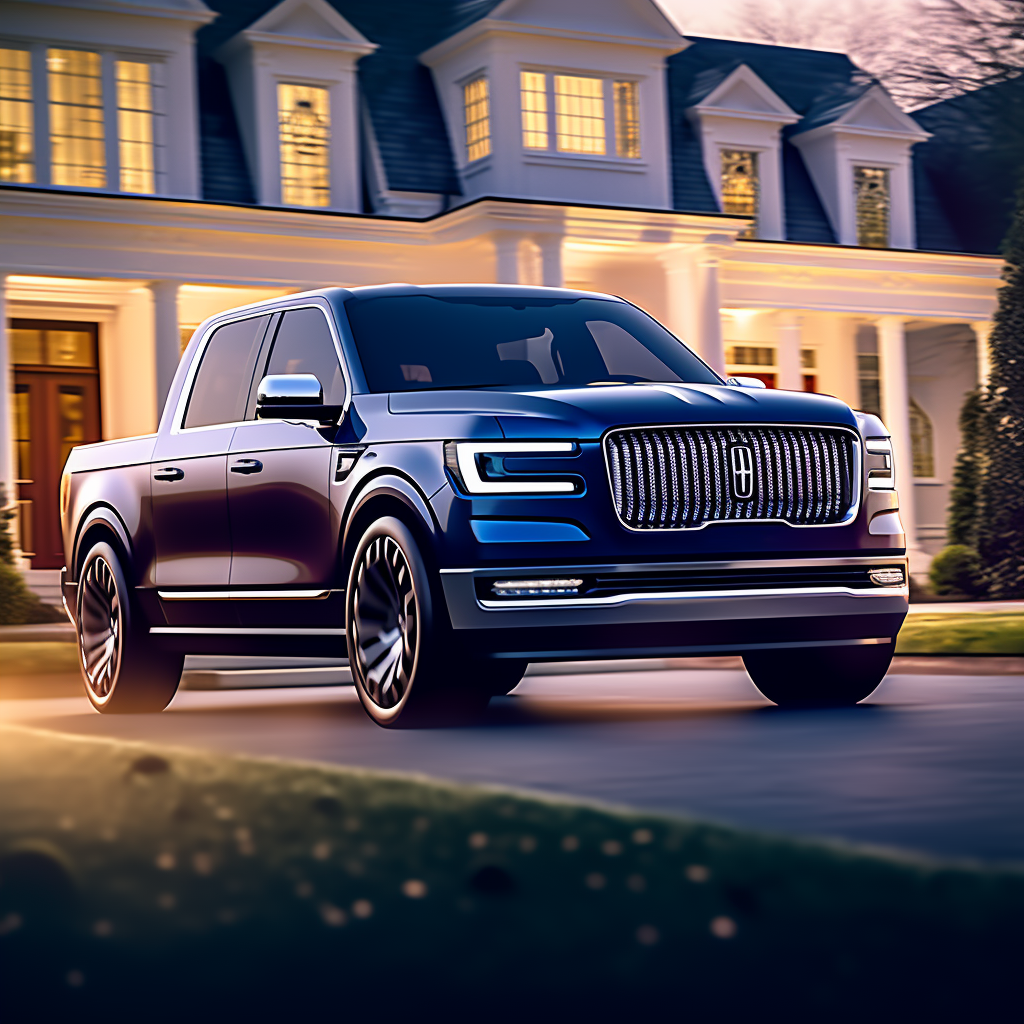
If Lincoln builds a pickup, design will play a crucial role. The exterior must balance strength and elegance. Tough lines meet refined surfaces.
Expect a large chrome grille. This signature element defines Lincoln’s front end. Paired with slim headlights, it creates presence.
LED lighting would run across the width. Signature illumination enhances visibility. It also adds nighttime appeal. Daytime running lights outline the shape.
Body panels would stay flush. Minimal gaps reduce wind noise. Aerodynamic shaping improves fuel efficiency. Drag coefficient matters even for trucks.
Fenders would arch slightly. They house wide tires without aggression. No flared plastic cladding. Clean finishes maintain sophistication.
Wheels might reach 22 inches. Polished alloys reflect light beautifully. Hidden door handles appear when approached. Technology blends into form.
Tonneau covers would integrate smoothly. Retractable or hard-shell options keep cargo secure. No bulky add-ons ruin the profile.
Color choices lean toward muted tones. Deep blues, graphite grays, and pearl whites dominate. Bright hues remain rare. Luxury favors subtlety.
Mirrors could shrink in size. Camera-based systems replace traditional housings. Side views stream to interior screens. Clarity improves with zoom.
Overall, the look avoids ruggedness. No exposed hinges or bolted trim. Every detail serves quiet confidence. Strength hides beneath calm surfaces.
This approach differs from competitors. Most pickups shout capability. A lincoln pickup truck would whisper excellence.
It draws attention through presence, not noise. Passersby notice without knowing why. That is true luxury.
Interior Comfort and Materials
Inside, the cabin would reflect Lincoln’s best qualities. Soft-touch surfaces cover every inch. Leather wraps seats, doors, and dash.
Seats would offer massaging functions. Heating and cooling come standard. Lumbar support adjusts in multiple directions. Long drives feel effortless.
Wood or aluminum accents appear sparingly. They highlight key zones. Center console, steering wheel, and speaker rings gain texture.
Noise cancellation remains central. Active sound control reduces engine hum. Double-pane glass blocks outside chaos. Silence becomes a feature.
Center consoles extend fully. Armrests lift to reveal storage. Cupholders slide closed. Everything stays hidden until needed.
Digital displays grow larger. Curved OLED screens dominate. Gauges and infotainment merge. Physical buttons fade away.
Voice commands respond instantly. Natural language processing understands requests. “Make it warmer” adjusts climate automatically.
Rear seats rival first class. Legroom expands generously. Fold-flat floors allow lounging. Privacy curtains block sunlight.
Technology supports well-being. Air purifiers filter allergens. Mood lighting shifts with driving mode. Calm blue replaces harsh white.
Every material breathes. Perforated leather allows airflow. Sustainable fabrics replace animal products. Eco-luxury gains importance.
Stitching patterns follow artistry. Contrast threads create rhythm. Hand-finished details appear in limited editions.
This level of care already exists in the Navigator. Transferring it to a lincoln pickup truck feels natural. Customers expect nothing less.
Comfort isn’t just physical. Mental ease matters too. When stress fades, joy emerges. That is Lincoln’s promise.
 Performance and Capability Expectations
Engine Options and Towing Power
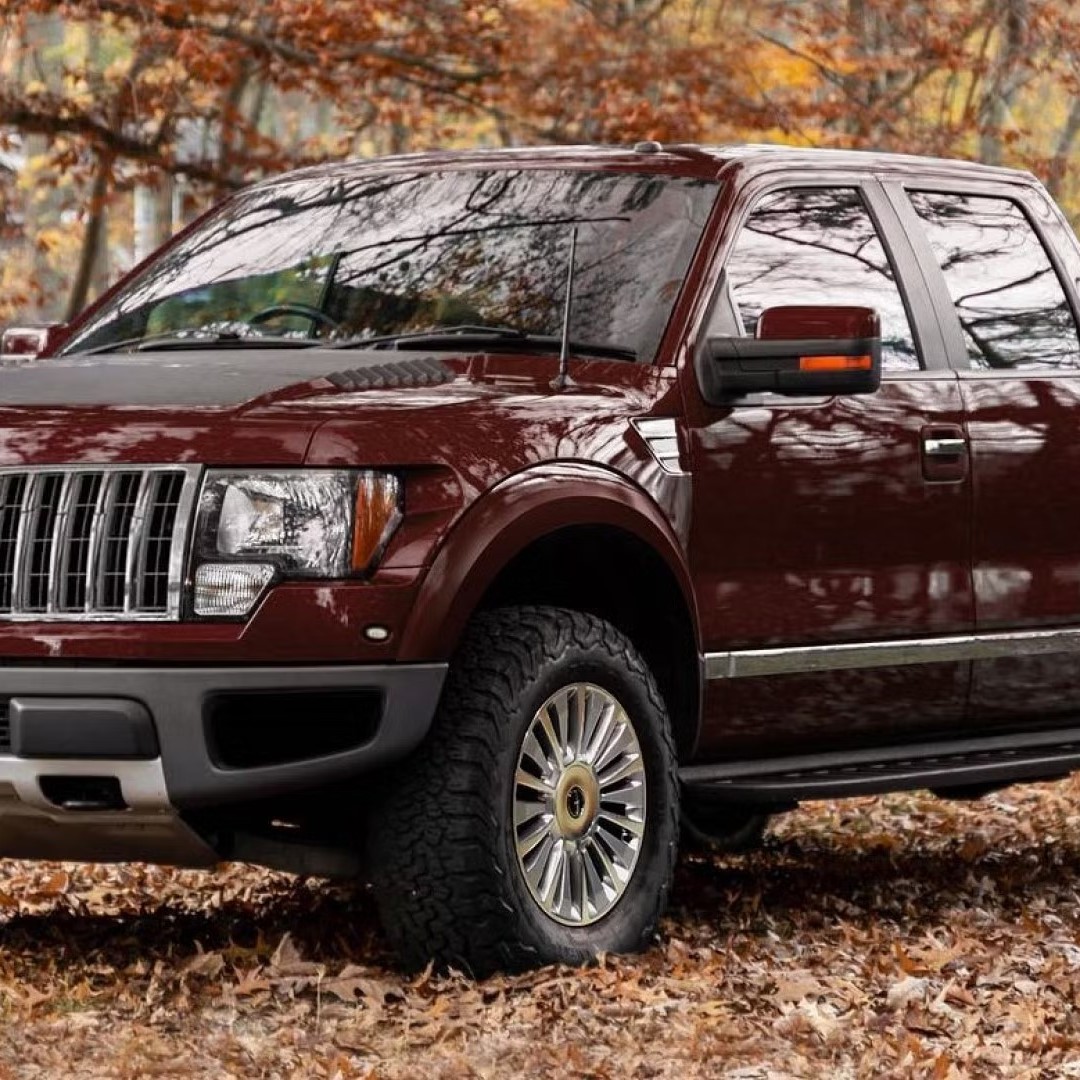
Performance must match expectations. A lincoln pickup truck cannot sacrifice utility for style. Buyers need real capability.
Likely, it would share powertrains with the Ford F-150. A twin-turbo V6 could serve as base. Deliver smooth acceleration and solid torque.
For higher trims, a hybrid option makes sense. The PowerBoost system combines electric motor with gasoline engine. Instant low-end power helps towing.
Maximum towing could exceed 12,000 pounds. Properly equipped models handle heavy trailers. Fifth-wheel setups remain possible.
Payload ratings matter too. Over 3,000 pounds capacity ensures usefulness. Hauling tools or gear stays practical.
Transmission tuning would favor smoothness. No jerky shifts. Gear changes disappear into background. Drivers feel only progress.
Four-wheel drive comes standard on most trims. Terrain Management System adapts to conditions. Sand, mud, snow — each gets dedicated mode.
Air suspension adjusts ride height. Lower for highway efficiency. Raise for off-road clearance. Self-leveling maintains balance under load.
Braking systems grow stronger. Larger rotors stop heavier loads. Regenerative braking aids hybrids. Safety improves at all speeds.
Engine sound would stay subdued. No artificial rumble enters the cabin. Exhaust notes mute at idle. Refinement overrides roar.
Drivers want control without strain. Adaptive cruise holds distance. Lane-centering keeps centered. Highway trips become relaxing.
Even off-pavement, composure remains. Skid plates protect underbody. Approach and departure angles allow trail access.
Capability does not require coarseness. A lincoln pickup truck proves strength can be silent.
Ride Quality and Handling Dynamics
Handling must impress despite size. Large trucks often feel clumsy. A lincoln pickup truck would aim higher.
Independent rear suspension likely appears. This setup improves wheel control. Bumps affect one side less. Ride stays balanced.
Steering feels precise but not heavy. Variable assist adjusts with speed. Parking remains easy. Highways feel stable.
Damping systems adapt continuously. Sensors read road surfaces ahead. Shocks respond in milliseconds. Jolts vanish before reaching seats.
Body roll reduces significantly. Cornering stays flat. Passengers don’t shift unexpectedly. Confidence builds at every turn.
Frame construction uses high-strength steel. Rigidity increases durability. NVH (noise, vibration, harshness) drops further.
Tires matter greatly. All-season Grand Touring types prioritize comfort. Run-flats avoid immediate roadside changes.
Crosswinds rarely push the vehicle. Wide track and low drag resist gusts. Drivers maintain control naturally.
Electronic aids support without intrusion. Stability control acts subtly. Traction management prevents slip early.
Driver selects modes easily. Slippery, deep sand, or sport settings change responses. Custom profiles save preferences.
Feedback flows through seat and wheel. Not harsh jolts. Gentle pulses guide decisions. Communication feels human.
Even fully loaded, behavior stays composed. Suspension soaks up weight. No sagging ruins alignment.
This focus on refinement sets it apart. Other trucks punish occupants. A lincoln pickup truck protects them.
 Technology and Innovation Features
Infotainment and Connectivity
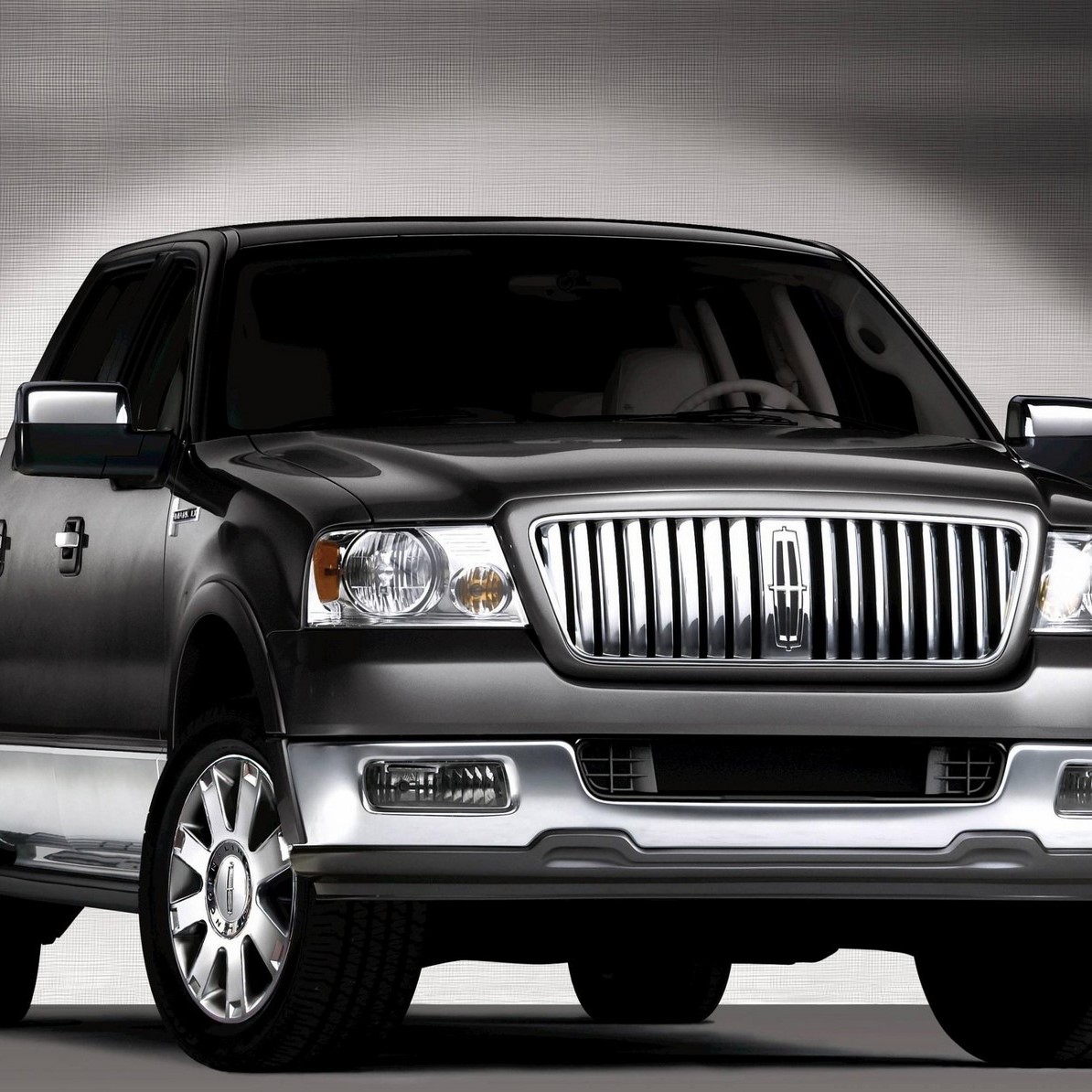
Technology defines modern luxury. A lincoln pickup truck would include cutting-edge systems.
The centerpiece is a large touchscreen. At least 12 inches wide. Runs SYNC Studio or next-gen software. Icons organize clearly.
Wireless Apple CarPlay and Android Auto connect instantly. No cables clutter the space. Updates happen over-the-air.
Bluetooth links multiple devices. Switch between phone and tablet seamlessly. Audio resumes where left off.
Wi-Fi hotspot supports multiple users. Passengers stream video or work online. Productivity continues on the go.
USB-C ports appear throughout. Front, rear, and console locations. Fast charging powers phones quickly.
Over-the-air updates improve performance. New features download overnight. Vehicle evolves after purchase.
Digital key allows smartphone entry. Phone unlocks doors when nearby. Start engine remotely if desired.
Cloud-based navigation learns habits. Suggests routes based on time and traffic. Recalculates fast during detours.
Personal profiles save settings. Climate, radio, and seat positions restore automatically. Family members switch easily.
Voice assistant understands complex commands. “Find gas stations with restrooms near me.” Answers appear immediately.
Augmented reality guides appear in instrument cluster. Arrows overlay live camera view. Directions feel intuitive.
Entertainment includes premium audio. Revel Ultima system delivers concert-like clarity. Speakers hide in strategic places.
All tech serves calmness. No flashing alerts. Minimal pop-ups. Information appears only when useful.
This thoughtful integration reflects Lincoln’s philosophy. Technology should help, not distract.
Driver Assistance and Safety Systems
Safety technology protects everyone. A lincoln pickup truck would lead in this area.
Standard Co-Pilot360 includes automatic emergency braking. Detects vehicles, pedestrians, and cyclists. Applies brakes if driver doesn’t react.
Blind-spot monitoring warns of side traffic. Cross-traffic alert helps during reverse maneuvers. Lights flash in mirrors.
Adaptive cruise control maintains distance. Adjusts speed to traffic flow. Stops completely if needed. Resumes when clear.
Lane-keeping assist gently corrects drift. Does not yank the wheel. Subtle pressure reminds focus.
Evasive steering assist activates in danger. Helps avoid collisions by guiding path. Works with stability control.
Reverse brake assist stops during backing. Detects obstacles behind. Prevents low-speed impacts.
Parking assist parks hands-free. Both parallel and perpendicular spots work. Driver monitors only.
360-degree camera shows surroundings. Overhead view combines feeds. Helps in tight spaces.
Traffic sign recognition reads posted limits. Displays them on screen. Alerts if speeding occurs.
Drowsiness detection monitors behavior. Suggests breaks when needed. Eye tracking may appear in future models.
Child presence alert reminds of backseat riders. Checks after engine off. Sends notifications if needed.
Trailer reverse guidance steers while backing. Driver controls speed only. Makes hookup easier.
These systems build trust. Drivers feel protected. Families ride with peace of mind.
A lincoln pickup truck would not overload with gadgets. Each feature serves purpose. Simplicity enables safety.
 Frequently Asked Questions
Will Lincoln Ever Build a Pickup?
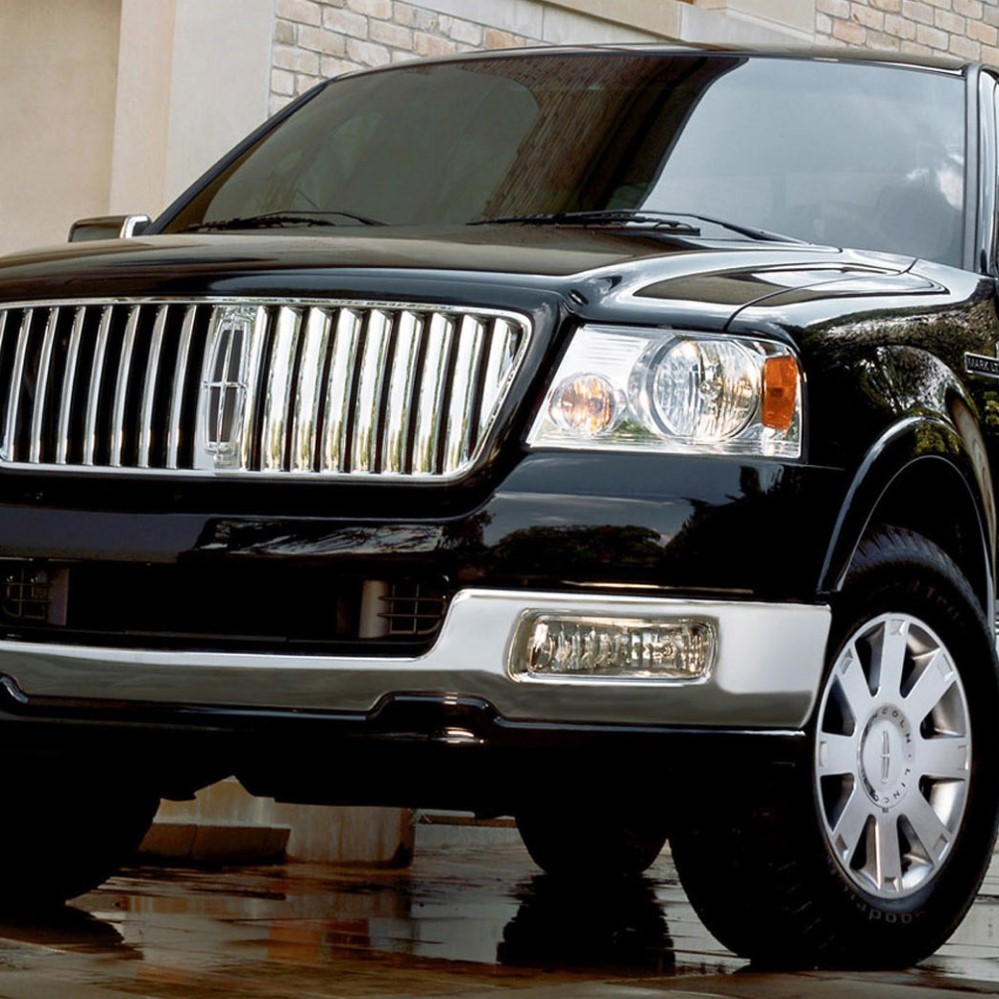
Yes, it seems likely. While no official announcement exists, trends point that way. Market demand supports a move.
Ford owns Lincoln. They share platforms and parts. Developing a lincoln pickup truck is technically feasible.
Consumer interest grows. Online petitions gather signatures. Forums debate specs and names. Demand is visible.
Luxury truck sales increase yearly. High-margin models sell well. Automakers see profit potential.
Ford invests heavily in F-150 upgrades. Adding a Lincoln version leverages that work. Marketing amplifies impact.
Historical precedent exists. Mercury once offered the Mountaineer. It mirrored the Explorer. Brand extension works.
A lincoln pickup truck would slot above the F-150 Limited. More features, better materials, quieter ride.
Timing depends on strategy. Electrification may come first. A Lincoln version of the F-150 Lightning seems plausible.
Until then, speculation continues. Official silence fuels curiosity. Yet logic suggests a launch is coming.
When it arrives, it will redefine expectations. Not just another truck. A statement of arrival.
Luxury meets utility. Status meets function. The result could reshape the segment.
Patience pays off. Great things take time. A lincoln pickup truck would be worth the wait.
What Would It Be Called?
Naming is critical. It must reflect prestige. “Lincoln Ranger” links to heritage. But Ford uses that name now.
“Lincoln Pioneer” sounds strong. Evokes exploration and leadership. Available for trademark.
“Lincoln Trailblazer” fits adventurous themes. However, Chevrolet uses it for a small SUV. Conflict likely.
“Lincoln Summit” emphasizes peak experience. Simple and elegant. Works for top trim levels.
“Lincoln Terra” draws from earth and strength. Unique and pronounceable. Stands out in ads.
“Lincoln Apex” suggests highest point. Sharp and modern. Appeals to younger audiences.
Some prefer “Lincoln Hercules.” Mythological strength. Bold and memorable. May feel too aggressive.
Others suggest “Lincoln Monarch.” Royal connotations. Matches brand tone perfectly.
Whatever the name, it must resonate. It should appear in headlines. Roll off the tongue easily.
Marketing teams test names rigorously. Focus groups react emotionally. Data guides final choice.
Until official word, fans invent their own. Creativity fills the gap.
But one day, a real name will emerge. It will carry weight. And announce a new era.
How Would It Differ From the F-150?
It would share bones but not soul. Underneath, platform and powertrain overlap. Above, everything changes.
Materials elevate significantly. Real wood, open-pore aluminum, and semi-aniline leather replace plastics.
Sound insulation doubles. Extra layers block noise. Cabin serenity becomes unmatched.
Ride tuning prioritizes comfort. Suspension softens. Dampers respond slower. Bumps absorb gently.
Features expand beyond utility. Massaging seats, mood lighting, and air purification add luxury.
Dealer experience transforms. No waiting in line. At-home service replaces shop visits.
Technology integrates calmly. Fewer alerts. Smoother interfaces. Information appears only when helpful.
Design avoids bold graphics. No racing stripes or decals. Elegance speaks quietly.
Colors stay neutral. Matte finishes may appear. Gloss black wheels enhance poise.
Badging identifies subtly. Minimal emblems. No loud logos. Status shows through presence.
Pricing reflects exclusivity. Higher than F-150 Limited. Closer to Cadillac Escalade ESV levels.
Target audience differs too. Executives, not contractors. Weekend escapes, not job sites.
Yet capability remains strong. Same towing and payload. Just delivered with grace.
A lincoln pickup truck wouldn’t replace the F-150. It would complement it. Offer choice.
Luxury and work can coexist. One brand serves both. That is the future.
 Conclusion
The idea of a lincoln pickup truck captures imagination. It represents evolution. It answers changing customer needs.
From design to technology, every aspect would reflect refinement. No compromise on comfort. No loss of capability.
Though not yet real, its potential shapes conversation. Enthusiasts dream. Engineers plan. Marketers study.
One day, it will arrive. Quietly. Confidently. Without fanfare, but with impact.
It will stand apart. Not by shouting. But by being different. By doing what others won’t.
Smooth rides. Silent cabins. Thoughtful details. These define the Lincoln way.
And when you finally sit inside a lincoln pickup truck, you’ll know. It was worth the wait.