Why a Small Pickup Truck Is the Right Choice for Many Drivers
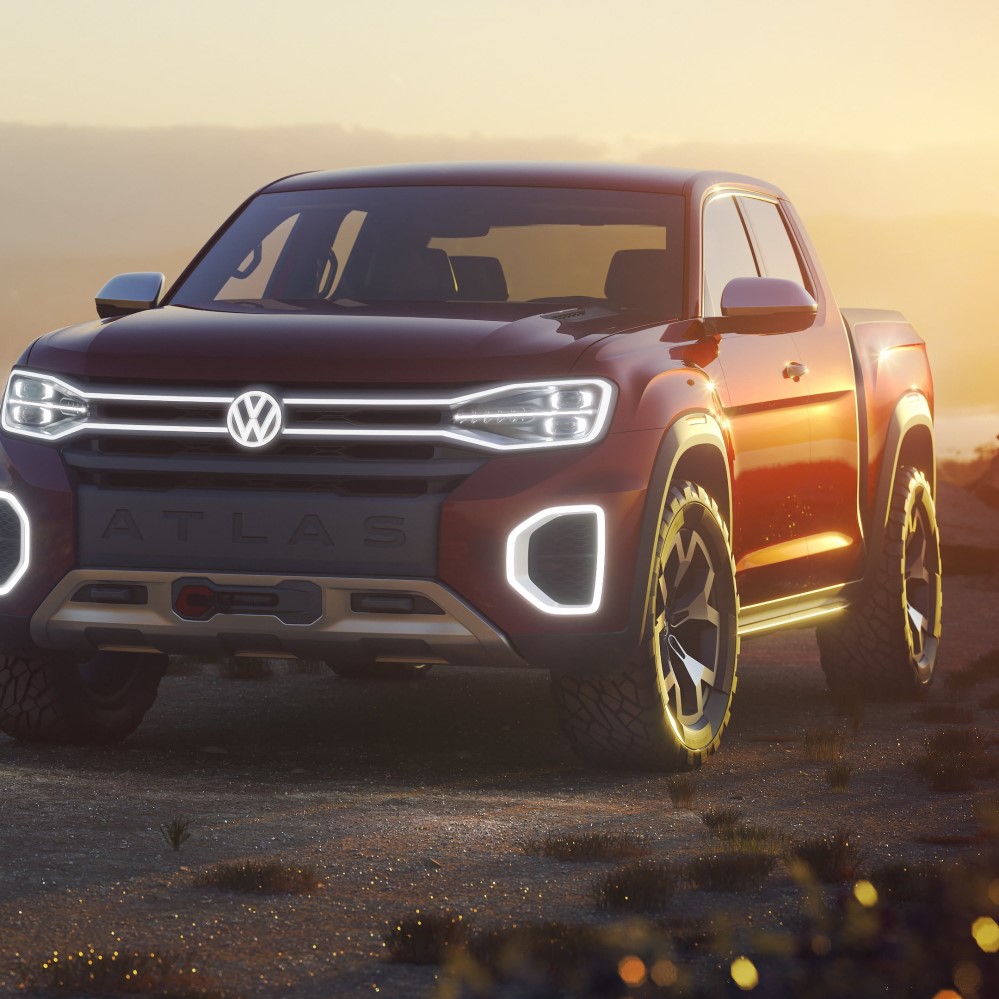
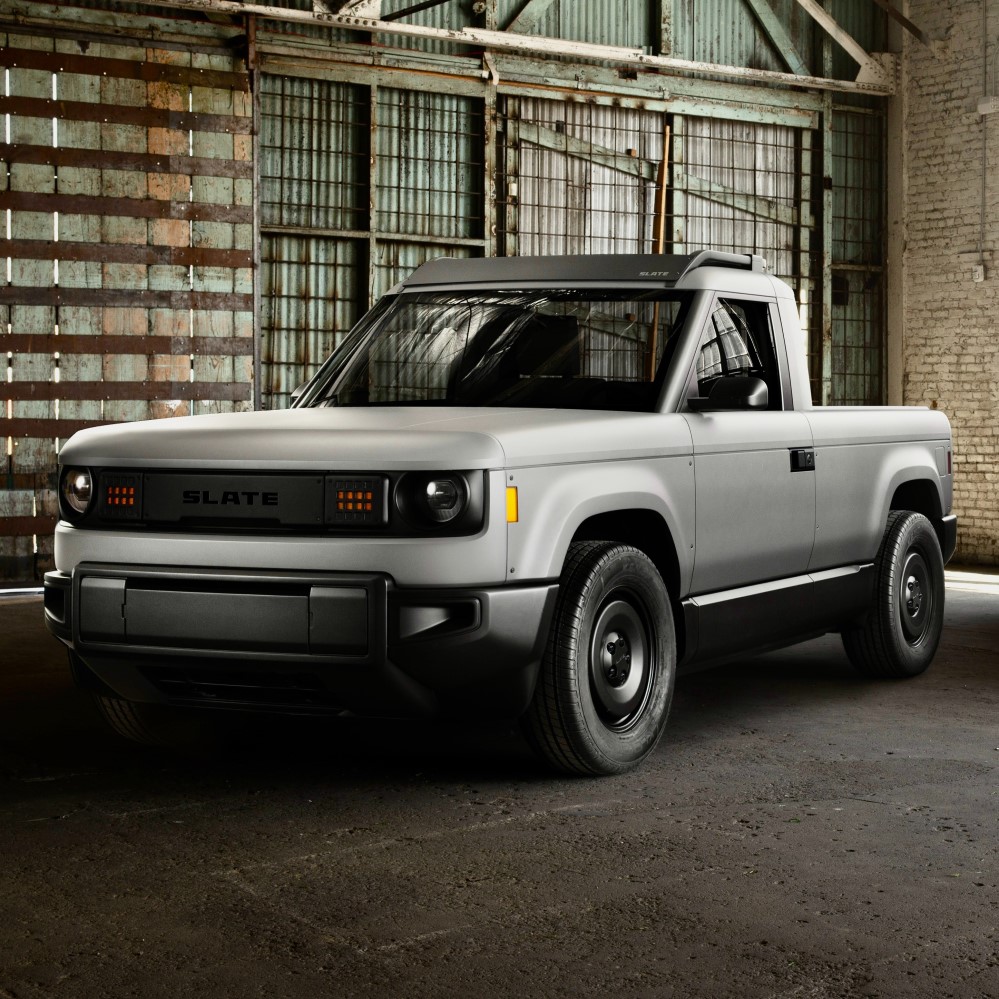
A small pickup truck offers a smart balance between utility and efficiency. It provides cargo space without the bulk of full-size models. Many drivers find it ideal for daily tasks. Whether commuting or hauling gear, it performs well.
First, city driving becomes easier. Narrow streets and tight parking spots are no problem. The compact frame allows smooth turns. Maneuvering in traffic feels natural. Parallel parking is less stressful than with larger trucks. Visibility from the cab remains clear. Blind spots are reduced.
Second, fuel economy improves significantly. Smaller engines consume less gas. Most small pickup truck models deliver strong MPG ratings. This saves money over time. Long-term ownership costs go down. Fewer fill-ups mean more convenience.
Additionally, maintenance tends to be cheaper. Parts are smaller and often shared with car platforms. Repairs take less labor. Tires, brakes, and fluids cost less. Insurance premiums are usually lower too. These savings add up across years of use.
For homeowners, contractors, or weekend adventurers, this vehicle fits many roles. It carries tools, bikes, or camping equipment. Yet, it still seats passengers comfortably. A small pickup truck supports both work and lifestyle needs.
 Top Features
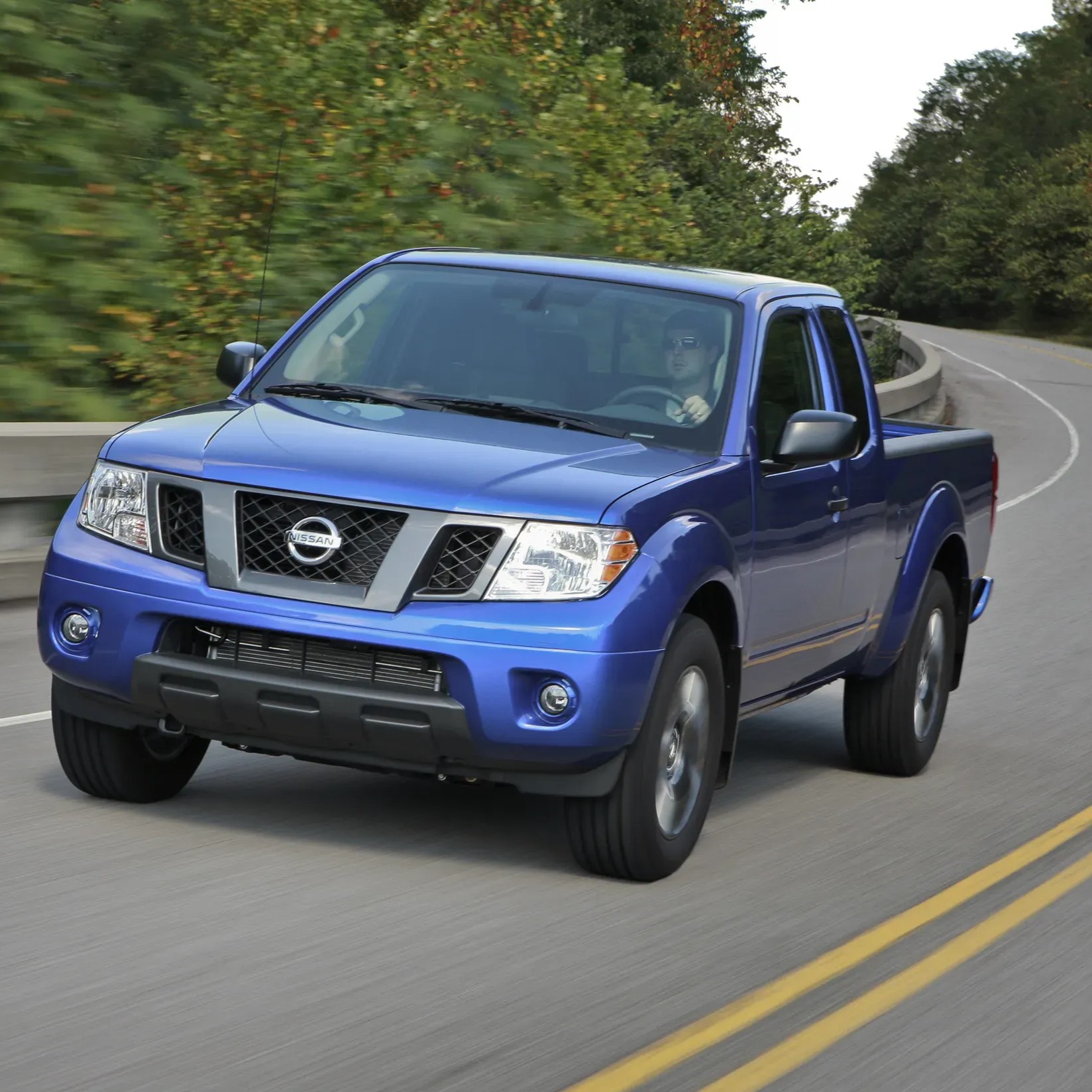
Today’s small pickup truck models come packed with advanced features. Technology, safety, and comfort have improved dramatically. Buyers now enjoy car-like interiors with rugged capability.
Cabin design focuses on usability. Seats are supportive and adjustable. Cloth or vinyl materials make cleaning easy. Some trims offer cloth blends or water-resistant fabrics. Storage spaces appear throughout. Door pockets, center consoles, and under-seat bins hold small items securely.
Infotainment systems are standard. Touchscreen displays range from 7 to 10 inches. Bluetooth connects phones instantly. Apple CarPlay and Android Auto integrate smoothly. Voice commands reduce distractions. USB ports charge devices on the go.
Safety tools are now common. Rearview cameras show behind the bed. Lane departure warnings alert drifting. Forward collision alerts help avoid crashes. Automatic emergency braking stops the truck if needed. Stability control keeps traction on wet roads.
These features make the small pickup truck safer and smarter. They appeal to families, young professionals, and first-time truck owners. Function meets modern expectations.
Comparing Fuel Efficiency and Engine Options
One major advantage of a small pickup truck is better fuel economy. Engines are smaller but still powerful. Most use four-cylinder setups. Some offer turbocharged versions for extra strength.
Gas-powered models dominate the market. They provide reliable performance in all conditions. Average mileage ranges from mid-20s to low-30s per gallon. City and highway numbers stay balanced. This makes them suitable for mixed driving.
Diesel options exist but are rare. When available, they improve torque and towing. Fuel efficiency increases slightly. However, diesel fuel costs more. Maintenance can be pricier too. Most buyers stick with gasoline for simplicity.
Hybrid and electric small pickup trucks are emerging. Some brands test electrified prototypes. These promise even better efficiency. Lower emissions benefit the environment. Charging stations are expanding slowly. Full EV adoption will grow over time.
Engine size affects power delivery. Base models handle light loads well. Upgraded engines tow small trailers or carry heavy tools. Matching engine choice to your needs ensures value. There is no need to overpay for unused capacity.
 Cargo Space and Bed Design
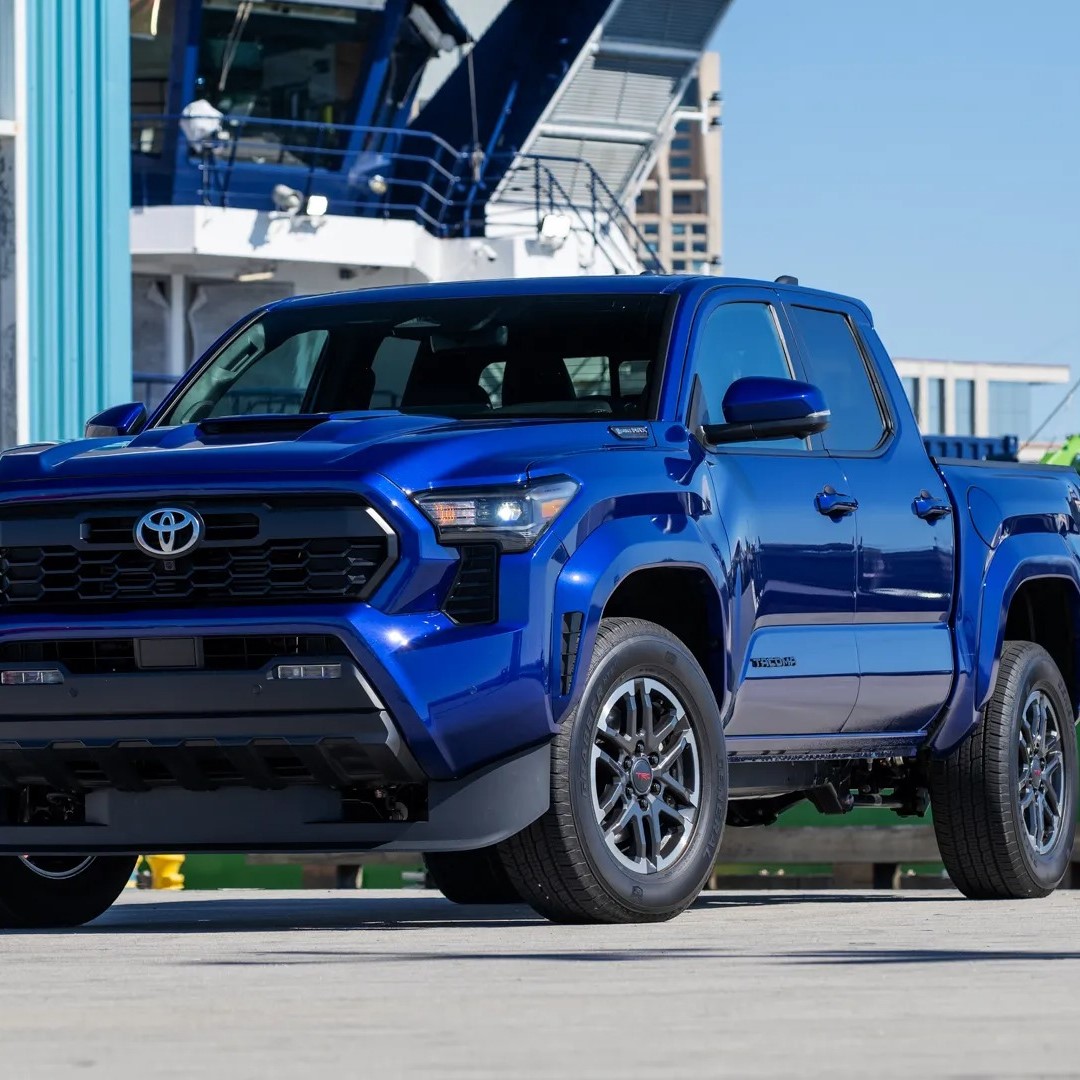
Despite their size, small pickup trucks offer practical bed space. Most beds measure between five and six feet long. Width fits standard sheet goods like plywood. Height allows stacked storage.
Tailgates open easily. They lock and unlock with the key fob. Some models include step pads or built-in ladders. These help load heavy items. Others feature sliding rails or tie-down points. Securing cargo becomes simple and fast.
Bed liners protect the surface. Spray-on coatings resist scratches and rust. Rubber mats add grip. Removable options allow cleaning. Spills, dirt, or mud wash off quickly. Durability matters for long-term use.
Some trucks include dual-purpose beds. Foldable dividers create zones. One side holds tools. The other carries groceries. Lockable storage boxes hide valuables. Under-bed compartments keep items dry.
The payload capacity suits most personal and light commercial needs. Hauling furniture, landscaping supplies, or sports gear is possible. Overloading is not recommended. Staying within limits ensures safety and handling.
Off-Road and All-Terrain Capabilities
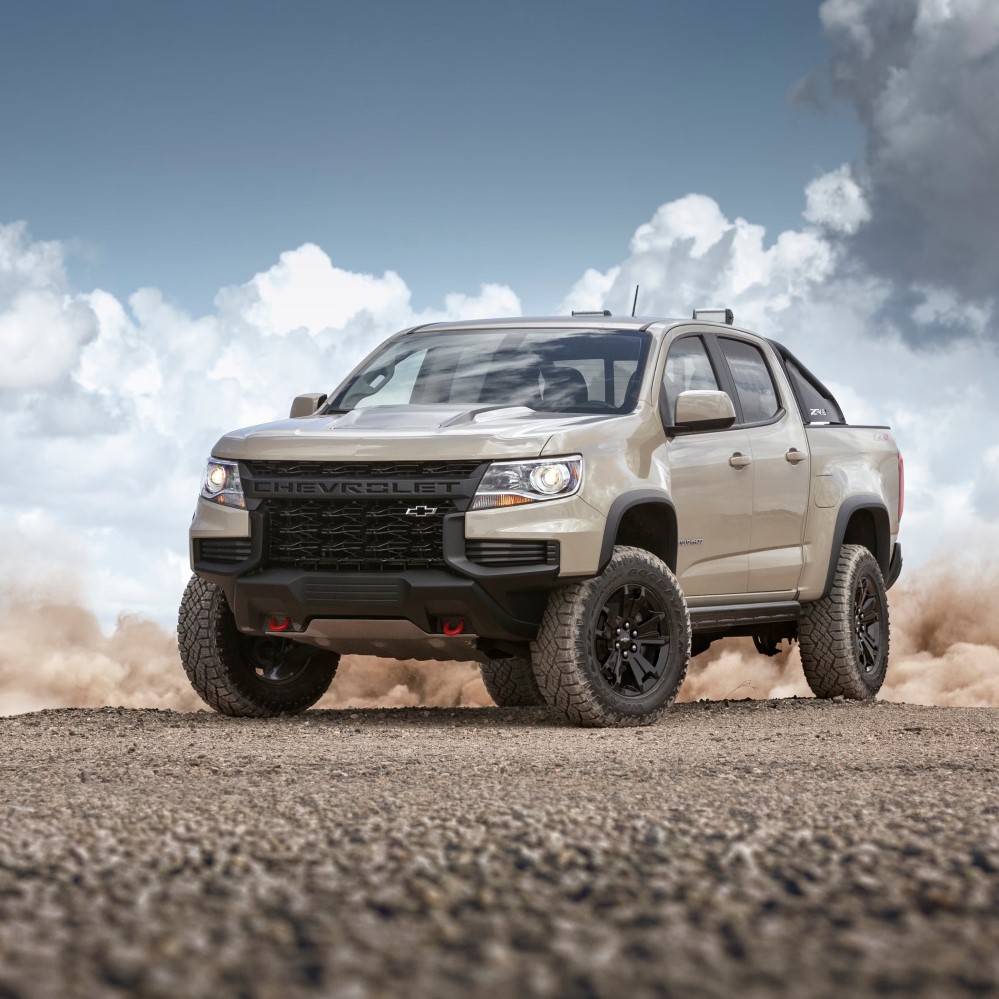
Many small pickup trucks handle rough terrain surprisingly well. Four-wheel drive options are available. High ground clearance reduces scraping. Skid plates protect the undercarriage.
Tires play a big role. All-terrain models use aggressive treads. They grip mud, gravel, and snow. Wheel arches allow full suspension travel. Bumps and potholes cause less damage. Confidence builds on unpaved roads.
Approach and departure angles are optimized. The front bumper clears inclines. The rear lifts without dragging. This helps when entering driveways or trails. Short overhangs improve breakover ability.
Electronic traction control adjusts wheel spin. Sensors detect slip instantly. Power shifts to wheels with grip. Hill descent control manages speed downhill. Drivers stay stable without constant braking.
While not built for extreme rock crawling, these trucks manage forest paths and rural routes. Weekend campers and outdoor workers benefit. A small pickup truck opens access to remote areas.
 Cost Comparison: Small Pickup Truck vs Larger Models
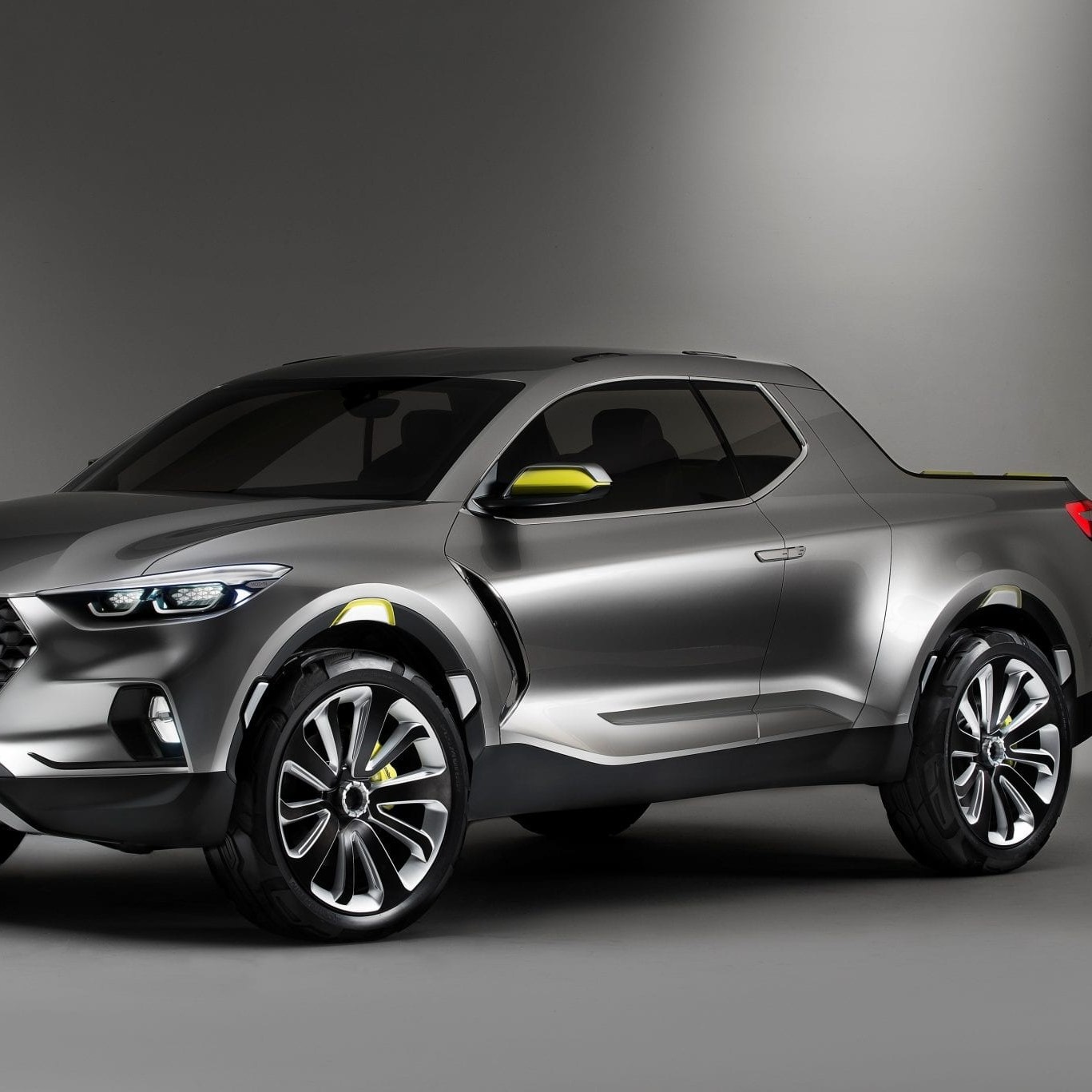
Choosing between truck sizes often comes down to cost. A small pickup truck is generally more affordable. Initial price tags are lower. Monthly payments decrease as a result.
New models start thousands below full-size trucks. Used versions offer even greater savings. Depreciation rates are often slower. Demand stays high due to rising fuel prices. Resale value remains strong.
Insurance costs less. Smaller vehicles pose less risk in accidents. Repair estimates are lower. Body panels, lights, and bumpers cost less. Labor hours drop due to simpler designs.
Fuel expenses decline noticeably. Better MPG means fewer trips to the pump. Annual savings can reach hundreds of dollars. Over five years, that adds up. Budget-conscious buyers notice the difference.
Financing terms are more flexible. Lenders view small pickup trucks as practical choices. Approval chances increase. Down payments may be smaller. Overall ownership becomes more accessible.
For those who don’t need massive towing or hauling, downsizing makes financial sense. A small pickup truck delivers enough power at a fair price.
Who Should Consider a Small Pickup Truck?
This vehicle suits a wide range of users. Not everyone needs a heavy-duty model. Many lifestyles align perfectly with a small pickup truck.
Urban dwellers benefit most. Apartments lack storage. Parking is limited. Yet, people still need to move items. Furniture, appliances, or gym equipment require transport. The truck solves this without excess.
Landscapers and handymen use them daily. Toolboxes fit in the bed. Materials ride safely. Driving to job sites is efficient. Fuel costs stay low. Profit margins improve.
College students with side jobs find value. Moving dorm items is easier. Hauling for gigs becomes possible. Weekend trips with gear are stress-free. Independence grows with capability.
Outdoor enthusiasts love the versatility. Kayaks, bikes, and coolers load quickly. Campsites become reachable. Fishing rods and tents store neatly. Adventure starts right from home.
Even retirees choose small pickup trucks. Light gardening, hauling firewood, or helping neighbors are common uses. Simplicity and ease matter at every age.
 Frequently Asked Questions
Can a Small Pickup Truck Tow a Trailer?
Yes. Most models tow between 3,000 and 5,000 pounds. This covers small campers, utility trailers, or boats. Always check the manufacturer’s rating. Use proper hitches and wiring. Distribute weight evenly.
Are Small Pickup Trucks Safe in Accidents?
Modern ones include strong safety ratings. Airbags, crumple zones, and stability systems help. Crash test results vary by brand. Research specific models before buying. Look for top scores from trusted agencies.
Do They Have Back Seats for Passengers?
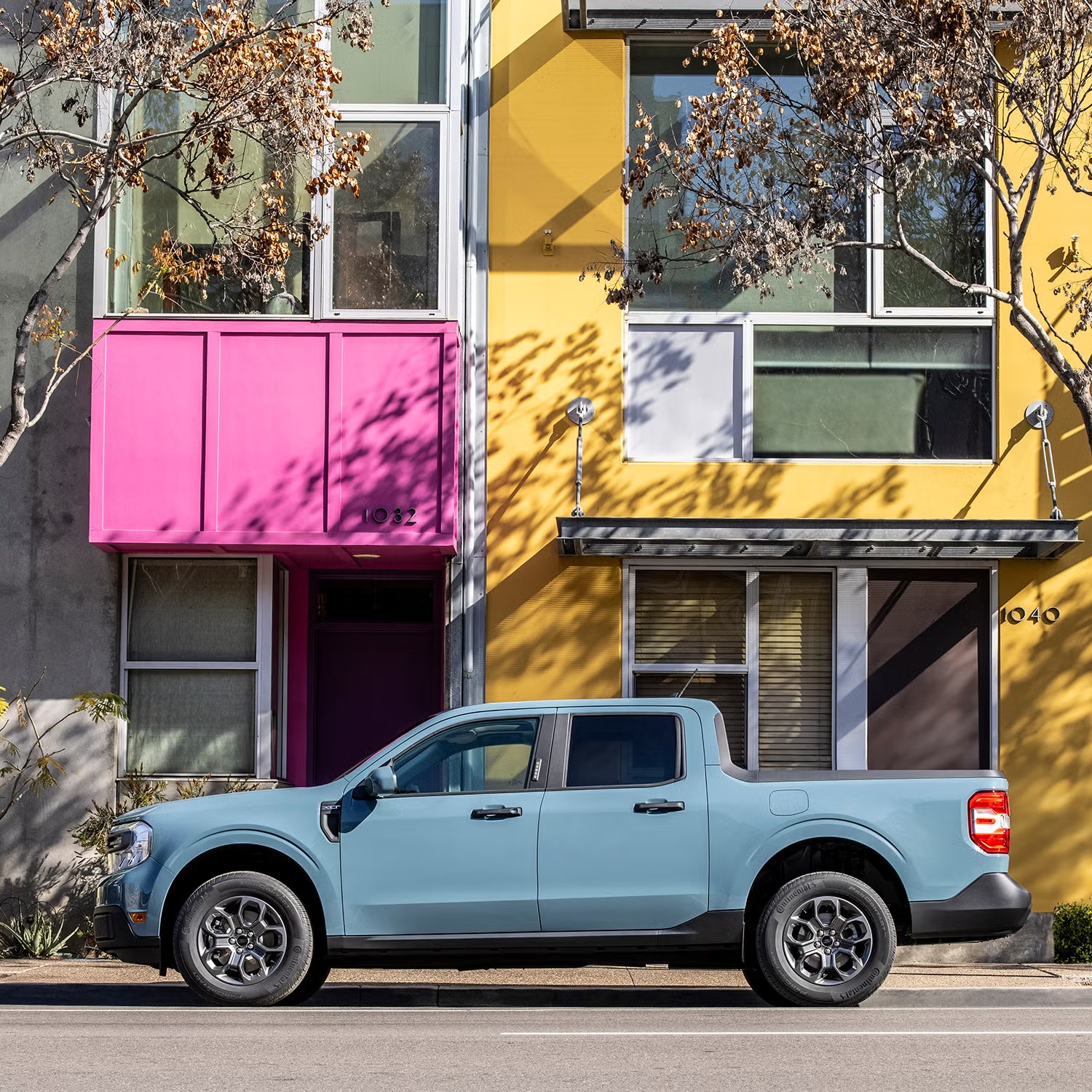
Most do. Crew cab versions offer full back seats. Access is easy. Legroom suits adults for short trips. Cloth upholstery cleans well. Seat belts are standard for all positions.
How Much Does a Small Pickup Truck Cost?
New models range from 25,000 40,000. Used ones start under $15,000. Prices depend on trim, age, and condition. Certified pre-owned options add warranty coverage. Financing plans are widely available.
Can I Use a Small Pickup Truck for Daily Commuting?
Absolutely. They are comfortable and efficient. Ride quality matches sedans in many cases. Climate control keeps cabins warm or cool. Daily drives feel smooth and quiet.
 Final Thoughts
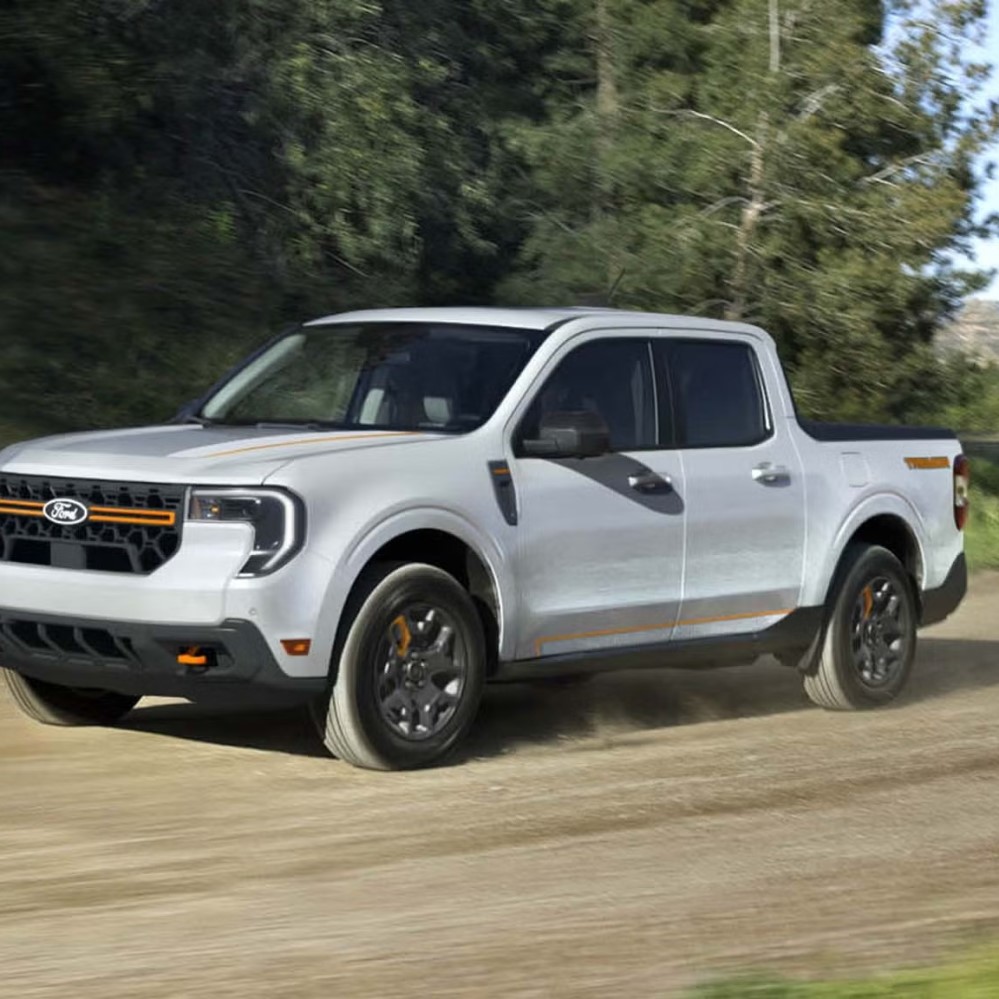
A small pickup truck fills a unique role in today’s market. It bridges the gap between cars and large trucks. Practicality meets affordability. Capability meets comfort.
Whether you’re a city driver, tradesperson, or adventurer, it adapts to your life. You gain utility without sacrificing ease. Maintenance is manageable. Costs stay reasonable.
Technology and safety continue improving. Future models will offer hybrids and better connectivity. The small pickup truck evolves with demand.
If you need space but dislike oversized vehicles, consider this option. Test drive a few models. Compare features and pricing. See how it fits your routine.
With so many benefits, the small pickup truck proves that sometimes, smaller really is better. Make the smart choice—choose a small pickup truck for your next vehicle.