The term freightliner pickup truck may sound unusual to many. Freightliner is best known for heavy-duty commercial trucks. It builds big rigs, semi-trailers, and vocational vehicles. These dominate highways and construction zones. However, the idea of a freightliner pickup truck sparks curiosity. Did such a vehicle ever exist? The answer involves a mix of brand expansion, market experiments, and misunderstood models.
While Freightliner never mass-produced a traditional pickup like Ford or Chevrolet, it did explore light-duty designs. Some people confuse other vehicles with a freightliner pickup truck. For example, the Mercedes-Benz Unimog has been sold under Freightliner Channel in North America. This rugged utility vehicle resembles a heavy pickup. Others mistake customized Freightliner chassis cabs for standalone pickups. These were modified after production. Still, no official freightliner pickup truck rolled off main assembly lines. Yet, the concept remains part of automotive conversation.
 Understanding Freightliner’s Core Business Focus
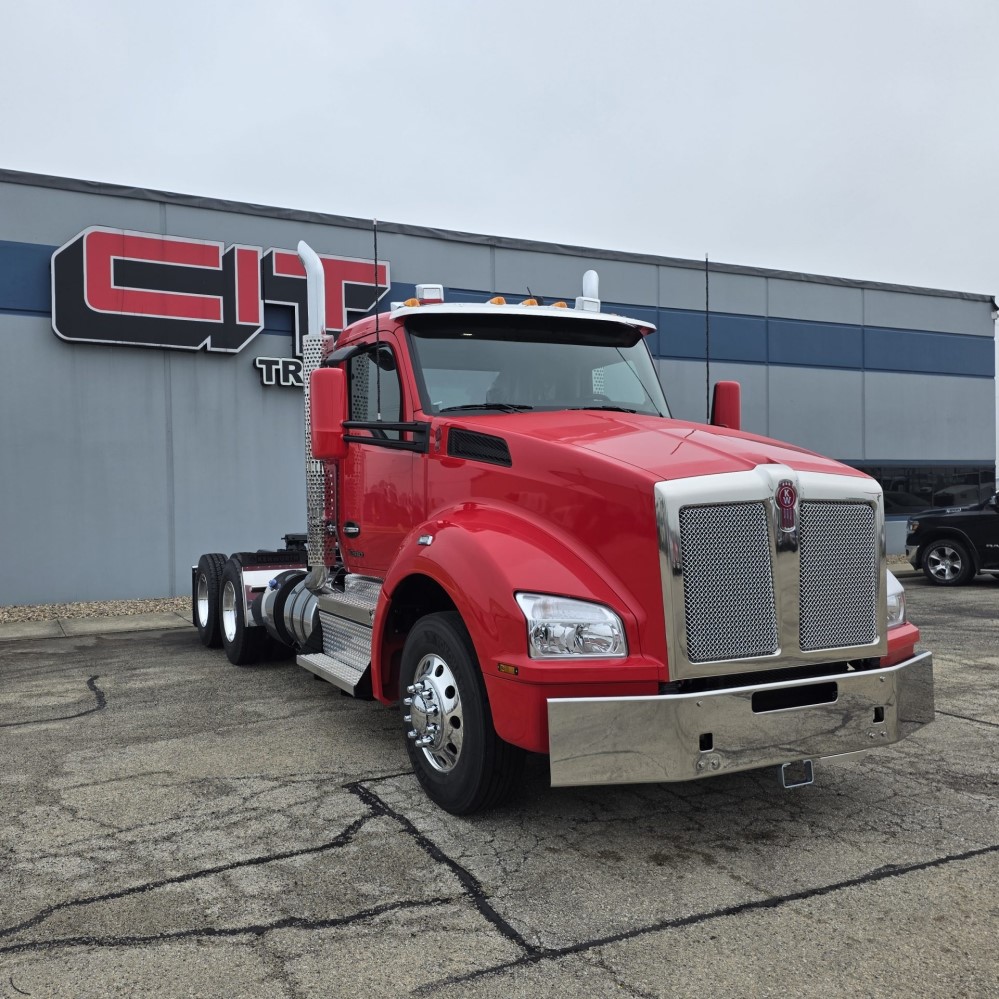
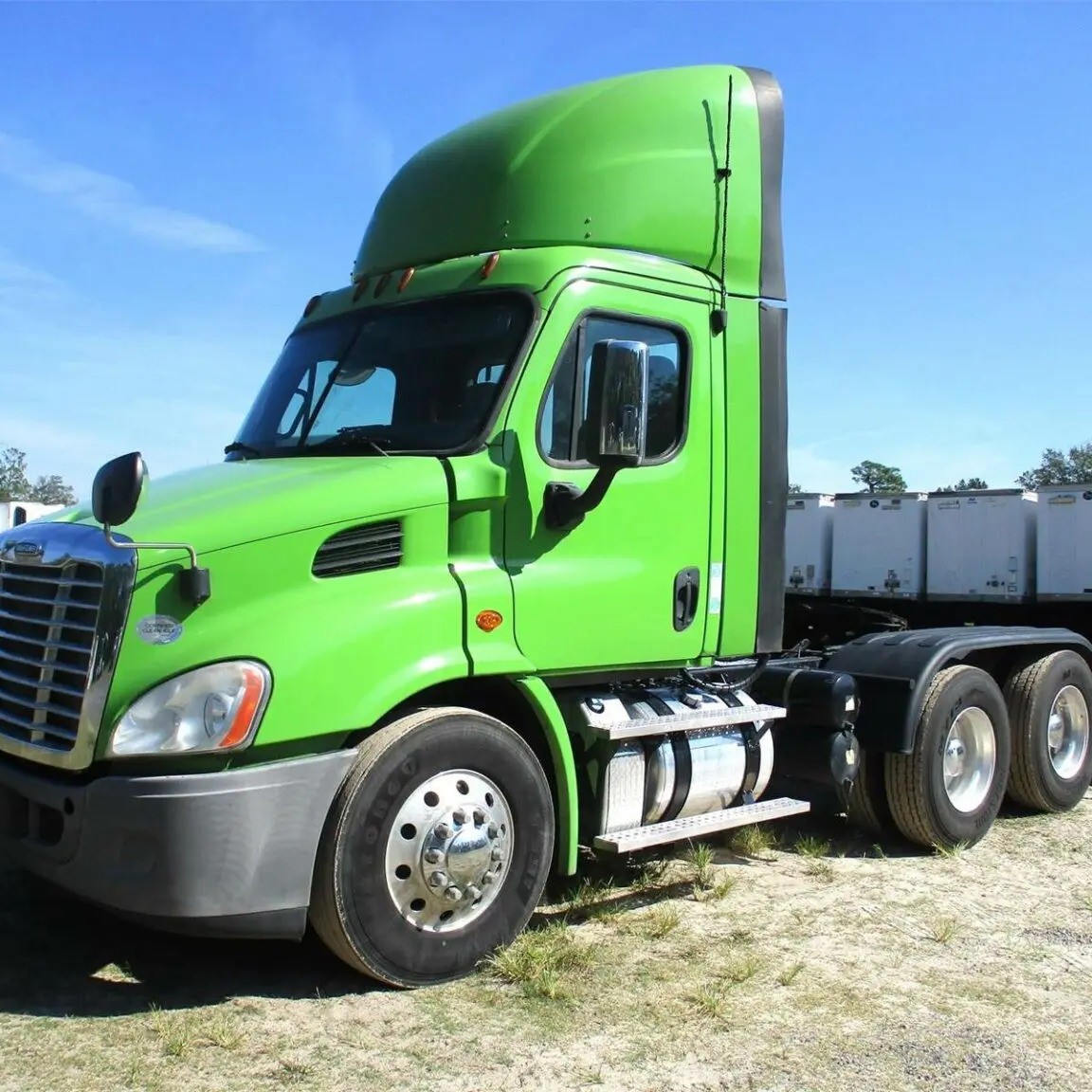
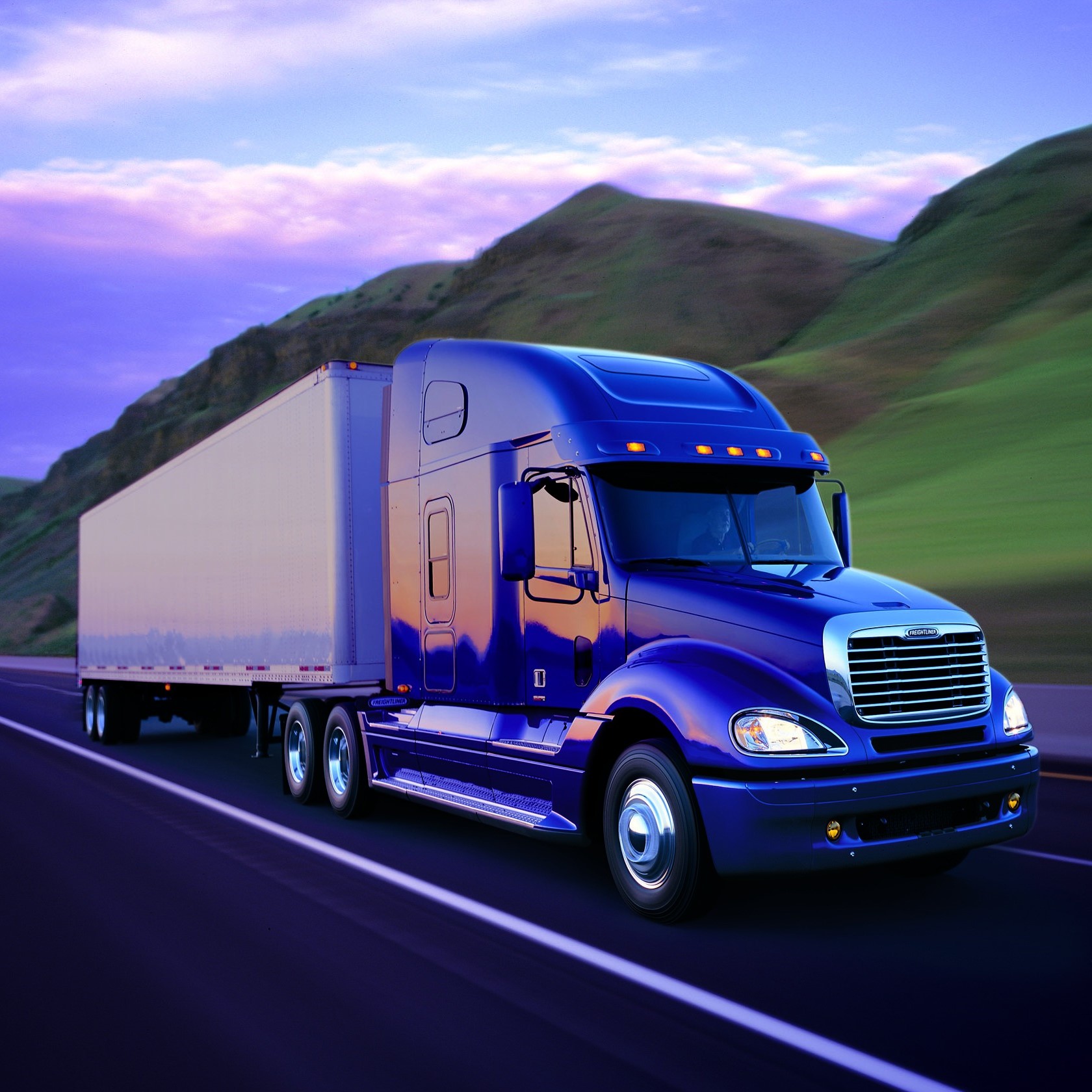
Freightliner’s reputation rests on commercial transportation. Its parent company, Daimler Trucks, supports global logistics. The brand leads in Class 8 trucks across the U.S. Models like the Cascadia and Coronado serve long-haul fleets. They offer fuel efficiency, safety systems, and driver comfort. These are not personal vehicles. They meet industrial demands.
Manufacturing centers focus on durability and payload capacity. Engineering teams prioritize engine power and towing strength. Aerodynamics reduce drag over thousands of miles. Cab interiors resemble small workspaces. Sleepers, dash controls, and communication tools come standard. Clearly, this is not pickup territory. The freightliner pickup truck was never a priority.
Why Light-Duty Vehicles Were Not a Natural Fit
Building a freightliner pickup truck would require a different strategy. Pickup buyers value style, versatility, and retail appeal. They shop at dealerships with test drives and color swatches. Commercial clients negotiate bulk orders based on specs. The sales models differ greatly. Freightliner lacks the network for consumer truck marketing.
Also, competition in the pickup segment is fierce. Ford, Ram, Toyota, and GM dominate. Their brands are tied to rugged individualism. Consumers trust them for daily driving and weekend adventures. Entering this space would demand massive investment. Advertising, R&D, and distribution all cost billions. Freightliner chose to stay in its proven lane.
The Freightliner Unimog: Closest Thing to a Pickup
Although not a conventional pickup, the Freightliner Unimog serves similar roles. This multi-purpose vehicle functions like a super-duty utility truck. It features four-wheel drive, high ground clearance, and extreme off-road ability. Operators use it in agriculture, emergency response, and remote terrain access. Some owners fit it with flatbeds or toolboxes. This gives it a pickup-like appearance.
The Unimog runs on diesel and handles brutal conditions. Its ladder frame and portal axles provide unmatched stability. Cargo space can be customized at the rear. Winches, cranes, and plows attach easily. While priced far above regular pickups, it outperforms them in specialty fields. In niche markets, the freightliner pickup truck idea lives through the Unimog.
Custom Conversions That Mimic a Pickup Design
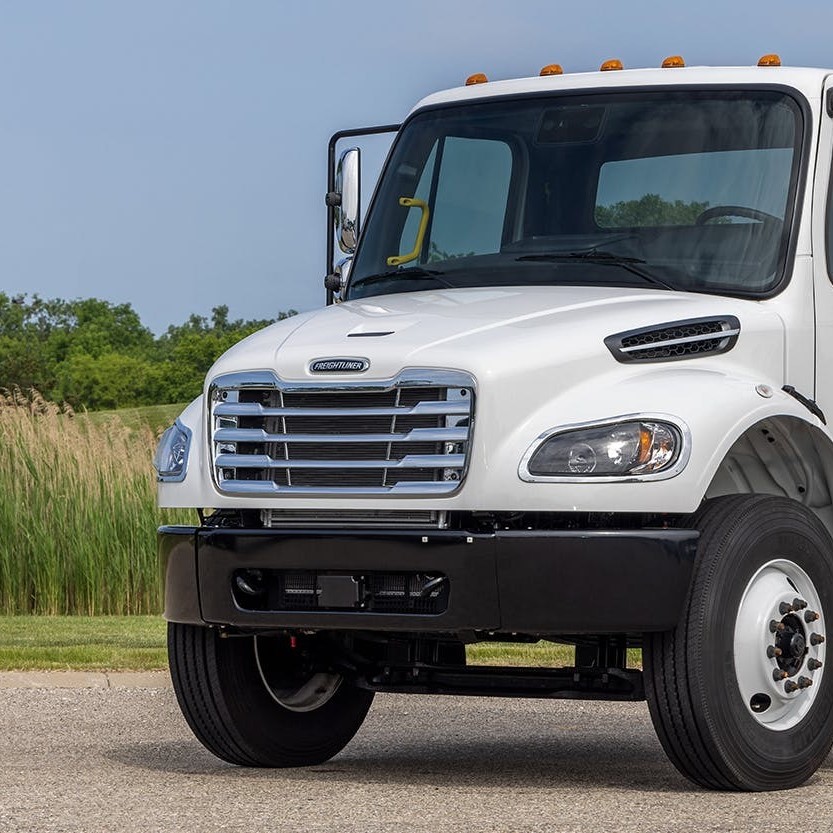
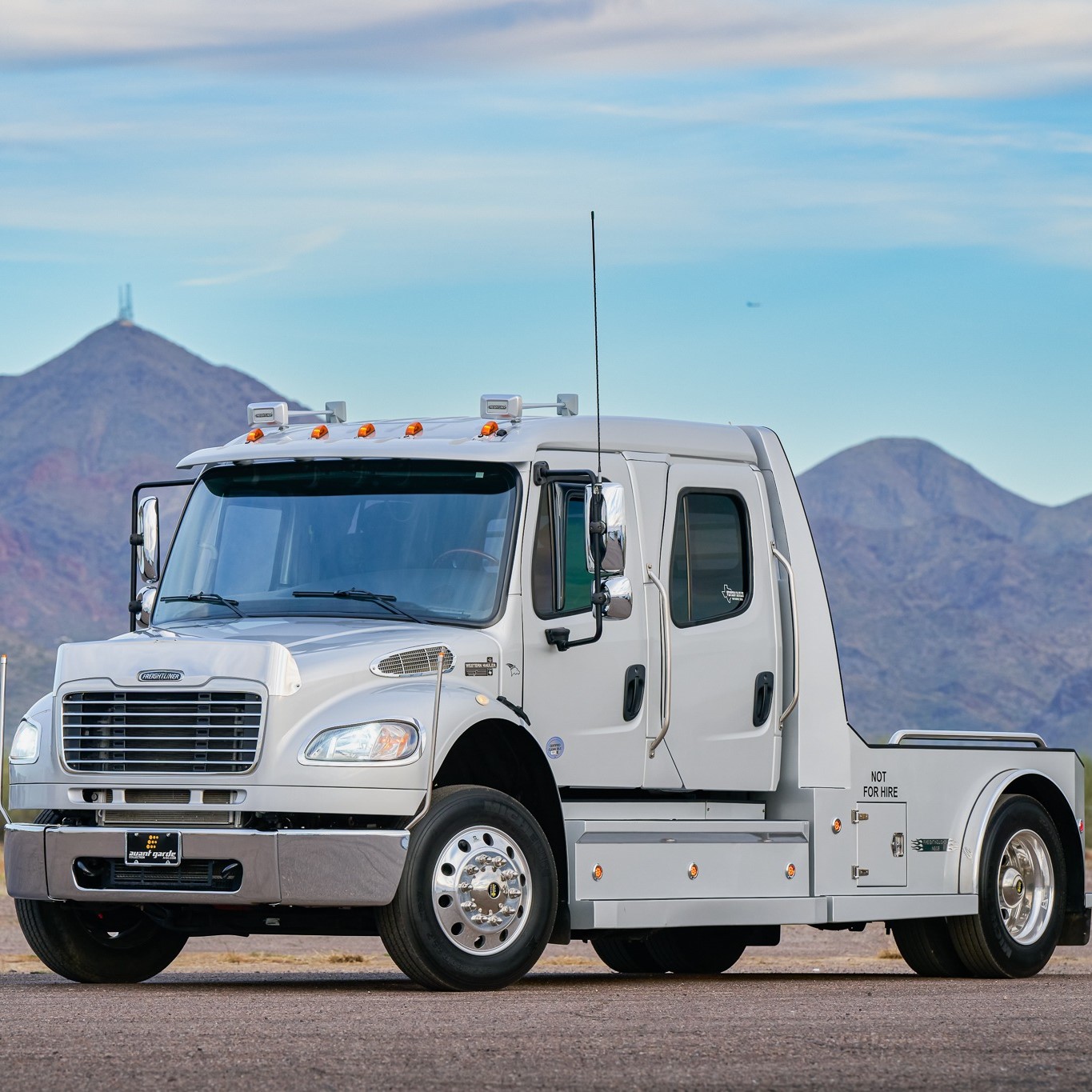
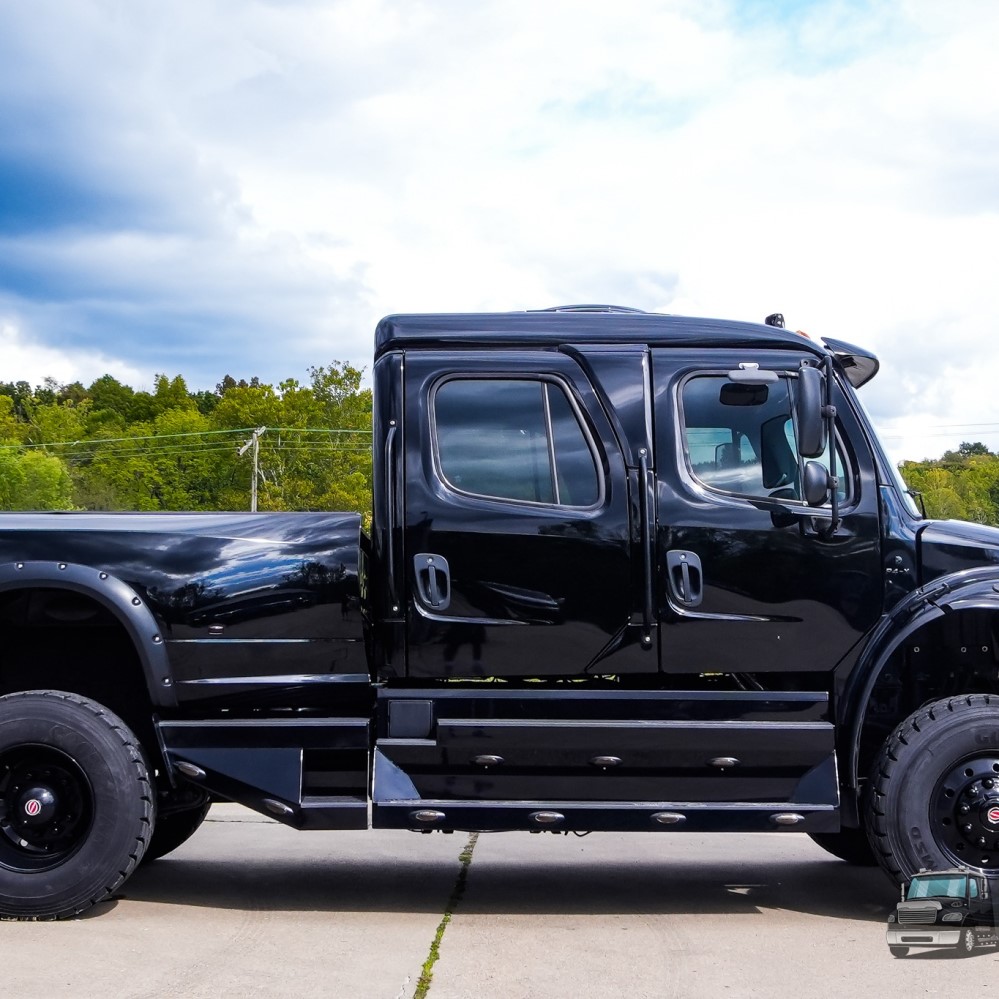
Some businesses have built pickup-style bodies on Freightliner chassis. These are not factory models. Instead, third-party upfitters modify medium-duty chassis cabs. They add beds, tailgates, and side rails. The result looks like a large, industrial pickup. Municipalities use these for road maintenance or snow removal.
These custom jobs serve specific needs. They carry heavy equipment to job sites. Power take-off systems run tools directly from the engine. Though rare, they prove that a freightliner pickup truck concept can work in theory. But again, these are not sold as ready-to-drive pickups. The base vehicle remains a commercial platform.
 Misconceptions
Many online searches link “Freightliner” and “pickup” incorrectly. Social media posts sometimes show modified Freightliners labeled as pickups. Enthusiasts share photos of lowered day cabs with bed attachments. These are one-off builds, not production models. Buyers should know the difference.
Another confusion comes from naming. Freightliner used to sell the Sterling brand. Sterling had medium-duty trucks with cab-over designs. None were pickups either. Also, Freightliner partnered with Mitsubishi Fuso in the past. Those light-duty trucks entered North America under different branding. But none carried the Freightliner badge as a pickup.
Online Hype vs. Real-World Availability
Internet forums often discuss a rumored freightliner pickup truck. Some claim prototypes existed. Others suggest future releases. No credible evidence supports these ideas. Freightliner has made no announcements. Press releases and catalogs list only commercial units.
Search results may show renderings or concept art. These are digital creations by fans. They do not reflect actual plans. Dealers cannot order a freightliner pickup truck. Inventory lists include no such model. Customers looking for one will not find it at any official location. Awareness helps avoid misinformation.
 Features That Would Define a True Freightliner Pickup Truck
If Freightliner ever launched a pickup, certain traits would stand out. First, it would likely use diesel power. Gasoline engines are less common in their lineup. Torque and towing would be top priorities. Payload capacity would exceed most half-tons. Frame construction would mirror their heavy-duty standards.
Second, technology would play a major role. Advanced driver aids, GPS fleet tracking, and connectivity would come standard. Safety systems like blind-spot detection and automatic braking would be included. These align with Freightliner’s current trends. A true freightliner pickup truck would feel more like a mini semi than a Silverado.
Target Market and Potential Uses
A freightliner pickup truck would target professionals. Contractors, utility crews, and government agencies might buy it. Farms, mines, and logging operations need tough vehicles. These users already trust Freightliner for larger trucks. A smaller version could fill a gap.
It would not compete with lifestyle pickups. No chrome trim or luxury interiors expected. Instead, function would guide design. Tool storage, electrical outputs, and serviceability would matter most. Durability in harsh environments would be key. Niche appeal defines its potential success.
Where to Find Reliable Information About Freightliner Vehicles
Official websites remain the best source. Freightliner.com lists every current model. Product pages include specs, images, and dealer contacts. No pickup appears in the catalog. Brochures highlight commercial uses only. News sections announce updates or new launches. Always check here first.
Authorized dealers provide accurate details. Sales reps explain available configurations. They can show chassis cab options that some convert into pickup-like forms. Trade shows also feature live displays. Events like CONEXPO or Work Truck Week reveal new directions. Staying informed prevents false assumptions.
Avoiding Scams and Fake Listings
Online marketplaces sometimes list fake freightliner pickup trucks. Sellers post altered photos. Titles claim “rare model” or “prototype.” Prices seem too low. These are scams. Never send money without verification. Inspect the vehicle in person.
Ask for VIN history and registration documents. Cross-check with official databases. Contact Freightliner customer support if unsure. Report suspicious ads. Protect yourself by relying on trusted channels. A real freightliner pickup truck does not exist today.
 Frequently Asked Questions
Did Freightliner ever make a pickup truck?
No, Freightliner never produced a factory-built pickup. All their vehicles are commercial-grade. Chassis cabs and day cabs are meant for upfitting. No official freightliner pickup truck exists in their history.
Some modified versions look like pickups. These are aftermarket changes. The original manufacturer does not endorse them. Always verify before purchasing.
Can I build my own freightliner pickup truck?
Yes, but it requires customization. Buy a medium-duty Freightliner chassis cab. Then hire an upfitter to add a truck bed. Reinforce the frame if needed. Install lighting and safety gear.
This process is expensive and time-consuming. It may not pass local inspections. Check regulations before starting. Your creation will be unique but not street-legal everywhere.
No, the X-Class is unrelated. It was sold in Europe and Australia. Built by Mercedes-Benz, it targeted the midsize pickup market. Freightliner did not distribute or modify it.
The X-Class was discontinued due to low sales. It never reached North America officially. No connection to any freightliner pickup truck concept exists.
What is the smallest truck Freightliner makes?
The smallest is the Business Class M2. It comes in various configurations. Some are box trucks, others are dump trucks. It uses a cab-forward design. Wheelbase and height vary by model.
This truck serves delivery and service fleets. It is not a pickup. But it offers flexibility for body modifications. Think of it as a platform, not a finished product.
Could Freightliner launch a pickup in the future?
It’s unlikely. Their focus stays on commercial sectors. Developing a pickup would divert resources. The market is already saturated. No signs indicate a shift in strategy.
If anything changes, official news will appear first. Until then, assume no freightliner pickup truck is coming. Stick to facts, not rumors.
Are there any rebadged Freightliner pickups from other brands?
No, there are no rebadged models. Freightliner does not license its name for light trucks. Partnerships with Mitsubishi or Mercedes did not produce pickups under their name.
All vehicles carry clear branding. If it says Freightliner, it came from their commercial line. Be cautious of misleading labels online.
 Conclusion
The idea of a freightliner pickup truck captures imagination. It blends rugged image with practical need. Yet, no such vehicle exists in official production. Freightliner remains dedicated to commercial transport. Its legacy lies in big rigs and fleet solutions. Any mention of a freightliner pickup truck usually refers to myths, mods, or misunderstandings.
That said, the spirit of the concept lives on. Through Unimogs, chassis cabs, and custom builds, heavy-duty utility thrives. Professionals find ways to adapt. Innovation continues outside factory lines. While you won’t buy a freightliner pickup truck today, the demand for strength and reliability endures. And that is what Freightliner delivers—just not in pickup form.