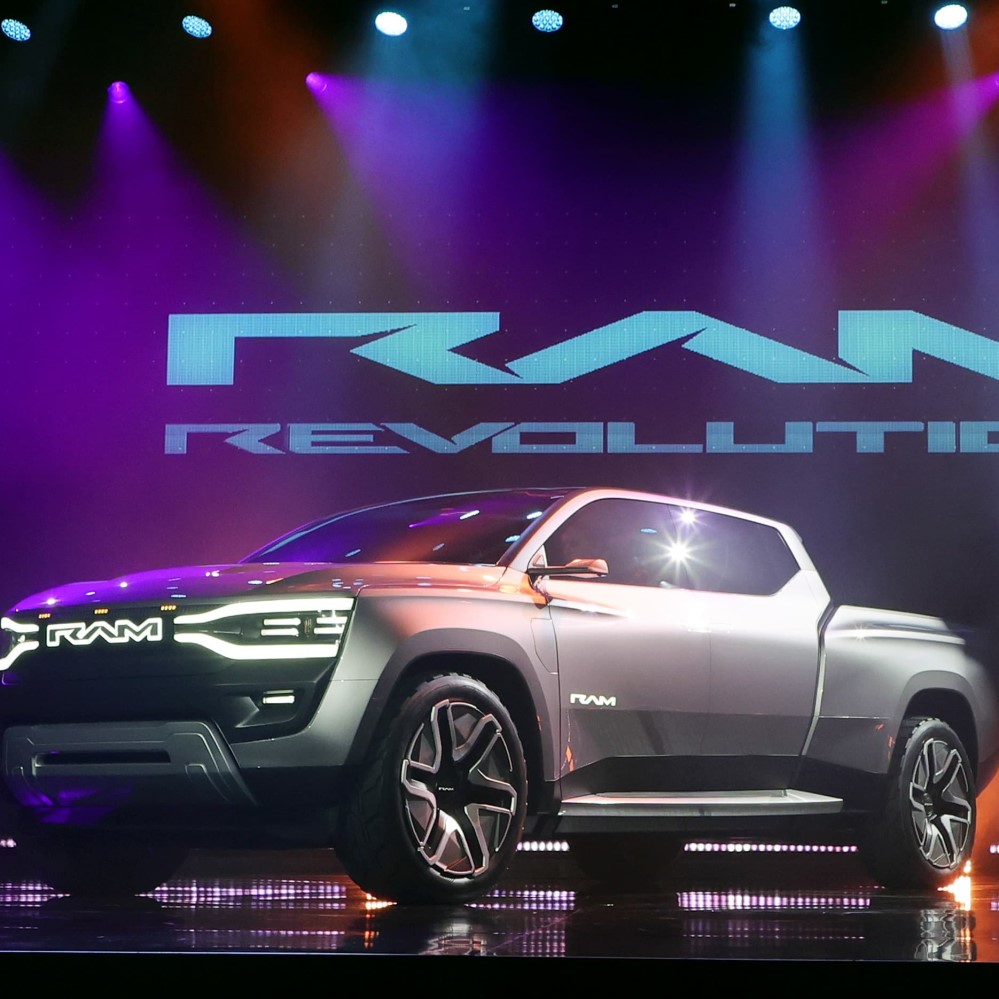
The news that Ram cancels electric pickup truck has sent shockwaves through the automotive industry. Many customers had been eagerly awaiting the Ram 1500 REV, expecting a strong contender in the growing electric truck segment. However, Stellantis recently confirmed delays and strategic shifts affecting its rollout. While not entirely scrapped, the full launch has been postponed indefinitely. This shift signals caution amid changing consumer demand and high production costs. As a result, buyers who pre-ordered or planned future purchases now face uncertainty. The decision impacts not only Ram’s reputation but also the broader momentum of electric vehicle adoption.
Moreover, this development reflects larger challenges within the EV market. Demand for electric trucks has not grown as quickly as automakers predicted. High battery prices, limited charging infrastructure, and range anxiety continue to deter mainstream buyers. In addition, inflation and rising interest rates have made expensive vehicles harder to finance. Consequently, companies like Ram must reassess their timelines. Some analysts argue that delaying allows better battery tech to mature. Others worry it gives rivals like Ford and Tesla more time to dominate. Therefore, the ram cancels electric pickup truck move is both a setback and a recalibration. Customers, dealers, and investors are all watching closely.
 Why the Ram 1500 REV Was Highly Anticipated
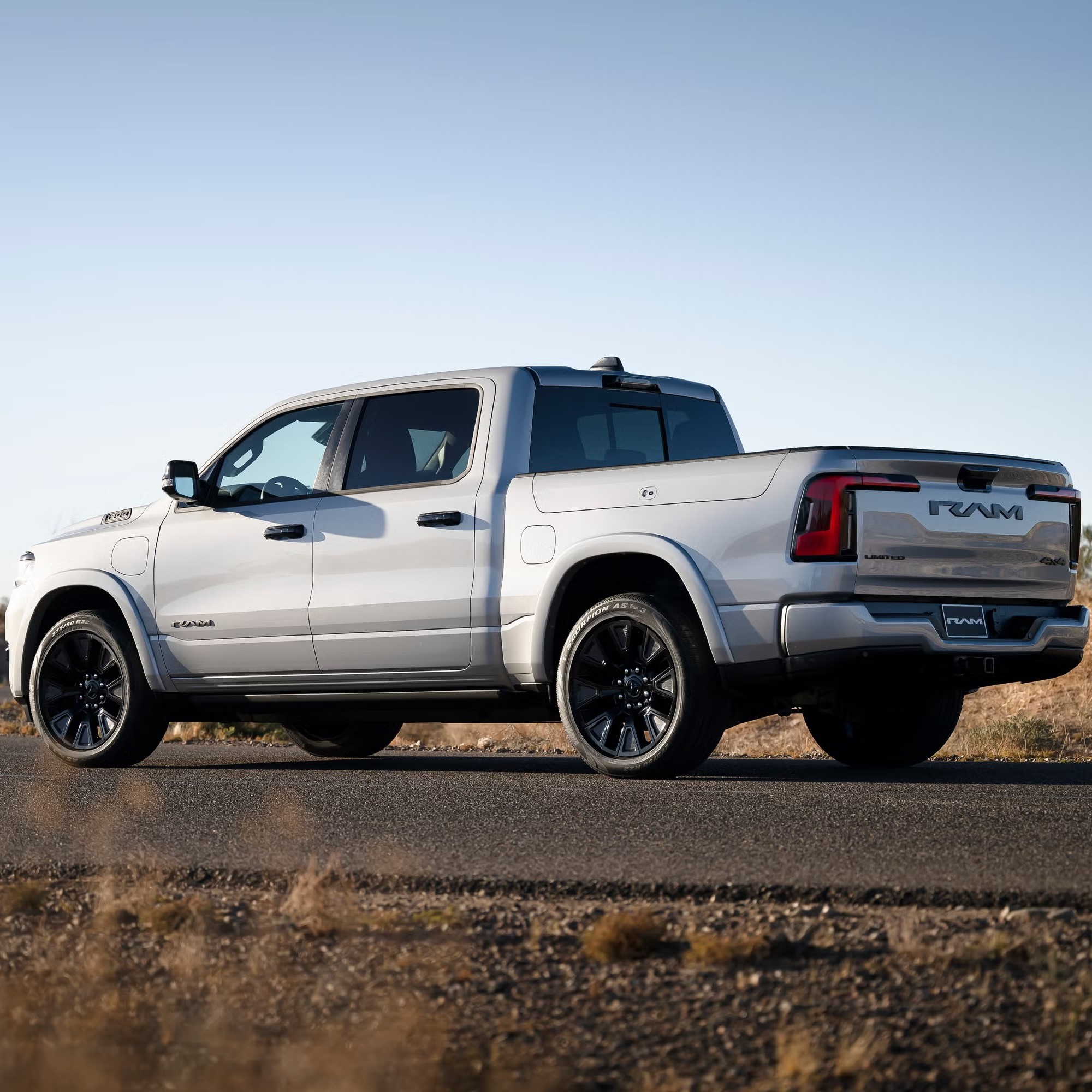
The Ram 1500 REV generated excitement before its delay. It promised up to 500 miles of range on a single charge. This figure surpassed most competitors at the time. Ford’s F-150 Lightning offers around 320 miles on its extended version. Rivian’s R1T reaches about 400 under ideal conditions. Thus, Ram’s claim stood out immediately. Moreover, the truck was designed with dual-motor all-wheel drive. It targeted both daily drivers and serious off-roaders. Towing capacity was expected to exceed 14,000 pounds. That would make it one of the strongest electric pickups available.
Additionally, Ram emphasized comfort and technology. The interior featured premium materials and advanced infotainment. A large central touchscreen supported wireless Apple CarPlay and Android Auto. Level 2 driver-assist features were standard. These included adaptive cruise control and lane-keeping assist. Buyers also looked forward to fast-charging capability. The REV supports 800-volt architecture. This allows recharging from 15% to 80% in about 10 minutes. Such speed addresses a major EV concern—long wait times. For these reasons, many saw the Ram 1500 REV as a potential game-changer. Its cancellation—or even delay—feels like a missed opportunity.
How Consumer Expectations Influenced Development
Customer feedback played a big role in shaping the Ram 1500 REV. Focus groups highlighted key priorities: range, towing, charging speed, and durability. Ram engineers used this data to set performance goals. They knew traditional truck owners valued utility over novelty. Therefore, the design focused on function first. Real-world usability mattered more than flashy specs. Test drives revealed concerns about cold-weather performance. Batteries lose efficiency in freezing temperatures. As a result, thermal management systems were upgraded.
Buyers also wanted familiar styling. Unlike some futuristic EVs, the REV kept Ram’s bold grille and muscular frame. This appealed to loyal fans hesitant about electric models. Interior space remained generous. Crew cab versions offered rear legroom comparable to gas-powered trucks. Storage under the hood—called a “frunk”—added practicality. However, pricing became a sticking point. Early estimates placed the base model near $65,000. After incentives, it might still cost more than expected. Many potential buyers waited for lower trims. When Ram cancels electric pickup truck plans, it disrupts trust built during years of promotion.
 Impact on the Electric Vehicle Landscape
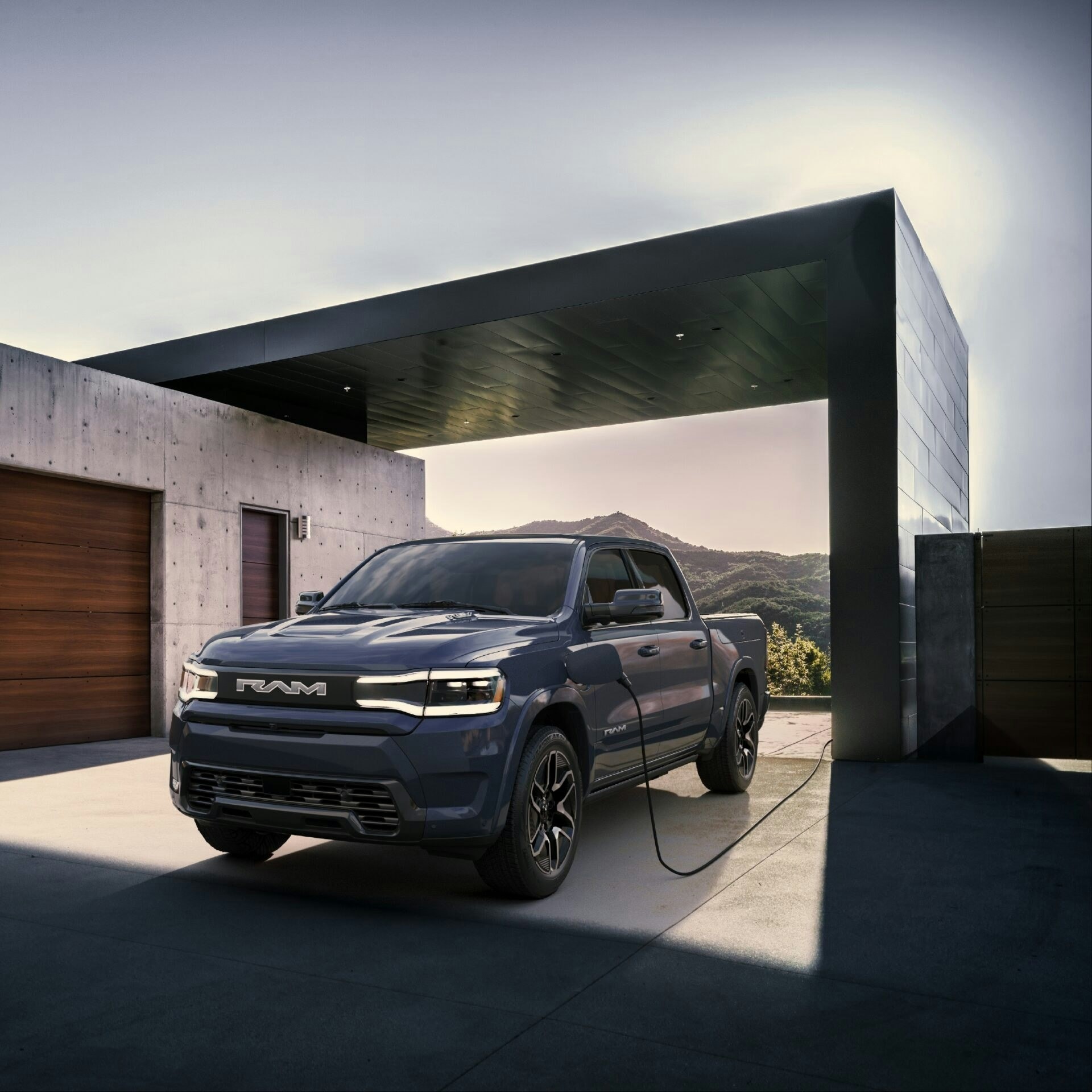
The ram cancels electric pickup truck announcement affects more than just one brand. It sends a signal to the entire EV sector. Automakers are reevaluating aggressive electrification timelines. GM delayed some Cadillac EVs. Nissan paused plans for an electric Frontier. Even Hyundai slowed certain launches. These moves suggest a market correction is underway. Rapid expansion may have outpaced actual demand. Consumers want EVs, but not at any price or compromise.
Ford continues selling the Lightning, but sales volumes remain modest. Tesla’s Cybertruck launched with fanfare, yet production issues persist. Rivian struggles with profitability despite innovation. Meanwhile, gas-powered trucks still dominate U.S. roads. The F-150 remains the best-selling vehicle overall. This loyalty is hard to break. Electric versions need clear advantages to win over skeptics. Range, reliability, and service networks matter greatly. Without them, hesitation grows. Ram’s pause could give time to improve. However, it also risks losing early adopters. Competitors will use this window to strengthen their hold.
Supply Chain and Battery Challenges
One reason behind the ram cancels electric pickup truck decision involves supply chain instability. EV batteries require lithium, nickel, cobalt, and rare earth elements. Mining and refining these materials face geopolitical and environmental hurdles. Prices fluctuate widely. Trade restrictions can limit access. In addition, building new gigafactories takes years. Even Stellantis relies on external suppliers like LG and Samsung. Delays in cell delivery affect assembly schedules.
Battery pack assembly demands precision and climate control. Any flaw risks fire or reduced lifespan. Quality assurance slows production lines. Furthermore, recycling infrastructure lags behind growth. Used batteries pile up without efficient recovery methods. This raises sustainability concerns. Customers care about lifecycle impact. If mining harms communities or ecosystems, enthusiasm fades. Also, cold climates reduce battery performance. Heating systems drain power quickly. Engineers must balance safety, efficiency, and longevity. All these factors contribute to delays. Rather than rush a flawed product, Ram chose caution.
 Dealer and Customer Reactions Across the U.S.
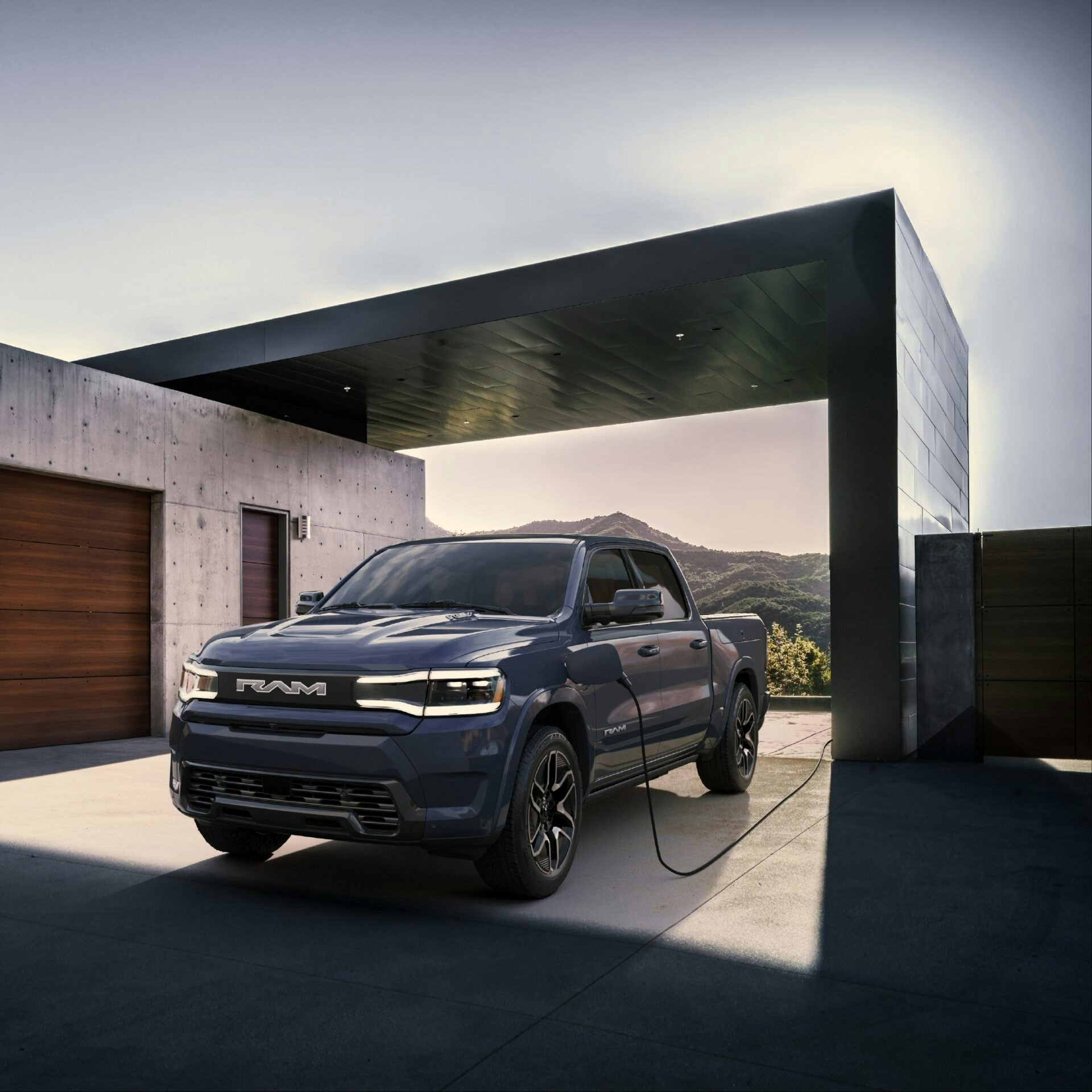
Dealerships responded with mixed emotions to the ram cancels electric pickup truck update. Some welcomed the extra time to train staff and upgrade charging setups. Selling EVs requires new knowledge. Salespeople must explain tax credits, home chargers, and maintenance differences. Service technicians need certification for high-voltage systems. Showrooms may need electrical upgrades. These changes take time and money. Smaller dealerships in rural areas face greater hurdles.
On the other hand, many dealers feel let down. They invested in marketing and customer outreach. Pre-orders were collected with promises of 2024 deliveries. Now, those leads may go cold. Customers who waited patiently might switch brands. Some already moved to Ford or Rivian. Others returned to gasoline models. Trust is hard to rebuild once broken. Online forums show frustration. Social media posts question Ram’s commitment to electrification. Longtime fans feel betrayed. They supported the brand through thick and thin. Now, they wonder if Ram still listens.
Environmental and Policy Implications
The ram cancels electric pickup truck delay has ripple effects beyond sales figures. Federal emissions standards push automakers toward zero-emission vehicles. The U.S. aims for 50% EV sales by 2030. Each major manufacturer must meet specific targets. Failure results in fines or penalties. By pausing its flagship electric truck, Ram adds pressure to other divisions within Stellantis. Jeep, Dodge, and Chrysler may need to accelerate their own EV plans. This internal balancing act complicates strategy.
State-level policies also play a role. California and 16 other states plan to ban new gas car sales by 2035. Fleets must transition faster. Cities offer incentives for clean delivery vehicles. However, heavy-duty electric trucks are still emerging. Medium- and heavy-duty EVs lag behind passenger models. Ram’s REV could have served commercial users. Landscapers, contractors, and utilities showed interest. Now, they must look elsewhere. Public perception suffers too. Climate advocates see delays as backtracking. They argue automakers lack real commitment. Clear communication is essential moving forward.
 Future Possibilities and Potential Comeback Scenarios
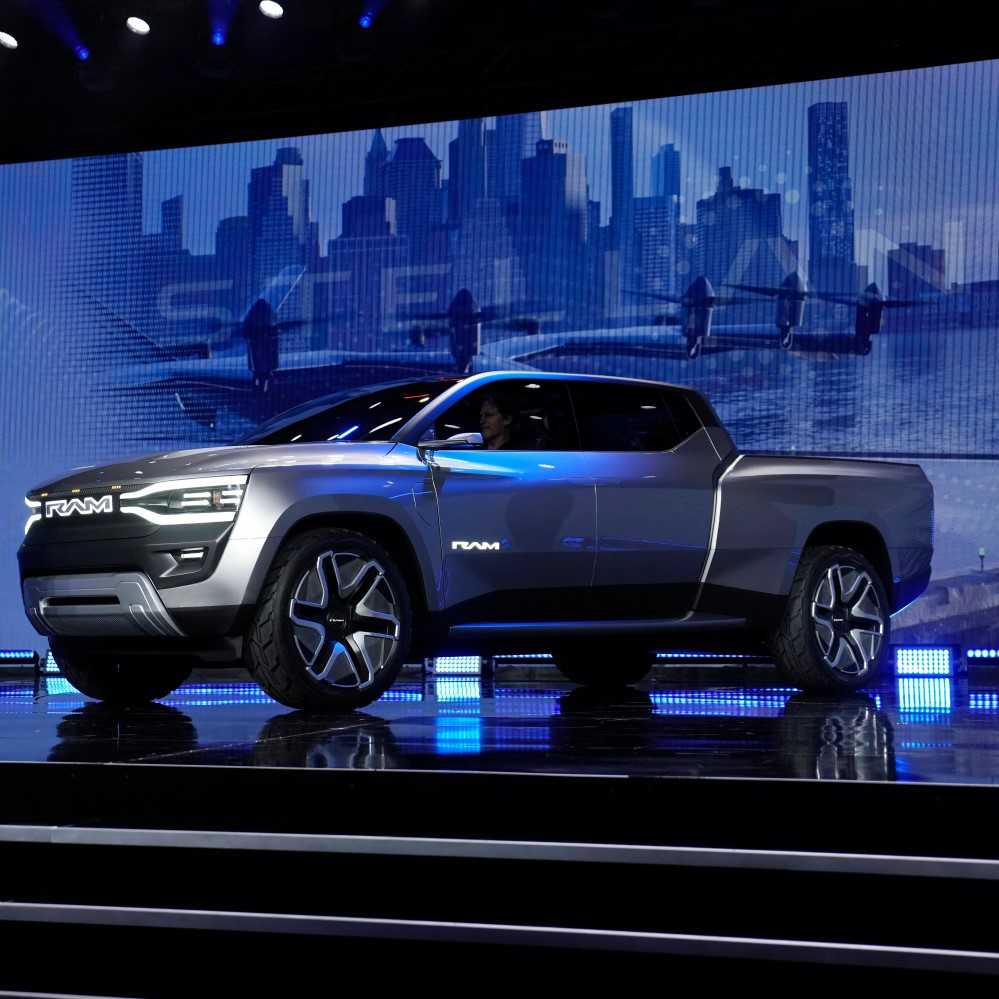
Despite current setbacks, the Ram 1500 REV may return in a stronger form. Engineering teams could use this time to refine software and battery integration. Improved solid-state batteries may become viable soon. These promise higher energy density and faster charging. Cooling systems could be optimized for extreme weather. User interfaces might get updates based on beta testing. A relaunch in 2026 or 2027 could align with better market conditions.
Additionally, Stellantis might introduce a smaller, more affordable electric truck first. This would test demand without massive risk. Fleet sales could precede consumer availability. Partnerships with charging networks might expand. Collaboration with Walmart, FedEx, or Amazon could drive volume. Leasing programs could lower entry barriers. Educational campaigns might address misconceptions about EVs. Over time, confidence could return. If Ram returns with a superior product, buyers may forgive the delay. Success depends on transparency and execution.
Frequently Asked Questions
Was the Ram 1500 REV completely canceled? No. The launch is delayed, not fully canceled. Production timelines shifted.
When was the original release date? Initially expected in late 2024. Now likely pushed to 2026.
Why did Ram cancel the electric pickup truck plans? Due to market conditions, battery costs, and strategic review.
Will pre-orders be honored? Unclear. Affected customers should contact dealers for updates.
Is Ram still committed to EVs? Yes. The company plans other electric models.
How does this affect Stellantis’ EV goals? It creates pressure to meet targets with other brands.
Can I still buy an electric Ram truck today? Not yet. The REV is not available for sale.
Are there alternatives from other brands? Yes. Ford, Rivian, and GMC offer electric pickups.
 Summary
The ram cancels electric pickup truck situation reveals deeper truths about the EV transition. Enthusiasm alone cannot sustain innovation. Real-world logistics, consumer readiness, and economic factors shape outcomes. While disappointing, this pause allows room for improvement. It may lead to a better product in the long run. Buyers should stay informed and explore alternatives. The market remains active with strong options. Ultimately, progress continues—even when one player steps back. The journey to electrification is complex. Patience, adaptation, and smart decisions will guide the way forward.