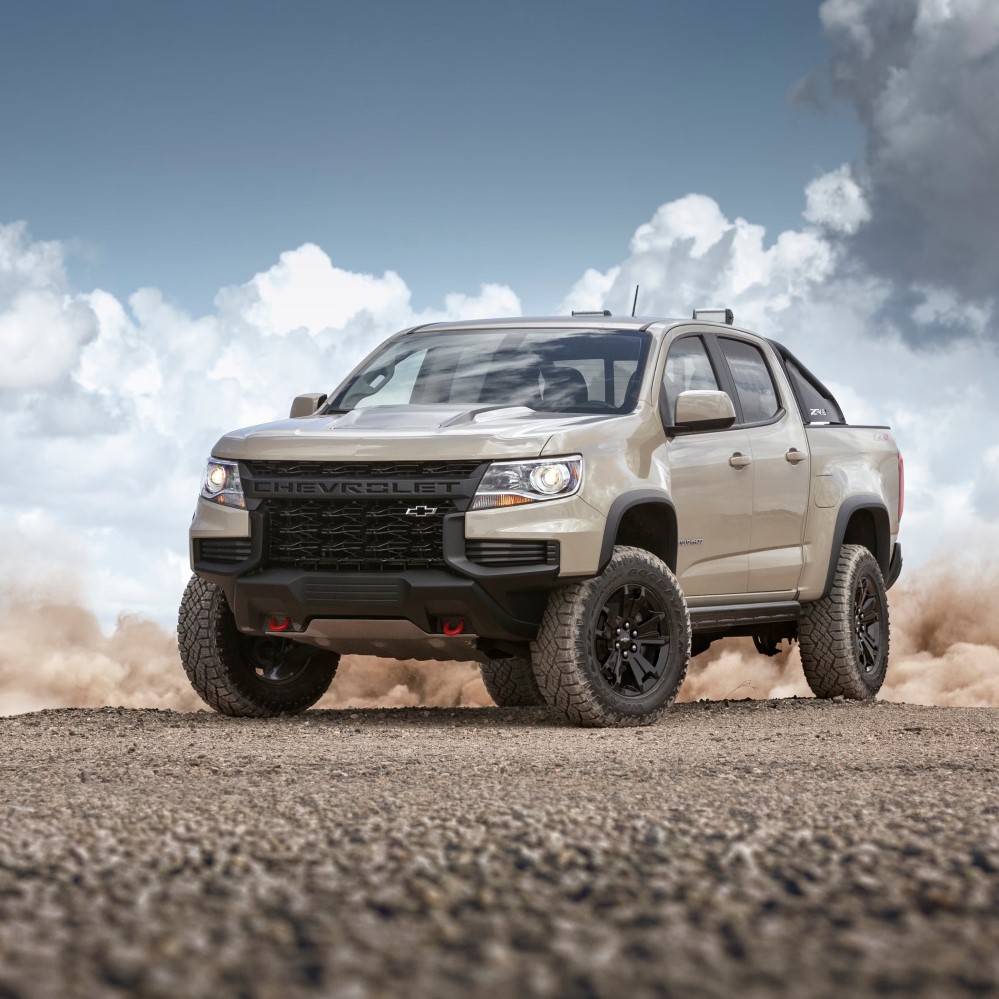
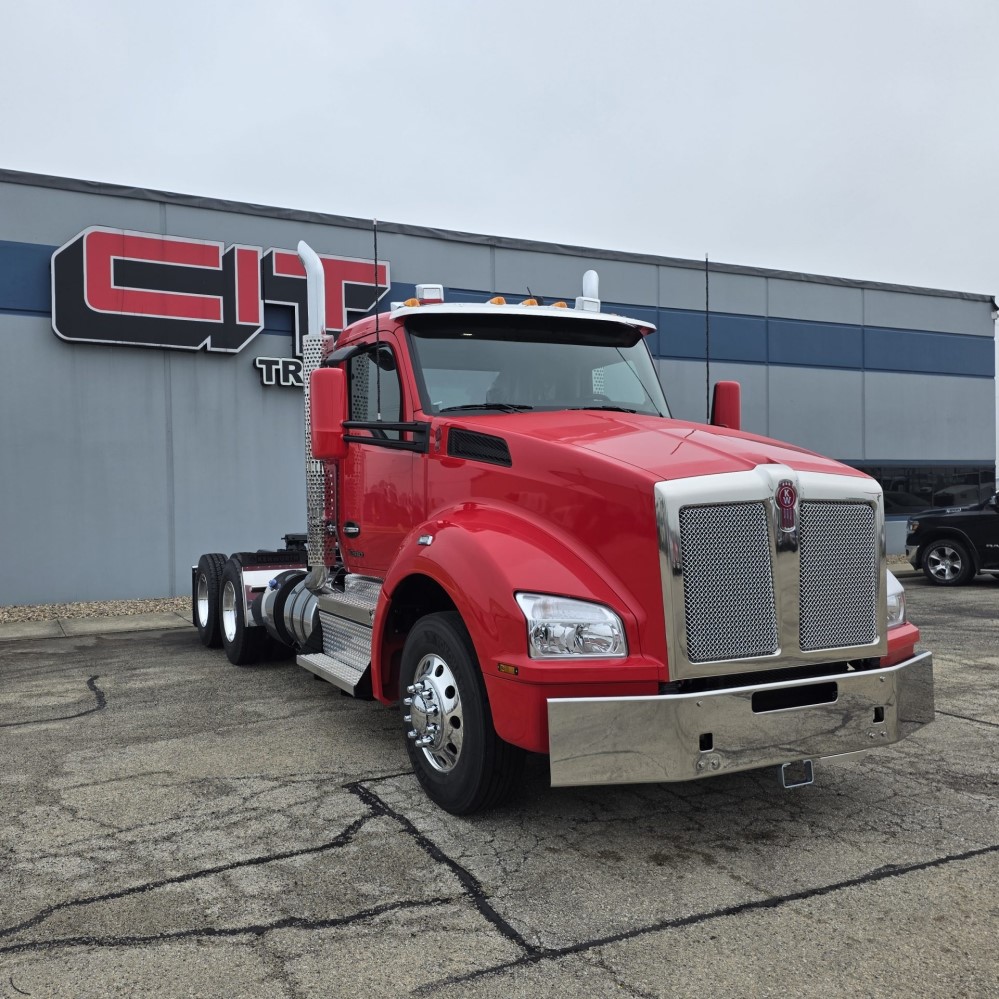
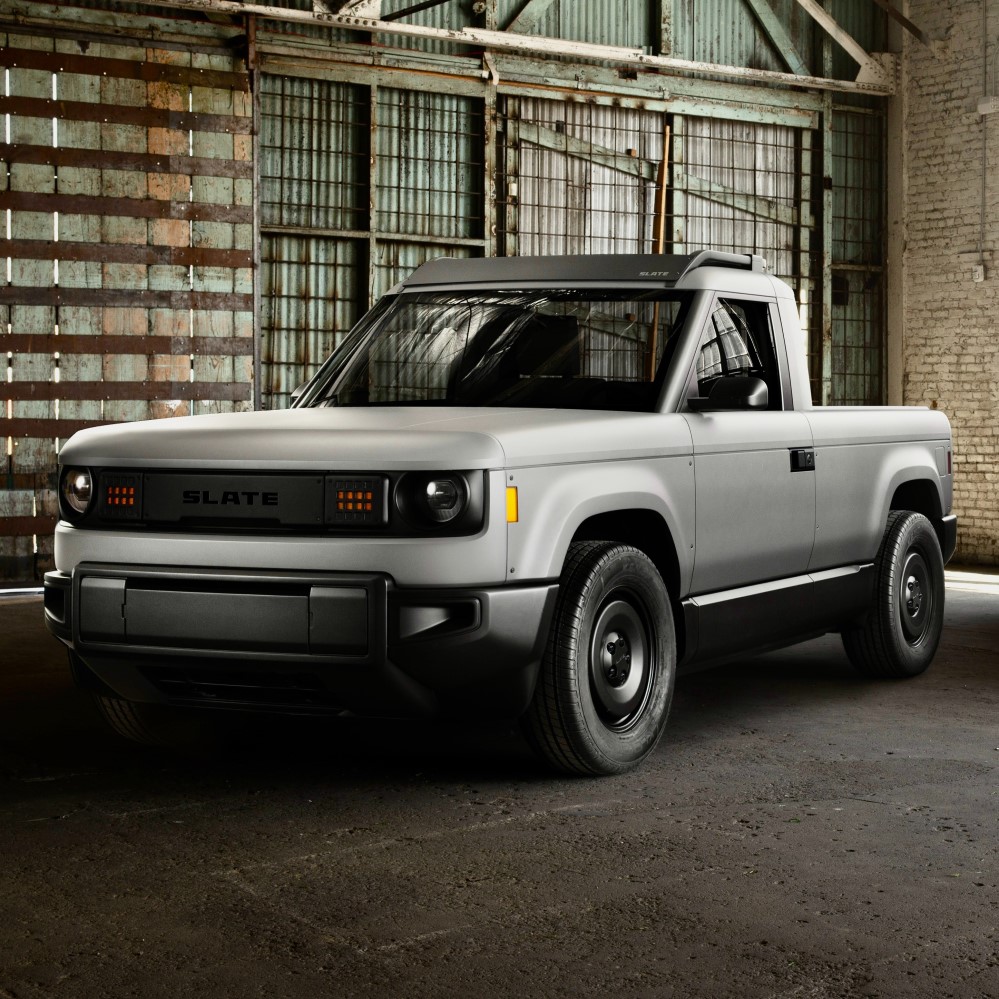
The international pickup truck has long stood as a symbol of rugged durability and reliable performance. Originally developed by International Harvester, this vehicle line was engineered for farmers, construction workers, and off-road professionals who demanded strength under pressure. Unlike mass-market trucks focused on comfort, the international pickup truck prioritized function—offering heavy-duty frames, powerful engines, and unmatched towing capacity. From the early 1900s through the late 20th century, these trucks became staples on ranches, logging sites, and remote job locations. Their boxy design, wide fenders, and bold grilles made them instantly recognizable. Even today, restored models draw admiration at car shows and auctions.
Moreover, the international pickup truck continues to influence modern work vehicles. Enthusiasts restore vintage models. Mechanics seek parts to keep them running. New generations discover their value through online forums and restoration channels. Whether used for daily driving or weekend projects, the international pickup truck delivers a unique blend of history and utility. This article explores its evolution, engine options, restoration tips, aftermarket support, and why it remains a favorite among collectors and laborers alike.
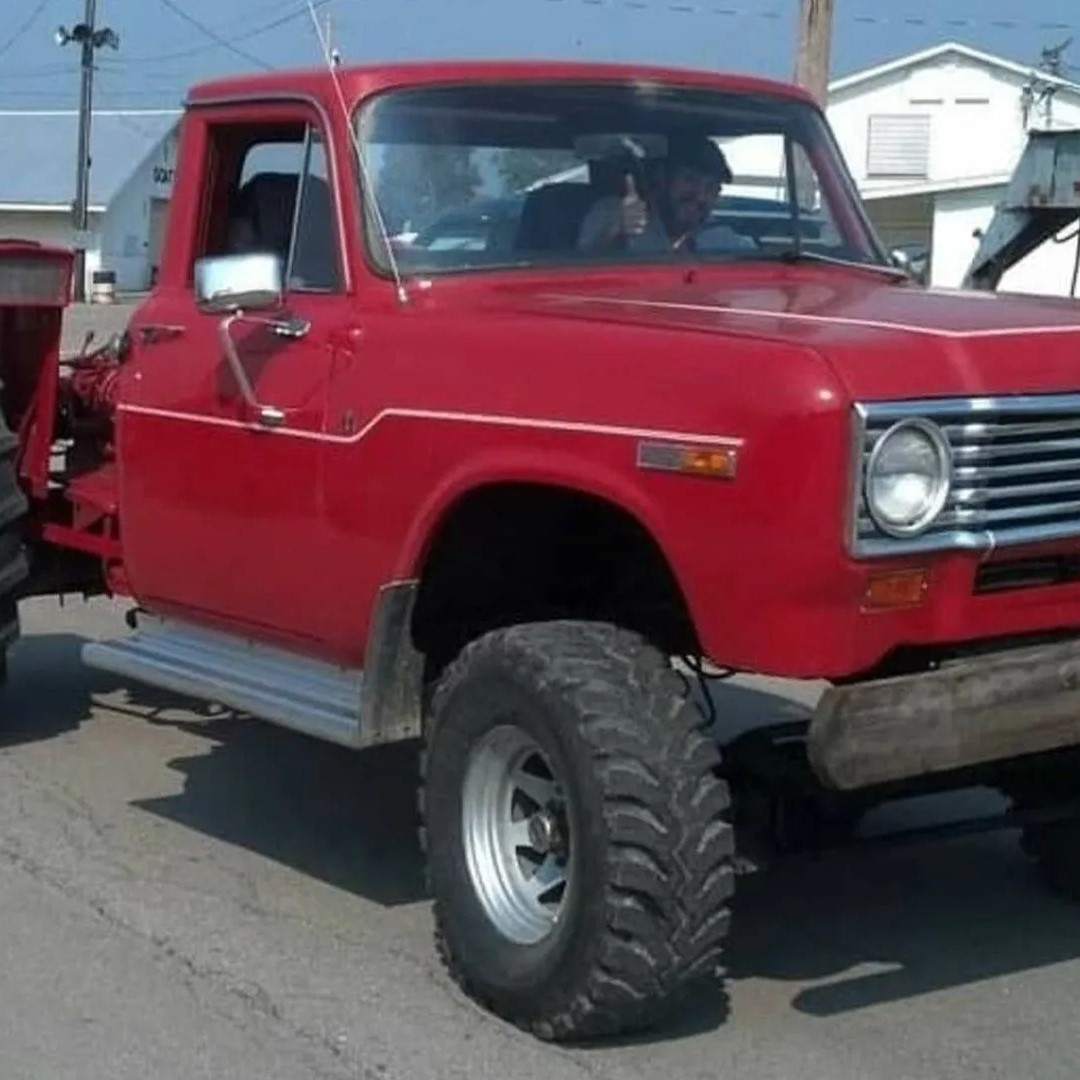 Why the International Pickup Truck Stands Out from Other Brands
Durability, Simplicity, and Off-Road Capability
One major reason the international pickup truck earns respect is its build quality. These trucks used full-frame construction with thick steel rails. That provided excellent resistance to twisting forces. They handled rough terrain without cracking. In contrast, many modern trucks use lighter materials to save weight. While fuel-efficient, they sacrifice toughness. The international pickup truck was never meant to be light. It was built to carry loads, pull equipment, and survive harsh conditions.
Additionally, mechanical simplicity made repairs easier. Owners could fix most issues without computers or specialized tools. Engines like the inline-six or V8 were accessible under the hood. Parts were designed for longevity. Seals, gaskets, and hoses lasted longer than those in contemporary models. This reduced downtime. Farmers and tradesmen stayed productive.
Off-road performance also set it apart. High ground clearance helped clear rocks and ruts. Solid front axles handled uneven surfaces better than independent suspension. Four-wheel-drive versions tackled mud, snow, and steep grades. Many owners modified them further. They added larger tires, winches, and custom bumpers.
Even rust resistance was improved over time. Later models included treated metal and better paint sealing.
Ultimately, the international pickup truck wasn’t about luxury. It was about getting the job done.
Evolution of the International Pickup Truck Through the Decades
From Early Models to Modern Collectibility
The history of the international pickup truck begins in the early 1900s. International Harvester first introduced commercial vehicles to serve agricultural needs. By the 1930s, pickup models entered production. The D-Series launched in 1937. It featured a sturdy ladder frame and large cargo beds. Its flathead inline-six engine delivered steady power. These trucks supported farms during the Great Depression and World War II.
In the 1950s, the R-Series brought updated styling and improved cabs. Drivers gained more legroom. Windshields grew larger for better visibility. Grille designs evolved with chrome accents. The LoadStar name appeared on heavier-duty variants. These served construction and delivery industries.
The 1960s introduced the C-Series and Duroline. They offered stronger suspensions and diesel engine options. Turbocharged diesels increased torque. That helped haul heavier loads over long distances.
By the 1970s, the Transtar model expanded into long-haul freight. However, pickup versions remained popular for regional use. The 1980s saw the last major redesign before Navistar took over. After 1980, International stopped producing light-duty pickups. Production ended in 1987.
Today, these trucks are collectible. Restorers search for original badges, trim, and emblems. Online communities share repair guides. Classic truck meets feature rare finds.
Each decade added improvements. Yet, the core mission never changed.
 Engine Options That Powered the Pickup Truck
Gasoline, Diesel, and Performance Upgrades
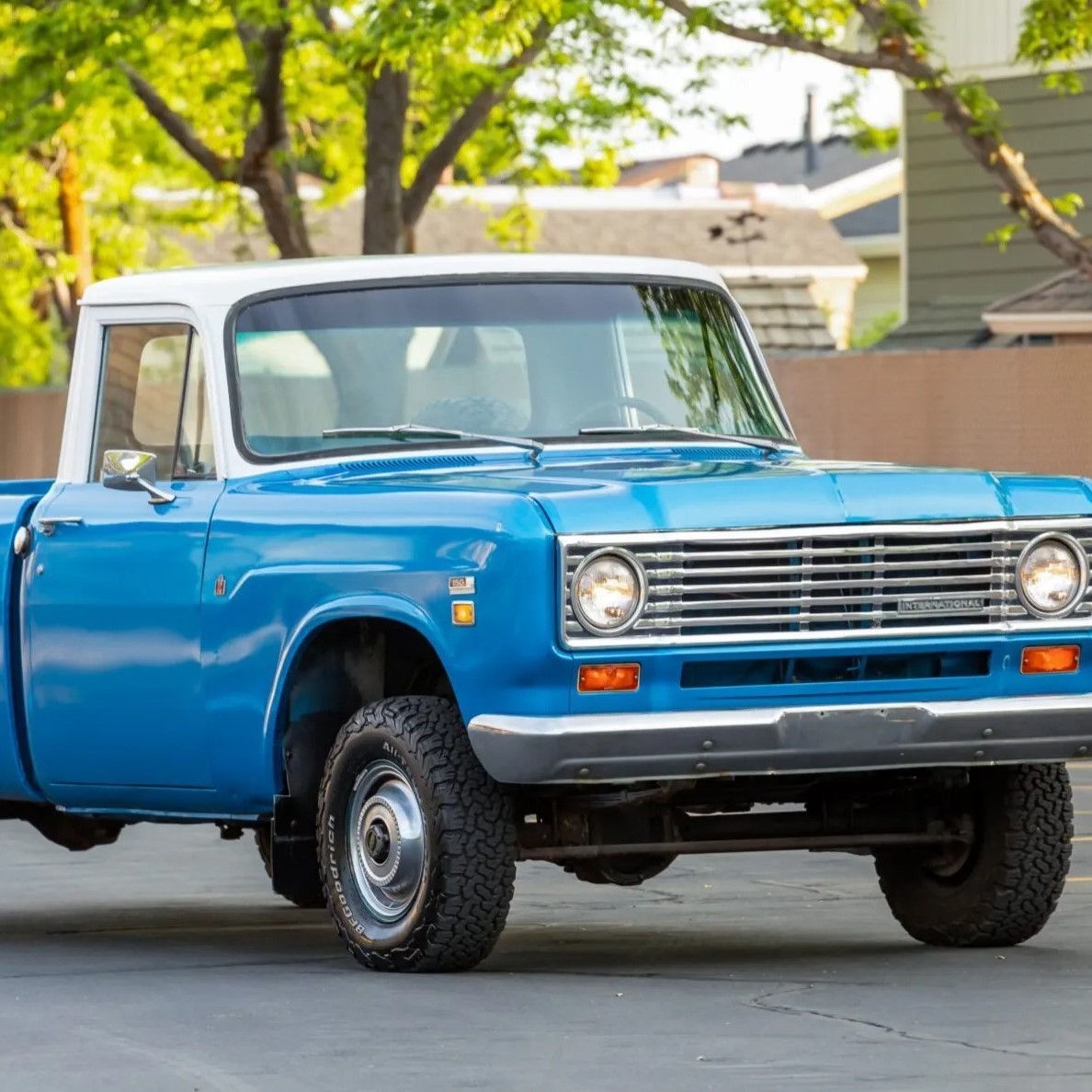
The international pickup truck came with several engine choices. Early models used inline-six gasoline engines. These ran reliably and consumed moderate fuel. They produced enough torque for farm and utility work. As demand grew, so did displacement. Larger engines followed. The 304 cubic inch V8 became a favorite. It offered strong acceleration and towing ability. Mechanics praised its simple design. Fewer electronics meant fewer failure points.
Diesel engines arrived later. The DT466 became iconic. Though more common in medium-duty trucks, some pickups received similar powerplants. Diesels delivered high torque at low RPM. Fuel economy improved significantly. Long-distance hauling became more efficient. Over-the-road drivers appreciated the savings.
Some owners upgraded for performance. Swapping in modern fuel-injected engines was common. LS V8 conversions are popular today. They add horsepower while fitting within the original bay. Transmission swaps followed. Five-speed manuals replaced clunky three- and four-speed units.
Turbocharging increased output. Exhaust upgrades enhanced flow. Cold air intakes boosted efficiency.
Fuel systems evolved too. Carburetors gave way to electronic injection. Retrofit kits now allow cleaner burning and better throttle response.
Cooling systems needed updates. High-output engines generated more heat. Larger radiators solved overheating. Electric fans improved control.
Owners balanced power and reliability. Most avoided extreme modifications. Keeping the international pickup truck functional mattered most.
Restoration Tips for Vintage Pickup Trucks
Finding Parts, Repairing Frames, and Preserving Originality
Restoring an international pickup truck takes time and dedication. First, locate a solid donor vehicle. Rust is the biggest enemy. Check frame rails, floor pans, and cab corners. Tap metal with a hammer. Hollow sounds signal rot. Surface rust can be treated. Structural damage requires welding or replacement sections.
Next, source original parts. NOS (New Old Stock) items appear on eBay and specialty forums. Reproduction panels exist for fenders, hoods, and tailgates. Some companies remanufacture gauges and switches. Contact clubs like the International Harvester Club. Members often sell spare parts.
Engines may need rebuilds. Disassemble carefully. Inspect bearings, pistons, and valves. Replace worn components. Rebuild carburetors. Test fuel pumps. Upgrade ignition systems if desired. Distributors can be converted to electronic models.
Electrical systems require attention. Wires degrade over decades. Replace harnesses with modern equivalents. Add circuit breakers for safety. Upgrade lights to LED for better visibility.
Preserve original features when possible. Badges, hubcaps, and trim pieces add authenticity. Document each step. Take photos before disassembly. Label parts clearly.
Paint matching matters. Use factory color codes. Choose durable urethane finishes. Sandblasting removes old layers. Primer prevents future rust.
Join online groups. Share progress. Ask questions.
A well-restored international pickup truck turns heads.
 Customization Ideas for the Modern Enthusiast
Lift Kits, Wheels, and Interior Upgrades
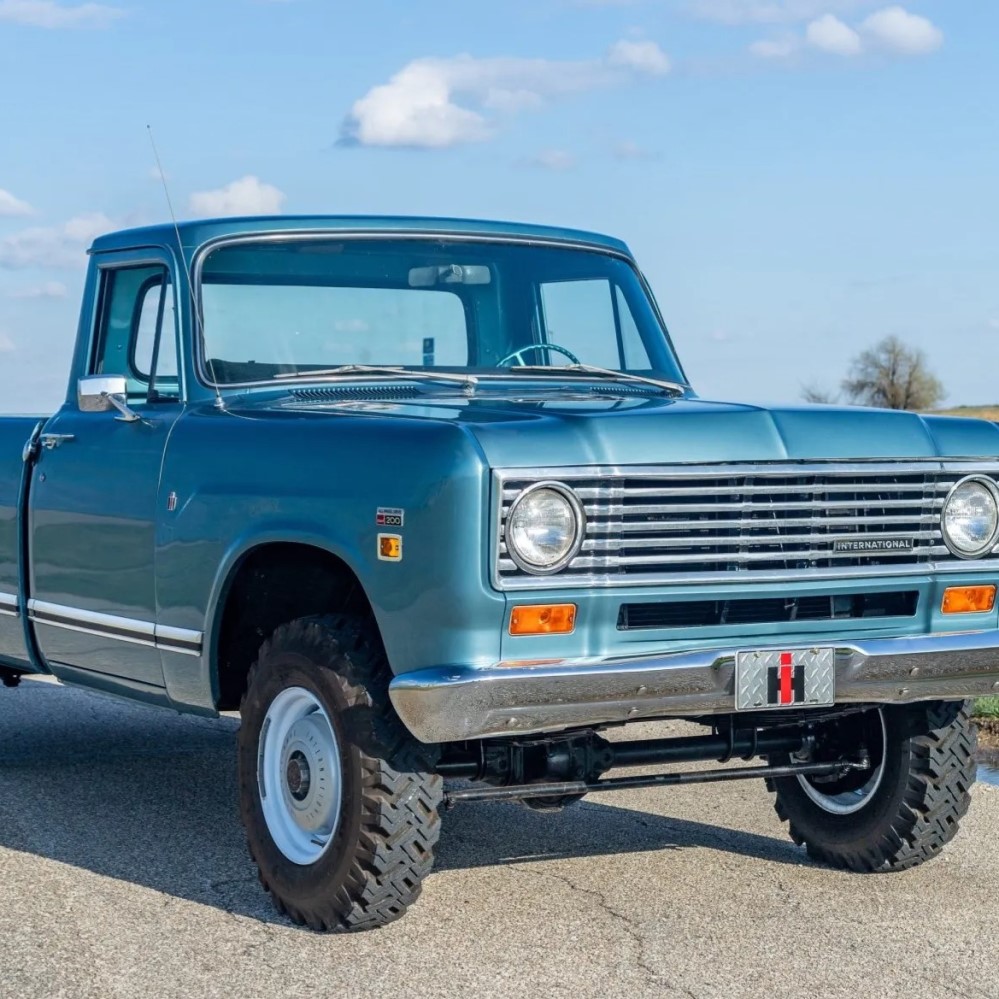
Customizing an international pickup truck allows personal expression. Many owners lift the suspension. Four-inch lift kits improve off-road clearance. Add all-terrain tires for grip. Aggressive tread patterns handle mud and gravel. Wheel sizes vary. Fifteen-inch steel wheels maintain classic looks. Sixteen-inch alloys offer modern style.
Bumpers get upgraded too. Heavy-duty steel bumpers replace worn originals. Winch mounts help recovery in tough spots. Skid plates protect the oil pan and transmission.
Interiors receive attention. Replace torn seats with vinyl covers. Install modern seat belts for safety. Add digital gauges behind the steering wheel. They show speed, temperature, and voltage.
Sound systems enhance drives. Install a weatherproof radio. Add speakers under the dash. Bluetooth lets you stream music. Keep wiring hidden. Protect connections from moisture.
Comfort improves with AC retrofits. Compact kits fit older cabs. Ductwork directs cool air. Drivers stay comfortable in summer.
Lighting upgrades increase safety. LED headlights shine brighter. Fog lights cut through rain. Tail lamps meet modern standards.
Paint schemes reflect personality. Two-tone colors revive 1970s trends. Flat black gives industrial appeal. Gloss red honors original styles.
Avoid over-modification. Keep the truck usable.
Your international pickup truck should reflect your lifestyle.
Where to Buy and Sell Pickup Trucks
Auctions, Online Markets, and Collector Shows
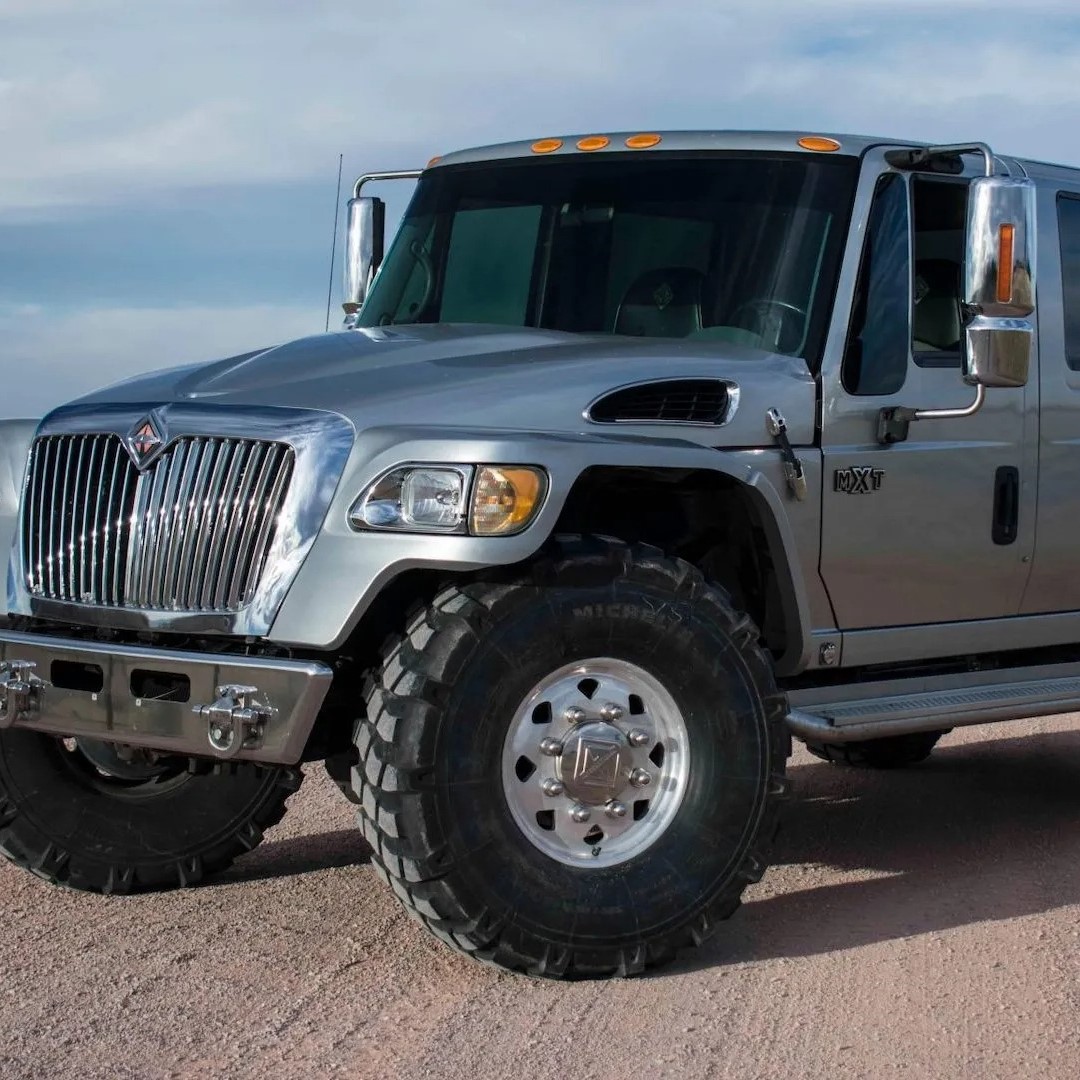
Finding an international pickup truck requires research. Start with online marketplaces. Facebook Marketplace lists local deals. Craigslist offers private sales. Check condition closely. Ask for maintenance records. Look for clean titles.
eBay Motors attracts collectors. Bidding opens access to rare models. Shipping available nationwide. Watch for scams. Verify seller ratings.
Auctions feature estate sales and salvage lots. Ritchie Bros. and IronPlanet host heavy equipment events. Pickups sometimes appear. Bring inspection tools. Test start engines when possible.
Specialty dealers focus on vintage trucks. Some rebuild and resell. Prices include warranties. You gain peace of mind.
Collector shows bring buyers together. Events like Carlisle Truck Nationals showcase restorations. Talk to owners. Learn histories. Make connections.
Forums such as TheHoodOnline and IHregistry connect enthusiasts. Classifieds list parts and complete trucks. Members often trade knowledge.
Restoration shops buy non-runners. They strip useful parts. Sell the rest for scrap. Consider selling damaged units this way.
Always verify VIN numbers. Confirm no liens exist.
Patience leads to better purchases.
 Frequently Asked Questions
Common Concerns About the International Pickup Truck
Can I drive it daily? Yes. Maintain brakes, fluids, and tires. Update lighting for safety.
Are parts hard to find? Some are rare. Reproductions and salvage yards help.
Does it use much fuel? Older models average 10–14 MPG. Diesels do better.
Can I tow with it? Yes. Check GVWR. Use proper hitch setup.
Is rust a big issue? Yes. Inspect frame and floors regularly.
Can I install modern A/C? Yes. Compact kits fit older cabs.
Are these trucks safe? Seatbelts and brakes need upgrades. Add safety features.
Where should I store one? In a dry garage. Cover if outdoors. Prevent moisture.
 Final Thoughts
Why the International Pickup Truck Remains a Workforce Icon
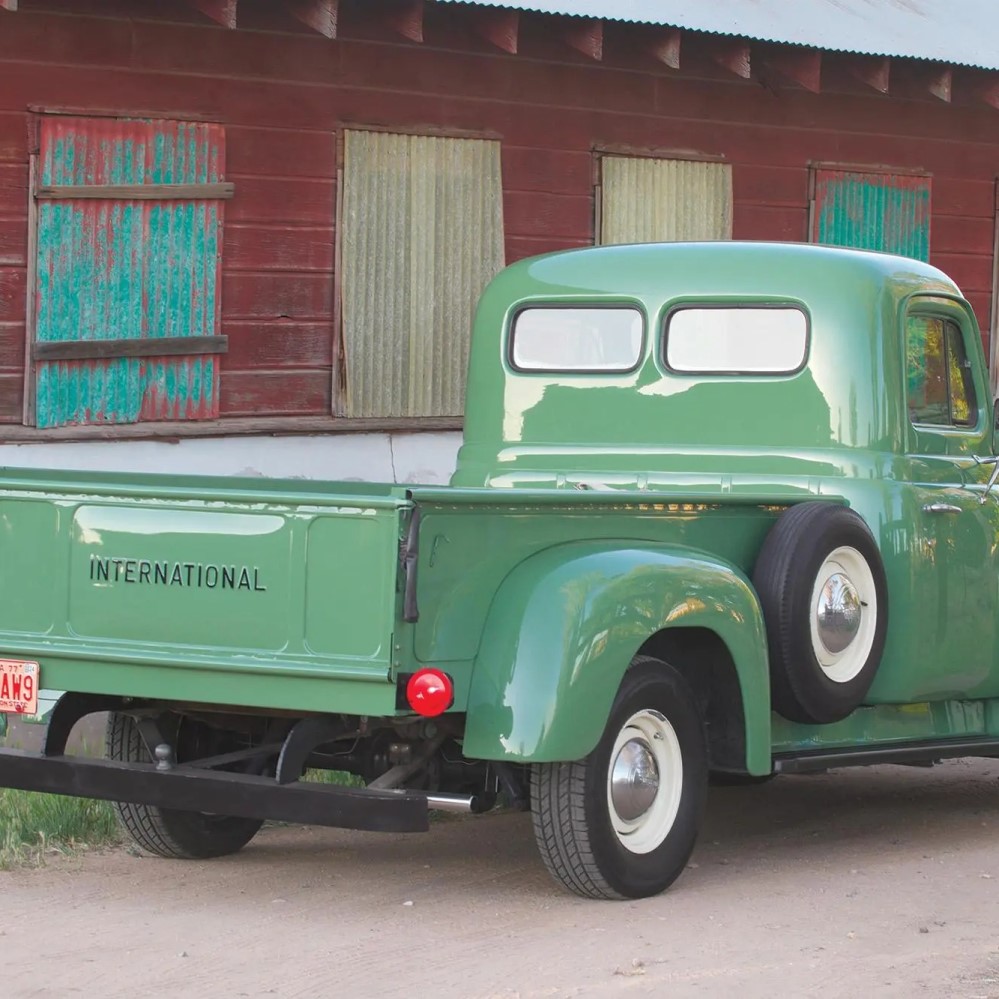
The international pickup truck is more than a vintage vehicle. It represents self-reliance, craftsmanship, and enduring strength. From farms to forests, it powered industries across North America. Today, it lives on through passionate owners and preservation efforts. Whether restored, customized, or kept original, each international pickup truck tells a story of hard work and resilience. With growing interest in classic trucks, its legacy continues. For anyone seeking a dependable, rugged machine with history behind it, the international pickup truck stands as a true icon.