Introduction
The hybrid pickup truck is redefining what drivers expect from work-ready vehicles. No longer limited to gas-guzzling engines, today’s trucks combine electric power with internal combustion for better fuel economy and reduced emissions. As technology advances, more manufacturers are introducing models that don’t sacrifice capability for efficiency. The hybrid pickup truck delivers strong performance while meeting modern environmental standards.
Moreover, this shift responds to real-world needs. Drivers want trucks that can tow heavy loads, handle rough terrain, and still save money at the pump. With rising fuel costs and growing awareness of carbon impact, demand for smarter options grows daily. Whether used for construction, farming, or family adventures, the hybrid pickup truck meets diverse demands. It proves that power and sustainability can go hand in hand.
 How a Hybrid Pickup Truck Combines Two Power Sources
Electric Motors and Gas Engines Working Together
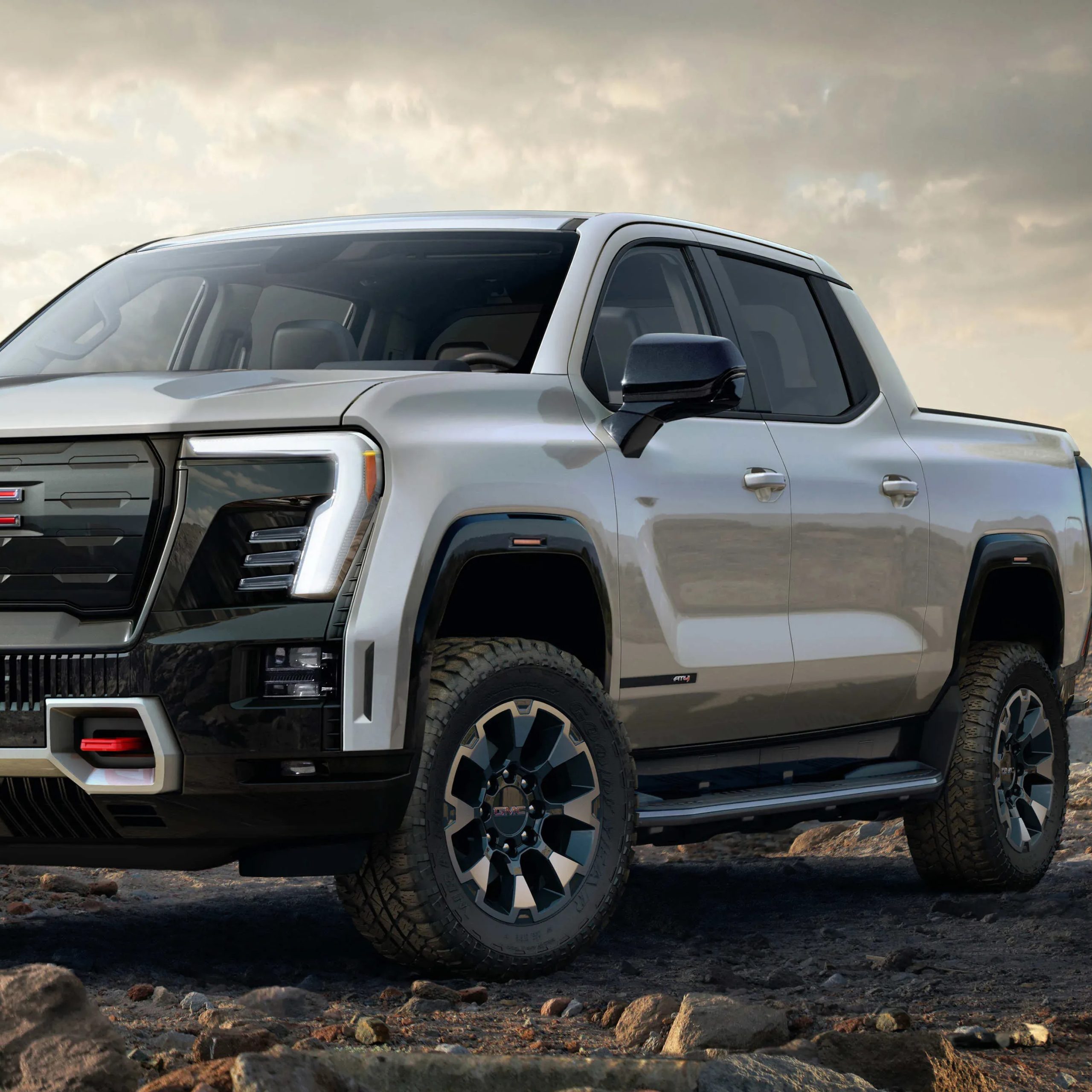
A hybrid pickup truck uses both an electric motor and a gasoline engine. These systems work together seamlessly to improve efficiency. At low speeds or during idling, the electric motor takes over. This reduces fuel use in stop-and-go traffic. Once more power is needed, the gas engine kicks in automatically.
Many models use parallel hybrid systems. Both power sources can drive the wheels independently or at the same time. For example, accelerating onto a highway draws energy from both units. This setup increases torque without increasing fuel consumption. Drivers feel strong response without the usual gas penalty.
Regenerative braking is another key feature. When slowing down, the system captures energy normally lost as heat. It converts that energy back into electricity. Then, it stores it in the battery pack. Over time, this boosts overall efficiency. City driving benefits especially from frequent stops.
Some trucks offer limited all-electric range. Short trips around town may not require the gas engine at all. Commuters save fuel by running solely on electricity. Afterward, the engine recharges the battery when needed. This flexibility makes daily driving more economical.
Fuel tanks and batteries coexist under the frame. Engineers design them to avoid sacrificing cargo or cabin space. Weight distribution remains balanced. Handling stays stable even with added components. The integration feels natural, not forced.
As a result, the driving experience improves across the board. Smoother acceleration, quieter operation, and fewer refueling stops add up. The hybrid pickup truck becomes more than just a tool—it becomes a smarter choice.
Top Models Leading the Hybrid Pickup Truck Market
What Today’s Best Trucks Offer Drivers
One standout model is the Ford F-150 PowerBoost. It pairs a 3.5L V6 twin-turbo engine with an electric motor. Combined output exceeds 430 horsepower. Torque reaches over 570 lb-ft. This allows full towing capacity without compromise. Buyers also get up to 25 miles per gallon in combined driving.
Another strong contender is the Ram 1500 with eTorque. Though a mild hybrid, it enhances performance noticeably. The system adds electric assist during acceleration. It also enables start-stop functionality with smoother transitions. Fuel savings appear quickly in real-world use.
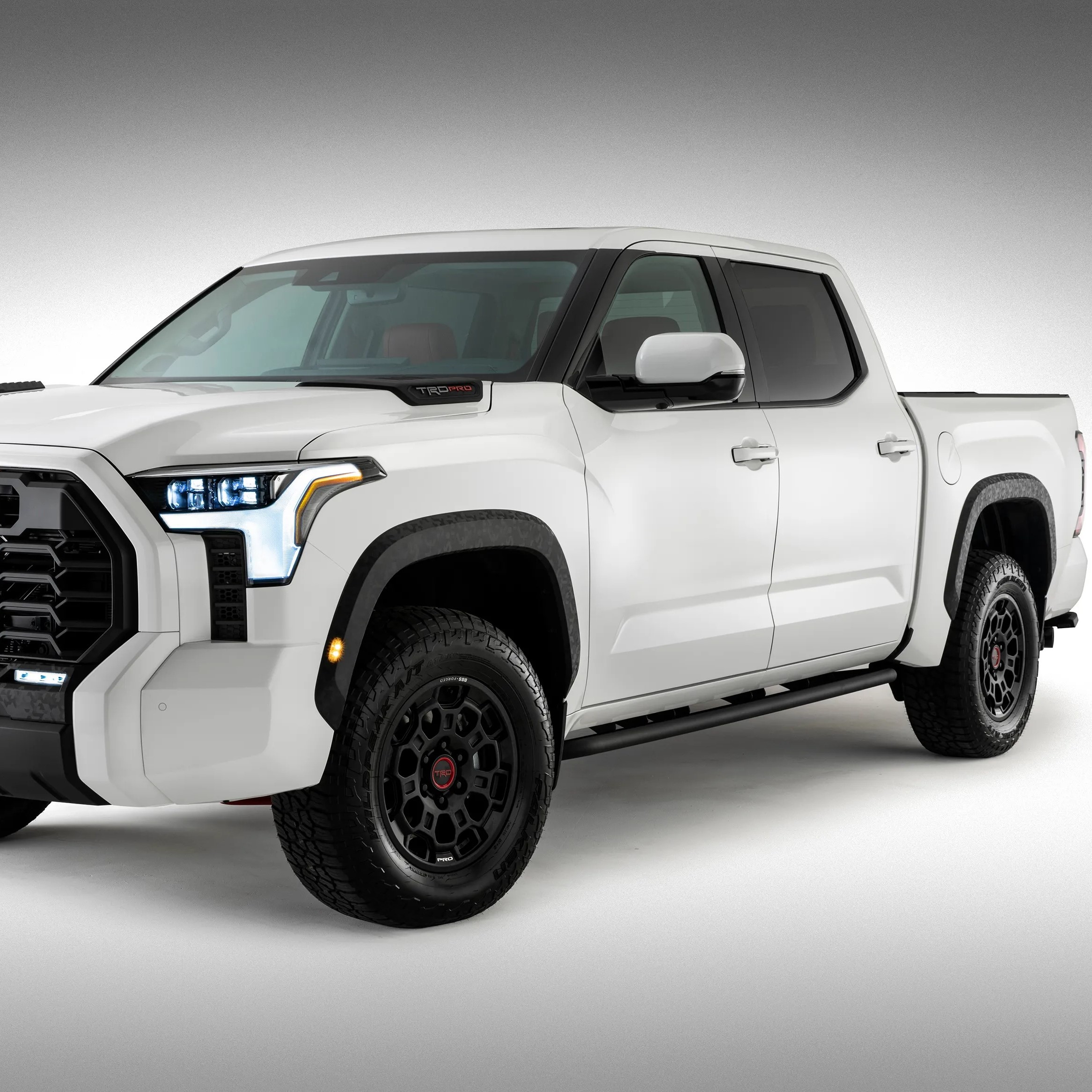
Toyota entered the market with the Tundra i-FORCE MAX. Its twin-turbo V6 works with an electric motor inside the transmission. Total output competes with larger V8s. Yet, it achieves better fuel economy. Drivers enjoy responsive power and improved control.
Chevrolet has teased its Silverado EV, but traditional hybrids are coming soon. Early reports suggest strong electric-only capabilities. Integration with trailering tech will be a major focus. Many await its official release with high expectations.
Each brand approaches hybridization differently. Some prioritize towing strength. Others emphasize city efficiency. Still, all aim to maintain truck toughness. Features like hill descent control, four-wheel drive, and trailer sway damping remain standard.
Infotainment systems now include hybrid-specific displays. Real-time energy flow maps show power usage. Drivers see when the battery charges or discharges. This feedback encourages efficient habits. Long-term savings become easier to track.
These leading models prove hybrids aren’t just experiments. They’re serious trucks built for real jobs. Innovation continues at a fast pace.
 Benefits of Choosing a Hybrid Pickup Truck
Saving Fuel Without Losing Performance
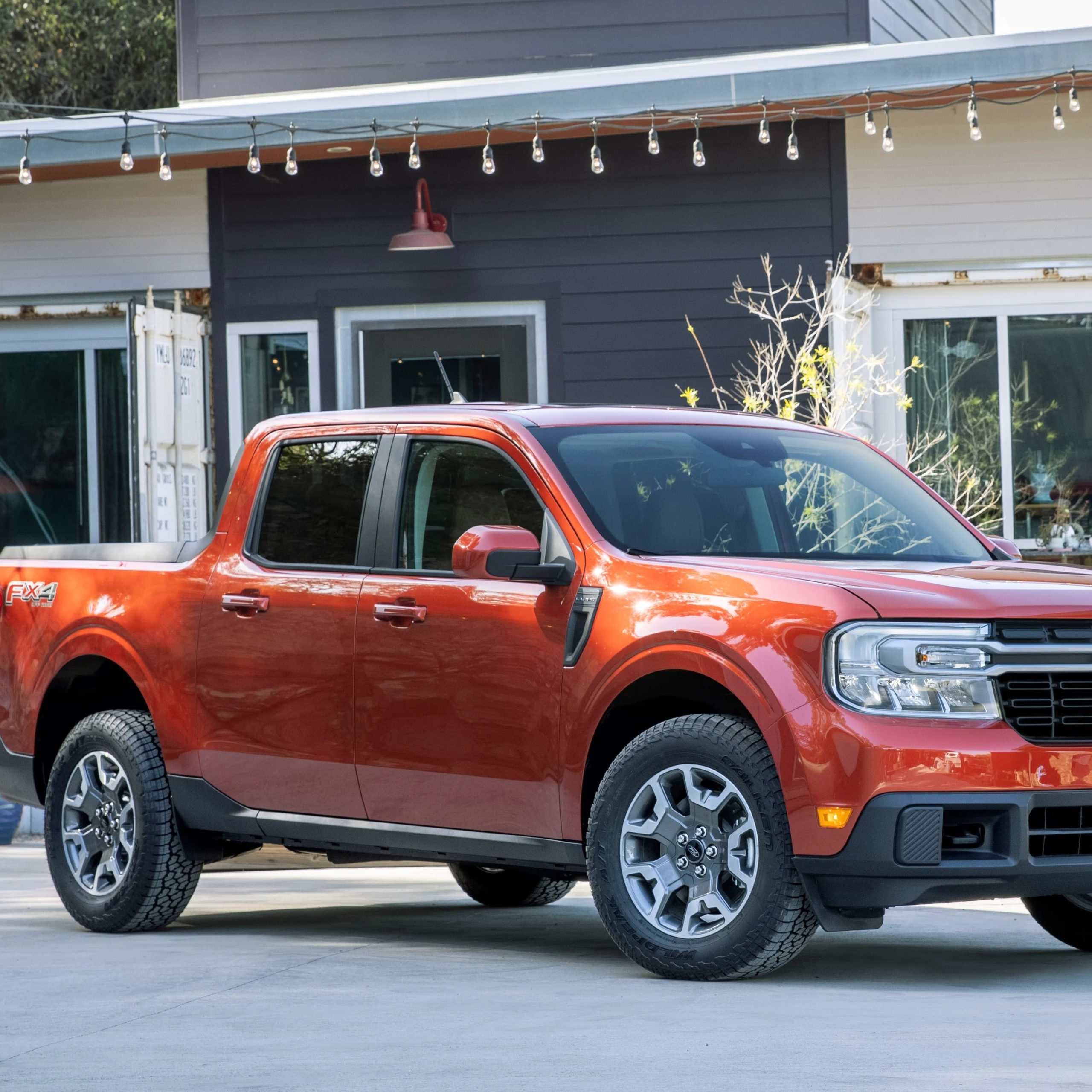
One major benefit is improved fuel economy. Traditional pickups often average 15–18 MPG. Hybrid versions reach 20–25 MPG or more. This difference adds up over time. Monthly fuel bills drop significantly. Long-distance haulers notice immediate savings.
Lower emissions are another advantage. Cleaner air matters in cities and rural areas alike. Reduced carbon output helps fight climate change. Many regions offer tax incentives for hybrid owners. These further reduce ownership costs.
Electric motors provide instant torque. Acceleration feels quicker from a stop. Merging onto highways becomes safer and smoother. There’s no lag waiting for the engine to spool up. Power delivery feels more responsive overall.
Idle-free operation improves comfort. Climate control and electronics run on battery power. You can sit in traffic or camp overnight without burning fuel. Some models even power tools through onboard outlets. The truck becomes a mobile energy source.
Reliability improves due to less engine strain. The electric motor handles light-duty tasks. The gas engine operates only when necessary. Wear and tear decrease over time. Maintenance intervals may extend as a result.
Resale value trends favor hybrids. As demand rises, so does future trade-in potential. Buyers seek fuel-efficient trucks more than ever. Early adopters gain long-term financial benefits.
Additionally, noise levels drop. Electric mode runs quietly. Cabins feel more peaceful during short drives. Less vibration means less driver fatigue. Comfort increases on long trips.
All these benefits make the hybrid pickup truck a smart long-term investment. It supports both wallet and environment.
Performance and Capability in Real-World Use
Towing, Hauling, and Off-Road Readiness
Many worry that electrification reduces capability. However, modern hybrid pickup trucks perform exceptionally well. The Ford F-150 PowerBoost can tow up to 12,700 pounds. That’s enough for boats, trailers, and campers. Payload capacity remains strong too.
Towing feels smoother thanks to consistent power delivery. The electric motor fills torque gaps during gear shifts. Trailers accelerate steadily uphill. Engine temperatures stay lower due to active cooling systems. Overheating risks decline significantly.
Hauling heavy materials is equally effective. Dump loads, lumber, or equipment fit in the bed without issue. The suspension adjusts automatically in some models. Air ride systems level the load for safer handling.
Off-road performance holds up well. Four-wheel-drive variants maintain traction in mud, sand, and snow. Sealed battery packs prevent water damage. Ground clearance matches non-hybrid counterparts. Drivers tackle trails with confidence.
Electronic aids enhance control. Terrain management systems switch modes instantly. Sand, rock crawl, and slippery settings adapt throttle and braking. Regenerative braking adjusts based on slope.
Battery placement avoids weak points. Units mount low and centered for better balance. This lowers the center of gravity slightly. Stability improves during cornering and side slopes.
Even in extreme temperatures, systems function reliably. Cold-weather packages include battery warmers. Heat shields protect components in desert conditions. Performance stays consistent year-round.
Drivers report no loss of utility. In fact, many say capability improves. The hybrid pickup truck proves it can do everything—just better.
 Charging and Energy Management Explained
How Hybrids Keep Power Without Plugs
Unlike fully electric trucks, most hybrid pickup trucks don’t plug in. They recharge automatically through driving. Regenerative braking captures energy during deceleration. The system sends it back to the battery. No external charger is required.
The internal combustion engine also generates power. When battery levels drop, the gas engine runs briefly. It charges the battery while maintaining vehicle speed. Drivers never need to stop for charging breaks.
Some models allow manual battery preservation. You can reserve charge for later use. This is helpful when entering city zones or camping areas. Save electric power for where it matters most.
Battery size affects electric-only duration. Larger packs support longer silent operation. Smaller ones assist the engine more than they replace it. Understanding this helps set realistic expectations.
Energy flow displays help drivers adapt habits. Watching the screen teaches efficient techniques. Coasting instead of braking saves more power. Anticipating traffic reduces waste.
Climate control uses smart programming. Preconditioning warms or cools the cab before departure. It uses grid power if parked near an outlet. This preserves battery for driving.
Hybrid systems monitor driving patterns. Over time, they optimize power use automatically. Aggressive drivers see different tuning than steady cruisers. Personalization happens behind the scenes.
All of this happens without user input. The vehicle manages itself intelligently. Convenience meets efficiency naturally.
 Frequently Asked Questions
Clear Answers for Concerned Buyers
Do hybrid pickup trucks need special maintenance? Not really. Routine oil changes and tire rotations still apply. The hybrid system requires minimal extra care. Dealerships train technicians for these models.
Can they tow large trailers? Yes, many exceed 10,000 pounds. Always check manufacturer ratings. Use proper hitch setups for safety.
Are batteries covered under warranty? Most come with 8–10 year coverage. Some offer prorated protection beyond that. Register your vehicle for full benefits.
Is off-roading safe with electrical parts? Yes, components are sealed and protected. Water fording depths match standard trucks. Avoid submerging connectors.
Do they work in cold climates? Yes, with proper winter prep. Block heaters and battery warmers help. Cold reduces efficiency slightly, but doesn’t stop function.
Can I jump-start a hybrid pickup truck? Yes, follow the manual’s instructions. Never connect cables to the high-voltage system. Use designated terminals only.
Are spare parts expensive? Not usually. Common components are widely available. Hybrid-specific parts may cost more, but failures are rare.
These answers ease common worries. Knowledge builds trust in new technology.
 Final Thoughts
A Smart Evolution in American Driving Culture
The hybrid pickup truck represents progress without compromise. It keeps the strength and utility Americans love. At the same time, it embraces cleaner, smarter engineering. Drivers no longer have to choose between power and efficiency.
Technology will keep improving. Batteries will grow stronger. Electric ranges will increase. Charging may become optional in future models. For now, current hybrids deliver real benefits.
Whether you’re a contractor, farmer, or weekend adventurer, there’s a model that fits. The hybrid pickup truck adapts to every lifestyle. It supports hard work and responsible choices.
So when asking about the future of trucks, look no further. Yes—the hybrid pickup truck is not just a trend. It’s the next step forward. Own one today and drive smarter tomorrow.