Choosing the safest electric SUV is a top priority for families, commuters, and safety-conscious drivers. With more EVs entering the market every year, it’s essential to evaluate which models offer the best protection on the road. These vehicles combine zero-emission driving with advanced crash prevention systems, high-strength body structures, and cutting-edge driver assistance tools. The safest electric SUV doesn’t just perform well in collisions—it helps avoid them altogether.
Moreover, independent safety ratings from organizations like the IIHS and NHTSA play a major role in identifying top performers. Models that earn Top Safety Pick+ or five-star ratings consistently stand out. This guide explores leading contenders, key safety technologies, real-world performance, and how to choose the right model for your needs.
 Why Safety Matters in Electric SUVs
Higher Weight, Battery Protection, and Crash Dynamics
Electric SUVs are heavier than gas-powered models. This added weight comes from large battery packs mounted low in the chassis. While this improves stability, it also increases stopping distance and impact force during crashes. As a result, the safest electric SUV must have strong crumple zones and reinforced frames. These absorb energy effectively.
Battery safety is another critical factor. Lithium-ion batteries can overheat if damaged. That’s why top models include protective casings, cooling systems, and automatic shutoffs. In a collision, these features reduce fire risk. They also prevent electrical shorts.
Crash test results show that many electric SUVs protect occupants better than average. Their low center of gravity reduces rollover risk. Side-impact beams guard against T-bone accidents. Airbags deploy faster due to instant torque detection.
Advanced materials like high-strength steel and aluminum enhance structural integrity. Some brands use boron steel in critical areas. This resists deformation under pressure.
Safety isn’t just about surviving a crash. It’s about preventing one. The safest electric SUV uses technology proactively.
Top Contenders for the Safest Electric SUV Title
Volvo EX90, Tesla Model Y, Hyundai Ioniq 5, and More
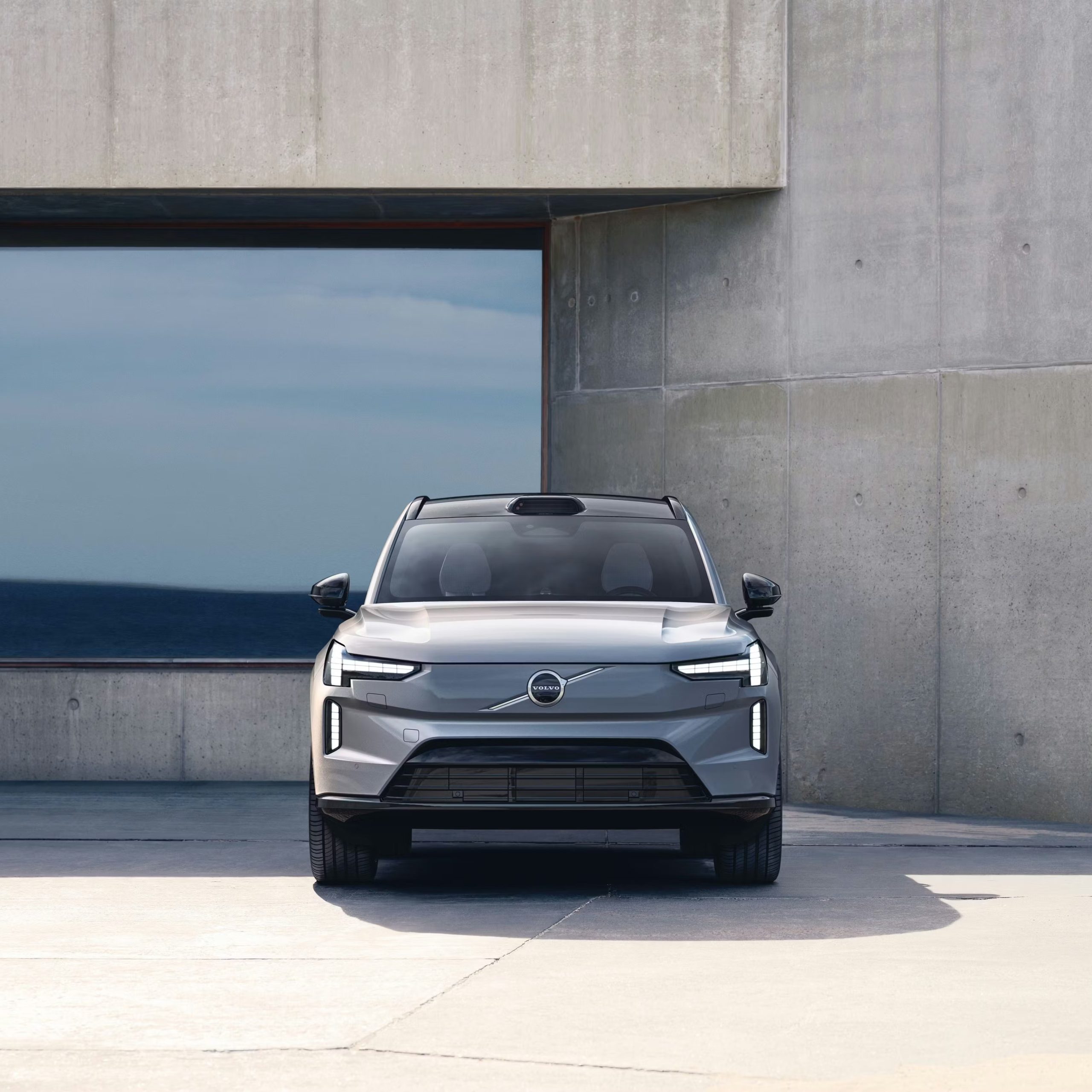
The Volvo EX90 leads the pack as one of the safest electric SUVs available. It earned praise for its standard LiDAR-based driver monitoring system. This detects drowsiness and distraction. Its ultra-high-strength steel frame covers 34% of the body. This exceeds industry standards.
The Tesla Model Y holds a five-star rating from NHTSA across all categories. It features eight cameras and ultrasonic sensors. These provide 360-degree visibility. Its autopilot system includes forward collision warning and automatic emergency braking. Real-world data shows fewer front-end crashes than average.
The Hyundai Ioniq 5 received a Top Safety Pick+ award from the IIHS. It scores well in small overlap front tests. Standard safety features include blind-spot monitoring and rear cross-traffic alert. The brake assist system responds quickly in sudden stops.
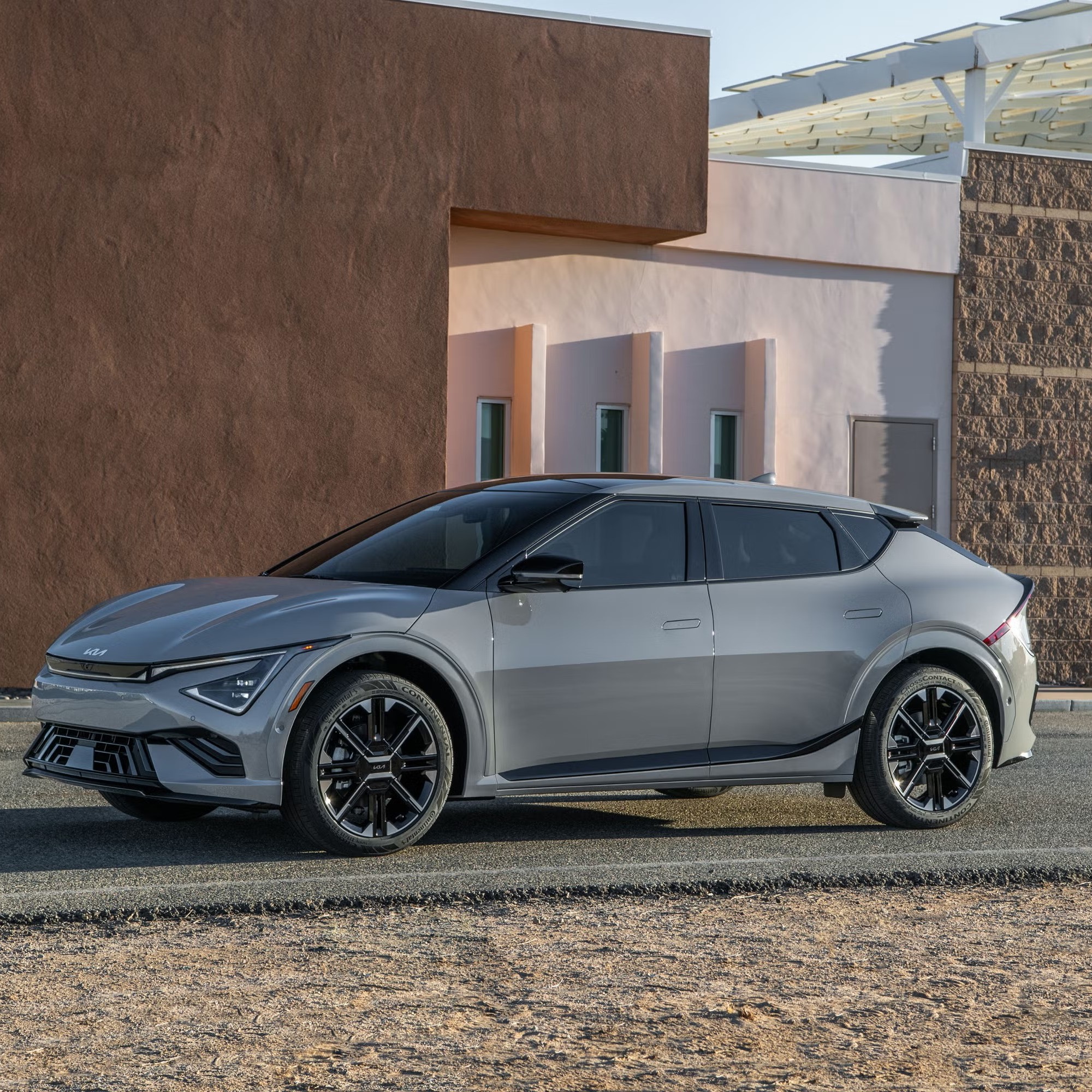
The Kia EV6 shares the same platform as the Ioniq 5. It offers similar safety ratings. Its Highway Driving Assist helps maintain safe distances. Lane-keeping assist corrects drifting.
The BMW iX includes interior airbag curtains. These protect heads during side impacts. Its carbon cage construction adds rigidity. Driver alerts appear on the dashboard and head-up display.
Each model brings unique strengths. However, they all share a commitment to protecting every passenger.
 Advanced Driver Assistance Systems (ADAS)
How Tech Prevents Accidents Before They Happen
The safest electric SUV relies heavily on ADAS. These systems monitor surroundings constantly. Forward-facing radar and cameras detect vehicles, pedestrians, and cyclists. If a potential collision is detected, alerts sound immediately.
Automatic emergency braking (AEB) activates when the driver doesn’t respond. It can stop the car at low and highway speeds. Many models now include pedestrian detection at night. This reduces urban accident rates.
Blind-spot monitoring warns when another vehicle enters your lane. Rear cross-traffic alert helps during parking. It detects fast-moving cars behind you.
Lane departure warning vibrates the steering wheel if you drift. Lane-keeping assist gently steers back into position. Adaptive cruise control adjusts speed based on traffic flow. This reduces fatigue on long trips.
Driver attention systems track eye movement and head position. If signs of drowsiness appear, the car suggests rest. Some even slow down and exit highways autonomously.
These tools don’t replace drivers. Instead, they support safer decision-making. Over time, they help reduce human error—the cause of most crashes.
Structural Design and Crash Test Performance
Evaluating Frame Strength, Airbags, and Ratings
Structural design plays a vital role in safety. The safest electric SUV uses a rigid body-in-white construction. This means the frame is built to resist twisting and bending. High-strength steel forms the passenger cell. It protects those inside during side impacts.
Crumple zones collapse in a controlled way. They absorb kinetic energy before it reaches the cabin. Front and rear zones manage different types of crashes. Engineers tune them using computer simulations.
Airbags are strategically placed. Dual-stage front airbags adjust force based on seat position. Side curtain airbags cover both rows. Knee airbags protect legs from dashboard impact. Some models add front center airbags to prevent occupant collision.
Independent testing validates these designs. The Insurance Institute for Highway Safety (IIHS) conducts small overlap front tests. These simulate hitting a pole or tree. Vehicles that stay stable score higher.
NHTSA performs rollover resistance evaluations. Electric SUVs benefit from low centers of gravity. Their wide stances improve balance. Most score four or five stars.
Real-world crash data confirms lab results. Fewer injuries occur in top-rated models. Choosing one gives peace of mind.
 Child and Family-Focused Safety Features
LATCH Systems, Rear Alerts, and Monitoring Tools
For families, child safety is non-negotiable. The safest electric SUV includes multiple LATCH anchors. These allow secure installation of car seats. Lower anchors handle up to 65 pounds. Top tether straps add stability.
Rear door alert systems notify drivers if a child is left behind. Sensors detect movement after locking. A message appears on the dash and phone app. This prevents heatstroke incidents.
Rearview cameras now include zoom and night vision. You see clearly even in dark garages. Some models project video onto the main screen. Others use augmented reality overlays.
Interior cameras let parents check kids without turning around. Video feeds appear on the dashboard. Privacy modes disable recording when parked.
Back-up beepers and proximity sensors warn of nearby objects. This helps avoid hitting toys or pets. Rear automatic braking stops the car if needed.
Some brands offer remote climate control. Parents warm or cool the cabin before loading children. This ensures comfort and safety in extreme weather.
Fire and Electrical System Safety
Battery Enclosures, Cooling, and Emergency Protocols
One concern with electric SUVs is fire risk. However, the safest electric SUV includes multiple safeguards. The battery sits inside a sealed aluminum case. This protects against punctures.
Cooling systems regulate temperature. Liquid-cooled batteries prevent thermal runaway. If overheating occurs, the system shuts off power automatically. Venting channels release gases safely.
In a crash, high-voltage circuits disconnect within milliseconds. This prevents shocks during rescue operations. First responders receive training and access guides. QR codes on windows direct them to cut points.
Manufacturers conduct burn tests. These ensure fires spread slowly. Occupants have several minutes to escape. Rescue crews practice extraction techniques regularly.
Software updates improve safety over time. Some brands push new protocols remotely. For example, charging limits may adjust during heatwaves.
Fire risk remains rare. Statistics show EVs catch fire less often than gas vehicles. Proper maintenance reduces risk further.
 Frequently Asked Questions
Answering Common Buyer Concerns
Are electric SUVs safer than gas ones?
Yes, in many ways. Their lower center of gravity reduces rollovers. Stronger frames protect in crashes.
Do they have more airbags?
Not always. But placement is smarter. Side and curtain airbags cover more area.
Can first responders work on them safely?
Yes. Training programs exist. High-voltage systems shut off during crashes.
Is battery fire a real danger?
Rarely. Multiple layers prevent ignition. Incidents get more media coverage than they deserve.
How do I know if my SUV has the latest safety updates?
Check the infotainment system. Manufacturers send notifications when new software is available.
These answers help buyers make informed decisions.
 Summary
Final Thoughts on Choosing the Safest Electric SUV
Finding the safest electric SUV means balancing technology, structure, and real-world performance. Today’s top models go beyond basic airbags and seatbelts. They use AI, sensors, and smart engineering to protect every trip. From daily commutes to family vacations, these vehicles deliver confidence and peace of mind.
Whether you choose the Volvo EX90, Tesla Model Y, or another leader, prioritize active safety systems. Look for strong crash test results and robust battery protection. Consider family needs like LATCH anchors and rear alerts.
As EV technology advances, so does safety. The future promises even smarter, stronger, and more reliable vehicles. For now, choosing the safest electric SUV means investing in innovation, care, and long-term security. Drive with confidence—knowing you’ve made the safest choice possible.