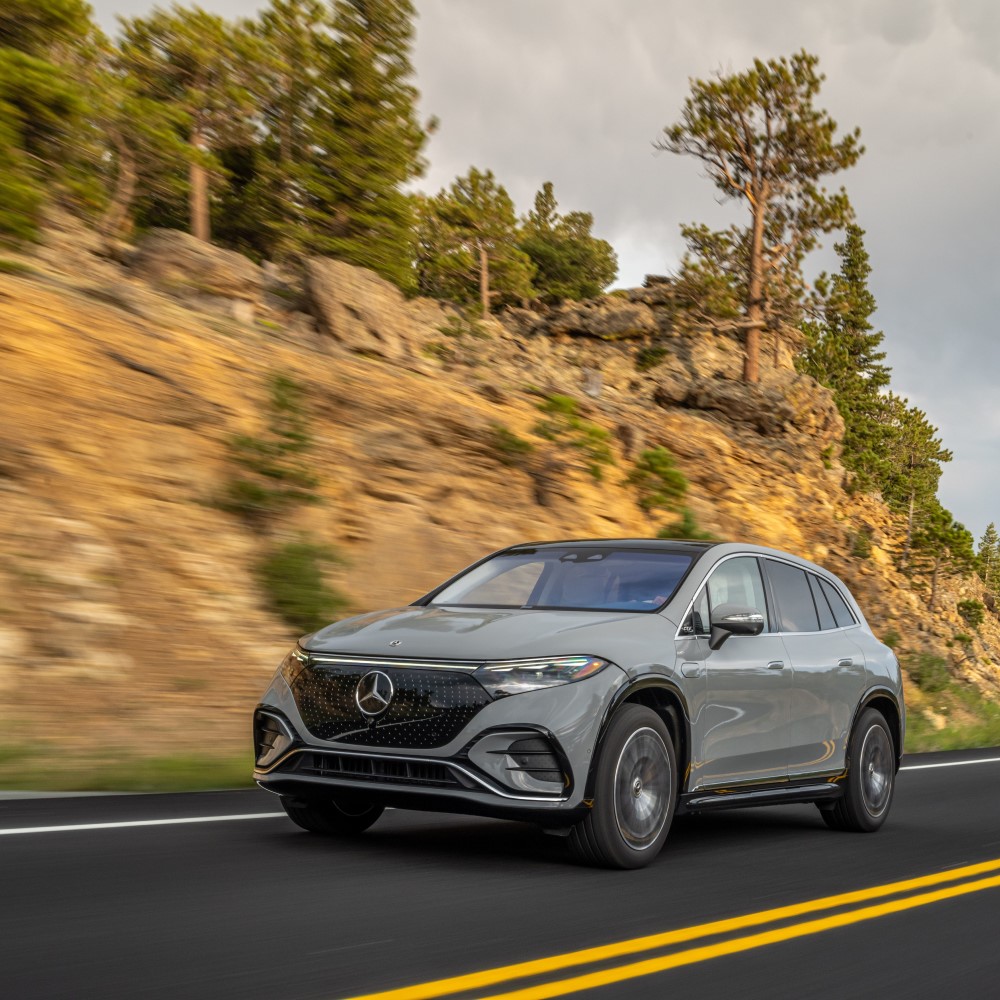
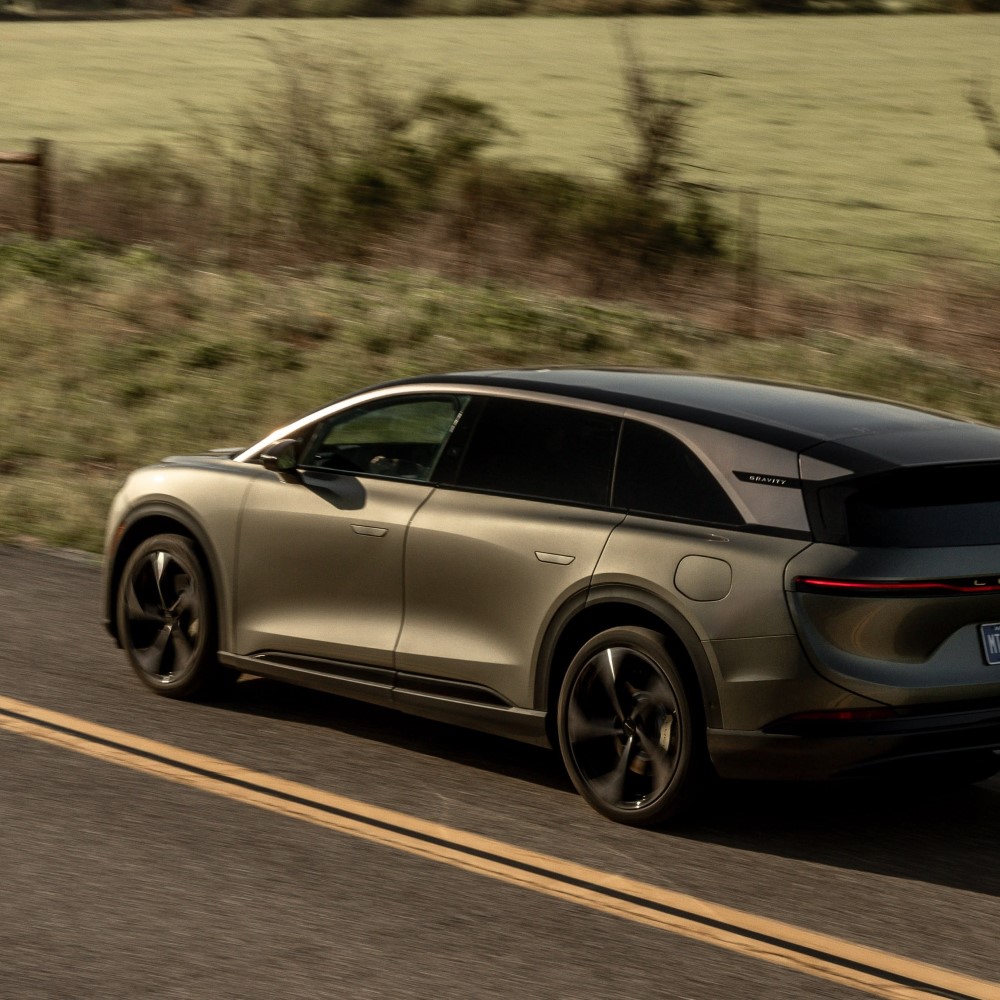
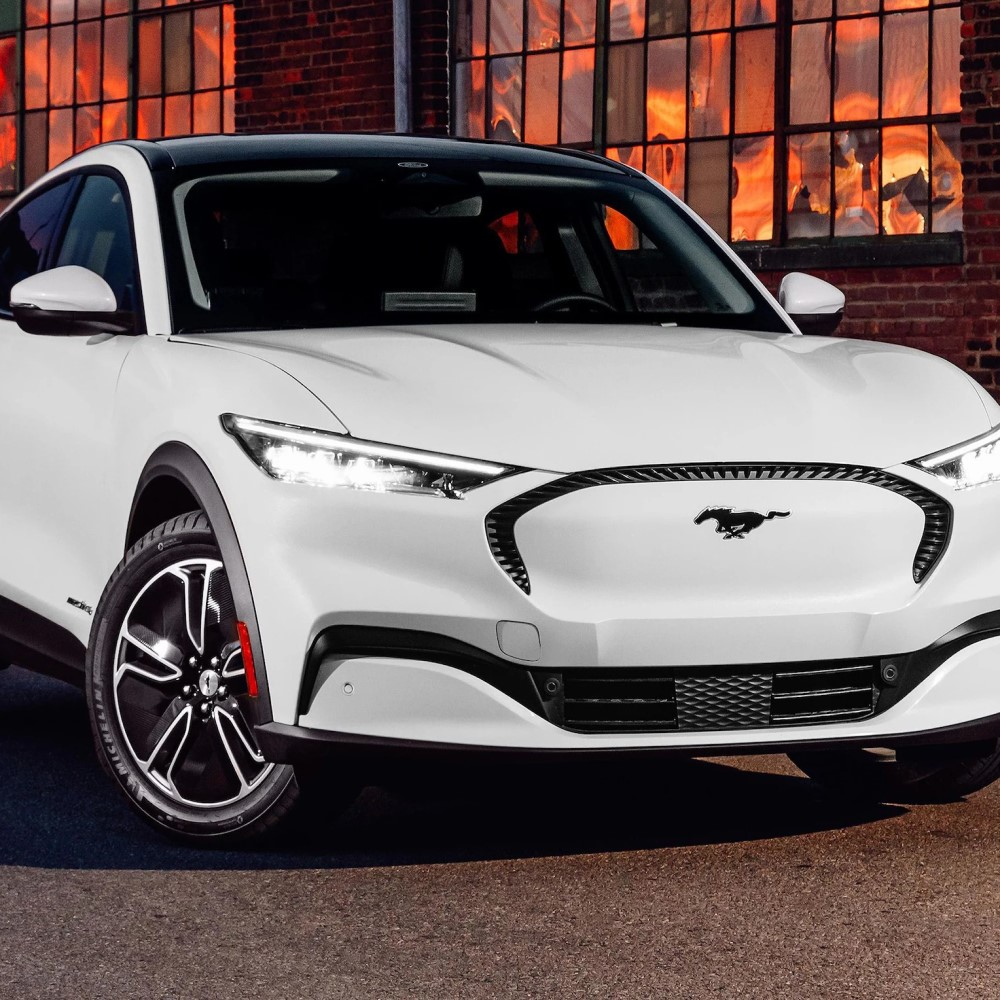
Choosing the best electric midsize SUV has become a top priority for modern drivers. With rising fuel costs and growing environmental concerns, more people are switching to electric vehicles. These SUVs combine ample space, advanced technology, and strong performance in one stylish package. Buyers now expect long range, quick charging, and premium features—all without sacrificing comfort or utility.
Moreover, the market for electric midsize SUVs is expanding rapidly. Automakers like Tesla, Ford, Hyundai, and Kia are introducing competitive models every year. Each vehicle offers unique strengths in power, interior design, driving dynamics, and price. Knowing what sets them apart helps you make a confident decision. This guide covers everything you need to know to find the best electric midsize SUV for your lifestyle and budget.
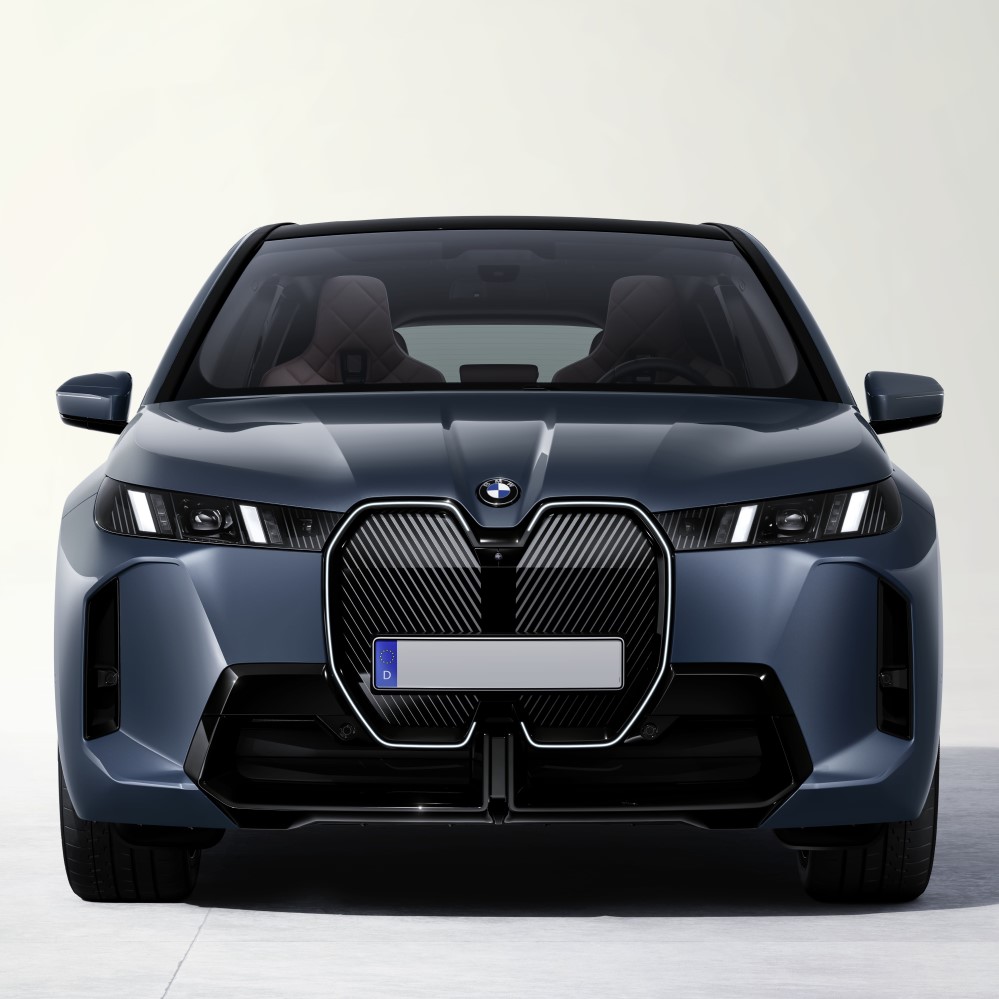 Evaluating Key Features of Top Models
Comparing Range, Charging Speed, and Power
When selecting the best electric midsize SUV, range is one of the first factors to consider. Most top models deliver between 250 and 320 miles on a full charge. This range suits daily commutes and long-distance travel alike. For example, some vehicles achieve over 300 miles, allowing fewer stops on road trips. Others may offer slightly less but compensate with faster charging.
Charging speed also plays a crucial role. Many models support DC fast charging at up to 150 kW or higher. At these rates, a 10-minute stop can add over 100 miles of range. In contrast, Level 2 home charging takes several hours but works well overnight. Look for compatibility with major charging networks like Electrify America or Tesla’s Supercharger.
Power output affects acceleration and towing ability. High-performance versions can go from 0 to 60 mph in under 5 seconds. Dual-motor all-wheel-drive systems improve traction in rain or snow. Even base trims provide smooth, quiet rides with strong mid-range pickup.
Therefore, balance these three aspects based on your driving patterns. A long-range model benefits frequent travelers. Fast charging matters for those without home charging access. High power suits drivers who value sporty handling. Together, these features define what makes a vehicle the best electric midsize SUV.
Analyzing Interior Comfort and Cargo Space
Maximizing Passenger and Storage Capacity
Interior space sets midsize SUVs apart from smaller crossovers. Most electric models seat five adults comfortably, with generous legroom and headroom in both rows. High seating positions give drivers a clear view of the road. Heated and ventilated front seats add comfort in extreme weather.
Second-row passengers also benefit from thoughtful design. Many vehicles include reclining seats, USB ports, and climate controls. Some offer fold-flat rear seats for added flexibility. Families appreciate the ease of installing child seats thanks to standard LATCH anchors.
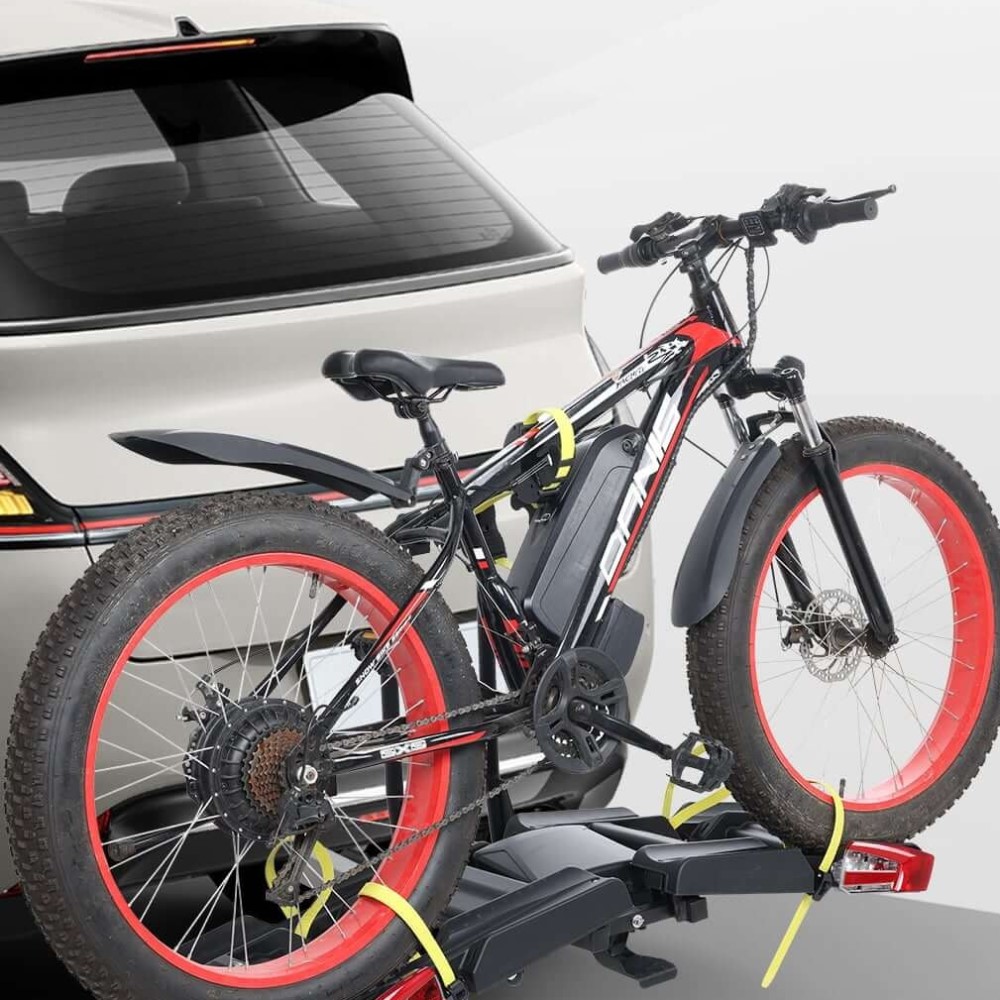
Cargo space varies by model but generally ranges from 28 to 60 cubic feet. The front trunk, or “frunk,” provides extra storage for charging cables or small bags. This feature is unique to electric vehicles due to the absence of an engine. Fold down the rear seats, and you gain space for luggage, bikes, or gear.
Additionally, premium materials enhance the cabin feel. Soft-touch surfaces, real metal trim, and ambient lighting create a high-end atmosphere. Noise-reducing glass and sealed floors keep road and wind noise low. These elements contribute to a serene driving experience. A spacious, well-designed interior strengthens the case for any contender as the best electric midsize SUV.
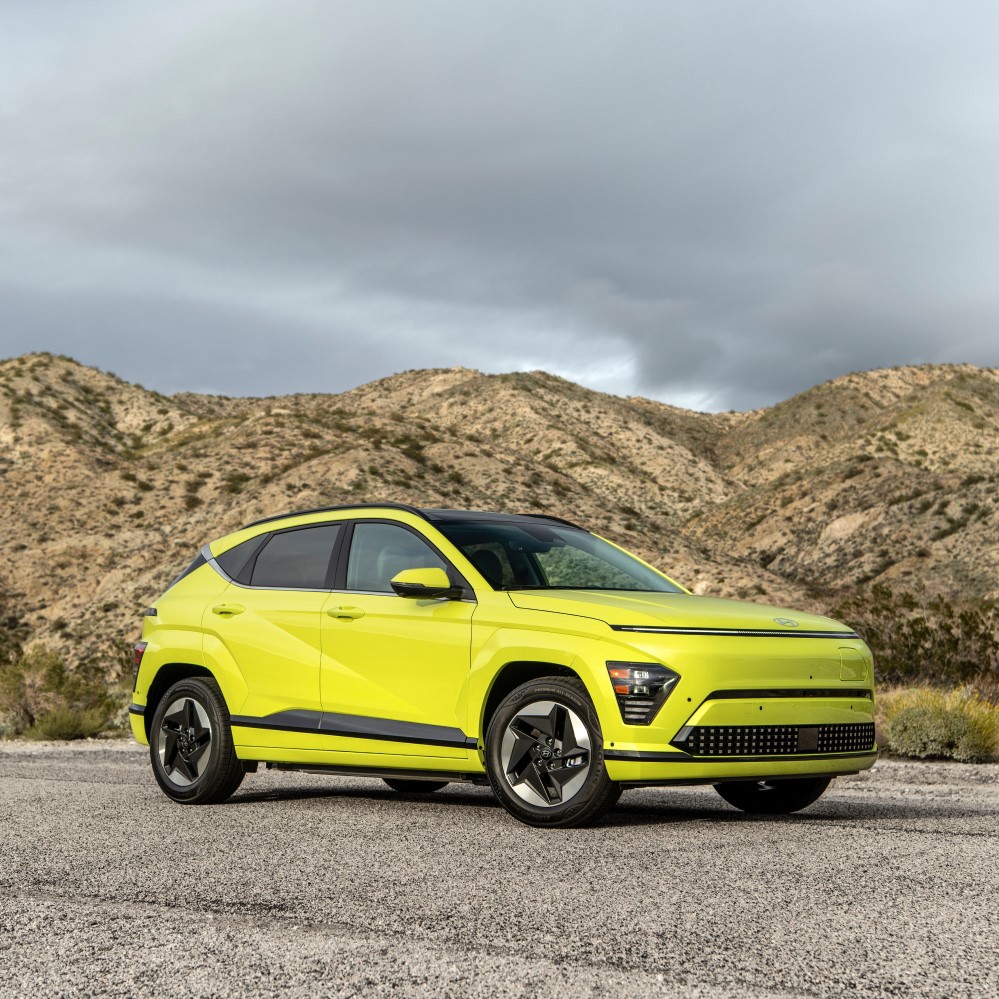 Assessing Technology and Infotainment Systems
Modern electric SUVs come packed with technology. The central touchscreen is usually 12 inches or larger, mounted vertically or horizontally. Touch response is generally quick, with minimal lag. Most systems support Apple CarPlay and Android Auto, either wirelessly or via cable. This allows seamless phone integration for calls, music, and navigation.
Voice commands work reliably across brands. You can adjust climate settings, find nearby charging stations, or play podcasts using simple spoken phrases. Some vehicles include augmented reality navigation, which overlays directional arrows onto live camera views. This feature helps in complex city intersections.
Driver assistance systems are standard or available on most trims. Adaptive cruise control maintains a safe distance from vehicles ahead. Lane-keeping assist gently steers the car back into its lane if it drifts. Blind-spot monitoring warns when changing lanes is unsafe. These tools reduce driver fatigue on long trips.
Moreover, over-the-air (OTA) software updates improve functionality over time. New features, bug fixes, and performance tweaks arrive automatically. This keeps the vehicle current without dealership visits. Advanced tech not only enhances convenience but also boosts safety. A well-equipped infotainment suite is a key reason why a model stands out as the best electric midsize SUV.
Comparing Pricing and Ownership Costs
Understanding Value Beyond the Sticker Price
The initial price of an electric midsize SUV ranges from about 45,000to70,000. Base models offer strong value, while higher trims add luxury features and extended range. However, federal and state incentives can reduce the cost significantly. Many buyers qualify for a $7,500 tax credit, lowering the effective price.
Leasing is another popular option. Monthly payments are often competitive with gas-powered SUVs. Leases include maintenance plans in some cases, reducing unexpected repair costs. Additionally, electric vehicles have fewer moving parts. This means less wear on brakes, transmissions, and engines.
Fuel savings are substantial. Charging at home costs far less than filling a gas tank. On average, electricity rates make per-mile costs about half that of gasoline vehicles. Public charging is more expensive but still economical for occasional use.
Maintenance needs are minimal. There’s no oil to change, no exhaust system to repair. Regenerative braking reduces brake pad wear. Tires and cabin air filters are the main recurring services. Over five years, these savings add up.
Therefore, consider total ownership cost, not just the purchase price. A slightly more expensive model may deliver better long-term value. This holistic view helps identify the best electric midsize SUV for your finances.
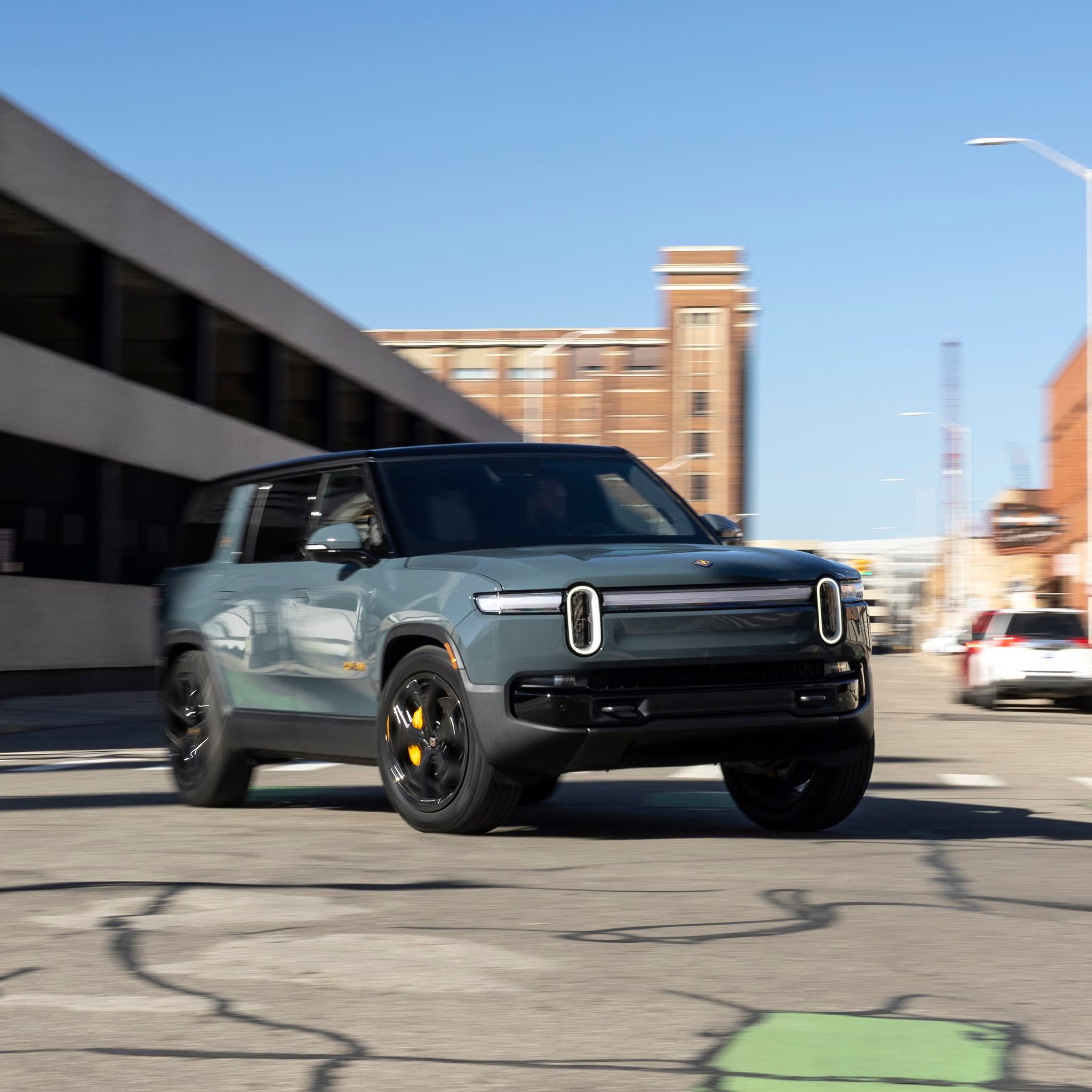 Reviewing Safety Ratings and Crash Test Results
Prioritizing Protection for Every Journey
Safety is a top concern for SUV buyers. Most electric midsize models earn high marks from the National Highway Traffic Safety Administration (NHTSA) and the Insurance Institute for Highway Safety (IIHS). Many achieve five-star overall ratings. These results reflect strong structural design and advanced safety systems.
Standard safety features include automatic emergency braking, forward collision warning, and pedestrian detection. These systems can prevent or reduce the severity of front-end crashes. Rear cross-traffic alert helps when reversing out of parking spots. It detects approaching vehicles and alerts the driver.
Side impact protection is also strong. Reinforced door beams and side airbags shield occupants during T-bone collisions. Roof strength ratings are excellent, reducing rollover risk. Some models include rear-seat reminder systems. These prompt drivers to check the back seat when exiting, preventing heatstroke incidents.
Additionally, electronic stability control and traction control improve handling in slippery conditions. All-wheel-drive versions enhance grip on wet or icy roads. Electronic systems respond faster than human reflexes in emergencies.
Built-in child safety features include ISOFIX anchors and rear door child locks. These give parents peace of mind. A high safety score is essential when choosing the best electric midsize SUV. Protection should never be compromised.
Examining Real-World Driving Experience
How It Feels Behind the Wheel
Driving an electric midsize SUV feels different from traditional vehicles. Instant torque delivers smooth, rapid acceleration. There’s no engine noise, only a quiet hum at high speeds. This creates a calm, refined atmosphere inside the cabin.
Steering is usually precise, with adjustable weight settings in some models. Sport mode tightens response for more engaging handling. Comfort mode softens suspension and steering for relaxed cruising. These options let drivers customize the experience.
Regenerative braking takes some getting used to. Lifting off the accelerator slows the car significantly. High regen settings allow one-pedal driving in city traffic. This reduces foot movement and brake wear. Over time, many drivers prefer this style.
Ride quality depends on suspension design. Air suspension provides a plush, adaptive feel over bumps. Steel springs are firmer but more durable. Most models strike a good balance between comfort and control.
Handling in corners is stable, thanks to low center of gravity from the battery pack. Body roll is minimal, even during quick maneuvers. Wind and road noise are well suppressed. Overall, the driving experience is confident and enjoyable. These qualities help define the best electric midsize SUV.
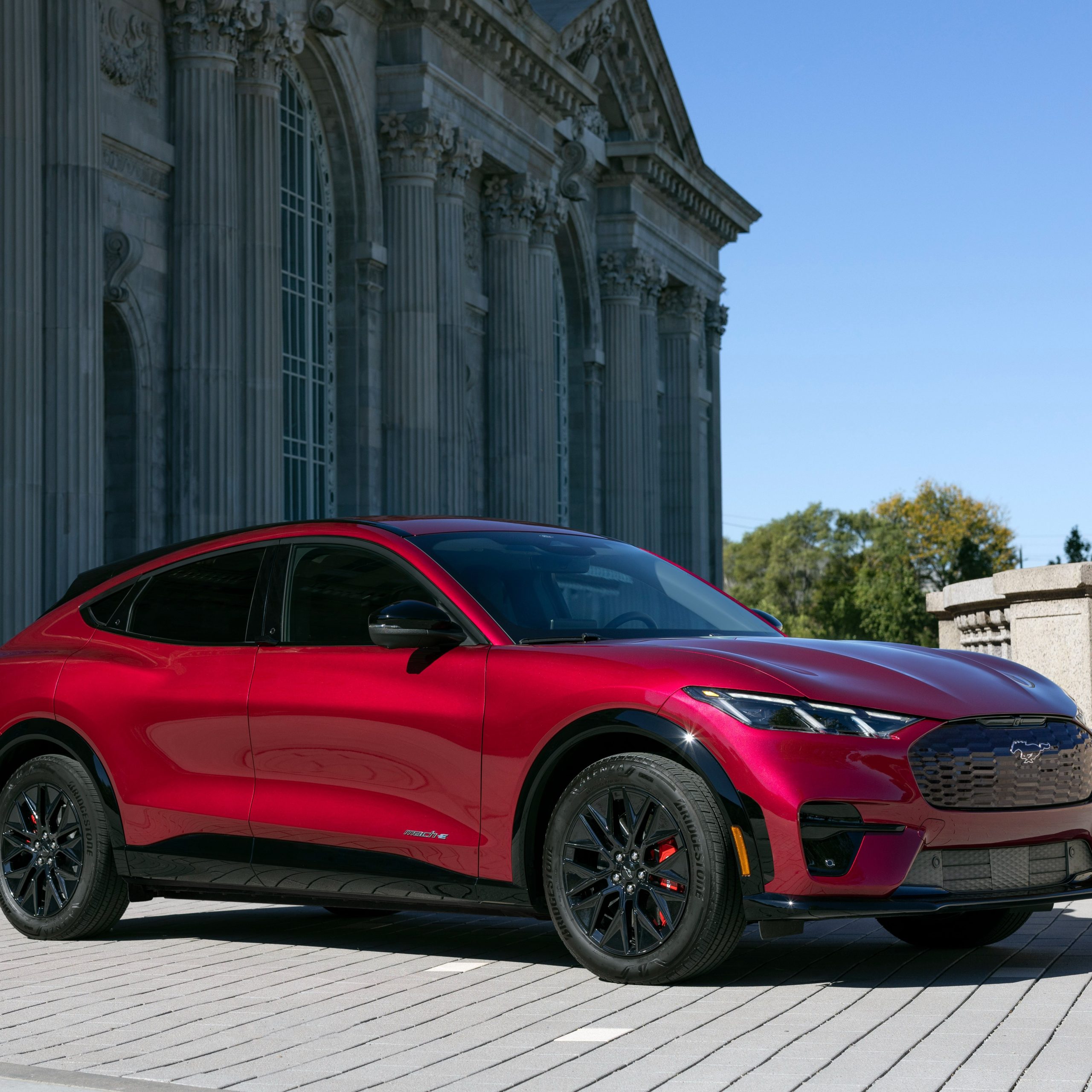 Frequently Asked Questions About Electric Midsize SUVs
Answering Common Buyer Concerns
Are electric SUVs reliable over time?
Yes. Most brands offer 8-year or 100,000-mile battery warranties. Mechanical simplicity reduces breakdown risk. Software updates keep systems current.
Can I tow with an electric midsize SUV?
Some models support towing up to 3,500 pounds. Check manufacturer specs before attaching trailers. Towing reduces range significantly.
What happens if I run out of charge?
Use the navigation system to find nearby stations. Roadside assistance can bring mobile charging. Plan routes with charging stops to avoid this.
Is home charging enough for daily use?
Yes. Most drivers charge overnight and start each day with a full battery. Level 2 chargers refill quickly.
How do weather conditions affect range?
Cold weather reduces range by 10–30%. Preconditioning the battery while plugged in helps maintain efficiency.
These answers help clarify expectations around the best electric midsize SUV.
 Summary
Final Thoughts on Choosing the Right Model
Finding the best electric midsize SUV requires balancing range, price, tech, and comfort. Each model brings something unique to the table. Some lead in performance, others in value or innovation. Your personal needs should guide the final choice.
Start by test-driving top contenders. Experience the ride, tech, and space firsthand. Evaluate charging options at home and along your usual routes. Check eligibility for tax credits and local incentives.
Consider long-term costs, including maintenance and electricity. Look at safety scores and real-world reviews. Talk to current owners if possible. Their insights reveal daily pros and cons.
Ultimately, the best electric midsize SUV fits your lifestyle, budget, and driving habits. It offers confidence, comfort, and sustainability. With the right research, you’ll find a vehicle that excels in every way. Remember, the journey to electrified driving starts with choosing the best electric midsize SUV.