For individuals who rely on mobility devices, traveling with an electric wheelchair can be challenging. One of the biggest obstacles is loading and unloading from a vehicle. This is where an electric wheelchair ramp for suv becomes essential. It offers a smooth, automatic solution that reduces physical strain and increases independence. Unlike manual ramps, it operates with the push of a button. As a result, users and caregivers save time and effort during daily commutes.
The convenience of an electric wheelchair ramp for suv extends beyond ease of use. It enhances safety by minimizing the risk of tipping or slipping during entry. Many models come with non-slip surfaces and secure side rails. These features ensure stability even in wet or uneven conditions. Whether used for doctor visits, family trips, or grocery runs, this device supports freedom of movement. Investing in the right ramp makes SUV travel accessible and stress-free.
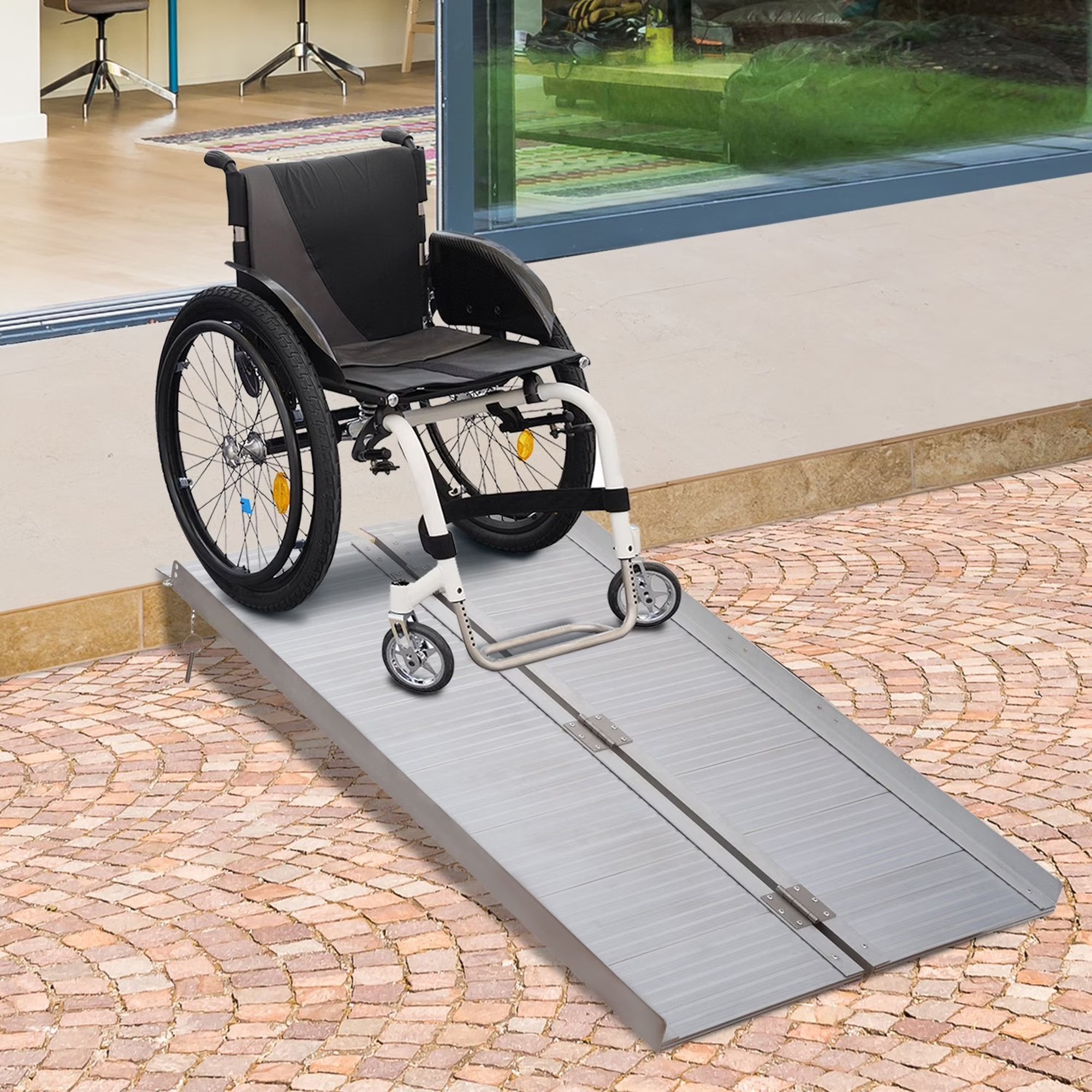 Why Choose an Electric Wheelchair Ramp for SUV Over Manual Options
Effortless Operation for Daily Use
Manual ramps require physical lifting and positioning. For many users and caregivers, this task is difficult or impossible. An electric wheelchair ramp for suv eliminates that burden. With a simple remote control, the ramp deploys automatically. There’s no need to carry heavy metal plates or balance on uneven ground.
Additionally, deployment speed is consistent. The motorized system unfolds at a steady pace. This allows the user to prepare without rushing. In contrast, manual ramps can shift or slide if not placed correctly. The electric version locks into position securely every time.
Another benefit is storage. After use, the ramp retracts into a compact housing. Most systems mount under the rear bumper or inside the cargo area. They stay out of sight and do not take up passenger space. Manual ramps must be stored separately, which can be inconvenient.
Moreover, consistency improves confidence. Users know exactly how the ramp will behave each time. There are no surprises related to angle or alignment. This predictability is especially helpful for those with limited vision or coordination.
Finally, battery-powered models connect directly to the SUV’s electrical system. They charge while driving. Some include backup power sources in case of failure. Overall, automation brings peace of mind and long-term reliability.
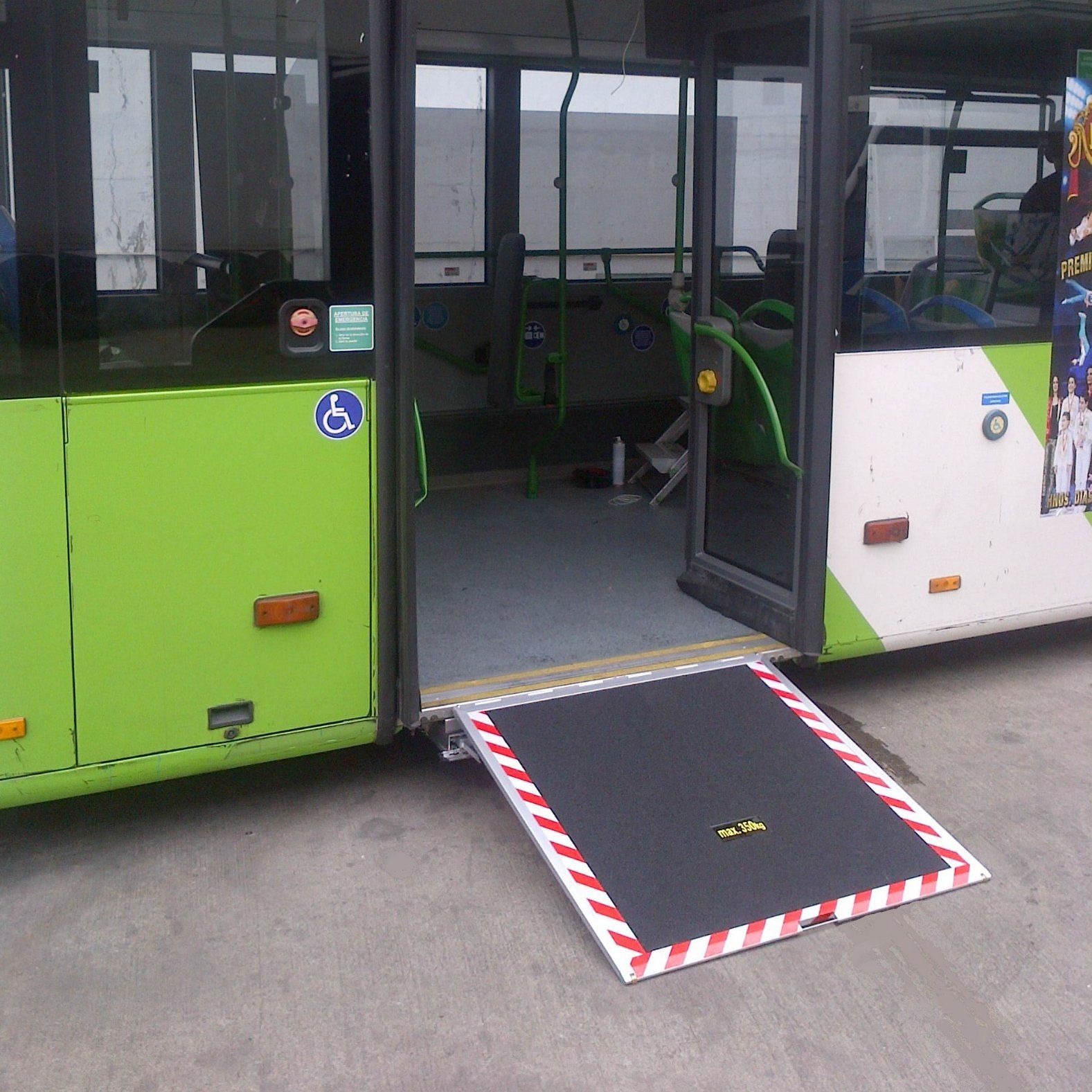 Types of Electric Wheelchair Ramps for SUVs
Understanding Built-In vs. Portable Systems
There are two main types of electric wheelchair ramps for SUVs. The first is the built-in or permanent ramp. This model installs directly into the vehicle’s structure. Common locations include under the rear hatch or within the side door opening. Once installed, it functions as part of the SUV.
Built-in ramps offer seamless integration. They deploy smoothly and align perfectly with the entry point. Since they’re fixed, there’s less chance of misalignment. Many luxury vans and adapted SUVs come with factory-installed versions. However, aftermarket kits are also available.
The second type is the portable electric ramp. While less common, some advanced models now feature lightweight motors and rechargeable batteries. Users place them at the rear or side door as needed. They operate remotely but require manual setup.
Portable options provide flexibility. You can move them between vehicles. They work well for families with multiple cars. On the downside, they still need to be carried and positioned. True hands-free access is limited compared to built-in units.
When choosing, consider frequency of use. Full-time accessibility favors built-in systems. Occasional needs may suit portable solutions. Either way, both types support greater independence.
Key Features That Make a Difference
What to Look for in a High-Quality System
A reliable electric wheelchair ramp for suv includes several critical features. First, weight capacity matters. Most support between 600 and 800 pounds. This covers standard wheelchairs and heavier bariatric models. Always check your specific device’s weight before purchasing.
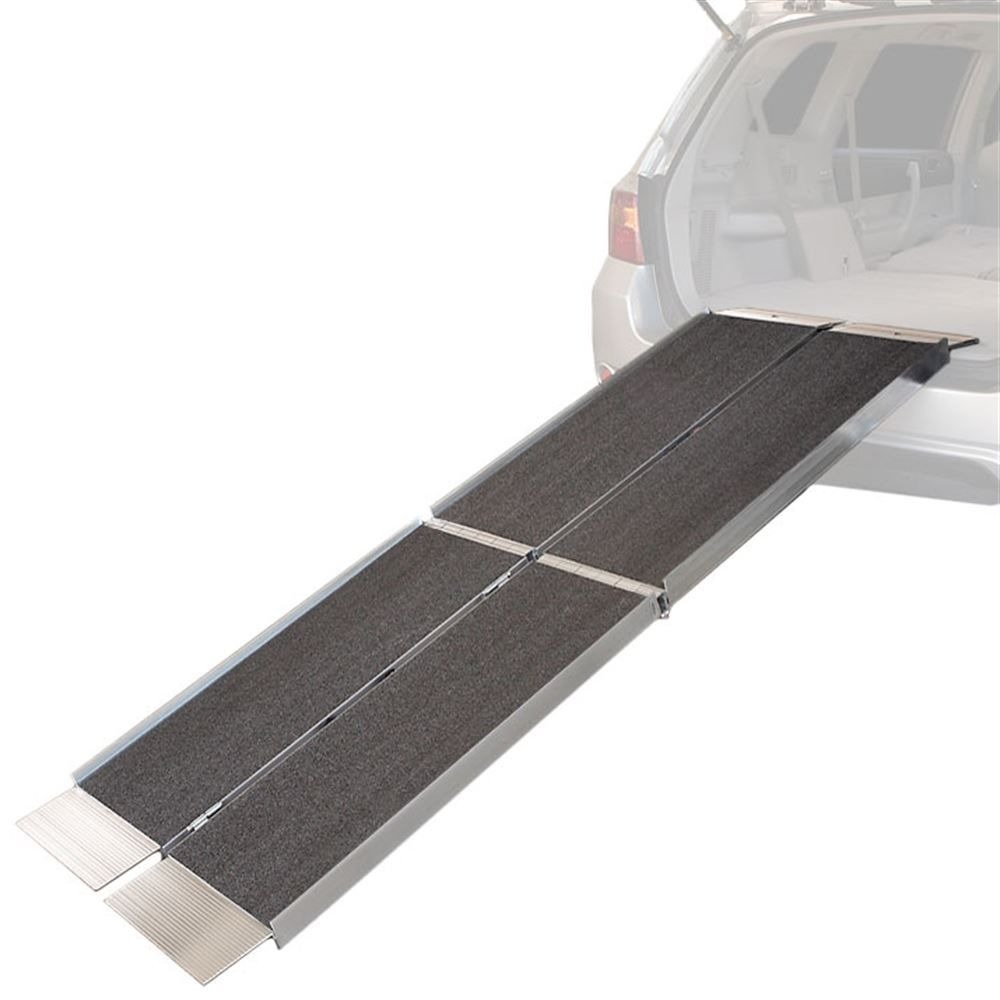
Non-slip surfaces are essential. Textured treads or rubberized coatings prevent sliding. Even in rain or snow, traction remains strong. Some ramps include raised edges or guardrails. These keep wheels aligned during ascent and descent.
Remote controls should be easy to use. Large buttons and clear labels help users with limited dexterity. Many systems include dual remotes—one for the driver and one for the passenger. Wireless range typically covers 10 to 15 feet.
Speed and smoothness affect comfort. A slow, controlled motion prevents jerking. Sudden movements could destabilize the chair. Quality motors deliver consistent performance over thousands of cycles.
Safety sensors detect obstructions. If something blocks the ramp’s path, it stops immediately. This protects pets, children, and bystanders. Auto-reverse functions add another layer of protection.
Battery backup ensures operation during power failures. Some models draw from the SUV’s alternator. Others use sealed lead-acid or lithium-ion packs. Longevity and charging time vary by brand.
Finally, weather resistance is crucial. Outdoor exposure demands durable materials. Aluminum frames resist rust. Sealed electronics prevent water damage. These details extend lifespan and reduce maintenance.
 Installation Process and Vehicle Compatibility
Ensuring a Proper Fit for Your SUV
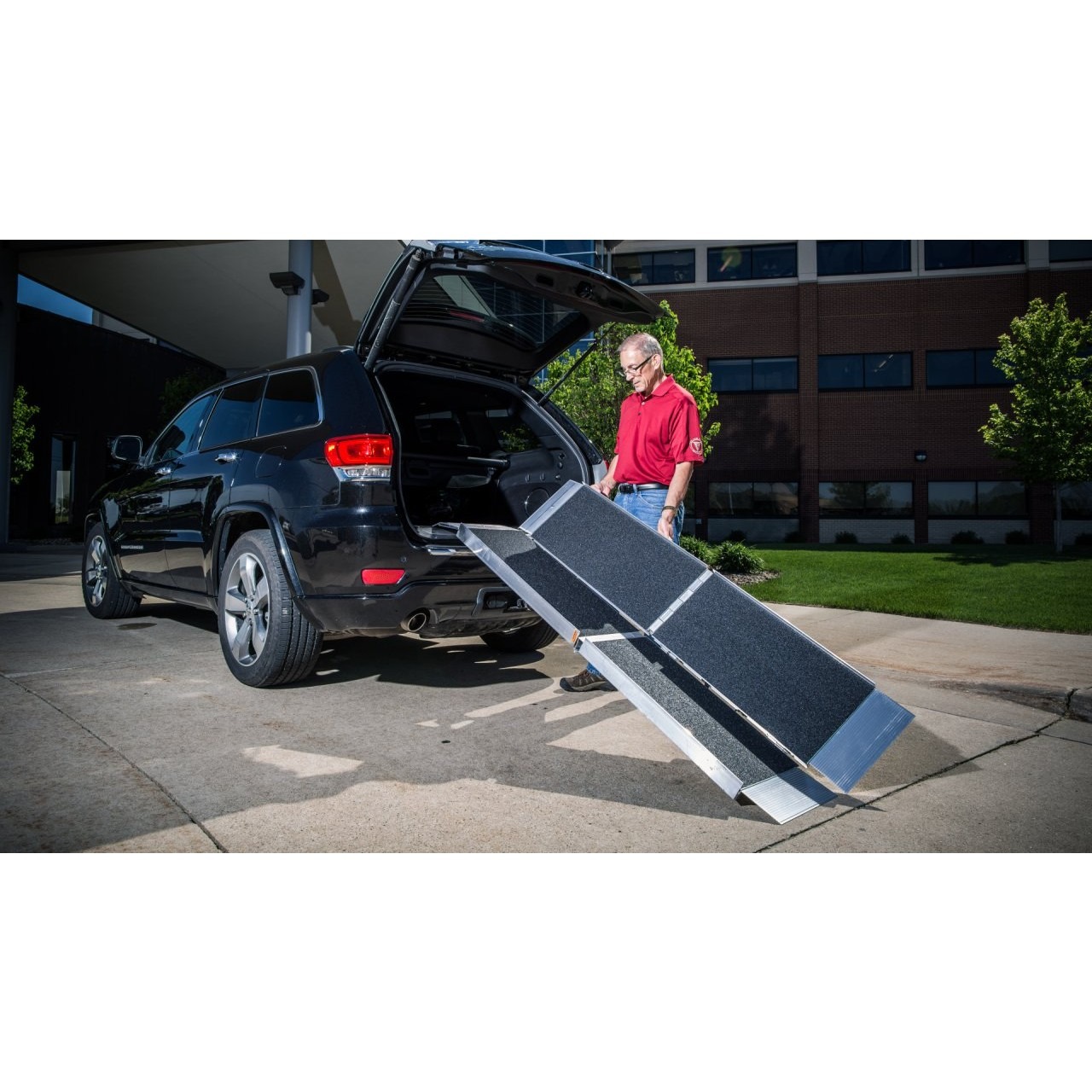
Installing an electric wheelchair ramp for suv requires professional expertise. Most built-in models need modifications to the vehicle’s floor or bumper. Technicians cut precise openings and reinforce surrounding areas. This maintains structural integrity and prevents sagging.
Not all SUVs support ramp installation. Larger models with high cargo floors work best. Vehicles like the Toyota Sequoia, Chevrolet Tahoe, and Ford Expedition are popular choices. Minivans such as the Chrysler Pacifica also adapt well.
Before buying, confirm compatibility with your make and model. Reputable suppliers provide fitment guides. They list supported years, trims, and configurations. Some require specific axle lengths or suspension types.
Professional installers handle wiring and hydraulic connections. They integrate the ramp’s motor with the SUV’s power supply. Fuse boxes and relays ensure safe electrical flow. Improper installation risks fire or system failure.
After setup, technicians test the ramp repeatedly. They verify full extension, load-bearing ability, and retraction. Adjustments ensure perfect alignment with the ground. Users receive training on operation and emergency procedures.
Warranty coverage varies. Some include labor and parts for three to five years. Extended plans cover corrosion and motor wear. Always read the terms carefully before committing.
Once installed, the system becomes a permanent asset. Resale value may increase due to enhanced accessibility.
Benefits for Users and Caregivers
Enhancing Independence and Reducing Strain
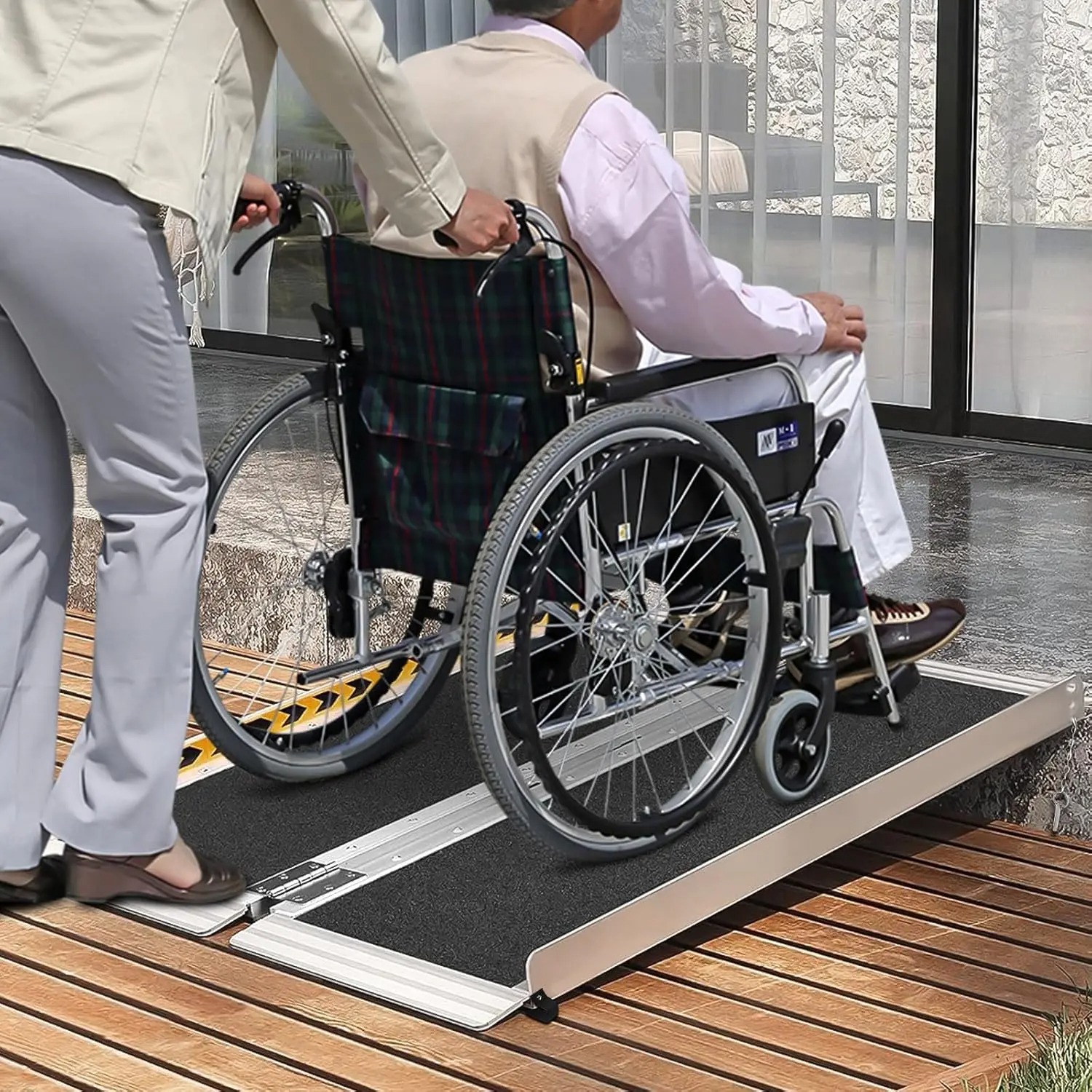
An electric wheelchair ramp for suv transforms daily life for many people. Users gain the freedom to enter and exit their vehicle independently. No longer do they rely on others to lift or position a ramp. This autonomy boosts confidence and self-esteem.
Caregivers also benefit significantly. Lifting heavy equipment causes back injuries over time. By automating the process, physical strain decreases. Family members can focus on companionship rather than labor.
Travel becomes more spontaneous. Spontaneous outings no longer require planning around ramp setup. Users can join friends for dinner, attend events, or visit relatives with ease. Social isolation reduces when mobility improves.
Children and aging parents find new opportunities. Grandparents attend school plays. Parents take kids to parks and appointments. The entire family enjoys greater inclusion.
Emergency situations improve too. Quick deployment allows faster exits if needed. Medical responders can access patients without delay. Time-sensitive scenarios become less stressful.
Ultimately, this technology supports dignity and connection. It removes barriers that once limited participation in everyday life.
 Maintenance and Long-Term Reliability
Keeping Your System in Top Condition
Regular care keeps an electric wheelchair ramp for suv functioning properly. Start with visual inspections. Check for cracks, dents, or loose bolts. Examine the track and rollers for debris buildup.
Clean the ramp surface after use. Wipe off dirt, salt, or moisture. Use mild soap and water. Avoid harsh chemicals that degrade finishes. Dry thoroughly to prevent rust.
Lubricate moving parts monthly. Apply silicone-based spray to hinges, gears, and rails. Do not over-lubricate. Excess grease attracts dust and grime.
Test the remote control frequently. Replace batteries when response slows. Store the remote in a dry, accessible location. Consider keeping a spare.
Monitor battery health. Rechargeable units lose capacity over time. If deployment slows or stops mid-cycle, the battery may need replacement. Follow manufacturer guidelines.
Inspect wiring for fraying or exposed wires. Rodents sometimes chew cables in garages. Seal any entry points near storage areas.
Schedule annual service checks. Professionals assess motor strength, sensor accuracy, and structural welds. Early detection prevents costly repairs.
Store the SUV in a garage when possible. Extreme temperatures reduce battery efficiency. UV rays fade plastics and weaken seals.
With proper attention, most systems last ten years or more. Longevity depends on usage and climate. Consistent upkeep ensures lasting performance.
Frequently Asked Questions About Electric Wheelchair Ramps for SUVs
Common Concerns Answered Clearly
Can I install it myself? No. Professional installation is required. Structural and electrical work demands expertise. DIY attempts may void warranties or create hazards.
Does it work in snow? Yes, if cleared first. Remove ice and slush from the ramp path. Non-slip surfaces maintain grip. Avoid using if snowbanks block full extension.
Is it noisy? Some models produce a low hum. Newer versions use quiet motors. Noise levels are generally acceptable in residential areas.
Will it drain my SUV’s battery? Not if wired correctly. Systems draw power only during operation. Most include cutoff switches to prevent parasitic drain.
Can I drive while the ramp is down? No. Safety interlocks prevent vehicle movement. The engine won’t start unless the ramp is fully retracted.
Are replacement parts available? Yes. Major brands stock components for years. Motors, remotes, and tracks are replaceable.
What if the power fails? Battery backups allow one or two deployments. Manual override tools let you retract it safely.
Do insurance plans cover it? Sometimes. Medicaid waivers, VA benefits, and private insurers may contribute. Check eligibility based on medical need.
 Final Thoughts
The electric wheelchair ramp for suv is more than just a mechanical device. It represents freedom, dignity, and inclusion. By simplifying vehicle access, it empowers users to live fuller lives. Caregivers experience less physical and emotional stress. Families enjoy more shared moments.
Technology continues to improve these systems. Future models may include AI alignment, solar charging, or app-based controls. For now, current options already deliver exceptional value.
Choosing the right ramp involves assessing needs, vehicle type, and budget. Yet, the outcome is always the same—greater independence. For anyone relying on a wheelchair, this tool opens doors literally and figuratively.
Ultimately, investing in an electric wheelchair ramp for suv means investing in quality of life. It removes barriers and builds confidence. Mobility should never be a limitation. With the right equipment, everyone can move forward.