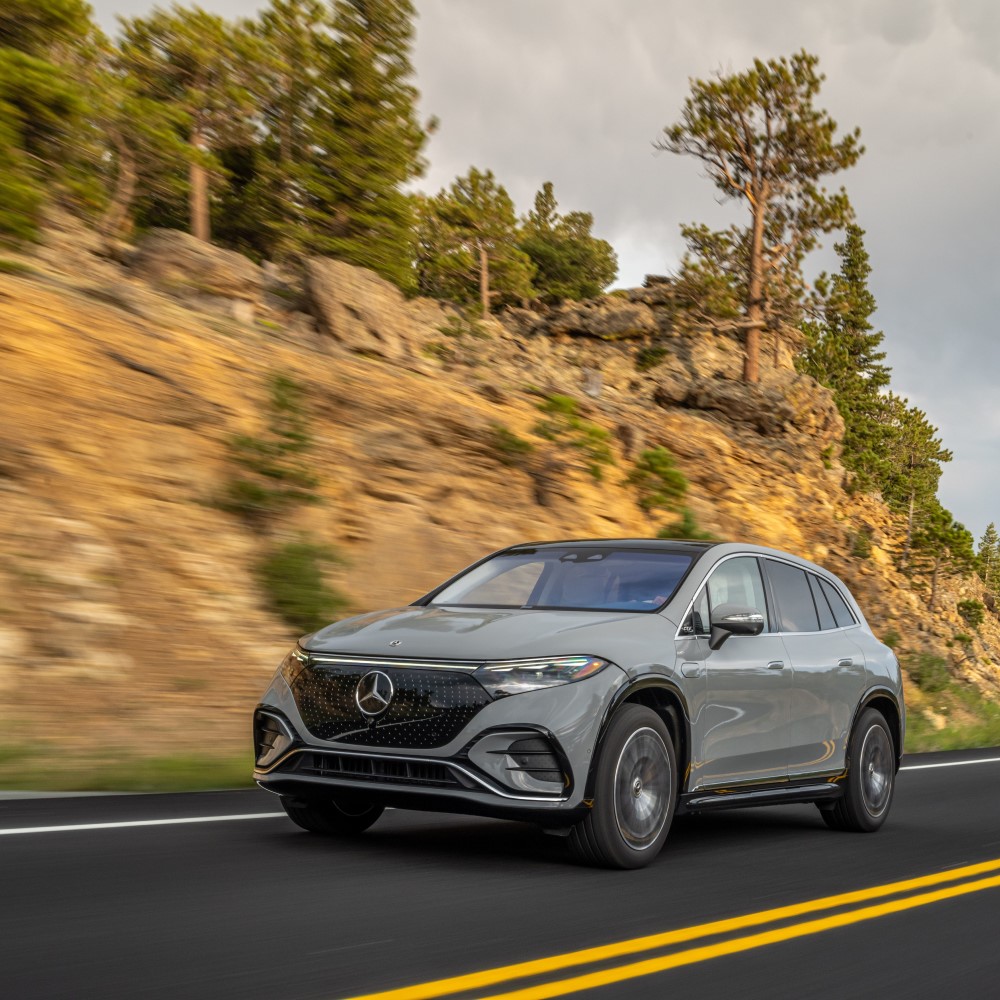
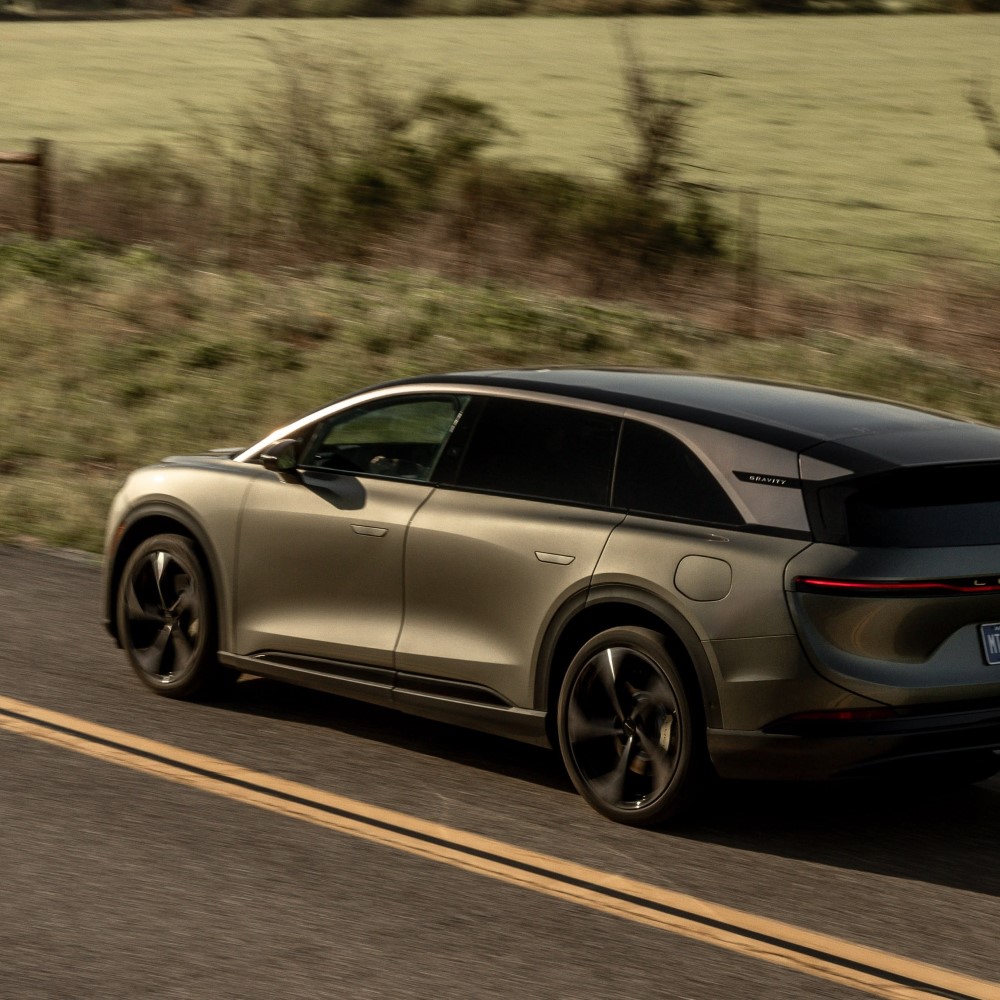
The automotive world saw a major shift in 2023, with electric vehicles becoming more mainstream than ever. Among the most popular choices were the 2023 electric SUV, which combined spacious interiors, advanced tech, and zero-emission driving. These models appealed to families, urban commuters, and eco-conscious drivers alike.
Manufacturers expanded their EV lineups significantly that year. From luxury brands to affordable options, there was a 2023 electric SUV for nearly every budget. Longer ranges, faster charging, and improved performance made them practical for daily use. Many offered all-wheel drive, ample cargo space, and cutting-edge safety systems. As charging infrastructure grew, range anxiety decreased. Consequently, demand increased across North America, Europe, and parts of Asia. The 2023 electric SUV proved it could compete with traditional gas-powered models.
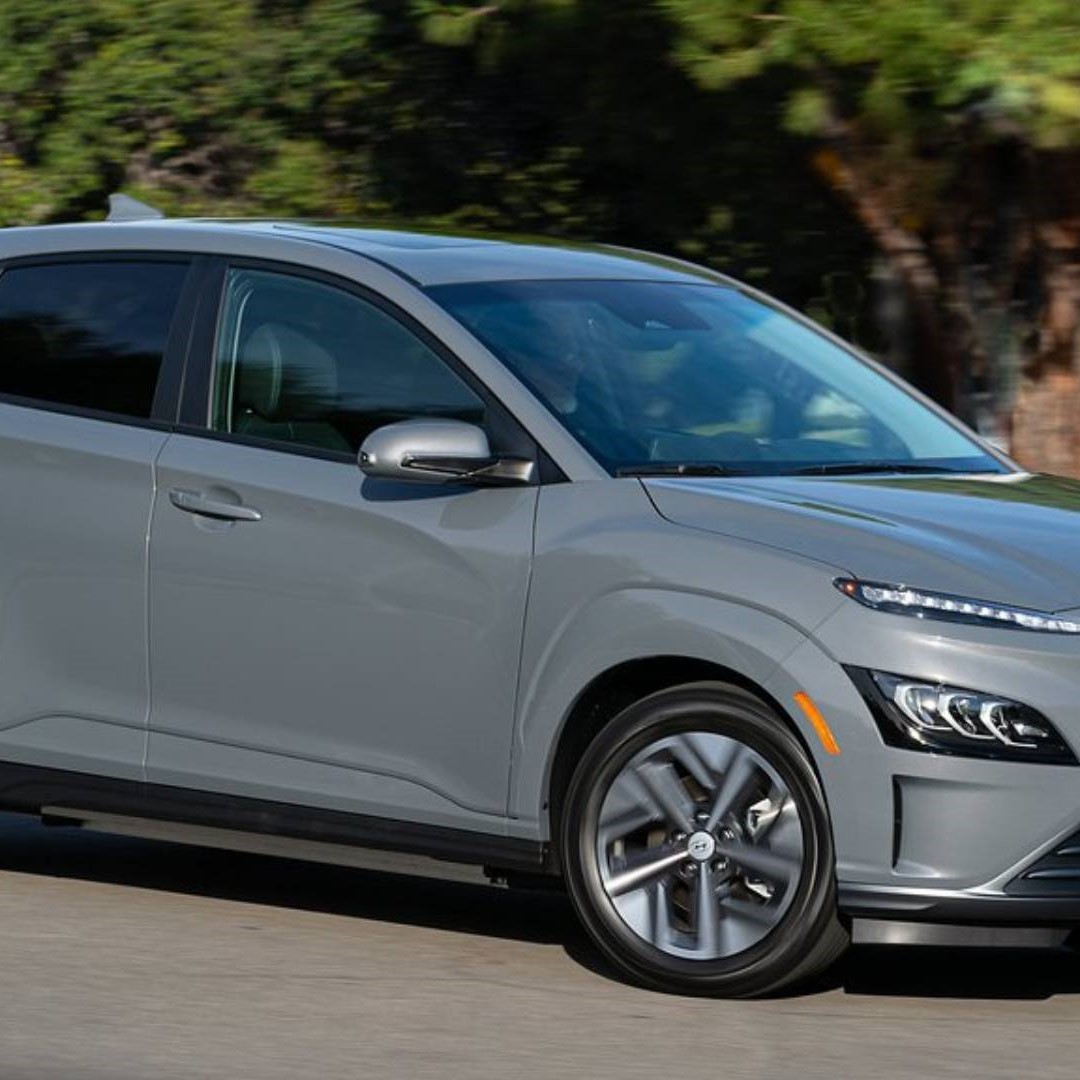 Leading Models That Defined the Year
Standout 2023 Electric SUVs on the Market
Several 2023 electric SUVs stood out due to their balance of price, performance, and innovation. The Tesla Model Y remained a top seller. It offered long-range capability, quick acceleration, and access to Supercharger networks. Its minimalist interior divided opinions but delivered functionality.
The Hyundai Ioniq 5 brought retro-futuristic design to life. With its fast-charging ability, it could gain over 200 miles in under 20 minutes. Spacious cabin and vegan leather seats attracted environmentally aware buyers.
Kia’s EV6 shared the same platform. It added sportier styling and higher horsepower trims. GT versions reached 0–60 mph in under 3.5 seconds. This blend of speed and efficiency surprised many critics.
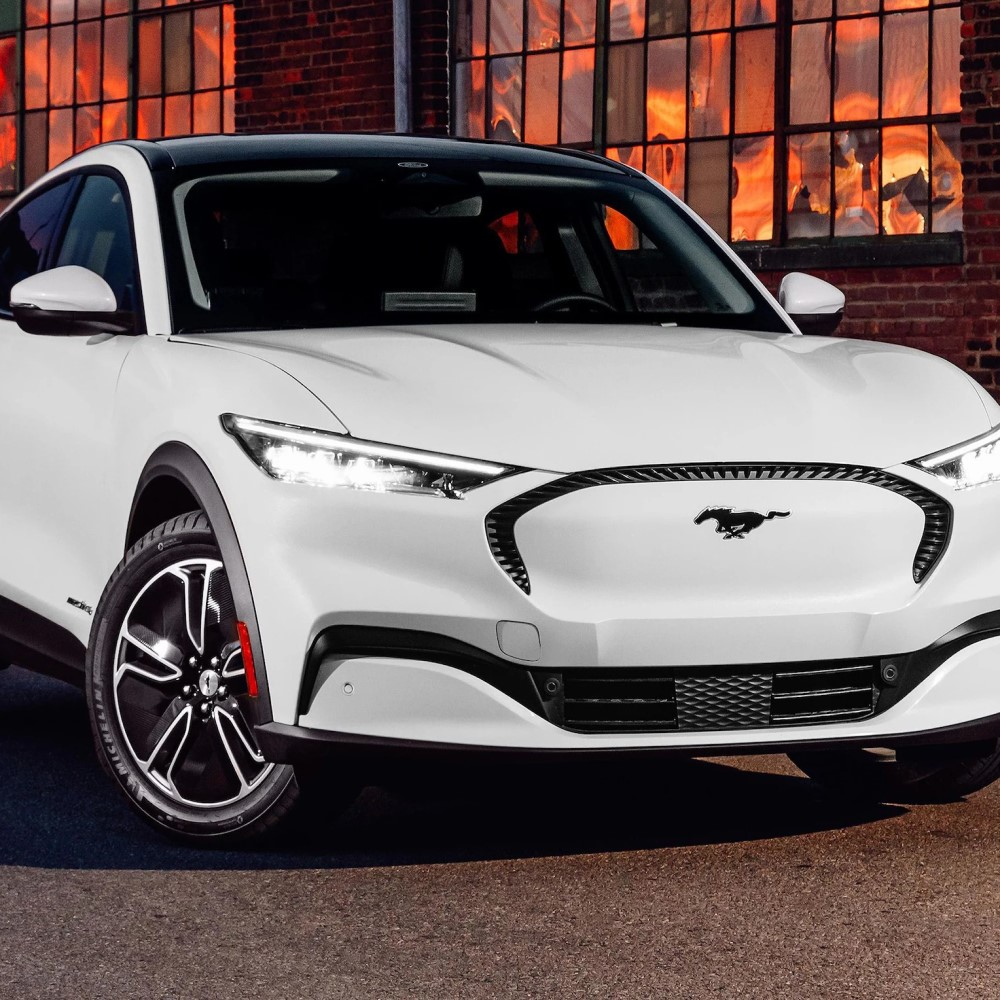
Ford introduced the Mustang Mach-E with confidence. It carried the Mustang name without mimicking the coupe. Available extended-range battery supported over 300 miles per charge. Active driving aids enhanced highway comfort.
Meanwhile, the Volkswagen ID.4 offered solid value. It featured intuitive controls and roomy backseats. Though not the fastest, it provided reliable everyday transportation.
Other strong entries included the Polestar 2, BMW iX1, and Genesis GV60. Each brought brand-specific flair to the growing segment.
These models helped shape consumer expectations. They showed that a 2023 electric SUV could be stylish, practical, and powerful.
Range and Charging Performance
How Far Can You Go on a Single Charge?
One of the biggest concerns for EV shoppers is range. In 2023, most electric SUVs offered between 220 and 320 miles on a full charge. Some high-end trims exceeded that mark.
Real-world conditions affect these numbers. Cold weather reduces battery efficiency. Driving at high speeds or using climate control also drains power faster.
Still, improvements in battery technology made a difference. New thermal management systems kept batteries operating efficiently. Preconditioning features warmed the battery before charging. This allowed faster energy intake.
DC fast charging became standard on most models. Using public stations, drivers could recharge from 10% to 80% in about 30 minutes. Tesla’s network still led in reliability and speed.
Home charging remained the most convenient option. Level 2 chargers installed in garages provided full overnight replenishment. Many owners rarely visited public stations.
Some 2023 electric SUVs included route-based navigation. The system calculated charging stops automatically. It adjusted for traffic, elevation, and temperature.
Additionally, bidirectional charging debuted in select models. Owners could power devices or even feed energy back to the grid.
As charging times dropped and station availability increased, owning a 2023 electric SUV felt less limiting. Drivers gained confidence in long-distance travel.
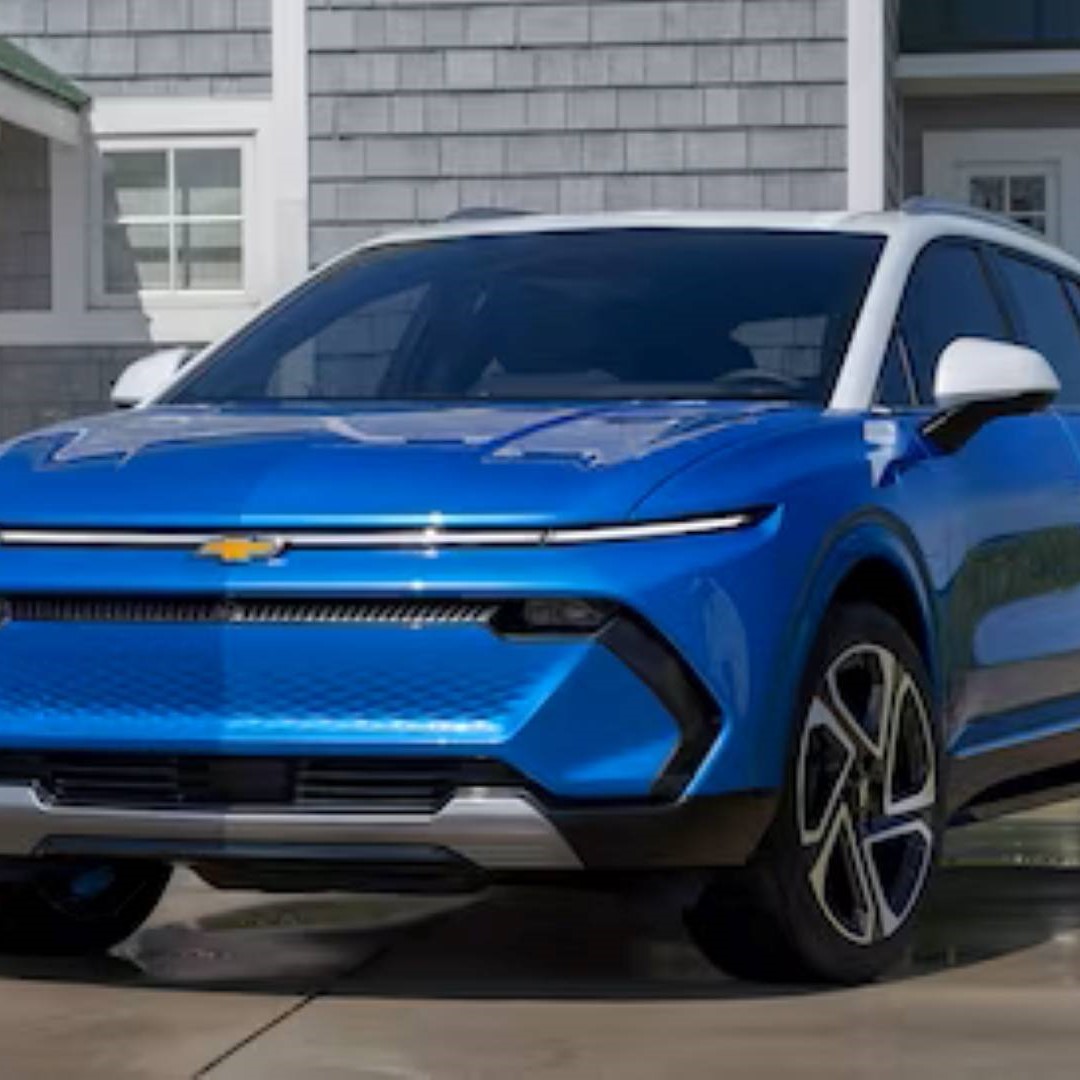 Interior Comfort and Technology
Creating a Modern, Connected Experience
Inside, the 2023 electric SUV prioritized comfort and digital integration. High-resolution touchscreens dominated dashboards. Most featured central displays between 10 and 15 inches.
Infotainment systems responded quickly. Wireless Apple CarPlay and Android Auto came standard. Over-the-air updates improved software without dealer visits.
Voice assistants understood natural language. Drivers could adjust climate, music, or navigation hands-free. Fewer physical buttons meant cleaner surfaces.
Seats used sustainable materials. Recycled plastics, wool blends, and synthetic leathers replaced animal products. Ventilation and heating options improved year-round comfort.
Rear passengers enjoyed legroom and headspace. Sliding second rows maximized flexibility. Fold-flat configurations turned SUVs into mini moving vans.
Panoramic sunroofs flooded cabins with light. Power shades let users control brightness. Ambient lighting added mood-enhancing color options.
Noise reduction techniques improved ride quality. Sound-deadening glass and sealed floors minimized road and wind noise. Electric motors added silence at low speeds.
Storage solutions appeared throughout. Center consoles held phones and wallets. Door pockets fit water bottles securely.
Every detail aimed to enhance user experience. The 2023 electric SUV wasn’t just efficient—it was comfortable and smart.
Safety and Driver Assistance Systems
Protecting Passengers with Advanced Tech
Safety took center stage in 2023 electric SUV development. All major models earned top crash test ratings. Strong body structures absorbed impact energy effectively.
Standard driver aids included automatic emergency braking. It detected cars, pedestrians, and cyclists. Forward collision warnings gave early alerts.
Blind-spot monitoring became common. Rear cross-traffic alerts warned during reversing. Lane-keeping assist gently corrected drifting.
Adaptive cruise control maintained set speeds and distances. On highways, it reduced driver fatigue during long trips.
Higher trims offered semi-autonomous features. Hands-free driving worked on mapped roads. Drivers stayed alert but didn’t need constant input.
Night vision systems appeared in luxury models. Infrared cameras spotted animals or people beyond headlight range. Warnings appeared on the dashboard.
Driver attention monitors watched eye movement. If drowsiness was detected, alerts prompted breaks.
Child presence detection reminded parents to check rear seats. Ultrasonic sensors identified movement after exit.
These systems made the 2023 electric SUV one of the safest vehicle types available. They protected everyone inside and around the car.
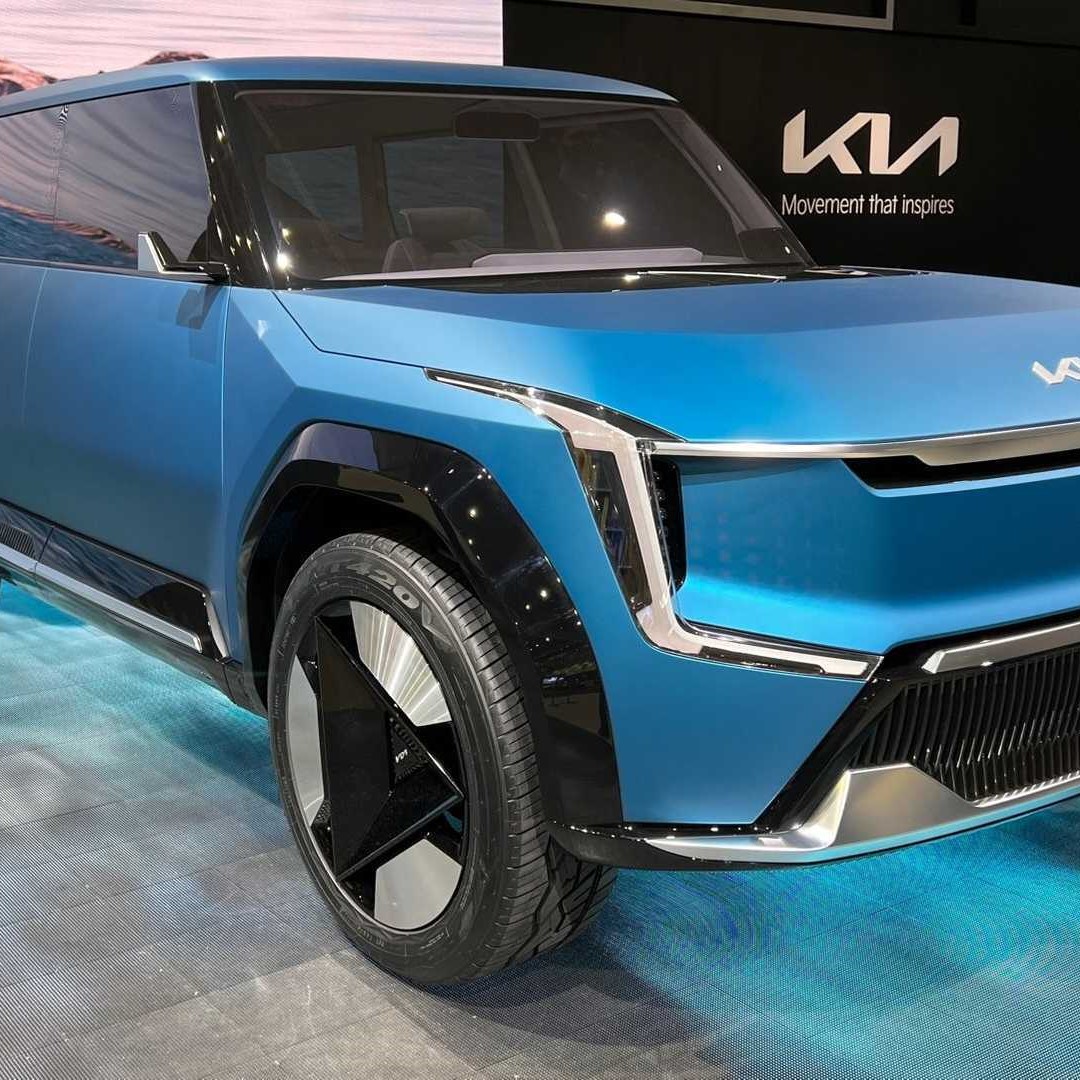 Environmental Impact and Sustainability
Reducing Emissions and Resource Use
A major reason people chose the 2023 electric SUV was its lower environmental footprint. Zero tailpipe emissions improved air quality. Cities saw benefits in reduced smog and noise pollution.
Manufacturers focused on sustainable production. Solar-powered factories reduced carbon output. Water recycling systems cut industrial waste.
Battery recycling programs expanded. Old packs were broken down. Valuable metals like lithium, nickel, and cobalt were recovered.
Some brands used recycled materials in construction. Carpets made from plastic bottles appeared in several models. Floor mats used reclaimed rubber.
Life cycle analysis showed EVs emitted less CO₂ over time. Even when charged on mixed grids, they outperformed gas vehicles. Clean energy sources amplified this advantage.
Regenerative braking captured energy during deceleration. This feature boosted efficiency. Drivers extended range by adjusting driving habits.
Tire selection also mattered. Low-rolling-resistance tires reduced drag. Some came standard; others were optional.
Overall, the 2023 electric SUV represented progress toward greener transportation. It aligned personal mobility with planetary health.
Ownership Costs and Incentives
Understanding Long-Term Value
While upfront prices were higher, the total cost of owning a 2023 electric SUV often balanced out. Fuel savings were significant. Electricity cost less per mile than gasoline.
Maintenance needs dropped dramatically. No oil changes, spark plugs, or exhaust systems meant fewer service visits. Brake wear decreased due to regen braking.
Tires wore slower than expected. Smooth torque delivery reduced aggressive starts. Still, rotating them regularly extended life.
Insurance rates varied. Some providers offered EV discounts. Others charged more due to higher repair costs. Shop around for best deals.
Government incentives lowered purchase prices. Federal tax credits applied in the U.S. State and local rebates added extra savings.
Utilities encouraged off-peak charging. Lower electricity rates applied at night. Smart charging schedules took advantage of this.
Resale values held strong. Demand for used EVs remained high. Certified pre-owned programs offered peace of mind.
When combining fuel, maintenance, and tax benefits, many owners saved thousands over five years. The 2023 electric SUV made financial sense long-term.
 Frequently Asked Questions
Common Concerns Answered Clearly
Are 2023 electric SUVs reliable? Yes. Most have strong build quality and positive owner feedback. Battery warranties typically cover 8 years or 100,000 miles.
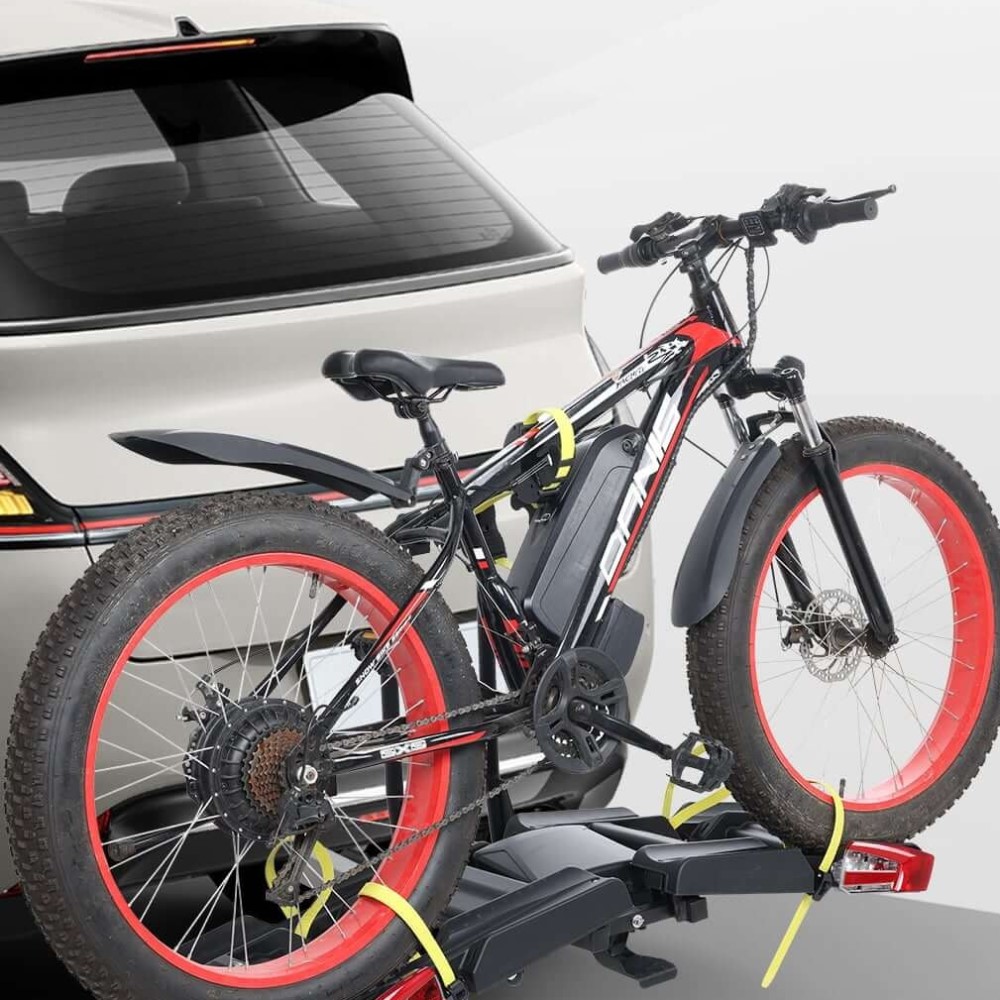
Can I tow with an electric SUV? Some models support towing. Check manufacturer limits. Exceeding them strains the motor and battery.
How long do batteries last? Most last 10–15 years. Degradation is slow. Many retain over 80% capacity after 100,000 miles.
Do they work in cold climates? Yes. Preheating while plugged in preserves range. Heated seats use less energy than cabin heaters.
Is home charging easy to install? Usually. Licensed electricians handle permits and setup. Rebates may cover part of the cost.
What happens if I run out of charge? Roadside assistance can bring mobile charging. Apps help locate nearby stations.
Are repairs expensive? Sometimes. Fewer moving parts reduce issues. However, panel and sensor replacements can be costly.
These answers help buyers make informed decisions.
 Final Thoughts
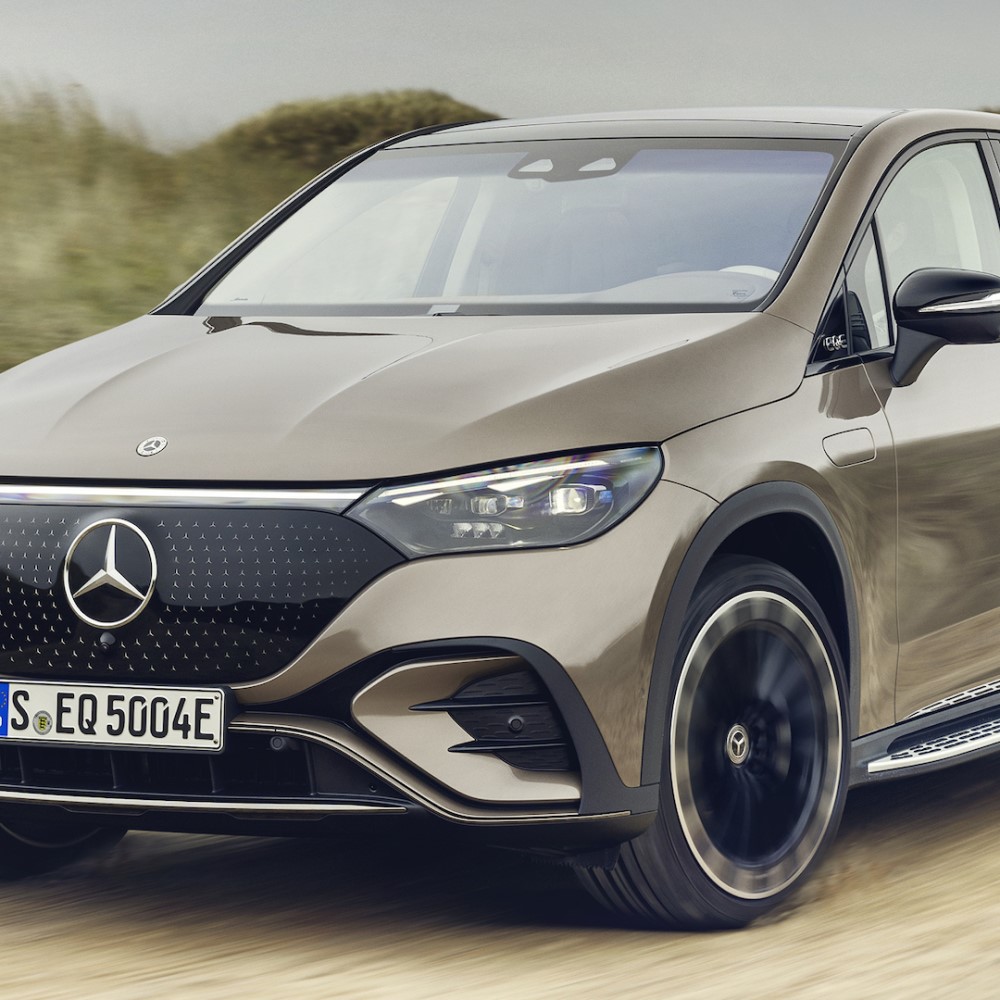
The 2023 electric SUV reshaped what drivers expect from modern vehicles. It combined space, performance, and sustainability in one compelling package. Technological advances made ownership easier and more enjoyable.
With strong range, fast charging, and rich features, it met daily needs and long trips alike. Families, professionals, and adventurers all found value.
Environmental benefits supported global efforts to reduce emissions. At the same time, cost savings improved household budgets.
As battery tech improves and charging expands, future models will only get better. But for now, the 2023 electric SUV sets a high standard. Anyone considering an EV should explore this category first.