If you’ve ever asked what is a sedan, you’re not alone. Many car buyers encounter this term when shopping for vehicles. It refers to a specific body style known for comfort, fuel efficiency, and practicality.
A sedan typically has four doors, a closed roof, and a separate trunk. The engine, passenger cabin, and cargo area are divided into three distinct sections. This design sets it apart from hatchbacks and SUVs.
Moreover, sedans come in various sizes. Compact models like the Honda Civic suit city driving. Full-size versions such as the Toyota Avalon offer more space and luxury features.
Also, most sedans seat five people comfortably. Front and rear passengers enjoy legroom and headroom. Trunk capacity handles luggage, groceries, or sports gear.
Then, fuel economy remains a major selling point. Sedans often get better mileage than larger vehicles. This makes them ideal for daily commutes and long trips.
In addition, many modern sedans include advanced safety systems. Features like automatic braking and lane control assist drivers. Technology integration continues to improve.
Therefore, understanding what is a sedan helps buyers make informed choices. It’s more than just a label—it’s a smart option for everyday life.
 Definition and Characteristics of a Sedan
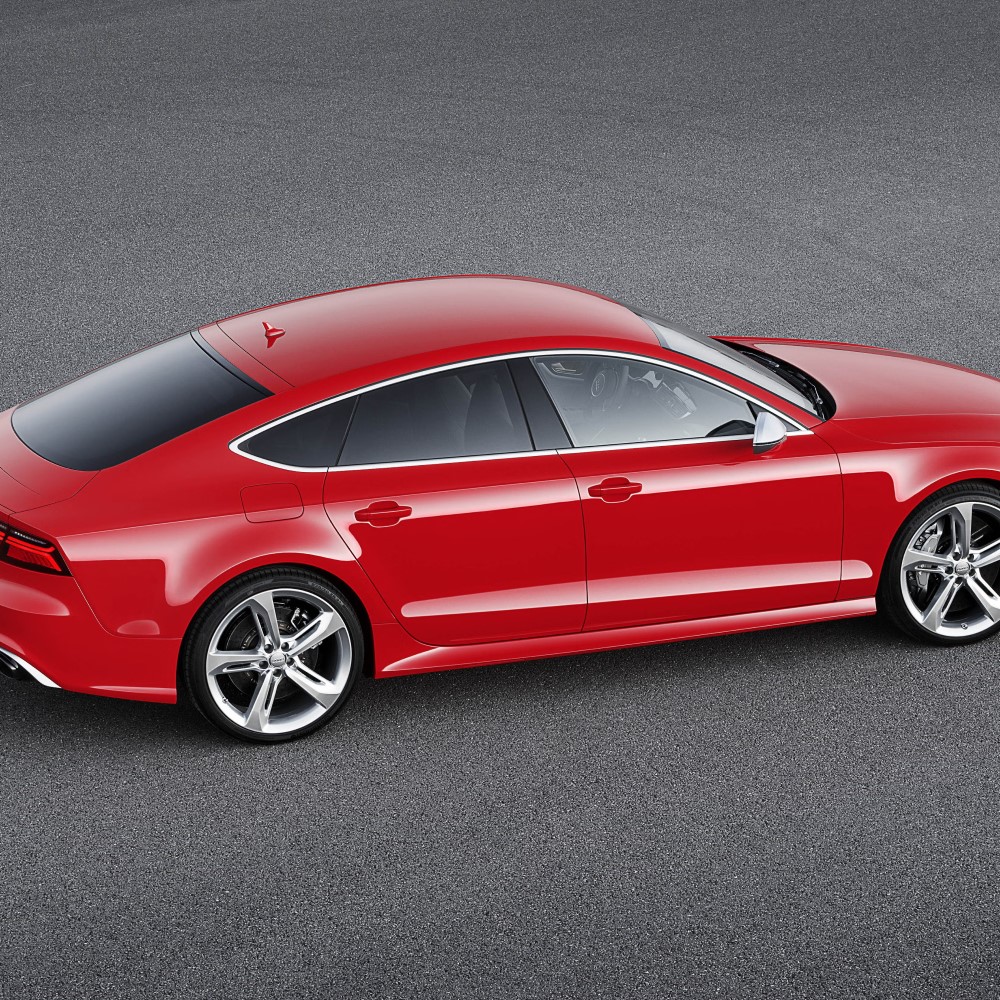
A sedan is a four-door vehicle with a fixed roof. It is one of the most common car body styles. Sedans are known for their comfortable and practical design. They typically feature two rows of seating, accommodating four to five passengers. The trunk is separate from the cabin, providing dedicated storage space.
Sedans are built with a low ground clearance. This design creates better aerodynamics and improves stability at high speeds. The long body structure of a sedan gives it a sleek and elegant appearance. This style is widely favored for family and professional use.
Another defining characteristic of sedans is their balanced weight distribution. They offer a smoother ride compared to cars with a higher center of gravity. Sedans also tend to have better fuel efficiency than larger vehicles like SUVs.
Most sedans come equipped with advanced safety features. These include airbags, anti-lock brakes, and stability control. Modern sedans often offer technology features like touchscreen infotainment systems and adaptive cruise control. Comfort, reliability, and versatility make sedans a popular choice among drivers worldwide.
Types of Sedans: Compact, Midsize, and Full-Size
Sedans come in different sizes to suit various needs and preferences. These categories include compact, midsize, and full-size sedans. Each category has unique features and benefits that appeal to different types of drivers and lifestyles.
Compact Sedans
Compact sedans are smaller and lightweight cars. They typically seat four to five passengers. These vehicles are popular for city driving due to their size and efficiency. Compact sedans offer better fuel efficiency compared to larger models. They are also easy to park and maneuver in tight spaces. Common examples include Honda Civic and Toyota Corolla.
Midsize Sedans
Midsize sedans provide more space and comfort. They are ideal for small families or commuters seeking extra room. These sedans offer a balance between affordability, fuel efficiency, and performance. They often include enhanced features like advanced safety systems and tech options. Popular midsize sedans include Toyota Camry and Honda Accord.
Full-Size Sedans
Full-size sedans are the largest in the sedan category. They offer spacious interiors and luxury features. These sedans are perfect for families or those who need more legroom and storage. Performance tends to focus on smoother rides and powerful engines. Examples include Chevrolet Impala and Chrysler 300.
Choosing the right type of sedan depends on your needs. Compact sedans are practical for urban drivers, midsize sedans work well for versatility, and full-size sedans offer premium comfort and style. Each category meets specific needs, making sedans a popular choice for many drivers worldwide.
 Features That Set Sedans Apart from Other Car Types
Sedans stand out among other car types for their unique features and versatile appeal.
Design and Structure
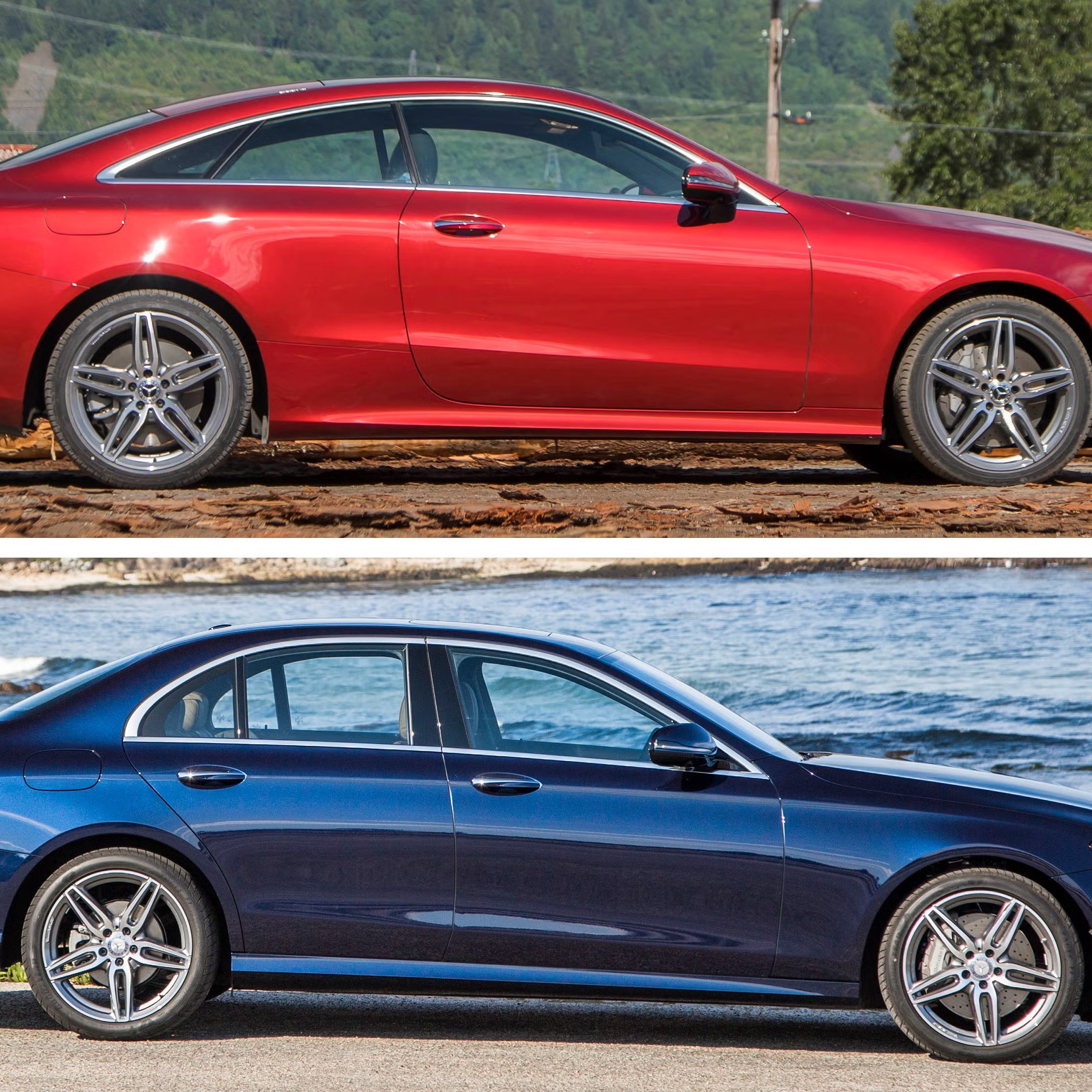
Sedans feature a distinct design with a separate trunk compartment. Their low ground clearance enhances aerodynamics and stability at high speeds. This design also gives sedans a sleek and elegant look.
Comfort and Space
Sedans typically offer two rows of seating for four to five passengers. They have cozy interiors and provide ample legroom for riders. The roomy trunk is perfect for carrying luggage or groceries.
Driving Experience
Sedans are known for their smooth ride due to balanced weight distribution. Their lower center of gravity enhances handling and reduces body roll.
Efficiency and Performance
Sedans often have better fuel efficiency than SUVs or full-size vehicles. Their lightweight build contributes to lower fuel consumption.
Safety Features
Sedans come equipped with modern safety technologies like airbags, anti-lock braking systems, and stability control. Some models also feature collision warning systems and adaptive cruise control.
Technology Integration
Many sedans offer advanced infotainment features, such as touchscreen displays and smartphone connectivity. High-end models may include navigation systems, voice controls, and premium audio systems.
Everyday Usability
Sedans are well-suited for daily commuting and family use. Their compact design makes parking and navigation in tight spaces easier.
By blending style, performance, and practicality, sedans remain a trusted choice for drivers worldwide.
Comparing Sedans to SUVs, Coupes, and Hatchbacks
Sedans are distinct when compared to SUVs, coupes, and hatchbacks. Each vehicle type serves different needs.
SUVs
- Sedans have lower ground clearance, giving smoother rides and better aerodynamics.
- SUVs offer higher seating positions, larger cargo space, and off-road capability.
- Sedans are generally more fuel-efficient than the larger and heavier SUVs.
- SUVs are suitable for families needing space or adventurers heading off-road.
Coupes
- Sedans have four doors, while coupes typically feature two doors.
- Coupes often focus on sporty design and performance.
- Sedans provide more passenger space and practicality for daily use.
- Coupes are usually less spacious and have limited trunk space compared to sedans.
Hatchbacks
- Sedans have a separate trunk, while hatchbacks combine the cargo area with the cabin.
- Sedans offer a more traditional and formal design, ideal for professional use.
- Hatchbacks are more versatile with flexible storage options, suiting urban and outdoor lifestyles.
- Sedans generally provide a quieter ride due to their enclosed trunk design.
In conclusion, sedans strike a balance between style, comfort, and efficiency. SUVs offer size and versatility, coupes emphasize sporty appeal, and hatchbacks provide practicality with compact design. Drivers choose based on their specific needs and preferences.
 Advantages of Owning a Sedan
Owning a sedan comes with numerous benefits. Sedans are practical, comfortable, and efficient, making them a favorite for many drivers. They offer a balanced mix of performance, style, and affordability. Below are the key advantages of owning a sedan:
1. Comfort and Space
- Sedans provide a cozy and spacious interior.
- They typically seat four to five passengers comfortably.
- Ample legroom and headroom enhance passenger comfort.
- The separate trunk offers dedicated space for luggage or groceries.
2. Fuel Efficiency
- Sedans are known for their excellent fuel efficiency.
- Their lightweight build helps reduce fuel consumption.
- They require less fuel compared to larger vehicles like SUVs or trucks.
3. Smooth and Stable Ride
- Sedans have a low center of gravity, which improves stability.
- Balanced weight distribution ensures a smoother driving experience.
- They are aerodynamically designed for better handling and reduced drag.
4. Affordable Maintenance Costs
- Sedans generally have lower maintenance costs compared to larger vehicle types.
- Repairs and replacements for sedans are more affordable.
- Their smaller size means reduced tire and fuel expenses over time.
5. Advanced Safety Features
- Most sedans come equipped with advanced safety technologies.
- Features include airbags, anti-lock braking systems, and stability control.
- Modern sedans may also feature crash detection and adaptive cruise control.
6. Everyday Usability
- Sedans are perfect for daily commuting due to their compact design.
- They are easy to park and handle in urban settings.
- The reliable build ensures consistent performance for routine travel.
7. Versatility
- Sedans work well for people with different lifestyles.
- They are suitable for families, professionals, and solo drivers alike.
- Their design blends practicality and style for widespread appeal.
In summary, sedans cater to various needs, making them ideal for many drivers. Their comfort, efficiency, and practicality are unmatched in the automotive market. If you value value reliability and cost-effectiveness, owning a sedan is an excellent choice.
Popular Brands and Models of Sedans
Sedans are manufactured by various well-known car brands. Each brand offers unique models with distinct features.
Toyota Sedans
- Toyota Corolla: Known for reliability and fuel efficiency, ideal for everyday use.
- Toyota Camry: Combines comfort, space, and advanced safety features for a smooth driving experience.
Honda Sedans
- Honda Civic: A compact sedan appreciated for its sleek design and excellent fuel economy.
- Honda Accord: Offers a spacious interior and is known for its performance and dependability.
Hyundai Sedans
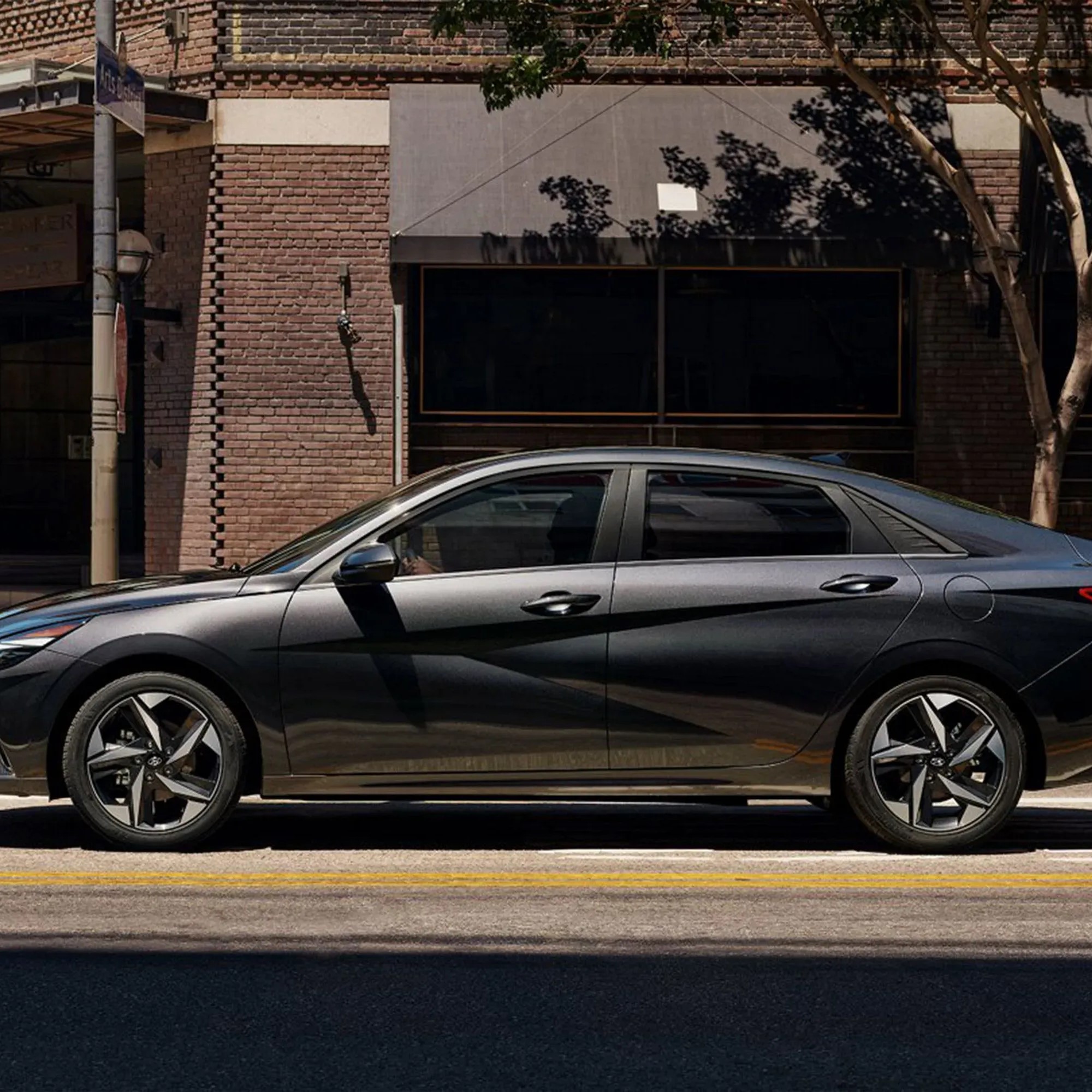
- Hyundai Elantra: Popular for its modern design and technology at an affordable price.
- Hyundai Sonata: Combines style, comfort, and powerful engine options for a balanced ride.
Nissan Sedans
- Nissan Sentra: Reliable and budget-friendly, a great choice for smaller families or commuters.
- Nissan Altima: Features advanced safety technology and provides a comfortable and efficient drive.
Chevrolet Sedans
- Chevrolet Malibu: Offers a sleek exterior, modern technology, and a pleasant driving experience.
- Chevrolet Impala: A full-size sedan with generous space and smooth performance for long drives.
Luxury Sedan Brands
- Mercedes-Benz E-Class: Delivers unmatched luxury with high-end features and top-tier performance.
- BMW 5 Series: Known for sporty aesthetics, comfort, and powerful engine options.
- Audi A6: A sophisticated design with advanced technology and a luxurious feel.
Other Notable Sedans
- Mazda 6: Valued for its engaging driving dynamics and stylish interior.
- Kia Optima: Offers great features and warranty at an affordable price.
- Volkswagen Passat: A reliable German sedan, appreciated for its comfort and practicality.
Across budget-friendly options to luxury automobiles, sedans attract buyers by serving a variety of needs. When asking “what is a sedan,” these popular models exemplify its versatility and attributes.
 Factors to Consider When Choosing a Sedan
Choosing the right sedan depends on various factors. It’s important to evaluate your preferences and needs carefully before making a decision. Here are the key points to consider:
Budget
- Determine your financial limits before searching for sedans.
- Sedans come in a wide price range, from affordable models to luxury vehicles.
- Remember to account for additional costs, like insurance, maintenance, and fuel expenses.
Size and Space
- Consider the size of the sedan that best fits your needs.
- Compact sedans are ideal for city driving and offer fuel efficiency.
- Midsize sedans provide more space, making them suitable for small families.
- Full-size sedans offer premium comfort and larger interiors for bigger households.
Performance
- Think about the performance features you prefer, such as horsepower and engine type.
- Decide if fuel efficiency or a powerful engine is more important to you.
- Some sedans emphasize smooth rides, while others prioritize high-speed thrills.
Safety Features
- Look for sedans with advanced safety systems like airbags and anti-lock brakes.
- Check for features such as collision warnings and lane departure assistance.
- Safety is crucial, especially for family vehicles or daily commuting.
Technology and Convenience
- Consider sedans with modern tech features like touchscreen infotainment systems.
- Look for options such as adaptive cruise control and smartphone connectivity.
- Navigation systems, parking assistance, and other tech can enhance your driving experience.
Brand Reputation
- Research popular sedan brands and their reliability ratings.
- Brands like Toyota, Honda, and Hyundai are known for dependable sedans.
- Luxury brands like BMW and Mercedes-Benz offer high-end options.
Usage and Lifestyle
- Choose a sedan tailored to your daily needs.
- Urban drivers may prefer compact models for easy parking.
- Larger sedans are great for long drives and large families.
Resale Value
- Look into sedans with good resale value to maximize your investment.
- Brands with strong reliability tend to hold better resale prices.
- Consider a fuel-efficient model, as they are often more marketable.
Test Drives
- Test drive multiple sedan models before buying.
- Focus on comfort, driving experience, and handling during the test drive.
- Ensure visibility, accessibility, and seating meet your needs.
Evaluating these aspects can help you choose the perfect sedan for your lifestyle. Matching the sedan to your priorities ensures satisfaction and value for your money.
Future Trends in Sedan Design and Technology
The automotive industry continuously evolves, and sedans are no exception. Future trends in sedan design and technology aim to enhance sustainability, innovation, and user experience.
Increased Focus on Electric Vehicles (EVs)
- Automakers are transitioning sedans to all-electric powertrains.
- EV sedans reduce carbon emissions and promote eco-friendly driving.
- Companies like Tesla, Nissan, and BMW are leading this transformation.
- Expect longer ranges and faster charging capabilities in upcoming electric sedans.
Autonomous Driving Technology
- Self-driving features are becoming more advanced in sedans.
- Driver-assistance systems include lane-keeping, park assist, and adaptive cruise control.
- Major brands are investing in level 4 and 5 autonomous driving capabilities.
Enhanced Connectivity
- Future sedans will include smarter infotainment systems with AI integration.
- Voice recognition and seamless smartphone connectivity will become standard.
- Over-the-air software updates will improve features after purchase.
Lightweight Materials
- Lightweight materials like carbon fiber and aluminum will enhance efficiency.
- Reduced weight helps improve fuel economy and electric car battery range.
Sustainable Manufacturing Practices
- Automakers are focusing on eco-friendly materials in sedan interiors.
- Recycled plastics, wood, and vegan-friendly upholstery will become common.
Advanced Safety Systems
- New safety features will include more accurate collision avoidance.
- Improved sensors and cameras will provide 360-degree vision for safer driving.
- Vehicle-to-Everything (V2X) communication will enable sedans to interact with their environment.
Modern Designs and Customization
- Sedans will feature futuristic, aerodynamic designs for improved style and performance.
- Manufacturers may offer customizable interiors, blending luxury with personal preferences.
Integration of Renewable Energy Powered Systems
- Solar roof panels may become common for added energy efficiency.
- Hybrid fuel technology will be refined for better performance and environmental benefits.
The future of sedans is exciting, offering innovations in electric mobility, technology, and design. These trends ensure that sedans continue to meet modern needs while being environmentally conscious.
Frequently Asked Questions About Sedans
Answers to Top Buyer Inquiries
What defines a sedan?
It has four doors, a fixed roof, and a separate trunk. The three-box design separates engine, cabin, and cargo.
Do all sedans have trunks?
Yes. A closed trunk is a core feature. It opens separately from the passenger area.
Are sedans safe?
Most score highly in crash tests. They include modern safety systems like automatic braking.
Can sedans handle snowy roads?
Yes. With proper tires and cautious driving, they perform well. AWD models offer extra grip.
Are sedans good for families?
Many suit small families. Backseats fit two child seats. Trunks carry strollers and diaper bags.
Is a hybrid sedan still a sedan?
Yes. Powertrain doesn’t change body style. The structure defines the category.
Do sedans last long?
Reliability is strong in popular models. Regular care extends lifespan beyond 200,000 km.
Are electric sedans available?
Yes. The Tesla Model 3 and Polestar 2 are examples. They follow sedan design principles.
 Final Thoughts on Understanding What Is a Sedan
The question what is a sedan goes beyond basic description. It involves design, function, and lifestyle fit. This vehicle type remains popular for solid reasons.
Sedans offer balanced performance, efficiency, and comfort. They adapt to city streets and highways alike. Drivers trust them for daily use.
Technology, safety, and style continue evolving. Modern versions impress even skeptical buyers. The stigma of being “basic” fades over time.
Whether you need a commuter car or family hauler, a sedan delivers. Its strengths stand the test of time.
So, when shopping for your next vehicle, remember what a sedan truly offers. The answer to what is a sedan might just be your next smart purchase.