The best selling electric SUV has become a symbol of modern mobility, combining eco-friendly performance with spacious comfort. As more drivers shift away from gasoline, electric SUVs offer a practical solution for families, commuters, and adventure seekers. These vehicles deliver long-range capability, smart technology, and powerful acceleration.
Additionally, the demand for the best selling electric SUV continues to grow. Consumers value low maintenance, reduced emissions, and access to charging networks. With advancements in battery life and faster charging, range anxiety is fading. As a result, automakers are expanding their electric lineups to meet rising customer interest.
 Why the Best Selling Electric SUV Appeals to Modern Drivers
Modern drivers look for vehicles that balance style, function, and sustainability. The best selling electric SUV meets these needs effectively. It offers a quiet ride, instant torque, and a smooth driving experience.
Moreover, these SUVs often feature all-wheel drive. This improves traction in rain, snow, or rough terrain. Drivers gain confidence in various weather conditions. Safety ratings are typically high due to advanced structural design.
Technology plays a major role. Touchscreen dashboards, voice commands, and smartphone integration enhance convenience. Over-the-air updates keep systems current without dealership visits.
Families appreciate the roomy interiors. Three rows of seating are available in some models. Trunk space remains generous, even with batteries located under the floor.
Furthermore, operating costs are lower. Electricity is cheaper than gas. Maintenance needs are reduced with fewer moving parts.
Insurance and tax incentives also help. Many governments offer rebates for electric vehicle buyers. This lowers the overall cost of ownership.
How Consumer Trends Influence Electric SUV Popularity
Buyers are increasingly eco-conscious. They want to reduce their carbon footprint. The best selling electric SUV supports this goal by producing zero tailpipe emissions.
Urban planning now includes EV charging stations. Cities, malls, and workplaces install them regularly. This growing infrastructure encourages adoption.
Younger generations prefer sustainable brands. Companies that prioritize green initiatives earn loyalty. Tesla, Ford, and Hyundai benefit from this shift.
Social media also amplifies trends. Influencers share real-life charging and road trip experiences. These stories build trust and awareness.
Dealerships report higher test drive conversion rates. Once people try an electric SUV, they often choose it. The driving experience exceeds expectations.
Fleet operators are switching too. Ride-share and delivery companies use electric SUVs. Lower fuel and repair costs improve profits.
These trends confirm a long-term shift. The best selling electric SUV is not a fad—it’s the future.
 Leading Models That Define the Selling Electric SUV Category
Several models dominate 2024’s electric SUV market. The Tesla Model Y leads in sales worldwide. It offers up to 330 miles of range and fast Supercharger access.
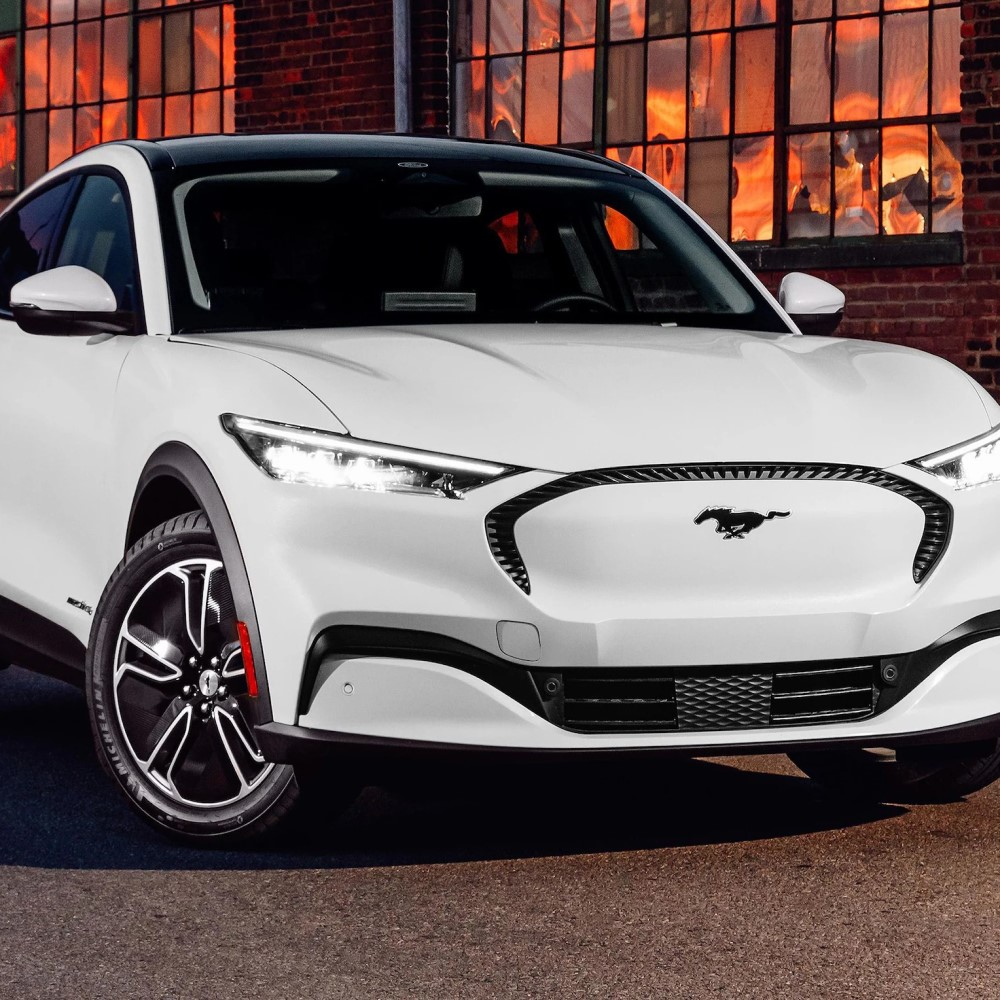
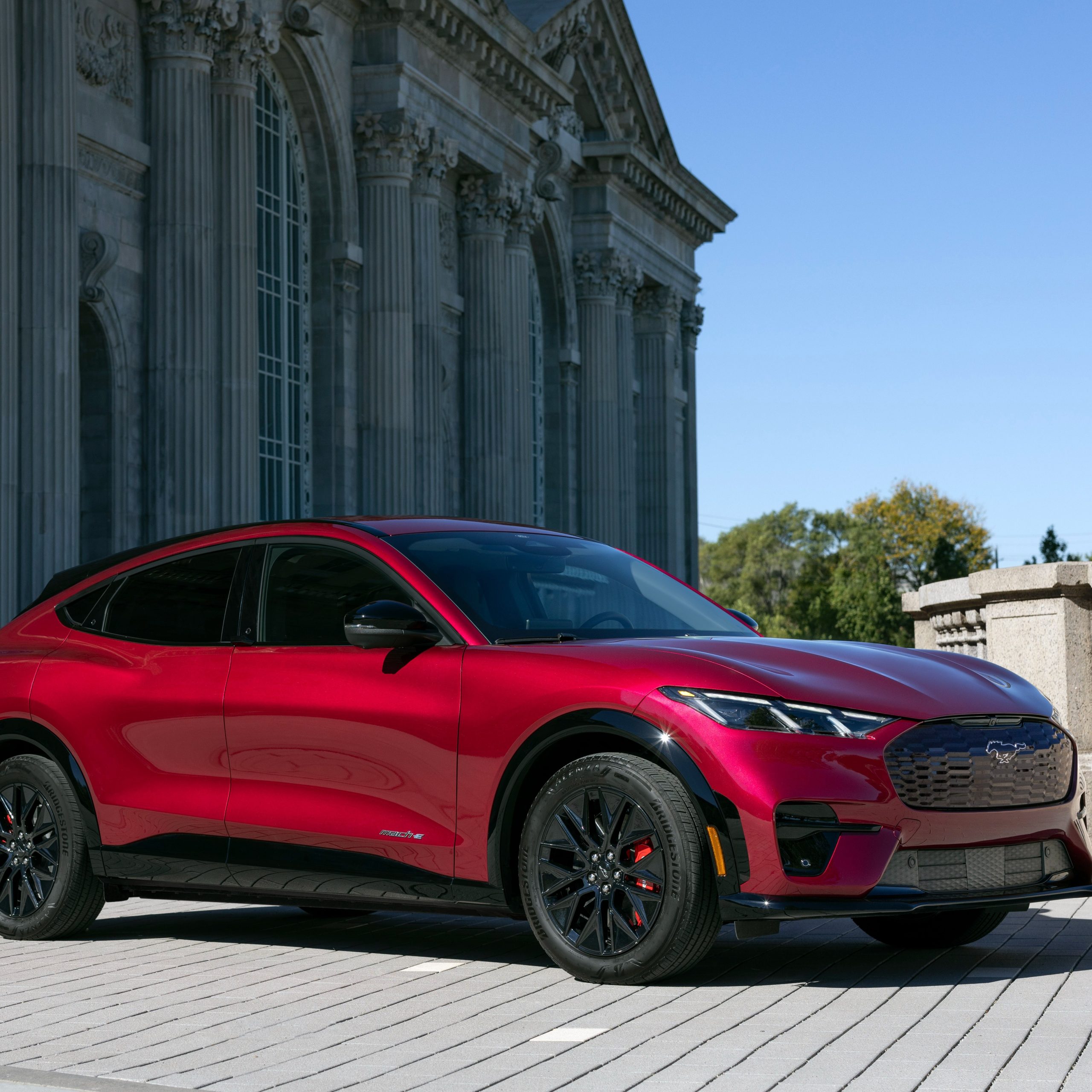
The Ford Mustang Mach-E appeals to American drivers. Its sporty design and BlueCruise hands-free driving attract tech-savvy users. Range varies from 224 to 314 miles.
Hyundai IONIQ 5 stands out for its retro-futuristic look. It supports 800V ultra-fast charging. Drivers gain 60 miles in just five minutes.
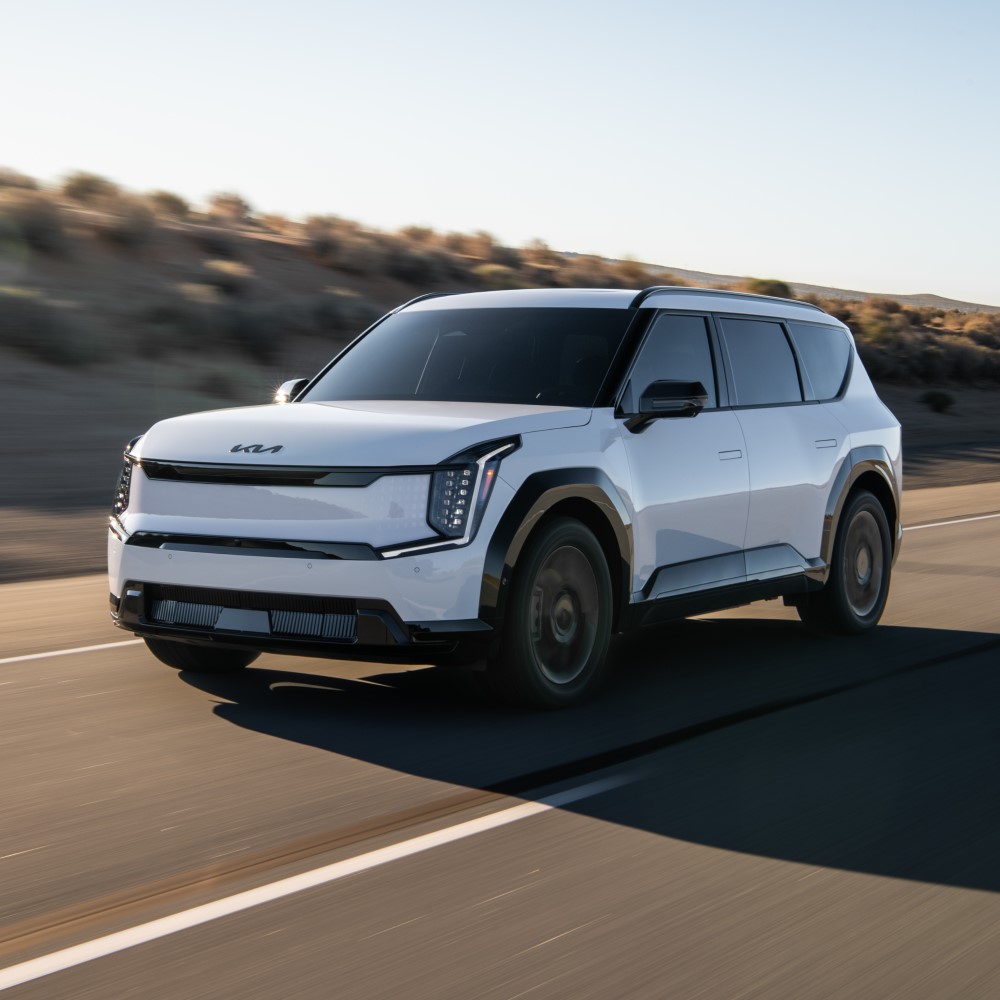
Kia EV6 shares the same platform as the IONIQ 5. It delivers strong performance and a digital cockpit. GT versions reach 0–60 mph in under 3.5 seconds.
The Rivian R1S targets outdoor adventurers. It features off-road modes, underfloor storage, and tank turn capability. Ideal for rugged terrain.
Volkswagen ID.4 offers European engineering at a competitive price. Its interior is functional and quiet. Heated seats and steering wheel add comfort.
BMW iX combines luxury with efficiency. It uses sustainable materials inside. The panoramic roof enhances openness.
Each model brings unique strengths. Yet, all qualify as contenders for the best selling electric SUV title.
Comparing Performance, Range, and Charging Speed
Performance varies across top models. The Tesla Model Y Performance hits 0–60 mph in 3.5 seconds. It handles curves with precision thanks to low center of gravity.
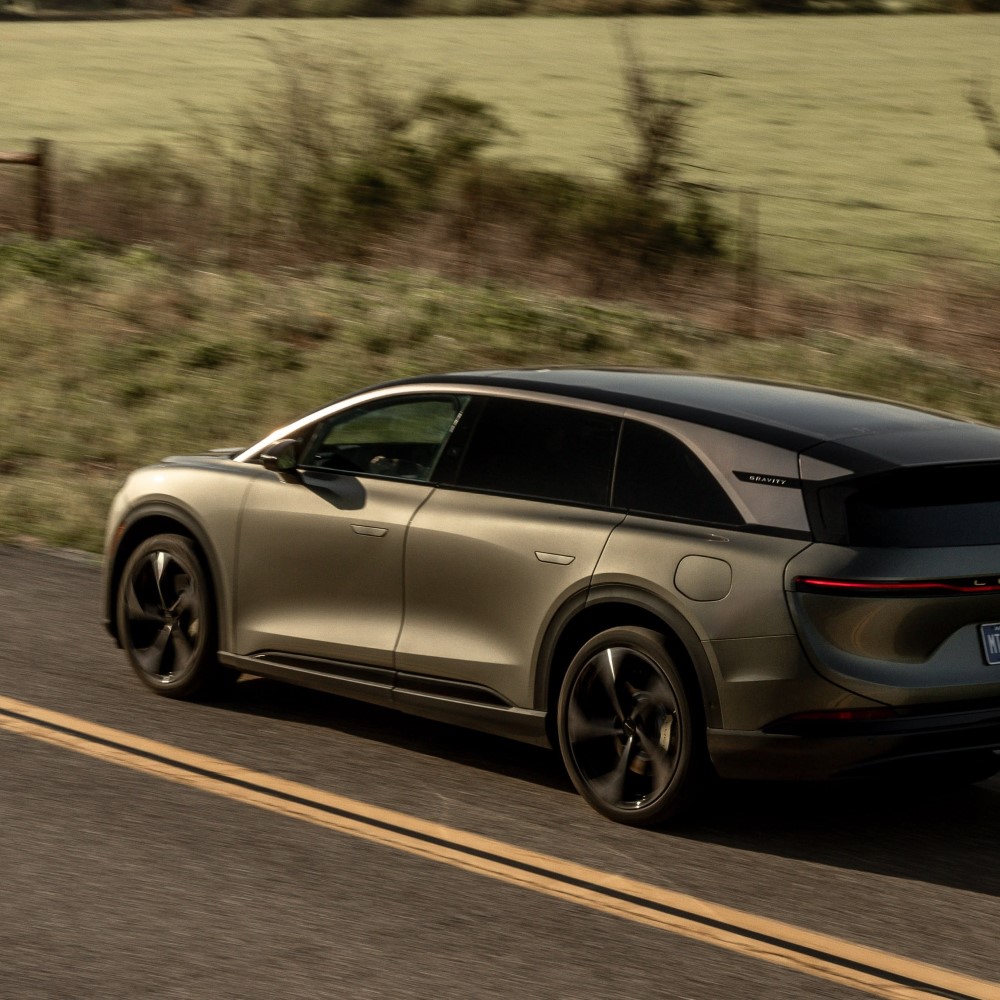
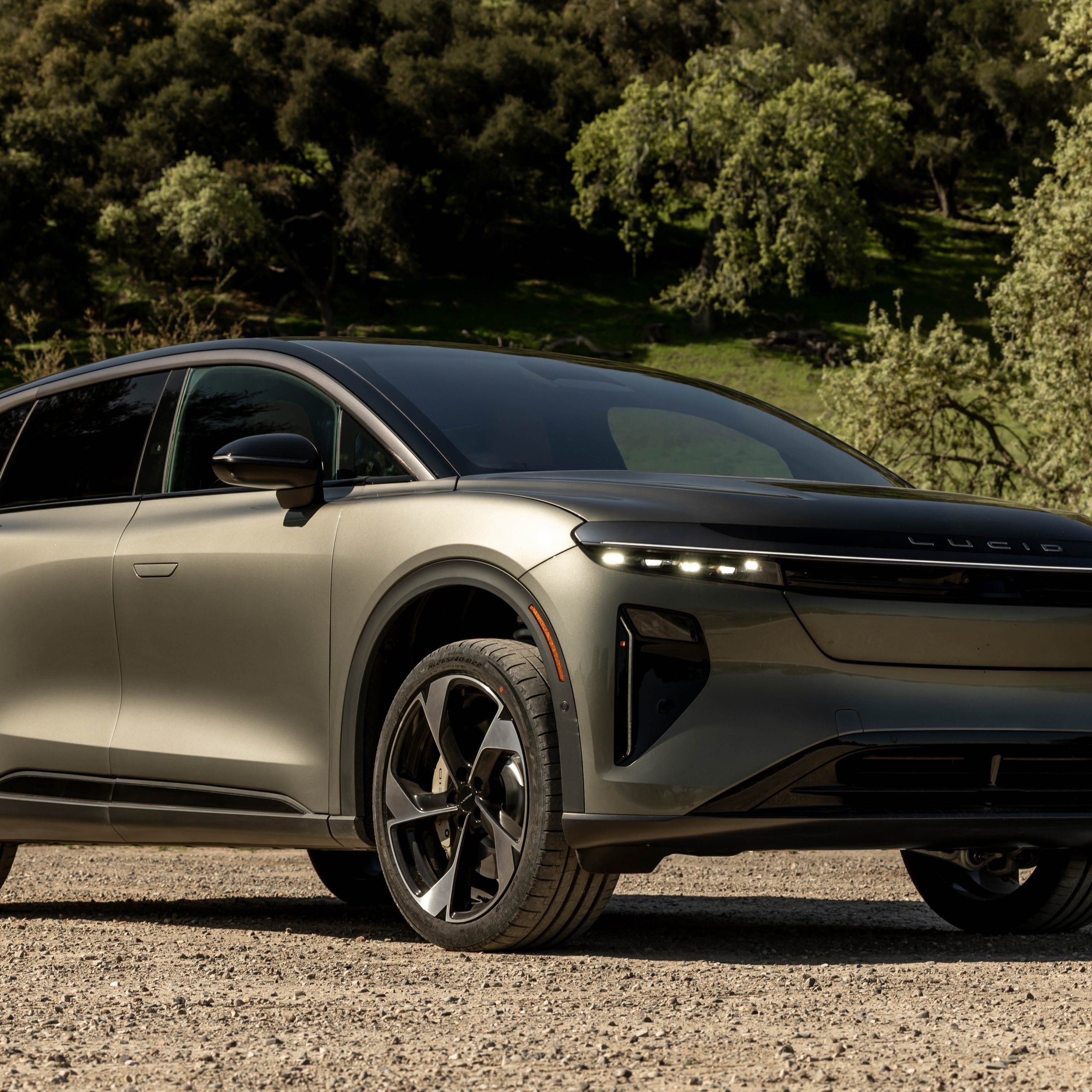
Range matters most for long trips. The Lucid Air SUV (set for 2025) promises over 500 miles. Most current models range between 250 and 330 miles.
Charging speed is improving. The Hyundai IONIQ 5 and Kia EV6 support 350 kW charging. They go from 10% to 80% in about 18 minutes.
Tesla’s Supercharger network remains the largest. Over 45,000 stalls exist globally. Charging times average 15–25 minutes for 200 miles.
Ford and GM are building their own networks. They plan to install thousands of new stations. Universal compatibility is a key goal.
Some SUVs include heat pump systems. These improve winter range by up to 20%. Cold weather no longer drastically cuts efficiency.
Battery longevity is strong. Most brands offer 8-year or 100,000-mile warranties. Degradation averages 1–2% per year.
Consumers now compare these specs carefully. The best selling electric SUV wins by balancing all factors.
 Interior Features That Enhance Comfort and Usability
Interior design greatly influences buyer decisions. The best selling electric SUV often features minimalist, tech-forward cabins. Large touchscreens replace physical buttons.
The Tesla Model Y uses a central 15-inch display. It controls climate, media, navigation, and vehicle settings. Wireless phone charging is standard.
Ford Mach-E includes a 15.5-inch vertical screen. Bang & Olufsen audio delivers rich sound. Synthetic leather seats feel premium and are easy to clean.
Hyundai IONIQ 5 offers a dual-color interior. Ambient lighting adjusts to mood. Ventilated and massaging seats add luxury.
Kia EV6 includes augmented reality navigation. It projects directions onto the windshield. This improves focus while driving.
Rivian R1S has removable flip-up seats. It adds flexibility for gear and pets. The gear tunnel stores small items securely.
Storage options are clever. Frunks (front trunks) replace engine space. They lock and stay dry.
Volkswagen ID.4 has a glovebox, center console, and door pockets. Practical details matter for daily use.
Technology and Connectivity in Today’s Top SUVs
Smartphone integration is standard. Apple CarPlay and Android Auto are wireless in most models. Apps mirror seamlessly on the dashboard.
Voice assistants respond to natural commands. Drivers adjust climate or find chargers hands-free. This improves safety.
Over-the-air updates fix bugs and add features. Tesla leads here with regular rollouts. Others follow closely.
Wi-Fi hotspots keep passengers connected. Kids stream videos or do homework on long rides. Data plans are available through providers.
Driver assistance systems are advanced. Adaptive cruise control, lane keeping, and blind spot monitoring come standard. These reduce fatigue.
Some SUVs offer remote parking. The driver exits and uses a phone app. The car parks itself in tight spots.
Security features include PIN-to-drive and GPS tracking. If stolen, owners can locate the vehicle. Immobilization prevents unauthorized starts.
All these tools make the best selling electric SUV a mobile hub. It supports work, family life, and adventure.
Where to Buy and Test Drive the Selling Electric SUV
Purchasing options are expanding. Tesla sells directly online and in stores. Customers configure models on the website. Delivery happens at home or pickup centers.
Ford, Hyundai, Kia, and VW use traditional dealerships. Many now train staff on EVs. Test drives help buyers feel the power and quiet ride.
Online platforms like Carvana and Vroom offer EVs too. They deliver to your door. Return policies add peace of mind.
Some brands offer home test drives. A representative brings the SUV to you. This saves time and reduces pressure.
Leasing is popular. Monthly payments are often lower than car loans. At lease end, drivers upgrade to newer models.
Government incentives reduce price. The U.S. offers up to $7,500 tax credit. Some states add rebates for chargers or HOV lane access.
Rental companies now include electric SUVs. Hertz and Enterprise offer Teslas and Mustangs. This lets people try before buying.
How to Choose the Right Trim and Charging Setup
Trims affect price and features. Base models save money. Higher trims offer performance, larger batteries, and luxury details.
Decide what matters most. Range? Speed? Seating? Towing capacity? Make a priority list.
Home charging is essential. Install a Level 2 charger for faster refueling. Most add 30–50 miles per hour.
Public charging apps help on the go. PlugShare, ChargePoint, and Tesla’s map show real-time availability. Filter by speed and price.
Consider solar panels. They power your home and car. Over time, they reduce electricity bills.
Check local regulations. Some HOAs restrict charger installation. Permits may be required.
Plan long trips with charging stops. Use route planners in-car or online. Most EVs calculate this automatically.
 Frequently Asked Questions About the Selling Electric SUV
What is the most reliable electric SUV? Tesla Model Y and Hyundai IONIQ 5 rank high in dependability.
Do electric SUVs work in cold climates? Yes, with preconditioning and heat pumps. Range drops but remains usable.
How long do batteries last? Typically 10–15 years. Warranties cover 8 years or 100,000 miles.
Can I tow with an electric SUV? Yes, some tow up to 5,000 lbs. Check manufacturer specs.
Are repairs expensive? Not usually. Fewer parts mean less wear. Most issues are software-based.
How much does charging cost? About 0.120.20 per kWh. Home charging is cheaper than public stations.
Is insurance more expensive? Slightly. But rates are dropping as EVs become common.
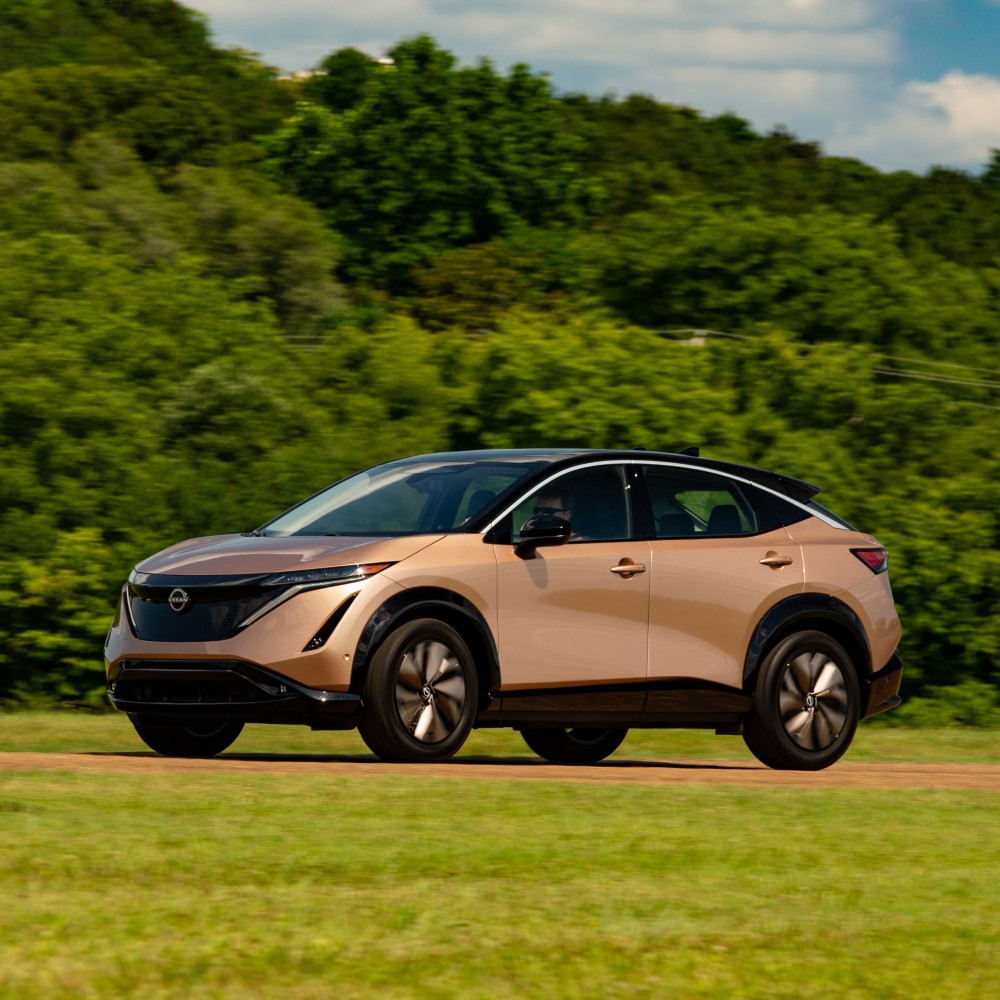 Final Thoughts on Choosing the Selling Electric SUV
The best selling electric SUV represents a major shift in how people view transportation. It combines power, space, and sustainability in one compelling package. With rapid advancements in tech and infrastructure, now is an ideal time to make the switch.
Moreover, these vehicles meet the needs of diverse drivers. Families, commuters, and outdoor lovers all find value. Lower running costs and environmental benefits add to the appeal.
As production increases and prices stabilize, adoption will grow. The best selling electric SUV is not just a trend—it’s a long-term evolution in mobility. So why not explore your options and take a test drive today?