The electric SUV luxury segment has rapidly evolved into one of the most sought-after categories in the automotive world. These vehicles deliver high performance, advanced technology, and premium comfort—all without relying on fossil fuels. With silent electric motors, spacious interiors, and cutting-edge driver assistance systems, they redefine what it means to drive in style. As charging networks expand and battery life improves, more buyers are choosing electric SUV luxury models over traditional gasoline-powered counterparts.
Additionally, these cars cater to eco-conscious consumers who refuse to compromise on elegance or capability. They offer instant torque, smooth acceleration, and whisper-quiet cabins. At the same time, brands like Tesla, Mercedes-Benz, Audi, and Genesis integrate hand-stitched leather, ambient lighting, and smart climate control. As a result, driving becomes not just efficient but truly indulgent. Whether navigating city streets or embarking on long road trips, an electric SUV luxury model delivers confidence and class. Therefore, understanding what sets them apart helps you make a smarter, more rewarding purchase.
 Why Electric SUV Luxury Models Are Leading the Future of Mobility
Merging Sustainability with High-End Performance
One major reason electric SUV luxury vehicles dominate today’s market is their ability to balance green energy with thrilling performance. Unlike early EVs that prioritized efficiency over power, modern luxury models accelerate from 0 to 60 mph in under five seconds. This responsiveness comes from dual-motor all-wheel drive and optimized weight distribution. Hence, drivers experience both speed and stability.
Moreover, regenerative braking enhances efficiency while improving control. It captures energy during deceleration and feeds it back into the battery. This extends range and reduces brake wear over time. Drivers notice smoother stops and fewer pedal adjustments.
These SUVs also feature adaptive air suspension systems. They adjust ride height based on terrain and speed. For example, the vehicle lowers at highway speeds to reduce drag. Conversely, it raises slightly when entering rough roads. This flexibility ensures comfort across environments.
Interior quietness further elevates the experience. Without engine noise, conversations remain clear. Wind and road sounds are minimized through advanced insulation. As a result, passengers enjoy a serene atmosphere.
Infotainment systems include large touchscreens with intuitive layouts. Voice commands, wireless Apple CarPlay, and Android Auto keep hands on the wheel. Some even offer rear-seat tablets for added convenience.
With so many innovations, electric SUV luxury models set new standards. They prove sustainability and sophistication can coexist.
Top Features That Define the Modern Electric Luxury SUV Experience
Advanced Technology, Safety, and Interior Refinement
When evaluating an electric SUV luxury model, several standout features shape the overall appeal. First, panoramic glass roofs flood the cabin with natural light. Many offer tinting options or powered sunshades. This maintains comfort during bright days.
Heated, ventilated, and massaging seats come standard in higher trims. Front and rear occupants benefit from multi-zone climate control. Cabin air filters remove allergens and pollutants. This is especially helpful for sensitive individuals.
Driver-assistance tools enhance safety and reduce fatigue. Adaptive cruise control adjusts speed based on traffic flow. Lane-keeping assist gently corrects drifting. Traffic sign recognition displays speed limits in real time. Together, these systems support stress-free driving.
Over-the-air software updates keep the vehicle current. New features roll out remotely without dealership visits. This includes improved navigation, enhanced autopilot functions, or updated voice assistants. Your car evolves over time instead of becoming outdated.
Smartphone integration allows remote access. Lock or unlock doors, start climate control, or locate your car using an app. Some models even let you summon the vehicle in tight parking spots.
Storage solutions include frunks (front trunks) and deep rear cargo areas. No transmission tunnel means a flat floor and extra legroom. Fold-down rear seats increase hauling capacity instantly.
Every detail reflects thoughtful engineering. From soft-close doors to customizable ambient lighting, comfort meets intelligence.
 Comparing Leading Brands in the Electric Luxury SUV Market
How Tesla, Mercedes, Audi, and Others Stack Up
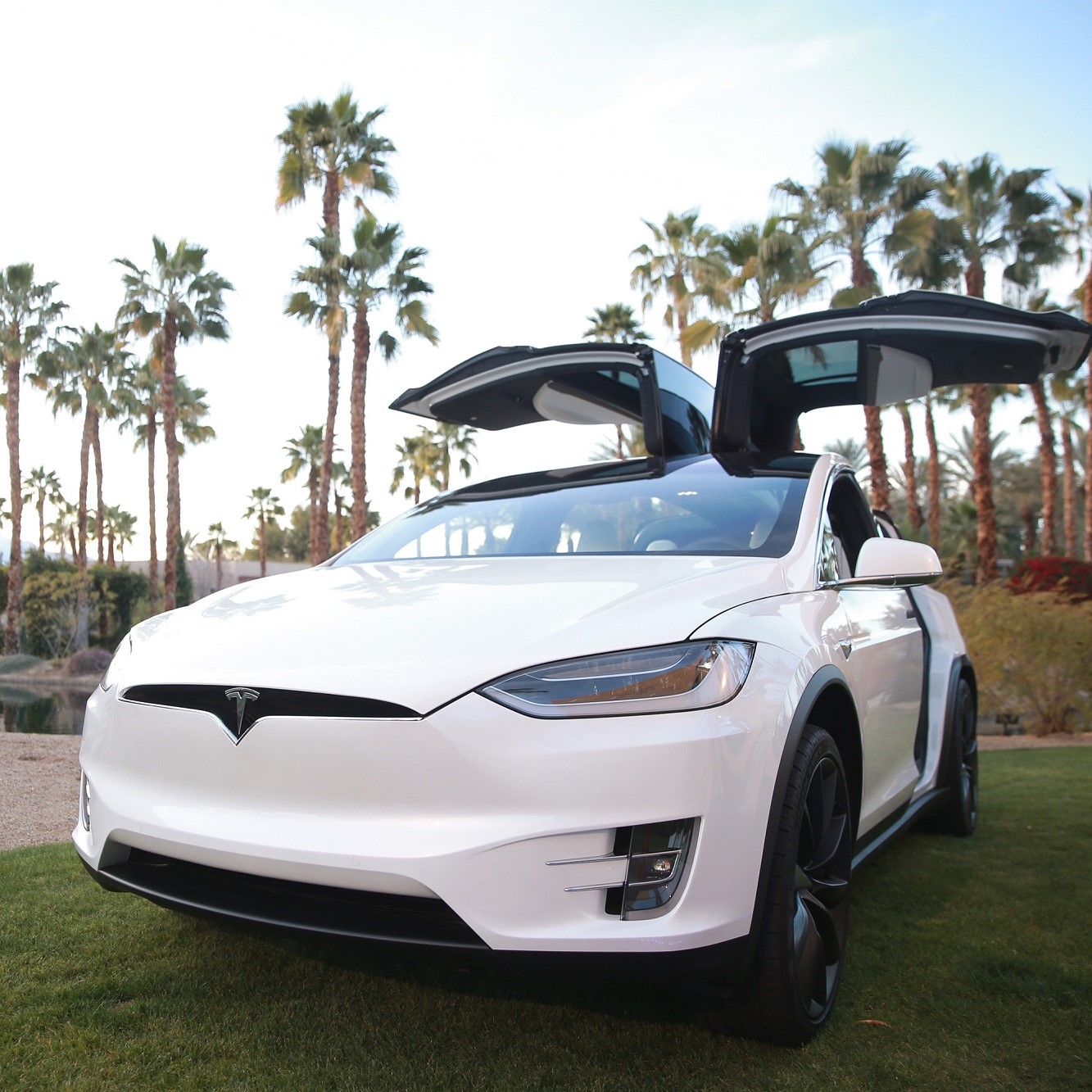
Several automakers lead the electric SUV luxury space, each offering unique strengths. Tesla’s Model X stands out with its falcon-wing rear doors. These open vertically, making entry easier in tight spaces. Its Plaid version delivers over 1,000 horsepower. Range exceeds 340 miles on a single charge.
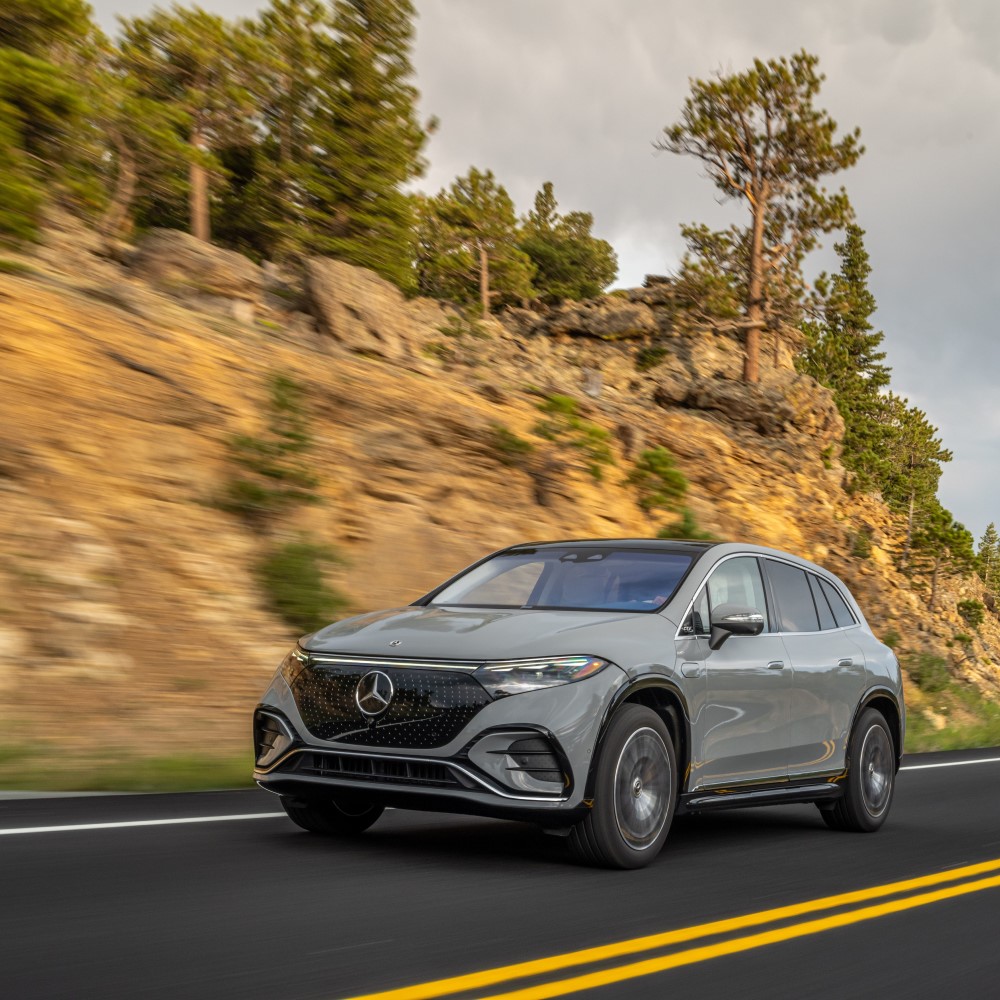
Mercedes-EQ’s EQS SUV focuses on refinement. It features the luxurious Hyperscreen dashboard. This spans nearly the entire width of the cabin. Real wood trim and microfiber upholstery add warmth. Rear passengers enjoy reclining seats with leg rests.
Audi’s e-tron SUV combines German precision with everyday usability. Its virtual cockpit replaces analog dials with digital displays. Predictive suspension scans the road ahead. It adjusts damping before bumps occur. This results in an exceptionally smooth ride.
Genesis GV70 Electrified emphasizes design and value. It offers similar features to rivals at a lower price point. Standard equipment includes a head-up display and Lexicon audio. Its aggressive styling turns heads without being flashy.
Polestar 3 enters as a performance-focused contender. Built on Volvo’s safety foundation, it includes lidar-based collision avoidance. Pilot Assist supports semi-autonomous driving on highways. Clean Scandinavian design defines its interior aesthetic.
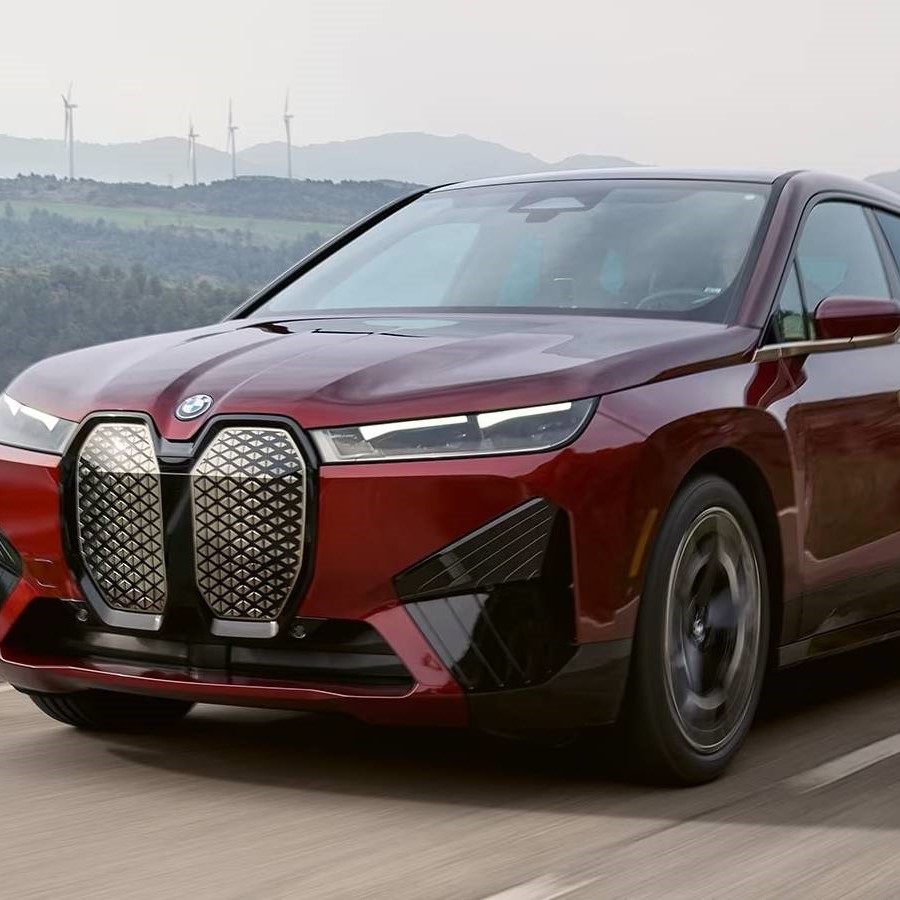
BMW’s iX blends athleticism with tech-forward luxury. Its minimalist cabin uses sustainable materials. Acceleration feels sharp yet controlled. Excellent sound insulation creates a library-like environment.
Each brand appeals to different tastes. Some prioritize innovation, others emphasize comfort or value. Test-driving multiple models helps identify the best fit.
Charging Infrastructure and Real-World Range for Electric Luxury SUV Cars
Planning Journeys with Confidence and Convenience
Range anxiety used to be a major concern. However, modern electric SUV luxury models now offer between 250 and 400 miles per charge. This makes long-distance travel feasible. Most come with built-in trip planners that map charging stops automatically.
Public charging networks continue to grow. Tesla’s Supercharger network remains the largest and fastest. Other brands use partnerships with Electrify America, Ionity, or ChargePoint. Many luxury models support 200+ kW DC fast charging. This adds up to 200 miles in under 20 minutes.
Home charging provides daily convenience. Level 2 wall connectors install in garages or driveways. A full overnight charge restores 30–50 miles per hour. Smart scheduling lets you charge during off-peak electricity rates.
Some vehicles pre-condition the battery while plugged in. This optimizes temperature for faster charging in cold weather. It also warms the cabin before departure. Comfort begins before you even start driving.
Battery warranties typically cover eight years or 100,000 miles. Most retain over 90% capacity after five years. Thermal management systems prevent overheating and degradation.
Trip planning tools sync with navigation. They reroute if a charger is occupied or offline. Alerts notify drivers of upcoming stops.
With proper planning, electric SUV luxury owners rarely face delays. Charging fits naturally into routines. Coffee breaks, meals, or rest stops align perfectly with top-up sessions.
 How Electric Luxury SUV Vehicles Support Sustainable Living
Eco-Friendly Materials, Energy Efficiency, and Lower Emissions
Sustainability goes beyond zero tailpipe emissions. Leading electric SUV luxury brands use recycled and renewable materials inside the cabin. Carpets made from ocean plastic appear in several models. Recycled aluminum reduces manufacturing footprint.
Leather alternatives include synthetic upholstery made from bio-based sources. Some brands use Dinamica, a microfiber derived from PET bottles. These materials feel soft and resist wear. They also reduce reliance on animal products.
Manufacturing plants increasingly run on renewable energy. Solar panels and wind turbines power assembly lines. Water recycling systems minimize waste. These efforts extend environmental responsibility beyond the vehicle itself.
Energy efficiency ratings remain high across the board. Aerodynamic designs reduce drag. Low rolling resistance tires improve range. Regenerative braking captures lost energy. Every system works toward maximum output per kilowatt-hour.
Even tire choices reflect eco-awareness. Some models use low-resistance tires designed specifically for EVs. They produce less friction and last longer. This reduces replacement frequency and resource use.
Owners contribute to cleaner cities by eliminating exhaust fumes. Schools, hospitals, and residential zones benefit from quieter, pollution-free transportation.
By choosing an electric SUV luxury model, buyers support broader environmental goals. They enjoy premium experiences while reducing planetary impact.
 Frequently Asked Questions
Are electric SUV luxury cars expensive to maintain?
No, they cost less over time. Fewer moving parts mean fewer repairs. Brake wear is reduced due to regenerative braking. Software updates happen remotely.
How long do batteries last?
Most last 10–15 years under normal use. Warranties cover 8 years or 100,000 miles. Capacity typically stays above 90% after five years.
Can I tow with an electric SUV luxury vehicle?
Yes, many support towing. The Tesla Model X handles up to 5,000 lbs. The Rivian R1S exceeds 7,000 lbs. Always check manufacturer guidelines.
Do they perform well in winter?
Yes, though range decreases slightly in cold weather. Preconditioning while plugged in helps. Heated seats and steering wheels reduce cabin heating needs.
Is home charging difficult to set up?
Not at all. Level 2 chargers install easily in homes. Electricians handle permits and wiring. Incentives may cover part of the cost.
Are there enough public chargers?
The network is expanding quickly. Major highways and urban centers have reliable coverage. Apps show real-time availability and pricing.
 Final Thoughts
The electric SUV luxury category continues to grow stronger every year. These vehicles offer unmatched combinations of power, comfort, and environmental responsibility. From cutting-edge tech to sumptuous interiors, they meet the highest expectations. Whether you value speed, silence, or sustainability, there’s a model that fits your lifestyle.
In conclusion, selecting an electric SUV luxury car means embracing the future without sacrificing present-day pleasures. Charging infrastructure expands daily. Innovations in battery life and autonomous driving emerge regularly. And as more people recognize the benefits, demand will only rise. Ultimately, the electric SUV luxury experience isn’t just about getting from point A to B—it’s about enjoying the journey in complete confidence and style.