The mazda pickup truck holds a special place in automotive history. Though no longer in production, it remains admired by drivers and collectors alike. Its compact size and reliability made it a favorite.
First, the mazda pickup truck was known for its efficiency. It delivered strong fuel economy without sacrificing performance. Many owners praised its ability to handle daily tasks.
Second, it offered surprising durability. Built with simple mechanics, it required less maintenance. Repairs were easier and more affordable than modern trucks.
 A Trusted Workhorse in the 1980s and 1990s
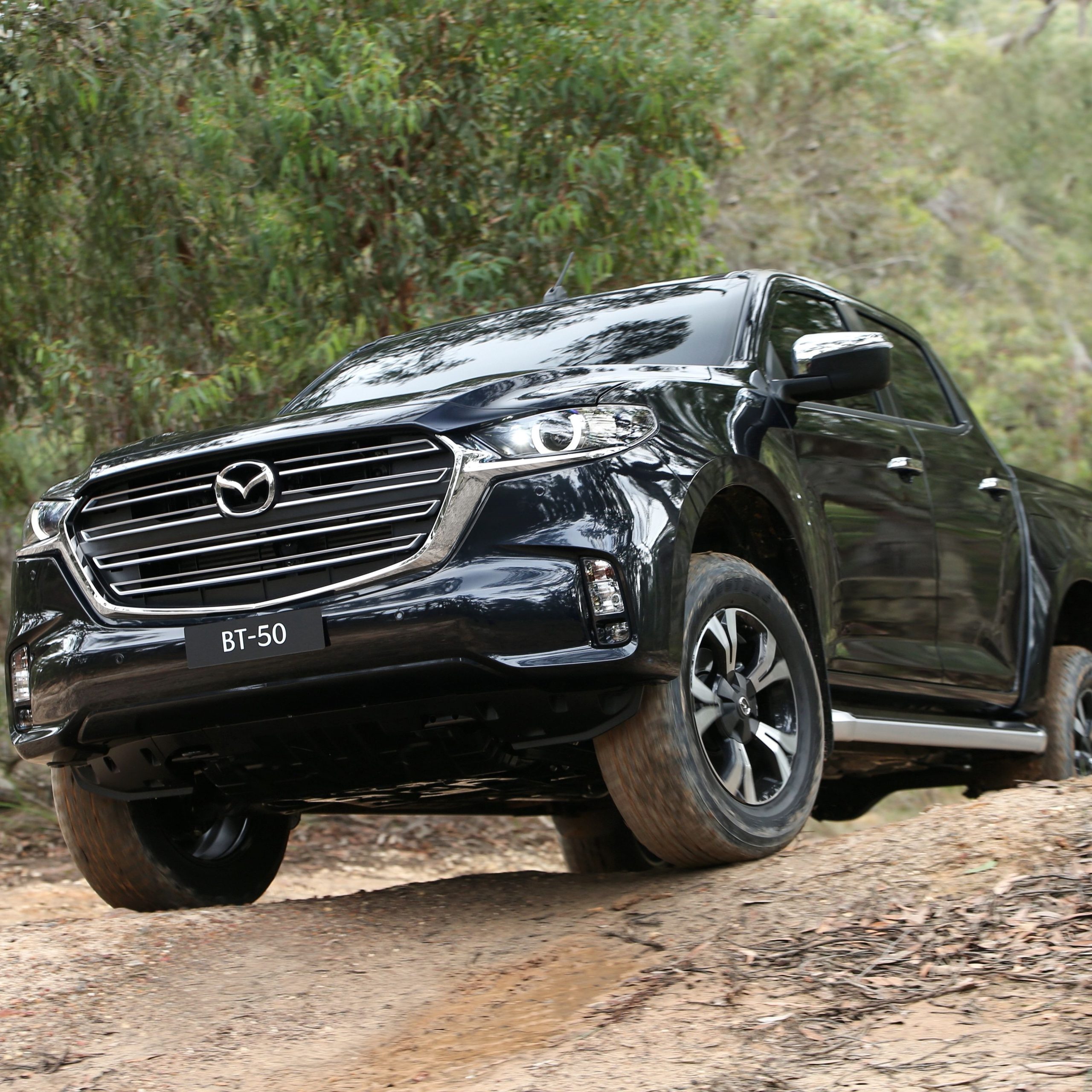
During its peak years, the mazda pickup truck, also known as the B-Series, served countless small businesses. Contractors, landscapers, and delivery drivers relied on it.
It could carry moderate loads. The bed held tools, lumber, or equipment. Its light weight helped with city driving and parking.
Many fleet managers chose it for urban use. Narrow streets were no problem. Maneuverability stood out in tight spaces.
Its inline-four and V6 engine options provided reliable power. Acceleration was modest but steady. Highway merging felt safe and predictable.
Owners appreciated the smooth ride. Suspension absorbed bumps well. Long drives didn’t cause fatigue.
Even in harsh weather, the mazda pickup truck performed. Four-wheel-drive versions handled snow and mud with ease.
This practicality built a loyal following. People trusted it for real-world work.
Influence Through Ford Partnership
One key reason for the mazda pickup truck’s success was its collaboration with Ford. From the late 1990s onward, the Mazda B-Series was nearly identical to the Ford Ranger.
Same platform. Same frame. Similar engines. But styling and branding stayed unique.
This partnership saved development costs. Mazda focused on design and tuning. Ford managed heavy engineering.
As a result, the mazda pickup truck inherited proven technology. It benefited from extensive testing. Reliability improved across both models.
Buyers who wanted something different chose Mazda. Grilles, headlights, and badging gave it character. It looked sportier than the Ranger.
Despite sharing DNA, the Mazda version often felt slightly more refined. Steering response and cabin quietness were minor upgrades.
Even after production ended, this connection added value. Parts remain widely available.
Thus, the Ford link extended the life of the mazda pickup truck in service and repair.
Why the Mazda Truck Was Popular Among Buyers
Several factors contributed to its lasting appeal. Practicality, cost, and ease of ownership all played roles.
First, affordability made it accessible. New buyers found good deals. Used models remained budget-friendly over time.
Insurance rates were lower than full-size trucks. Young workers and first-time owners could justify the purchase.
Second, parts were easy to find. Mechanics recognized the platform. Repairs didn’t require specialized tools.
Fuel Efficiency and Daily Usability
Gas prices rose during the 2000s. Drivers sought vehicles that saved money at the pump. The mazda pickup truck fit perfectly.
It averaged between 20 and 25 miles per gallon. This was impressive for a truck at the time.
City drivers loved its size. Parallel parking became simple. Garage fits were never an issue.
Compared to large pickups, the mazda pickup truck caused less wear on roads. Tires lasted longer. Brakes stayed cooler.
These small advantages added up. Over years, savings were significant.
Drivers used it not just for work but for personal errands. Groceries, camping gear, or furniture moved with ease.
Its versatility increased daily usefulness. Few vehicles balanced so many needs.
Resale Value and Collector Interest
Even after Mazda stopped making the pickup, demand stayed steady. Well-kept models sold quickly.
Classic car lovers began noticing them. Their clean lines and mechanical simplicity attracted attention.
Restoration projects grew popular. Online forums shared tips. Communities formed around the mazda pickup truck.
Some modified them for off-road use. Lift kits, larger tires, and roll bars enhanced capability.
Others preserved original condition. Low-mileage examples became collector items.
Value has slowly risen. Clean, rust-free trucks now fetch higher prices.
This growing interest shows how respected the model remains.
 Features That Set the Mazda Truck Apart
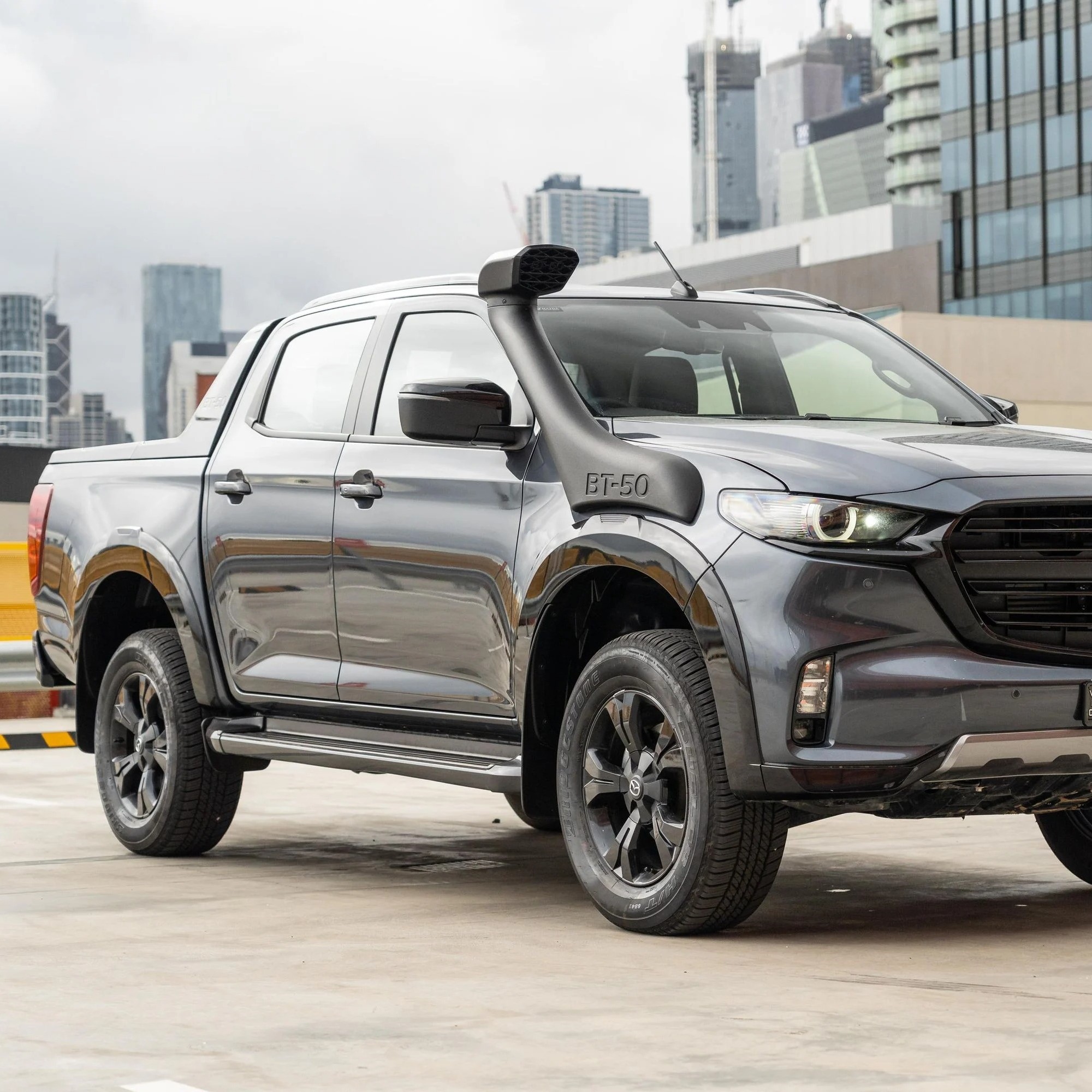
While similar to the Ford Ranger, the mazda pickup truck had unique traits. These details mattered to drivers.
First, interior design leaned toward comfort. Cloth seats were durable. Door panels included convenient pockets.
Gauges were clear and easy to read. No digital clutter distracted the driver. Simplicity ruled.
Air conditioning worked well. Heating systems warmed the cabin fast. Climate control was effective.
Handling and Driving Dynamics
Mazda always emphasized driving feel. The pickup was no exception. Steering offered better feedback than rivals.
Turn-in response felt sharp. Corners could be taken with confidence. It didn’t drive like a typical truck.
The suspension tuned for balance. Not too stiff. Not too soft. Ride quality pleased most users.
Manual transmissions shifted smoothly. Five-speeds gave control. Enthusiasts preferred them over automatics.
Even with a load, the mazda pickup truck stayed stable. Weight distribution helped handling.
Four-wheel-drive versions added traction. Off-pavement trails were manageable. Mud and gravel posed little threat.
Brakes were adequate. Stopping power matched expectations. Regular maintenance kept them responsive.
These features made it fun to drive. It wasn’t just a tool—it was enjoyable.
Safety and Build Quality
Safety standards evolved during its run. Later models included dual airbags and ABS brakes.
Frame construction was solid. Crumple zones protected occupants. Crash test ratings improved over time.
Rust protection varied by region. Southern states saw longer body life. Northern climates with road salt showed more corrosion.
Owners who garaged their trucks reported fewer issues. Waxing and undercoating helped preserve metal.
Electrical systems stayed reliable. Wiring looms were well shielded. Lights and gauges rarely failed.
Windshields and glass were easy to replace. Aftermarket support remained strong.
Build quality earned trust. Owners knew what to expect. Predictability reduced stress.
For a compact truck, it offered peace of mind.
 Where to Find a Mazda Pickup Truck Today
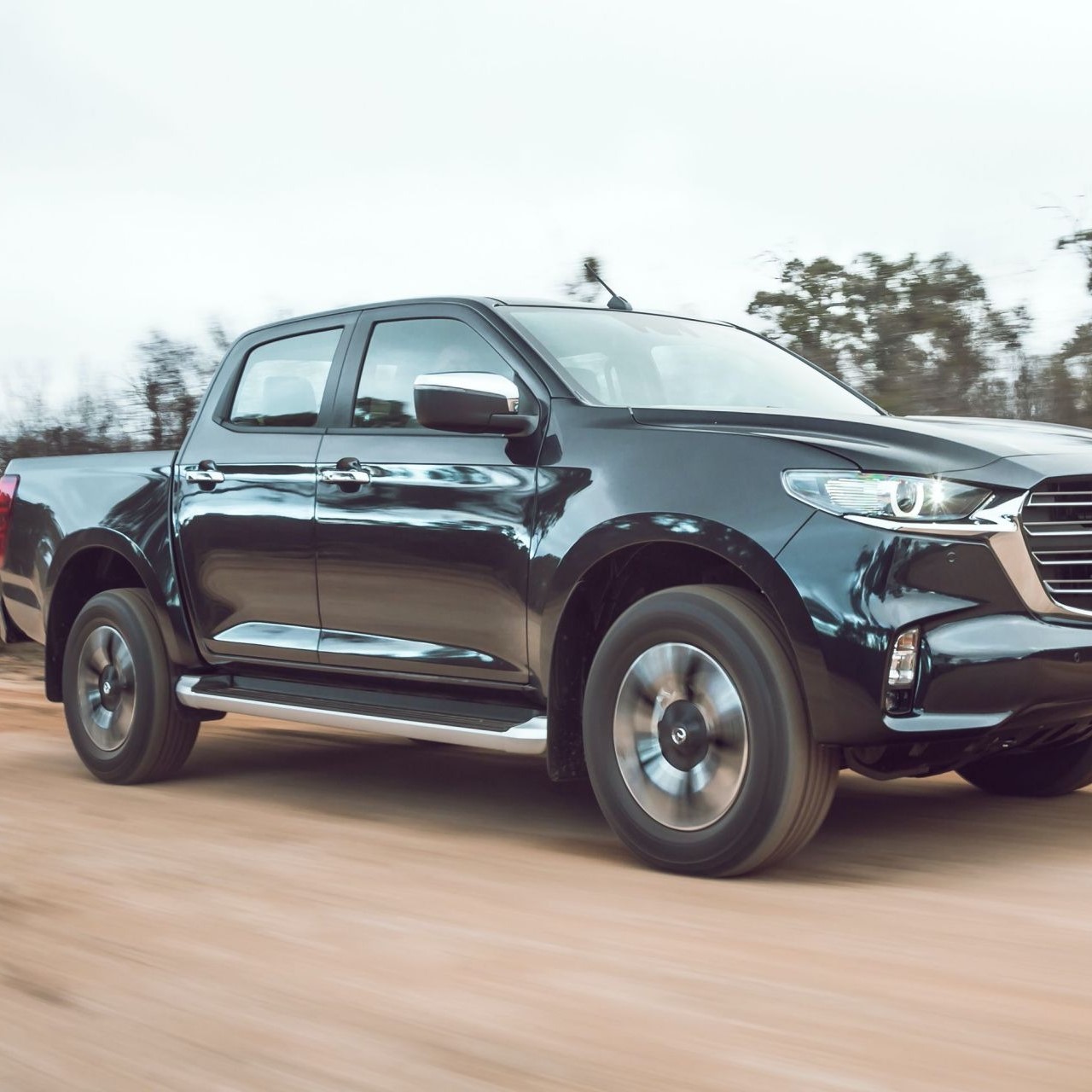
Though Mazda no longer builds pickups, many still run today. Finding one requires patience and research.
Online marketplaces are the best starting point. Platforms like Autotrader, Craigslist, and Facebook Marketplace list used models.
Search filters help narrow results. Sort by price, mileage, and location. Photos reveal condition.
Checking Condition Before Purchase
Inspect the vehicle in person. Look for signs of rust. Check wheel wells, frame rails, and undercarriage.
Start the engine. Listen for knocking or smoke. Smooth idle indicates care.
Test drive is essential. Pay attention to noises, vibrations, and shifting. Test brakes and steering.
Examine the interior. Seats should be intact. Dashboard free of cracks. Gauges must work.
Ask for service records. Proof of oil changes and repairs increases value.
Check VIN history reports. Avoid flood or accident-damaged trucks.
A pre-purchase inspection by a mechanic is wise. Small problems can hide big costs.
Restoration and Classic Communities
Car shows sometimes feature restored mazda pickup trucks. Meet owners. Learn about parts sources.
Clubs and online groups exist. Forums like Reddit and enthusiast websites share knowledge.
Members sell rare trim pieces. They offer advice on upgrades. Community support adds value.
Projects take time. But finishing brings pride. A rebuilt mazda pickup truck stands out.
Some convert them into custom street rods. Others keep them stock. Either way, passion drives progress.
With care, these trucks can last decades. Their simplicity supports long-term ownership.
 Frequently Asked Questions
Is the mazda pickup truck still being made?
No. Production ended in 2011. The final model was the B-Series, based on the Ford Ranger.
Are replacement parts hard to find?
No. Since it shares parts with the Ford Ranger, supplies are plentiful. Aftermarket support is strong.
What years did Mazda make pickup trucks?
From the 1970s through 2011. The B-Series name spanned several generations.
Can I use a mazda pickup truck for towing?
Yes. Most models tow up to 3,500 pounds. Use proper hitch setup and check manual limits.
Was four-wheel drive available?
Yes. Both two-wheel and four-wheel drive versions were offered. 4×4 models handled rough terrain well.
How much does a used mazda pickup truck cost?
Typically 2,000 8,000. Depends on year, condition, and location. Restored ones may cost more.
Does it have good gas mileage?
Yes. Around 20–25 MPG highway. One of the most fuel-efficient trucks ever made.
Is it safe to drive today?
Yes, if maintained. Older safety features exist. Seatbelts and airbags were standard in later models.
Can I modify the mazda pickup truck?
Absolutely. Popular mods include lift kits, wheels, audio systems, and paint jobs. The chassis supports upgrades.
Where was the mazda pickup truck built?
Most were assembled in the USA. AutoAlliance International Plant in Michigan produced the Ranger and B-Series.
 Final Thoughts
The mazda pickup truck remains a respected vehicle among fans of compact trucks. It combined utility, efficiency, and smart design.
Though no longer in showrooms, its legacy lives on. Thousands still travel roads every day.
It proved that small trucks could do big jobs. Hard work didn’t require huge engines.
At a time when pickups grow larger and heavier, the mazda pickup truck reminds us of balance. Practicality matters.
Its influence continues through owners who restore, modify, and cherish them.
So whether you’re searching for a work truck, restoration project, or classic ride, consider the mazda pickup truck. It’s a smart choice with heart.