Introduction
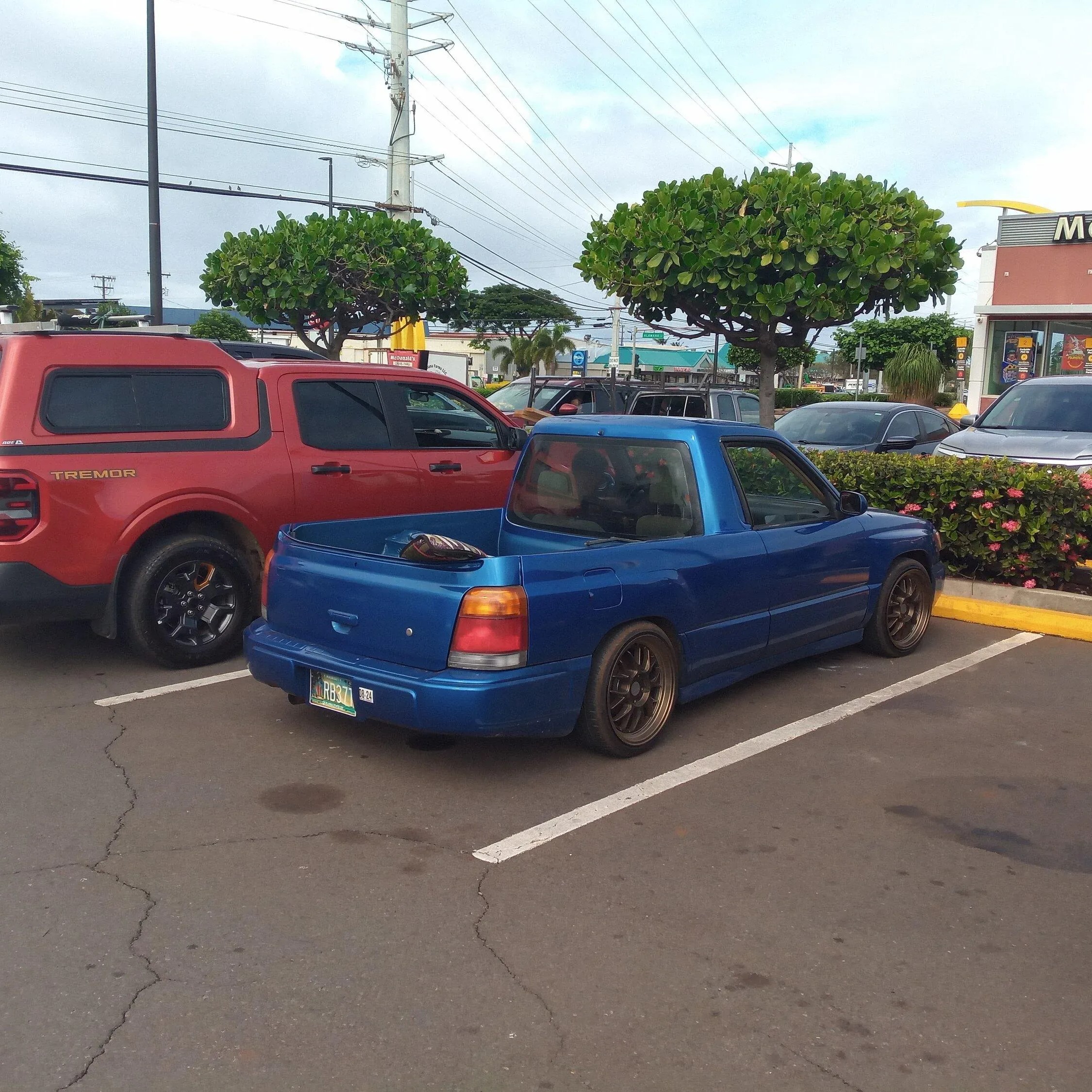
The idea of a Subaru pickup truck sparks strong interest. Many fans have wanted this for years. Subaru builds tough, reliable vehicles. Models like the Outback and Forester handle rough roads well. A subaru pickup truck would fit perfectly into that lineup.
People trust Subaru for safety and all-weather performance. Their symmetrical all-wheel drive system works in snow, mud, and rain. This feature sets them apart from many brands. Adding it to a pickup would create a unique vehicle. It could outperform rivals in tough conditions.
Moreover, Subaru owners value practicality. They carry gear for hiking, camping, and skiing. A pickup bed would make hauling easier. Bikes, coolers, and tools could go in the back. No need for roof racks or trailers. A subaru pickup truck would combine adventure and utility.
Fuel efficiency is another reason people want it. Subaru engines are smaller but efficient. A turbocharged boxer engine could power a midsize truck. It would use less gas than V8 competitors. Eco-conscious buyers would welcome this choice.
Even though no official model exists yet, demand remains high. Online forums buzz with concept designs. Fans imagine what a subaru pickup truck could be. The wait continues, but hope stays alive.
 What Features Would Define a Subaru Pickup Truck?
Off-Road Capability and All-Terrain Performance
If Subaru built a pickup, off-road strength would be essential. It must match the brand’s reputation. X-Mode would likely come standard. This system manages traction on slippery surfaces. It helps climb hills and cross streams safely.
Ground clearance would be high. At least eight inches would allow trail access. Skid plates would protect the undercarriage. Approach and departure angles would stay sharp. These traits help avoid getting stuck.
All-terrain tires would be a smart option. They grip dirt, gravel, and wet pavement. Wheel design would allow mud to clear quickly. Rust-resistant materials would guard against corrosion.
Symmetrical all-wheel drive would power all wheels at once. Torque splits evenly front and rear. This balance improves control on loose ground. Electronic differentials would stop wheel spin fast.
Hill descent control would help on steep slopes. The truck would brake automatically. Drivers could focus on steering. Stability systems would adjust in real time. A subaru pickup truck would feel confident anywhere.
Cargo and Towing Capacity Needs
A true pickup needs usable space. The bed should hold at least four feet of cargo. Lockable storage bins would keep tools secure. LED lighting would help at night. A sliding rear window might connect cab and bed.
Payload capacity should exceed 1,000 pounds. That supports heavy gear and supplies. Composite bed material would resist dents and rust. Tie-down points would anchor loads firmly.
Towing ability matters too. At least 3,500 pounds would suit most users. Campers, small trailers, and boats could attach easily. Trailer sway control would come standard. An integrated trailer brake controller would help.
An available tow package would boost limits. Upgraded cooling and suspension would support heavier loads. Hitch receivers would fit common sizes. Wiring harnesses would power trailer lights.
Fold-flat rear seats would expand interior space. Long items could stretch into the cabin. WeatherTech floor liners would protect against dirt. A 120-volt outlet might power small devices. Every detail would serve real-world needs.
 How a Subaru Truck Compares to Rivals
Midsize Trucks Already on the Market
Several midsize trucks already exist. The Toyota Tacoma is popular. It offers reliability and resale value. However, its fuel economy lags behind. Base models lack advanced tech.
The Ford Ranger brings power and towing. Its turbo engine delivers strong acceleration. But ride comfort suffers on rough roads. Rear seats feel cramped.
Chevrolet’s Colorado has bold styling. V6 and diesel options add muscle. Yet some trims feel overpriced. Interior plastics seem cheap for the cost.
The Nissan Frontier received updates recently. It now has better infotainment. Still, it lacks modern safety features. Fuel efficiency trails newer models.
A subaru pickup truck could beat these in key areas. Superior AWD would dominate in snow. EyeSight driver aids would enhance safety. Cabin materials would feel more premium.
It would target active lifestyles. Not construction or farming. Lightweight hauling fits outdoor lovers. Weekend warriors would find it ideal.
Unique Advantages of the Subaru Brand
Subaru stands out for safety. Their vehicles earn top crash ratings. EyeSight technology includes adaptive cruise and lane keeping. A subaru pickup truck would include these as standard.
Reliability is another strength. Subaru engines last for hundreds of thousands of miles. Regular maintenance keeps them running. Fewer repairs mean lower long-term costs.
Warranty coverage would likely be strong. Five years or 60,000 miles is common. Powertrain protection gives peace of mind. Roadside assistance would add value.
Environmental care matters too. Subaru plants aim for zero landfill waste. A pickup version might offer hybrid or electric options. Plug-in capability could attract green buyers.
Brand loyalty runs deep. Owners often buy multiple Subarus. A pickup would keep them in the family. Dealerships could service both SUVs and trucks.
Customer experience ranks high. Service centers feel welcoming. Technicians know the brand well. A subaru pickup truck would benefit from this network.
Design Expectations
Exterior Style and Functional Details
The look would follow Subaru’s rugged style. Boxier shapes improve aerodynamics. Flared fenders suggest strength. Black cladding would resist scratches.
LED headlights and fog lights would come standard. Heated mirrors would clear frost fast. Roof rails would carry extra gear. Integrated steps would help reach the bed.
Color choices would include outdoorsy tones. Slate gray, forest green, and desert beige would fit. Matte finishes might be optional. Badging would say “Subaru” and “AWD.”
The grille would stay true to current models. Hexagonal shape with chrome or black trim. Hood lines would slope gently. Functional vents might cool the brakes.
Bed design would prioritize ease of use. A tailgate that opens sideways could double as a seat. Lockable under-bed storage would hide valuables. A power-up option might appear on high trims.
Interior Comfort and Tech Integration
Inside, the cabin would feel spacious. Cloth or synthetic leather seats would resist wear. Heated front seats would help in winter. Adjustable lumbar support would reduce fatigue.
The dashboard would stay simple. Physical buttons would work in gloves. Touchscreen would respond even when wet. Wireless Apple CarPlay and Android Auto would connect phones.
Dual-zone climate control would keep everyone comfortable. USB ports would charge devices fast. A 12-volt outlet would run small appliances.
Rear seats would fold flat. This creates a workspace or nap area. Storage cubbies would hold snacks and tools. Overhead bins might store sunglasses.
Sound insulation would reduce road noise. Quiet cabins improve focus. Available Harman Kardon audio would please music lovers. Steering wheel controls would adjust volume easily.
A heads-up display could show speed and navigation. Digital gauge clusters would offer customization. Ambient lighting would set the mood at night.
 Real-World Uses
Outdoor Adventures and Recreation
A subaru pickup truck would shine during outdoor trips. Load bikes onto a hitch rack. Or place them in the bed with padding. Head to mountain trails without hassle.
Camping gear fits easily. Tents, sleeping bags, and stoves take little space. A portable shower could mount on the side. Water jugs would stay secured.
Fishing trips become simpler. Coolers full of bait and drinks go in back. Rod holders might install on the rail. Anchors and nets would stay organized.
Winter sports lovers would gain too. Ski and snowboard racks attach fast. Waxing tables could slide out. Boot warmers might plug into outlets.
Overlanding would grow in appeal. Add a rooftop tent. Carry extra fuel and water. Explore remote areas with confidence. The truck would handle unmarked roads.
Daily Driving and Urban Living
Even in cities, a subaru pickup truck would work well. Compact size helps in traffic. Easier parking than full-size trucks. Maneuvering through alleys stays smooth.
Grocery runs become efficient. Large bags go in the bed or cabin. No need to worry about leaks. Spills clean up fast on rubber floors.
Home improvement projects get easier. Haul lumber, paint, or plants. Avoid multiple trips to the store. Save time and gas.
Dog owners would love it. Let pets jump into the bed. Use a tonneau cover for shade. Install tie-downs for safety.
Commutes stay comfortable. Seats support long drives. Climate control adjusts fast. Quiet rides reduce stress.
Electric versions could charge at home. Lower fuel costs help budgets. Tax credits might apply. City driving suits short-range EVs.
 Frequently Asked Questions
Has Subaru Announced a Pickup Model?
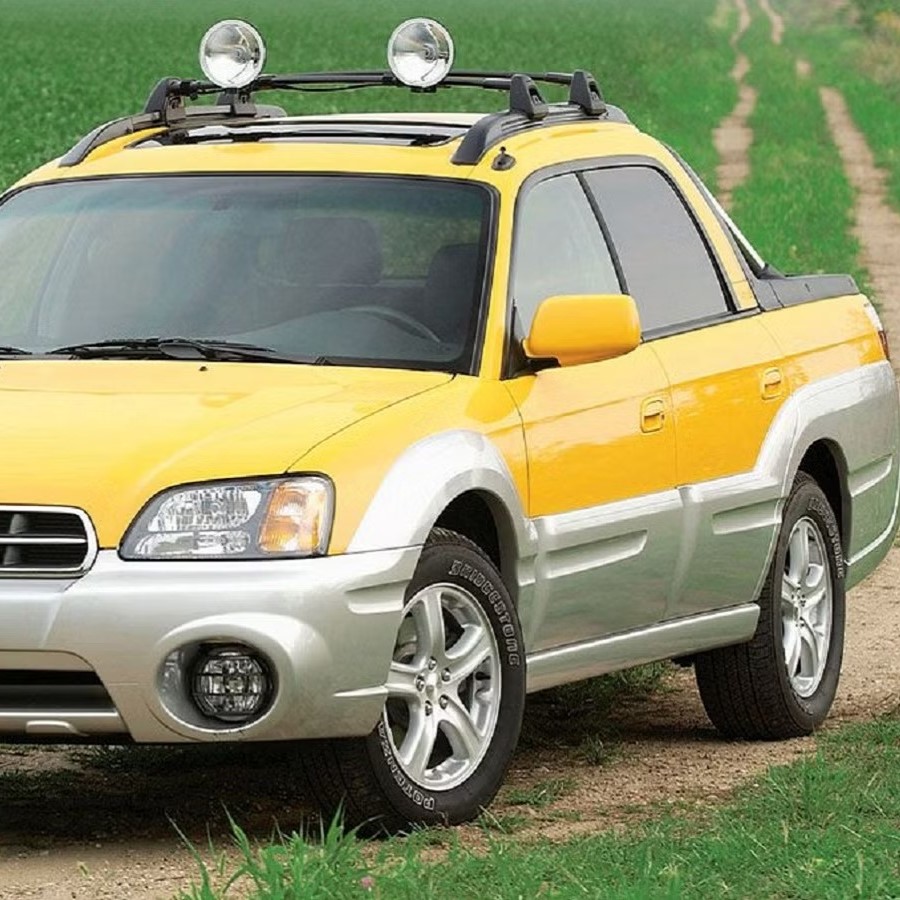
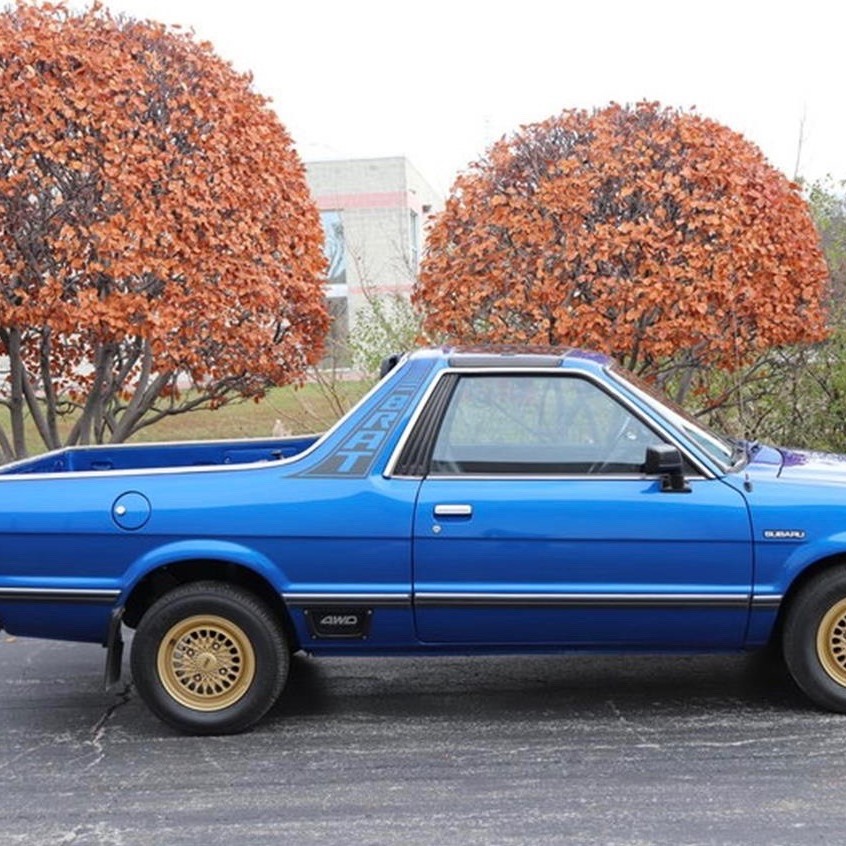
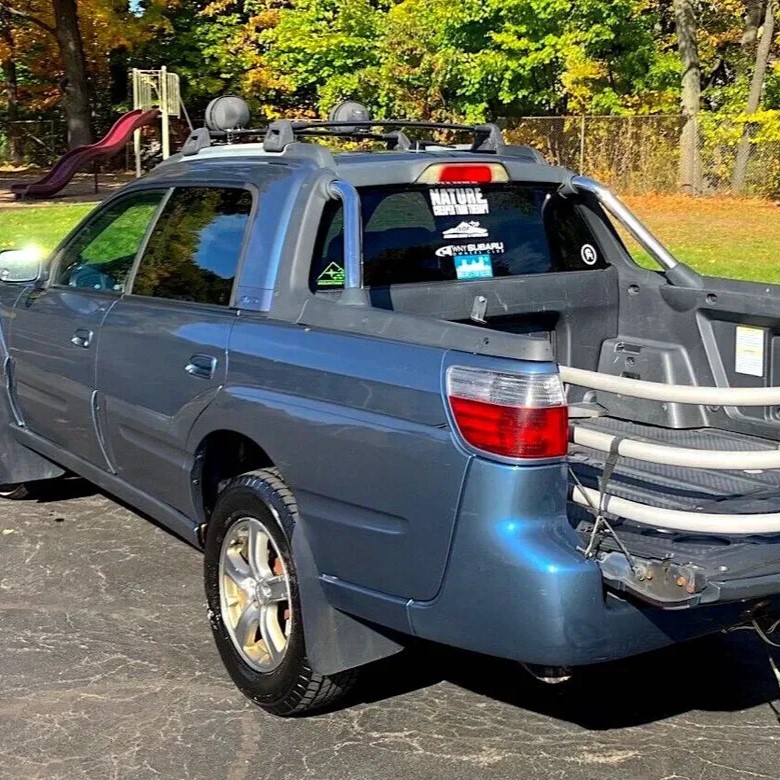
No, Subaru has not released a pickup yet. They have shown concepts in the past. The Baja was sold until 2006. It combined a wagon and truck bed.
Since then, no new model appeared. Rumors surface often. Some believe a hybrid version is in testing. However, no official launch date exists.
Subaru focuses on crossovers now. The Solterra is their first EV. Future plans may include a truck. Demand remains strong among fans.
Check the official website for updates. Press releases announce major news. Subscribe for email alerts. Stay informed about future plans.
Could a Subaru Pickup Be Electric?
Yes, an electric version is possible. The brand is moving toward EVs. The Solterra shares a platform with Toyota. A pickup could follow the same path.
Battery placement would affect design. Floor-mounted packs free up space. Center of gravity stays low. Handling improves on curves.
Range would matter most. At least 250 miles per charge would be ideal. Fast charging would refill in under an hour. Public stations would support travel.
Regenerative braking would extend range. Energy returns during coasting. Hill descent would recharge slightly. Efficiency would lead the class.
A plug-in hybrid might arrive first. Gas engine extends range. Electric motor powers daily commutes. Flexibility appeals to many buyers.
What Would It Be Called?
Names are unknown. Past models used simple labels. “Baja” honored a race event. New names might reflect nature or terrain.
Possible ideas include “Trailhawk,” “Summit,” or “Venture.” Subaru might pick something Japanese. “Yama” means mountain. “Kaze” means wind.
The name would suggest adventure. It should be easy to remember. Marketing campaigns would build excitement.
Wait for official announcements. Leaked names often mislead. Trust only confirmed sources.
Would It Have Manual Transmission?
Possibly, but unlikely. Most new cars use automatics. Subaru still offers manuals in WRX and BRZ. Enthusiasts appreciate the control.
A pickup might skip it for simplicity. Most buyers prefer CVT or auto. Towing and load handling work better with automatics.
However, a sport trim could include one. Limited editions attract collectors. Niche markets support manual options.
Demand would determine availability. Petitions and surveys influence decisions. Speak up if you want a stick shift.
 Conclusion
The dream of a subaru pickup truck lives on. It would blend utility, safety, and adventure. Built for all seasons and terrains, it would stand out. No current model fills that role.
Until Subaru announces one, fans wait. They imagine a capable, efficient, and eco-friendly truck. It would honor the brand’s roots. Adventure, reliability, and innovation would define it.
When it arrives, it will change the market. Not just another pickup. A true companion for life outdoors. For now, keep watching. The future of the subaru pickup truck may be closer than we think.