Motorcycle engine sizes play a major role in performance and rider experience. They determine speed, acceleration, and fuel efficiency. New riders often overlook this factor. Yet, it shapes how a bike handles on the road. Engines are measured in cubic centimeters (cc). This number reflects the total volume of all cylinders. Common ranges go from 50cc scooters to 2000cc touring beasts.
Understanding motorcycle engine sizes helps match bikes to skill levels. A beginner should not start on a high-displacement machine. It could be too powerful and hard to control. On the other hand, experienced riders may find small engines underwhelming. They lack the torque needed for fast highways. Therefore, picking the right size matters. It affects safety, comfort, and long-term enjoyment. Whether you want a city commuter or a cross-country cruiser, engine size is key.
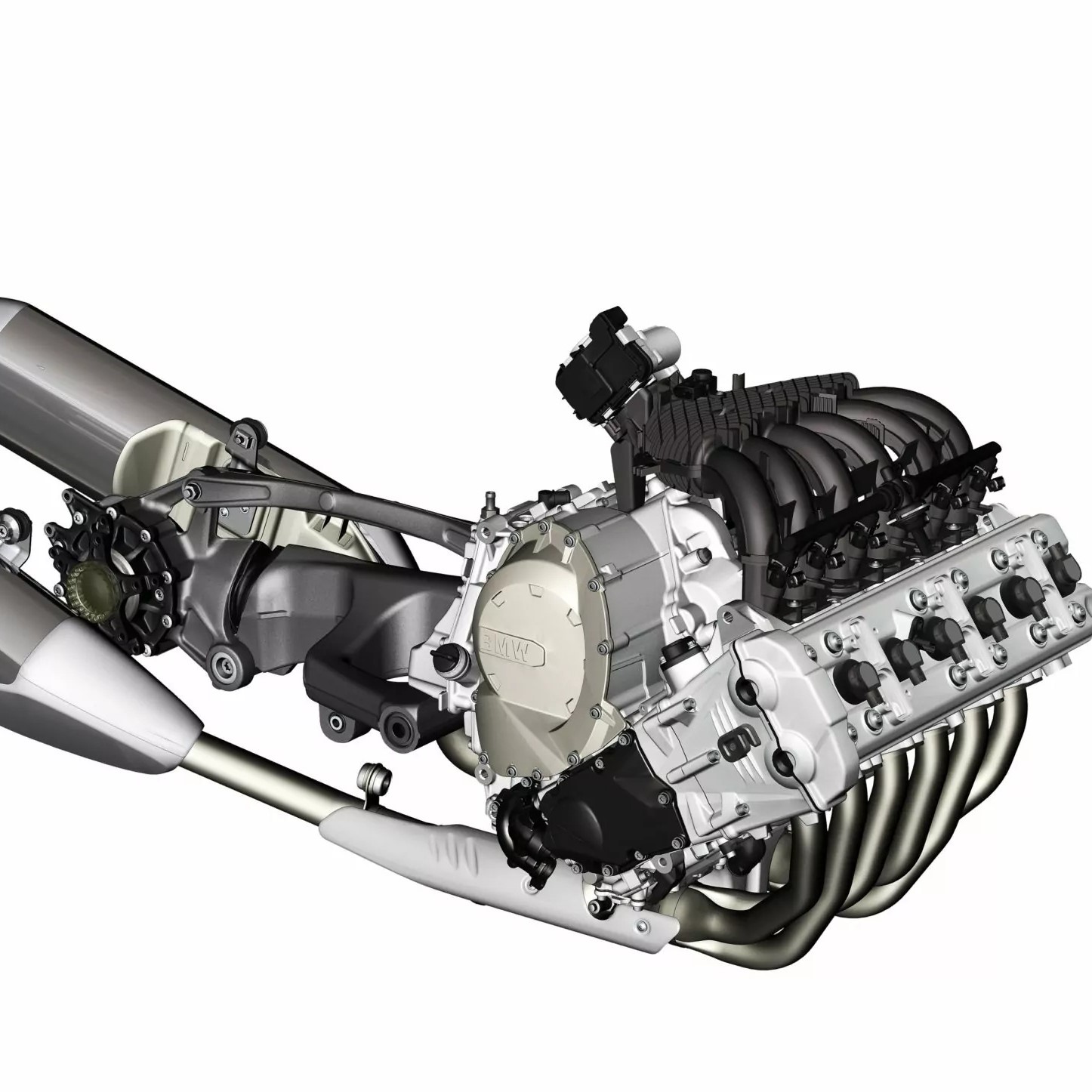 Introduction
Motorcycle engine sizes play a crucial role in a bike’s performance and suitability. The engine size affects the bike’s speed, fuel efficiency, and handling. To find the motorcycle that fits your needs, it helps to understand how engine sizes impact riding experiences.
Why Engine Size Matters
Engine size determines the bike’s power output. Smaller engines are lightweight and good for beginners. Medium engines balance power and weight, making them versatile for different uses. Large engines provide maximum power for performance-focused riders or long-distance cruising. Selecting the right engine size ensures a comfortable and safe riding experience.
Common Units for Measuring Engine Size
Motorcycle engine sizes are typically measured in cubic centimeters (cc). This unit represents the engine’s volume or displacement. The higher the cc, the more power the engine can generate. Some riders also refer to engine sizes in liters (e.g., a 1.0L engine equals 1000cc). Understanding these units helps you compare different models effectively.
Classification of Engine Sizes
Motorcycle engines come in varying sizes, each suited for different riders and purposes. Understanding these classifications helps you choose the engine that matches your needs.
Small Engine Sizes (50cc to 250cc)
Small engine sizes range from 50cc to 250cc. These bikes are lightweight and very easy to handle. They are perfect for beginners or riders looking for city commuting convenience. These engines offer decent speed but are not built for high performance. Their fuel efficiency makes them budget-friendly, especially for daily use in urban areas. Small engine motorcycles are often favored for their simplicity and low maintenance costs.
Medium Engine Sizes (300cc to 650cc)
Medium engine sizes range from 300cc to 650cc. These motorcycles strike a balance between power and ease of use. They suit riders who need versatility for city rides and highway journeys. Medium engines deliver more power than small engines but remain steady and manageable. These bikes are great for intermediate riders who crave more performance without sacrificing comfort.
Large Engine Sizes (700cc and Above)
Large engine sizes start at 700cc and go much higher. These motorcycles are built for maximum power and thrilling experiences. They excel in performance, making them perfect for long-distance touring and racing. These bikes often feature advanced technologies to support their high-performance engines. Large engines are heavier and require more skill, ideal for experienced riders. Fuel consumption and maintenance costs are higher but worth it for the raw power and durability they provide.
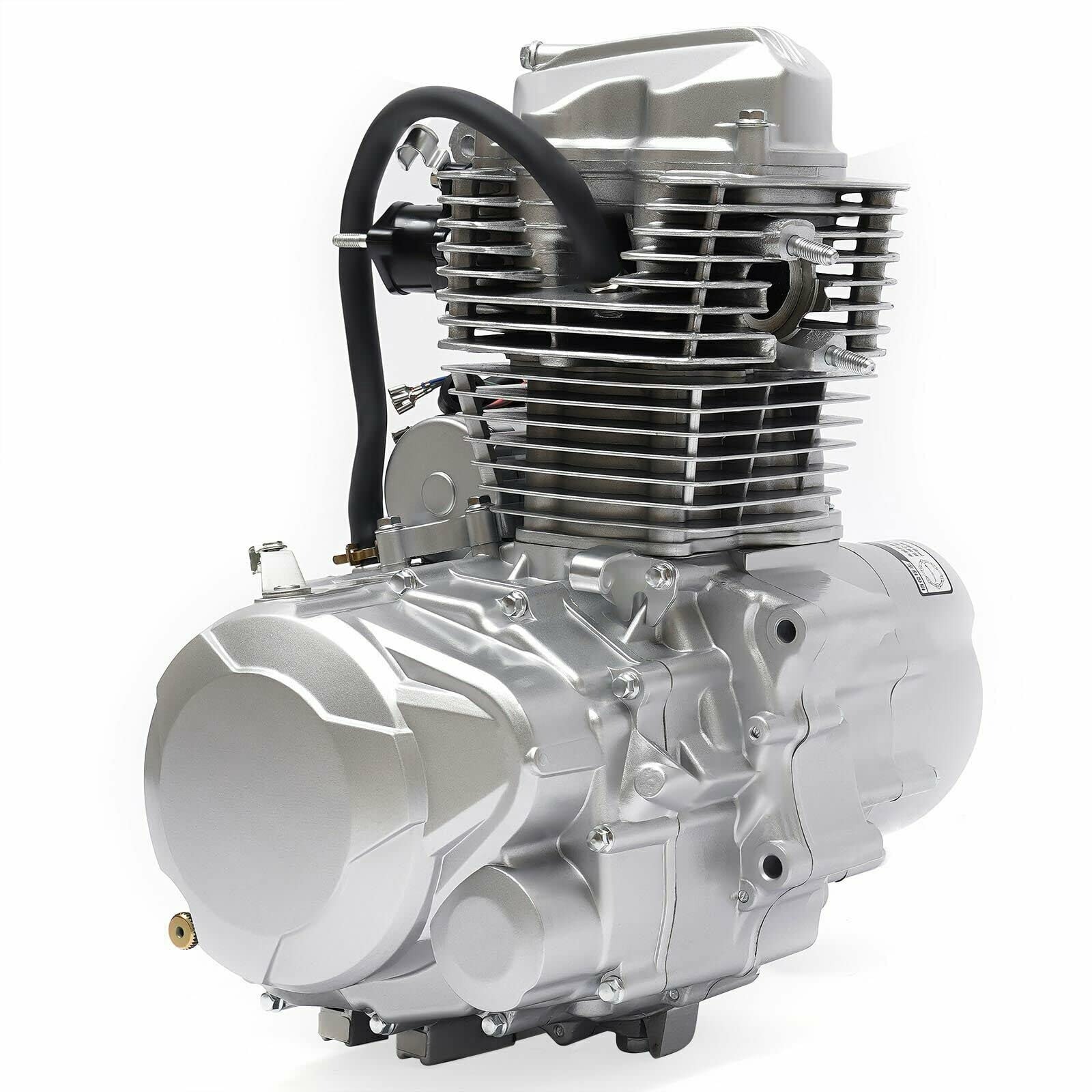 Choosing the Right Engine Size for Your Needs
Selecting the right motorcycle engine size depends on your skills and riding requirements. Different engine sizes cater to specific needs, from beginners to performance-focused riders.
Beginner-Friendly Engine Sizes
Beginner riders benefit from motorcycles with engine sizes between 50cc and 250cc. These bikes are lightweight, easy to handle, and ideal for mastering basic riding skills. Bikes in this range focus on safety and simplicity, making them less intimidating for new riders. They also provide excellent fuel efficiency and are budget-friendly due to low maintenance costs.
Touring and Cruising Engine Sizes
For long-distance journeys, motorcycles with medium to large engines are a great fit. Engines in the 300cc to 650cc range balance power and comfort, making them ideal for touring. Bikes with engines over 700cc excel in smooth cruising and handling heavier loads. These motorcycles often include advanced features for comfort and durability during extended rides.
Performance and Racing Engine Sizes
Racers and performance enthusiasts prefer motorcycles with large engine sizes of 700cc or more. These bikes deliver high speed, rapid acceleration, and unmatched power. They are designed for thrilling riding experiences, whether on tracks or open roads. However, these engines require expert handling and come with higher fuel and maintenance costs.
Impact of Engine Size on Performance and Efficiency
Motorcycle engine sizes directly influence performance and efficiency. Knowing these impacts helps you pick the right bike. Let’s explore how engine size affects speed, fuel consumption, and handling.
Speed and Acceleration
Engine size has a significant impact on speed and acceleration. Smaller engines (50cc-250cc) offer moderate speed and are suitable for city commutes. They provide enough thrust for controlled acceleration, making them beginner-friendly. Medium engines (300cc-650cc) deliver balanced performance, enabling smoother and quicker acceleration on highways. Large engines (700cc+) excel at generating maximum speed and acceleration. These engines dominate in racing and long-distance highway cruising.
Fuel Consumption and Efficiency
Fuel consumption and efficiency vary greatly with engine sizes. Small engines are highly fuel-efficient since they use less power. They are ideal for saving costs in urban settings. Medium engines balance power and efficiency, making them suitable for mixed travel scenarios. Large engines, while powerful, consume more fuel due to their high output. Riders using large engines often sacrifice fuel efficiency for performance.
Handling and Maneuverability
Handling and maneuverability decline as engine size increases. Small engines make bikes lightweight and easy to handle. This makes them perfect for navigating crowded urban streets. Medium engines offer stable handling on both city roads and highways. They provide a manageable weight balance. Large engines add significant weight, making them harder to maneuver. While they are stable for highway cruising, they require advanced skills, especially in tight spaces.
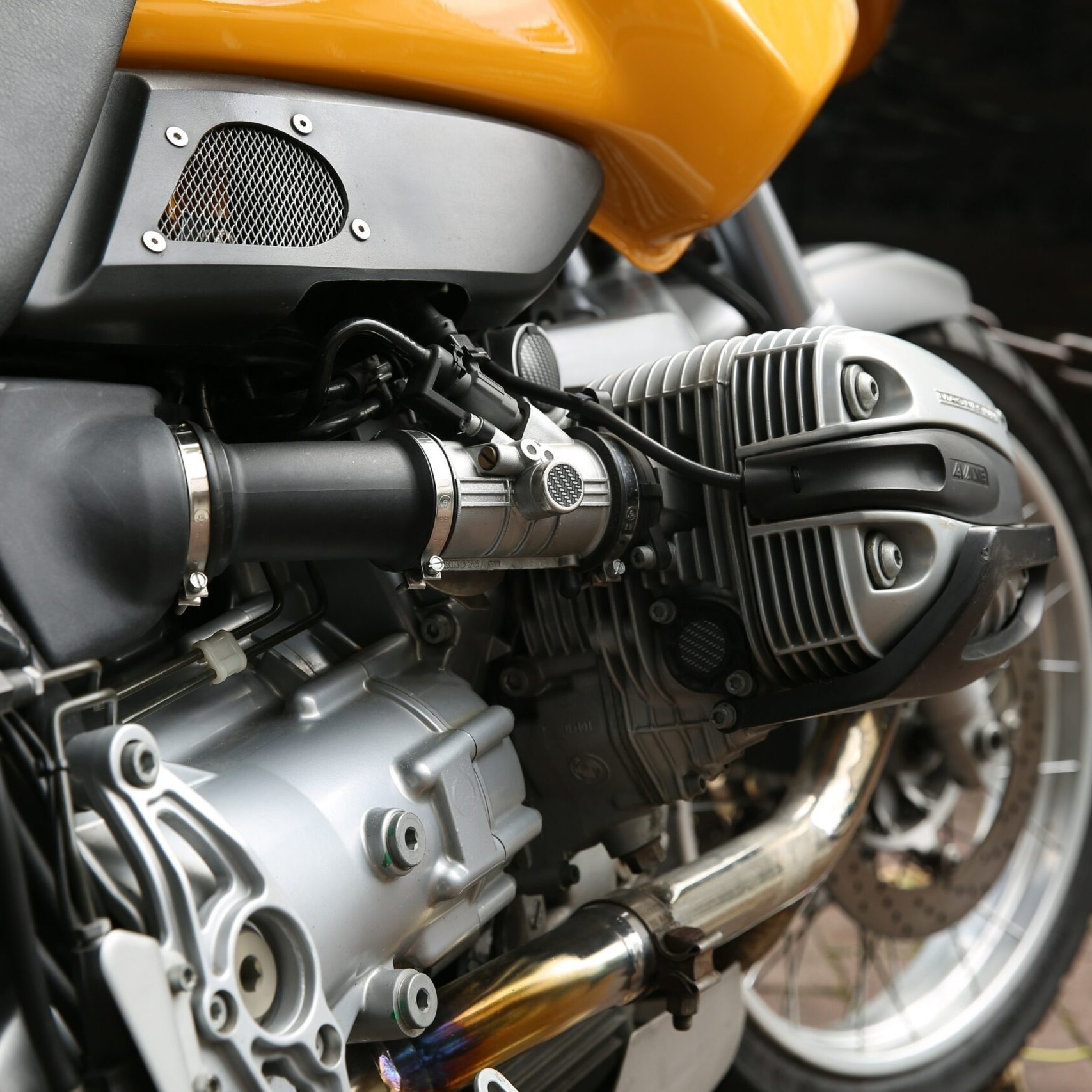 Popular Motorcycle Models by Engine Size
Understanding popular motorcycle models by engine size helps you find the right bike for your needs. Let’s explore some standout examples across different engine categories.
Small Engine Motorcycles
Small engine motorcycles typically range from 50cc to 250cc. They are ideal for beginners and urban riders. Popular models in this category include:
- Honda Grom (125cc): Compact, lightweight, and perfect for city rides.
- Kawasaki Z125 Pro (125cc): Offers low maintenance and is beginner-friendly.
- Yamaha YZF-R3 (250cc): Excellent for learners craving sporty aesthetics and dependable performance.
These motorcycles provide ease of handling, affordability, and outstanding fuel efficiency. Riders love them for their simple maintenance and reliability.
Medium Engine Motorcycles
Medium engine motorcycles range from 300cc to 650cc, striking a balance between power and control. They cater to intermediate riders seeking versatility. Notable models include:
- KTM Duke 390 (390cc): Known for its agility and vibrant performance.
- Kawasaki Ninja 650 (649cc): Perfect for highway cruising and spirited rides.
- Yamaha MT-07 (689cc): Balances manageable handling and great torque for mid-level riders.
These bikes are versatile and suitable for both daily commutes and long-distance rides. They offer a satisfying mix of speed and comfort on every journey.
Large Engine Motorcycles
Large engine motorcycles start from 700cc and higher. They are performance-driven machines designed for experienced riders. Popular models include:
- Harley-Davidson Road King (1745cc): A classic touring bike with unmatched comfort and style.
- Indian Scout (1133cc): Sleek design and a powerful engine for thrilling rides.
- BMW R1250GS (1254cc): Built for off-road adventures and long-distance touring.
These motorcycles deliver exceptional power and stability, making them ideal for racing and cruising. Advanced features enhance their performance but require higher skill levels and maintenance.
Choosing among these models depends on your riding goals, skill level, and preferences.
Insurance and Licensing Implications by Size
Insurance premiums rise with engine size. A 600cc bike costs more to insure than a 250cc. Insurers see bigger engines as higher risk. Accidents involving powerful bikes tend to be more severe. Young riders face steeper rates. Some companies impose age limits.
Licensing rules also vary by displacement. Many states restrict new riders to bikes under 500cc. Graduated licensing programs enforce this. After a probation period, larger sizes become legal. Always check local laws before buying. Motorcycle engine sizes affect legal access.
Factors to Consider When Selecting Your Motorcycle Engine Size
Choosing the right motorcycle engine size requires considering multiple factors. These factors help match the bike to your needs and skills. Let’s explore the key considerations.
Riding Experience and Skill Level
Your riding experience is critical when selecting an engine size. Beginners should opt for smaller engines, typically between 50cc and 250cc. These engines are lightweight and easy to control, making them ideal for learning. Intermediate riders may prefer medium-sized engines (300cc to 650cc). These offer more power and versatility for both city and highway riding. Advanced riders often select larger engines (700cc and above). These motorcycles require skill to handle due to their heavyweight and high performance.
Purpose of the Motorcycle
The purpose of your motorcycle also impacts your choice of engine size. For city commutes, small engines (50cc-250cc) are practical due to their fuel efficiency and maneuverability. Medium-sized engines (300cc-650cc) are suitable for mixed use, including daily riding and short trips. For long-distance touring or performance riding, engines above 700cc are ideal. They provide the power and durability needed for such adventures. Consider how you plan to use your bike before deciding on engine size.
Budget Constraints and Maintenance Costs
Budget plays a major role in engine size selection. Small engine motorcycles are generally the most affordable option. They come with lower upfront costs, insurance, and maintenance expenses. Medium-sized motorcycles balance affordability and performance. However, larger engine motorcycles are more expensive to buy and maintain. They consume more fuel and often have advanced features that increase costs. Evaluate your budget and long-term expenses before making a choice.
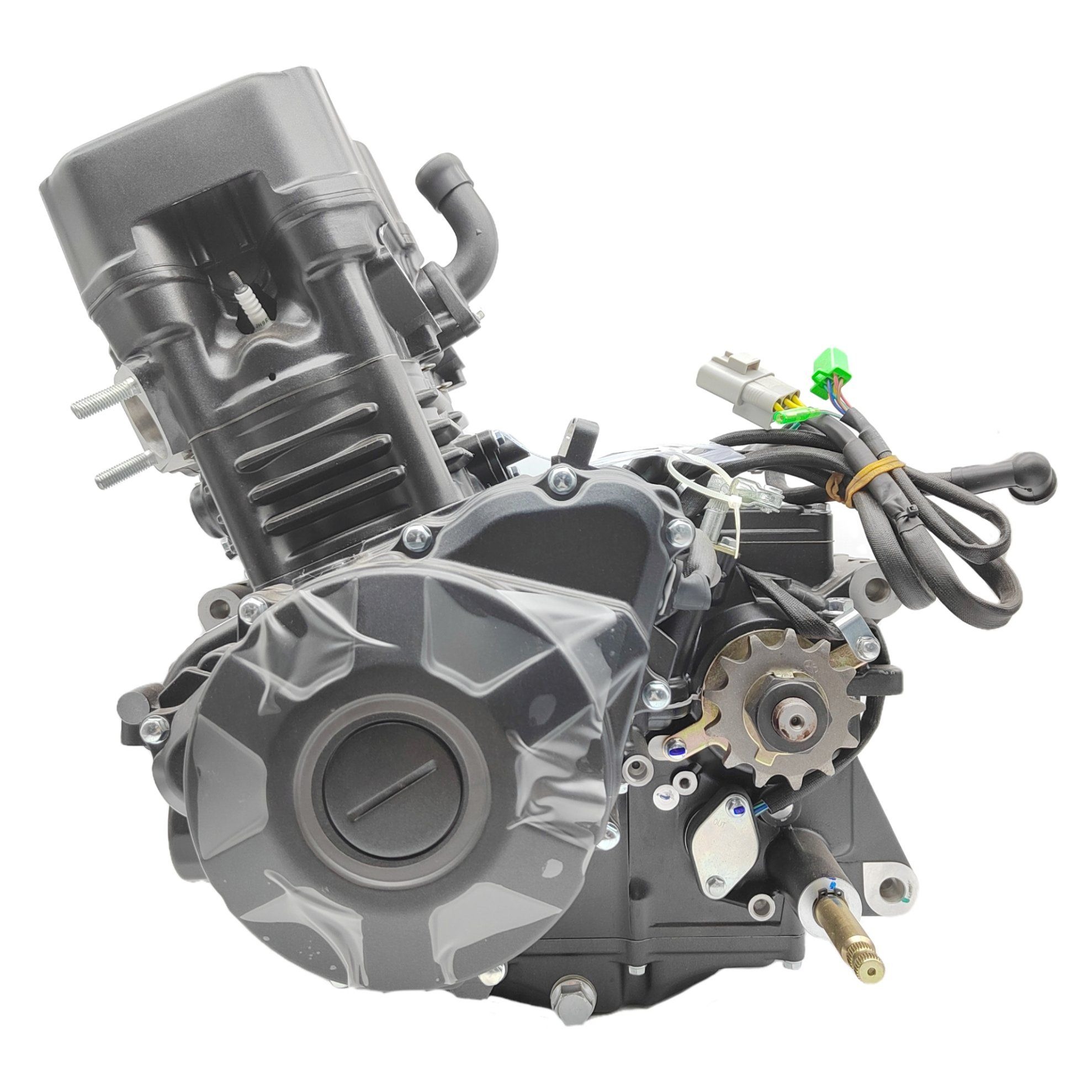 Frequently Asked Questions About Motorcycle Engine Sizes (F&Q)
What is the most common motorcycle engine size?
The 500cc to 800cc range is most popular. It balances power and control. Many entry-level and mid-tier bikes fall here. Riders enjoy versatility across conditions. It suits commuting and weekend rides.
This size also appears in training programs. Dealerships recommend it often. Insurance and maintenance stay manageable. It’s a smart starting point for many.
Is a bigger engine always better?
No, not always. Larger engines offer more power. But they can be harder to handle. In traffic, they may feel bulky. Low-speed maneuvers require strength. Braking distances increase.
Small engines are easier to manage. They are lighter and more fuel-efficient. For city use, they outperform big bikes. Choose based on need, not size alone.
Can I ride a 1000cc motorcycle as a beginner?
It’s not recommended. A 1000cc engine delivers extreme acceleration. Reaction time shrinks. Mistakes become dangerous. Most experts advise against it.
Beginners should start under 500cc. Build skills over time. Move up only after gaining experience. Safety comes first. Respect the power of large motorcycle engine sizes.
Do electric motorcycles have engine sizes?
They use kilowatts instead of cc. Horsepower equivalents help compare performance. Some e-bikes match 500cc or 700cc machines. Battery capacity replaces fuel tanks.
Engine size concepts still apply. Power delivery and range matter. Electric models follow similar categories. They are changing how we think about displacement.
How do I know what engine size I’m licensed for?
Check your state’s DMV website. Rules differ by location. Some cap new riders at 300cc or 400cc. Others base limits on power-to-weight ratios.
Training completion may lift restrictions. Time-based upgrades exist too. Always verify before purchasing. Legal compliance keeps you safe and insured.
Does engine size affect top speed only?
No, it affects multiple factors. Acceleration, torque, weight, and fuel use all change. Handling feels different at various displacements. Braking and cornering are influenced.
Engine size sets the foundation. It shapes the entire riding experience. Consider all aspects, not just speed.
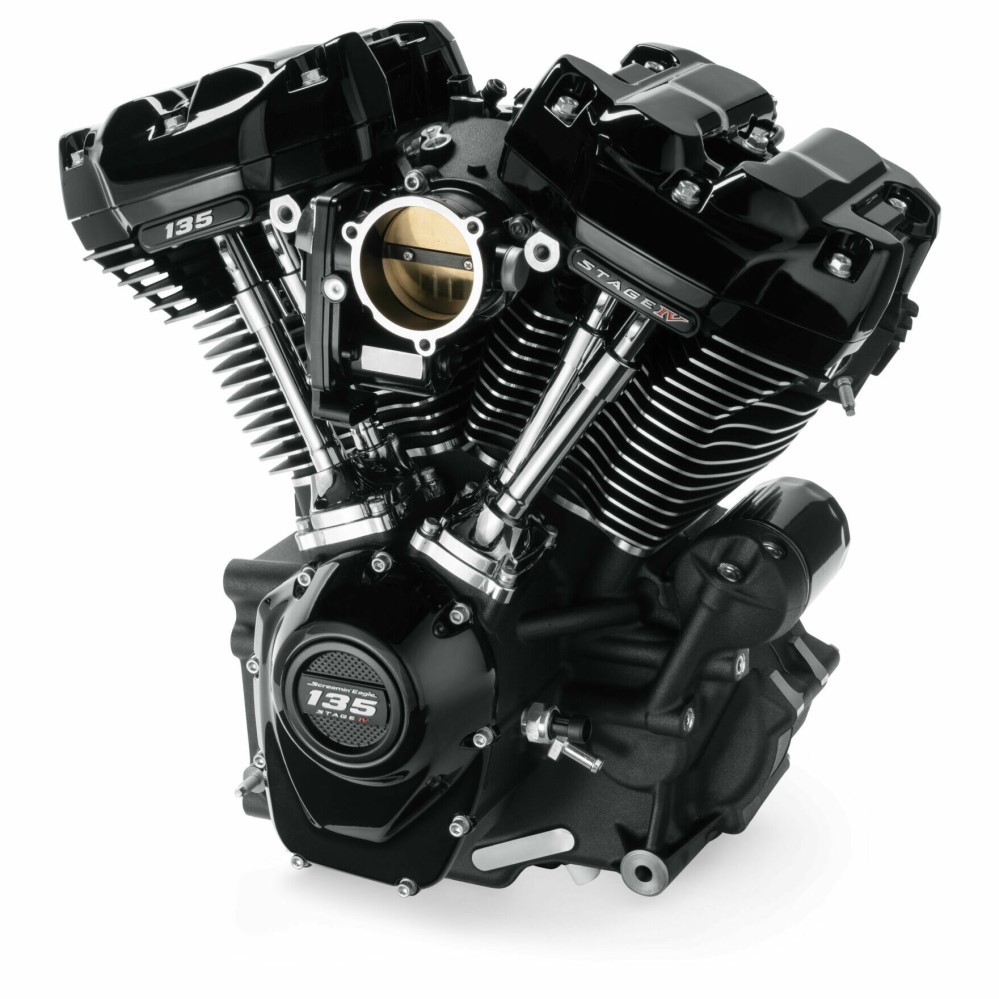 Conclusion
Final Thoughts on Engine Size Selection
Selecting the right motorcycle engine size impacts your riding experience. It determines power, handling, and maintenance needs. Smaller engines suit beginners and city riders. Medium engines offer versatility for daily rides and trips. Large engines deliver raw power for experienced riders and long-distance adventures.
When choosing an engine size, consider your riding skills, purpose, and budget. Beginners should prioritize safety and ease of use. Commuters may focus on fuel efficiency and affordability. Advanced riders often seek performance and durability despite higher costs. Balancing these factors ensures your bike meets your expectations and riding needs.
Motorcycle engine sizes shape the way you ride. Choose wisely based on your goals and preferences.