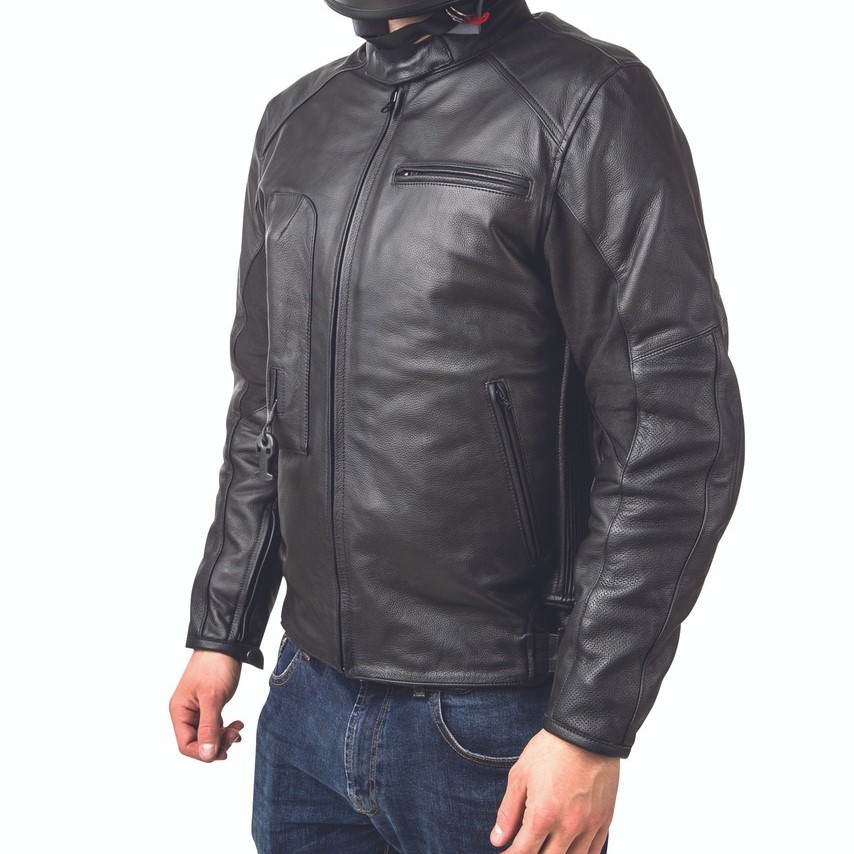
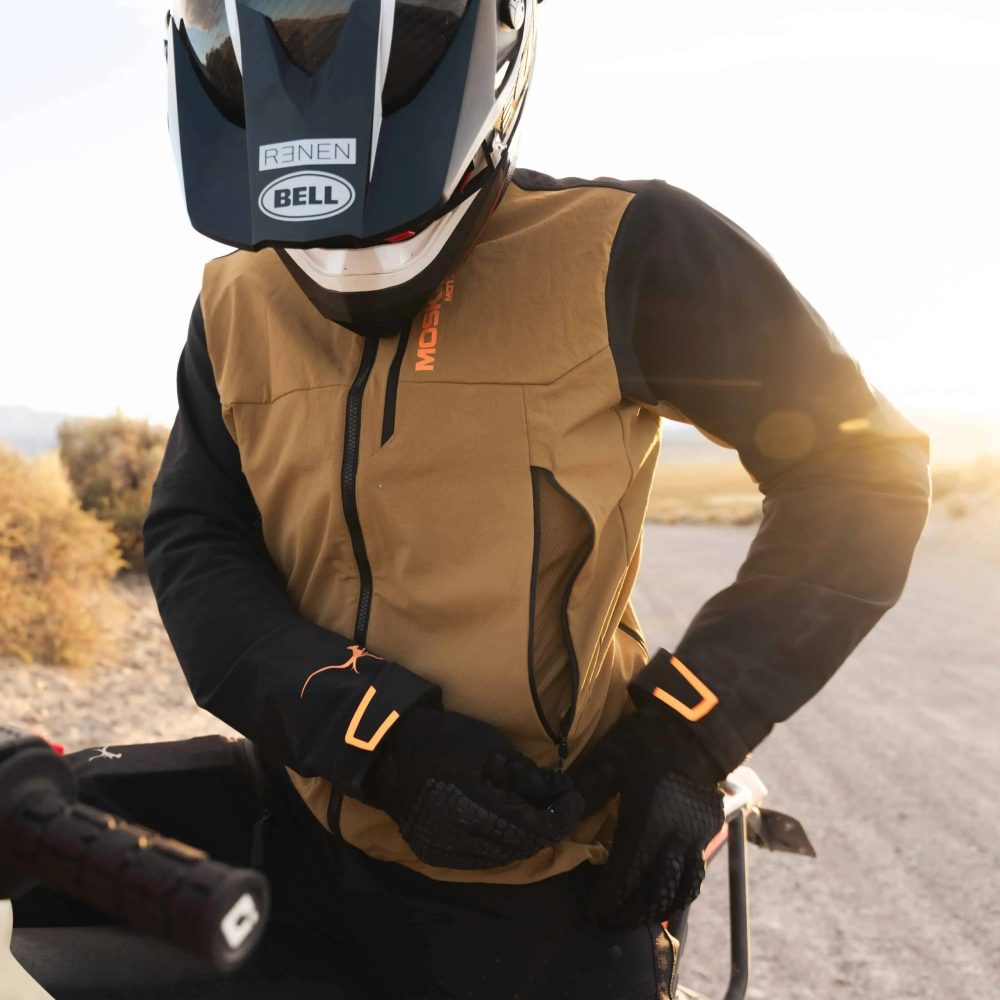
For motorcyclists, equestrians, and other high-speed athletes, safety is non-negotiable. One of the most innovative protective tools available today is the airbag vest. Designed to inflate instantly during a crash, it shields vital areas like the spine, chest, and ribs. Unlike traditional armor, which absorbs impact at a single point, an airbag vest spreads force across a larger surface. This reduces the risk of serious injury significantly. Whether you’re riding on highways, racing on tracks, or galloping through trails, this gear offers peace of mind. Modern versions are lightweight, comfortable, and easy to wear under or over clothing. They integrate seamlessly into daily routines without sacrificing mobility.
Moreover, the technology behind the airbag vest has evolved rapidly in recent years. Early models were bulky and unreliable. Today’s systems use smart sensors, GPS tracking, and tethered or electronic triggering mechanisms. These advancements make them faster and more accurate. As a result, riders at all levels now consider the airbag vest essential equipment. From weekend hobbyists to professional racers, its adoption continues to grow. With so many brands and styles available, choosing the right one depends on your activity, fit preferences, and budget. This article explores everything you need to know about this life-saving innovation.
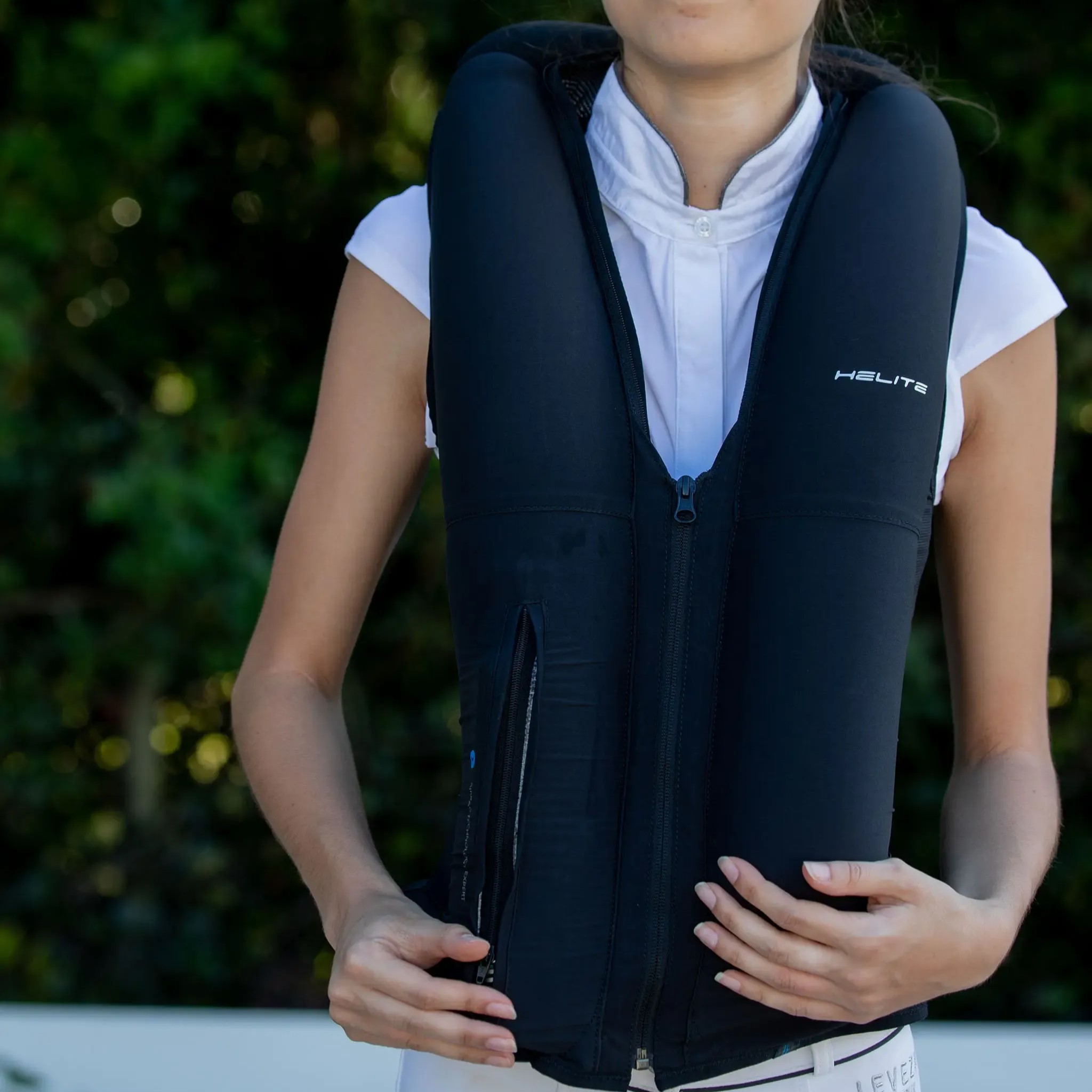 What Are Airbag Vests?
Airbag vests are innovative safety devices designed to protect motorcycle riders during accidents. They significantly reduce the risk of serious injuries by cushioning critical body areas like the chest, back, and neck. These vests deploy airbags when a crash or impact occurs, offering enhanced protection compared to traditional gear.
Definition and Functionality
An airbag vest is a wearable piece of safety equipment outfitted with an inflatable airbag system. The primary function is to detect sudden impact or abnormal motion and quickly inflate to shield the rider’s body. This inflation absorbs the force of impact, lessening injury severity. Airbag systems in these vests can activate in milliseconds, ensuring immediate protection during a fall or collision.
How They Differ from Traditional Protective Gear
Unlike traditional protective gear like jackets and pads, airbag vests offer dynamic, adaptive safety. Traditional gear relies on static padding, absorbing limited shock. Airbag vests, however, deploy airbags to cushion impact areas more effectively. Additionally, airbag vests can protect vital regions, including the neck, which other protective gear often misses. This technology advancements make airbag vests a superior option for modern rider safety.
Why Airbag Vests Are Essential for Riders
Motorcycle riding comes with inherent risks of accidents and serious injuries. Airbag vests provide unmatched safety for riders, reducing the chances of critical harm in dangerous situations. Understanding their necessity begins with knowing the risks riders face and recognizing situations where these vests prove invaluable.
Statistics on Motorcycle Accidents and Injuries
Motorcycle accidents are common and often severe. Studies show riders are 28 times more likely to die in crashes than car drivers. Head, torso, and neck injuries account for the majority of fatalities and critical injuries. Protective gear reduces risks, but it’s not enough in many cases.
Airbag vests are designed to address the limitations of traditional gear. They add an extra layer of protection, specifically for vulnerable areas. This makes them particularly effective in reducing the aftermath of high-impact collisions.
Common Scenarios Where Airbag Vests Prove Critical
Airbag vests are vital in scenarios where accident impact is sudden and forceful. For example:
- High-speed collisions: Riders face immense force during crashes at high speeds. Airbag vests cushion the impact, minimizing injuries.
- Being thrown off the bike: In accidents where riders are ejected from their motorcycle, the neck and spine face significant danger. Airbag vests protect these regions effectively.
- Urban riding and close traffic: In crowded areas, low-speed accidents can still cause harmful hits to vital areas. Airbag vests activate quickly to protect riders even in these situations.
Overall, airbag vests enhance survival rates and reduce injury severity. Their importance in rider safety cannot be overstated.
 How Airbag Vests Work
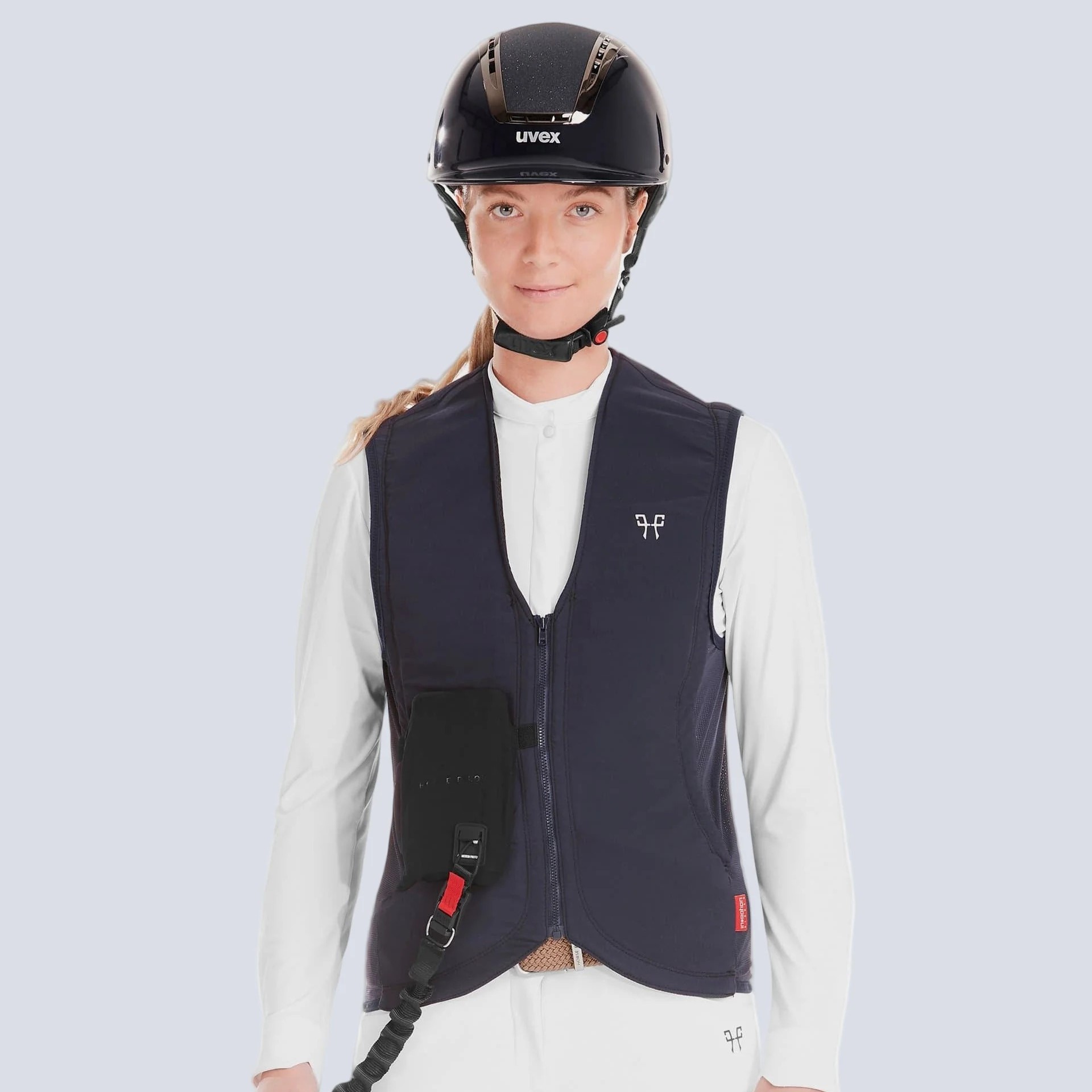
Airbag vests are advanced safety tools that protect riders during accidents. Understanding their operation involves exploring their components and activation mechanisms.
Components of an Airbag Vest
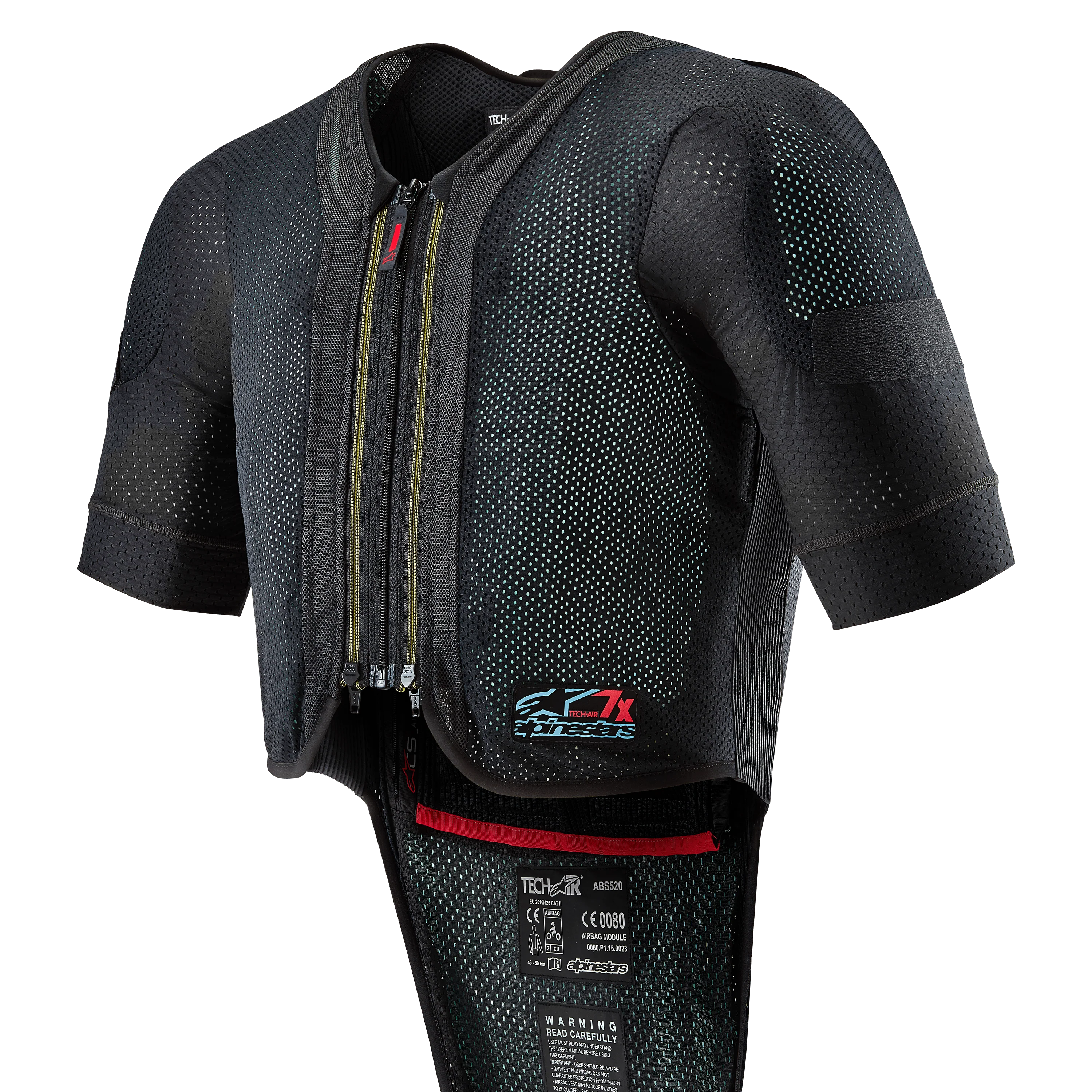
Airbag vests consist of several key parts:
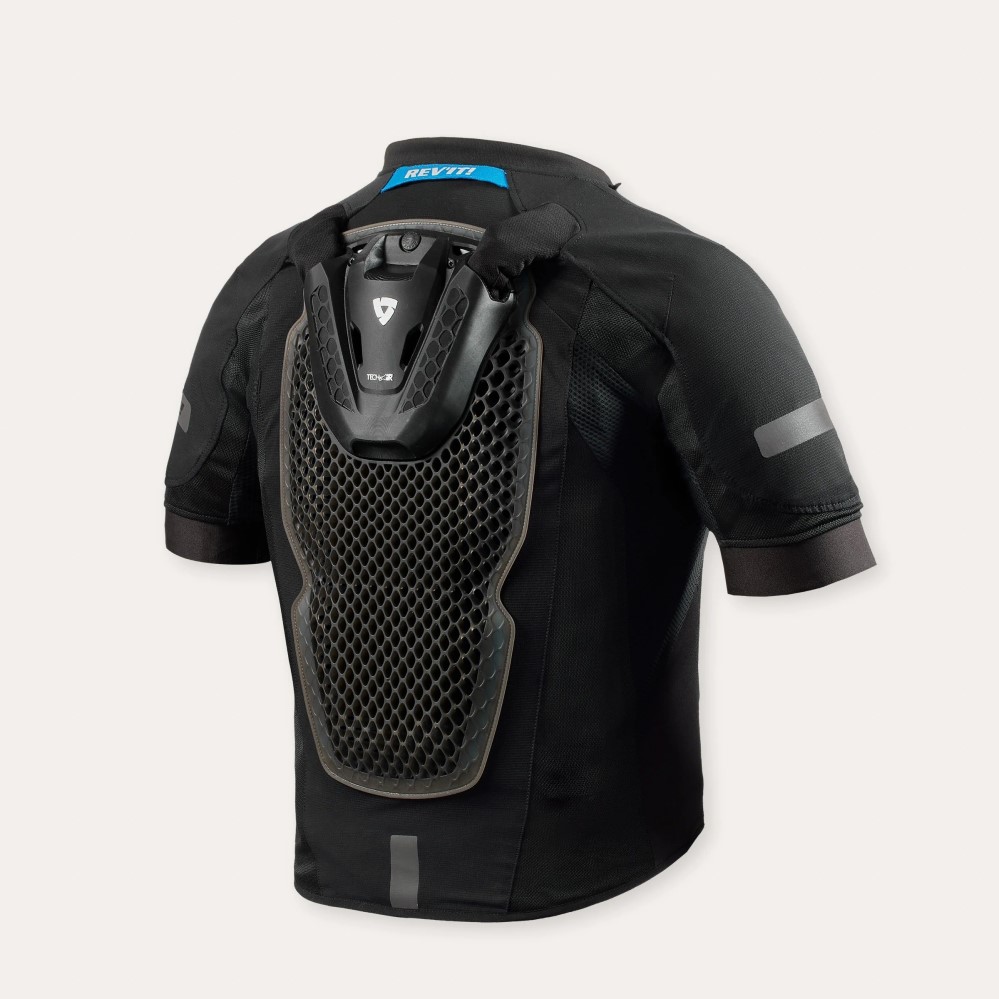
- Airbag system: Inflatable airbags that cushion the chest, back, neck, and sometimes hips.
- Gas inflator: A mechanism that fills airbags with gas rapidly during activation.
- Sensors: Devices that detect sudden motion or impact signaling an accident.
- Outer shell: Durable fabric housing the internal airbag system to resist wear and tear.
- Straps and fasteners: Adjustable parts ensure secure fit and comfort during use.
These components ensure proper functionality, immediate inflation, and effective protection in crashes.
Activation Mechanisms (Tethered vs. Electronic)
Airbag vests deploy through two main activation types:
- Tethered mechanism:
- A physical tether attaches the vest to the bike.
- The airbag inflates if the rider gets separated from the motorcycle.
- This option is simple, low-cost, and reliable.
- Electronic mechanism:
- Sophisticated sensors detect abnormal motions or impacts.
- The airbag deploys automatically without requiring physical connection.
- Electronic vests are faster, highly sensitive, and convenient but pricier.
Both systems are highly effective in protecting riders, but your choice depends on preference and budget.
Key Features to Look for
Choosing the right airbag vest ensures maximum safety and comfort while riding. Each feature plays a crucial role in providing effective protection.
Comfort and Fit
Comfort and fit are essential for an airbag vest to function properly. Riders should focus on:
- Adjustable straps: Ensure a snug yet comfortable fit for better protection.
- Breathable materials: Look for lightweight and ventilated fabrics for all-weather usability.
- Flexibility: The design should allow easy movement without restricting mobility.
A well-fitted vest enhances comfort and ensures the airbag inflates correctly during accidents.
Inflation Speed and Coverage Area
The speed of inflation determines the effectiveness of protection. Key factors include:
- Activation time: The airbag should deploy within milliseconds to shield the body instantly.
- Coverage areas: Ensure critical parts like the neck, chest, spine, and back are protected.
- Control over deployment: High-quality vests deploy automatically or through sensors for precise protection.
Fast inflation and adequate coverage significantly reduce the risk of serious injuries.
Battery Life and Recharging Options (for Electronic Models)
For electronic airbag vests, battery life and recharging are crucial. Riders should consider:
- Long battery life: A vest should last through extended rides without frequent charging.
- Rechargeable options: Ensure easy and quick recharging using standard or portable chargers.
- Battery indicators: Some vests feature indicators to avoid unexpected power depletion.
Reliable power ensures the vest operates efficiently when needed the most.
Certification Standards and Safety Ratings
Safety certifications and ratings demonstrate the vest’s reliability. Riders should look for:
- Certified crash tests: Verify that the vest meets recognized safety standards like CE or EN certifications.
- Manufacturer warranties: Ensure the vest comes with a warranty for peace of mind.
- Field performance: Research consumer reviews and field test results to assess dependability.
Certified vests offer proven protection and build rider confidence on every ride.
When selecting an airbag vest, these key features help balance safety, functionality, and comfort effectively.
 Popular Brands and Models
When deciding on an airbag vest, knowing popular brands and models can help. Different brands cater to varied needs, offering diverse features and price ranges. Understanding these options ensures informed purchasing decisions.
Comparison of Leading Brands
Several brands dominate the airbag vest market, each offering unique designs and functionality:
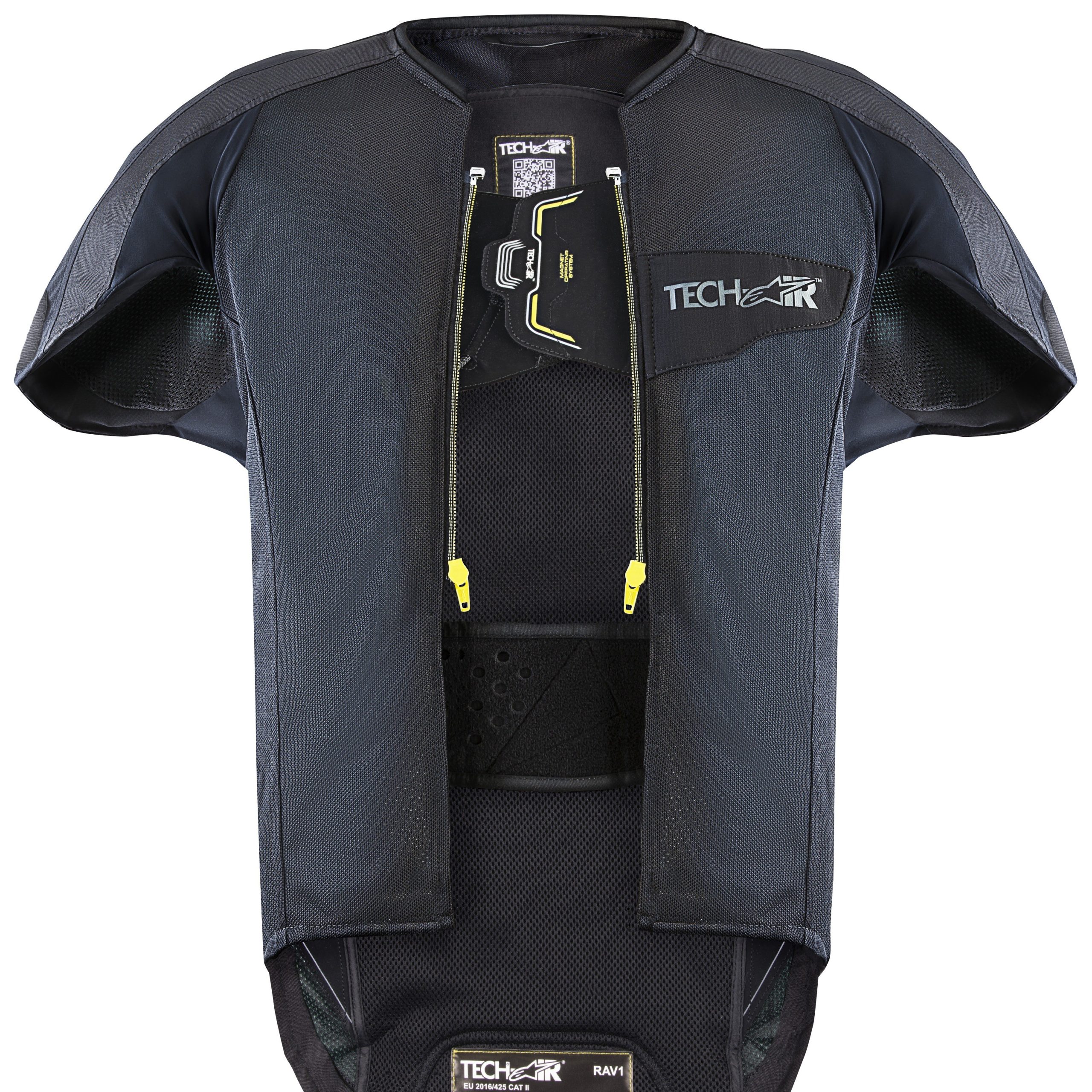
- Alpinestars:
- Known for advanced sensor technology and premium materials.
- Offers electronic vests like the Tech-Air series with quick deployment.
- Helite:
- Specializes in tethered airbag vests.
- Focuses on simplicity and reliability with models like the Turtle 2.
- Dainese:
- Combines style and safety in its D-Air range.
- Features ergonomic designs and electronic activation systems.
- Hit-Air:
- Pioneers in tethered airbag vests.
- Recognized for affordability and extensive coverage areas.
- Klim:
- Offers versatile options for adventure and touring riders.
- Known for durable materials and robust build quality.
These brands vary in price, activation mechanisms, and target users, catering to riders of all types.
Pros and Cons of Different Models
Each airbag vest model has strengths and limitations. Here’s a breakdown:
- Tethered Models (e.g., Helite Turtle 2, Hit-Air MLV-C):
- Pros: Affordable, simple to operate, dependable in crashes.
- Cons: Requires physical connection to the bike; deployment may take slightly longer.
- Electronic Models (e.g., Alpinestars Tech-Air, Dainese D-Air):
- Pros: Faster activation, no tether required, smart sensors for motion detection.
- Cons: Higher cost, requires battery management.
- Hybrid Models:
- Pros: Combines affordability with advanced electronic features.
- Cons: Limited availability compared to full tethered or electronic options.
When selecting a vest, balance safety, comfort, and budget. Comparing popular models helps identify the right choice for your needs.
 Benefits
Airbag vests offer multiple advantages that significantly improve motorcycle rider safety and overall experience. These benefits make them a vital addition to today’s safety gear for motorcyclists.
Enhanced Protection for the Chest, Back, and Neck
Airbag vests are designed to shield critical body areas during accidents. Key protection benefits include:
- Chest protection: The airbag absorbs impact forces, reducing the risk of broken ribs or lung injuries.
- Back and spine safety: The vests distribute impact energy to prevent severe spinal cord damage.
- Neck stability: Airbags cushion the neck area to reduce whiplash and life-threatening neck injuries.
This superior coverage minimizes injury severity, especially in high-impact collisions. Traditional gear often overlooks these essential areas, making airbag vests a safer option for riders.
Increased Confidence for Riders
Riding confidence improves significantly with the enhanced safety of airbag vests. Here’s why:
- Peace of mind: Riders feel more secure, knowing they have advanced safety backup.
- Enhanced risk management: The vests provide an added layer of protection in unpredictable riding conditions.
- Encourages skillful riding: Riders focus on their technique without fear of severe accident consequences.
When riders feel safer, they enjoy their journeys more, leading to better overall riding experiences. This psychological advantage is just as crucial as physical protection.
By enhancing safety and boosting confidence, airbag vests prove to be indispensable for motorcyclists.
Challenges and Limitations
Airbag vests offer unmatched safety for riders, yet they come with certain challenges and limitations. Understanding these downsides helps riders make informed decisions when choosing and using airbag vests.
Affordability and Cost Concerns
- Initial investment: Airbag vests are expensive compared to traditional safety gear. Cost can range from hundreds to over a thousand dollars, depending on the model.
- Electronic models: These vests cost more due to advanced sensors and technology.
- Replacement costs: After deployment, repairing or replacing components like gas cartridges adds to overall expenses.
- Budget constraints: Many riders cannot afford the high prices, limiting accessibility for consumers.
While the safety benefits justify the price, affordability remains a significant barrier for many motorcyclists.
Maintenance and Technical Issues
- Regular upkeep: Airbag vests, especially electronic ones, require consistent maintenance, including battery management and sensor checks.
- Complex repairs: Fixing damaged airbags, sensors, or shells involves specialized service and additional costs.
- Battery life: Electronic vests may run out of charge during long rides or extended periods of use.
- False deployment: Sensors could trigger airbags unnecessarily, resulting in inconvenience and extra repair costs.
- Wear and tear: Usage over time can degrade the durable shell, straps, and mechanical parts, requiring replacements.
In summary, maintenance demands and potential technical issues can complicate the ownership experience, adding hassle to the convenience airbag vests aim to offer.
Tips for Choosing the Right Vest
Selecting the perfect airbag vest requires careful consideration. Riders need to evaluate personal preferences and usage.
Matching the Vest to Your Riding Style
Different riders require different types of airbag vests based on their riding habits:
- Casual street riders: Lightweight vests like tethered models are ideal for city commuting.
- High-speed riders: Choose electronic vests for fast sensor-based activation in rapid accidents.
- Adventure riders: Opt for rugged vests with extended coverage for varying terrains and conditions.
Understanding your riding style ensures effective protection and comfort.
Trying Before Buying and Ensuring Proper Fit
A well-fitted airbag vest performs better during an accident. Prioritize these steps:
- Physical trial: Test the vest in stores to ensure comfort and accurate size.
- Check straps: Adjustable straps should secure the vest snugly without being too tight.
- Test inflation zones: Ensure coverage areas meet your safety needs, like neck, back, and chest.
- Assess mobility: Make sure the vest doesn’t restrict arm or torso movements.
Proper fit maximizes both safety and riding comfort, improving overall experience.
Frequently Asked Questions
Common Concerns About the Airbag Vest
Does the airbag vest work for all body types? Yes. Most brands offer sizes from XS to XXXL. Adjustability ensures secure fit.
Can I wear it in the rain? Absolutely. Outer shells are water-resistant. Electronics are sealed.
Will it deploy accidentally? Rarely. Systems have safeguards. False triggers are uncommon.
Is it reusable after inflation? Some models are. Replace the canister and repack the bag.
Do I need to wear armor underneath? Not always. Some vests include padding. Others pair with back protectors.
How long does reset take? Around 10–15 minutes. Practice speeds up the process.
Can children use it? Yes. Youth-specific models exist. Ensure correct sizing.
Is it worth the cost? Absolutely. Medical bills from injuries far exceed vest prices.
 Final Thoughts
Why the Airbag Vest Is a Must-Have for Modern Riders
The airbag vest has transformed personal safety for riders worldwide. It combines cutting-edge technology with practical design. From motorcycles to horses, it protects against unforeseen accidents. Its ability to inflate in milliseconds makes it invaluable. More than just equipment, it represents responsibility and foresight. Investing in an airbag vest shows you value your health and longevity. Whether you ride daily or occasionally, wearing one increases your odds of walking away unharmed. As technology improves, these systems will become even smarter and more accessible. For now, choosing the right airbag vest remains one of the best decisions any rider can make.