The automotive world is watching closely as Hyundai prepares to enter a new market segment. Rumors and concept designs suggest the company is developing a hyundai pickup truck to compete with established models like the Ford Ranger and Toyota Tacoma. While no official release date has been confirmed, multiple prototypes and patent filings indicate serious progress. This potential vehicle would mark Hyundai’s first major step into the midsize pickup category. It aligns with the brand’s strategy of expanding its global presence and offering versatile vehicles for diverse lifestyles.
Moreover, the anticipated hyundai pickup truck could redefine value in the truck market. Known for reliability, innovation, and strong warranties, Hyundai brings a unique advantage. Buyers expect advanced safety features, fuel-efficient engines, and modern interiors. The truck may offer both rear-wheel and four-wheel drive configurations. Additionally, it might include hybrid or fully electric powertrains in future versions. With rising demand for eco-friendly workhorses, this move makes strategic sense. Whether used for construction, off-roading, or daily commuting, the hyundai pickup truck aims to deliver performance without compromise. As details emerge, interest continues to grow among drivers seeking affordability and cutting-edge technology in one rugged package.
 Design Language and Exterior Features
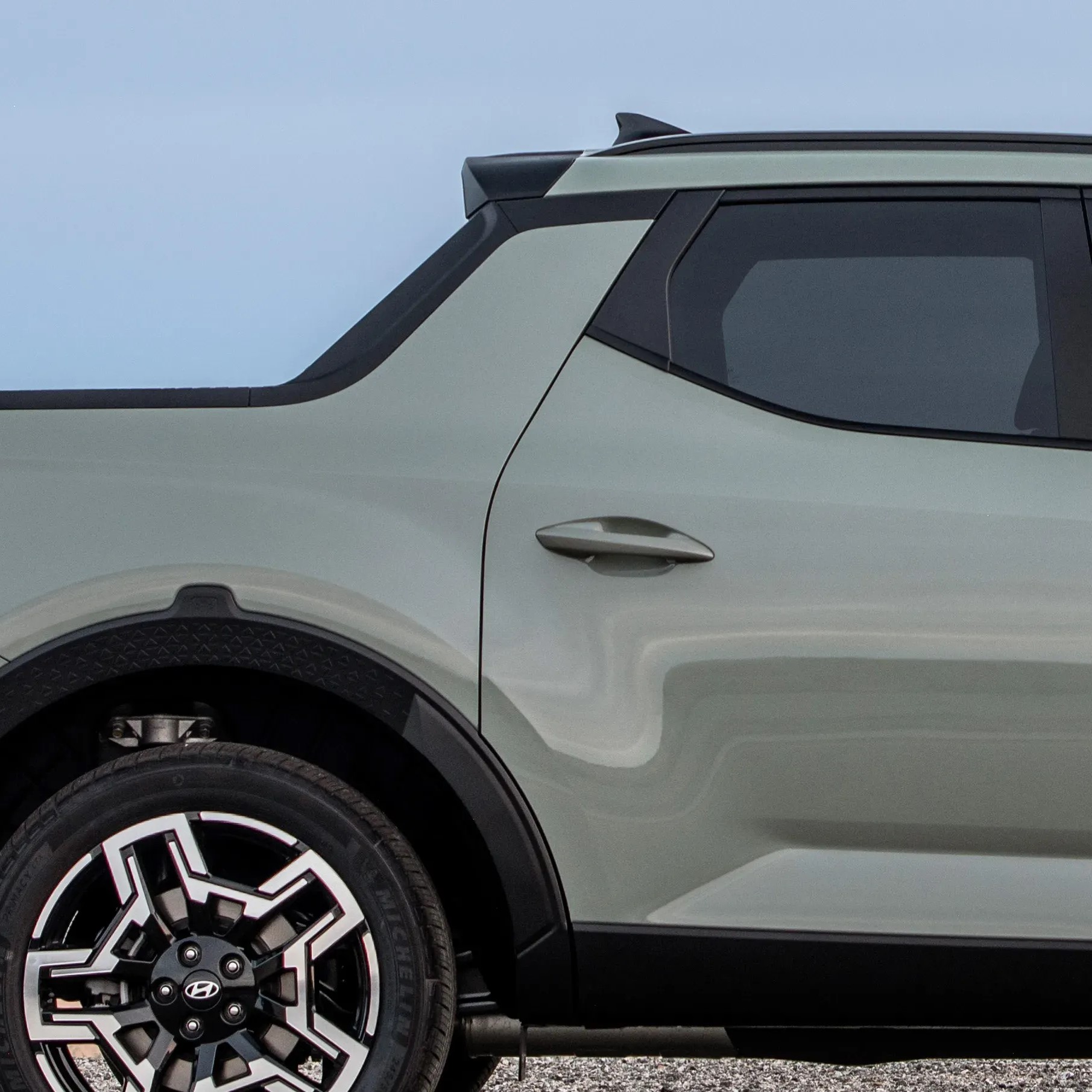
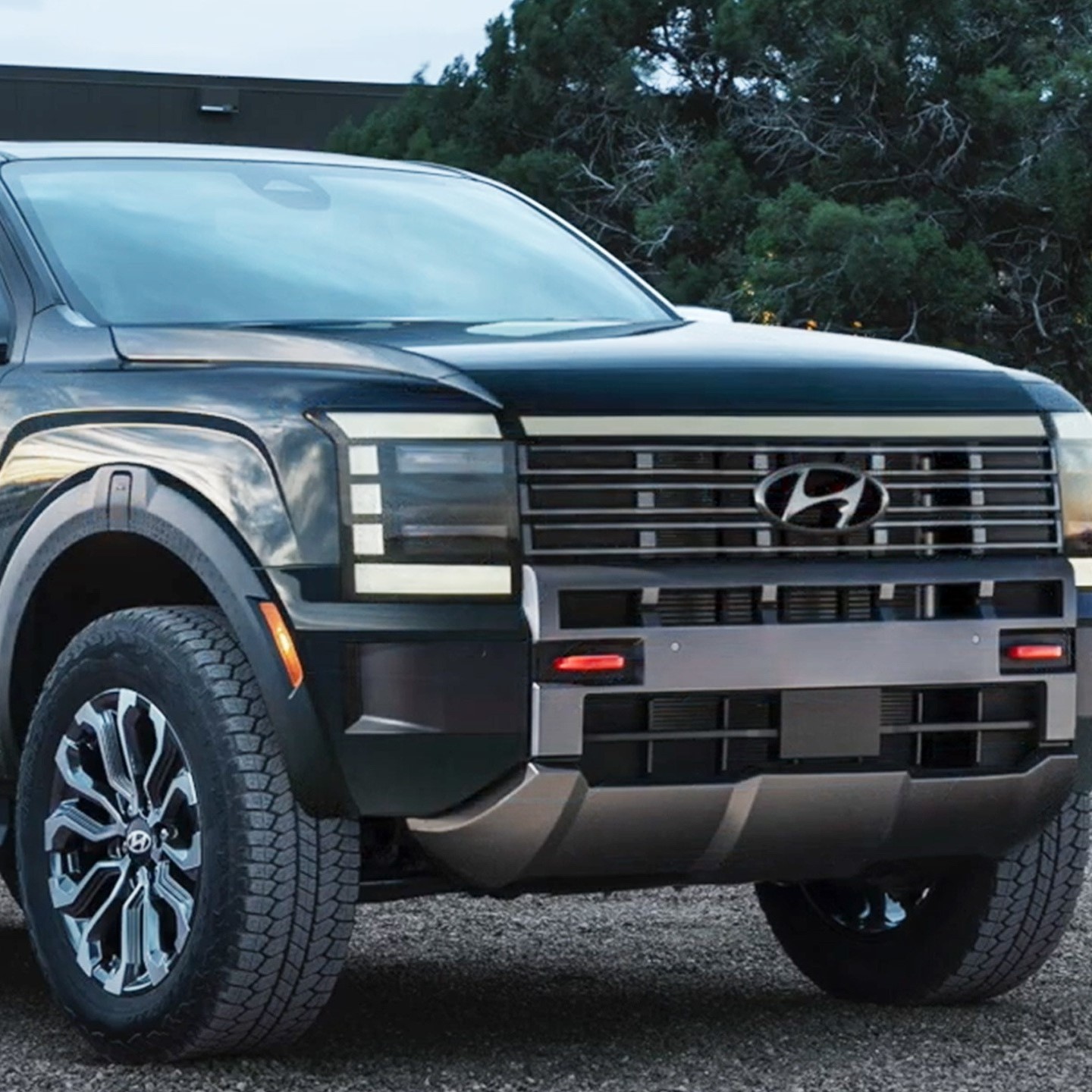
Hyundai’s design philosophy emphasizes bold lines and functional aesthetics. The upcoming hyundai pickup truck will likely follow this trend. Early sketches show a muscular hood, wide grille, and sharp LED lighting. These elements create a strong road presence. At the same time, aerodynamic shaping improves fuel efficiency. Functional vents and integrated tow hooks suggest real-world capability.
Additionally, the body structure appears built for durability. High-strength steel frames protect occupants and support heavy loads. Flared fenders house large wheels suitable for all-terrain tires. Step-side beds may be optional for easier access. Dual-purpose tailgates could allow folding down or swinging sideways.
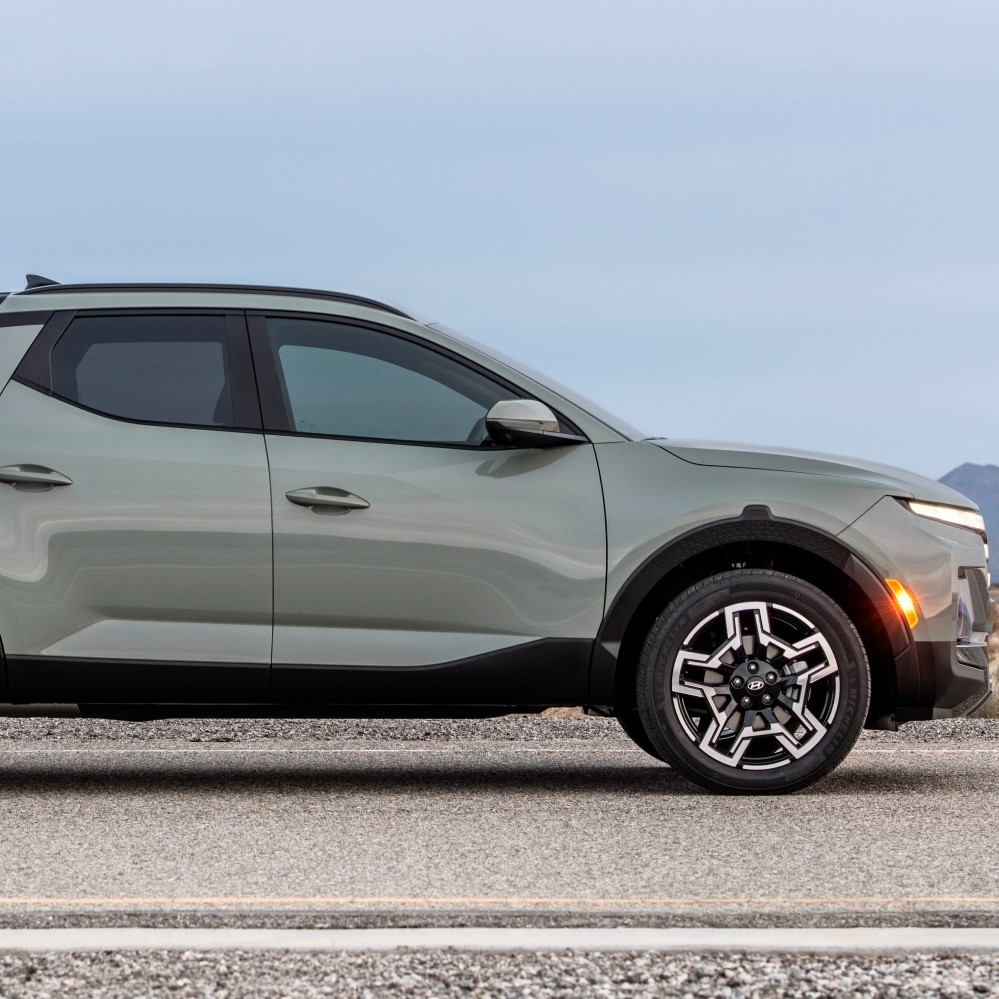
Side mirrors include turn signals and blind-spot monitoring. Power-adjustable options ensure optimal visibility. Roof racks or integrated rails support extra cargo. Ladder-style roof bars accommodate bikes, kayaks, or rooftop tents.
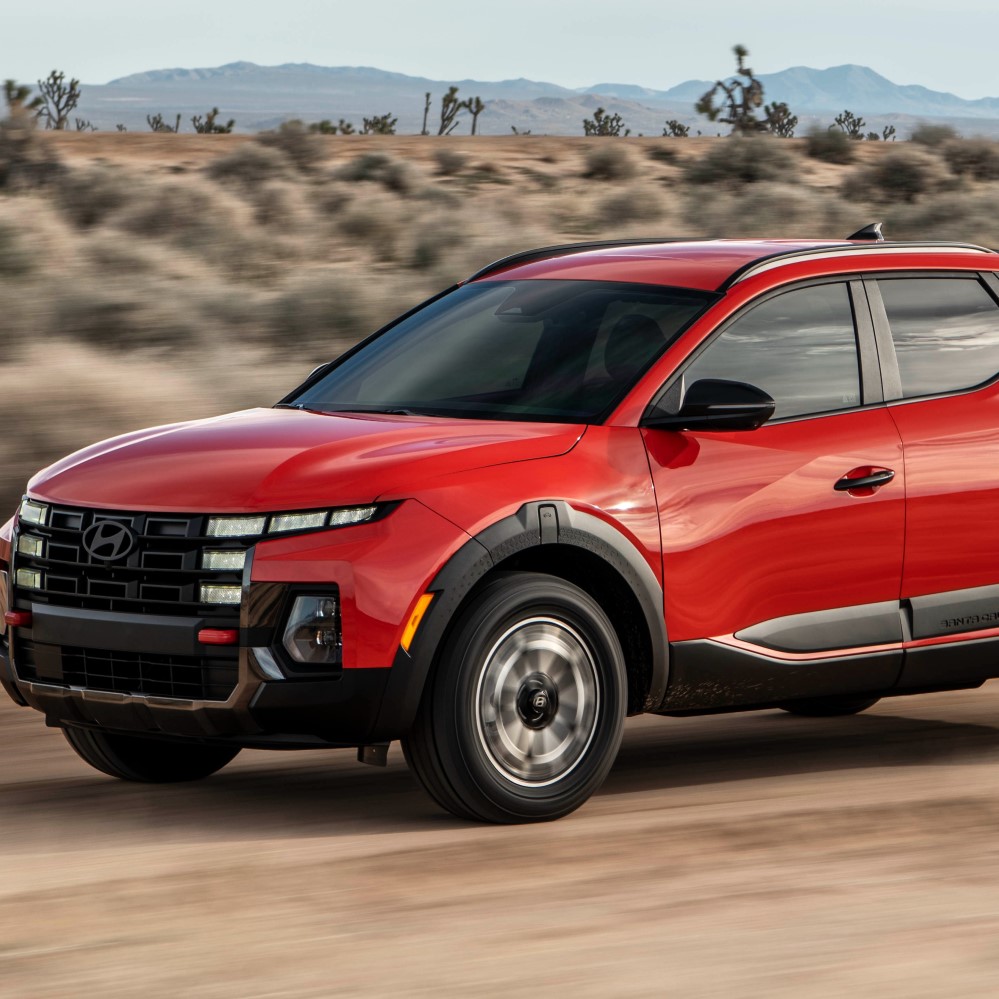
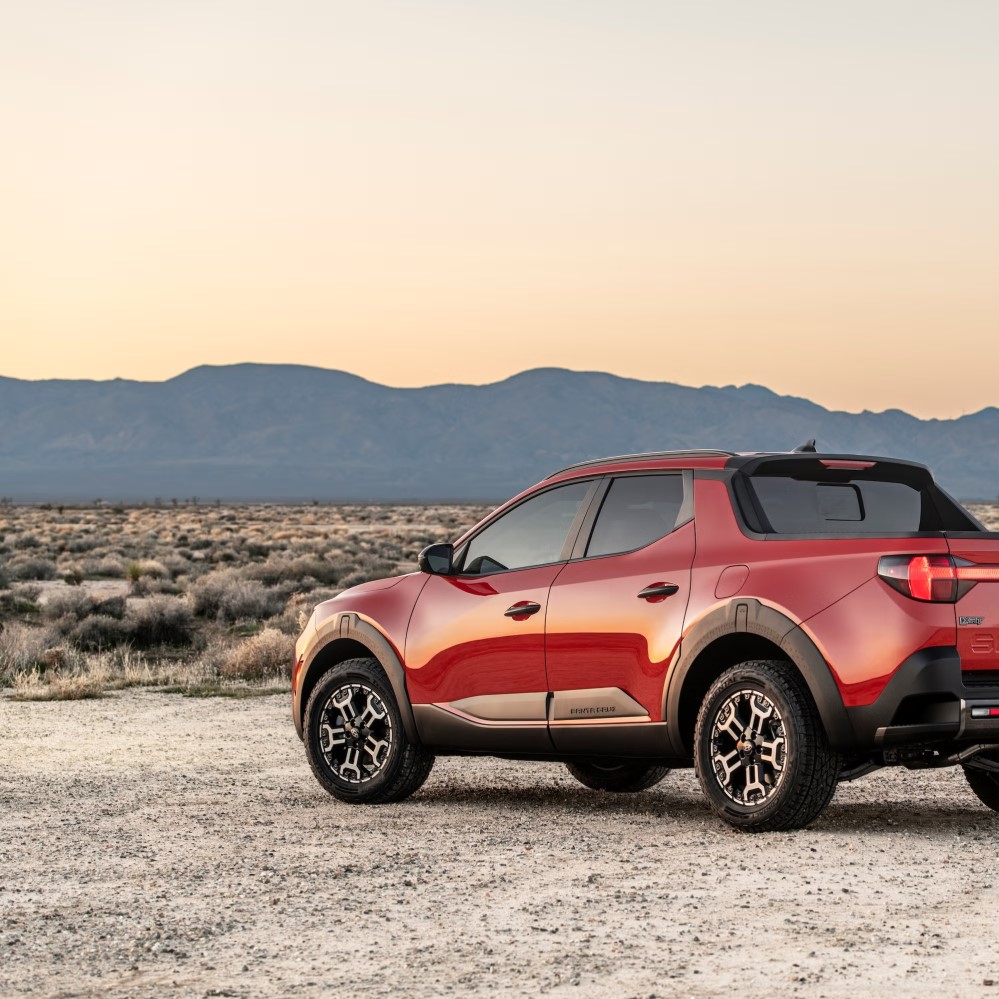
Paint finishes may range from neutral grays to vibrant reds. Matte or satin textures could appear on higher trims. Wheel sizes might vary between 17 and 20 inches depending on model. All these choices give buyers flexibility in personalization. Clearly, form and function go hand in hand in the hyundai pickup truck concept.
Cabin Comfort and Interior Innovation
Inside, the hyundai pickup truck promises a driver-focused cockpit. Soft-touch materials cover the dashboard and door panels. Ergonomic seats offer lumbar support and available heating or cooling. Cloth and leather upholstery options cater to different budgets.
Digital instrumentation replaces analog dials. A central tachometer sits beside a multi-function display. Real-time data includes fuel economy, tire pressure, and navigation prompts. Ambient lighting adds a premium feel during night drives.
The steering wheel includes audio, cruise control, and voice command buttons. Paddle shifters may appear on automatic models. Column stalks operate lights, wipers, and turn signals with ease.
Center consoles provide ample storage. Cup holders, USB ports, and wireless charging keep devices powered. Overhead bins store sunglasses or small tools. Rear seats fold flat for additional cargo space when needed.
Sound insulation reduces road noise. Acoustic glass and thick carpeting enhance quietness. Premium audio systems deliver crisp sound. Drivers enjoy comfort whether hauling equipment or heading to the weekend trail.
 Engine Options and Powertrain Performance
Performance expectations for the hyundai pickup truck remain high. Engineers are likely developing a turbocharged four-cylinder engine as the base option. This unit should balance power and fuel economy effectively. Mated to an eight-speed automatic transmission, it delivers smooth acceleration.
A more powerful V6 or twin-turbo inline-six may follow for towing demands. These engines could produce over 300 horsepower and 350 lb-ft of torque. Four-wheel drive systems engage electronically for better traction.
Hybrid variants are also possible. A mild-hybrid setup could boost low-end response. Full hybrids might combine gas engines with electric motors. These versions target improved city mileage without sacrificing utility.
Plug-in hybrid models could offer short-range electric-only driving. This feature helps in urban deliveries or campsite use. Zero-emission operation supports environmental goals.
Towing capacity is expected to exceed 7,000 pounds. Trailer sway control and integrated brake controllers add safety. Payload ratings may reach 1,800 pounds in the bed. Bed liners and tie-down points secure cargo firmly.
All configurations aim to meet real-world needs. Contractors, adventurers, and families can rely on consistent output.
Off-Road Capability and Terrain Management
For off-road enthusiasts, the hyundai pickup truck may include dedicated trim levels. Models like “Trailstar” or “Overland” could offer enhanced ground clearance. Skid plates protect the undercarriage from rocks and debris.
Electronic locking differentials improve grip on slippery surfaces. Hill descent control manages speed on steep declines. Multi-terrain selection allows drivers to switch modes—mud, sand, snow, or rock. Each setting adjusts throttle response, braking, and traction control.
Approach, breakover, and departure angles influence obstacle clearance. Wider axles and shorter overhangs increase maneuverability. All-terrain tires come standard on adventure trims. Air suspension may debut on top-tier models for adjustable ride height.
Recovery points at front and rear assist in winching operations. Tow hooks are rated for heavy-duty extraction. Underbody cameras help navigate tight trails. These visuals guide drivers around obstacles unseen from the cabin.
Hyundai’s experience with the Santa Cruz shows promise. That compact truck already handles light trails well. The full-size version builds on those strengths. Future updates may include portal axles or disconnecting stabilizer bars. These features further expand off-road limits.
Technology and Driver Assistance Systems
Technology plays a key role in the hyundai pickup truck development. Hyundai SmartSense includes forward collision avoidance. It detects vehicles, pedestrians, and cyclists ahead. Automatic emergency braking activates if no action is taken.
Blind-spot view monitors alert when changing lanes. Lane keeping assist gently steers back if drifting occurs. Adaptive cruise control maintains safe distances on highways. Stop-and-go traffic becomes less stressful.
Rear cross-traffic alert warns during reversing maneuvers. Surround-view monitors display a bird’s-eye image of the truck. Parking sensors beep when close to objects. These tools simplify tight spaces and trailer hookups.
Apple CarPlay and Android Auto come standard. Wireless connectivity reduces cable clutter. Over-the-air software updates improve functions remotely. No dealership visits are required for minor fixes.
Voice recognition understands natural language commands. Drivers adjust climate, music, or navigation hands-free. Digital key options let users unlock via smartphone. Remote start warms the cabin before entry.
These systems enhance safety and convenience. They make the hyundai pickup truck competitive with tech-rich rivals.
Cargo Bed Features and Utility Enhancements
The cargo bed defines a pickup’s usefulness. The hyundai pickup truck is expected to offer a five- or six-foot bed. Composite or sprayed-in bed liners resist scratches and corrosion. Drain plugs remove water after washing.
LED lighting illuminates the bed at night. Motion-activated switches turn on when lifting the tailgate. Lockable storage compartments hide tools or valuables. Side rails accept sliding dividers or cargo managers.
Power outlets in the bed run small appliances or air compressors. USB ports charge devices during outdoor events. Available onboard air systems inflate tires or sports gear.
Tailgates may include step functions. Fold-down sections act as seating or workbenches. Measuring rulers along the bed rails assist in cutting materials. Tie-down cleats secure cargo from shifting.
Integrated ramps could deploy for loading ATVs or motorcycles. Retractable covers protect items from weather. Hard tonneau tops lock securely. Soft roll-ups offer quick access.
Every detail maximizes functionality. Whether transporting lumber or camping gear, the bed adapts easily.
 Sustainability and Future Fuel Options
Hyundai prioritizes sustainability across its lineup. The hyundai pickup truck may launch with internal combustion first. However, long-term plans likely include electrification. Hydrogen fuel cell and battery-electric versions could follow within a few years.
Electric prototypes may share platforms with the Ioniq series. Large battery packs enable extended range. DC fast charging replenishes power quickly. Target ranges exceed 300 miles on a single charge.
Regenerative braking captures energy during deceleration. This system boosts efficiency in stop-and-go conditions. Electric motors deliver instant torque. Acceleration feels responsive even under load.
Solar roof panels may appear on select trims. These generate supplemental power for accessories. They reduce reliance on the main battery.
Manufacturing facilities aim for carbon neutrality. Recycled materials appear in seats and carpets. Packaging uses biodegradable components. These efforts reflect corporate responsibility.
As emissions regulations tighten globally, green trucks gain appeal. Fleets, governments, and individuals seek cleaner alternatives. The hyundai pickup truck positions itself at the forefront of this shift.
 Frequently Asked Questions
Will the hyundai pickup truck have a diesel engine? Not initially. Gasoline and hybrid models are more likely at launch.
Is it based on the Santa Cruz? Partially. It shares design cues but will be larger and more capable.
Can it tow a camper? Yes. Expected capacities support most travel trailers and fifth wheels.
Does it come with a warranty? Yes. Hyundai offers a 5-year/60,000-mile basic warranty and 10-year/100,000-mile powertrain coverage.
When will it be available? Likely late 2025 or early 2026, pending final testing and production.
Will there be a crew cab option? Yes. Four full doors and rear seating are expected.
 Final Thoughts on the Future of the Hyundai Pickup Truck
The arrival of the hyundai pickup truck signals a bold move into a competitive market. With proven engineering and growing consumer trust, Hyundai stands ready to challenge legacy brands. Its focus on technology, efficiency, and versatility appeals to modern buyers. From city commutes to remote trails, this vehicle aims to perform reliably.
Owners can expect a well-rounded machine that balances power, comfort, and innovation. Whether choosing a gas-powered workhorse or waiting for an electric variant, the hyundai pickup truck delivers value at every level. As details continue to unfold, anticipation only grows. For drivers seeking a fresh alternative in the pickup world, this upcoming model deserves serious attention. The future of rugged mobility may very well wear the Hyundai badge.