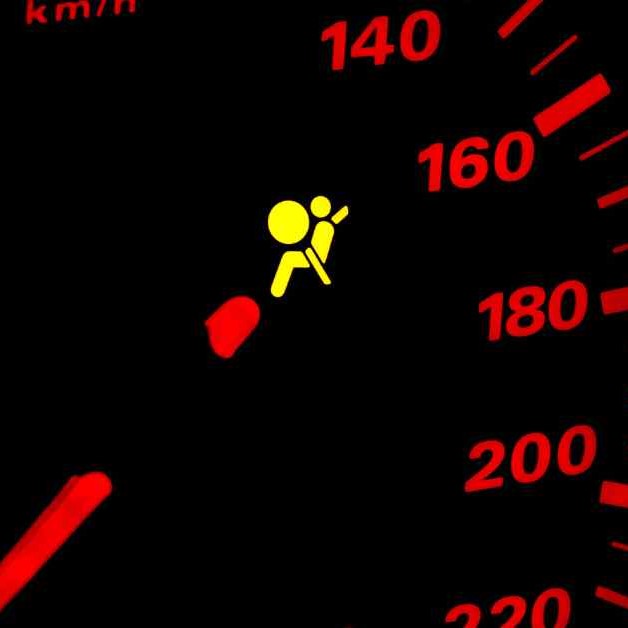
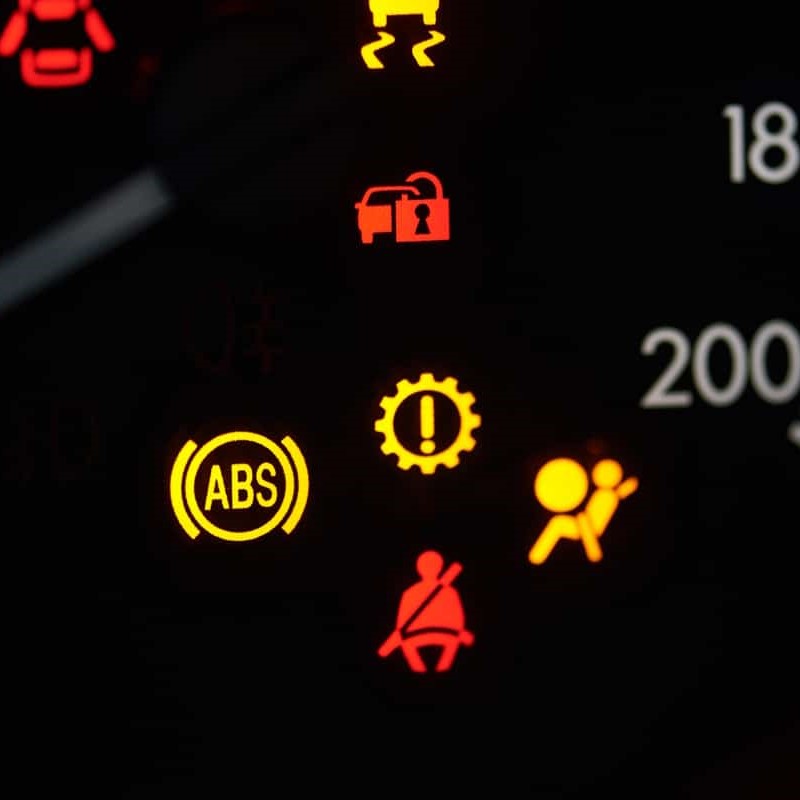
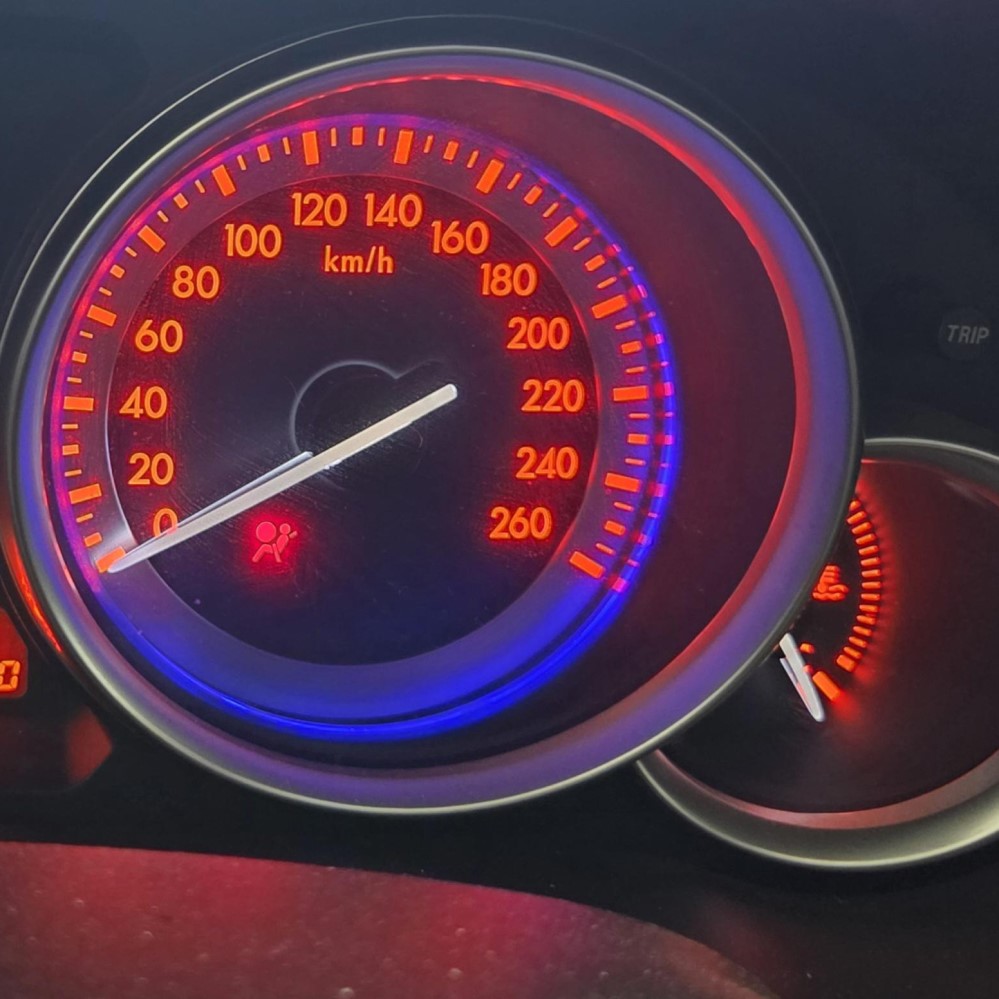
The airbag warning light is one of the most critical indicators on your vehicle’s dashboard. When it illuminates, it signals a potential issue with the airbag system. This small symbol—often shaped like a seated person with a circle in front—should never be ignored. Airbags are essential safety features designed to protect you during collisions. If the system fails, they may not deploy when needed. That increases the risk of serious injury. Therefore, understanding what the airbag warning light means can save lives.
Moreover, this warning light performs a self-check every time you start the engine. It usually turns off after a few seconds. If it stays on or flashes, something is wrong. Possible causes range from minor sensor glitches to major wiring faults. Some vehicles even disable seatbelt pretensioners when the light is active. As a result, the entire supplemental restraint system becomes compromised. Drivers must take immediate action. Delaying repairs puts everyone in the car at risk. Whether you drive a sedan, SUV, or truck, recognizing the importance of the airbag warning light is a key part of responsible vehicle ownership.
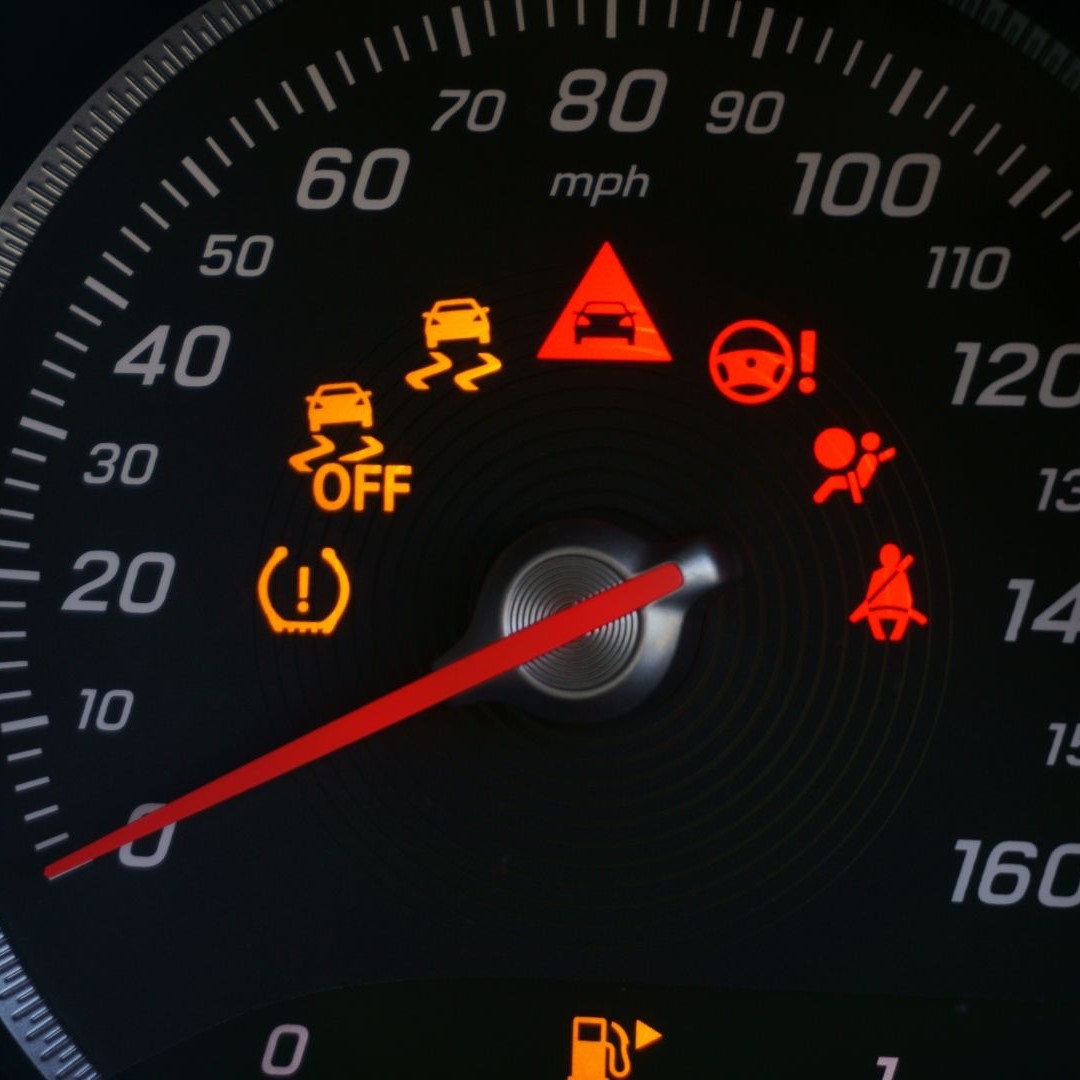 What Does the Airbag Warning Light Indicate?
The airbag warning light alerts you to issues in the airbag system. It ensures that your safety features, such as airbags, are functioning correctly. This light usually appears as a small icon of a person with an airbag or simply the word “AIRBAG” on your dashboard.
When this light comes on, it means the airbag system has detected a problem. It could prevent airbags from deploying during an accident, jeopardizing passenger safety. The light serves as a warning to address the issue promptly.
Modern vehicles use sensors and control modules to monitor the airbag system. If anything disrupts this system’s functioning, the warning light is triggered. Ignoring the airbag warning light might lead to further complications.
Key reasons for this warning include faulty sensors, damaged airbags, wiring problems, or battery issues. Checking these factors early can help ensure your safety and avoid costly repairs later. Always treat the airbag warning light as a serious safety signal.
Common Causes of an Illuminated Warning Light
Several issues can cause the airbag warning light to illuminate. Identifying the problem is essential to ensure safety and resolve the issue effectively. Below are the most common causes:
Faulty Sensors
Airbag systems rely on sensors to detect crashes. If a sensor malfunctions, the warning light may activate. Faulty sensors can fail to detect impacts, putting occupants at risk. Regular sensor checks help prevent such issues.
Damaged Airbag Module
The airbag module stores critical deployment information. Damage to this module can trigger the warning light. Physical impact or water damage often leads to module failure. Replacing a damaged module ensures the airbag functions properly.
Wiring and Connector Issues
Airbag systems involve complex wiring and numerous connectors. Loose or damaged wires can disrupt the system. Corroded connectors are another common problem. Inspect and fix wiring issues to restore airbag functionality.
Low Battery Voltage or Recent Jumpstart
A weak battery or jumpstarting your car may affect the airbag system. Voltage fluctuations during these events can trigger the airbag warning light. Ensure your battery is in good condition to maintain stable system performance.
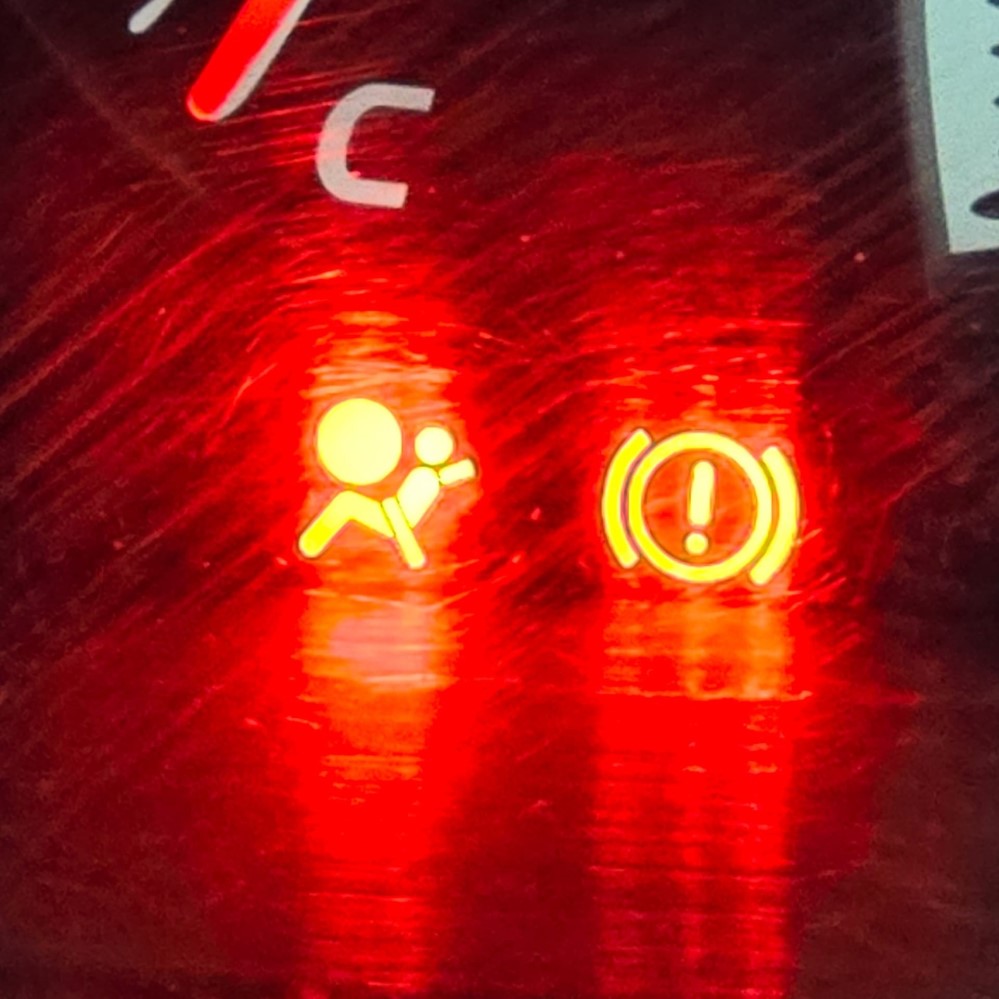 Driving with the Warning Light On: Is It Safe?
Driving with the airbag warning light on is risky. It means the airbag system may not work. In case of a collision, the airbags might fail to deploy, increasing injury risk. The warning light signals a fault that needs immediate attention.
Without functional airbags, passengers might not have proper protection during accidents. Ignoring the light could also lead to further system damage. The issue might escalate and require expensive repairs later. Ensuring airbag functionality is crucial for safety.
You should always prioritize fixing an airbag system issue. Driving with the warning light on should be avoided if possible. It is better to inspect and repair the problem promptly, ensuring safe driving conditions for everyone in the vehicle.
How to Diagnose an Warning Light Issue?
Diagnosing the airbag warning light issue is the first step in fixing the problem. It helps identify the cause and ensures you address it correctly. To diagnose effectively, there are several methods you can use. Here are the two most common approaches:
Using an OBD2 Scanner
An OBD2 scanner is an essential tool for diagnosing vehicle issues. This device reads trouble codes stored in the car’s control module. Follow these steps to diagnose the airbag warning light:
- Connect the OBD2 scanner to your car’s diagnostic port. Find it under the dashboard.
- Turn on the ignition without starting the engine. This powers up the scanner.
- Scan for diagnostic trouble codes related to the airbag system.
- Review the error codes displayed on the scanner screen.
- Use the scanner’s manual or online resources to interpret the codes.
Once you’ve identified the code, you can understand the specific issue causing the warning light. If it’s a minor problem, you might be able to fix it yourself.
Professional Diagnostics
If you’re unsure about using an OBD2 scanner or lack the tool, seek professional help. Mechanics can perform advanced diagnostics to pinpoint the problem. Here’s what professional diagnostics typically involve:
- The mechanic connects specialized tools like advanced scanners to the car’s system.
- They perform detailed inspections of the airbag module, sensors, and wiring.
- Professionals assess possible physical damage or water entry in the airbag system.
- They provide a detailed report of the issue and recommend appropriate repairs.
Professional diagnostics are especially useful for complex airbag problems. They eliminate guesswork and ensure safety systems are restored effectively.
Using these methods can help identify and resolve the airbag warning light issue efficiently. Diagnose promptly to avoid risks and expensive repairs.
Quick Fixes for Minor Warning Light Problems
If the airbag warning light appears, minor issues might be the cause. Addressing these problems quickly can save you time and expenses. Here are some quick fixes to try before seeking professional help:
Resetting the Warning Light
Sometimes, the airbag warning light turns on due to temporary glitches. Resetting it can resolve the issue.
- Turn off your vehicle and remove the key.
- Disconnect the car battery by removing the negative cable.
- Wait for 15 to 30 minutes to let the system reset.
- Reconnect the negative cable and start your car.
- Check if the warning light has turned off.
If the issue persists, the light may indicate a deeper problem. Avoid ignoring it and proceed with further diagnostics when needed.
Checking and Reconnecting Loose Wires
Loose or disconnected wires can disrupt the airbag system. Inspecting the wiring can often resolve the problem.
- Turn off the ignition and disconnect the battery for safety.
- Locate the airbag system’s wiring under the steering wheel or nearby panels.
- Check for loose or damaged wires and resecure them if necessary.
- Clean corroded connectors with electrical cleaner for better conductivity.
- Reconnect the battery and restart your car to see if the light goes off.
Ensure you handle the wiring carefully to avoid additional damage. If you’re unsure, consult a professional mechanic.
Taking these quick steps can often address minor airbag warning light issues. If unsuccessful, it’s best to seek professional assistance to keep your airbag system functioning properly.
Cost of Warning Light Repairs
The cost to repair an airbag warning light issue depends on the root cause. Repairs can range from simple fixes to complex replacements, and understanding these costs helps you plan better.
Diagnostic Costs
Before repairing the issue, your vehicle must undergo diagnostics. Using an OBD2 scanner at home may cost nothing if you own the tool. Professional diagnostic services, however, generally range from $50 to $150 depending on the workshop.
Sensor Replacement
Faulty sensors are a common reason for the warning light. Replacing an airbag sensor typically costs between $250 and $500. Labor charges are often included in this estimate.
Airbag Module Repair or Replacement
If the airbag module is damaged, it may need repair or replacement. Module replacement costs usually fall in the range of $400 to $1,200. Water damage or physical impact often makes replacement unavoidable.
Wiring and Connector Repairs
Loose or corroded wiring is often less expensive to fix. Repairing airbag system wiring can cost $50 to $200. For severe corrosion or damage, replacements may raise costs further.
Battery-Related Costs
If the warning light is caused by battery voltage issues, replacing the battery could cost $80 to $250. Regular battery maintenance reduces the risk of encountering such problems.
Labor Charges
Labor rates vary significantly by region and workshop experience. You may expect $50 to $150 per hour for labor services. Complex issues involving extensive airbag system work can take multiple hours.
Final Cost Considerations
The total repair cost ranges widely, often between $100 and $1,500. Minor issues like loose wires are cheaper to fix, while module replacements can be costly. Addressing the problem promptly helps you save on repairs and ensures your safety.
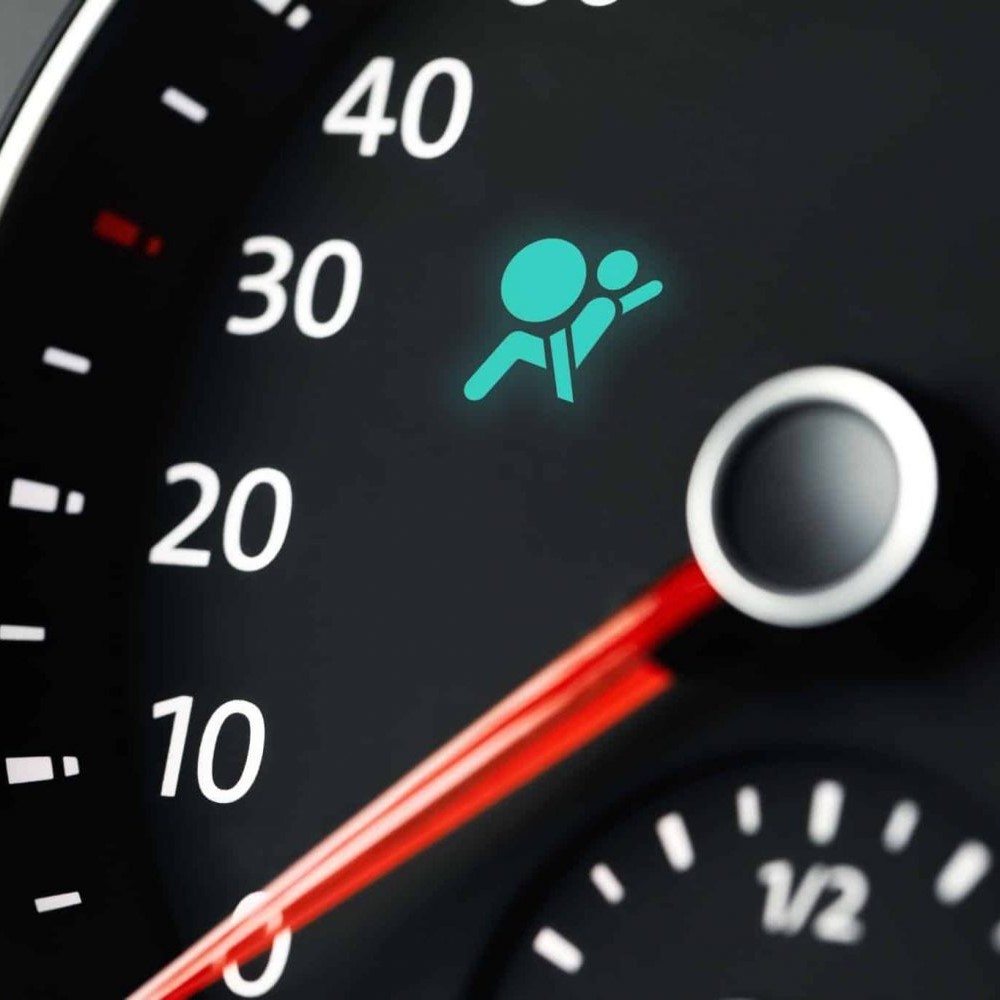 Preventing Future Warning Light Issues
Regular Maintenance Tips
Regular maintenance keeps your airbag system functioning properly. Follow these essential tips to minimize system faults:
- Inspect Airbag Sensors Periodically: Faulty sensors can trigger warning lights. Regular checks ensure they detect crashes accurately.
- Check Wiring Connections: Loose or damaged wires can disrupt the airbag system. Inspect them for wear or corrosion.
- Clean Connectors: Dirt and rust on connectors can impair system efficiency. Use an electrical cleaner regularly.
- Protect the Airbag Module: Water or physical damage can ruin the module. Keep it safe and dry at all times.
- Perform System Diagnostics: Use an OBD2 scanner for early detection of minor issues. Fix them before they escalate.
By addressing these points, you reduce the risk of seeing the airbag warning light unexpectedly.
Keeping Electrical Systems in Check
A stable electrical system ensures the airbag works reliably. Follow these tips to maintain your car’s electrical setup:
- Monitor Battery Health: Weak or dying batteries cause system malfunctions. Replace batteries as needed.
- Avoid Voltage Fluctuations: Jumpstarting your car can cause spikes. Use proper jumpstart techniques to prevent damage.
- Secure Loose Wires: Loose connections can disrupt electrical flow. Check and tighten them periodically.
- Inspect Fuses Regularly: Faulty fuses can impact the airbag system. Replace blown fuses immediately.
- Prevent Moisture Entry: Moisture in electrical components can cause corrosion. Store your vehicle in dry areas when possible.
Maintaining a healthy electrical system reduces airbag-related issues and ensures safer driving conditions.
When to Seek Professional Help?
Addressing an airbag warning light issue promptly is crucial for safety. While some fixes can be managed at home, there are scenarios where professional help becomes essential. Here’s when you should consult an expert:
- Persistent Warning Light: If resetting or minor fixes don’t turn off the light, seek a mechanic immediately. Persistent warnings might signal deeper issues.
- Complicated Diagnostics: If you lack an OBD2 scanner or cannot interpret trouble codes, consult professionals. They have advanced tools and expertise to diagnose the problem accurately.
- Physical Damage: Water damage, car accidents, or tampered airbag components require professional inspection. Attempting to repair such issues yourself could worsen the problem.
- Sensor Problems: Faulty sensors often need specialized testing equipment. A mechanic ensures proper replacement and calibration.
- Wiring and Connector Issues: Corroded or damaged wires may require intricate repairs. Experts can handle these delicate tasks with precision.
- Airbag Deployment: After airbag deployment in an accident, the system needs resetting or part replacement. Only qualified technicians can restore it to factory standards.
- Complex Airbag Module Repairs: Damaged airbag modules are hard to fix without training. A mechanic ensures the module is repaired or replaced safely.
Professional help ensures the airbag system is fully functional. It guarantees safety during emergencies, avoiding costly errors from DIY fixes. Always prioritize expert advice for critical components like airbags.
 Frequently Asked Questions
What does a flashing airbag warning light mean? It indicates a specific fault code. Count the flashes to identify the issue. Consult your manual or a pro.
Can I drive with the airbag warning light on? Short trips may be okay. Long-term driving is unsafe. Get it checked soon.
Will disconnecting the battery reset the light? Sometimes. But it won’t fix underlying problems. Codes may return.
Can aftermarket parts trigger the light? Yes. Poorly installed electronics disrupt signals. Use compatible gear.
Is it safe to repair airbags myself? No. Risk of injury is high. Always use professionals.
How long does diagnosis take? Usually 30 to 60 minutes. Complex cases take longer.
 Final Thoughts
The airbag warning light is not just another dashboard icon. It represents a vital safety net within your vehicle. When active, it warns of potential failure in a system designed to protect lives. Ignoring it compromises personal security and legal responsibility. Prompt attention ensures peace of mind on every journey.
From simple sensor resets to complex module replacements, solutions exist for every scenario. Modern diagnostics make identification faster than ever. Qualified technicians restore functionality safely. Regular maintenance prevents many common issues. Ultimately, respecting the airbag warning light reflects smart, responsible driving. Make safety your top priority.