For years, fans of luxury vehicles have asked one big question: will there ever be a Lexus pickup truck? The idea of a Lexus pickup truck captures the imagination of drivers who want both rugged capability and high-end comfort. While Toyota already dominates the pickup market with the Tacoma and Tundra, Lexus has stayed focused on SUVs and sedans. Yet, demand for a premium off-road hauler continues to grow.
Many luxury brands now offer high-performance trucks. The Lincoln Navigator and Cadillac Escalade EXT paved early paths. More recently, the Rivian R1T and GMC Hummer EV show that luxury and utility can coexist. Given this shift, a Lexus pickup truck seems more possible than ever. It would blend power, refinement, and advanced tech in one bold package. This article explores what such a vehicle could look like—and why it might finally happen.
 Market Demand for Luxury Pickup Trucks
Why Premium Buyers Want More Options
The pickup truck market is evolving fast. Traditionally, trucks served farmers, contractors, and outdoor workers. Today, many buyers want style and comfort alongside towing strength. As a result, automakers are expanding into upscale segments. A Lexus pickup truck would enter a growing space.
Models like the Ford F-150 Platinum and Ram 1500 Limited prove that luxury sells. These trucks include leather seats, massaging functions, and premium sound systems. Buyers pay extra for these upgrades. They expect the same quality in every part of the vehicle.
Electric models add another layer of appeal. The Tesla Cybertruck and Rivian R1T attract tech-savvy customers. They combine instant torque with smart features and long range. A Lexus version could use hybrid or fully electric powertrains.
Urban professionals also drive demand. Many live in cities but enjoy weekend adventures. They need cargo space and all-weather traction. At the same time, they value quiet cabins and smooth rides.
Lexus understands this audience well. Its SUVs already serve dual roles—commuting and exploring. A pickup would extend that philosophy. Therefore, timing supports the launch of a Lexus pickup truck.
Design Expectations for a Future Model
Blending Bold Looks with Elegant Details
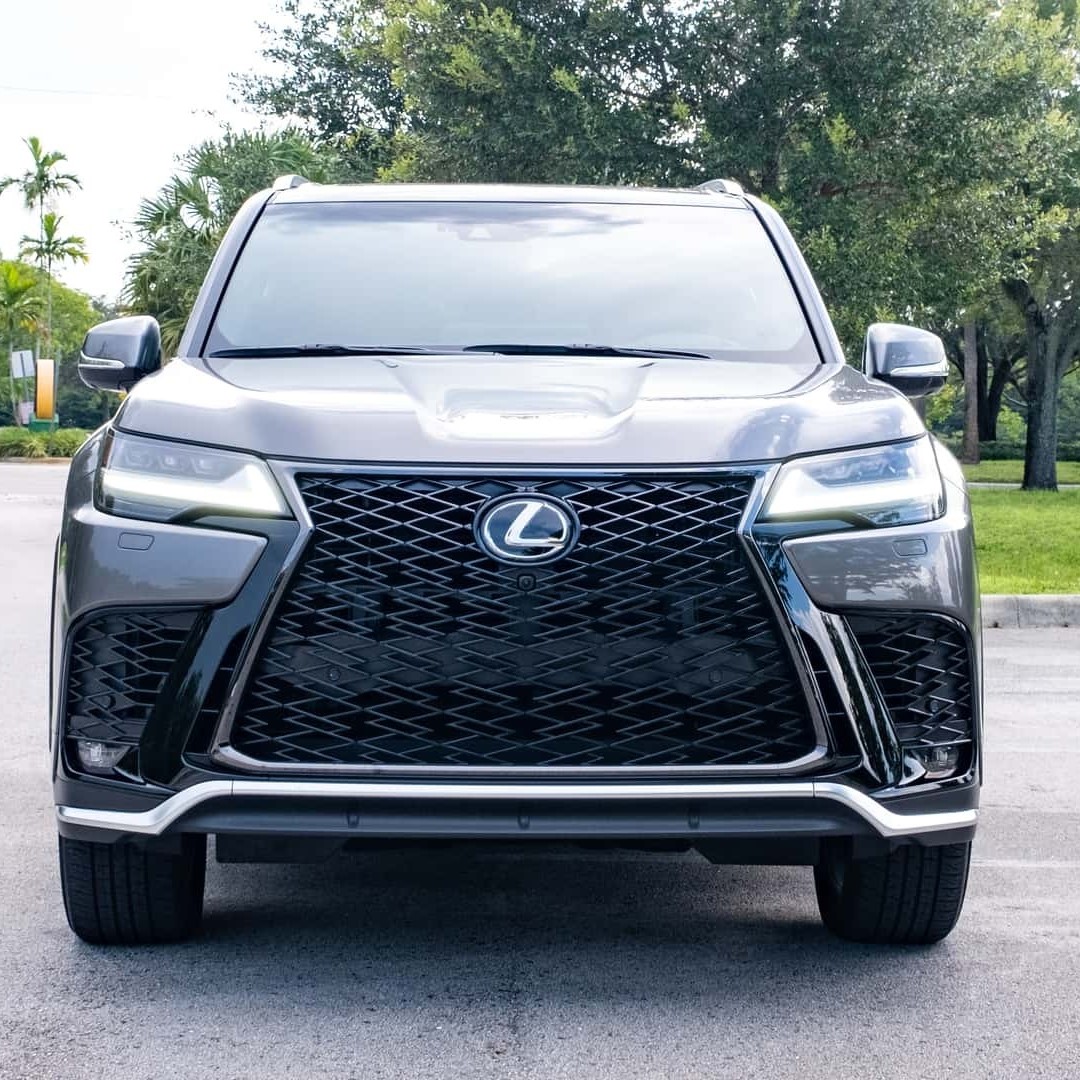
If Lexus builds a pickup truck, design will play a key role. The brand is known for sharp lines and aggressive grilles. A Lexus pickup truck would likely follow that theme. Think bolder headlights, sculpted fenders, and a strong stance.
Yet, elegance must remain. Chrome accents, flush door handles, and hidden door beams create clean surfaces. LED lighting would run along the bed and mirrors. Ambient lighting might glow under the running boards.
Color choices would reflect sophistication. Deep blacks, metallic grays, and burgundy reds stand out. Matte finishes could appear as special editions. Wheels would range from 20 to 22 inches. Polished alloys enhance curb appeal.
Interior styling would mirror the LX and TX models. Soft leather wraps seats and dashboards. Real wood or aluminum trim adds warmth. Digital gauges and curved screens dominate the center stack.
Storage solutions would stay practical. Lockable compartments hide valuables. The midgate system could fold down for extended cargo. A tonneau cover keeps items dry and secure.
Every element balances toughness and class. A Lexus pickup truck wouldn’t look like a work van. Instead, it would turn heads at both job sites and valet lines.
 Powertrain and Performance Potential
Delivering Smooth Power with Smart Engineering
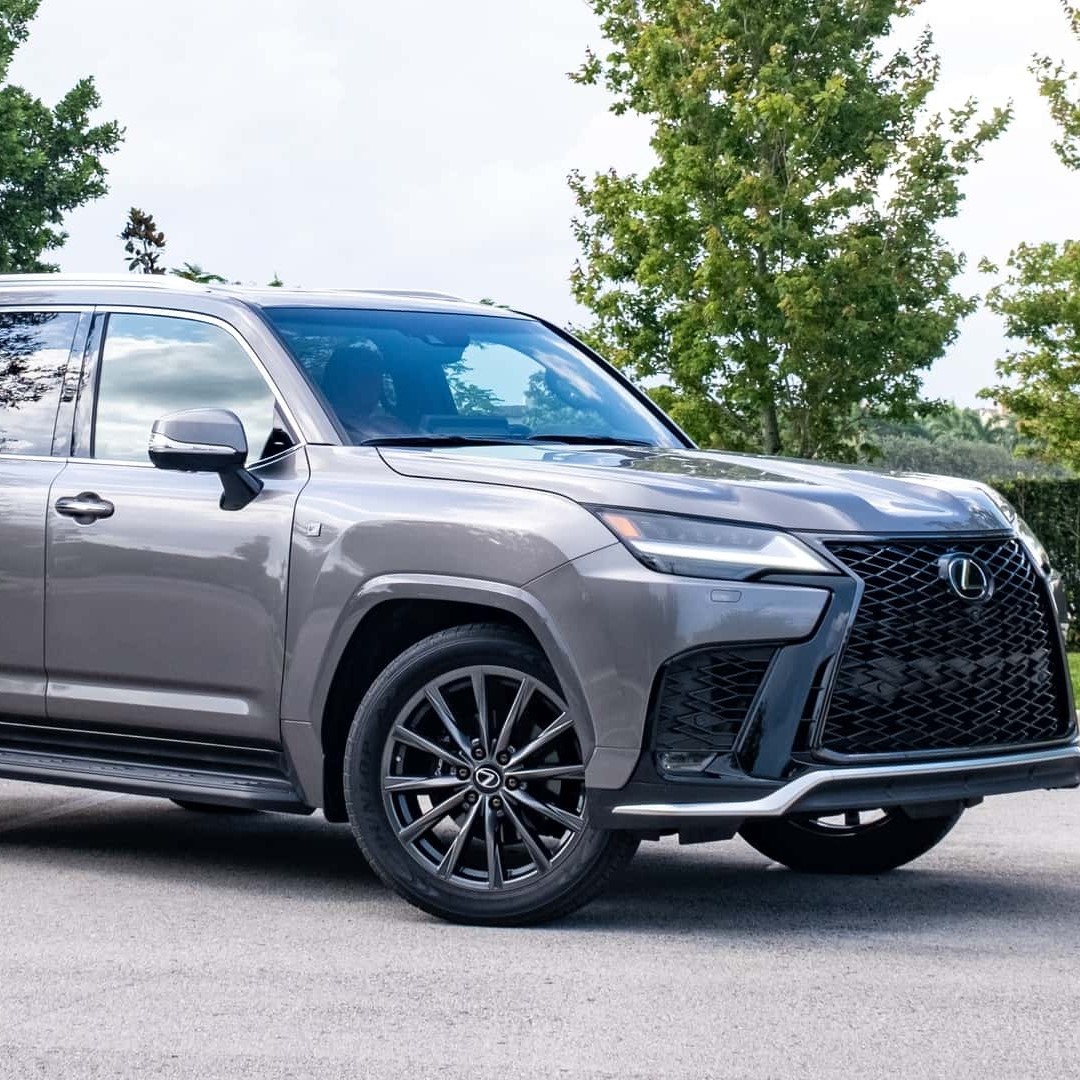
Lexus has a strong history with hybrid technology. The RX Hybrid and NX Hybrid sell well globally. A Lexus pickup truck would likely offer hybrid and possibly electric options. This aligns with parent company Toyota’s environmental goals.
A twin-turbo V6 hybrid setup could deliver over 450 horsepower. Electric motors at each axle enable full-time four-wheel drive. Torque vectoring improves handling on rough terrain. Regenerative braking extends range.
Towing capacity would meet or exceed 8,000 pounds. Trailer sway control and automatic hitch leveling come standard. An adaptive air suspension adjusts ride height based on load.
Off-road performance matters too. Multi-terrain select, crawl control, and locking differentials ensure grip. Drivers navigate mud, sand, and rocks with ease. Hill descent control maintains safe speeds downhill.
On highways, the focus shifts to comfort. Noise-canceling cabin materials reduce road and wind noise. Adaptive cruise control works in traffic. Lane-keeping assist prevents drifting.
Fuel economy would outperform gas-only rivals. A hybrid model might achieve 25 mpg combined. Plug-in versions could offer 40 miles of electric-only range. Efficiency meets capability.
Safety and Driver Assistance Features
Prioritizing Protection Without Compromise
Safety remains a top priority for Lexus. Every new model includes the Lexus Safety System+ suite. A Lexus pickup truck would feature the latest version. This means radar-guided cruise control and pre-collision braking.
Blind-spot monitoring covers the entire side view. Rear cross-traffic alert warns during reversing. Night vision systems detect animals or pedestrians in darkness.
Cameras surround the truck. A 360-degree view helps park in tight spots. Bed monitoring shows cargo status remotely. Some systems even record near-misses.
Driver alerts prevent fatigue. Steering wheel sensors detect lack of input. If no response occurs, audible and visual warnings activate. In extreme cases, the system slows the vehicle.
Child safety features matter too. LATCH anchors secure car seats. Rear-door child locks prevent accidental opening. Automatic window reversal stops pinching.
Crash test ratings would aim for top scores. High-strength steel protects the cabin. Airbags cover front, side, knee, and curtain zones. Pedestrian detection reduces impact severity.
All these systems operate quietly in the background. They support confidence without distracting the driver.
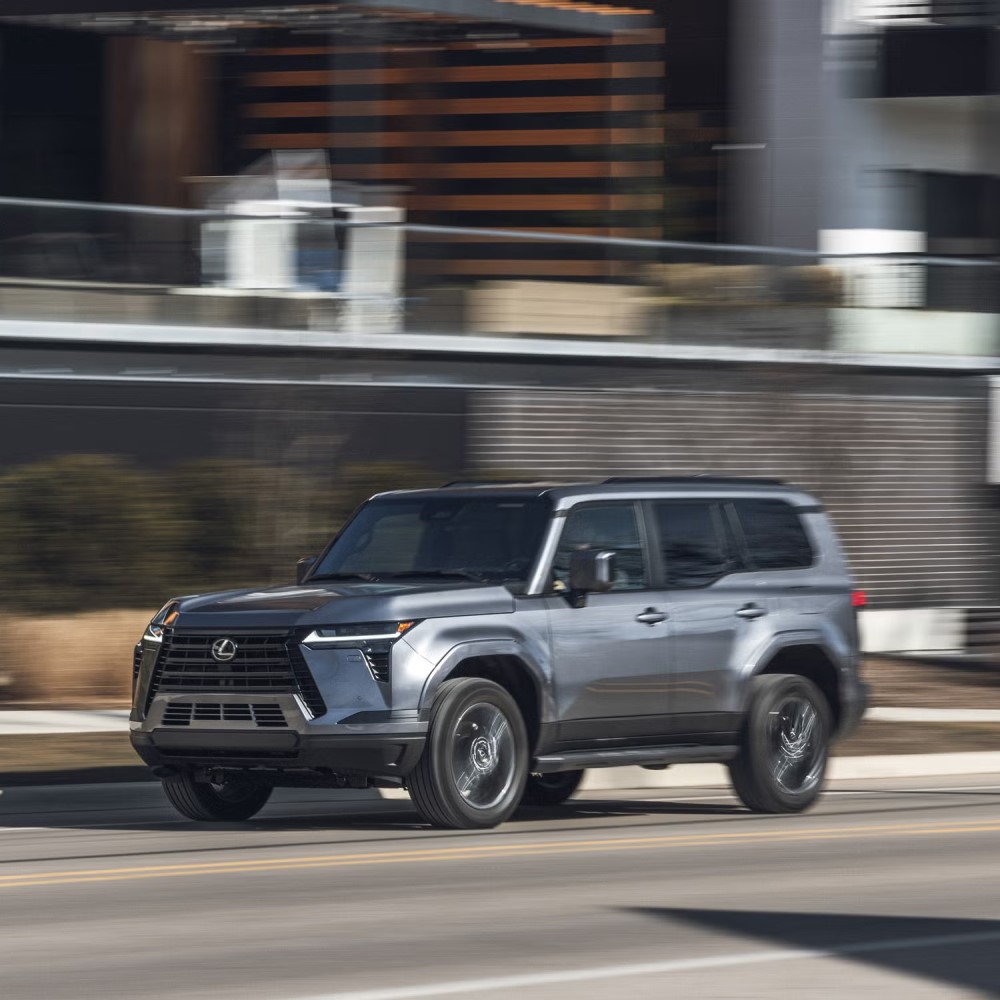 Target Audience and Lifestyle Appeal
Who Would Buy a Lexus Pickup Truck?
A Lexus pickup truck would attract a specific group. These buyers already own luxury SUVs or sports cars. They value craftsmanship and reliability. Now, they want a truck that matches their lifestyle.
Outdoor enthusiasts make up a large segment. They camp, boat, and hike often. They need space for gear and trailers. At the same time, they dislike rough rides or noisy cabs.
Urban professionals also show interest. They live in cities but escape on weekends. Their garage holds a designer SUV and a weekend toy. A sleek pickup fits perfectly.
Fleet operators may consider limited numbers. High-end resorts or event companies use them for guest transport. They carry supplies while maintaining brand image.
Luxury ranch owners could become loyal users. They work on land but expect comfort. A quiet, powerful truck suits daily chores and evening drives.
Even collectors might buy one. Limited editions with unique badges hold value. Custom interiors and numbered plaques increase exclusivity.
This diverse audience shares one goal: seamless transition between duty and delight. A Lexus pickup truck bridges that gap.
Challenges and Brand Identity Concerns
Balancing Toughness with Refinement
One major challenge is perception. Lexus stands for comfort and quiet operation. Trucks represent durability and raw power. Merging these identities takes careful planning.
Some fans worry a Lexus pickup truck would feel too soft. They fear weak suspension or low ground clearance. Others doubt its towing ability compared to diesel rivals.
To win trust, Lexus must prove capability. Rigorous testing in deserts, mountains, and forests builds credibility. Public demos show real-world strength.
Competition grows every year. The Mercedes-Benz G-Wagon pickup concept showed interest. BMW and Audi may follow. Lexus cannot wait too long.
Dealership training also matters. Sales teams must explain hybrid benefits and off-road modes. Service centers need tools for electric components.
Despite challenges, opportunity exists. Lexus has the engineering and reputation to succeed. A bold move could define the next decade.
 Frequently Asked Questions
Answers to Top Consumer Queries
Will Lexus ever build a pickup truck? No official model exists yet. However, rumors and patents suggest development may be underway.
Would it be electric or hybrid? Most likely a hybrid first. A fully electric version could follow later.
Can it tow a trailer? Yes. Expect at least 8,000 pounds with proper equipment.
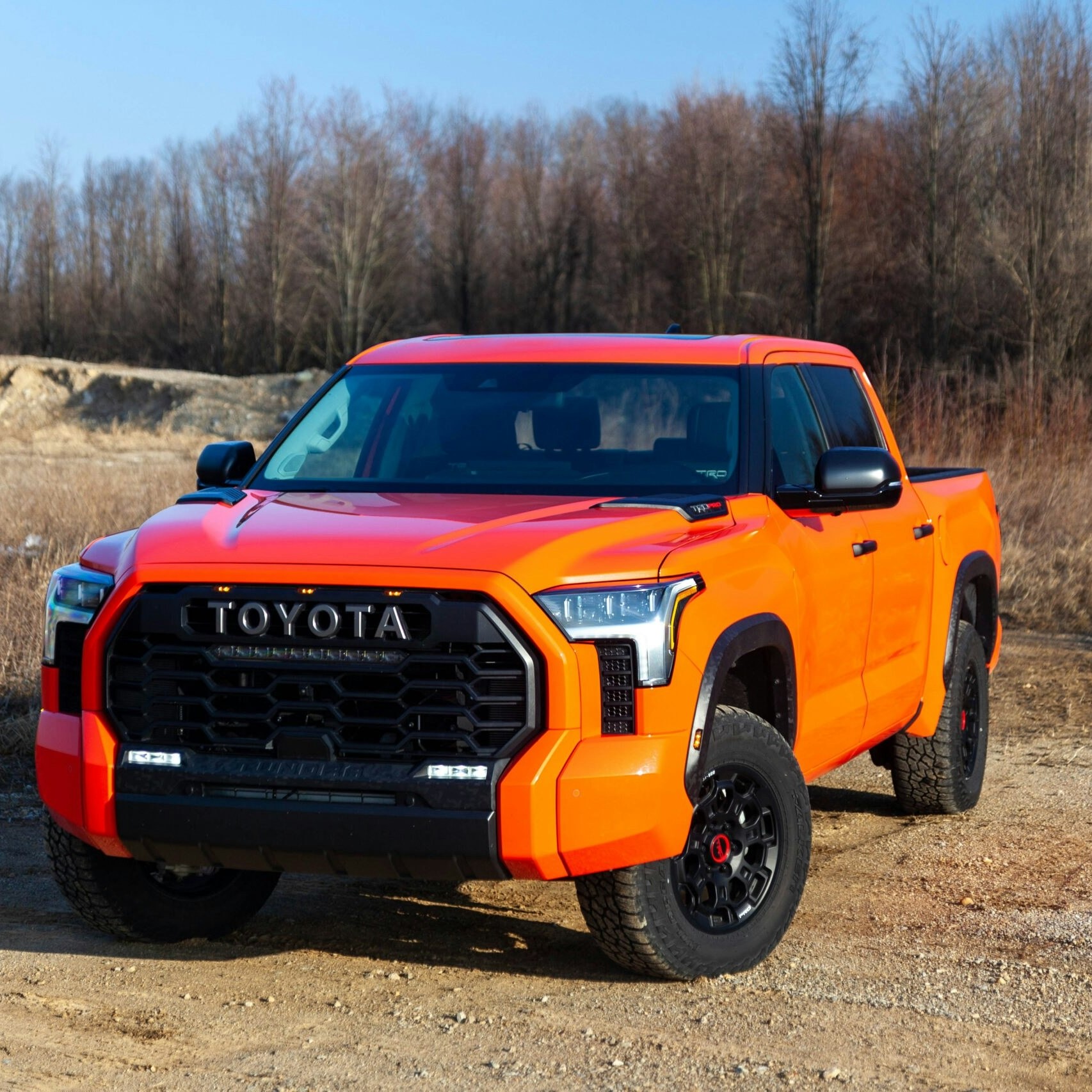
Is it based on the Toyota Tundra? Possibly. A shared platform saves costs and speeds production.
Will it have a crew cab and four doors? Almost certainly. Modern buyers demand rear seat access.
Does Lexus have off-road experience? Yes. The GX and LX models handle rough terrain well.
How much would it cost? Estimates range from 65,000 90,000 depending on trim.
When could it launch? If approved, a 2027–2028 release seems realistic.
 Final Thoughts on the Future of Luxury Trucks
Could the Lexus Pickup Truck Be the Next Big Thing?
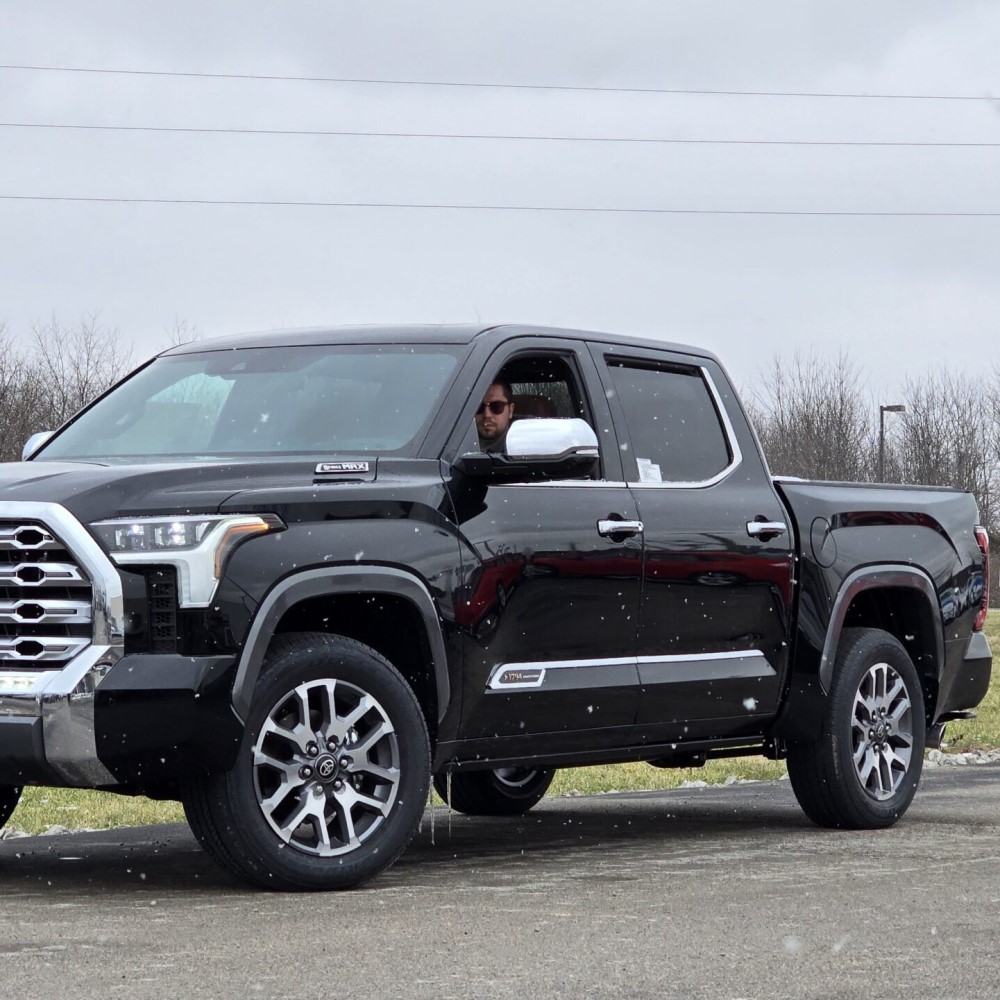
The idea of a Lexus pickup truck makes more sense today than ever before. Markets shift toward premium utility vehicles. Buyers want comfort, tech, and strength in one package. Lexus has the tools to deliver.
It wouldn’t replace the Tacoma or Tundra. Instead, it would fill an empty space in the lineup. A flagship truck for those who demand excellence.
From design to performance, every detail would reflect Japanese precision. Quality materials, smooth power delivery, and smart safety systems set it apart.
While not confirmed, signs point to possibility. Patents, market trends, and consumer demand all align. If Lexus acts now, it could lead a new segment.
Until then, fans wait and wonder. One thing is clear: the dream of a Lexus pickup truck is alive—and getting closer to reality.