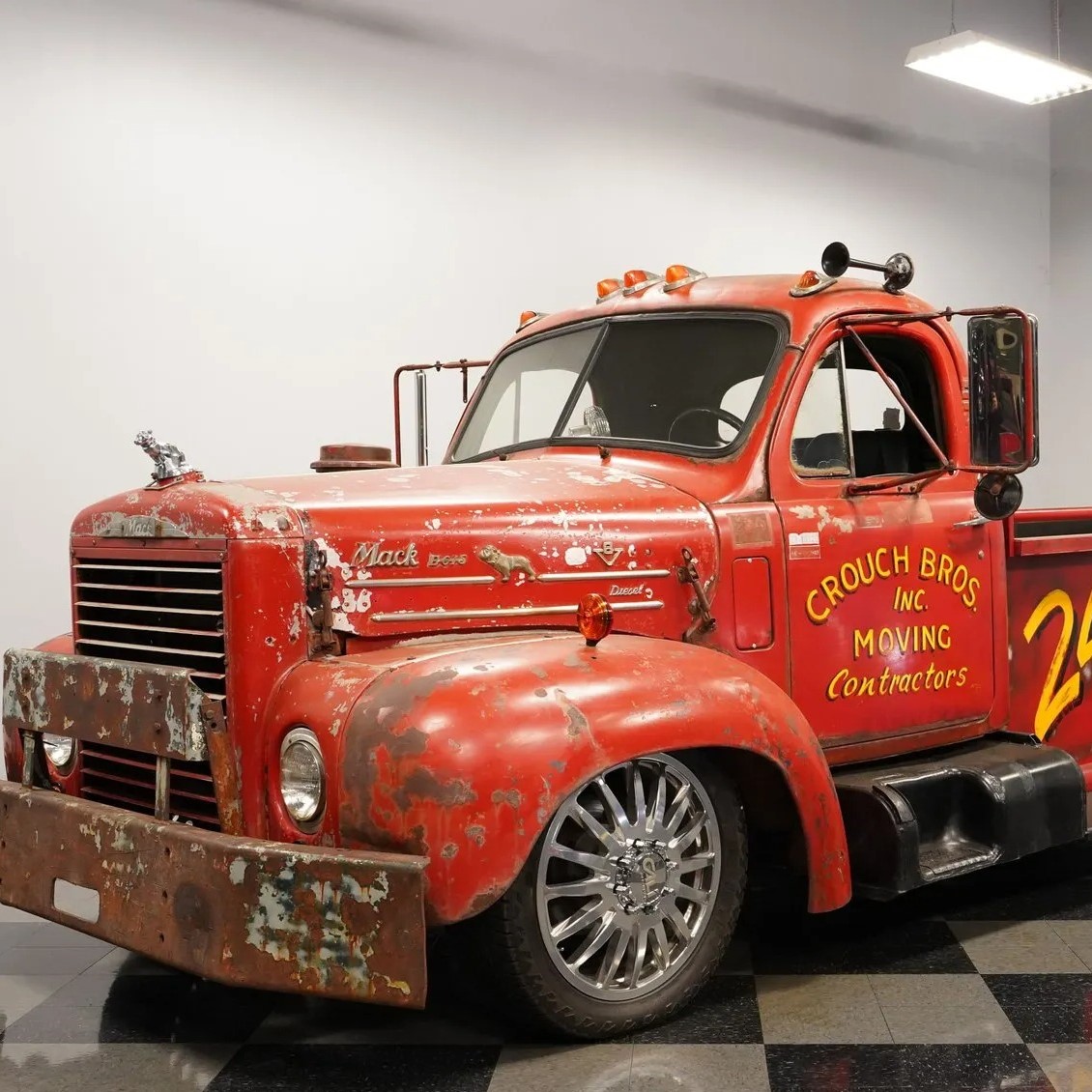
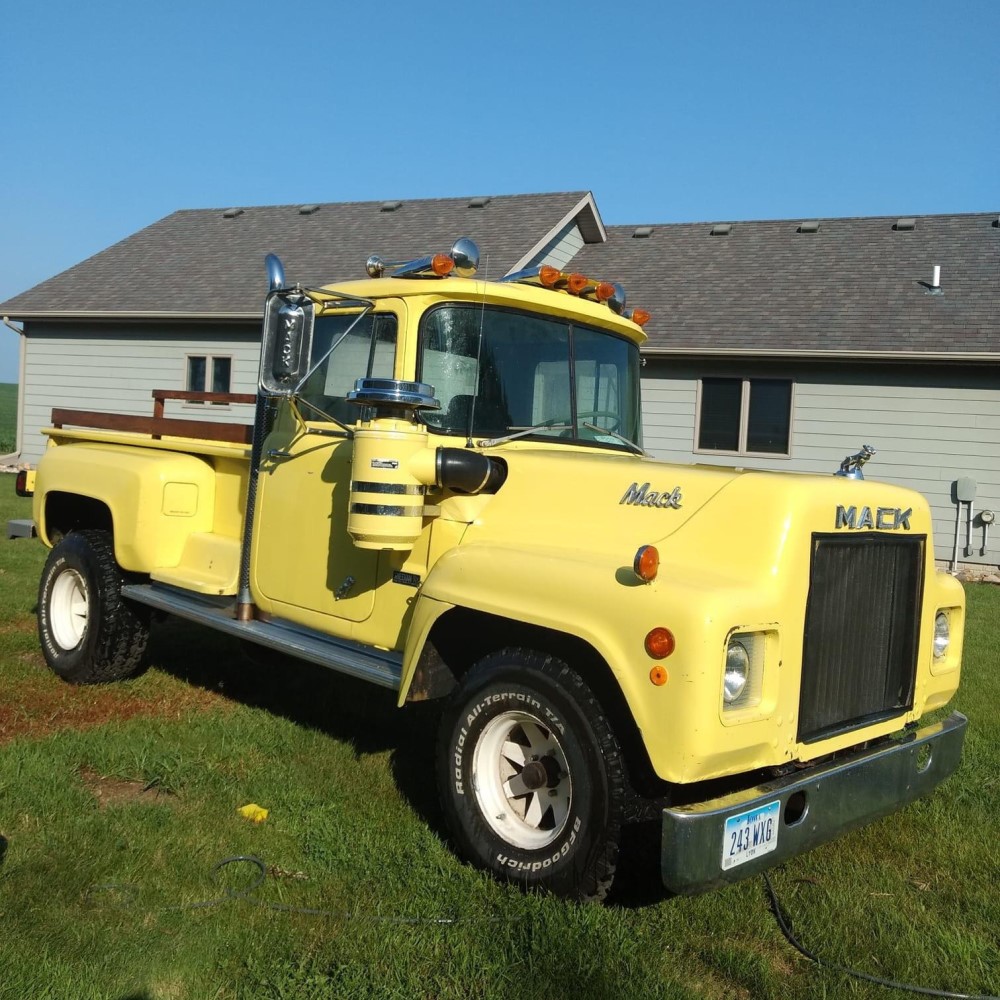
When it comes to heavy-duty performance and rugged dependability, the mack pickup truck stands out in a crowded field of work vehicles. Known for decades as a leader in commercial trucking, Mack has built a reputation on strength, innovation, and engineering excellence. While the brand is most famous for its massive dump trucks and long-haul freight models, interest in a mack pickup truck has grown steadily over the years. Many fans wonder what a Mack-branded light or medium-duty pickup would bring to the table.
Though Mack does not currently manufacture a traditional consumer pickup, the idea remains powerful in the minds of contractors, off-road enthusiasts, and fleet operators. The concept combines Mack’s proven durability with the versatility of a pickup bed. As demand rises for tougher, more capable trucks, the potential for a true mack pickup truck becomes increasingly realistic. This article explores what such a vehicle could offer, drawing from Mack’s legacy and current industry trends.
 Understanding Mack’s Engineering Heritage
How Decades of Heavy-Duty Innovation Shape Expectations
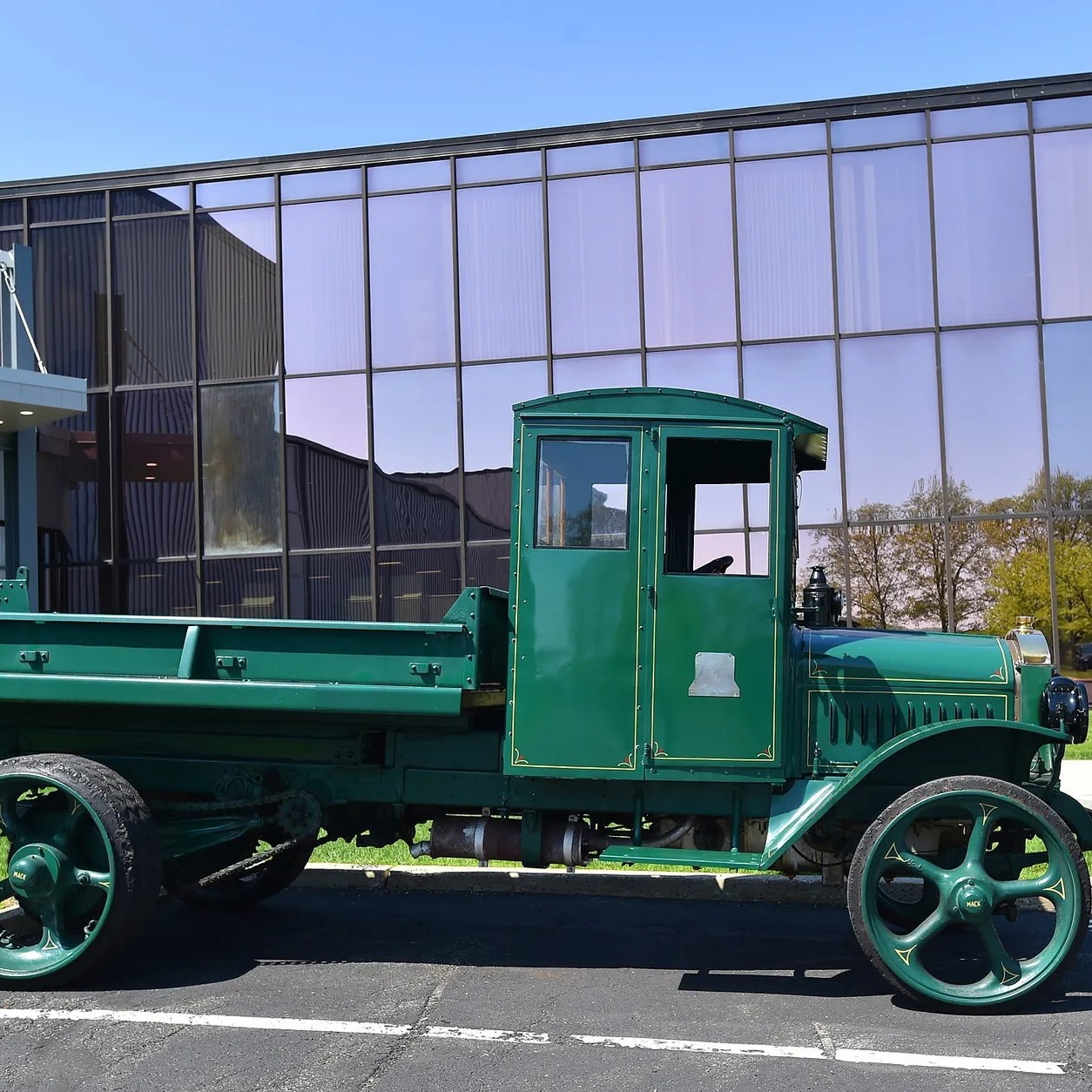
Mack Trucks has been building reliable commercial vehicles since 1900. Over the past century, the company developed technologies that define modern truck performance. Their engines deliver high torque at low RPMs. This allows for smooth power delivery even under extreme loads. These same principles could easily transfer to a mack pickup truck.
The company’s focus on durability sets it apart. Components are tested under harsh conditions. Frames resist twisting. Axles handle constant stress. Even cab designs prioritize driver comfort during long shifts. All these features suggest that a mack pickup truck would outperform standard models in toughness and longevity.
Additionally, Mack uses advanced diagnostics and telematics. Drivers monitor fuel use, engine health, and maintenance needs in real time. A pickup version would likely include similar systems. This data helps prevent breakdowns and improves efficiency.
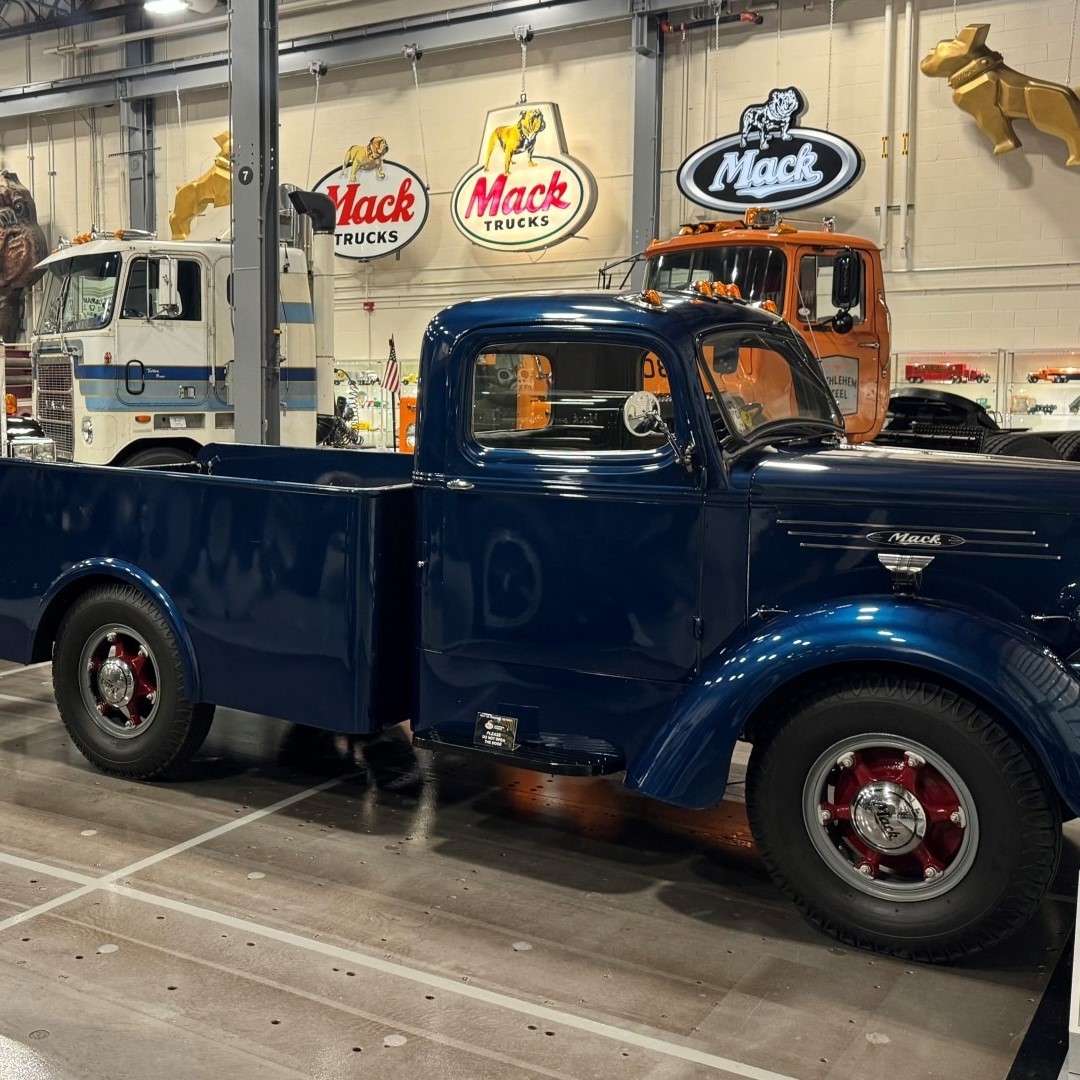
Customers trust the Bulldog hood emblem as a symbol of resilience. That brand identity carries weight in construction, mining, and transportation sectors. If applied to a pickup, it would signal unmatched capability. Buyers would expect nothing less than full commercial-grade strength.
As automakers explore new segments, Mack’s expertise offers a strong foundation. The leap from Class 8 trucks to a heavy-duty pickup is smaller than it appears. With the right design, a mack pickup truck could dominate niche markets.
Features You’d Expect in a Mack Pickup Truck
Performance, Design, and Utility Built for Real Work
If Mack launched a pickup, customers would anticipate serious engineering. First, the chassis would be fully boxed and reinforced. It would support heavy payloads without sagging. Suspension systems might borrow from existing vocational models. Air ride or multi-leaf setups would handle rough terrain and loaded hauls.
Powertrain options would reflect Mack’s diesel leadership. A pickup could feature a detuned version of the MP8 engine. This unit produces over 500 horsepower and 1,860 lb-ft of torque in larger trucks. In a pickup, it would enable extreme towing—possibly exceeding 30,000 pounds with proper gearing.
Transmission choices would include automated manuals. These shift faster and last longer than traditional automatics. Drivers gain better control on inclines and slippery surfaces. Off-road crawlers and job site maneuvers become easier.
Exterior styling would stay true to Mack’s bold look. Expect a wide grille, aggressive headlights, and prominent fenders. The bed would include tie-down points, LED lighting, and composite materials to reduce weight. Integrated tool storage and sliding trays would boost functionality.
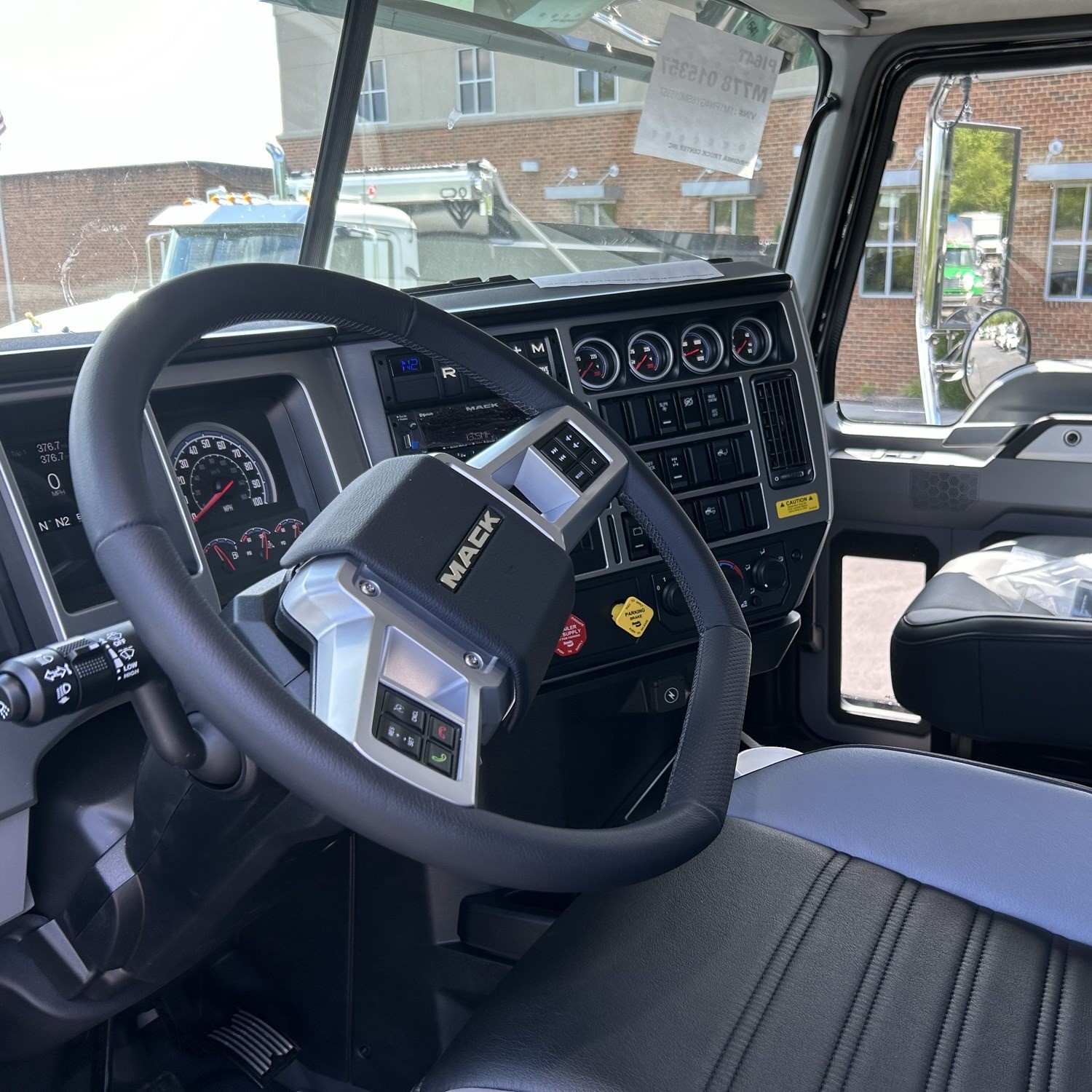
Interior cabins would balance comfort and utility. Seats would support long drives. Controls would remain within easy reach. Digital displays would show engine stats and navigation. Sound insulation would reduce road noise. Yet the overall feel would remain industrial and tough.
 Target Markets for a Mack Pickup Truck
Who Would Benefit Most from This Type of Vehicle
A mack pickup truck would appeal to several specialized groups. First, contractors managing large worksites need durable equipment. They haul tools, generators, and materials daily. Standard pickups wear down quickly. A Mack-based model would withstand years of abuse.
Fleet managers also represent a key audience. Companies operating mixed vehicle lines value consistency. If they already use Mack dump trucks or service vehicles, adding a pickup simplifies maintenance. Parts sharing reduces costs. Training mechanics becomes easier.
Off-road adventurers seeking extreme durability might consider this truck. Overlanders who travel remote regions require self-reliance. A Mack pickup could include winches, auxiliary fuel tanks, and skid plates. Its robust frame would survive rock crawling and river crossings.
Emergency response teams could use modified versions. Fire departments, search and rescue units, and disaster relief crews need dependable transport. A mack pickup truck could carry pumps, ladders, or medical supplies. Its reliability ensures mission success.
Rural landowners and ranchers often deal with poor roads and long distances. They need vehicles that start in freezing weather and run for thousands of miles. Diesel engines excel in cold climates. High ground clearance handles uneven fields.
Even collectors and enthusiasts would show interest. A limited-edition Mack pickup would become a sought-after item. It would honor the brand’s history while showcasing modern innovation. Demand could exceed initial production runs.
Comparing the Mack Concept to Current Competitors
How a Mack Pickup Would Stack Up Against Ram, Ford, and GM
Today’s heavy-duty pickup market includes strong players like the Ford F-450, Ram 3500, and Chevrolet Silverado 3500. These trucks offer impressive towing and payload numbers. However, a mack pickup truck could challenge them with deeper commercial roots.
For example, Ford’s Super Duty line focuses on comfort and tech. It appeals to both workers and families. Ram emphasizes ride quality and quiet interiors. GM delivers strong V8 performance and trailer assist systems. All three brands serve general audiences.
In contrast, Mack builds only for commercial duty. Every component serves a purpose. There’s less emphasis on luxury and more on uptime. A Mack pickup would likely skip flashy trim levels. Instead, it would offer job-specific configurations.
Towing capacity would be a major differentiator. While top-tier pickups reach around 37,000 pounds, a Mack-based model could match or exceed that. Its experience with gooseneck trailers and fifth wheels gives it an edge. Trailer brake controls and hitch integration would be factory-grade.
Payload ratings would also stand out. Reinforced frames and dual rear wheels support heavier loads. Steel beds would resist dents from bricks, lumber, or metal beams. Tie-down systems would follow commercial standards.
Durability testing would go beyond typical cycles. Mack subjects prototypes to salt baths, desert heat, and mountain grades. A pickup would endure the same trials. This level of validation inspires confidence in buyers.
Ultimately, a mack pickup truck wouldn’t aim to replace mainstream models. It would fill a gap for users who demand uncompromised toughness.
 Potential Challenges in Developing a Mack Pickup
Production, Market Entry, and Brand Positioning Hurdles
Introducing a mack pickup truck isn’t without obstacles. One major issue is manufacturing scale. Mack’s plants focus on large commercial units. Retooling for lighter vehicles requires investment. Assembly lines may need redesigns. Supply chains must adapt to smaller parts.
Another challenge involves branding. Mack is associated with big rigs, not personal vehicles. Consumers may struggle to see the brand in a pickup context. Marketing campaigns would need to clarify the truck’s purpose. Messaging should emphasize utility, not lifestyle.
Regulatory compliance adds complexity. Emissions standards differ between Class 8 trucks and light-duty pickups. Engine tuning, exhaust systems, and onboard computers must meet EPA and CARB rules. Certification takes time and resources.
Dealer networks also require evaluation. Mack’s current locations service fleets. They may lack space for retail showrooms or test drives. Expanding access means partnering with new distributors or modifying existing sites.
Customer expectations vary too. Pickup buyers want customization. They choose colors, trims, and tech packages. A Mack model might offer fewer options. This minimalism could limit appeal in competitive markets.
Despite these challenges, the opportunity remains strong. With strategic planning, Mack could launch a niche product that fills unmet needs.
Customization and Aftermarket Support Possibilities
Building a Strong Ecosystem Around the Vehicle
Even if Mack offers a basic model, the aftermarket would expand its capabilities. Companies already build accessories for heavy-duty platforms. A mack pickup truck would attract similar attention.
First, bed modifications would emerge. Contractors would install custom racks, ladder mounts, and crane arms. Toolboxes made from aluminum or steel would bolt directly to the frame. Some users might add flatbeds or enclosed canopies.
Winch manufacturers would create compatible front bumpers. Electric and hydraulic models would fit seamlessly. Recovery gear like snatch blocks and synthetic rope would pair well. Off-roaders would equip their trucks for extreme trails.
Suspension upgrades would follow. Lift kits designed for commercial axles would improve ground clearance. Larger tires would enhance traction. Rock sliders and brush guards would protect vital components.
Technology integrations would grow too. Fleet tracking devices, backup cameras, and wireless scales would connect via OBD-II ports. Telematics platforms could mirror those used in larger Mack trucks.
Paint and wrap shops would develop branded schemes. Municipalities might order units for public works. Fire departments could commission emergency variants. Each adaptation increases the vehicle’s visibility.
Enthusiast communities would form online. Forums, YouTube channels, and social media groups would share tips. Owners would post build logs and performance tests. This organic engagement boosts credibility.
Over time, third-party support could surpass factory offerings. A vibrant ecosystem makes ownership more appealing.
 Environmental and Fuel Efficiency Considerations
Balancing Power with Sustainability Goals
While known for power, Mack cannot ignore environmental trends. A mack pickup truck would face pressure to reduce emissions. Buyers still want performance. However, regulations push toward cleaner solutions.
One path involves advanced diesel technology. Modern aftertreatment systems capture particulates and nitrogen oxides. DEF (diesel exhaust fluid) systems clean exhaust before release. These features keep diesels compliant and efficient.
Hybrid versions could appear later. A diesel-electric setup would boost low-end torque. Electric motors assist during acceleration. Regenerative braking captures energy otherwise lost. This improves fuel economy in stop-and-go traffic.
Alternative fuels are another option. Mack already tests natural gas and hydrogen-powered trucks. A pickup could use compressed methane or biofuels. These sources produce fewer greenhouse gases.
Fuel efficiency would remain a selling point. Diesels achieve better mileage than gasoline engines. Long highway trips consume less per mile. Operators save money over time.
Lightweight materials help too. Aluminum hoods, composite beds, and high-strength steel reduce overall mass. Less weight means less fuel needed. Performance stays high while consumption drops.
Noise reduction would improve urban usability. Quieter engines and insulated cabs make the truck suitable for early morning deliveries. Neighborhood complaints decrease.
Sustainability doesn’t mean sacrificing strength. A mack pickup truck could prove that power and responsibility coexist.
Frequently Asked Questions
Does Mack currently make a pickup truck?
No. Mack does not sell a pickup today. However, speculation continues due to customer demand.
Would a mack pickup truck use a diesel engine?
Most likely. Mack specializes in diesel powertrains. A V8 or inline-six diesel would be expected.
How much could it tow?
Estimates range from 25,000 to over 30,000 pounds. Exact figures depend on configuration.
Could it be used for daily driving?
Yes, but it would prioritize function over comfort. Ride quality might feel stiff compared to standard pickups.
Would it have four-wheel drive?
Almost certainly. A true work truck needs off-road capability. Full-time 4WD would be ideal.
Is there a chance Mack will launch one soon?
Possible. No official announcement exists. But industry trends suggest it’s not out of the question.
Would parts be easy to find?
Mack has a strong service network. Common components would be available through dealers.
Could individuals buy it, or only fleets?
Initially, fleets might get priority. Over time, individual sales could open up.
 Final Thoughts
The idea of a mack pickup truck captures the imagination of hard-working professionals and truck enthusiasts alike. It represents the ultimate fusion of brute strength, proven engineering, and no-nonsense design. While not yet a reality, the demand for such a vehicle continues to grow.
With Mack’s legacy of durability and performance, a pickup bearing the Bulldog badge would set a new benchmark. It would serve those who need more than what current models offer. From remote construction sites to rugged backcountry trails, a mack pickup truck would rise to every challenge.