The idea of a John Deere pickup truck has sparked curiosity and excitement among farmers, off-road enthusiasts, and utility vehicle fans. While John Deere does not currently manufacture a traditional consumer pickup truck, the brand’s reputation for rugged machinery fuels ongoing speculation. Many people imagine what such a vehicle could look like—durable, green-painted, and built for hard work. Its potential design would reflect the same reliability found in tractors and combines.
Moreover, demand for a John Deere pickup truck continues to grow as buyers seek vehicles that match agricultural lifestyles. Worksite mobility, towing capacity, and weather resistance are essential traits. A true John Deere-branded truck would likely emphasize function over flash. It would serve as both a daily driver and a field-ready machine. Therefore, understanding this concept means exploring more than just engineering—it involves culture, identity, and practical needs.
 The Legacy Behind the John Deere Name
From Plows to Powerful Machines
John Deere began in 1837 with a simple steel plow that changed farming forever. Its smooth surface cut through sticky soil better than iron tools. As a result, farmers achieved greater efficiency and yields. Over time, the company expanded into tractors, mowers, and harvesting equipment. Each new product reinforced its image of strength and innovation.
Later, John Deere entered the construction and forestry sectors. Their machines handled extreme conditions with ease. Customers trusted the brand for durability and long-term value. This trust extends beyond professionals to weekend landowners and hobby farmers. The iconic green and yellow color scheme became a symbol of quality.
Now, many wonder if the John Deere pickup truck could be the next logical step. Trucks play a central role in rural life. They transport tools, livestock, feed, and supplies. A factory-built model under the John Deere name would carry strong emotional appeal. It would not just move cargo—it would represent a way of life.
What Would a John Deere Pickup Truck Offer?
Core Features Based on Real-World Needs
If a John Deere pickup truck ever becomes reality, it would prioritize utility above all else. Expect heavy-duty suspension systems capable of handling uneven terrain. Reinforced frames would support heavy payloads without warping. Steel body panels might replace lightweight composites for lasting toughness.
Also, diesel powertrains would likely dominate the lineup. Diesel engines deliver high torque at low RPMs. This makes them ideal for pulling trailers or climbing muddy hills. Fuel efficiency would remain competitive, especially when working long hours. Manual transmissions could be optional for drivers who prefer control.
Weather-sealed cabs would protect against dust, rain, and snow. Seating materials would resist stains and wear from boots or work gloves. Interior storage would include spaces for gloves, keys, and small tools. Power outlets would charge radios, GPS units, or electric fences. Every detail would serve a purpose.
 Comparing Existing Alternatives in the Market
How Current Trucks Measure Up to the Ideal
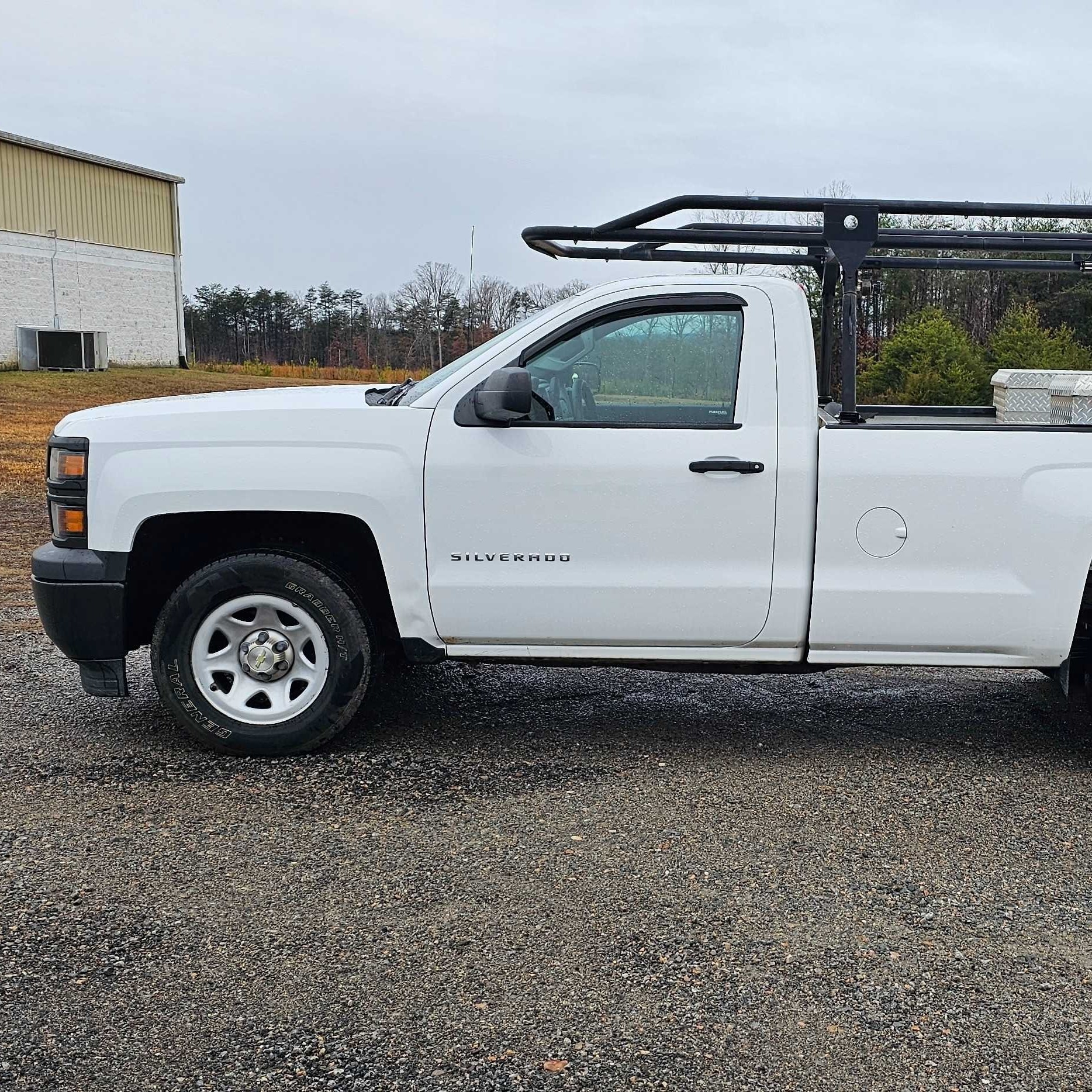
Today, several manufacturers offer trucks that appeal to farm and ranch users. Models like the Ford F-250, Ram 2500, and Chevrolet Silverado HD perform well in tough jobs. These heavy-duty pickups feature strong towing capacities and available four-wheel drive. Some even come with utility-focused packages.
However, none carry the agricultural authenticity of a John Deere pickup truck. Aftermarket modifications often bridge the gap. Owners add John Deere decals, custom grilles, or branded floor mats. Some convert service bodies to match their fleet colors. These personal touches show deep brand loyalty.
Still, customization costs money and time. A factory-built John Deere pickup truck would eliminate extra steps. Buyers would get a complete, ready-to-work vehicle straight from the dealer. Integrated features like PTO (Power Take-Off) compatibility or hydraulic hookups could set it apart. No current pickup offers that level of farm-specific engineering.
Potential Design Elements Inspired by John Deere Equipment
Styling That Reflects Heritage and Function
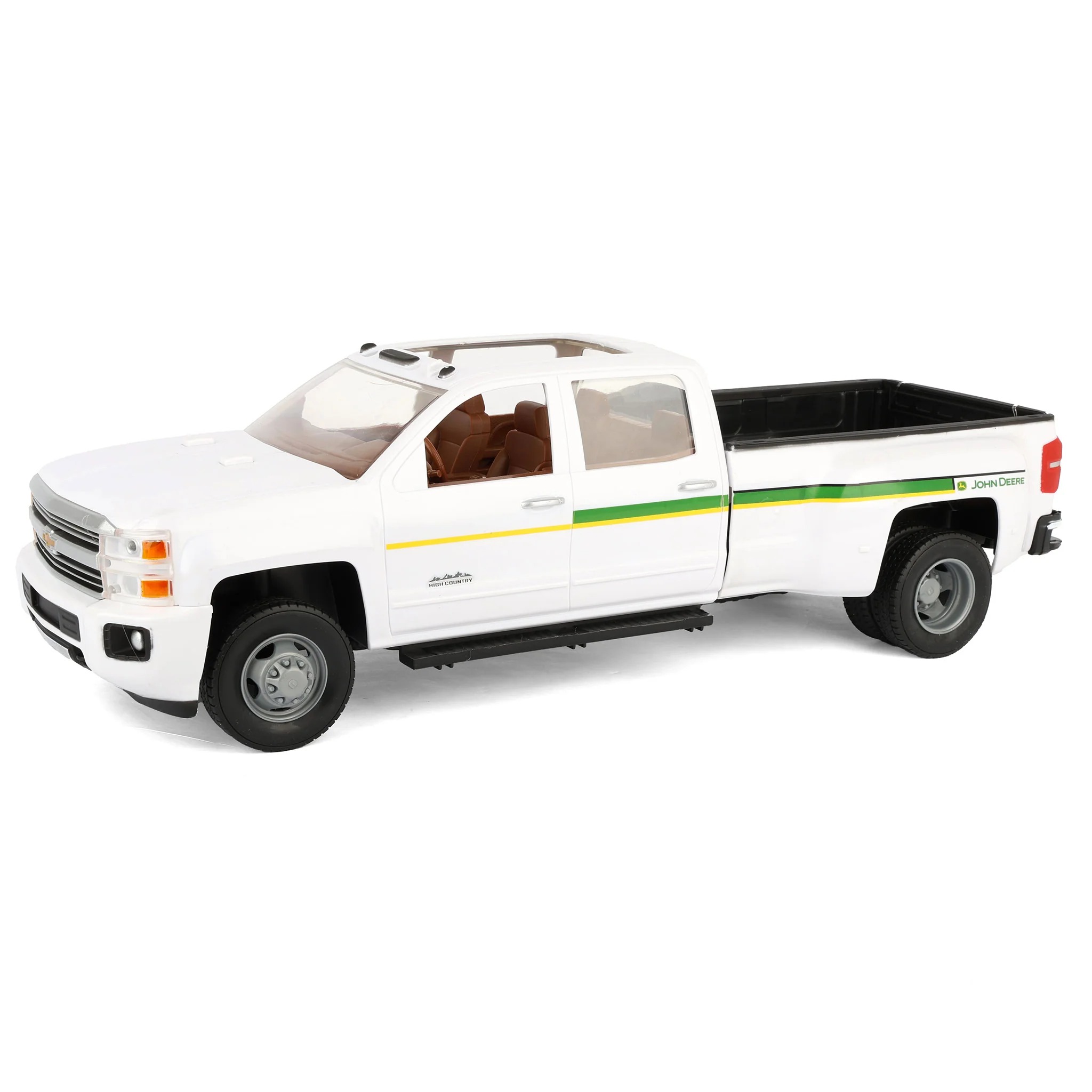
A John Deere pickup truck would likely follow the clean, bold lines seen in modern tractors. The front grille would feature the classic leaping deer logo in chrome or black. Green paint with yellow accents would make it instantly recognizable. Matte finishes could reduce glare during sunny days.
Headlights would be large and protected behind durable covers. Fog lights would assist visibility in early mornings or dusty fields. Wheel arches would accommodate oversized all-terrain tires. Fenders might include venting to prevent mud buildup. Underbody shielding would guard against rocks and stumps.
The bed would include tie-down points, non-slip flooring, and foldable side rails. A tailgate could double as a workbench or ramp. Sliding toolboxes or removable dividers would help organize gear. LED lighting would improve nighttime access. All these elements would reflect real user feedback.
 Performance Expectations for Farm and Field Use
Engine, Towing, and Off-Road Capabilities
Any John Deere pickup truck must deliver serious performance. A turbocharged diesel engine producing over 400 horsepower would meet expectations. Torque figures exceeding 800 lb-ft would allow effortless hauling. Transmission options would include automated manuals for smoother shifting under load.
Towing capacity would likely exceed 20,000 pounds. Trailer brake controllers and trailer sway correction would come standard. Hitch receivers would support gooseneck and fifth-wheel setups. Cooling systems would stay efficient even during slow, heavy pulls.
Four-wheel drive would use a dual-range transfer case. Locking differentials would improve traction in slippery conditions. Approach, departure, and breakover angles would maximize ground clearance. Hill descent control and crawl modes would aid steep slopes. Electronic stability systems would adapt to loose surfaces. These features already exist in premium trucks. Combining them with John Deere branding would create a compelling package.
Custom Conversions: The Closest Thing Available Today
Turning Standard Trucks into John Deere-Like Vehicles
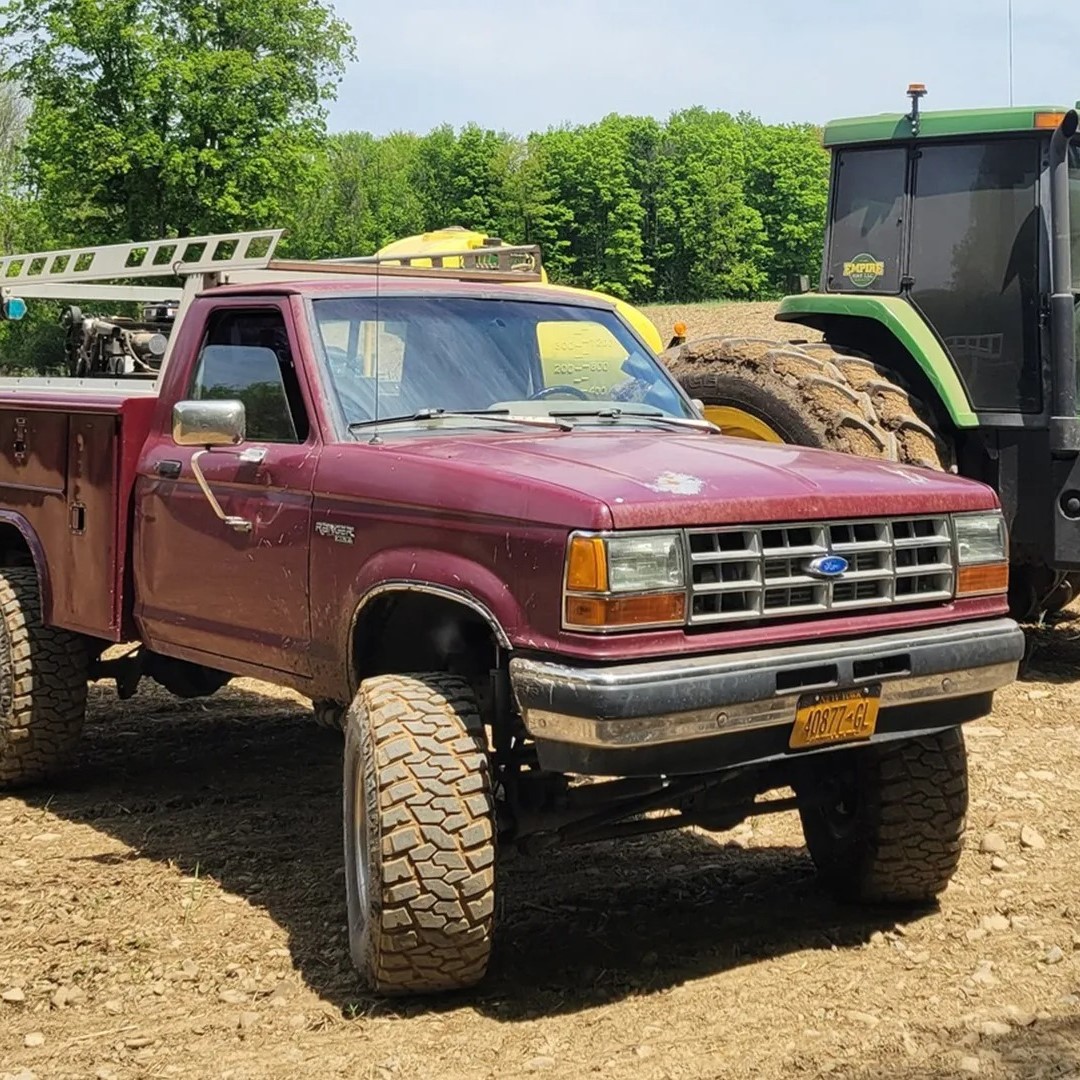
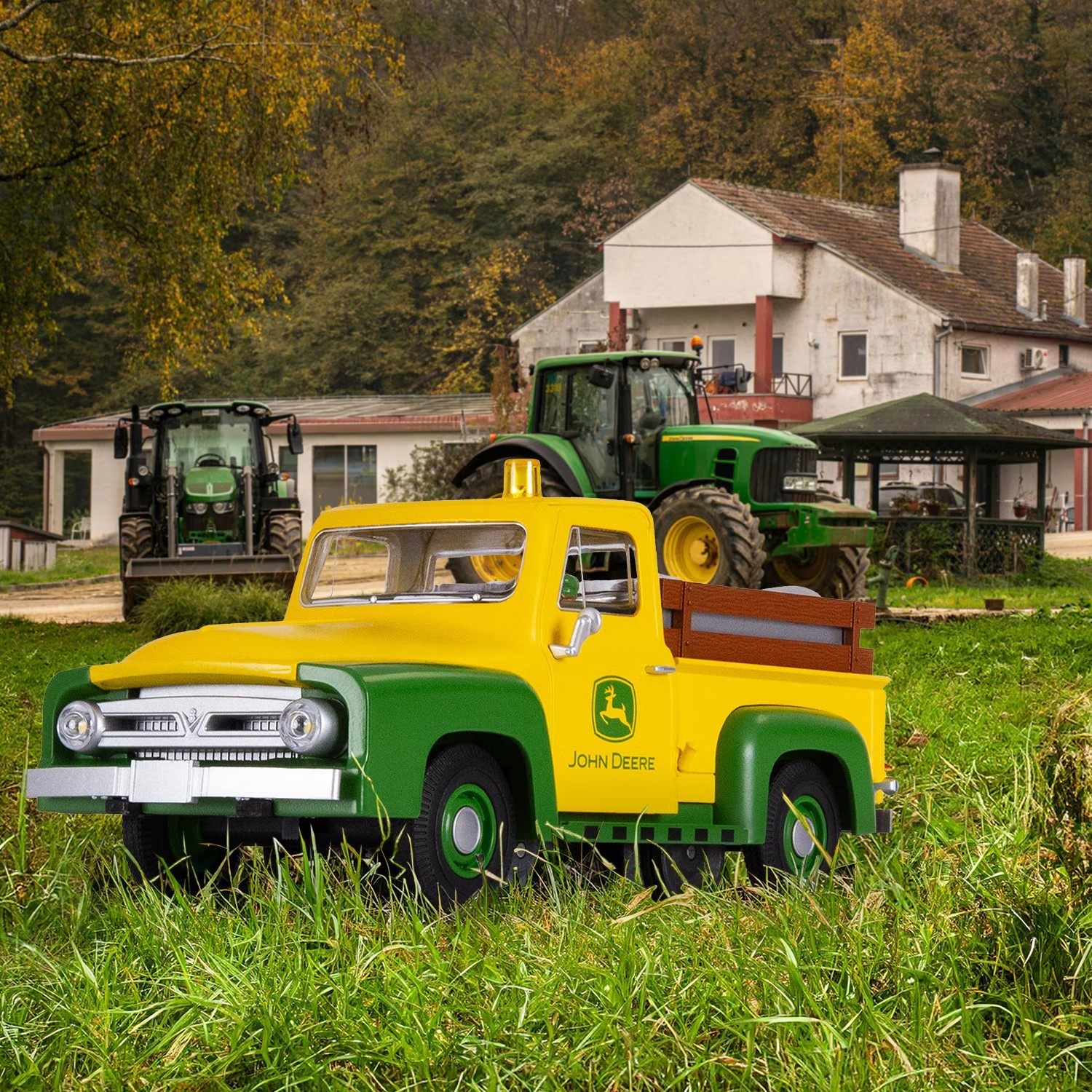
Until an official John Deere pickup truck arrives, enthusiasts create their own versions. Skilled fabricators modify existing pickups using John Deere parts. Grilles, hoods, and trim pieces get replaced with authentic components. Some even repaint entire vehicles in official green and yellow.
Body kits mimic the boxy shape of Gator utility vehicles. Others install tractor-style seats or steering wheels. Functional upgrades include auxiliary hydraulics for powering farm tools. Winches, brush guards, and roof racks enhance off-road readiness. These builds often appear at county fairs and tractor shows.
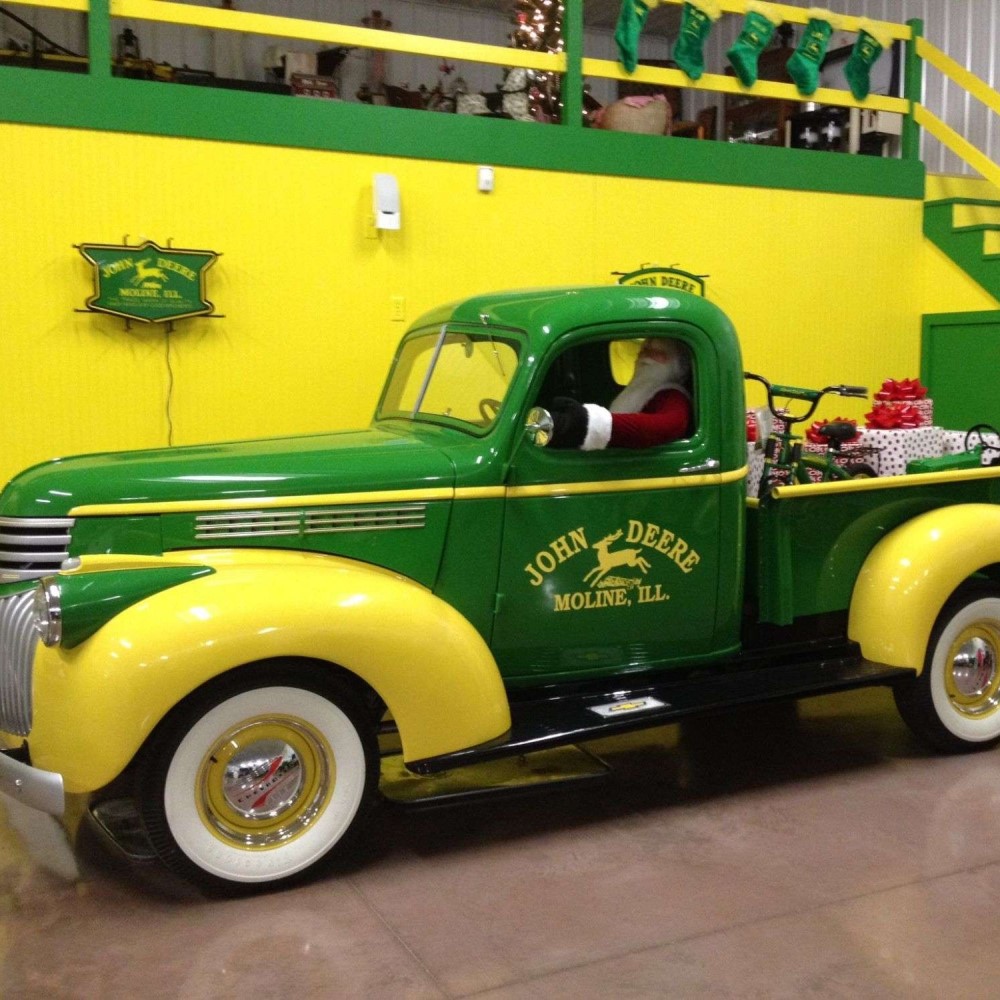
Dealerships sometimes partner with customization shops. Limited-edition “John Deere Edition” trucks have been offered in the past. These special models featured badging, interior stitching, and matching trailers. While not factory-made, they satisfied fan demand temporarily. Such collaborations prove market interest remains strong.
 Environmental and Economic Considerations
Balancing Power with Sustainability
Future versions of a John Deere pickup truck may need to address emissions and fuel economy. Stricter regulations push automakers toward cleaner technologies. Hybrid and electric drivetrains are becoming more common. John Deere already produces electric Gators and hybrid tractors. Applying that knowledge to a pickup is possible.
Battery-electric models could serve short-haul duties on large properties. Fast charging stations could be installed on farms. Regenerative braking would recover energy during downhill runs. For longer distances, plug-in hybrids might offer the best compromise.
Sustainability also includes material sourcing. Recycled steel, bio-based plastics, and low-VOC paints could reduce environmental impact. Longer service intervals and modular repairs would lower ownership costs. Farmers appreciate machines that last decades. A John Deere pickup truck would aim for the same longevity.
Frequently Asked Questions
Is John Deere planning to build a pickup truck?
As of now, John Deere has not announced plans to produce a full-size pickup truck. They focus on agricultural, commercial, and utility vehicles. However, rumors persist due to high public interest.
Can I buy a John Deere-branded truck today?
Not directly from John Deere. Some dealers sold modified pickups in partnership with other brands. These limited editions included special trim and accessories. Availability was regional and temporary.
Would a John Deere pickup truck use diesel engines?
Most likely, yes. Diesel aligns with the brand’s heavy machinery lineup. High torque and fuel efficiency make it ideal for farm tasks. Future models might include hybrid or electric options.
How much would a John Deere pickup truck cost?
Exact pricing is unknown. Based on comparable heavy-duty trucks, estimates range from 60,000toover90,000. Specialized configurations could increase cost further.
Could a John Deere pickup tow farm equipment?
Absolutely. With proper engineering, it could tow tractors, planters, and grain carts. Matching hitch systems and weight ratings would ensure safe operation.
 Final Thoughts
A Symbol of Practical Innovation and Rural Pride
The john deere pickup truck remains a powerful idea rooted in real-world needs. Though it doesn’t exist yet as a factory model, its potential resonates deeply. Farmers, ranchers, and outdoor workers want vehicles that reflect their values. Durability, simplicity, and performance matter most.
Brand loyalty ensures continued interest. Custom builds and special editions keep the dream alive. Advances in technology make such a project more feasible than ever. Whether powered by diesel, hybrid, or electricity, the core mission stays clear.
Ultimately, the john deere pickup truck represents more than transportation. It stands for independence, hard work, and connection to the land. If John Deere ever chooses to enter the pickup market, it will do so with purpose. Until then, imagination and innovation keep the vision moving forward.