After a collision, your vehicle’s airbags deploy in milliseconds to protect occupants. Once this happens, the airbag system does not simply reset itself. Instead, the airbag module stores crash data and triggers a warning light on the dashboard. This signal indicates that a full airbag module reset is required before the system can function again. Without this step, the Supplemental Restraint System (SRS) remains disabled. That means future impacts may not trigger airbag deployment. As a result, safety is seriously compromised.
Performing an airbag module reset ensures the entire system returns to factory condition. It clears fault codes, erases accident memory, and restores readiness. Whether you’re repairing a car after minor damage or replacing salvaged parts, this process is non-negotiable. Many drivers mistakenly believe installing new airbags is enough. However, without resetting the module, those new components remain inactive. Therefore, understanding how and why to complete an airbag module reset is crucial for long-term safety.
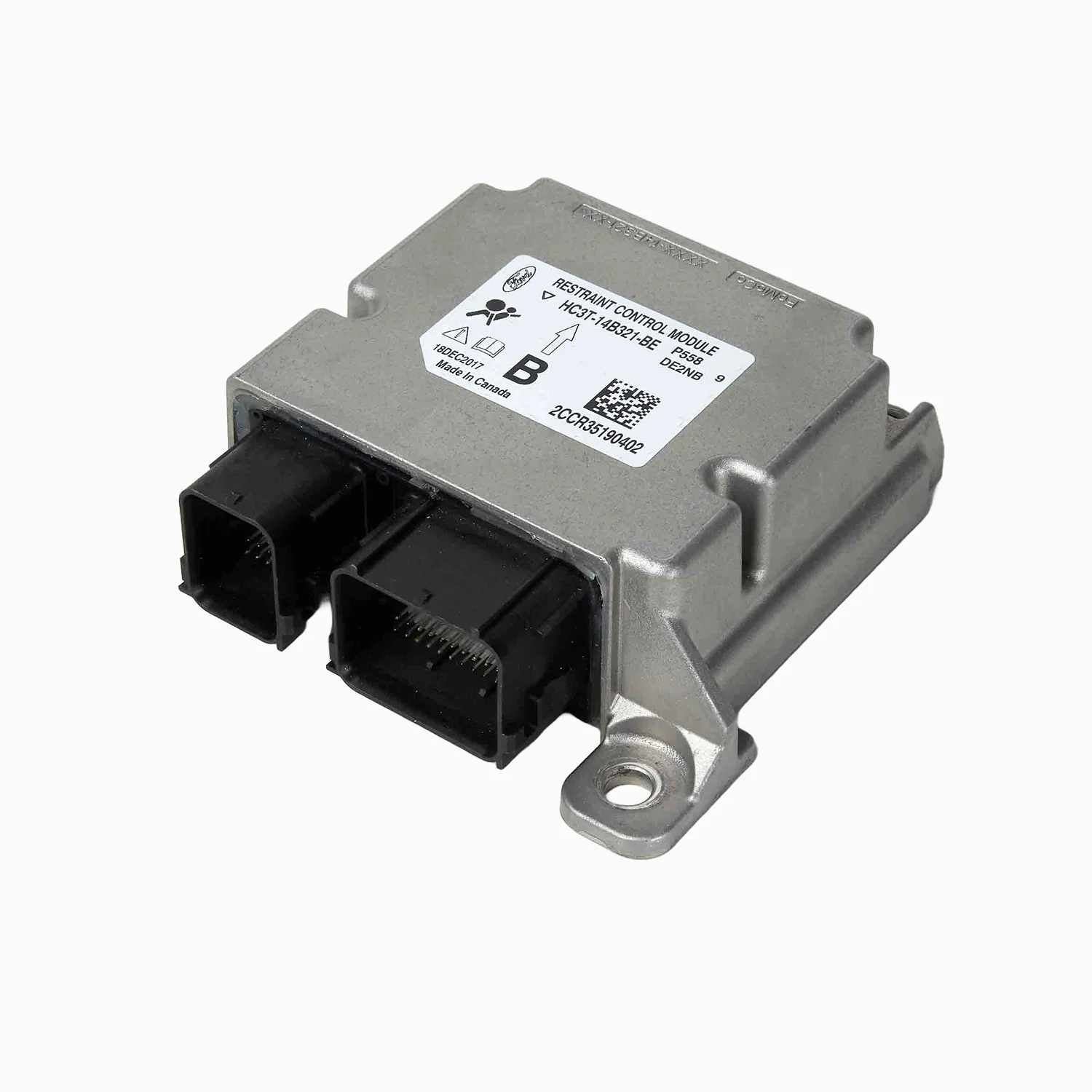 What is an Airbag Module?
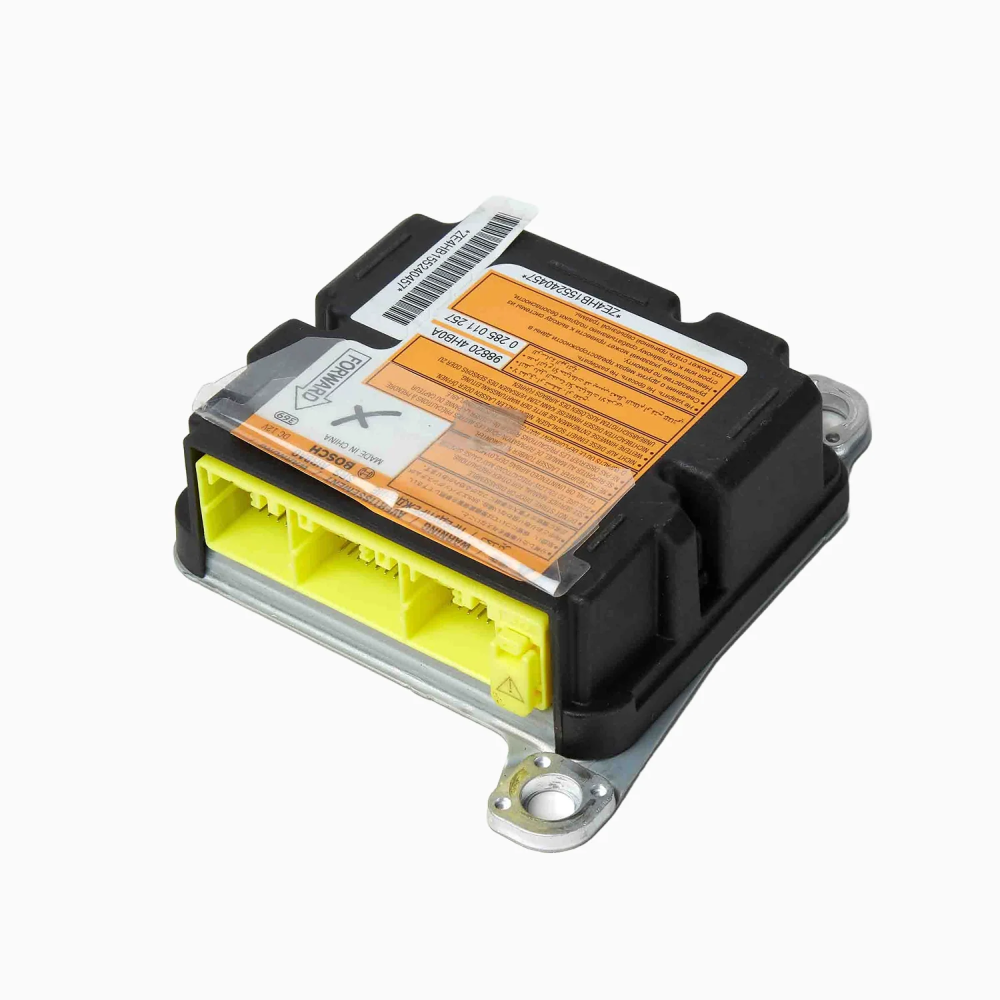
An airbag module is a critical part of a vehicle’s safety system. It controls airbag deployment during collisions and enhances passenger safety. Without a functioning airbag module, the airbag system can fail to work correctly.
Components and Functionality of an Airbag Module
An airbag module has several key components:
- Airbag Sensor: Detects impact during an accident.
- Control Unit: Processes data from sensors and triggers airbag deployment.
- Inflator: Releases gas to deploy the airbag.
- Airbag: A fabric cushion that inflates to protect passengers.
The module constantly monitors the airbag system. It stores diagnostic information and fault codes. In case of an accident, it determines the timing and force of deployment. These features ensure the airbags work effectively to reduce injuries.
Importance of the Airbag Module in Vehicle Safety
The airbag module is essential for protecting drivers and passengers. It minimizes injury risks during collisions. When functioning well, it ensures airbags deploy at the right time. A faulty module can delay deployment or prevent airbags from inflating. This increases the chance of severe injuries or fatalities. Therefore, maintaining and resetting the airbag module is crucial for vehicle safety.
Common Reasons for Airbag Module Reset
Airbag module resets are essential for restoring the system after malfunctions or accidents. Below are common reasons why resetting this component may become necessary.
Diagnosing Fault Codes and Warning Lights
Modern vehicles use diagnostic systems to detect airbag issues. When problems occur, the system stores fault codes. These codes trigger warning lights on the dashboard. Common airbag-related warning lights indicate:
- Faulty airbag sensors.
- System communication errors.
- Deployment triggers during accidents.
A professional diagnostic tool is required to read these fault codes. Once the issue is identified and resolved, the module often needs resetting. This ensures normal function and clears stored error codes.
Causes of Airbag System Malfunctions
Several issues can cause the airbag system to malfunction, requiring a reset. Key causes include:
- Previous Deployments: After an accident, the airbag module locks data about deployment. Resetting clears this data for reusability.
- Corrupted Data: Over time, the module may store incorrect or corrupted data.
- Moisture or Electrical Issues: Water damage or wiring problems can disrupt normal operations.
- Sensor Failures: A faulty sensor can send false triggers, causing warnings or system malfunctions.
Understanding these causes is crucial. It helps in identifying whether a reset can fix the issue or if more serious repairs are needed.
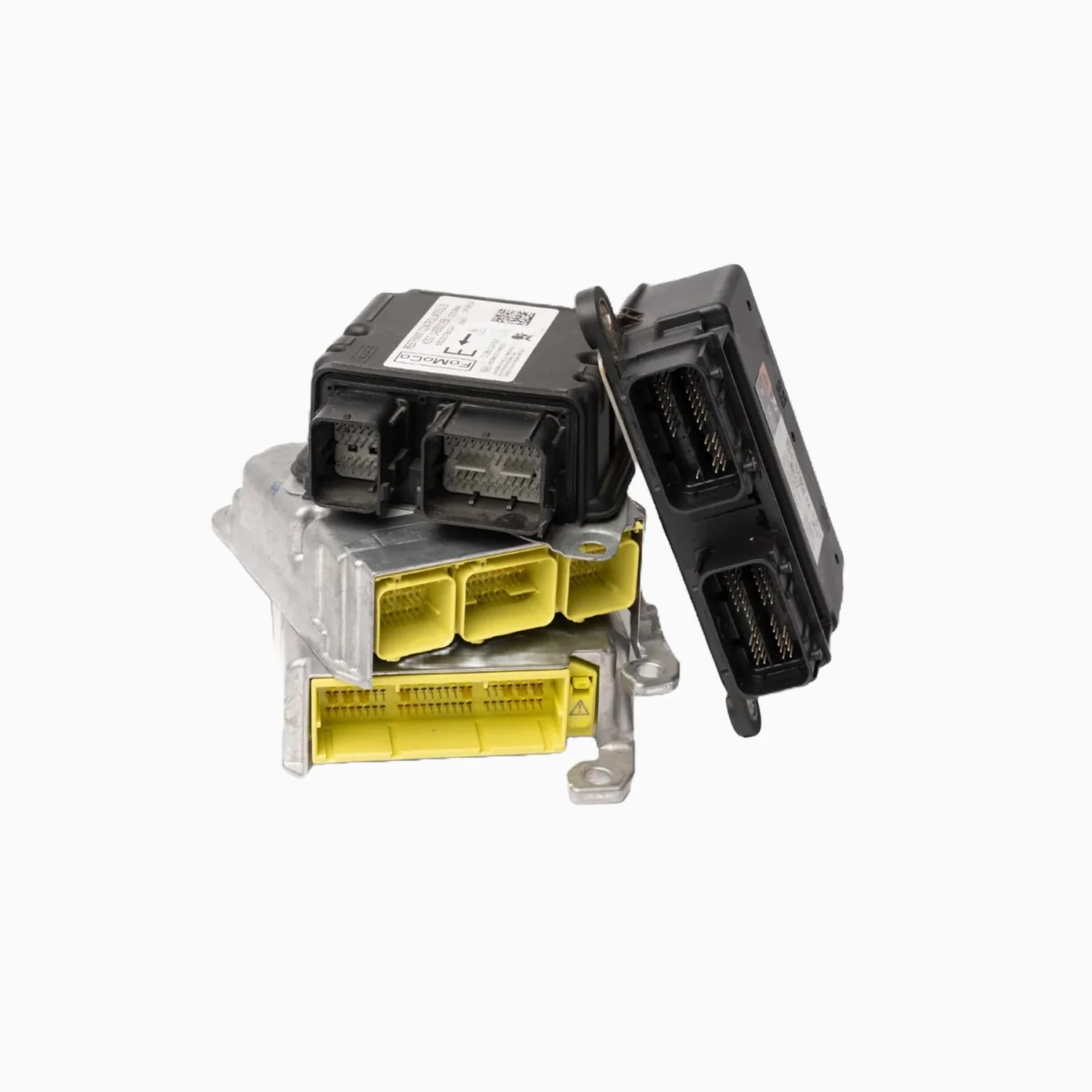 How Airbag Module Reset is Performed
Resetting an airbag module is a crucial step for restoring a vehicle’s safety system. Whether after an accident or due to a malfunction, resetting ensures the airbags operate properly when needed. Below are the tools and steps required for successfully performing an airbag module reset.
Tools Required for Airbag Module Reset
To reset an airbag module, you will need the following tools:
- OBD-II Diagnostic Scanner: Reads and clears fault codes.
- Specialized Software: Some modules require specific software for resetting.
- Basic Hand Tools: For accessing the airbag module, like screwdrivers and socket wrenches.
- Battery Charger: Ensures constant power supply during the process.
- Safety Gloves and Eye Protection: Avoids injuries while handling electronic components.
These tools help you perform the reset correctly and safely. Without the right tools, the task becomes challenging and risky.
Step-by-Step Process for Resetting the Module
Here is the step-by-step guide to resetting the airbag module:
- Turn Off the Ignition: Always start with the vehicle turned off for safety.
- Locate the Airbag Module: It is usually placed under the center console or near the steering column.
- Disconnect the Battery: Remove the negative terminal to prevent electrical damage.
- Remove the Airbag Module: Use hand tools to carefully disconnect and remove the module.
- Connect to Diagnostic Scanner: Plug in the OBD-II scanner or specialized software to access stored fault codes.
- Clear Crash Data: Use the scanner or software to erase crash data and fault codes.
- Reinstall the Module: Reconnect the module securely and ensure all wires are properly attached.
- Reconnect the Battery: Attach the negative terminal back to the battery.
- Test the Airbag System: Turn on the ignition and ensure no warning lights appear on the dashboard.
Following these steps ensures your airbag system functions as intended. If any issues persist, consult a professional.
Properly resetting the airbag module helps maintain vehicle and passenger safety. Always ensure the process is done carefully.
When to Replace Instead of Reset
Resetting the airbag module isn’t always the best solution. In some cases, replacing the module is necessary. Understanding when a replacement is required ensures the safety of your vehicle and passengers.
Signs an Airbag Module Needs Replacement
Certain issues make replacing the airbag module the only viable option. Look for these signs:
- Severe Internal Damage: Damage from accidents can make the module irreparable. Cracked components often indicate this.
- Repeated Error Codes: If the same fault codes return after resets, the module may have internal failures.
- Corroded or Burned Circuits: Water damage or electrical problems can destroy the module’s circuitry.
- System Non-Responsiveness: If the airbag system doesn’t respond even after resetting, replacement is likely needed.
- Manufacturer Recall: Defective modules subject to recall must be replaced, not repaired or reset.
Identifying these signs early can prevent further complications and ensure the safety system functions correctly.
Risks of Resetting a Damaged Module
Resetting a damaged airbag module can lead to various risks. These include:
- System Malfunctions: A damaged module might fail to deploy airbags during an accident.
- Increased Injury Risk: Improper airbag deployment can worsen injuries in a collision.
- Legal and Insurance Issues: A poorly functioning module may not meet safety regulations, leading to legal complications.
- Frequent Recurring Costs: Resetting a failing module repeatedly adds to long-term expenses, making replacement more cost-effective.
- False Security: Drivers may assume the system is operational when it isn’t, increasing risks.
Replacing a faulty module eliminates these concerns and ensures optimal airbag performance. Always consult a professional to determine whether resetting or replacing is the safer choice.
 Costs Associated with Module Reset
Resetting an airbag module involves costs that vary based on several factors. These include the vehicle type, labor fees, and whether the reset is done professionally or DIY.
Average Costs for Resetting an Airbag Module
The average costs for resetting an airbag module typically range from $50 to $150. Factors affecting the price include:
- Diagnostic Tools: Professional scanners and software might affect total expenses. Affordable tools are common for DIY.
- Labor Charges: Mechanics often charge for their expertise. Labor fees range from $40 to $100 per hour.
- Module Accessibility: Hard-to-reach airbag modules may require higher labor fees for removal.
- Vehicle Model: Luxury or newer models may involve expensive software and tools.
Doing the reset yourself can reduce these costs but requires buying necessary tools. Professional service ensures quality and reliability but is pricier.
Cost Comparison Between Resetting and Replacement
Replacing an airbag module is far more expensive than resetting it. Typical replacement costs range from $200 to $900, depending on:
- Module Type: Standard modules are cheaper than advanced ones with added features.
- Parts Cost: OEM parts can be pricier than aftermarket options.
- Labor Fees: Replacement usually requires longer hours, raising labor charges.
- Manufacturer Specs: Some vehicles mandate manufacturer-specific replacements, increasing overall costs.
While resetting the module is budget-friendly, replacement is ideal for damaged or irreparable modules. Choosing between reset and replacement depends on the module’s condition and functional requirements.
DIY vs. Professional Module Reset
Choosing between a DIY airbag module reset and professional services depends on various factors. Each option has its advantages and setbacks that can influence your decision.
Pros and Cons of DIY Reset
A DIY approach to airbag module reset can be cost-effective but comes with its challenges. Below are some key points to consider:
Pros:
- Lower Costs: You save on labor fees charged by professionals.
- Flexibility: Perform the reset at your pace without scheduling an appointment.
- Learning Opportunity: Gain hands-on experience with your vehicle’s systems.
Cons:
- Tool Expenses: You’ll need to buy or rent a diagnostic scanner and other tools.
- Complexity: It requires technical knowledge and careful handling of sensitive systems.
- Risk of Errors: Mistakes can lead to further damage or incomplete resets.
- No Professional Assurance: The system may not function as intended after a DIY reset.
DIY resetting is ideal for those familiar with vehicle systems and equipped with the right tools.
Benefits of Professional Airbag Module Reset Services
Hiring a professional ensures reliable and safe airbag system functionality. Here are the key benefits:
- Expertise: Trained technicians troubleshoot and fix issues accurately.
- Specialized Tools: Professionals have advanced diagnostic equipment and software.
- Reliable Results: The system is tested thoroughly to ensure it works as expected.
- Safety Compliance: They ensure the reset meets safety standards and regulations.
- Warranty Guarantee: Many services offer warranties for their work, adding peace of mind.
- Time-Saving: The process is quicker when handled by an expert.
Professional services are recommended if you’re unsure about handling complex systems. They ensure the module is reset correctly, minimizing future risks.
Both DIY and professional resets have merits. Decide based on your budget, skill level, and system requirements.
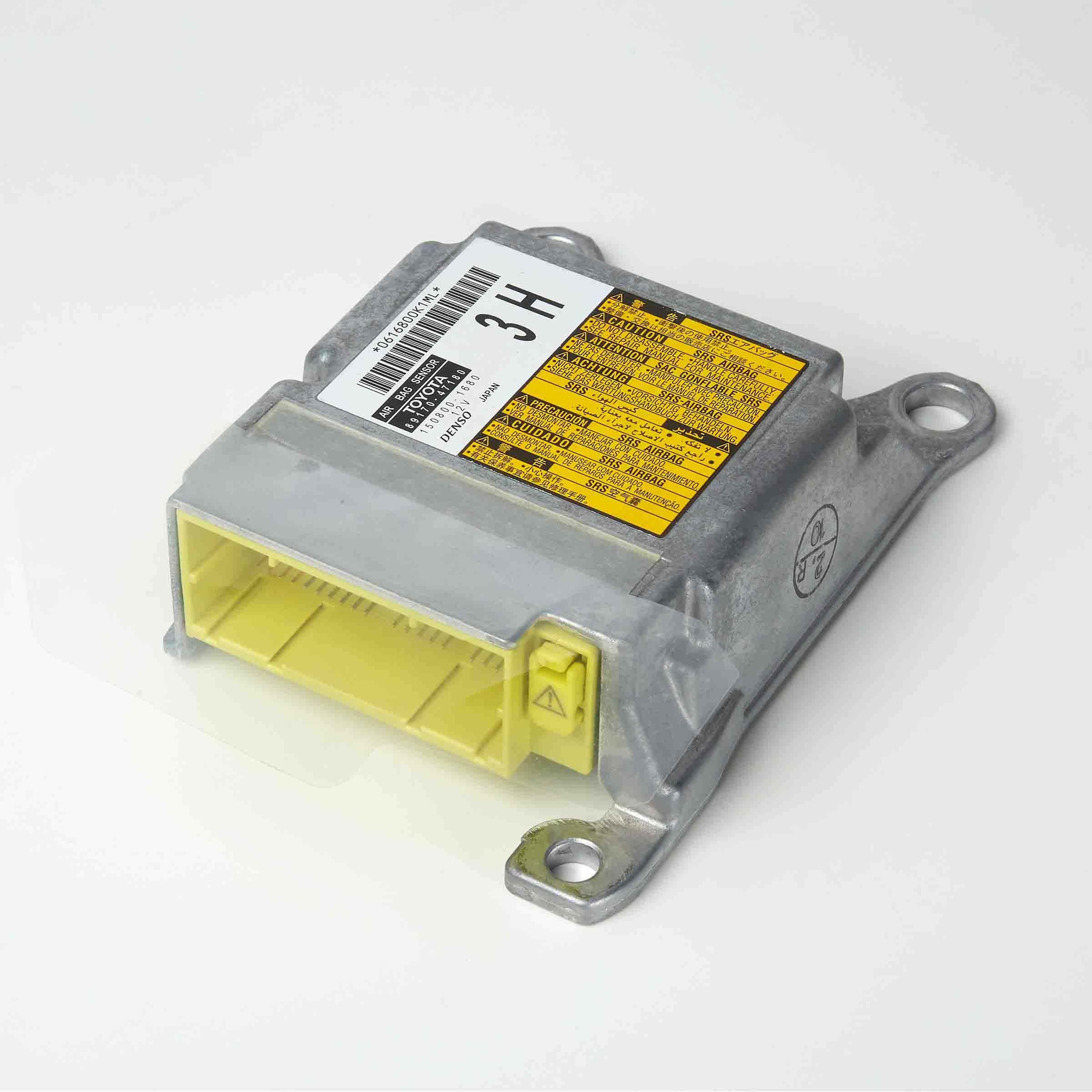 Ensuring Safety Post-Airbag Module Reset
Ensuring the airbag system works properly after a reset is vital for passenger safety. A well-tested and error-free system minimizes risks during accidents. Below are steps and precautions for post-reset safety verification.
Testing the Airbag System After Reset
Testing the system after an airbag module reset confirms its reliability. Follow these steps:
- Check Dashboard Indicators: Look for warning lights to ensure all errors are cleared.
- Conduct Diagnostic Tests: Use an OBD-II scanner to verify the system’s functionality.
- Inspect System Components: Check all wires and connections for proper reattachment.
- Run Deployment Simulations: Certain tools simulate deployment without triggering airbags.
- Consult the User Manual: Ensure the reset process meets manufacturer guidelines.
- Test on Road: Drive the vehicle under safe conditions to monitor system performance.
Proper testing guarantees that airbags will deploy effectively during collisions.
Common Mistakes to Avoid
Avoid these common mistakes after resetting the airbag module:
- Skipping Battery Reconnection: Always reconnect the battery securely. Loose terminals can disrupt the system.
- Ignoring Warning Signs: Never drive with unresolved warning lights on the dashboard.
- Using Faulty Tools: Low-quality tools can lead to incomplete resets or errors.
- Rushing the Process: Ensure all steps, including testing, are completed thoroughly.
- Neglecting Manufacturer Standards: Follow vehicle-specific reset instructions for better reliability.
- Avoiding Professional Help: Consult an expert if errors persist after resetting.
Taking these precautions helps maintain the airbag system’s integrity. Reliable safety features reduce injury risks during emergencies.
Frequently Asked Questions
Addressing Top Concerns From Vehicle Owners
Can I drive with the airbag light on? Technically yes, but it’s unsafe. The system may not work in a crash. Avoid long trips or high-speed roads.
How much does a reset cost? Prices vary by location and vehicle. Most shops charge between 100and300. Dealerships may charge more.
Does resetting erase all crash data? Yes. Original data gets overwritten. Save it first if needed for insurance.
Can I reuse my old module after reset? Yes. Once cleared, it functions like new. No need to replace unless physically damaged.
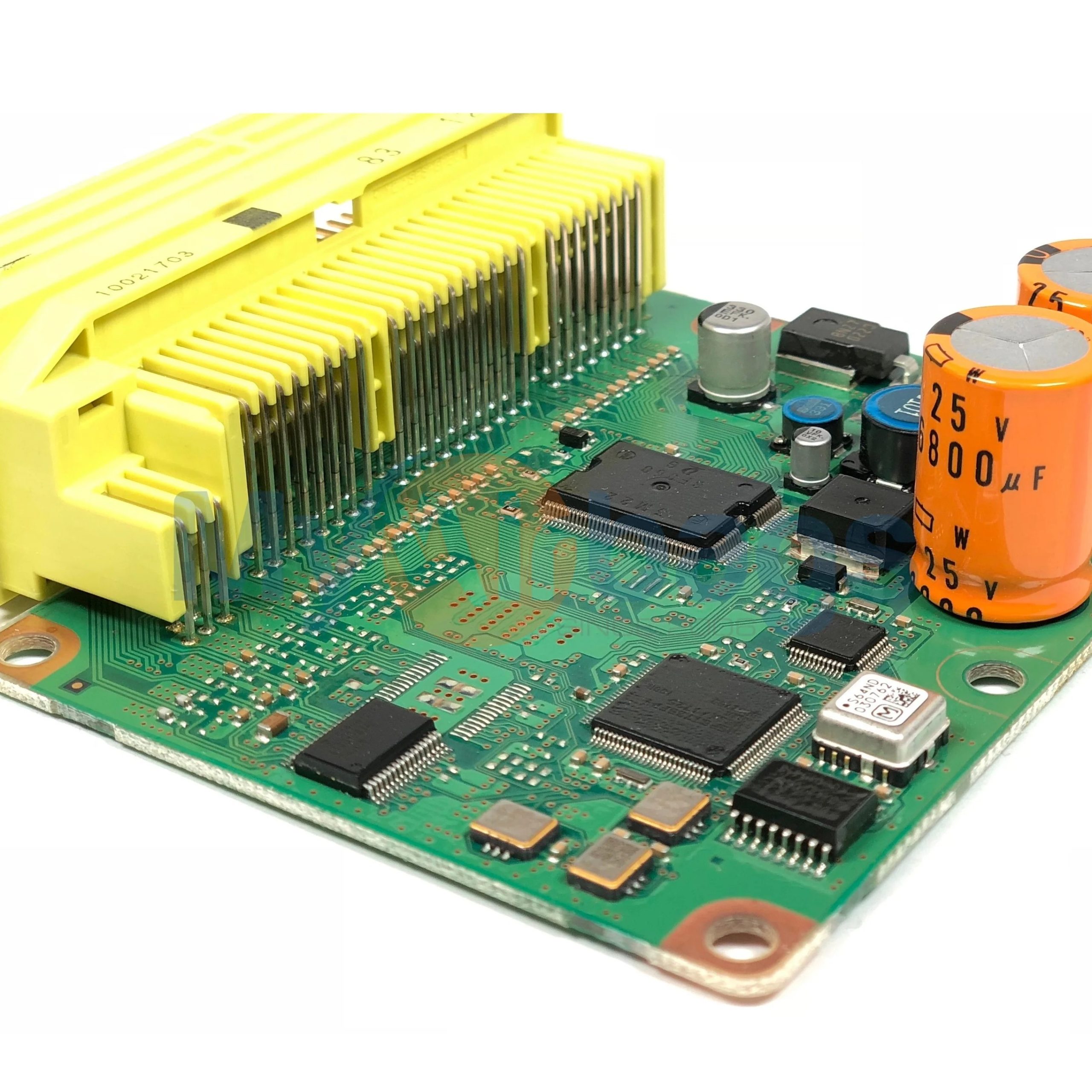
Is soldering required? Sometimes. Some chips need removal. Skilled techs handle micro-soldering safely.
Will my car pass inspection afterward? Yes. Once reset, the SRS light turns off. Systems return to normal.
Do all cars allow module resets? Most do. Very old models may need full replacements. Check compatibility first.
Can software updates interfere? Rarely. Updates improve performance. A reset often follows these upgrades.
 Conclusion
Final Thoughts on Protecting Yourself and Your Passengers
An airbag module reset is not just a technical step. It is a vital part of restoring your vehicle’s safety systems. Without it, airbags remain inactive. That puts lives at risk with every mile driven.
Modern vehicles depend on precise electronic communication. The SRS module must recognize all components as functional. A reset confirms readiness and removes error states.
Whether you choose a dealer or independent shop, make sure the job is done right. Verify that tools are up to date. Ask for documentation upon completion. Keep records for insurance and resale.
Safety should never be compromised for convenience. Taking shortcuts leads to preventable dangers. By prioritizing an accurate airbag module reset, you ensure protection for yourself, your family, and everyone who rides with you.