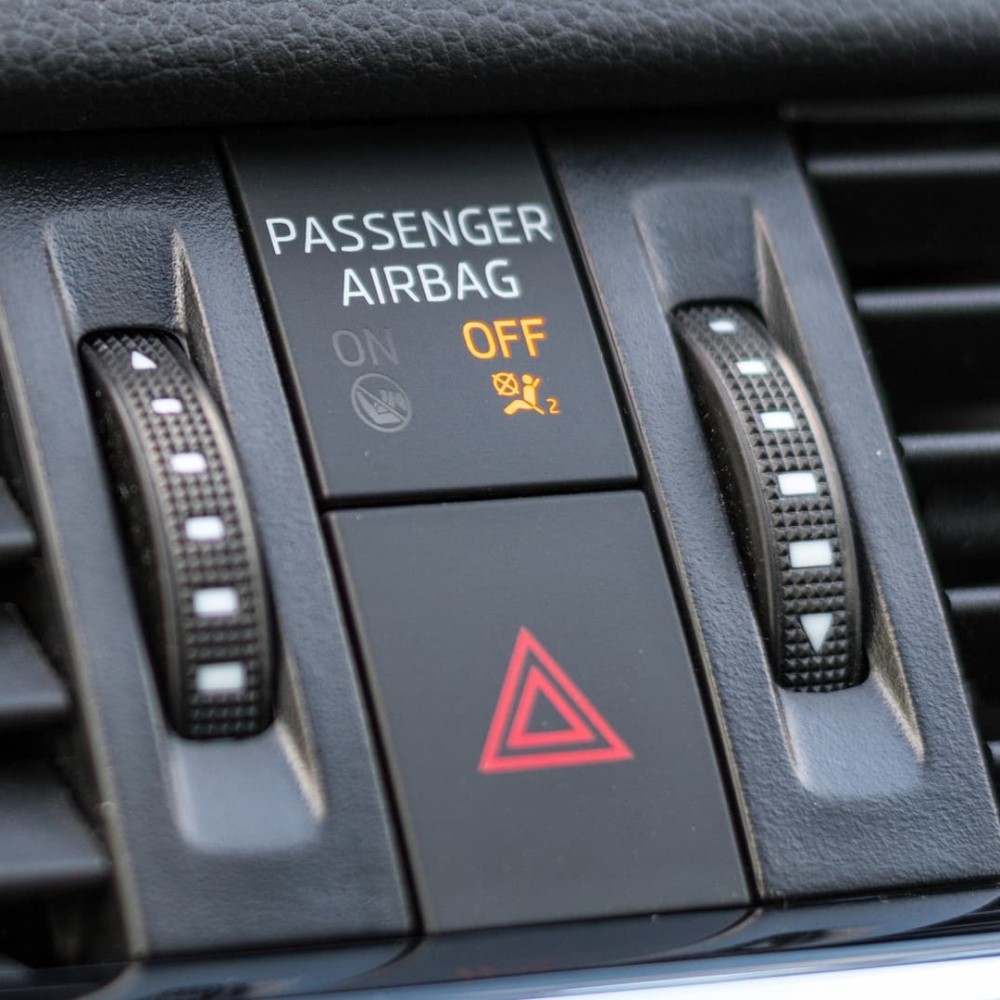
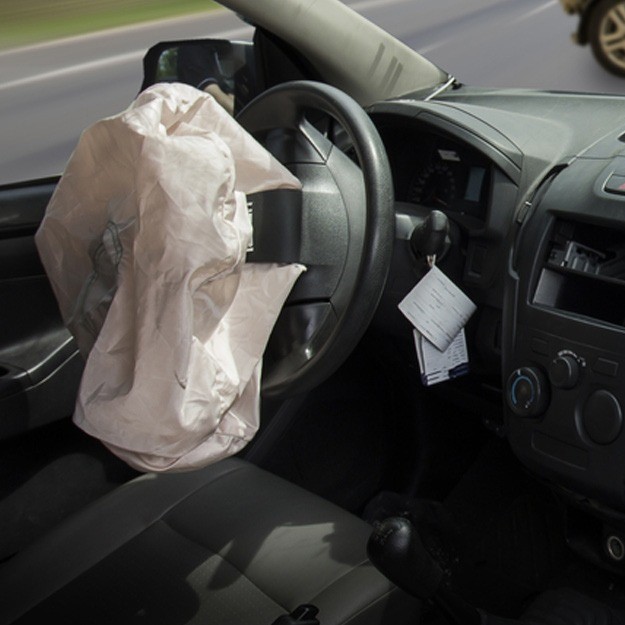
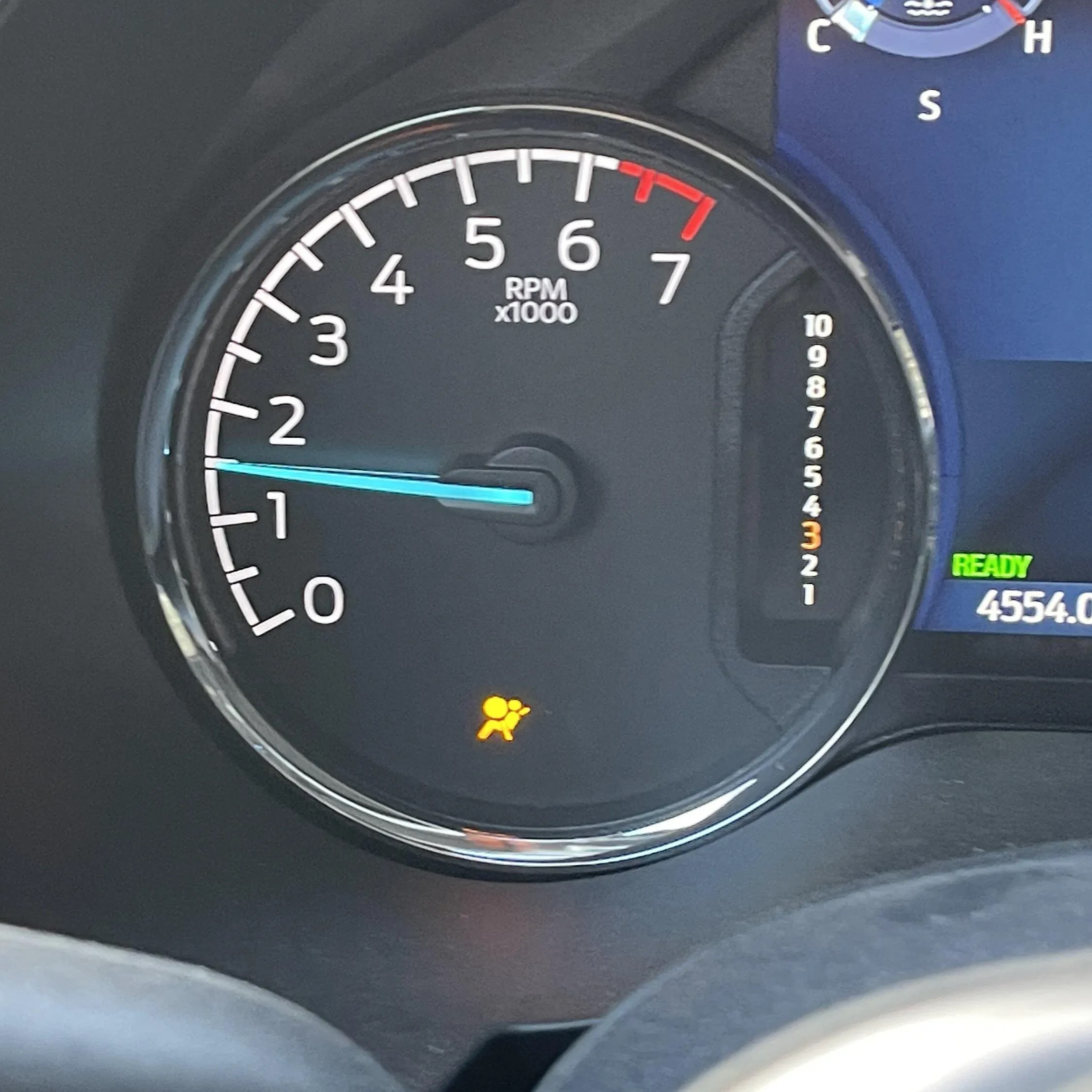
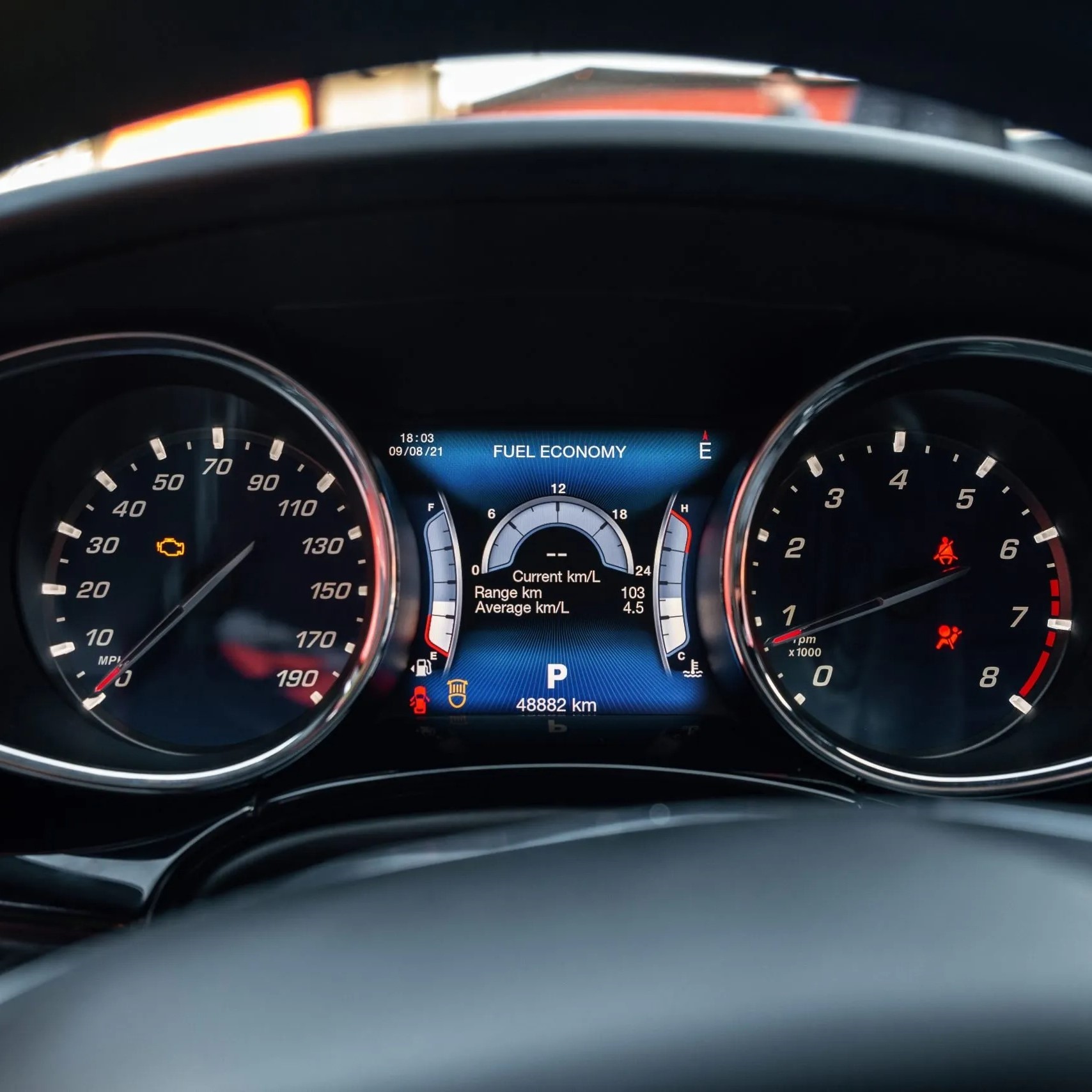
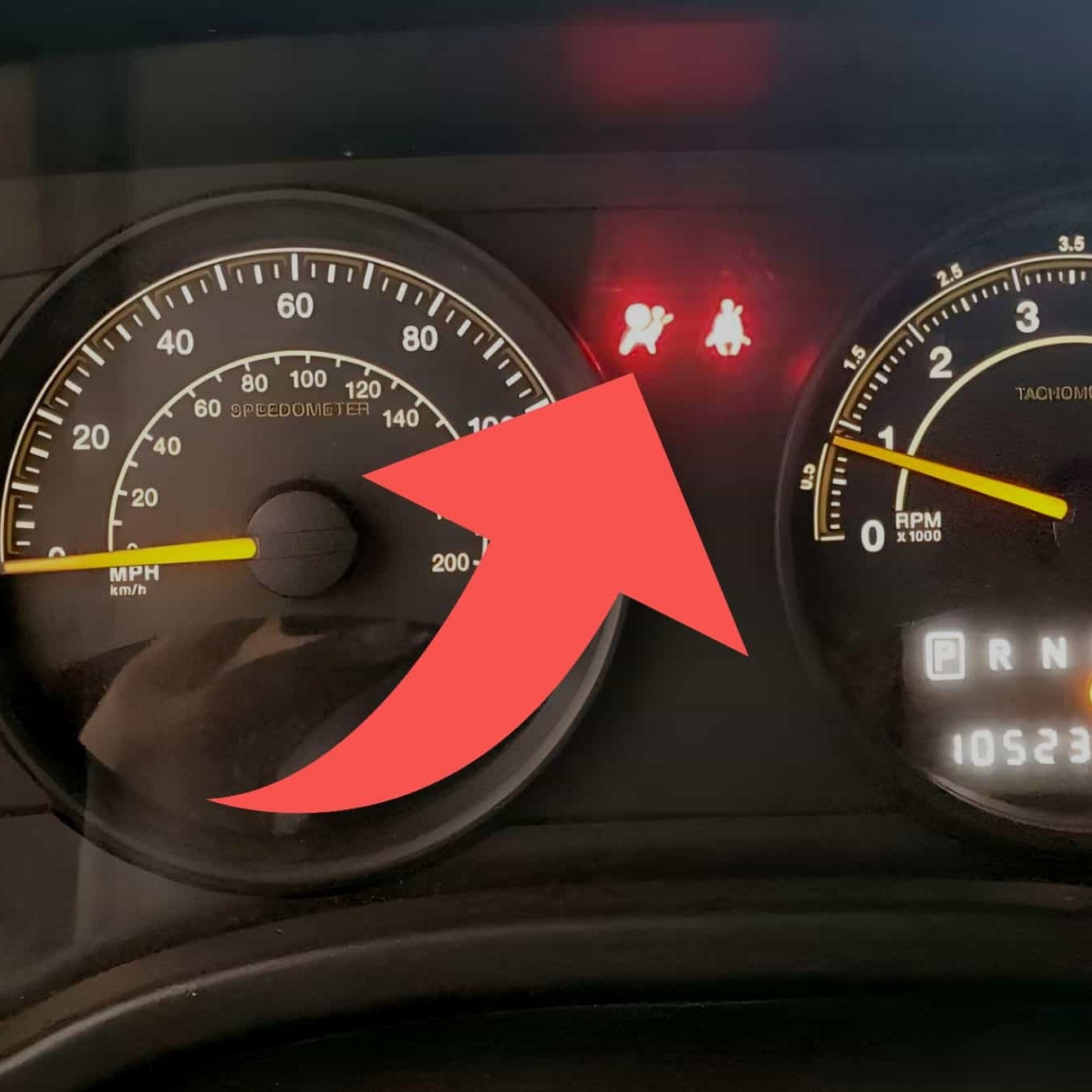
If your vehicle’s dashboard shows that the airbag light stays on, it signals a serious safety concern. This warning means the Supplemental Restraint System (SRS) may not function properly during a collision. As a result, airbags might fail to deploy when needed most. Ignoring this issue puts you and your passengers at risk.
Moreover, the airbag light stays on for various reasons. These include faulty sensors, wiring problems, or previous crash damage. Some vehicles even disable the entire system until repairs are made. Therefore, understanding what triggers the alert helps you respond quickly and correctly. This guide covers causes, diagnostics, fixes, and preventive steps in detail.
 Common Reasons for Airbag Light Staying On
Faulty Seat Belt Buckle Sensor
A faulty seat belt buckle sensor can trigger the airbag light. These sensors communicate seatbelt status to the airbag system. If the sensor malfunctions, the system may not detect a secure buckle. This can lead to the airbag light staying on, alerting you to a potential issue.
Airbag Module Issues
The airbag module controls deployment during an accident. Issues, such as internal failures or software problems, can prevent proper communication within the system. When the module is compromised, the airbag light often stays on to indicate the need for immediate investigation.
Damaged Clock Spring
The clock spring links the steering wheel to electrical systems, including the airbag. It rotates as the wheel turns, maintaining electrical connections. Over time, wear or damage can interrupt signal transmission, causing the airbag light to remain illuminated. An inspection may reveal tears or wear in the clock spring.
Low Battery Voltage
Low battery voltage can disrupt the airbag system’s operation. The airbag system relies on consistent power supply for performance. If the battery struggles to provide adequate power, the airbag light may activate, signaling potential disruptions to the system’s function.
Faulty Airbag Sensors
Airbag sensors detect impacts and signal deployment to protect passengers. Faulty sensors fail to recognize impacts correctly or send error codes to the airbag module. These malfunctions often cause the airbag light to stay on, suggesting compromised safety during emergencies.
Understanding these common reasons can help you detect and resolve airbag system issues efficiently. Always address warning lights promptly to ensure safety.
Consequences of Ignoring the Airbag Light
Ignoring the airbag light can have serious implications for your safety and your vehicle’s compliance. Addressing the issue as soon as possible is crucial to avoid risks and long-term costs.
Reduced Safety During Accidents
When the airbag light stays on, it often signals that the airbag system is compromised. A non-functioning airbag system increases the risk of injury during an accident. Airbags provide essential protection in collisions by cushioning the impact. Without them, passengers face greater harm. The light may also indicate issues with related systems, such as seat belts. These systems work together to keep passengers safe.
Impact on Vehicle Inspections
A persistent airbag light may lead to inspection failures during regular vehicle checks. Many states require fully functional safety systems for passing inspections. If the airbag light remains on, inspectors may classify your vehicle as unsafe. This could prevent you from renewing your registration or using your car legally. Timely repairs are essential to maintain compliance and avoid penalties.
 Steps to Diagnose the Airbag Light Issue
Using an OBD-II Scanner
An OBD-II scanner is a simple tool to diagnose the airbag light issue. It connects to your vehicle’s diagnostic port, usually under the dashboard. The scanner retrieves error codes related to the airbag system. These codes offer insights into potential issues, such as a faulty sensor or module.
To use an OBD-II scanner, turn your vehicle on, connect the scanner, and follow the device’s instructions. After retrieving the codes, refer to the scanner’s manual or look up the codes online for explanations. This method helps pinpoint problems without physical inspections. However, some issues might require additional investigation.
Manual Inspection of Wiring and Components
If the OBD-II scanner doesn’t solve the problem, inspect the airbag system manually. Start with visible wiring around the seats, steering wheel, and dashboard. Ensure all connectors are secure and look for frayed or disconnected wires. Damage to wiring can disrupt communication within the airbag system, triggering the warning light.
Next, examine components like the seat belt buckle sensor, clock spring within the steering wheel, and battery. Check for physical damage or wear. If you notice anything unusual, that part might need repair or replacement. Always disconnect the battery before inspecting to avoid accidental airbag deployment.
Using these diagnostic steps can efficiently identify why the airbag light stays on. Proper diagnosis ensures you take the right steps to fix the issue promptly.
How to Fix Airbag Light Problems
Addressing airbag light problems promptly can ensure your safety and keep your vehicle compliant. Below are effective solutions to fix the issue.
Resetting the Airbag Light
Resetting the airbag light is a simple first step if no major issues are found. You can do this by using an OBD-II scanner. Connect the scanner to your car’s diagnostic port and follow its instructions. Once the error codes are cleared, the airbag light should turn off. However, if resetting the light fails, there may be deeper problems that need addressing. Always confirm that the underlying cause has been resolved before relying on a reset.
Repairing or Replacing Faulty Parts
Faulty airbag components often need repair or replacement. Begin by identifying damaged parts, such as sensors, seat belt buckles, or the clock spring. Use the error codes retrieved from the OBD-II scanner for guidance. Replace damaged parts to restore proper functionality. Check wiring connections for fraying or loose ends and repair them as needed. Ensure compatibility when replacing any airbag-related part to avoid further problems.
Seeking Professional Assistance
If the issue remains unresolved, consulting a certified mechanic is essential. Professionals can perform detailed diagnostics and handle complex repairs. They have specialized tools and knowledge about airbag systems and manufacturer-specific solutions. A mechanic can ensure your airbag system functions correctly and safely. While professional help can be costly, it guarantees reliable fixes and eliminates safety concerns.
Taking these steps can resolve airbag light issues effectively. Prompt action reduces risks during emergencies and keeps your vehicle in compliance.
 Preventive Measures to Avoid Airbag Light Issues
Prevention is better than costly repairs. Simple measures can keep your airbag system in good condition. Follow these tips to avoid airbag light problems and ensure maximum safety.
Regular Maintenance of Airbag System
Regular checks of the airbag system can catch small issues early. Inspect sensors, wiring, and connectors for damage. Ensure the clock spring in the steering wheel functions properly. Schedule professional inspections periodically to identify hidden problems. Early diagnostics can prevent expensive repairs later.
Ensuring Proper Battery Care
The airbag system depends on consistent battery performance. Keep your vehicle’s battery fully charged and in good condition. Test the battery voltage regularly to prevent power disruptions. Replace old batteries to avoid low voltage causing malfunction. Proper battery care minimizes airbag light activation.
Avoiding Water Damage
Water can harm sensitive airbag components. Prevent leaks by keeping door seals and windows intact. Avoid driving through deep water or exposing your vehicle to heavy rain. If water enters the interior, dry the area quickly. Check for corrosion in wires and connectors caused by moisture. Protecting the system from water damage reduces risks of malfunction.
Taking these preventive steps can help you avoid airbag system problems. Regular care ensures safety while saving repair costs.
Costs Associated with Airbag Repairs
Fixing airbag light issues can involve various costs depending on the nature of the problem. Being informed about typical repair expenses helps you prepare financially. Here’s what you should know.
Average Costs for Common Repairs
Common airbag repairs usually cost between $100 to $1,000. Smaller issues, such as resetting the airbag light, typically range from $50 to $150 if done with an OBD-II scanner. If parts like sensors or the clock spring require replacement, expect to spend between $200 and $600. Major repairs, such as replacing the airbag module, could cost upwards of $800.
Labor charges can add significantly to the total cost. Professional mechanics often charge $50 to $150 per hour for diagnostics and installation. The complexity of the work influences the final expense. To minimize costs, ensure accurate diagnosis before committing to expensive repairs.
Factors that Affect Repair Costs
Several factors impact airbag repair costs. The type of damage plays a major role. Simple fixes like wiring repairs are often cheaper than part replacements. Vehicle make and model also affect costs, as luxury or older cars may have pricier components.
Labor rates vary based on your location and mechanic expertise. Services in urban areas typically cost more than those in rural locations. Additionally, OEM (original equipment manufacturer) parts are usually more expensive than aftermarket parts but ensure better compatibility.
Urgency may also influence costs. Immediate repairs might lead to higher labor rates, especially if you need the work done quickly. Regular maintenance and early inspections can reduce the likelihood of these high expenses.
Understanding these costs can help you budget effectively for airbag repairs. Prompt action ensures safety and avoids escalating repair bills.
 DIY vs Professional Repair Options
Weighing Cost, Skill, and Safety Factors
Fixing an airbag light stays on issue can be done yourself or by a pro. DIY appeals to those comfortable with basic car maintenance. Simple tasks like reconnecting a plug under the seat are manageable.
You can buy affordable OBD2 scanners online. Some support SRS functions and guide users step-by-step. With research, many people successfully diagnose and fix common faults.
However, working near airbags carries inherent dangers. These components contain explosive charges. Improper handling may cause accidental deployment. Serious injuries have occurred from mistakes.
Wiring inside the steering column or dashboard requires precision. One wrong move damages critical circuits. Replacing the control module often needs programming. Dealerships or specialists usually handle this.
Also, incorrect repairs may void warranties. Manufacturers recommend authorized service centers for SRS work. Independent shops with proper tools and training are acceptable alternatives.
Cost varies widely. Simple fixes like cleaning connectors cost nothing beyond time. Sensor replacements range from moderate to expensive. Labor charges depend on location and complexity.
Consider your skill level honestly. If unsure, seek expert help. Safety outweighs savings in this case. Your life depends on the system working perfectly.
Balance confidence with caution when deciding.
Frequently Asked Questions (FAQ)
Why does the airbag light stay on after battery replacement?
Resetting the system clears old codes. Disconnecting power doesn’t always erase them. Use a scan tool to reset the SRS module.
Can a low car battery cause the airbag light to come on?
Yes. Voltage drops affect sensitive electronics. Weak batteries disrupt communication with the SRS unit.
Will the airbag light reset itself if the problem fixes?
Sometimes, but not always. Most systems require manual code clearing. Relying on auto-reset is unreliable.
Is it illegal to drive with the airbag light on?
Not technically, but it violates safety standards in some regions. Law enforcement may issue warnings.
Can I sell a car with the airbag light on?
Legally, you must disclose known defects. Buyers may negotiate lower prices or walk away.
Does extreme cold affect the airbag system?
Temporary malfunctions can occur. Heat expansion impacts sensor readings. Usually resolves when warmed.
What happens if I ignore the airbag light?
Increased risk in crashes. No deployment means greater injury potential. Fix it promptly.
 Summary
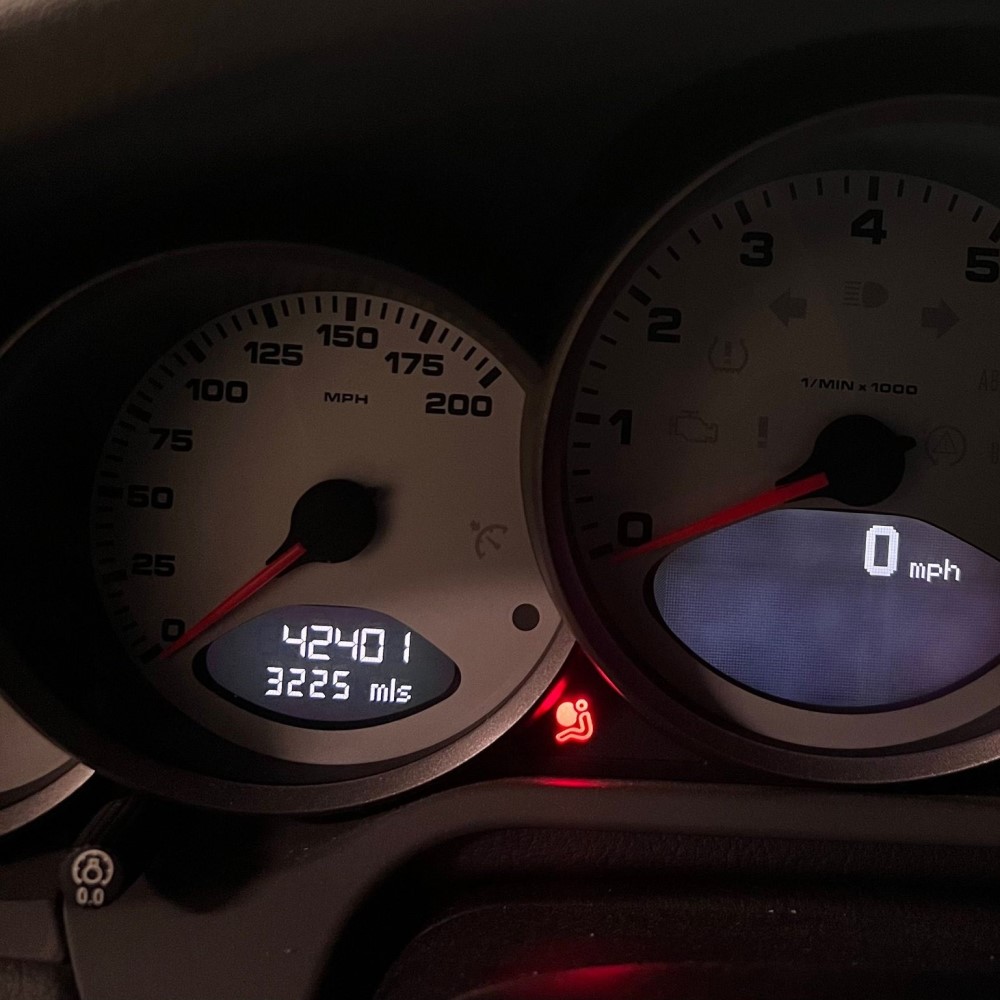
The airbag light stays on for important reasons related to occupant safety. It alerts drivers to faults in the SRS that could prevent airbag deployment. Whether caused by wiring, sensors, or control units, each issue demands attention.
Ignoring this warning compromises protection during collisions. Even small accidents become more dangerous without functional airbags. Prompt diagnosis and repair restore confidence and security.
Owners can perform basic checks and resets with the right tools. Yet, complex repairs require trained professionals. Balancing cost and safety leads to smarter decisions.
Maintaining the system through regular inspections prevents future alerts. Clean connections, dry interiors, and proper usage extend component life. Awareness reduces unexpected failures.
Ultimately, knowing how to respond when the airbag light stays on empowers safer driving. Knowledge, preparation, and timely action protect everyone on board. Never underestimate the importance of a working airbag system.