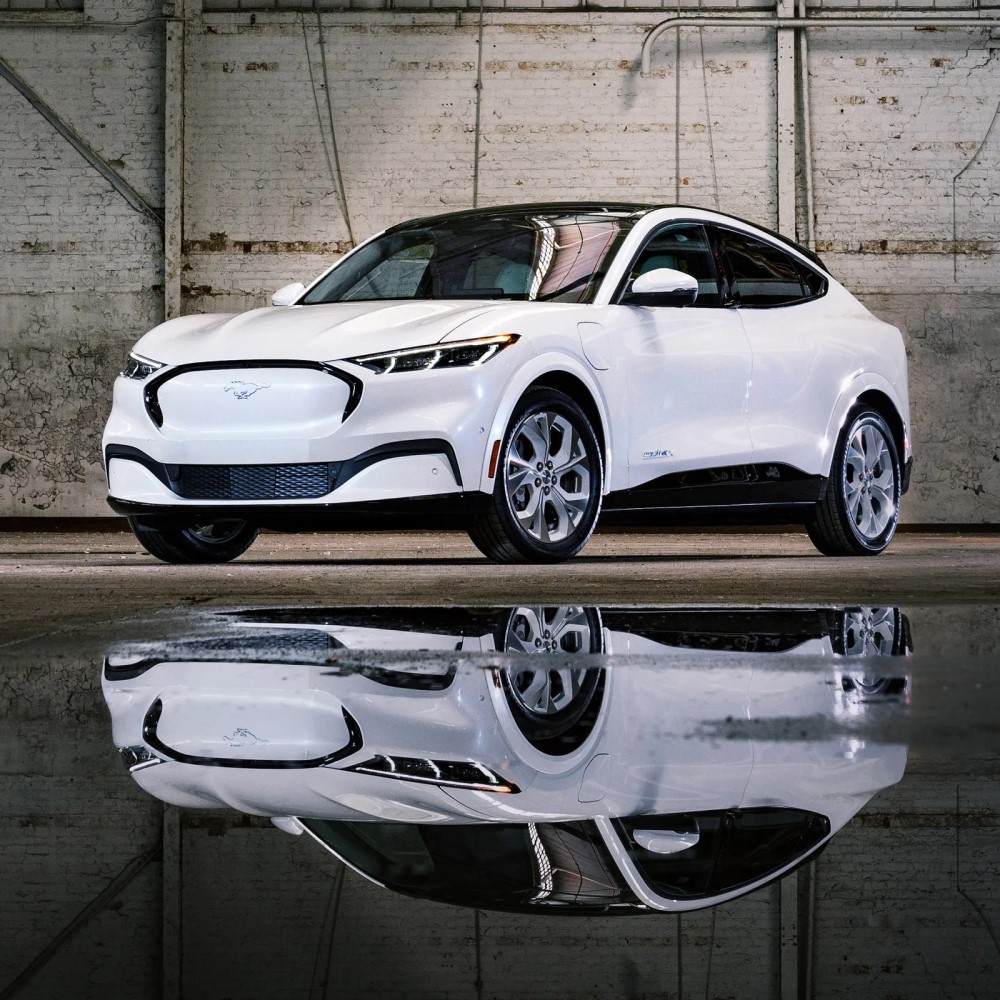
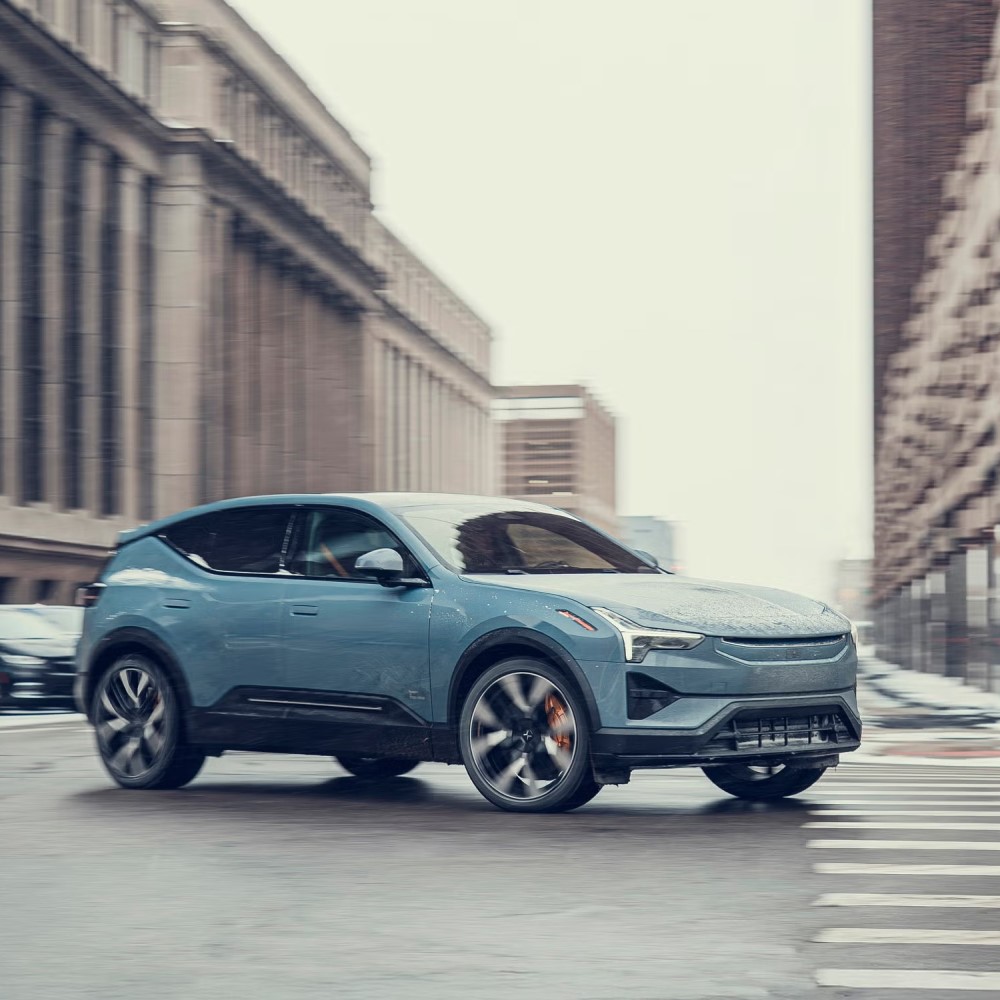
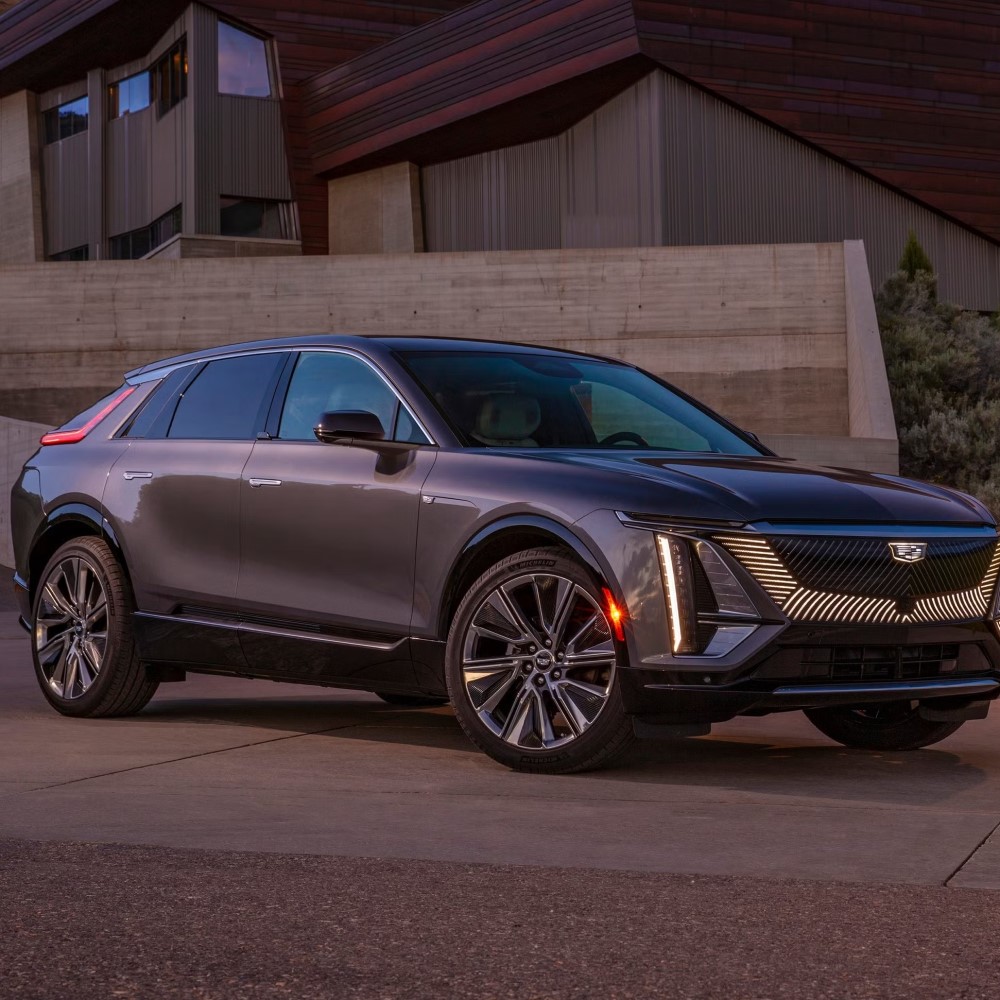
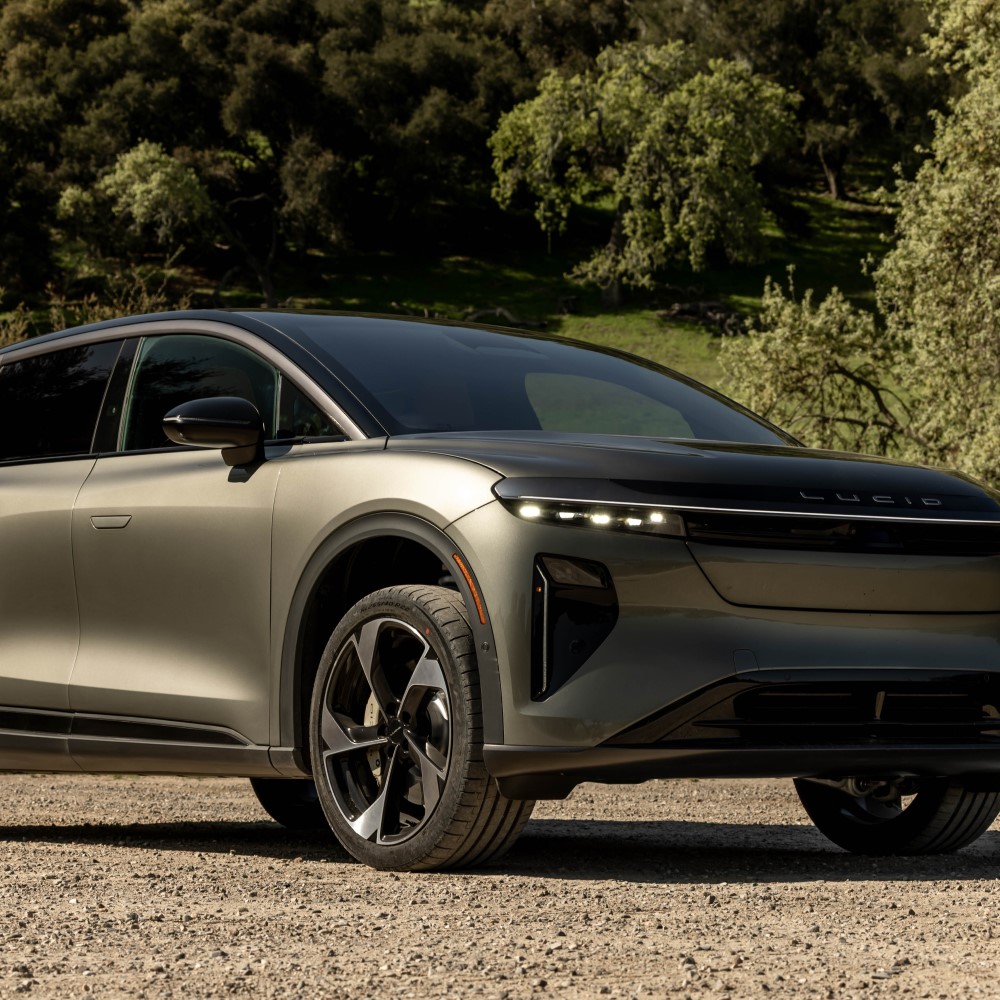
Electric vehicles are no longer just for luxury buyers. In fact, the market has evolved so much that finding the most affordable electric SUV is now a realistic goal for everyday drivers. With rising fuel costs and growing environmental awareness, many consumers are actively searching for reliable, cost-effective alternatives. As a result, automakers have responded by introducing compact, efficient, and surprisingly accessible electric SUVs. These models deliver impressive range, modern tech features, and practical cargo space—all at price points that won’t break the bank.
Moreover, government incentives and lower long-term maintenance costs make owning an EV even more appealing. Transitioning to electric doesn’t mean sacrificing comfort or performance either. Today’s entry-level electric SUVs come equipped with advanced safety systems, smartphone integration, and responsive handling. For budget-conscious shoppers, identifying the most affordable electric SUV means balancing upfront cost with long-term value. This article explores top contenders, key buying considerations, charging solutions, and ownership benefits—all designed to help you make an informed decision.
 Why Choose an Electric SUV Over Other Vehicle Types
Lower Operating Costs Add Up Over Time
Electric SUVs offer significant savings on fuel compared to gas-powered models. Instead of spending hundreds each month on gasoline, owners can charge their vehicles at home for a fraction of the cost. Furthermore, electricity rates tend to be more stable than oil prices, which helps with long-term budgeting. In addition, electric motors have fewer moving parts, meaning less wear and tear. As a result, routine maintenance like oil changes, transmission flushes, and exhaust system repairs become unnecessary.
Consequently, annual servicing costs drop dramatically. Many manufacturers also provide extended warranties on battery and drivetrain components. This added protection increases peace of mind while reducing potential out-of-pocket expenses. Since regenerative braking reduces strain on brake pads, replacements happen less frequently too. Overall, the combination of reduced fuel and maintenance needs makes electric SUVs financially smarter over time.
Top Contenders
Key Features That Define Value in Entry-Level Models
Several models stand out when evaluating the most affordable electric SUV category. The Chevrolet Bolt EUV leads with its competitive starting price and EPA-estimated range over 240 miles. It includes standard active safety features like forward collision alert and lane-keeping assist. Similarly, the Nissan Ariya offers a sleek design and user-friendly infotainment system, though base trims remain modestly equipped. Another strong contender is the Hyundai Kona Electric, known for its confident driving dynamics and quick-charging capability.
Meanwhile, the Kia Niro EV delivers spacious interiors and strong resale value. Although slightly above the lowest price tier, it still qualifies as one of the most affordable electric SUVs due to available tax credits and low operating costs. Additionally, the Mini Cooper SE Countryman ALL4 provides a premium feel despite its compact size. While its range is shorter, it compensates with agile handling and upscale materials. Each of these options balances affordability with real-world usability.
 How Government Incentives Improve Affordability
Federal and State Programs Reduce Purchase Price
Buyers looking for the most affordable electric SUV can benefit significantly from financial incentives. The federal EV tax credit allows eligible individuals to claim up to $7,500 when purchasing a new electric vehicle. However, not all models qualify—eligibility depends on battery sourcing and final assembly location. Still, several entry-level SUVs meet the criteria, effectively lowering the net purchase price.
In addition to federal programs, many states offer extra rebates or tax exemptions. For example, California provides point-of-sale discounts through its Clean Vehicle Rebate Project. New York, Colorado, and Oregon also run similar initiatives aimed at increasing EV adoption. Some utility companies even supply home charging equipment at reduced rates or for free. These combined benefits make what seems like a higher sticker price far more manageable.
Transitioning to electric becomes even more attractive when factoring in long-term savings. Not only do drivers save on fuel, but they may also see reductions in registration fees and insurance premiums. As policies continue evolving, staying informed about local programs ensures maximum financial advantage.
Charging Infrastructure: What Owners Need to Know
Home Charging vs. Public Networks
Owning the most affordable electric SUV requires understanding how and where to charge. Most owners rely primarily on home charging, which offers unmatched convenience. Installing a Level 2 charger in your garage or driveway enables full overnight recharges. This setup typically adds 25 to 40 miles of range per hour, depending on the model. Even using a standard 120-volt outlet (Level 1) works for occasional top-ups, although it’s slower.
On the other hand, public charging stations expand travel flexibility. Fast-charging networks like Electrify America, EVgo, and Tesla’s Supercharger (available to non-Tesla models via adapter) allow drivers to regain significant range in under 30 minutes. While access varies by region, urban areas generally have robust coverage. Rural locations may require more planning but are steadily improving.
Furthermore, many workplaces now install charging ports for employees. Shopping centers, hotels, and parking garages often include free or low-cost charging as an amenity. Apps like PlugShare and ChargePoint help locate nearby stations and check availability in real time. Ultimately, combining home and public charging creates a seamless experience.
 Performance and Range: Real-World Expectations
Balancing Efficiency With Daily Driving Needs
When shopping for the most affordable electric SUV, range matters—but not always in the way people assume. Most daily commutes fall well under 100 miles, making even shorter-range models perfectly suitable. Still, having a buffer improves confidence, especially during colder months when battery efficiency dips. Fortunately, modern thermal management systems help mitigate winter range loss.
Acceleration and handling also play important roles in overall satisfaction. Electric motors deliver instant torque, resulting in quick off-the-line response. This makes city driving smooth and highway merging effortless. Many compact electric SUVs maintain a low center of gravity thanks to floor-mounted batteries, enhancing cornering stability.
Additionally, adaptive driving modes let users prioritize efficiency or performance. Eco settings limit power output and adjust climate control to extend range. Conversely, sport modes sharpen throttle response and steering feel. Regenerative braking further boosts efficiency by converting kinetic energy back into stored electricity. Together, these features create a dynamic yet practical driving experience.
Interior Comfort and Technology Features
Practical Design Meets Modern Connectivity
Affordable does not mean stripped down. Today’s most affordable electric SUV models come with surprisingly rich interior appointments. Cloth or synthetic leather seats are standard, with higher trims offering heated front seats and dual-zone climate control. Rear legroom remains generous in most cases, accommodating adults comfortably on longer trips.
Infotainment systems typically include a touchscreen between 8 and 10 inches. Apple CarPlay and Android Auto compatibility are now standard across nearly all new EVs. Some brands integrate voice assistants directly into the dashboard, allowing hands-free navigation and media control. Physical buttons for volume and climate settings remain present, avoiding the frustration of menu-heavy interfaces.
Safety technology continues to improve as well. Automatic emergency braking, blind-spot monitoring, and rear cross-traffic alert are common even on base models. Adaptive cruise control appears on mid-tier trims, helping reduce driver fatigue on highways. Overall, the blend of comfort, convenience, and security makes these vehicles competitive beyond just price.
Long-Term Ownership Considerations
Resale Value and Battery Longevity
One concern for potential buyers involves battery degradation over time. However, most manufacturers warranty their EV batteries for at least eight years or 100,000 miles. During this period, they guarantee the battery will retain a minimum capacity—usually around 70%. Real-world data shows many batteries degrade even slower than expected, maintaining strong performance well beyond the warranty window.
Resale value is another factor worth examining. Historically, EVs had poor retention, but this trend is reversing. As demand grows and charging infrastructure expands, used electric SUVs hold value better than before. Models like the Hyundai Kona Electric and Kia Niro EV consistently rank high in dependability surveys. Their proven track records increase buyer confidence in the pre-owned market.
Insurance costs may be slightly higher initially due to specialized repair needs. Yet, lower maintenance and fuel savings offset this difference over time. When considering total cost of ownership, the most affordable electric SUV often proves cheaper than comparable gas-powered rivals after three to five years.
Frequently Asked Questions About Affordable Electric SUVs
What Should First-Time Buyers Know?
Is the most affordable electric SUV suitable for long road trips? Yes, especially if fast-charging stations are along your route. Planning stops ahead of time ensures a stress-free journey. Do these vehicles require special insurance? Not necessarily—standard auto policies apply, though some insurers offer EV-specific packages. Can I charge an electric SUV in bad weather? Absolutely. Charging systems are designed to operate safely in rain, snow, and extreme temperatures.
Are there hidden costs I should watch for? Installation of a home charging station may involve electrical upgrades, which could add a few hundred dollars. However, many installers offer bundled deals. Will my electric SUV lose value quickly? Not as much as older models did. Market trends show improving resale stability. How often do I need to service it? Much less than gas cars—typically once a year or every 15,000 miles. Are spare parts hard to find? No, major brands maintain strong dealer networks and online support.
Final Thoughts on Finding the Best Value
Making the Switch Without Sacrificing Quality
Choosing the most affordable electric SUV doesn’t mean settling for less. On the contrary, today’s entry-level models deliver impressive capabilities, modern styling, and meaningful savings. From lower fuel bills to reduced maintenance needs, the financial advantages accumulate quickly. Add in government incentives and rising resale values, and the case for going electric becomes stronger every year.
Drivers gain access to responsive performance, quiet cabins, and cutting-edge technology—all within a practical SUV body style. Whether you live in a city apartment or a suburban neighborhood, charging solutions exist to fit your lifestyle. As battery production scales and competition increases, prices will likely continue dropping.
Ultimately, selecting the right model comes down to matching features with personal needs. Test drive multiple options, compare trim levels, and evaluate available rebates. With careful research, anyone can find a capable, stylish, and truly affordable electric SUV that fits both their budget and their life.