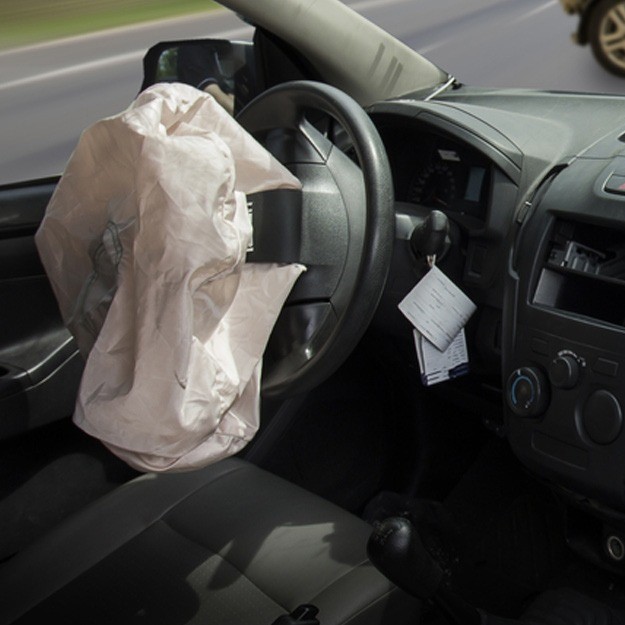
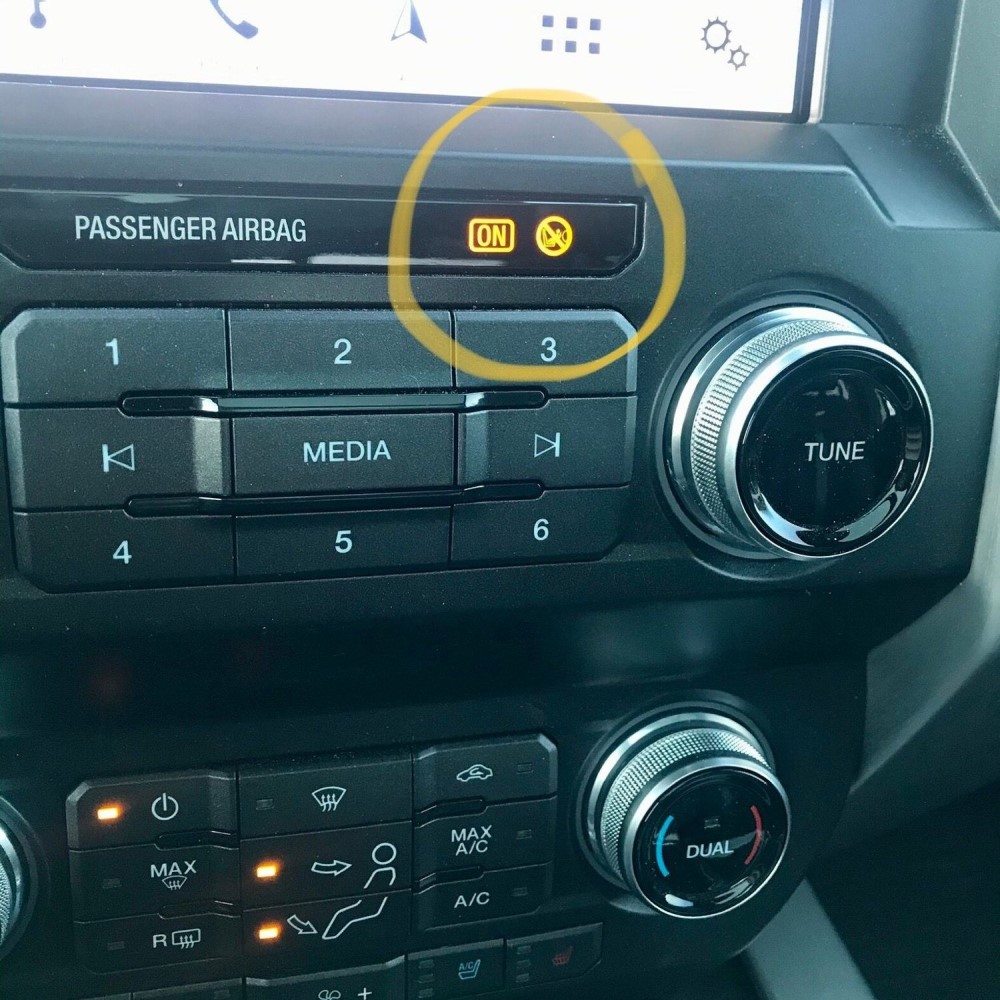
Modern vehicles come with many advanced safety systems. One feature that often raises questions is the side airbag off indicator. This light or message alerts drivers when side airbags are deactivated. It plays a crucial role in ensuring passenger safety under specific conditions.
Moreover, knowing when and why the side airbag off status appears helps prevent confusion. Some situations require deactivation for child safety. Others may signal a system malfunction. Understanding this function allows drivers to make informed decisions. As vehicle technology grows more complex, awareness of features like side airbag off becomes essential for responsible driving.
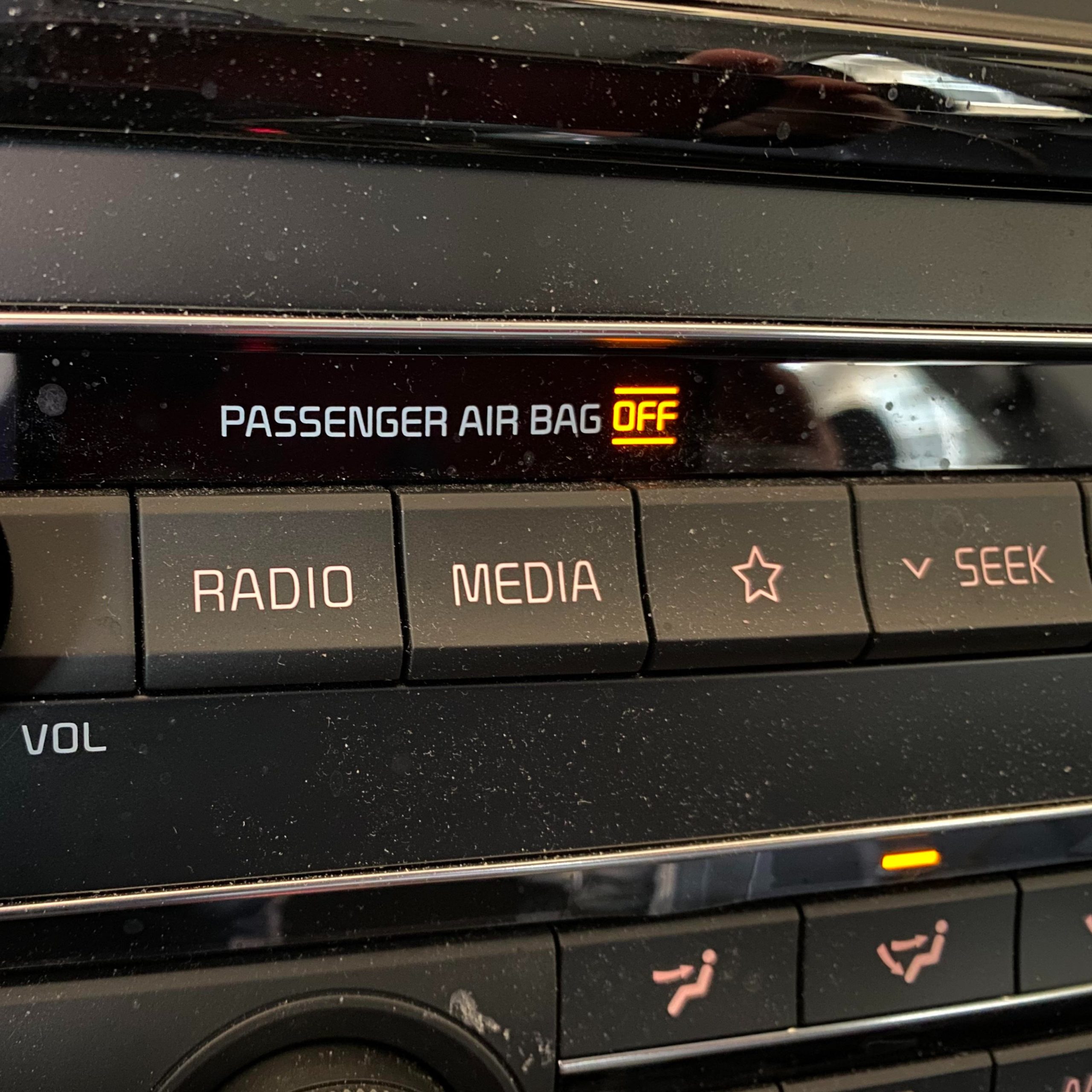 What Are Side Airbags?
Side airbags are an essential safety feature in modern vehicles. They are designed to reduce injuries during side collisions. Positioned in doors, seats, or ceilings, they inflate upon impact.
The Purpose of Side Airbags
Side airbags aim to protect passengers during side-impact crashes. Their inflation creates a cushion between passengers and the vehicle’s interior. This reduces the risk of head, chest, and abdominal injuries. They also minimize body impact against hard surfaces or external objects. Their primary goal is to save lives and lessen accident-related harm.
Types of Side Airbags in Cars
Several types of side airbags exist today. The most common type is the chest side airbag, which protects the upper body. Head-protecting airbags, sometimes called curtain airbags, shield passengers’ heads during rollovers or collisions. There are also pelvis airbags, designed to guard the hip area. Some vehicles integrate a combination of these airbags for enhanced protection. Knowing your car’s side airbag type helps understand its safety features better.
Reasons for Side Airbags Being Turned Off
Side airbags might be off for various reasons. Understanding these can help address potential safety concerns.
Malfunction or Technical Issues
Technical problems can prevent side airbags from functioning. Faulty sensors or wiring may disrupt the system. Over time, wear and tear can also cause issues. For instance, damaged airbag modules might fail to work properly. Regular diagnostic checks can identify and resolve such malfunctions.
Intentional Deactivation for Safety Reasons
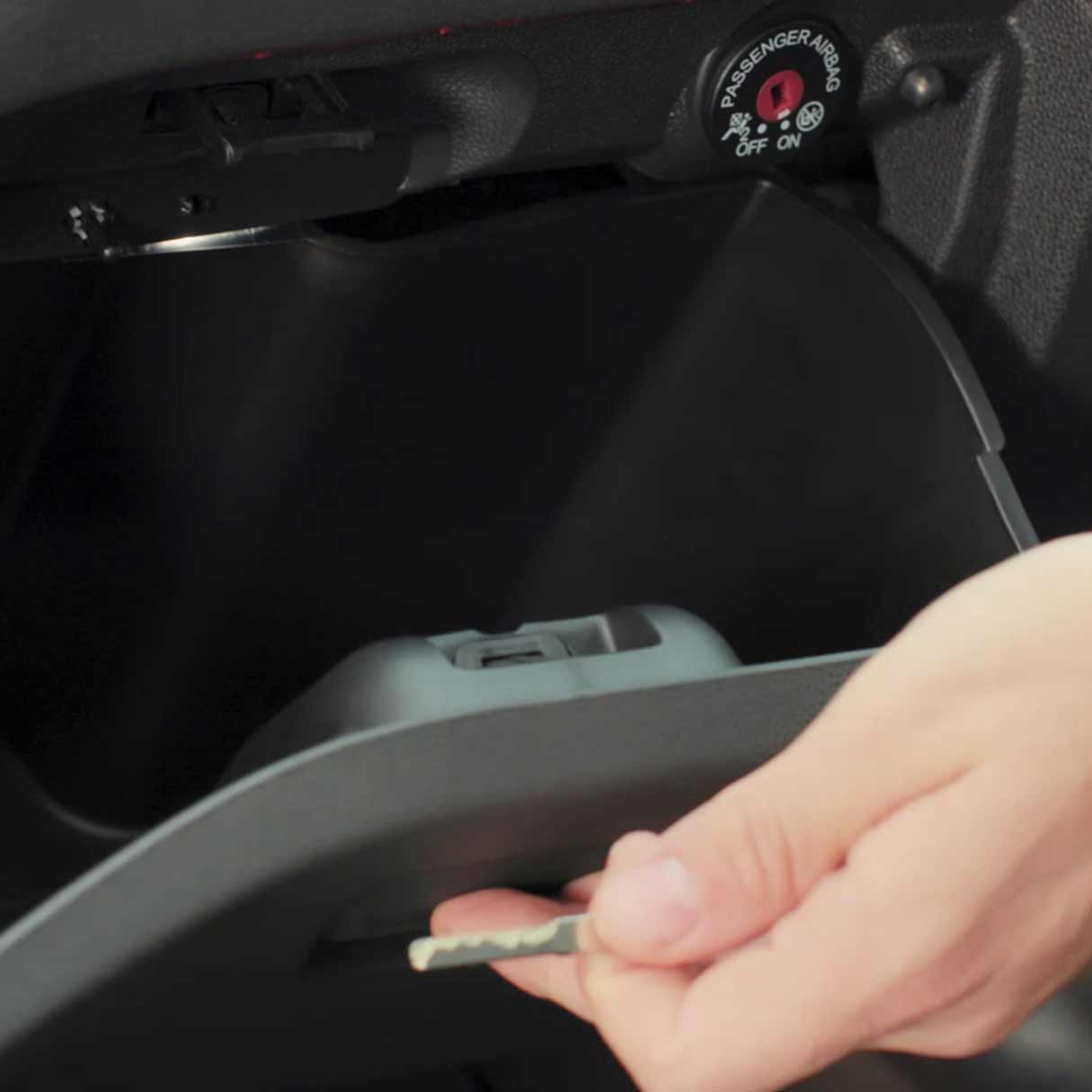
Sometimes, side airbags are turned off intentionally. Manufacturers or owners might disable them in specific cases. For example, during certain vehicle testing scenarios or while using advanced safety accessories. Some cars also have manual switches to deactivate airbags for particular safety needs.
Impact of Passenger Position on Airbag Activation
Passenger seating position can affect airbag activation. Sitting too close to the airbag may deactivate it. If sensors detect an incorrect position, they might disable the system for safety. This lowers the risk of injuries caused by inappropriate airbag deployment.
Compatibility with Child Seats
Side airbags may be deactivated when using child seats. This prevents the airbags from harming young passengers. Many vehicles have sensors to detect child seats and automatically turn off the airbags. Always check your vehicle’s user manual for specific guidelines on child seat placement and airbag settings.
 How to Detect Side Airbag Issues
Side airbag issues can pose serious risks. Detecting problems early ensures passenger safety.
Warning Signs from the Dashboard
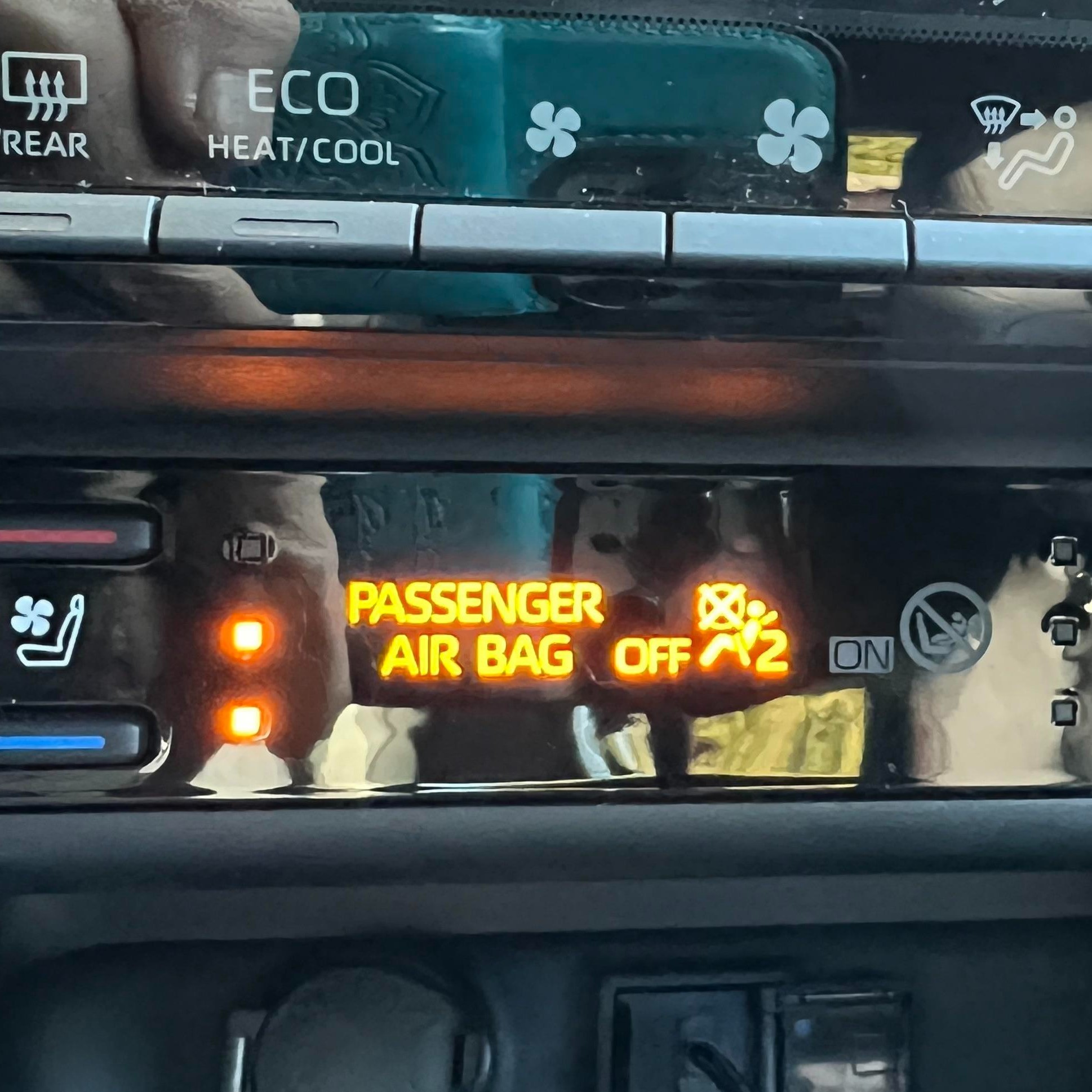
Most modern vehicles have dashboard warning lights related to the airbag system. If the side airbag system encounters faults, the airbag light should illuminate. This light indicates that the airbags may not deploy properly during accidents. Other possible signs include error messages in digital displays or beeping sounds. Always consult your car’s manual to interpret warning signals correctly. Ignoring dashboard alerts can result in prolonged safety risks.
Diagnosing Airbag Faults with a Mechanic
A professional mechanic can thoroughly diagnose side airbag issues. Using specialized tools like an OBD-II scanner, they can identify specific fault codes. These codes highlight issues such as damaged wiring, malfunctioning sensors, or outdated software. Mechanics also inspect the airbag modules and electrical connections during diagnostics. Regular expert checks can prevent larger repairs and ensure airbags function properly. When in doubt, always seek professional help for airbag concerns.
Potential Risks of Disabled Side Airbags
When side airbags are off, it increases the risks for passengers. Here are some consequences to consider.
Reduced Protection During Accidents
Side airbags are critical for cushioning passengers during collisions. Without them, impact forces reach the body directly. This increases the risk of serious injuries to the head, chest, and abdomen. Without side airbags, passengers are more vulnerable to hitting hard surfaces inside the car. In rollover accidents, head-protecting airbags, like curtain airbags, are crucial. Their absence greatly raises the risk of life-threatening injuries. Always ensure side airbags are active to maximize safety in accidents.
Consequences on Legal and Insurance Matters
Disabled side airbags can affect legal disputes and insurance claims. Insurers might deny claims if airbags were off at the time of an accident. A disabled airbag system could be viewed as negligence in court cases. In some regions, laws require all airbags to function properly. Violating these regulations may result in fines or other penalties. Regularly check the airbag system to avoid legal and financial complications. Ensuring airbags are active secures both safety and compliance with legal requirements.
Steps to Reactivate Side Airbags Safely
If your side airbag is off, reactivating it quickly is essential. Follow these steps to ensure a safe reactivation process.
Checking the Airbag System Yourself
You can start by checking the airbag system on your own. First, turn on your car and look at the dashboard. If the airbag warning light stays on, note its color and behavior. Refer to your vehicle’s manual for specific meanings of warning lights. Check if the passenger seat sensors are working properly. Adjust seats to ensure they are not too close to the airbags. Ensure no objects block the airbag deployment zones. If you use child seats, confirm they are installed correctly. Resetting the system can also help. Turn off the car, disconnect the battery for a few minutes, then reconnect it. However, avoid tampering with the airbag module yourself, as this can be risky.
Consulting a Professional Technician
Sometimes, fixing airbag issues requires professional help. Visit a qualified technician for a thorough inspection. They will use diagnostic tools to identify the problem accurately. The technician will scan the car’s OBD-II system for fault codes. These codes reveal specific issues, such as sensor errors or wiring problems. If a part needs replacement, let the expert handle it. They may also update your vehicle’s software if outdated programming caused the problem. Always ask the technician to perform a functional test after repairs. Professional servicing ensures the airbags will work properly during accidents. Regular expert inspections prevent small issues from becoming major concerns.
 Preventing Side Airbag Problems
Preventing side airbag issues ensures safety and reduces risks during accidents. Proper care and habits are crucial.
Routine Vehicle Maintenance
Regular maintenance checks are vital for keeping your airbag system functional. Follow these steps:
- Schedule routine diagnostic checks with a trusted mechanic. They can identify problems early.
- Ensure sensors and wiring in the airbag system remain in good condition.
- Replace worn-out parts in the airbag mechanism to avoid malfunctions.
- Monitor dashboard warning lights and resolve issues immediately.
- Update your vehicle software to address airbag-related software bugs.
Routine upkeep improves longevity and reliability of your car’s safety systems.
Proper Usage of Child Seats and Accessories
Using child seats correctly ensures airbags won’t pose a risk to young passengers. Follow these tips:
- Install child seats as per your vehicle’s user manual instructions.
- Do not place child seats in ways that block or interfere with airbag deployment areas.
- Use rear-facing child seats for infants in the back seat only.
- Check your car’s sensor-based auto-deactivation feature for child seats.
- Avoid using unapproved car accessories that might disrupt airbag systems.
Proper accessory use helps protect passengers and maintains airbag functionality.
When Should Side Airbags Be Turned Off?
Turning off side airbags is not common, but some scenarios may necessitate deactivation. It is crucial to understand when this is appropriate and ensure compliance with related laws.
Scenarios That Justify Deactivation
Certain situations may justify deactivating side airbags. These include:
- Child Seat Placement: If your vehicle lacks sensor-based deactivation, manual switching may be needed. This prevents airbags from harming small children in rear-facing seats.
- Certain Medical Conditions: Passengers with specific medical needs may require airbags turned off to avoid injury during deployment.
- Vehicle Customizations: Some advanced accessories or modifications might interfere with airbag systems. Temporarily disabling the airbags can help ensure proper functionality.
- Testing or Diagnostic Procedures: During professional diagnostics, mechanics may deactivate airbags for examination or repairs. This is typically done temporarily for safety.
- Low-Speed Conditions: In extremely slow traffic or off-road situations, airbags may not provide added safety. Some drivers may consider deactivation in such cases, though caution is advised.
It’s important to only deactivate airbags for valid and safe reasons supported by your car manufacturer.
Legal Implications of Turning Off Side Airbags
Disabling side airbags comes with legal considerations. Regulations vary by region, but common implications include:
- Violation of Safety Standards: Many laws mandate properly functioning airbags in all vehicles. Disabling them may breach these standards.
- Impact on Insurance Coverage: Insurers may reject claims if airbags were off during an accident. It might also affect your premium.
- Risk of Penalties: Tampering with airbags without valid reason could lead to fines or other consequences. Always check local regulations before proceeding.
- Accountability in Accidents: Courts may view disabled airbags as negligence in collision-related cases. This can affect legal claims and liabilities.
To avoid complications, make sure deactivation is necessary and aligns with legal requirements.
 Frequently Asked Questions About Side Airbag Off
What does side airbag off mean?
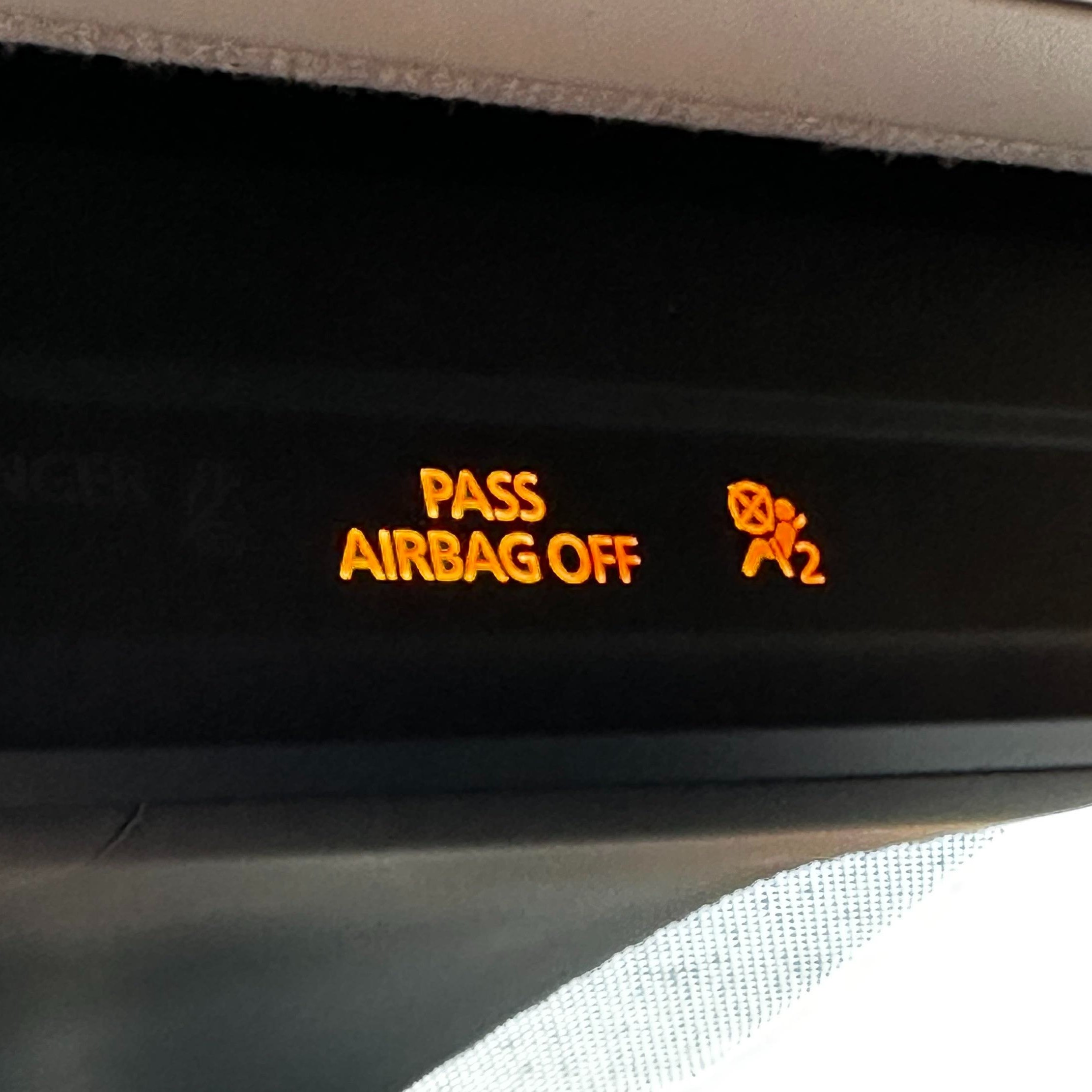
It means the side airbag for a specific seat is deactivated. This usually happens due to low weight or an empty seat.
Can I drive with side airbag off?
Yes, if the reason is valid. However, never drive long-term with an unresolved warning light.
Why does my side airbag turn off with an adult in the seat?
The person may not be seated properly. Weight distribution matters. Adjust posture and restart the vehicle.
Is it safe to disable side airbags manually?
Only if done through official settings. Never cut wires or use unapproved tools.
How do I know if my side airbag is working?
During ignition, the airbag light should flash briefly. If it stays on, seek help.
Does side airbag off affect other safety systems?
Not directly. But it may link to broader airbag circuit alerts.
Can spilled drinks cause side airbag off?
Yes. Liquid can short sensor circuits. Dry the seat thoroughly and let it air out.
Will a software update fix side airbag off issues?
Sometimes. Manufacturers release patches for known bugs. Check for recalls.
 Final Thoughts on the Importance of the Side Airbag Off Feature
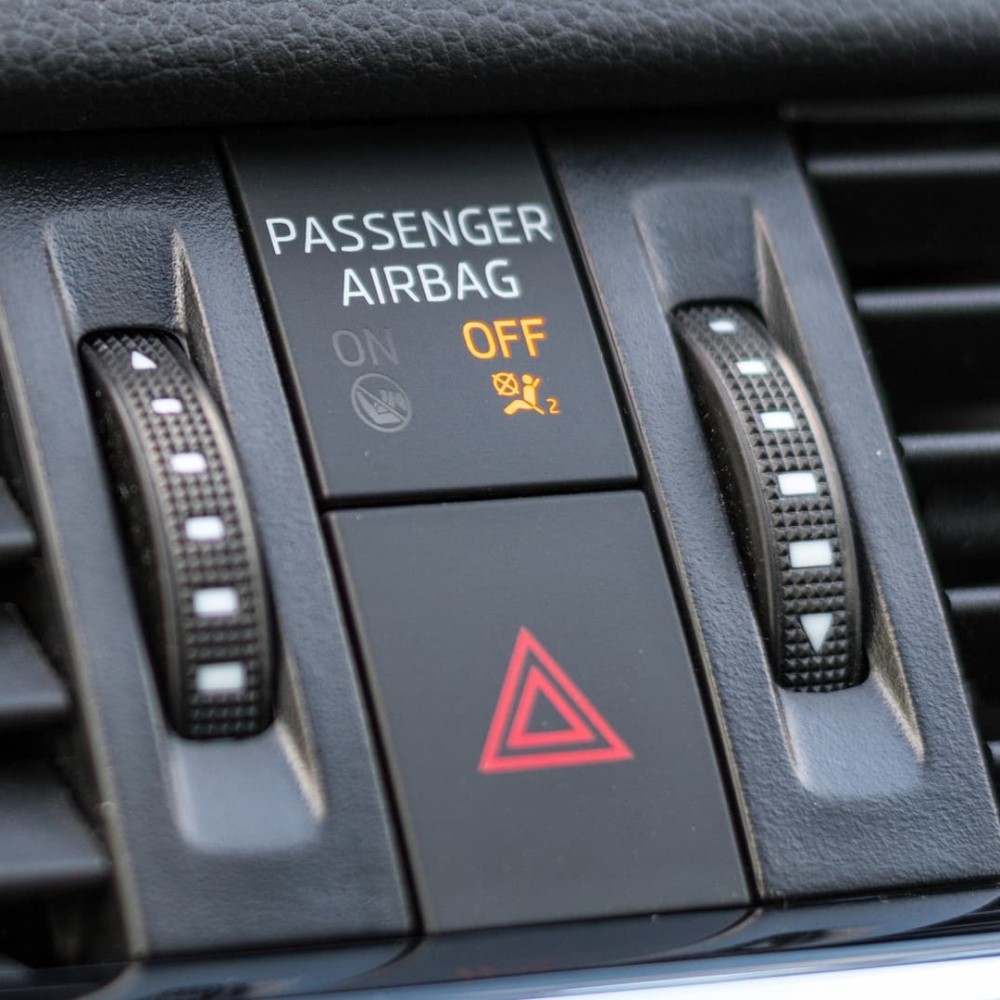
The side airbag off function is more than just a dashboard light. It represents a smart, adaptive safety system designed to protect every type of passenger. From children to adults, it adjusts based on real-time data.
Understanding when and why the side airbag off status appears leads to safer driving habits. It empowers owners to act responsibly. Misinterpretation can lead to risk. Knowledge leads to prevention.
As vehicles grow smarter, features like this become standard. They reflect progress in automotive safety engineering. The side airbag off system balances protection with precision.
Always prioritize safety over convenience. Address warnings immediately. Stay informed about your vehicle’s unique setup. Ultimately, respecting this feature ensures better outcomes in emergencies.