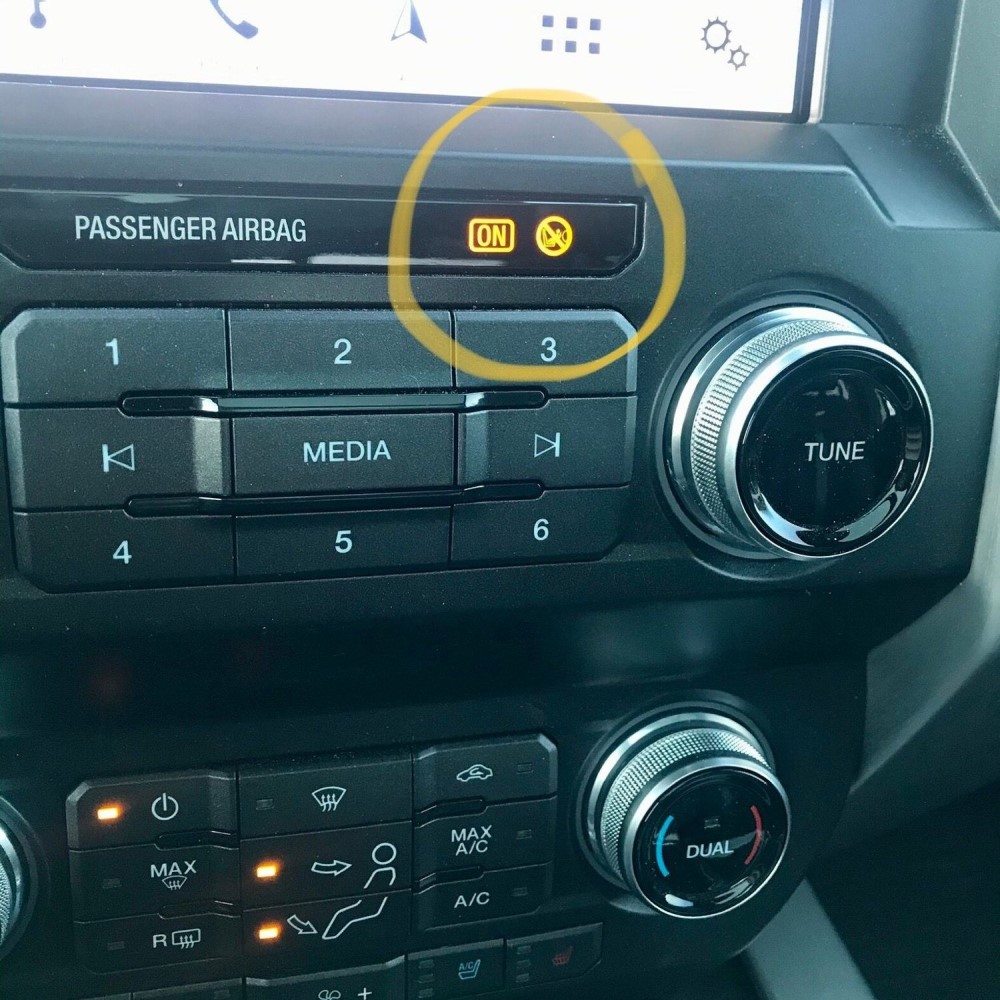
Airbag replacement is a critical step after any vehicle collision where airbags have deployed. These safety devices are designed for one-time use. Once they inflate, they cannot function again. Driving without working airbags puts you and your passengers at serious risk. The force of a second crash could lead to severe injury or worse. For this reason, replacing them promptly is essential. Modern vehicles contain multiple airbags—front, side, knee, and curtain types. Each must be restored to factory condition.
Moreover, airbag replacement isn’t just about installing new units. It involves resetting sensors, replacing seatbelt pretensioners, and recalibrating the entire safety system. This process requires technical knowledge and specialized tools. Attempting it yourself can result in malfunction or even accidental deployment. Understanding when and how to handle airbag replacement ensures long-term safety.
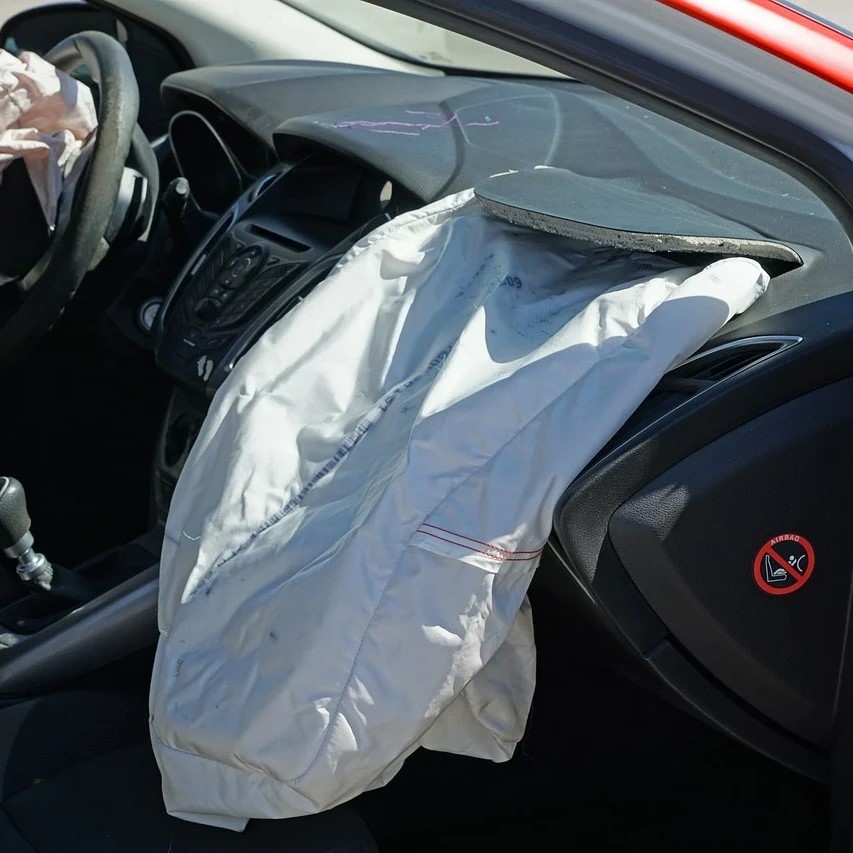 What is an Airbag and How Does It Work?
Airbags are a crucial safety feature in modern vehicles. They work as a cushion during collisions. When an accident occurs, airbags deploy quickly to reduce the impact on passengers. The system detects rapid deceleration and activates the airbags within milliseconds to protect occupants.
The Purpose of Airbags in Vehicle Safety
The main role of airbags is to minimize injuries in accidents. They absorb impact forces to protect the head, neck, and chest. Airbags also prevent passengers from hitting hard surfaces, including the steering wheel or dashboard. Combined with seat belts, they significantly reduce the risk of severe injuries.
Key Components of an Airbag System
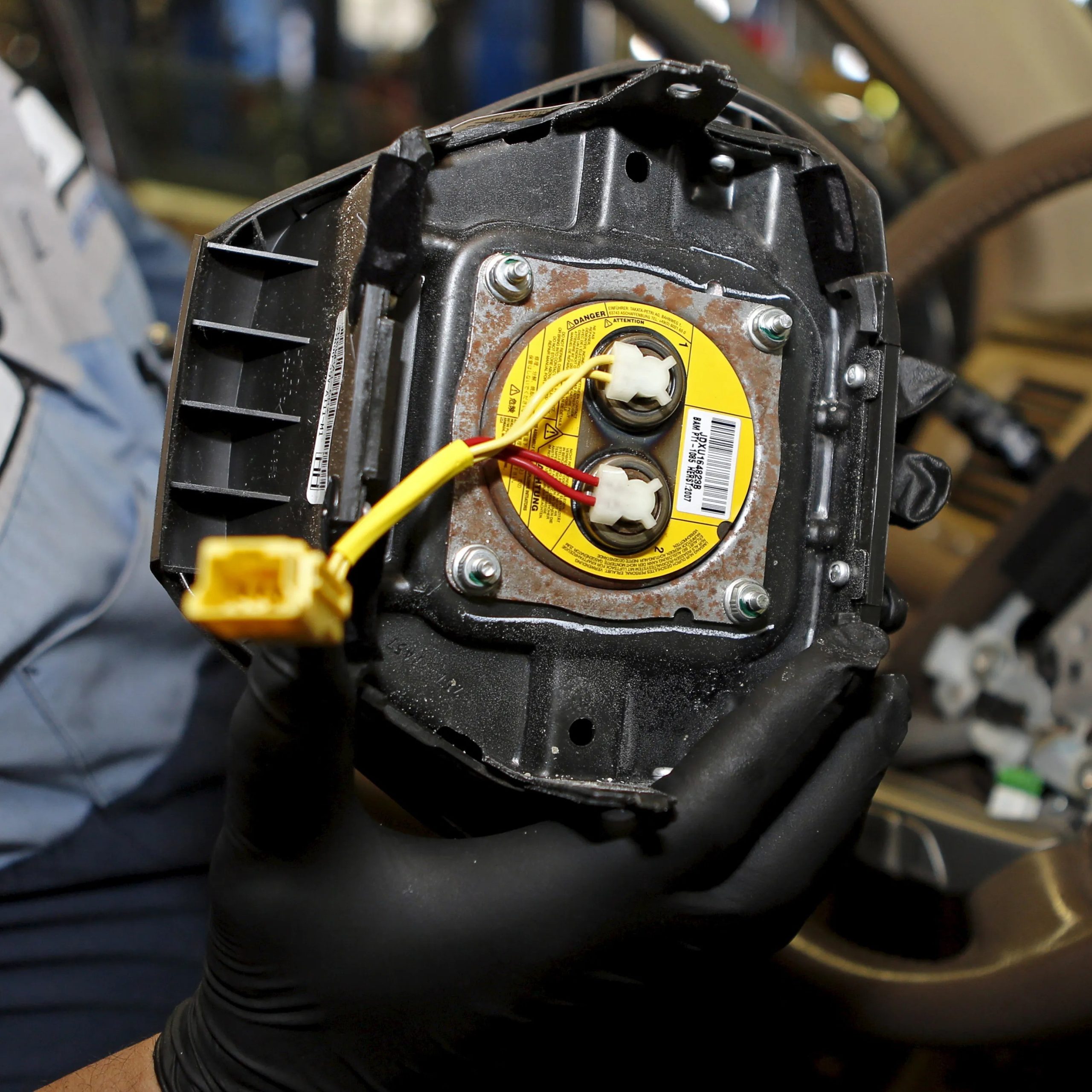
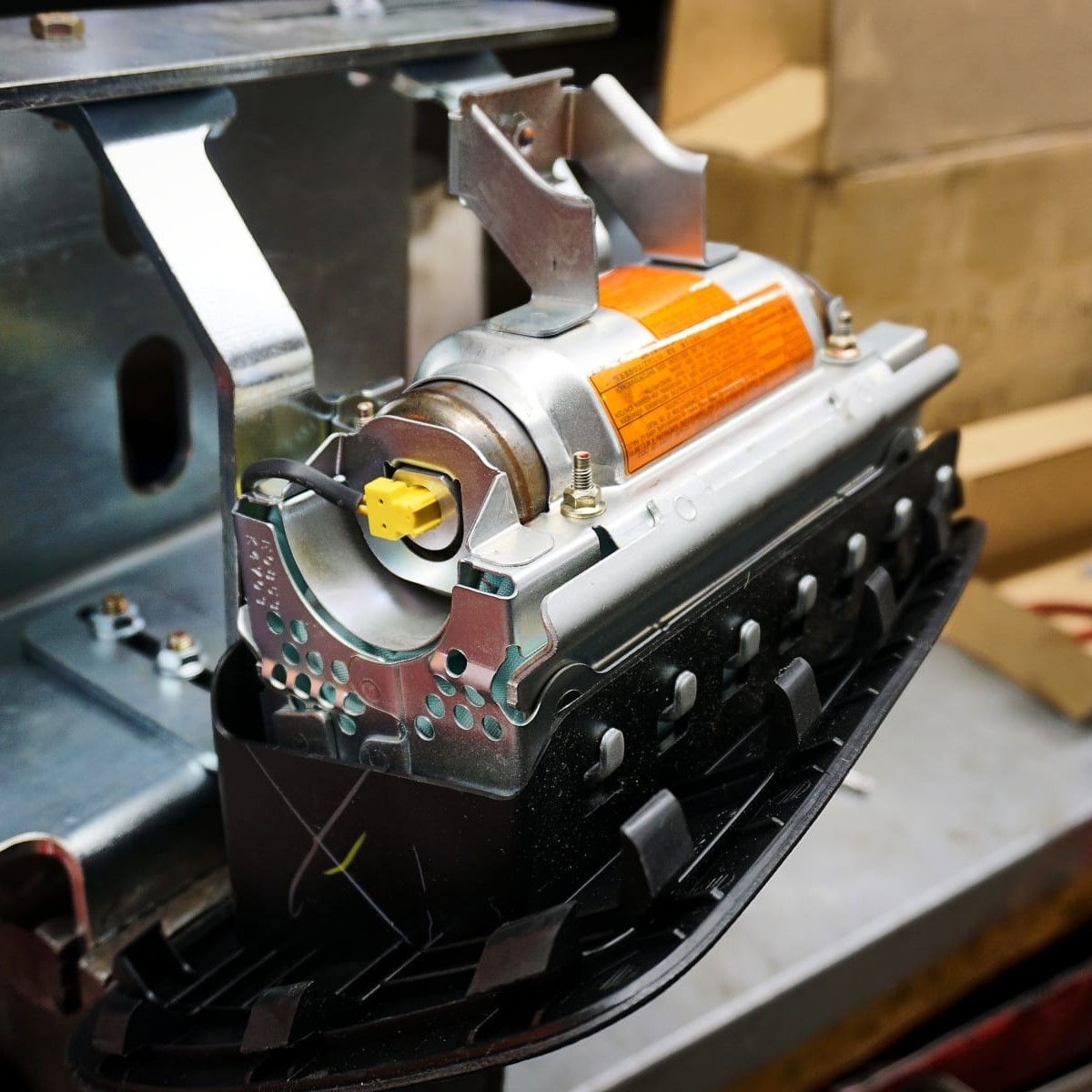
- Airbag Module: This includes the cushion or fabric bag that inflates during a collision.
- Inflator Unit: It fills the airbag with gas in milliseconds after a crash is detected.
- Crash Sensors: These detect sudden deceleration and send signals to activate the airbag system.
- Control Unit: This processes data from the sensors to decide when to deploy the airbags.
Understanding these components helps with recognizing potential issues if the system malfunctions.
Types of Airbags Found in Modern Vehicles
There are various types of airbags, each designed for specific purposes:
- Front Airbags: Positioned in the steering wheel and dashboard, they protect the driver and front passenger.
- Side Airbags: These shield the torso and head during side-impact collisions.
- Knee Airbags: Located below the dashboard, they protect the knees from injuries.
- Curtain Airbags: These deploy from the roof to protect passengers’ heads in rollovers or side impacts.
- Rear Airbags: Found in some luxury vehicles, they protect backseat passengers during an accident.
Each type of airbag plays a role in increasing overall vehicle safety.
Signs That Your Airbag Needs Replacement
Understanding when your airbag needs replacement is vital for vehicle and passenger safety. Faulty airbags can fail to deploy, compromising safety during collisions. Recognizing the signs of a malfunctioning airbag system helps ensure timely replacement.
Common Warning Signs of Malfunctioning Airbags
- Airbag Warning Light: The warning light stays illuminated or flashes on your dashboard.
- Error Codes: Diagnostic tools show specific error codes related to the airbag system.
- Poor Deployment: The airbag fails to deploy during a collision, posing safety risks.
- Physical Damage: Visible wear or damage to the airbag system indicates the need for repair.
- Unusual Sounds: Clicking or buzzing sounds from the airbag module signal issues.
If you notice these signs, your airbag may need immediate inspection or replacement.
How to Identify a Defective Airbag System
- Check the Warning Light: Any abnormalities with the airbag light require professional evaluation.
- Inspect for Water Damage: Moisture near the airbag module can cause electrical issues.
- Listen for Unusual Noises: Strange sounds might indicate internal problems with the airbag circuitry.
- Scan Your Vehicle’s System: Use specialized diagnostic tools to detect internal faults.
A defective airbag system can lead to deployment failure in emergencies.
The Importance of the Airbag Warning Light
The airbag warning light serves as a critical indicator of system health. When the light is on, it means that the airbag system may not work correctly during an accident. Ignoring this signal can compromise passenger safety. Regular attention to the warning light ensures proper airbag functionality, safeguarding occupants and improving vehicle safety standards.
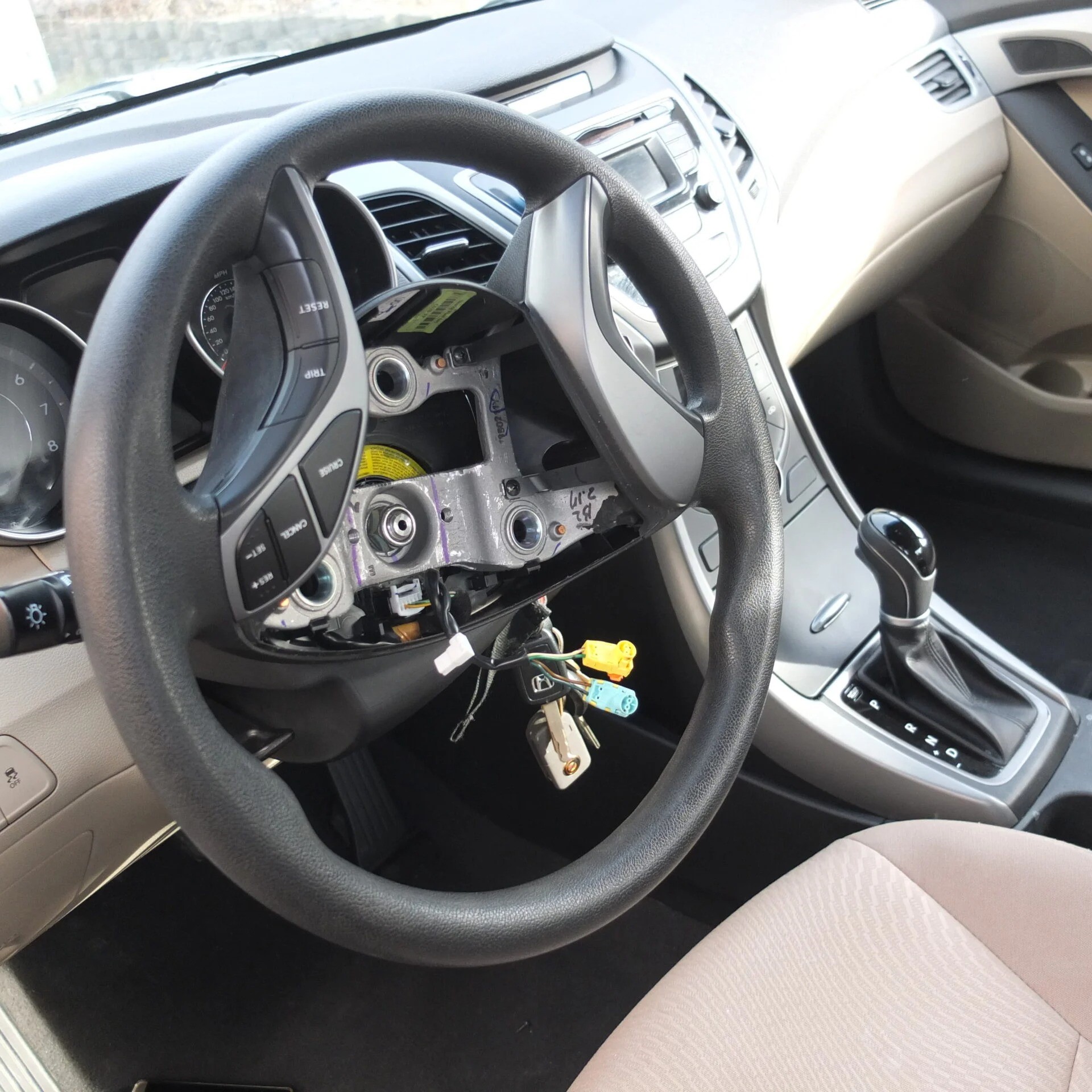 Reasons for Airbag Replacement
Replacing an airbag is crucial for passenger safety after specific conditions or issues arise. Faulty airbags or deployed airbags cannot protect you effectively during future accidents. Here are three common reasons that demand airbag replacement.
After a Car Accident: Why Airbag Deployment Requires Replacement
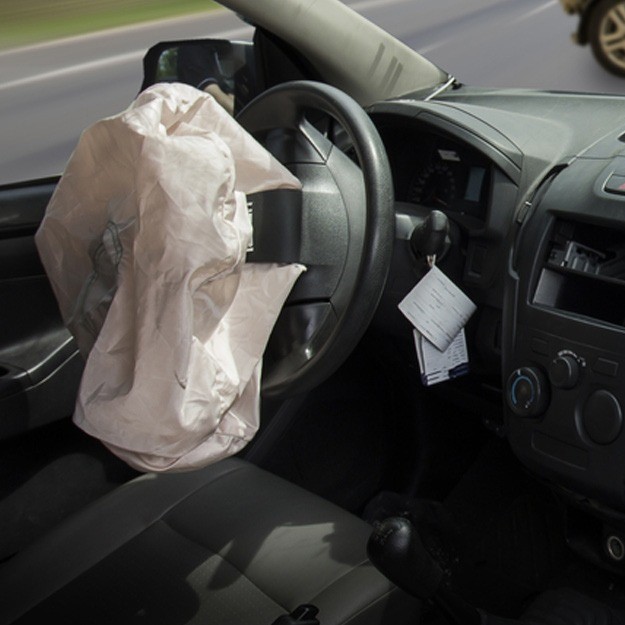
Airbags deploy to absorb the impact of collisions. Once deployed, they cannot be reused. Deployed airbags lose their cushioning properties, making replacement essential for safety during future accidents. Additionally, the sensors and control systems may be damaged post-deployment, which could prevent proper functioning. Always prioritize replacing deployed airbags post-accident to restore your vehicle’s safety features.
Expired Airbags: Lifespan and Replacement
Airbags have a limited lifespan, typically around 10 to 15 years. Over time, the materials and inflators can deteriorate. An expired airbag may fail to deploy or offer inadequate protection during a collision. Check your vehicle’s manual for the airbag replacement schedule recommended by the manufacturer. Staying ahead of expiration ensures reliable functioning when needed.
Manufacturer Recalls and Defective Airbags
Manufacturers occasionally recall airbags due to defects, malfunction risks, or incorrect installations. Ignoring recalls can leave your vehicle with a flawed safety system. Defective airbags may deploy unexpectedly or not deploy during accidents. Always respond promptly to recall notices. Contact certified technicians for replacement to ensure safety restores effectively.
The Airbag Replacement Process
Replacing airbags is essential for maintaining vehicle safety after deployment or detection of faults. Understanding the steps involved ensures a safe and efficient process.
Steps Involved in Replacing Deployed Airbags
- Assess Damage: Inspect all affected components like sensors and control units post-deployment.
- Disconnect Battery: Disable vehicle power to avoid accidental airbag activation during replacement.
- Remove Deployed Airbags: Extract damaged airbags carefully to prevent interference with connected parts.
- Install New Airbags: Fit new airbags and ensure alignment with safety standards.
- Test the System: Reconnect electrical components and check airbag functionality using diagnostic tools.
Following these steps ensures that your airbags function correctly in future emergencies.
Necessary Tools and Expertise for Safe Airbag Replacement
Airbag replacement requires specific tools and skills:
- Specialized Tools: Torque wrenches, screwdrivers, and diagnostic scanners are necessary.
- Knowledge of Components: Understanding systems like sensors and inflators is crucial.
- Electrical Expertise: Proper handling of wiring ensures system compatibility and prevents errors.
Attempting replacement without expertise can damage your vehicle and compromise safety.
The Role of Certified Technicians in Airbag Repair
Certified technicians are essential for safe airbag replacement. Their expertise avoids risks during the process.
- Professional Assessment: Technicians identify hidden issues beyond visible damage.
- Manufacturer Guidelines: Certified personnel follow recommended procedures and standards.
- System Testing: They ensure all components function perfectly post-replacement.
Hiring experts guarantees a reliable and secure airbag system in your vehicle.
The Cost of Replacement
The cost of replacing airbags varies based on several factors. Understanding these can help you estimate expenses.
Factors Affecting the Overall Cost
- Type of Airbag: Front, side, curtain, or knee airbags each have different price ranges.
- Vehicle Make and Model: Luxury or high-end vehicles typically have more expensive airbag systems.
- Labor Charges: Certified technicians often charge higher fees for reliable installation.
- Extent of Damage: Additional repairs to sensors, control units, or wiring increase the total cost.
- OEM vs. Aftermarket Parts: Using original equipment manufacturer (OEM) parts is pricier than aftermarket options.
These factors significantly impact the overall expense of airbag replacement.
Average Replacement Costs for Different Airbag Types
- Front Airbags: Replacing driver or passenger airbags costs $1,000 to $1,500 per unit.
- Side Airbags: These cost $500 to $1,200 each, depending on the vehicle.
- Curtain Airbags: Typically more expensive, ranging from $1,200 to $2,000 per airbag.
- Knee Airbags: Around $600 to $1,200, as material needs are specific.
Combining multiple replacements can increase the final bill significantly.
Tips to Save Money on Airbag Repairs
- Check for Recalls: Manufacturers often replace faulty airbags for free under recalls.
- Compare Estimates: Get quotes from multiple certified repair shops before proceeding.
- Use Insurance: Check your policy to know if it covers airbag replacement.
- Consider Aftermarket Parts: These can save costs, but ensure they meet safety standards.
- Bundle Repairs: Fixing related components during replacement can reduce labor charges.
Taking these steps can help you reduce costs while ensuring your vehicle remains safe.
 Is Airbag Replacement Covered by Insurance?
Airbag replacement can be costly, but insurance often helps reduce the financial burden. Knowing when your policy covers airbag replacement is essential to avoid unexpected expenses. Below are key points to understand how insurance plays a role.
When Insurance Covers Airbag Replacement
Insurance policies frequently cover airbag replacement under specific conditions:
- Collision Coverage: Covers replacement after accidents, especially if the airbag deploys during a crash.
- Comprehensive Coverage: Handles airbag replacement if damage results from non-collision events like theft or fire.
- Manufacturer Recalls: Not handled by insurance but done free by automakers for defective airbags.
- Fault Determination: Some policies only cover replacement if you are not at fault during a collision.
Always review your policy details to confirm coverage in various scenarios, including both partial and full payouts.
Understanding Comprehensive vs. Collision Coverage
Understanding the differences between comprehensive and collision coverage is crucial:
- Collision Coverage: Pays for airbag replacement due to crashes. Applies regardless of who caused the accident.
- Comprehensive Coverage: Protects against non-collision events, such as natural disasters, theft, or animal impacts.
- Deductibles: Both types usually include a deductible, which you must pay out-of-pocket.
Knowing what your policy includes can help you decide the right level of coverage for your needs.
Tips for Filing an Airbag Replacement Claim
Filing an insurance claim for airbag replacement can be straightforward with these steps:
- Document Everything: Take clear photos of damages and deployed airbags after an incident.
- Inform Your Insurer: Notify your insurance company immediately and provide accident details.
- Get an Estimate: Obtain a repair shop quote to know the replacement cost.
- Work with Approved Technicians: Use insurer-recommended or certified repair shops for faster claim processing.
- Understand Your Policy: Review your coverage limits and deductible requirements before filing the claim.
Proper preparation streamlines the process, helping you get your airbags replaced promptly without financial stress.
Risks of Delaying Replacement
Replacing a faulty or deployed airbag promptly is crucial for your safety and legal compliance. Delaying airbag replacement can lead to serious risks that affect both passengers and drivers. Below are the critical concerns associated with not replacing airbags.
Safety Implications of Driving Without a Functional Airbag
- Increased Risk of Injury: Without a functional airbag, collision impact is directly absorbed by your body.
- Reduced Protection: Seat belts alone may not provide adequate protection in high-impact situations.
- Failed Safety Systems: Other vehicle safety systems may not work as effectively without operational airbags.
- Higher Fatality Rates: Studies show higher fatality rates for drivers in vehicles with non-functioning airbags.
- Unprepared for Future Collisions: A damaged airbag system leaves your car ill-equipped for future emergencies.
Ignoring an airbag replacement increases risks during accidents, endangering all occupants.
Potential Legal Consequences
- Violation of Vehicle Safety Standards: Driving without functional airbags may breach local road safety laws.
- Insurance Claim Denial: Insurers may deny accident claims if the airbag system was knowingly ignored.
- Liability in Accidents: You could be held accountable for injuries caused by ignoring airbag replacement.
- Fines and Penalties: Authorities may impose fines for driving a vehicle with compromised safety features.
- Resale Value Impact: Faulty airbags reduce your car’s market value and make it harder to sell.
Delaying airbag replacement not only compromises safety but may lead to serious legal repercussions. Always prioritize timely repairs to ensure safe and lawful driving.
Maintaining and Inspecting Your Airbags
Taking care of your airbags is vital for vehicle safety. Regular inspection ensures they work in emergencies.
Regular Airbag Inspection Tips
- Check the Warning Light: Ensure the airbag warning light on your dashboard behaves normally.
- Inspect for Physical Damage: Look for visible wear around the airbag housing or module.
- Test the System Using Tools: Use diagnostic equipment to detect faults in airbag sensors or circuits.
- Monitor Environmental Exposure: Avoid water damage near airbag components to prevent electrical failures.
- Schedule Professional Inspections: Have certified technicians inspect your airbag system regularly for unseen issues.
Routine checks can catch problems early, reducing risks in accidents.
Ensuring Your Vehicle Remains Safe and Roadworthy
- Replace Faulty Airbags Immediately: Act on warning signs to restore your vehicle’s safety.
- Address Recalls Promptly: Respond to manufacturer recalls for defective airbags to ensure proper fixes.
- Follow Maintenance Schedules: Check your vehicle manual for airbag care recommendations.
- Use OEM Parts for Replacements: Ensure safety by using original manufacturer parts when replacing airbags.
- Test After Maintenance: Verify airbag functionality after repairs or replacements.
Maintaining airbags keeps passengers safe and ensures your vehicle meets legal safety standards.
 Frequently Asked Questions
Answering Common Driver Concerns
Can I drive my car after airbags deploy?
No. The vehicle is unsafe. Airbags won’t work again. Get it towed to a repair center immediately.
Do airbags expire?
Not exactly. But they degrade over time. Vehicles over 15 years old should get inspections.
Is it safe to buy a car with replaced airbags?
Yes—if done correctly. Ask for repair records. Verify all parts were installed professionally.
Will my car pass inspection without airbags?
No. Most states require functional safety systems. Missing airbags cause automatic failure.
How do I know if my airbag is fake or recycled?
Check serial numbers against manufacturer databases. Reputable shops provide proof of authenticity.
These answers help clarify expectations around airbag replacement.
 Summary
Final Thoughts on Prioritizing Safety and Peace of Mind
Airbag replacement is not optional—it’s essential. These life-saving devices protect millions every year. After a crash, restoring them ensures continued safety. Whether you drive a sedan, SUV, or electric truck, every airbag must be replaced properly.
From sensors to seatbelts, every part plays a role. Choose qualified technicians and reliable parts. Never compromise on quality. Your well-being depends on it.
As vehicles grow smarter, so do their safety systems. Staying informed protects you and your family. Ultimately, responsible airbag replacement means driving with confidence. You’ve taken every step to stay safe. And that peace of mind is priceless.