Knowing how to turn on passenger airbag is essential for every vehicle owner. This safety feature protects front-seat passengers during collisions, but it doesn’t always activate automatically. In many cars, the system responds to weight sensors and seating position. If a child or small adult sits in the seat, the airbag may disable itself to prevent injury. Therefore, understanding when and how to enable it ensures maximum protection.
Moreover, different car models handle this function in unique ways. Some use manual switches, while others rely entirely on automated detection systems. As a result, drivers must learn their specific vehicle’s behavior. Failing to do so could leave a passenger unprotected in an accident. This guide explains every step clearly, covers common issues, and helps you make informed decisions about your car’s safety settings. You’ll gain confidence in managing this critical system.
 What Is a Passenger Airbag?
Passenger airbags are essential safety features in modern vehicles. They protect the passenger sitting in the front seat during collisions. These airbags inflate rapidly upon impact to reduce injury risks.
Overview of Passenger Airbags
Passenger airbags are located inside the dashboard, directly in front of the passenger seat. They deploy in milliseconds during accidents, cushioning the passenger from hard surfaces like the dashboard, steering wheel, and windshield. These airbags work together with seatbelts to minimize harm. The sensor systems in vehicles detect the severity of a crash and activate the airbags accordingly.
Importance of Airbag Safety Features
Airbags significantly reduce injuries and fatalities during road accidents. They prevent passengers from hitting rigid objects inside the car. Combined with safety belts, airbags provide comprehensive protection. Modern systems also assess occupant weight and position to adjust airbag deployment, making them even safer. Using airbags correctly is crucial for ensuring their effectiveness in saving lives.
Reasons for Deactivating/Activating Passenger Airbags
Understanding when to deactivate or activate passenger airbags is important for safety. These decisions depend on specific needs and situations.
Common Scenarios for Airbag Activation
Passenger airbags should remain active when an adult occupies the front seat. Airbags are designed to mitigate injuries during collisions. They deploy rapidly to cushion the impact and prevent contact with hard surfaces.
In some vehicles, sensors automatically activate airbags based on passenger weight. For example, when an adult passenger weighs above a set limit, the airbag system activates. This feature is common in modern vehicles for better safety.
Additionally, activating airbags is necessary for highway travel. The higher speeds increase collision risk, making the airbags a crucial safety measure. It’s also important when driving in areas with dense traffic, where accidents are more likely.
Risks of Incorrect Airbag Settings
Incorrect airbag settings can lead to serious risks. If an airbag is on while a child is in the front seat, it might cause injuries. Young children or infants can suffer harm due to the airbag’s forceful deployment.
Keeping airbags off when adults occupy the front seat reduces crash protection. This might increase injury risks during accidents. Improperly functioning sensors can also lead to unexpected deployment or failure to deploy. Such errors highlight the importance of ensuring correct airbag settings.
Drivers should always double-check the airbag status before driving. Understanding when to activate or deactivate airbags ensures safer journeys for everyone.
 How to Check If Your Passenger Airbag Is On
Knowing if your passenger airbag is on is vital for safety. There are ways to verify its status.
Dashboard Warning Lights and Indicators
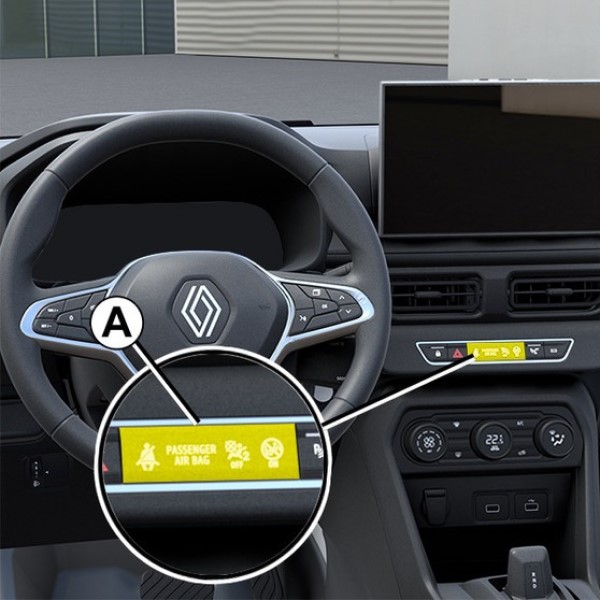
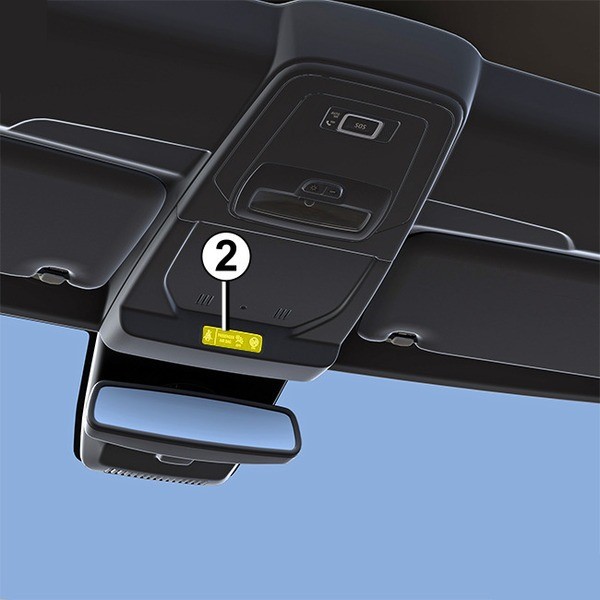
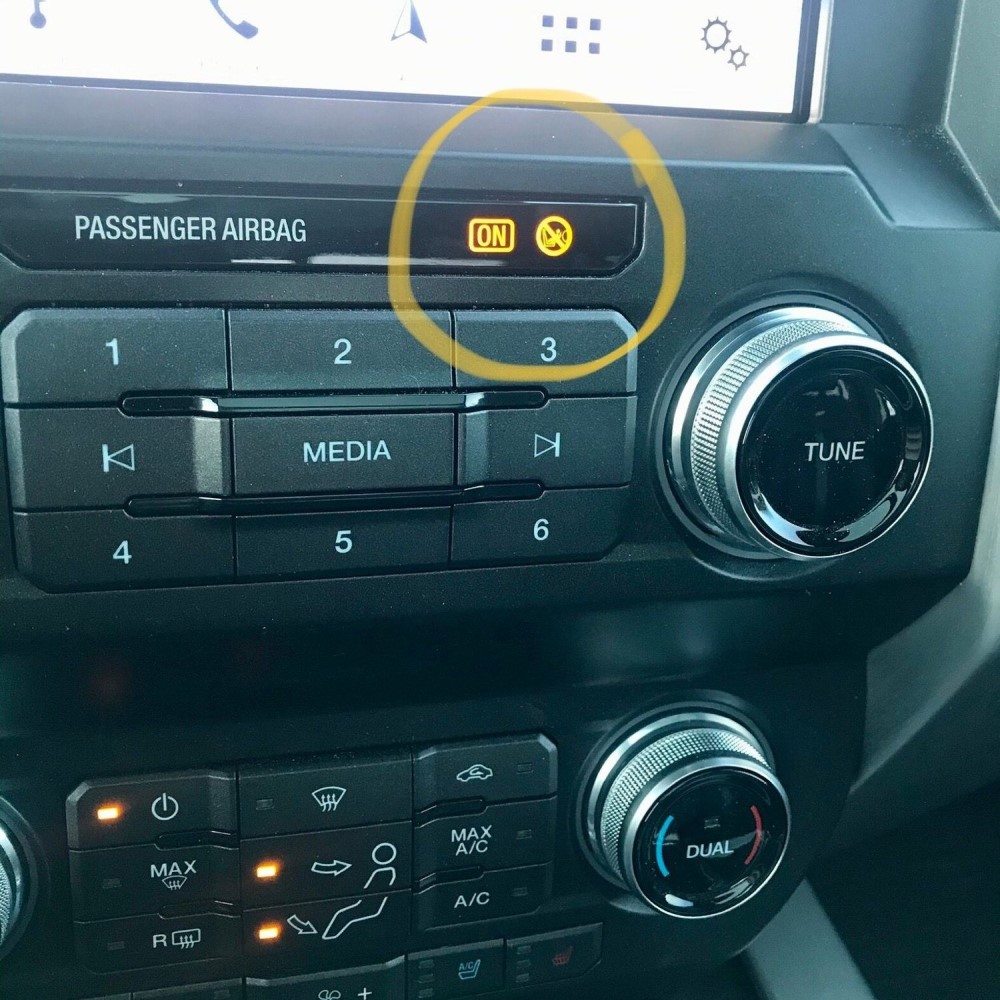
Most vehicles have warning lights on the dashboard. When the passenger airbag is active, a light often displays “Passenger Airbag On.” This indicator turns off when the airbag is deactivated. Check your vehicle’s dashboard during ignition. If the light does not flash, there may be an issue with the system. Always consult your owner’s manual to understand the specific symbols and their meanings.
A “Passenger Airbag Off” sign signals deactivation. This often happens when the seat is unoccupied or the system detects a child seat. For automatic systems, sensor-based alerts update the airbag’s status based on the passenger’s weight.
Accessing Your Vehicle’s Airbag Settings
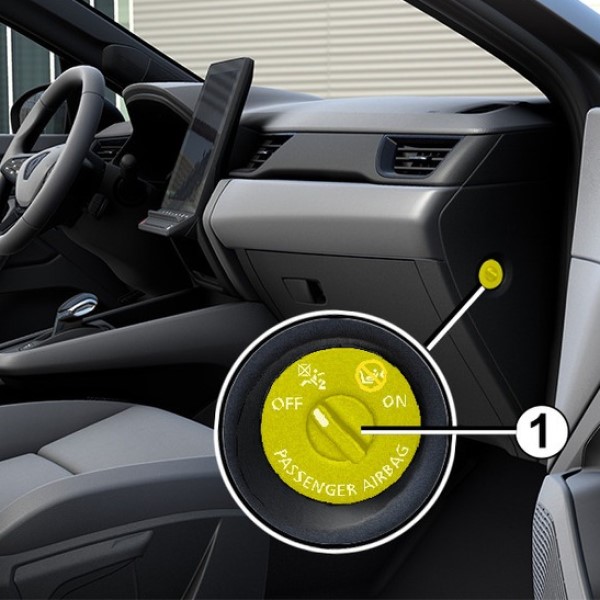
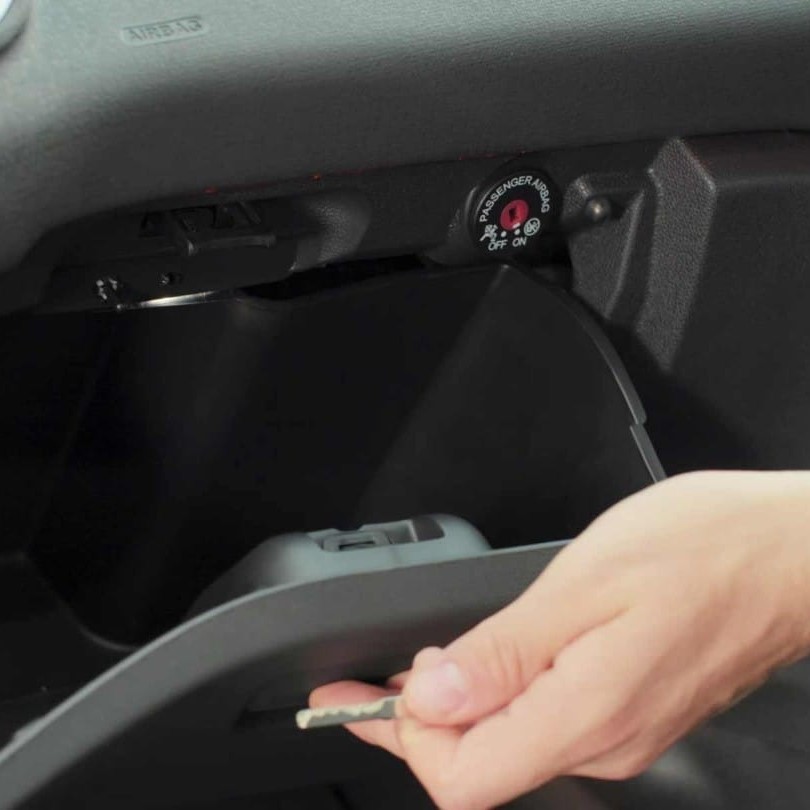
Modern cars allow you to check airbag settings through the infotainment system or manual switches. Locate the airbag switch, often near the passenger-side door or glove box. Some systems require turning the ignition key to access the control. Adjust the airbag settings using this manual switch.
For vehicles with electronic controls, navigate the settings menu through the dashboard screen. Review the airbag options and confirm whether it is activated. If you notice any irregularities, contact a professional mechanic for troubleshooting. Checking this setting ensures safer travels for everyone on board.
Step-by-Step Guide to Turning On the Passenger Airbag
Activating the passenger airbag is crucial for ensuring safety during travel. Follow these steps to turn it on correctly.
Locating the Airbag Switch
The airbag switch is typically found near the dashboard or glove compartment. Some vehicles place it around the passenger-side door area. Refer to your vehicle’s owner manual if you’re unable to locate it. Identifying the correct switch is the first step to ensure proper airbag activation.
Steps for Manual Activation
- Insert the Key into the Ignition: Turn the ignition key to “on.”
- Locate the Airbag Switch: Find the manual airbag activation switch.
- Change the Setting to “On”: Turn the switch to the “on” position for airbag activation.
- Confirm the Airbag Status: Check dashboard indicators to ensure the airbag is now on.
Manual activation typically requires little time and ensures passenger safety during travel.
Utilizing Electronic Controls for Airbag Adjustment
- Access the Infotainment System: Go to the settings menu on the dashboard screen.
- Navigate to the Airbag Settings: Locate the control option for airbags.
- Toggle the Passenger Airbag Setting: Select “on” for the passenger airbag.
- Check System Indicators: Verify activation by observing the “Passenger Airbag On” light on the dashboard.
Some modern vehicles offer advanced electronic control systems with easy-to-use interfaces. These systems improve convenience and accuracy when managing airbag settings.
 Troubleshooting Passenger Airbag Issues
Passenger airbag problems may occur in vehicles. Understanding the causes and solutions ensures safety during travel.
Causes of Airbag Malfunctions
- Sensor Issues: Faulty sensors may fail to detect passengers or crash severity correctly.
- Electrical Connection Problems: Loose wiring or damaged circuits can disrupt airbag activation.
- Software Glitches: Errors in the vehicle’s control system may prevent airbags from deploying.
- Physical Damage: Previous collisions or mishandling can damage the airbag mechanism.
- Incorrect Installation: Improper setup may lead to operational failures over time.
Identifying these issues early ensures timely action to avoid safety risks.
How to Resolve Activation Problems
- Inspect Dashboard Warning Lights: Check if the airbag status lights display correctly.
- Review the Owner’s Manual: Understand the specific airbag system for your car.
- Check Sensor Functionality: Inspect if weight sensors or position sensors work as expected.
- Test Electrical Connections: Ensure wiring and circuits are intact and securely fitted.
- Restart the System: Reset an electronic control system through the car’s dashboard settings.
- Update Vehicle Software: Install updates for systems that rely on software to manage airbags.
Timely detection and resolution prevent further complications or malfunctions.
When to Seek Professional Assistance
- Recurring Issues: Visit a trained mechanic for persistent airbag malfunctions.
- Unclear Warning Indicators: Professionals can decode complex dashboard signals accurately.
- Damage to Airbag Components: Technicians should repair or replace broken airbag mechanisms.
- Sensor Calibration Errors: Experts can reprogram or replace faulty sensors.
- Manufacturer Defects: Contact the manufacturer if the malfunction arises from vehicle design flaws.
Professional help ensures the airbag system works safely and reliably. Regular maintenance safeguards passengers during travel.
Passenger Airbag Safety Tips
Passenger airbag safety is crucial for protecting vehicle occupants during travel. Proper usage reduces injury risks and ensures effective airbag deployment.
Ensuring Proper Seating Position
- Sit Upright: Passengers should sit upright with their back against the seat to ensure safety.
- Keep Distance from the Dashboard: Maintain a safe distance to avoid contact with the airbag during deployment.
- Wear a Seatbelt Properly: Always use the seatbelt as airbags work best with seatbelt protection.
- Avoid Slouching or Leaning: Slouching or leaning increases injury risks during airbag deployment.
- Adjust the Seat Position: Ensure the seat is not too close to the dashboard for better airbag effectiveness.
Additional Safety Measures for Infants and Children
- Use Child Safety Seats: Always place young children in approved child safety seats.
- Position Child Seats Correctly: Install child seats in the rear seat facing backward if the child is an infant.
- Deactivate Front Airbag When Necessary: Turn off the front airbag if placing a child seat in the front.
- Follow Weight Guidelines: Check vehicle guidelines for weight limits before using airbags for children.
- Educate Kids About Car Safety: Teach older children to sit properly and wear their seatbelt at all times.
Proper guidelines for passengers, infants, and children ensure safer journeys for everyone on board.
 Features of Modern Passenger Airbag Systems
Modern passenger airbag systems have evolved significantly. They now integrate advanced technology and customization for better safety and comfort.
Advanced Airbag Technologies
- Multi-Stage Deployment: Airbags deploy in stages based on crash severity and occupant size.
- Adaptive Cushioning: Their pressure adjusts to passenger weight, reducing injury risks during deployment.
- Occupant Sensors: Sensors detect seating position and passenger size for precise deployment.
- Side and Curtain Airbags: Additional airbags protect passengers from side impacts and glass shards.
- Integration with Emergency Systems: Airbags work with seatbelt pretensioners and alerts for maximum safety.
These technologies ensure quick response and tailored protection during collisions.
Customization Features in Newer Vehicle Models
- Manual Airbag Control: Drivers can turn airbags on or off manually, based on specific needs.
- Electronic Settings Adjustment: Systems allow airbag customization through infotainment controls.
- Weight-Based Activation: Airbags automatically activate or deactivate based on passenger weight.
- Child-Safety Modes: Some vehicles include modes that modify airbag settings for child passengers.
- Personalized Deployment Settings: High-end cars offer personalized configurations for precise airbag performance.
These features enhance convenience and ensure airbag systems meet individual passenger needs.
Special Considerations for Children and Infants
Managing Airbags Around Young Passengers
Never attempt to turn on passenger airbag when a rear-facing child seat occupies the front seat. The force of deployment can be fatal. Federal safety guidelines strongly advise against placing infants in the front under any circumstances. Always install child seats in the back row whenever possible.
If moving a child to the front is unavoidable—such as in two-seater vehicles—ensure the seat faces forward and the child meets height and weight requirements. Most experts recommend waiting until the child is at least 13 years old before allowing front-seat travel.
Even then, adjust the seat to its rearmost position. This increases distance from the dashboard. Encourage the child to sit properly without leaning forward. Monitor their behavior throughout the trip.
Some parents mistakenly believe disabling the airbag removes protection. However, seat belts remain effective even without airbags. Prioritize proper restraint over supplemental systems. Understanding these rules prevents tragic mistakes when dealing with how to turn on passenger airbag around minors.
Frequently Asked Questions About Passenger Airbags
Clarifying Common Driver Concerns
Can I manually turn on the passenger airbag in all cars?
No. Many modern vehicles do not allow manual control. The system operates automatically based on sensors. Only certain models include a physical switch. Always consult your owner’s manual first.
What happens if the airbag stays off when it should be on?
First, ensure the passenger is seated correctly and wearing a seatbelt. Next, check for obstructions under the seat. Debris or spilled liquids can interfere with sensors. Reset the system by restarting the car.
Is it safe to drive with the passenger airbag off?
Yes, as long as no eligible passenger is present. Adults over 100 pounds should have the airbag active. Driving alone or with children in the back is perfectly safe.
Why does the airbag turn off when my small adult friend sits down?
Weight thresholds vary by manufacturer. Some systems require over 70 pounds to activate. Lighter adults may trigger the off mode. Reassure them it’s a safety measure, not a malfunction.
These answers help clarify confusion surrounding how to turn on passenger airbag across real-world scenarios.
 Summary
Final Tips for Safe and Effective Airbag Use
Mastering how to turn on passenger airbag involves more than flipping a switch. It requires understanding sensors, seating rules, and manufacturer policies. Always begin by reading your vehicle’s manual. Then inspect the dashboard for status lights after each passenger enters.
Ensure proper seating posture and maintain safe distances from the dashboard. Never override safety systems for children or infant seats. Respect automated decisions made by weight and belt sensors.
Regular maintenance keeps the system responsive. Clean under the seat periodically and avoid damaging wiring. Address warning lights promptly to prevent failures during emergencies.
Ultimately, the passenger airbag is a life-saving tool when used correctly. By following best practices, you protect yourself and others on every journey. Remember: knowing how to turn on passenger airbag is part of responsible driving.