When deciding between an SUV and a sedan, many drivers face a real dilemma. Each vehicle type offers distinct advantages depending on your daily needs, family size, and driving environment. The SUV vs sedan debate continues to grow as automakers expand options in both categories.
Moreover, personal priorities like fuel efficiency, cargo space, and comfort play major roles in the decision. Some people need rugged capability while others value sleek design and low running costs.
 Overview of SUV and Sedan
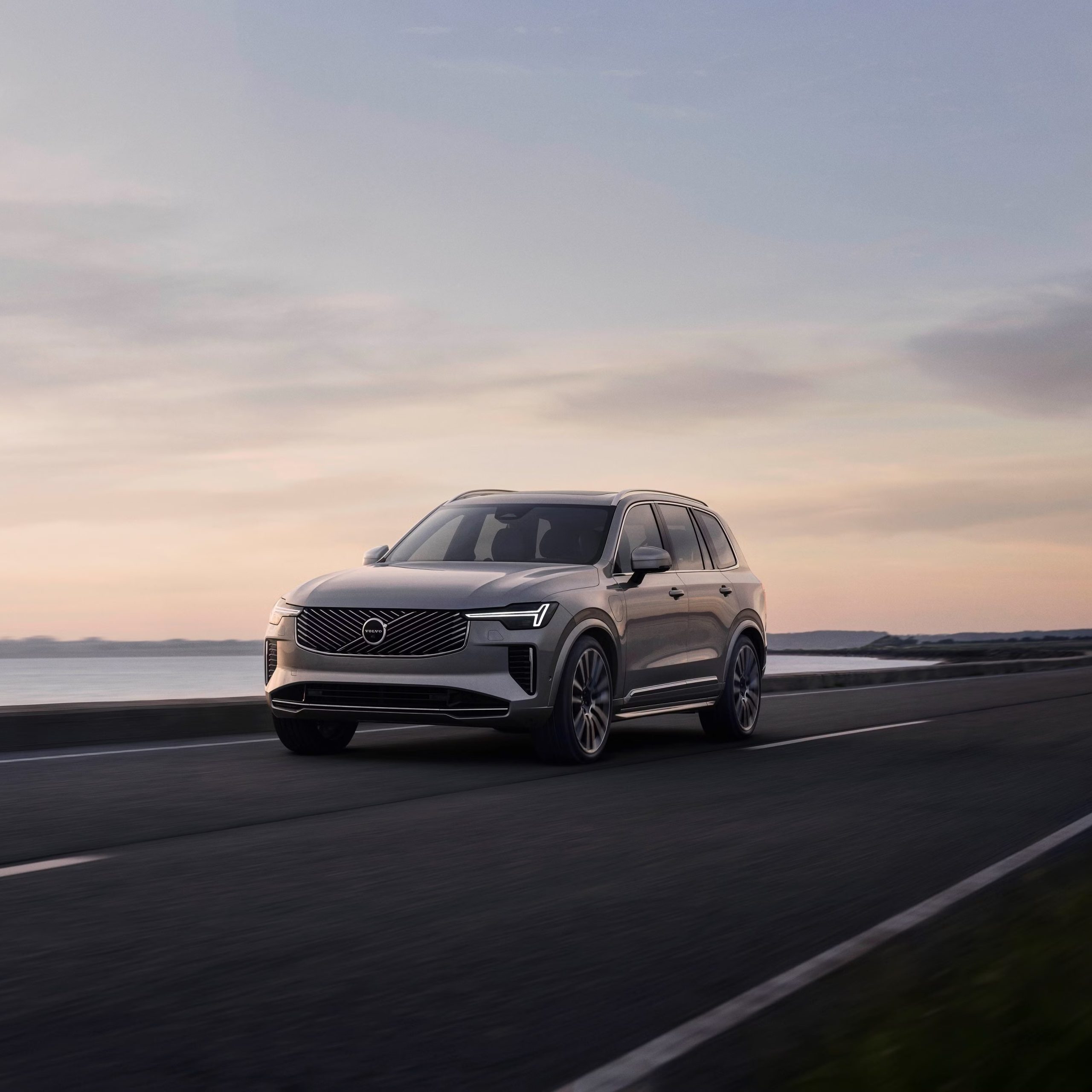
SUVs and sedans are two popular vehicle types in the automobile market. They cater to different needs and preferences, offering distinct advantages based on design and usability. SUVs are larger vehicles that stand higher from the ground. They are often chosen for their spacious interiors and rugged performance. Sedans, on the other hand, are sleek and compact cars ideal for urban environments. Both have their unique appeal to diverse lifestyles and driving needs.
Defining SUV and Sedan
An SUV, short for sports utility vehicle, is known for its robust design and versatility. SUVs offer higher seating positions, ample cargo space, and superior off-road capabilities. These vehicles are built on a truck-like chassis, making them durable and suitable for challenging terrains.
A sedan is a car type designed for comfort and efficiency. Sedans feature a low-profile body and a closed trunk, emphasizing aerodynamics. They provide a smooth driving experience, making them a favorite among urban dwellers.
Popularity and Trends in the Market
SUVs have gained immense popularity over recent years. Families often prefer SUVs for their spacious interiors and practicality. Drivers seeking adventure are drawn to their off-road abilities.
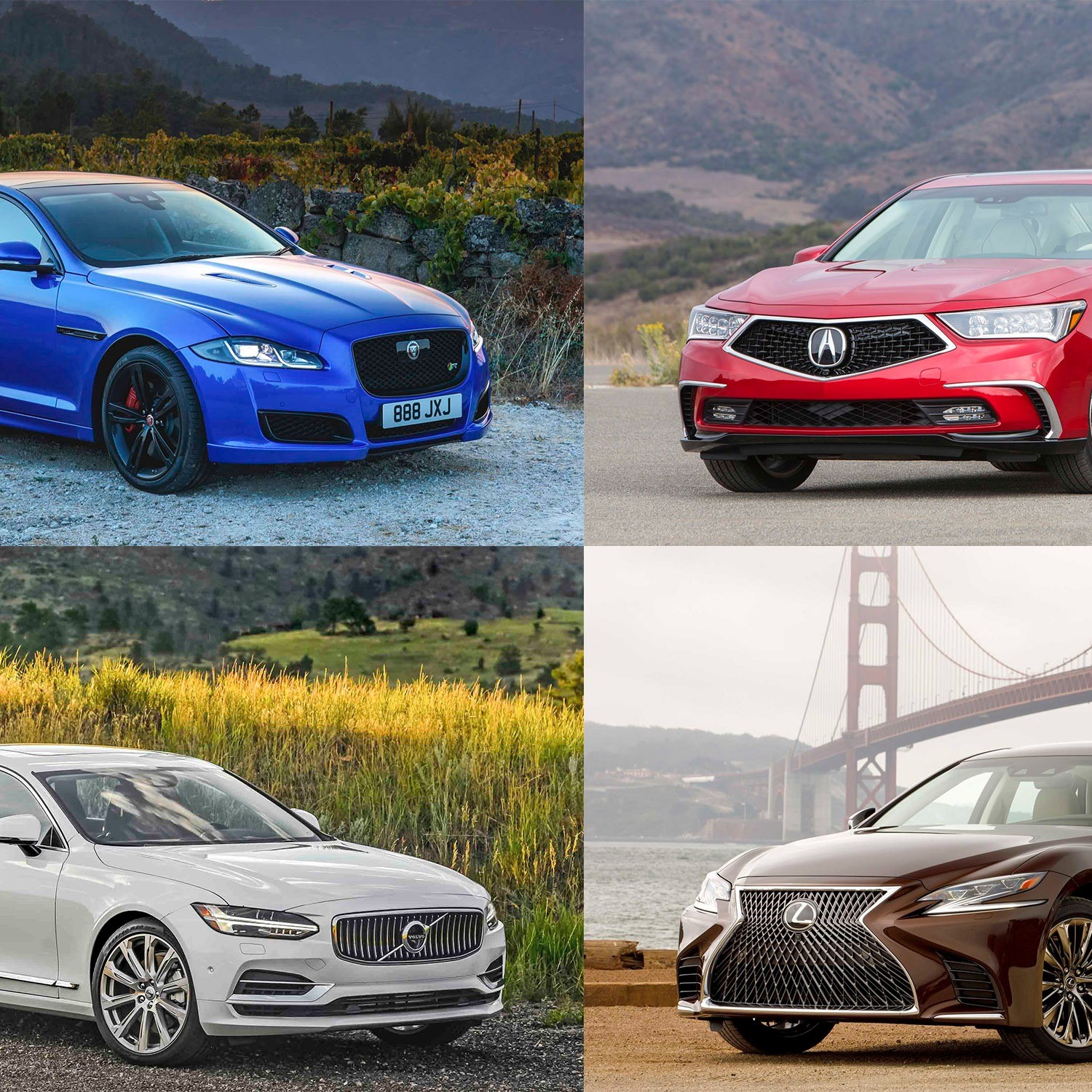
Sedans remain a classic choice for individual commuters. Their fuel efficiency and easy handling make them ideal for city driving. Luxury sedans attract buyers looking for style and comfort.
Market trends indicate demand for SUVs continues to rise. However, sedans still maintain their appeal due to their affordability and elegance. Both vehicle types have loyal fan bases, reflecting their distinct merits in the automobile industry.
 Design and Structural Differences
Body Style and Size Comparison
SUVs and sedans differ significantly in their body style and size. SUVs are larger vehicles with higher ground clearance. They feature a robust, boxy design, making them ideal for off-road adventures. The raised driving position gives a commanding view of the road. On the other hand, sedans have a sleek, low-profile design. They are built to provide better aerodynamics and a more elegant appearance.
SUVs typically offer a taller and broader build, making them more spacious. In contrast, sedans are compact, making them easier to maneuver in urban traffic and tight parking spots. The distinct size and shapes of SUVs and sedans cater to varying needs and preferences, whether for family use or urban commuting.
Interior Space: Seating and Cargo
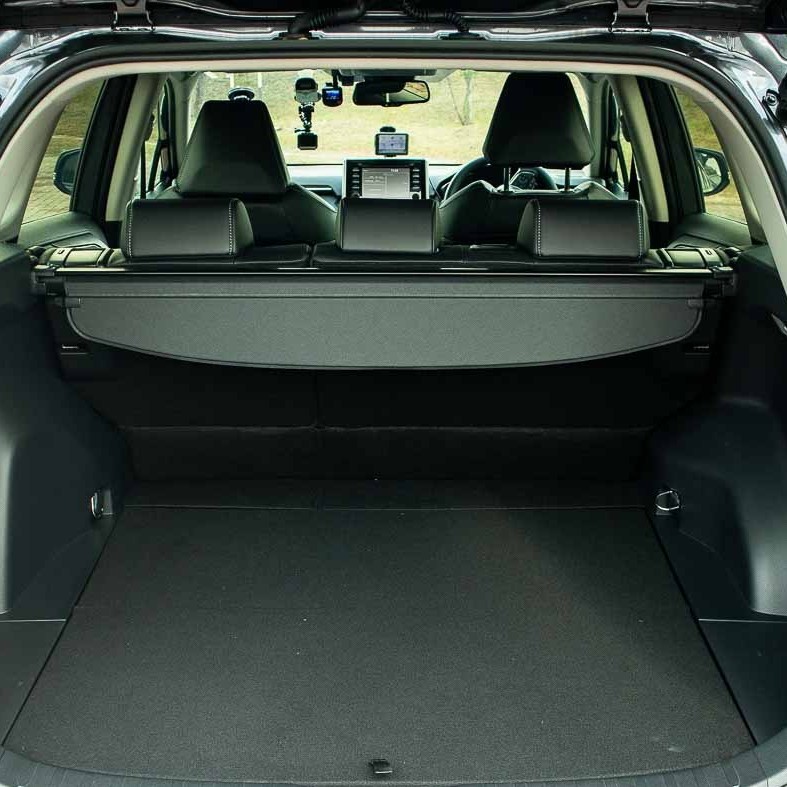
Interior space is a crucial difference between SUVs and sedans. SUVs provide more room for passengers and cargo. Many SUVs offer three rows of seats, accommodating up to seven or eight people. This makes them a preferred choice for families or group travelers. The cargo space is also more extensive in SUVs, with the flexibility to fold down rear seats for added storage.
Sedans, however, are designed to prioritize driver and passenger comfort. They generally accommodate five people, with less cabin space compared to SUVs. Sedans include a separate, closed trunk that offers organized but limited storage. While not as spacious as SUVs, sedans excel in creating a cozy and efficient setting for smaller households or individual commuters.
Whether you prioritize ample space or a compact, streamlined design will guide your choice between an SUV and a sedan.
Performance and Handling
When choosing between an SUV and a sedan, performance and handling are key aspects. These factors define how a vehicle drives and suits varied terrains and driving styles. SUVs and sedans offer distinct characteristics in engine power, fuel efficiency, and driving capabilities.
Engine Power and Fuel Efficiency
SUVs generally feature larger engines. These engines provide more torque and horsepower, making SUVs powerful. This added power assists in hauling heavy loads or driving through rugged terrains. However, powerful engines often consume more fuel, reducing overall fuel efficiency.
Sedans, on the other hand, focus on fuel economy. Their engines are smaller compared to SUVs, emphasizing efficiency. Sedans typically feature streamlined designs that enhance aerodynamics, which further boosts mileage. While they may lack the raw power of SUVs, sedans excel in providing cost-effective, daily commutes.
Fuel efficiency advantage in sedans makes them popular among urban commuters. Meanwhile, SUVs cater to those prioritizing strength and versatility.
Driving Dynamics: On-Road and Off-Road Capability
SUVs stand out for their off-road capabilities. Enhanced ground clearance and robust suspensions make them ideal for uneven terrains. Various SUVs come equipped with all-wheel or four-wheel drive options, expanding their use to challenging environments like dirt roads or snowy paths.
Sedans are tailored for smooth, on-road driving. Their lower center of gravity offers stability and agility. These vehicles excel in navigating city streets and highways, delivering precise handling during traffic or sharp turns.
For drivers seeking adventures, SUVs offer a robust and versatile choice. Sedans provide a comfortable and efficient ride for routine city driving.
Safety Features and Ratings
Safety plays a crucial role when selecting between an SUV and a sedan. Both offer distinct benefits in accident prevention and occupant protection.
Crash Test Ratings and Features
Crash test ratings provide insights into a vehicle’s safety performance during collisions. SUVs often have larger frames, offering better resistance in crashes. Their higher seating positions can enhance driver visibility, reducing potential accidents.
Sedans, with their smaller size, can have lower crash energy absorption compared to SUVs. However, many sedans excel in advanced safety technologies. These include features like adaptive cruise control, lane-keeping systems, and collision warning systems.
Both SUVs and sedans frequently undergo rigorous safety tests by agencies like NHTSA and IIHS. These ratings are essential for buyers assessing vehicle safety. Comparing crash test results between models helps in making better purchasing decisions.
SUV vs Sedan in Handling Adverse Conditions
SUVs shine in adverse conditions with their advanced stability and control features. Their elevated ground clearance and heavier bodies make them ideal for snow and mud driving. Many SUVs offer all-wheel drive or 4X4 systems, improving traction on slippery surfaces.
Sedans, due to their low ground clearance, are less suitable for rocky roads or floods. However, they excel in handling rain and wet pavement. Their smaller size and better weight distribution help with smoother braking and turning.
For harsh weather or off-road needs, SUVs are better equipped. For city driving and mild weather, sedans perform efficiently.
 Cost of Ownership
Owning a vehicle involves several costs, making it essential to compare SUVs and sedans. These costs include the purchase price, maintenance, and insurance expenses. Understanding these differences can guide buyers to make informed decisions.
Purchase Price Comparison
SUVs are usually more expensive than sedans due to their larger size and advanced features. Their higher production costs contribute to the price disparity. Luxury SUVs often cost significantly more than standard sedans.
Sedans are generally more affordable, making them a popular choice for budget-conscious buyers. Compact and midsize sedans offer great value for city driving and daily commutes.
If upfront cost is a priority, sedans are often the better option. SUVs appeal to buyers willing to invest in space and versatility.
Maintenance and Insurance Costs
SUVs typically require more maintenance due to their complex systems and off-road capabilities. Tire replacements and suspension repairs can be costlier. Insurance premiums are also higher because SUVs are valued more and may have higher repair costs.
Sedans have lower maintenance costs, with simpler systems and smaller parts. Their insurance premiums are more affordable. Compact sedans, in particular, benefit from reduced repair and insurance expenses.
While SUVs may have greater functionality, sedans ensure lower long-term ownership costs. Prioritizing maintenance and insurance savings can help decide which vehicle suits your lifestyle.
Best Suited for Different Lifestyles
Choosing between an SUV and a sedan depends on your lifestyle and daily needs. Both vehicle types excel in unique ways, making them suitable for specific situations.
Urban Commuting vs Outdoor Adventures
Sedans are perfect for urban commuting. Their compact size makes them easy to park and navigate. Sedans offer excellent fuel efficiency, ideal for daily city driving. They provide a smooth, quiet ride on well-paved roads. Their streamlined design also makes them easier to handle in traffic.
SUVs are designed for outdoor adventures. Their higher ground clearance suits rough terrains and off-road trails. Many SUVs come with all-wheel or four-wheel drive for added toughness. They handle snow, mud, and rocky roads better than sedans. Families planning road trips or camping excursions may benefit from their larger size and versatility.
When choosing, consider your primary needs. For commuting, sedans offer efficiency and convenience. For adventure-seekers, SUVs provide durability and space.
Family Needs vs Individual Preferences
Families often prefer SUVs for their roomy interiors and seating flexibility. Most SUVs offer three rows of seats, ideal for larger families. The ample cargo space is perfect for strollers, groceries, or sports equipment. Safety features and a higher seating position enhance the sense of security.
On the other hand, individual drivers or small households may favor sedans. Sedans are comfortable, stylish, and suited for short commutes. They are affordable compared to SUVs, reducing overall ownership costs. Fuel efficiency adds to their cost-effectiveness for solo or couple travelers.
Your lifestyle and priorities will help determine the right choice. Choose a sedan for simplicity, or an SUV for space and multi-terrain ability.
 Environmental Impact and Sustainability
Emissions and Carbon Footprint
Environmental concerns shape car choices. Larger vehicles burn more fuel. This leads to higher carbon emissions.
SUVs produce more CO₂ per mile. Their increased weight requires more engine power.
Manufacturers respond with hybrid and electric models. Ford Escape PHEV and Kia Niro EV reduce emissions.
Sedans naturally pollute less. Smaller engines and lighter bodies require less energy.
Hybrids like Toyota Prius and Honda Insight lead in efficiency. They emit under 100 grams of CO₂ per kilometer.
Electric sedans eliminate tailpipe emissions. Charging from clean sources maximizes green benefits.
Urban drivers benefit most. Short trips don’t drain batteries.
Therefore, eco-conscious buyers may favor sedans unless choosing an EV SUV.
Parking and Urban Mobility
City living demands practicality. Parking spaces are small and often tight.
Sedans fit into standard spots easily. They maneuver through narrow streets and alleys.
Parallel parking becomes less stressful. Backup cameras help, but size still matters.
SUVs take up more space. They may not fit in compact garages or underground lots.
Turning radius is wider. Three-point turns are common in crowded areas.
Traffic congestion increases frustration. Bigger cars can’t weave through gaps.
Some cities plan for smaller vehicles. Congestion charges apply to larger engines.
Thus, sedans support sustainable city transportation.
Frequently Asked Questions About SUV vs Sedan
Which Is Safer: SUV or Sedan?
Larger SUVs protect occupants in crashes. But rollover risk exists. Sedans avoid tipping but have less crush zone.
Do SUVs Cost More to Insure?
Yes. Higher repair costs and theft rates increase premiums.
Are Sedans Better on Gas Than SUVs?
Generally, yes. Lighter weight and shape improve fuel economy.
Can I Tow With a Sedan?
Most sedans have very low towing capacity. SUVs handle trailers and bike racks better.
Which Holds Its Value Better?
SUVs retain value longer. High demand keeps resale prices strong.
Is It Harder to Park an SUV?
Yes. Longer length and height make tight spots challenging.
Do Families Need an SUV?
Not always. Sedans work for small families. SUVs help with car seats and gear.
Where Can I Compare SUV vs Sedan Models?
Online sites like Edmunds, Kelley Blue Book, and Car and Driver offer side-by-side reviews.
 Final Thoughts
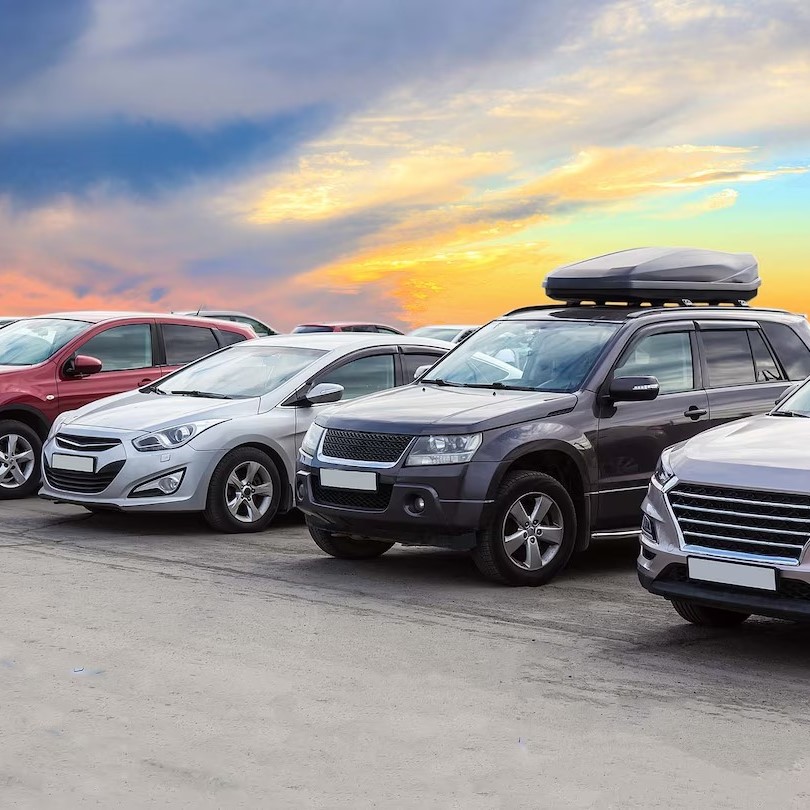
The SUV vs sedan decision depends on lifestyle, budget, and priorities. SUVs offer space, confidence, and versatility. Sedans deliver efficiency, affordability, and ease of use.
Each has strengths and weaknesses. There is no one-size-fits-all answer.
Weigh your daily needs carefully. Consider future changes like growing families or job moves.
Ultimately, the right choice fits your life—not just current trends. The SUV vs sedan debate will continue, but informed buyers make the best decisions.